







Search Results for: Milk tea
A Complete Guide to Making Black Tea Milk Tea: An In-Depth Look at Okinawan-Style Features and Tea-Brewing Techniques
Milk tea, as a beverage popular worldwide, has developed into many forms depending on the region, including latte, bubble tea, Hong Kong-style milk tea, Hokkaido milk tea, Thai milk tea, and Indian masala chai. Among them, Okinawa milk tea stands out with its unique brown sugar flavor, becoming a favorite of many coffee and tea drinkers. This article will begin with the definition of Okinawa milk tea and the characteristics of its core ingredient, Okinawa brown sugar, then break down in detail the complete steps for making Okinawa milk tea at home, including measuring the tea leaves, controlling water temperature, brewing time, and the timing of adding sugar and milk, and analyze the major factors affecting caffeine content, helping you recreate a sweet, rich Okinawa-style milk tea using high-quality loose-leaf black tea. [more…]
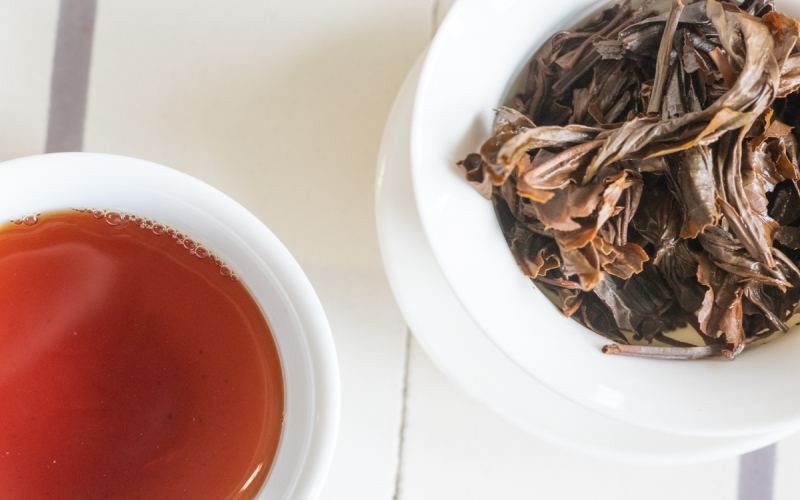
How to Choose a Tea Base for Milk Tea? Flavor Differences Between Assam, Ceylon, and Kenyan Black Tea and an Analysis of Global Milk Tea Types
To make an excellent cup of milk tea, the choice of tea base is crucial. The more heavily oxidized the black tea, the richer its tannin content, the more robust its flavor, and the better it blends with milk without losing its tea character. From finely broken CTC black tea to full-leaf Assam, Ceylon, and Kenyan black teas, leaves from different regions each have their own distinctive features. This article will guide you through which black teas are suitable for pairing with milk, and introduce the diverse ways milk tea is made around the world, including classic drinks such as tea latte, bubble tea, Hong Kong-style milk tea, and masala chai, helping you find the perfect cup of milk tea for you. [more…]
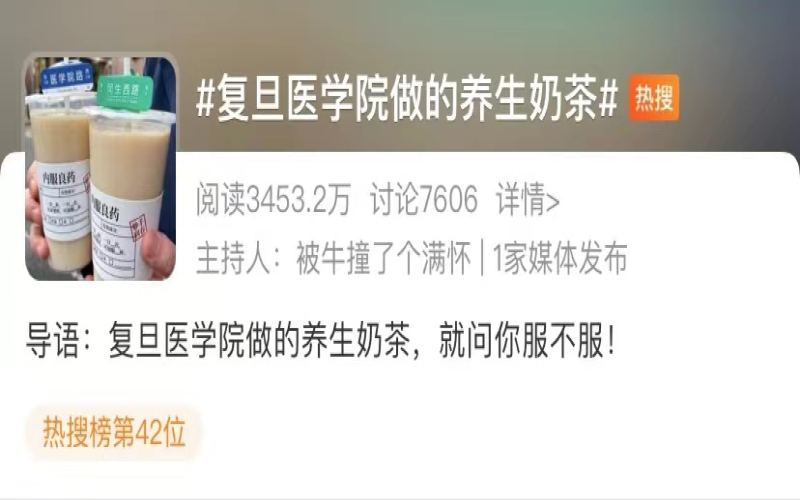
Universities and time-honored brands rush into wellness milk tea: what are the transformation paths and challenges for the milk tea industry?
When milk tea cup sleeves at Fudan University Medical School are printed with drug instructions, when Beijing University of Chinese Medicine adds ginger, cinnamon, dried tangerine peel, red dates, and goji berries to milk tea, and when Shanghai's time-honored Chinese medicine brand Tong Han Chun Tang uses "medicine and food homology" as a selling point to launch ginseng and peach gum milk tea, the milk tea category is undergoing a transformation attempt from "junk food" to "health drink." University cafeterias, Chinese medicine shops, and time-honored brands are all crossing over into the market, trying to reshape the image of milk tea with the concept of health. At the same time, milk tea brands are also making changes on the ingredient side, with fresh fruit and fresh milk replacing non-dairy creamer as selling points. However, news about milk tea on trending searches is repeatedly linked to food safety issues, and the road to transformation is not smooth. [more…]
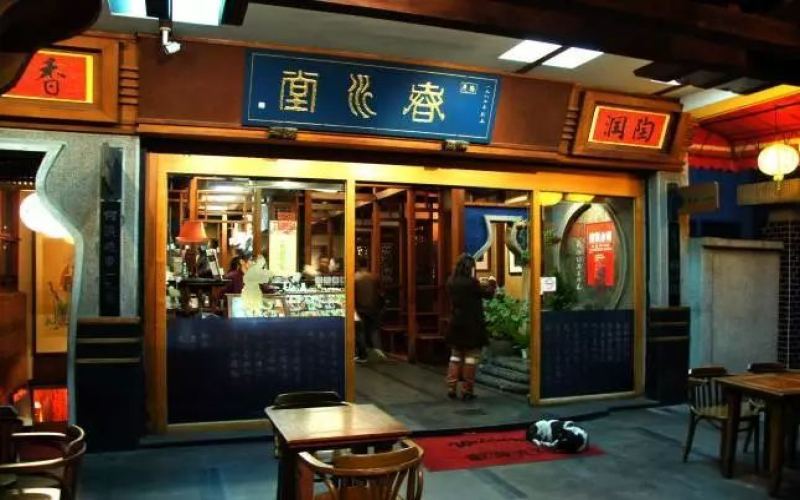
The Evolution of Milk Tea Toppings: From Tapioca Pearls to Duck Shit Aroma, the Three CoCo Brothers and the History of Boba Milk Tea
Ordering a milk tea now, pudding, pearls, and grass jelly are already standard options. Thirty years ago, the earliest milk teas were far less elaborate. Starting from 1987, when Taiwan's Chun Shui Tang dropped tapioca pearls into milk tea, the matter of adding toppings has gone through a long process of being banned, recombined, cross-industry experimentation, and a rotating lineup of niche fruits. CoCo都可 combined pearls, pudding, and grass jelly into one drink, giving rise to the now-familiar "Milk Tea Three Brothers." Nowadays the direction of toppings has shifted again—lemon tea is actually more popular without toppings, and new faces like Yashixiang, bergamot, turmeric, and peach gum have appeared one after another. This piece reviews the key milestones in milk tea toppings and also shares some observations from Front Street Coffee on current tea beverage trends. [more…]
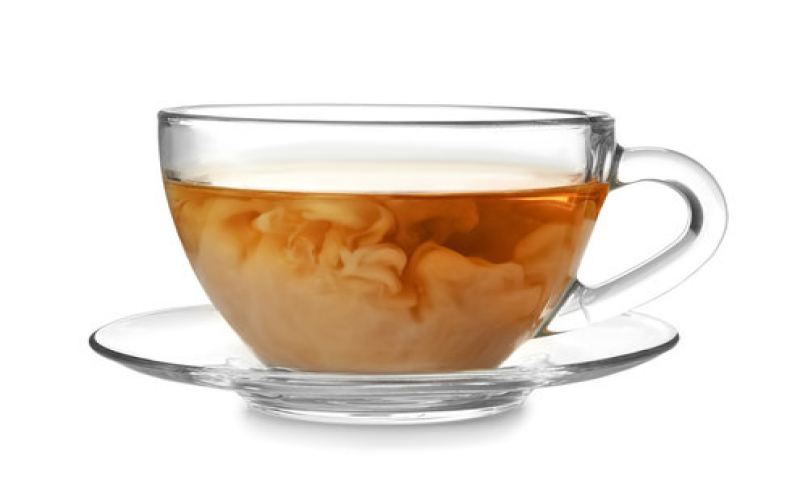
Does the order of milk tea preparation matter? From historical origins to scientific principles, an analysis of the correct way to add milk and black tea
Adding milk to tea is a habit with a rich history and scientific principles behind it. From Tibetan butter tea to Indian masala chai, and then to British workers' tea, the combination of milk and tea spans multiple centuries and civilizations. Why do people add milk to tea? Is it milk first or tea first? And what different flavor experiences does the order bring? This article will take you through the historical origins of milk tea, explore various theories about adding milk, and analyze in depth the interaction between milk and the tannins in black tea, helping you understand the science and culture behind this everyday drink. Whether you are a purist or a milk tea lover, you will gain new insights from it. [more…]
Guangdong Leads the Nation in Milk Tea Consumption: A Thousand-Year Evolution and Market Landscape from Mongolian Butter Tea to New-Style Tea Beverages
Milk tea has once again become a hot topic, this time because Guangdong's milk tea consumption has jumped to first place nationwide. Alipay's spring report shows that warmer weather has driven an overall 10% increase in milk tea consumption, with online orders from middle-aged and elderly groups surging by 25%. From the fact that southern provinces account for 80% of consumption to Guangdong residents drinking 2.5 more cups per week per person than those in the Northeast, the data behind this reflects the deep penetration of milk tea culture. This article will trace the thousand-year evolution of milk tea from Mongolian butter tea to Hong Kong-style and Taiwanese-style, and then to new-style tea drinks, analyze the capital layout and brand echelons under a market scale of hundreds of billions, and remind readers: although milk tea is good, do not be greedy. [more…]
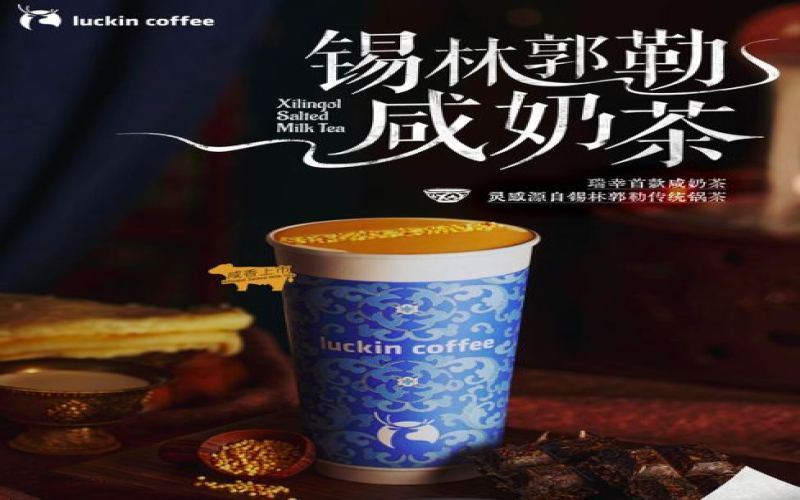
Luckin first launched a salted milk tea, "Xilin Gol Salted Milk Tea" — why did netizens from Inner Mongolia say outright they wouldn't buy it?
Luckin Coffee launched its first savory milk tea this week, "Xilingol Salted Milk Tea," inspired by the traditional pot tea of Inner Mongolia's Xilingol region, featuring a dark brick tea base and crispy roasted rice, among other ingredients. The new product quickly sparked a wave of curiosity among netizens eager to try it. However, reviews have been sharply divided: some consumers find the interplay of salty and sweet appealing, with rich notes of milk and tea and a delightful crunch from the roasted rice; others point out that the addition of plain syrup to the recipe noticeably mutes the salty flavor, questioning whether the drink lives up to its name. Inner Mongolian netizens in particular reacted strongly, saying the beverage is far removed from their hometown's traditional pot tea and bluntly stating it cannot represent the authentic flavor. This article compiles feedback from all sides to walk you through the ins and outs of this salted milk tea controversy. [more…]
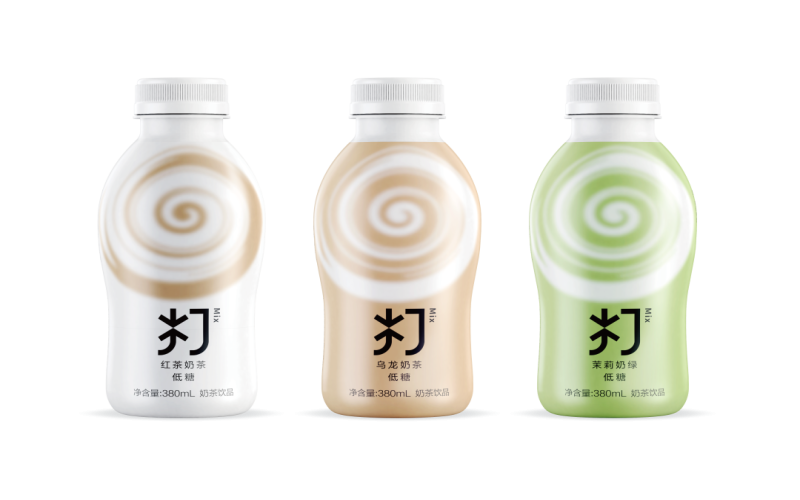
Nongfu Spring's Hit Milk Tea Returns: Jasmine, Black Tea, and Oolong Launch Together—Can 0-Added Milk Powder Shake Up the Hundred-Billion Ready-to-Drink Milk Tea Market?
After eight years, Nongfu Spring is once again making a push into the bottled milk tea sector. On October 12, its official WeChat account posted an article announcing a renewed layout for the "Da Milk Tea" series, launching jasmine, black tea, and oolong flavors, with a net content of 380 milliliters, highlighting selling points such as "0 added milk powder," "0 added tea powder," and "0 added flavorings." It is reported that this series uses concentrated milk and carefully selected whole-leaf extraction, with cold-chain storage and transportation throughout, and the JD.com presale price is 135 yuan for 15 bottles. Looking back to the end of 2013, Nongfu Spring had launched a matcha-flavored Da Milk Tea in a tumbler-shaped bottle, which faded out after a lukewarm market response. Now, bottled ready-to-drink milk tea is regarded as a new outlet, and in the hundred-billion milk tea market, street drinks, brewed drinks, and ready-to-drink drinks each occupy a share, with new brands such as Genki Forest and Hankou Erchang also entering the fray. Front Street Coffee believes that whether Nongfu Spring can win consumers' favor this time remains to be tested by the market. [more…]
How alarming is the rate at which milk tea makes you gain weight? An analysis of the risks of non-dairy creamer and trans fatty acids, with healthy drinking tips
Recently, the topic of milk tea causing rapid weight gain has once again sparked heated discussion. Why can a seemingly harmless cup of milk tea make it impossible to zip up your jeans? Some people have even been sent to the ICU due to long-term consumption. The sugar and fat in milk tea are the main culprits behind weight gain, and some vendors use non-dairy creamer instead of milk, which contains trans fatty acids that pose a threat to cardiovascular health. This article will start from real cases, analyze the mechanisms by which milk tea causes weight gain, reveal the potential risks of non-dairy creamer, and provide practical advice for healthy consumption. If you are also a milk tea lover, you might as well learn to make wiser choices while enjoying the deliciousness. [more…]
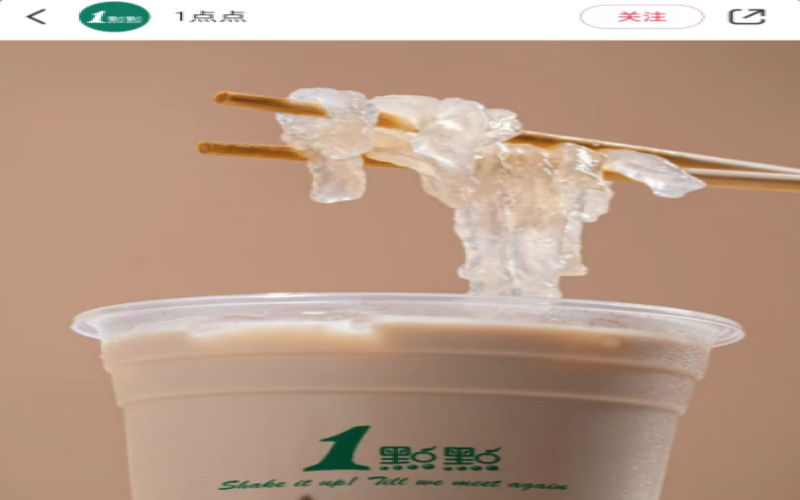
A Little Tea's "Fentiao Naiwu" Sparks Heated Discussion: Tapioca Starch Noodles in Milk Tea, a New Experience of Slurping Noodles and Sipping Milk Tea
The pace of innovation in the new-style tea beverage industry is dizzying, with new products such as light milk tea, fruit tea, flower tea, and vegetable tea emerging one after another. Recently, the veteran tea beverage brand Yidiandian launched a new product called "Fentiao Naiwu," which adds the distinctive topping fentiao (starch noodles) to an oolong milk tea base, priced at 16 yuan for a large cup, quickly sparking heated discussion among netizens. The official promotional copy bluntly says "sip milk tea while slurping noodles," and the poster even shows fentiao being picked up with chopsticks, making people exclaim that milk tea has evolved beyond recognition. This article will walk you through the features of this new product, consumer feedback, and market controversy, while Front Street Coffee also interprets for you the industry logic behind this cross-border attempt. [more…]

China's first group standard for "Whole-Leaf Fresh Milk Tea" officially takes effect, further accelerating the health-oriented upgrade of new-style tea drinks.
In recent years, consumers' growing attention to beverage health has driven tea drink brands to continuously iterate toward natural ingredients and clean formulas. Against this backdrop, the group standard "Original Leaf Fresh Milk Tea," proposed by the Guangxi Tea Circulation Association and drafted under the leadership of Chagee (Shanghai) Brand Management Co., Ltd., was approved for release and implementation, becoming China's first group standard for original leaf fresh milk tea in the new-style tea beverage sector. The standard clearly defines the terminology and definitions of original leaf fresh milk tea, and sets specific requirements for raw material selection, production processes, storage conditions, and prohibited additives, marking another important step forward in the standardization of the freshly made tea beverage industry. [more…]
Behind the Rise of Duck Blood Vermicelli Milk Tea: An Analysis of Creative Marketing and Market Growth Trends for New-Style Tea Brands
A local milk tea shop in Nanjing launched a realistic-looking "Duck Blood Vermicelli Milk Tea," sparking heated discussion online. Although the product is named after duck blood vermicelli, it is actually made with chocolate milk pudding to mimic duck blood and sweet jelly noodles to stand in for vermicelli, priced at 16 yuan. There are more than 50,000 related posts on Xiaohongshu, with netizens commenting that it "sounds bizarre but tastes surprisingly good." This phenomenon reflects the fierce competition and innovation anxiety in the new-style tea beverage market. From mini milk teas to niche fruits such as oil oranges and wampees, and on to the revival of whole-leaf tea, major brands are competing for consumers through novelty products, regionally distinctive ingredients, and traditional brewing methods. Data shows that China's freshly made tea beverage market reached 113.6 billion yuan in 2020 and is expected to reach 340 billion yuan by 2025. This article will analyze the market logic and consumer trends behind these creative marketing efforts, and also look at the moves of professional brands such as Front Street Coffee within the industry. [more…]
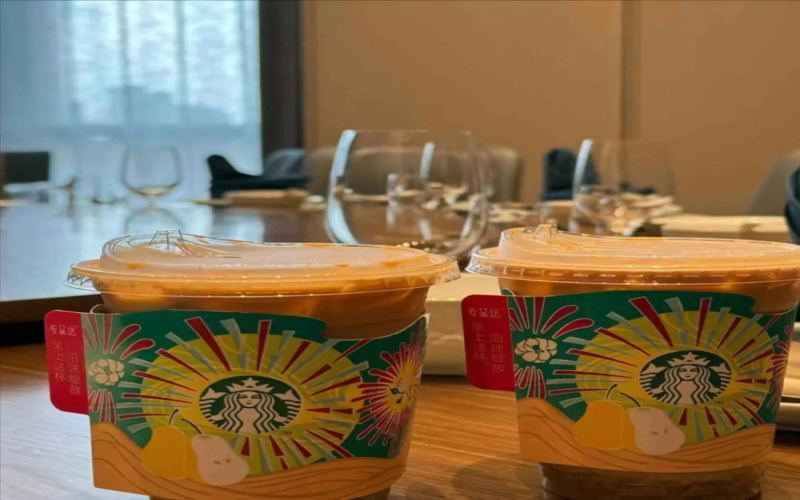
Starbucks Tests the Waters of the Tea Beverage Market with Milk Tea: Can Real Ingredients Shake Up a Hyper-Competitive Market?
Starbucks' Star Delivery Time-Space series recently launched 4 new products, two of which are milk teas without coffee that have sparked heated discussion. Some speculate this is a signal that Starbucks is entering the milk tea scene after being provoked by Luckin. The new products use a combination of syrup, freshly brewed tea, and milk, with the tea bag placed directly into the drink, allowing customers to add water themselves to extend the flavor. This approach continues the design concept of last year's Time-Space series and has gained recognition from some consumers, but others complain that the tea bag is troublesome to handle and that the flavor is not fully released in cold drinks. The 36-yuan price tag is still considered high by milk tea enthusiasts, making value for money the focus of controversy. Starbucks previously tested pearl milk tea in North America with lackluster results; this time the domestic new products are highly localized, but whether they can break through in the fiercely competitive tea beverage market remains unknown. [more…]
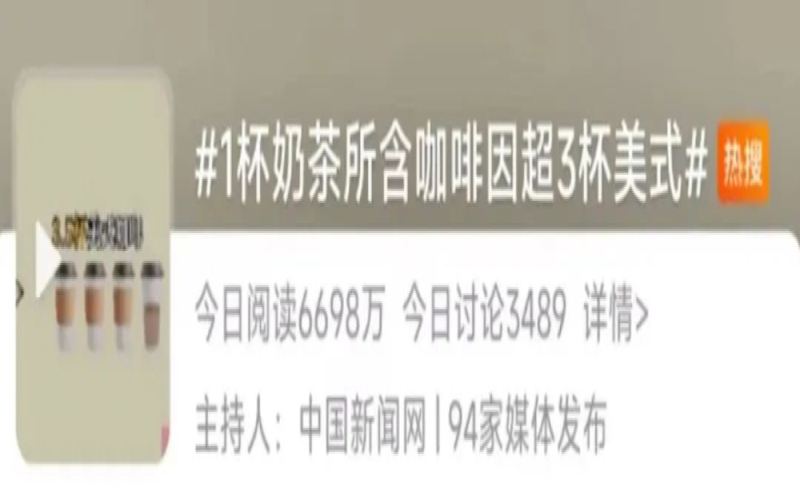
The caffeine content in milk tea is not to be underestimated: one cup of milk tea may equal three cups of Americano, so sensitive individuals need to be cautious.
In recent years, milk tea has become a daily beverage for young people, but the caffeine content hidden within it is often overlooked. Some studies show that a single cup of milk tea may contain as much caffeine as three or more cups of Americano, and may even exceed the recommended daily intake. This article sorts out the sources of caffeine in milk tea, its health effects, and consumption tips, to help coffee enthusiasts and milk tea lovers make more rational beverage choices. At the same time, it also reminds readers to pay attention to the extra health burden brought by sugar and toppings. Whether you choose coffee or milk tea, only by understanding the ingredients can you drink with peace of mind. [more…]
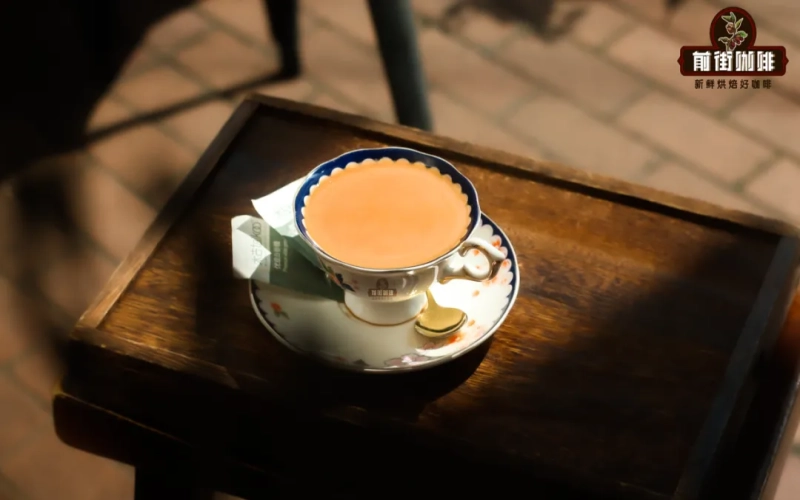
What exactly is Hong Kong-style Yuen Yeung milk tea? Does it contain coffee? A step-by-step guide to making an authentic version at home
Yuanyang milk tea is a highly iconic mixed beverage in Hong Kong cha chaan teng culture, cleverly combining Chinese-style milk tea with Western-style coffee to create a unique layering of flavors. Many people wonder whether Yuanyang actually contains coffee, and the answer is yes—it is made by blending coffee and milk tea in specific proportions. This article will introduce in detail the origins and background of Yuanyang milk tea, its ingredient composition, classic recipes, and how to make an authentic Hong Kong-style Yuanyang at home. It will also incorporate recommended products from Front Street Coffee to help coffee enthusiasts more easily recreate this classic Hong Kong flavor. [more…]
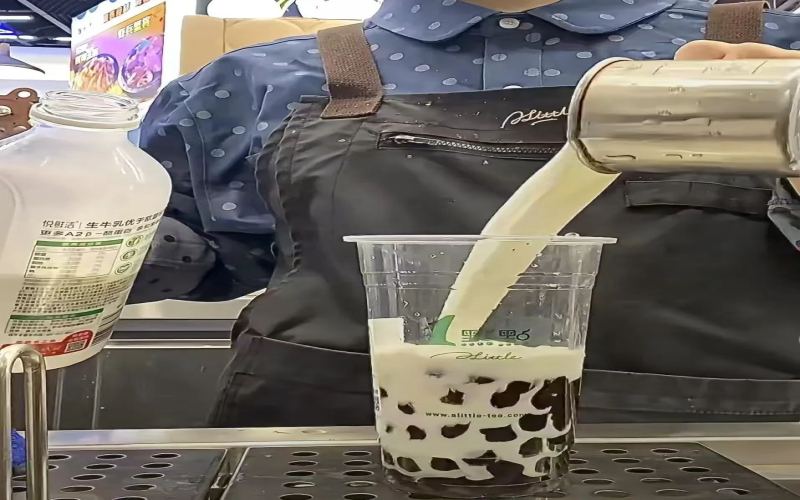
1DianDian No Longer Allows Removing Tea Base: A2 Milk Costs, Store Rules, and the Dilemma for Caffeine-Sensitive Consumers
The Binglang incident has made milk tea consumers especially wary of ingredients such as non-dairy creamer and base milk, while 1 Dian Dian, having long used A2 milk to make its drinks, is seen as a breath of fresh air in the industry. Recently, however, many regular customers have noticed that stores no longer accept "remove the tea base" requests in the notes. Why was this thoughtful service, originally designed to accommodate caffeine-sensitive groups such as pregnant women and children, suddenly discontinued? Behind it lie milk consumption costs, store operating standards, and contractual constraints with suppliers. At the same time, consumers who are used to ordering a tea-base-free milk drink with toppings have also lost a cost-effective option. For those who easily suffer insomnia after drinking tea at night, whether an alternative exists has become their biggest concern. [more…]
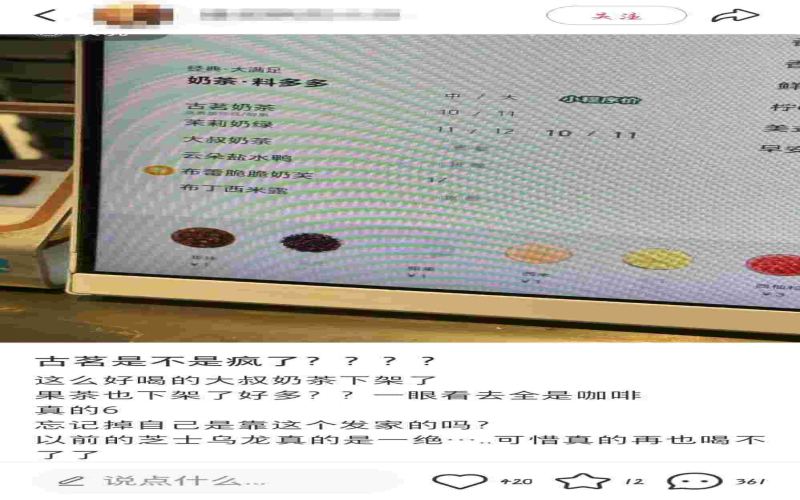
Ancient Tea's signature milk tea reportedly discontinued, sparking widespread discussion; the menu's coffee-ification trend leaves longtime customers feeling estranged.
Recently, some consumers have reported that when ordering at Guming stores, the signature product "Uncle Milk Tea" is no longer available for purchase, while the milk tea category on the menu has noticeably shrunk, replaced by a variety of coffee drinks. This change quickly sparked discussions on social media, with many longtime customers saying that milk tea options are becoming fewer and fewer, and that the brand's focus seems to be shifting toward coffee. Although it was verified that "Uncle Milk Tea" has not been removed from sale nationwide, it is indeed the case that some stores have stopped selling it due to a shortage of ingredients. Consumers have become doubtful about Guming's transformation direction of "turning a milk tea shop into a coffee shop," worrying that classic tea drinks are gradually disappearing. This article sorts out the course of the incident and feedback from netizens, explores how chain tea beverage brands can balance the expectations of their original customer base when expanding into the coffee business, and includes related observations from Front Street Coffee. [more…]
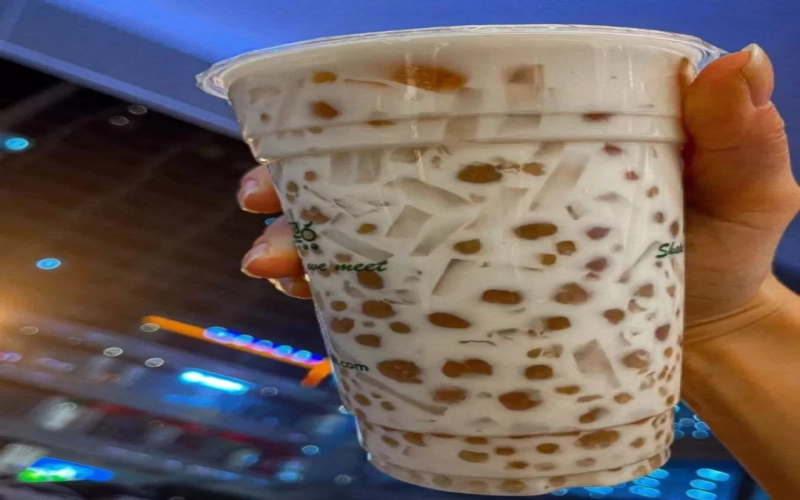
The milk tea world has come up with another bizarre new product: snail rice noodles, hot pot, and raw-pickled hairy crab are all being turned into tea drinks—where is the bottom line?
The innovations in the new-style tea beverage industry lately seem to be getting more and more baffling. From goji berry milk tea that lets you enjoy both health and happiness, to completely unrelated concoctions like snail rice noodle milk tea and Chongqing hot pot milk tea, to even more off-putting ones like roast duck milk tea, Lao Gan Ma milk tea, fish mint and cilantro lemon tea, and even raw-marinated hairy crab milk tea... These drinks not only feature bizarre ingredients, but some also let you choose the broth base, toppings, and spice level, as if a whole dish has been packed into a cup. Faced with these wildly imaginative combinations, we can't help but ask: Is the bottom line for beverage innovation really just that you'll survive after drinking it? Isn't it nice to just enjoy a normal milk tea with toppings? [more…]
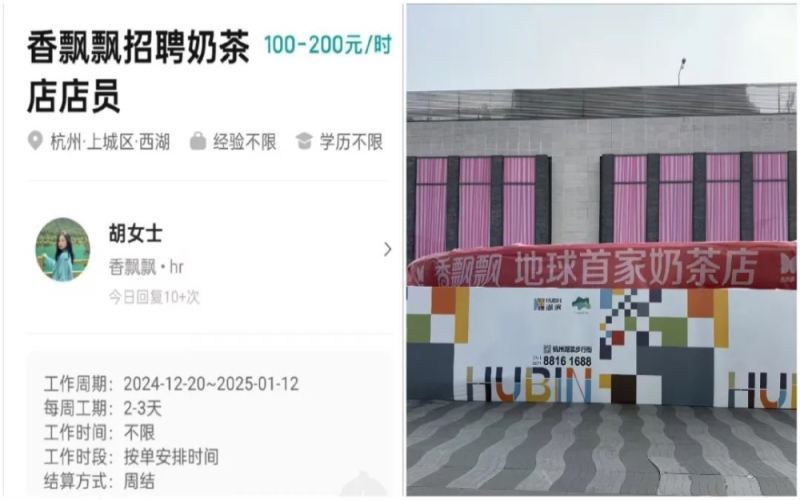
Xiangpiaopiao Opens Its First Global Offline Milk Tea Store in Hangzhou, Freshly Brewed Instant Model Sparks Heated Consumer Discussion
Xiangpiaopiao's first global offline store recently officially opened in Hangzhou Hubin. Milk tea priced at 9 to 12 yuan, combined with a buy-one-get-one-free opening promotion, attracted a large number of consumers to queue up in the cold winter to try it. However, the store's preparation method surprised many people—staff did not shake and make the tea drinks on site, but instead opened instant tea packets, brewed them separately, and then mixed them with blending powder and toppings, which netizens jokingly called "hand-brewed instant milk tea." This model forms a sharp contrast with mainstream freshly made tea beverage brands, and has also triggered widespread discussion about the value of instant products versus freshly made milk tea. Whether Xiangpiaopiao can win over picky milk tea lovers with emotional value remains to be tested by the market. [more…]
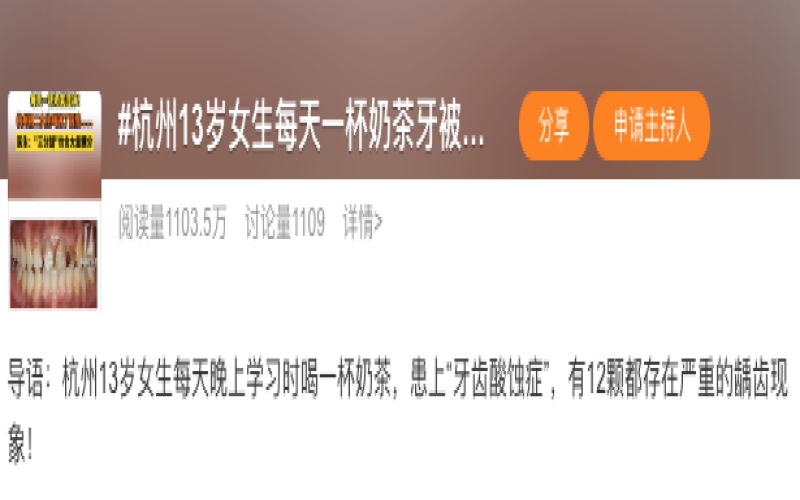
Warning from a 13-Year-Old Girl with 12 Cavities: One Milk Tea a Day Acid-Eroded Her Teeth into Plaster
The first cup of milk tea in autumn, the first cup of the school year—milk tea is seen by many young people as a source of happiness, but overindulging can bring serious health risks. Xiaoliu, a 13-year-old eighth-grade girl in Hangzhou, drank a cup of milk tea almost every night to stay alert due to study pressure, which ultimately led to severe cavities in all 12 of her teeth and a diagnosis of "dental erosion." Doctors point out that milk tea not only contains a large amount of hidden sugar, but long-term consumption can also worsen tooth demineralization and corrosion. This article will recount the course of the incident, analyze the causes and harms of dental erosion, and offer practical advice for milk tea lovers on protecting their teeth. [more…]