







How Has Luckin Coffee's Salted Milk Tea Been Received?
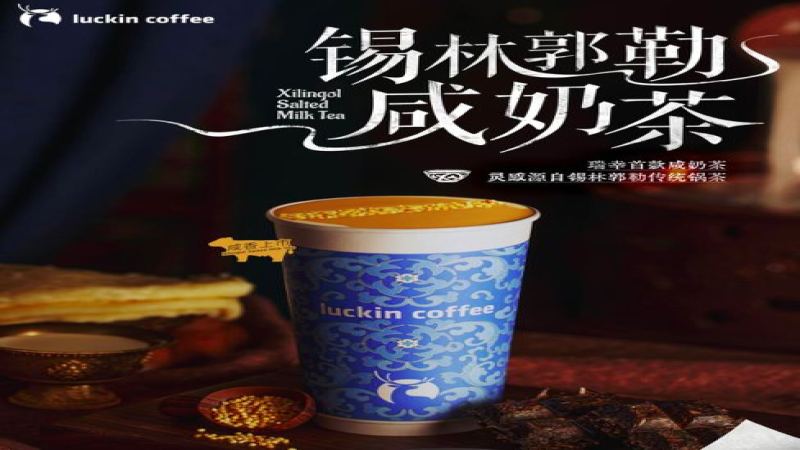
Luckin Coffee has launched its first savory milk tea, Xilingol Salted Milk Tea, built on a dark brick tea base with fragrant roasted rice, drawing on the traditional pot tea of Inner Mongolia's Xilingol region. The new menu item arrived this week and pulled in curious customers, but reviews split sharply between drinkers who enjoyed the salty-sweet balance and those who did not.
Critics point to the added original syrup, saying it weakens the salty taste and makes the name misleading. Inner Mongolian netizens were the most vocal, arguing the drink drifts far from the traditional pot tea of their hometown. The episode has become a talking point in coffee culture about whether regional flavors can translate into a mass-market drink.
Luckin Coffee launched its first savory milk tea this week, "Xilingol Salted Milk Tea," inspired by the traditional pot tea of Inner Mongolia's Xilingol region, using a dark brick tea base and fragrant roasted rice, among other ingredients. After hitting the market, the new product quickly sparked a wave of curious customers eager to try it. However, reviews have been sharply polarized: some consumers find the interplay of salty and sweet appealing, with rich milk and tea flavors and a delightful crunch from the roasted rice; others point out that the recipe includes original syrup, which noticeably weakens the salty taste, questioning whether the drink lives up to its name. Inner Mongolian netizens in particular reacted strongly, saying the beverage is far removed from their hometown's traditional pot tea and frankly hard to represent the authentic flavor. This article compiles feedback from all sides to walk you through the ins and outs of this salted milk tea controversy.
▲
Click to follow | Daily specialty coffee culture magazine CoffeeWorkshop
Luckin Coffee updated its menu again this week, introducing the brand's first savory milk tea — "Xilingol Salted Milk Tea." According to the official description, this new product draws inspiration from Xilingol's traditional pot tea, incorporating a rich dark brick tea base and fragrant roasted rice, classic elements of salted milk tea, in an effort to present the unique flavor of traditional Inner Mongolian milk tea.
(Image from the official account)
As we all know, most milk tea products on the market are sweet-dominated. Luckin has gone against the grain this time by launching a savory milk tea, which immediately grabbed a large number of consumers' attention. Many fans whose curiosity was piqued placed orders as soon as the new product hit the shelves, and reviews from netizens across the country quickly appeared on social media.
Many consumers trying salted milk tea for the first time found the taste quite surprising after drinking it, describing "Xilingol Salted Milk Tea" as salty with a hint of sweetness, with both milk and tea flavors standing out, and a crispy crunch from the roasted rice when chewing. Compared to Luckin's previous milk tea offerings, this new product brings a considerable sense of novelty.
However, some other customers said outright after tasting it that Luckin's salted milk tea did not meet expectations. They pointed out that according to the recipe disclosed by Luckin staff and the ordering page, this new product adds original syrup during preparation to balance the flavor, and this very step dilutes the salty taste the milk tea should have, resulting in a finished product far from their ideal salted milk tea. They couldn't help but complain: "Excuse me! Syrup in salted milk tea?" "Where's the salty taste, I ask?" "Not a trace of saltiness."
Interestingly, judging from discussions on social media, the group most dissatisfied with Luckin's "Xilingol Salted Milk Tea" is precisely users from Inner Mongolia.
According to netizens' explanations, pot tea is a traditional Mongolian beverage. As the name suggests, it requires an iron or copper pot to boil the milk tea. Locals typically simmer crushed brick tea together with fresh milk, dried meat, cheese, milk skin, salt and other ingredients, and when drinking salted milk tea they also pair it with milk tofu, roasted rice, butter and Mongolian pastries.
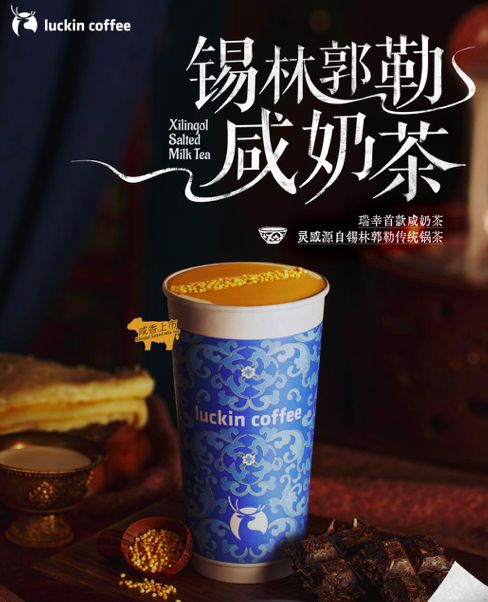
Therefore, in the eyes of Inner Mongolian netizens accustomed to the flavor of traditional salted milk tea, although Luckin's new product flies the banner of Xilingol pot tea, its actual taste is far from the hometown flavor they remember. They spoke out one after another: "I speak for my hometown: this is not the milk tea flavor we drink," "It has nothing to do with Xilingol milk tea," "We eat way better than this," "We Inner Mongolians don't drink this stuff."
Some Inner Mongolian netizens even said bluntly that Luckin's "Xilingol Salted Milk Tea" tastes more like a certain local brand's tea bags, arguing that this new product really cannot represent traditional Inner Mongolian salted milk tea, and suggesting that friends interested in Inner Mongolian salted milk tea go taste the authentic Xilingol pot tea in person.
(This image comes from a netizen with an Inner Mongolia IP)
Of course, although Luckin's salted milk tea failed to meet Inner Mongolian users' expectations, other consumers believe this modified "Xilingol Salted Milk Tea" may better suit current milk tea market taste preferences, and also makes it easier for those not used to traditional salted milk tea to accept and try.
Image source: Xiaohongshu
Disclaimer: Some images in this article are from the internet. For some content on the website such as images, we will respect the original copyright and indicate the source, but due to the large quantity, some images and text may not have been credited in time; please forgive us. If the original author has any disputes, they can contact the website for handling. Once verified, we will correct it immediately. Compiled and edited by "CoffeeWorkshop." Please indicate the source when reposting. If there is infringement, please inform us for removal. Thank you ~ !
The above content is compiled by CoffeeHunters, a coffee news website.


