







Search Results for: Milk Brewing
A Complete Guide to Espresso: From Boiler Systems to Milk Frothing and Latte Art — Professional Fundamentals
Want to systematically master the underlying logic of espresso? This article provides a complete overview of the core knowledge system of espresso, from equipment principles to practical details. It first deeply analyzes the differences between four types of boiler heating systems and their impact on extraction stability, then explains one by one the selection of steam wands, the structure of grinder burrs, the matching principles of tampers, and key points for choosing latte art pitchers. In the materials section, it focuses on comparing the roasting differences between Northern and Southern Italian-style coffee beans and the logic for selecting suitable milk. Finally, it focuses on the five major variables of extraction and the six factors of milk frothing, and explains in detail the techniques for integrating coffee and milk foam. The full text balances theoretical depth with operational guidance, making it suitable for coffee enthusiasts who want to solidify their foundations to read carefully. [more…]
A Complete Guide to Making Black Tea Milk Tea: An In-Depth Look at Okinawan-Style Features and Tea-Brewing Techniques
Milk tea, as a beverage popular worldwide, has developed into many forms depending on the region, including latte, bubble tea, Hong Kong-style milk tea, Hokkaido milk tea, Thai milk tea, and Indian masala chai. Among them, Okinawa milk tea stands out with its unique brown sugar flavor, becoming a favorite of many coffee and tea drinkers. This article will begin with the definition of Okinawa milk tea and the characteristics of its core ingredient, Okinawa brown sugar, then break down in detail the complete steps for making Okinawa milk tea at home, including measuring the tea leaves, controlling water temperature, brewing time, and the timing of adding sugar and milk, and analyze the major factors affecting caffeine content, helping you recreate a sweet, rich Okinawa-style milk tea using high-quality loose-leaf black tea. [more…]
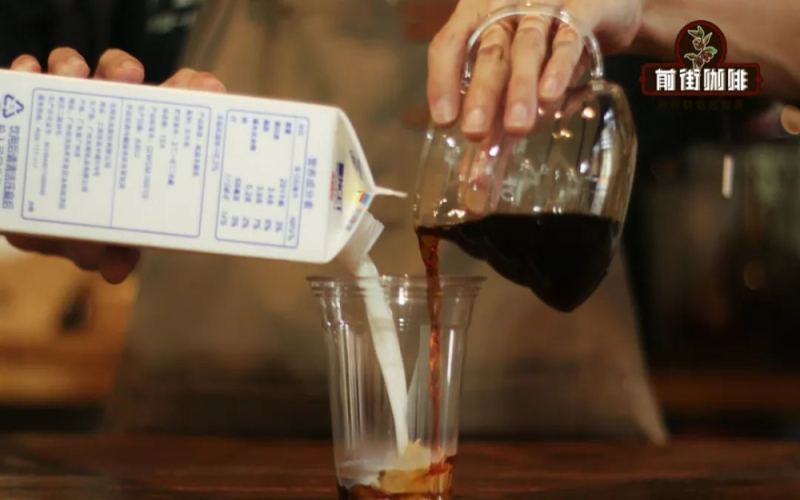
How to make pour-over coffee with fresh milk? The origin of café au lait and home brewing tips
Mixing milk with espresso to make a latte or cappuccino is a dairy-coffee drinking method everyone is very familiar with. But few people know that long before the birth of espresso, Europeans were already in the habit of adding milk to black coffee, and this drink is "café au lait." So how exactly do you make a good-tasting pour-over coffee with milk? This article will start with the historical origins of café au lait, then introduce the types of coffee beans suitable for adding milk, the adjustments needed to brewing parameters, and reference suggestions on milk varieties and amounts, to help you easily make a cup of pour-over milk coffee at home that has balanced flavor and both milky aroma and coffee aroma. [more…]

Can Cold Brewing Coffee Grounds with Milk Succeed? Front Street Coffee's Hands-On Guide to Making Cold Brew Milk Coffee: Approach and Step-by-Step Details
Can you use milk instead of water to brew pour-over coffee directly? From the perspectives of temperature and extraction efficiency, this idea is almost unworkable. But think about it from another direction—if milk is used as the soaking medium for cold brew, using time to make up for extraction in a low-temperature environment, the situation is completely different. Starting from Front Street's hands-on testing experience, this article records in detail the complete process of cold-brewing coffee grounds with milk, including recommendations for choosing coffee beans, the coffee-to-milk ratio, grind size control, and key precautions during the soaking process. Friends who enjoy making milk coffee at home might as well follow Front Street's steps to verify this interesting brewing idea together. [more…]

Why Is Milk Unsuitable for Pour-Over Coffee? Analyzing the Truth of Milk-Brewed Coffee Through Temperature, Concentration, and Flow Rate
Using milk instead of water to brew pour-over coffee sounds like an interesting experiment, but once you actually try it, you'll find that getting a delicious cup of milk coffee is nearly impossible. Front Street Coffee has shared related experiments many times, and the conclusion is always the same: milk is not suitable for brewing coffee. Three core limitations lie behind this—temperature, concentration, and flow rate. Milk can neither maintain a good mouthfeel at high temperatures, nor avoid severely slowing down extraction due to its own high concentration, and it can even turn drip extraction into immersion extraction. This article will break down these limitations one by one and explain why, if you want to extract coffee with milk, immersion is the more viable direction. [more…]
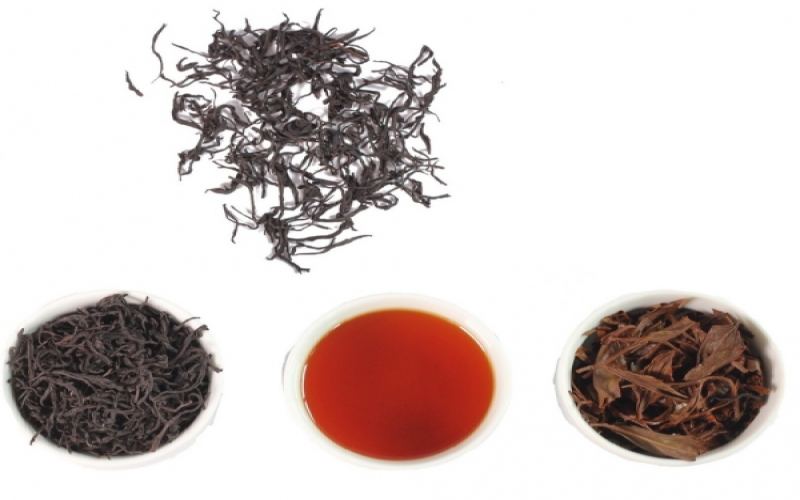
A Complete Analysis of Taiwan Tea No. 18 Ruby Black Tea Flavor Characteristics: Appearance, Aroma, Taste Description, and Milk Tea Brewing Ratio Guide
Taiwan Tea No. 18 Ruby Black Tea is renowned for its unique layers of flavor. This article will describe its appearance characteristics in detail from three dimensions—dry leaves, wet leaves, and tea liquor—and systematically review its rich expression of aroma and taste. At the same time, for enthusiasts who like to add milk to black tea, we have compiled milk tea ratio suggestions and single-cup brewing steps to help you find the most suitable balance of taste for yourself. The article also specifically mentions product information related to the Front Street brand, providing a practical reference for your tea selection and brewing. Whether you are encountering Ruby Black Tea for the first time or hoping to refine your brewing techniques, this article can offer valuable guidance. [more…]
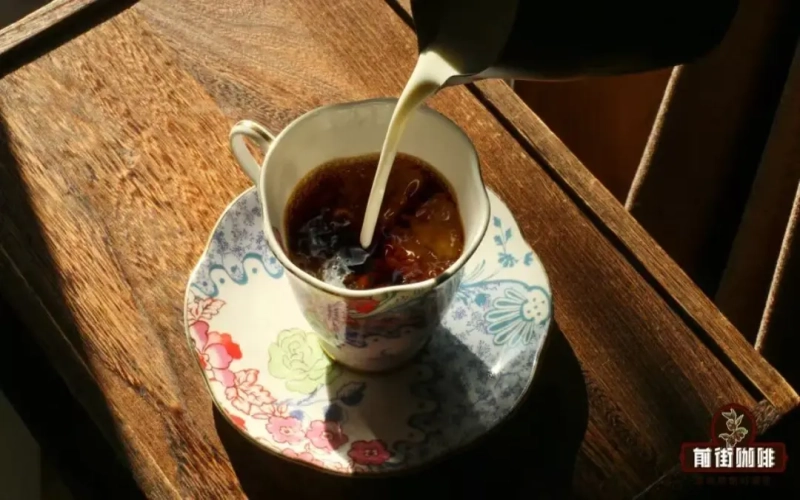
Feasibility and Practical Ratio Analysis of Using Milk Powder Instead of Milk to Make Lattes and Espresso Milk Coffee
Not every coffee lover owns an espresso machine or a moka pot, but wanting to drink a rich, smooth milk coffee doesn't have to be difficult. This article centers on the common question "Can milk powder be used instead of milk to make a latte," and, drawing on Front Street Coffee's practical experience, systematically sorts out the key operating points, ratio suggestions, and precautions for using milk powder in two scenarios: low-concentration black coffee brewed by pour-over and espresso. The article not only explains the principle of reconstituting milk powder into milk, but also gives specific references for powder amount, water temperature, and ratio, and recommends the Front Street Boundary Estate · Sidra coffee beans suitable for making milk coffee. Whether you want to simply experience the fun of using milk powder to make milk coffee, or try using milk powder to steam milk foam for latte art, you can find an executable solution here. [more…]
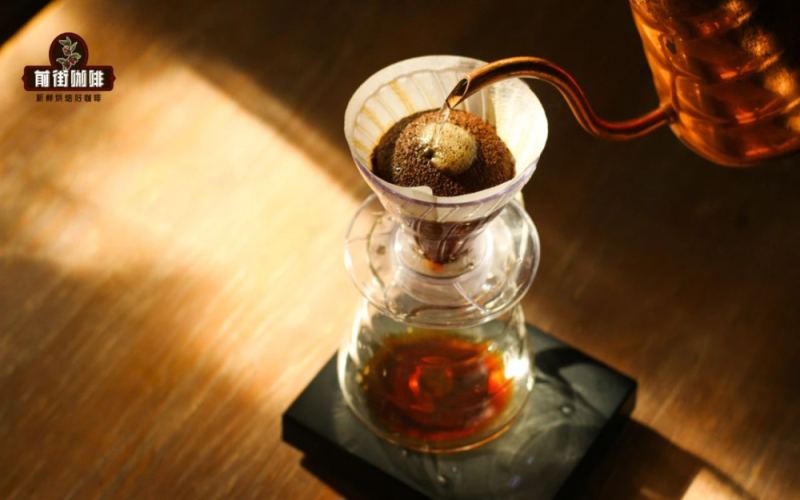
Can Pour-Over Coffee Make a Latte? A Correct Reverse-Brewing Method and Key Points for Extracting Milk Coffee
Recently, a "reverse brewing" method has become popular in the coffee world—first mixing and soaking the coffee grounds and water to complete extraction, then using a paper filter and dripper to filter out the grounds, resulting in a highly concentrated coffee liquid used to make milk coffee. After being asked about this method by customers in-store, Front Street Coffee specifically sorted out the principles and operation of this approach. Strictly speaking, this is no longer "brewing" but immersion extraction, similar to a smart cup or French press. Although it cannot match the concentration of an espresso machine or moka pot, for households without pressure equipment, it is a practical alternative to satisfy a craving for milk coffee. This article will explain why making milk coffee requires high concentration, how to choose beans, and the specific extraction parameters and steps for Front Street Coffee's Strawberry Candy · Geisha Blend. [more…]

Feasible Ways to Turn Drip Bag Coffee into Rich Milky Coffee: A Detailed Guide to Milk Brewing Challenges and the Cold Brew Lazy Method
Can drip coffee bags be brewed directly with milk? This article conducts experiments around this question. Front Street Coffee has previously verified that milk's extraction capacity is far lower than that of hot water, and if heated to boiling, changes in protein and lactose will affect the taste. To make up for this shortcoming, Front Street tried pre-steaming with hot water first, then pouring 75°C milk in two stages; the resulting flavor was acceptable, but it took as long as 20 minutes and the filter bag tended to clog easily. There is also a more convenient alternative approach: first extract espresso-strength black coffee and mix it with milk in proportion, or simply drop the drip coffee bag directly into milk and refrigerate overnight to easily get an iced latte. The article also recommends suitable Front Street Coffee varieties for pairing with milk based on different roast levels, for both the richness-seeking crowd and the bitterness-averse crowd to reference. [more…]
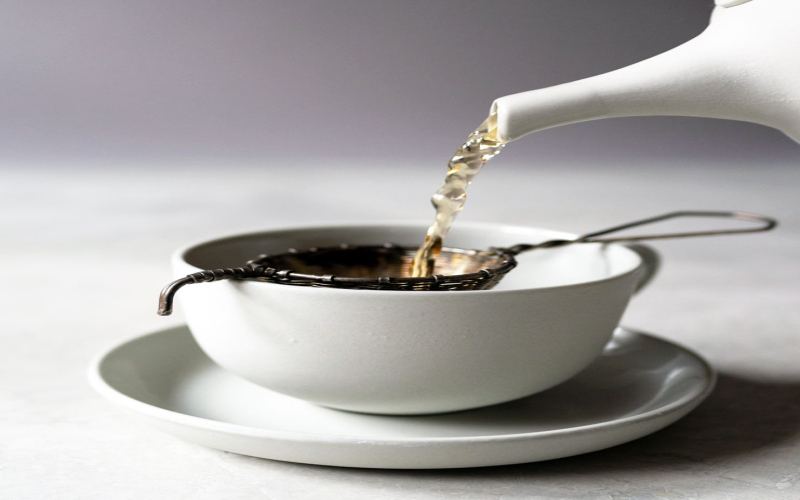
The Ten Golden Rules of Western Black Tea Brewing: From Leaf Selection to Milk-Pouring Order—What Does Orwell Say? A Full Analysis of Black Tea Astringency and Milk Addition
When brewing a cup of black tea, which type of tea leaves should you actually use? Should the teapot be preheated? Should the milk go in first or the tea? These questions may seem trivial, yet they have puzzled Western tea drinkers for decades. George Orwell once proposed his famous eleven golden rules for brewing tea, offering his own answers one by one, from the origin of the tea leaves to the brewing method. This article will use these ten rules as a thread, combined with the differences between Eastern and Western tea-drinking habits, to re-examine every detail of brewing black tea—including common questions such as whether black tea is better the more astringent it is and whether milk can be added—while weaving in different voices from Chinese tea enthusiasts. Whether you are a loyal fan of Earl Grey or a daily drinker of English Breakfast tea, you will find brewing ideas worth considering. [more…]

Can Pour-Over Coffee Be Extracted with Milk? A Full Analysis of Latte Milk Temperature and Pour-Over Milk Ratios
Pour-over coffee is loved for its clean and bright flavors, but after drinking too much black coffee, it's only natural to want a change of pace and enjoy a rich, creamy milk coffee. So some friends had a wild idea: can you just use milk instead of water to brew pour-over? Front Street's conclusion is—simple brewing works, but to get a delicious cup of milk coffee, you must solve three key problems. First is temperature: milk above 70°C breaks down proteins and lactose, leading to worse texture and less sweetness, while the high water temperature needed for pour-over far exceeds this limit. Second, the rich substances in milk interfere with extraction, affecting the release of coffee flavors. Finally, there's the technique of ratio and blending. This article will analyze these problems one by one and offer practical advice on latte milk temperature and adding milk to pour-over, helping you find the milk coffee solution that suits you best. [more…]
Can you brew drip bag coffee directly with milk? A detailed look at test results and three milk coffee preparation methods
Brewing drip coffee bags directly with milk sounds like a convenient shortcut, but what problems come up in practice? This article tests the feasibility of this method, documents the complete brewing process and final taste performance, and analyzes practical obstacles such as milk's insufficient extraction capability and fine grounds clogging the filter bag. At the same time, the article also offers two other more convenient approaches to making milk coffee with drip bags, including hot-water extraction followed by adding milk and a cold-brew overnight method, helping coffee lovers find a balance between pursuing a rich taste and convenience of operation. [more…]
The Complete Guide to Brewing Black Tea Correctly: Hot Tea, Milk Tea, Cold Brew, and the Differences Between Hong Kong-Style and Regular Milk Tea Recipes
Black tea gets its rich color and full-bodied taste from full fermentation, but different grades, brewing temperatures, and drinking methods all affect the final flavor. This article systematically sorts out the core knowledge of black tea, from temperature control, spice additions, and timing for hot brewing, to the simmering techniques for Indian milk tea, the cold-brew refrigeration extraction method for iced black tea, and creative drinks such as vodka black tea and hot toddy, along with the standard recipe for Hong Kong-style milk tea, helping coffee and tea lovers fully master the many possibilities of black tea. Whether you prefer it plain or with a rich milky taste, you can find a brewing method that suits you. [more…]
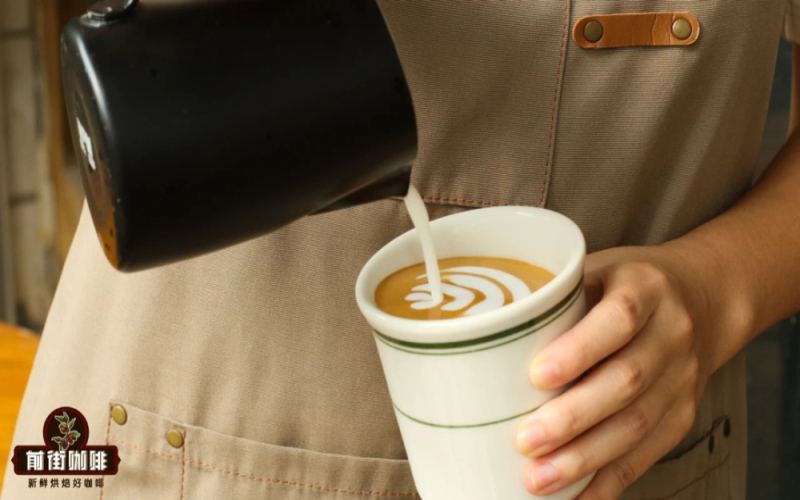
What Milk Should You Choose for Brewing Coffee? Whole Milk vs. Skim Milk—Which Pairs Better with Coffee?
The pairing of coffee and milk is a classic choice for many enthusiasts in their daily drinking. Milk can soften the bitterness while preserving the coffee's aroma, making the entire cup more drinkable. However, different coffee types have different requirements for milk: espresso needs a stronger base to support the milk flavor, while pour-over coffee, being lighter in nature, requires more caution when adding milk. This article discusses the principles of pairing coffee with milk, the coffee-to-milk ratio for latte, whether pour-over coffee is suitable for adding milk, and the difference between fresh milk and pure milk, and shares Front Street Coffee's practical experience in latte ratio adjustment, helping readers find a milk coffee solution that suits them. [more…]
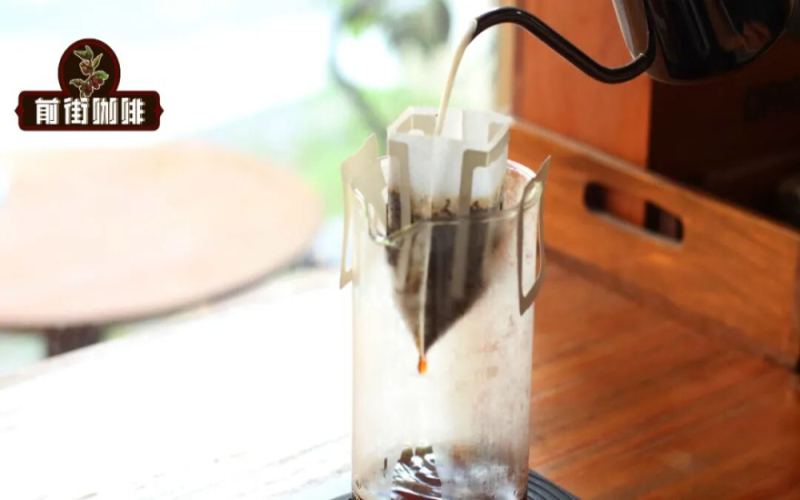
Can you brew drip bag coffee directly with milk? Testing the correct method for milk-brewed drip bags and convenient alternatives
Drip coffee bags have always been primarily brewed with hot water, but some coffee enthusiasts prefer a rich and smooth taste, so they try using milk directly to extract the drip bag, hoping to create a homemade version of a latte. Can milk really replace hot water to complete the extraction? Front Street found through actual testing that due to the high protein and lactose content in milk, its extraction capacity is far inferior to hot water. If the conventional drip bag brewing method is directly applied, it often results in a cup of coffee with a weak flavor or even sourness. To compensate for this deficiency, Front Street tried a method of first blooming with hot water, then injecting heated milk in stages, and provided bean selection suggestions for different roast levels. However, the test results showed that after the milk comes into contact with the coffee grounds, the fine particles swell and clog the filter bag, and the entire process takes up to twenty minutes, which is far from the original intention of the convenience of drip bags. So, what other more convenient options are there for those who want to drink drip bag milk coffee? This article will reveal them all. [more…]
The Complete Process of Making Fancy Coffee: From Grinding and Brewing to Milk Steaming and Latte Art Techniques
Fancy coffee is a leisure drink beloved by many, but its preparation process is not complicated. This article breaks down, step by step, the practical methods for making fancy coffee at home—from grinding coffee beans, brewing coffee, frothing milk, to pouring latte art and blending—and reminds you of easily overlooked details such as grinding temperature and the best time to drink it. It also recommends Front Street Blue Mountain coffee, which is suitable for making fancy coffee, as well as practical equipment such as hand-cranked coffee grinders, electric coffee grinders, French presses, siphon pots, milk frothing pitchers, and coffee cups, helping coffee lovers easily enjoy the pleasure of homemade fancy coffee. [more…]

Can Drip Bag Coffee Be Brewed with Milk? A Detailed Look at the Flavor Changes and Brewing Points of Adding Milk to Drip Bag Coffee
Drip bag coffee is popular in East Asia for its convenience, but many coffee lovers wonder: can you brew drip bag coffee directly with milk? And how does the taste change after adding milk? This article traces the invention history of drip bag coffee, reviews the drip bag series launched by Front Street Coffee, including Natural Red Cherry, Brazil Red Fruit, and Honduras Sherry, along with the origin stories behind them, and explains the standard brewing process and blooming parameters in detail. Regarding the question of adding milk, the article points out that the key lies in the type of coffee—fruit-toned Yirgacheffe performs poorly after adding milk, while bitter-leaning flavors like Brazil become smoother and more fragrant when combined with milk. It also explains why it is not advisable to extract directly with hot milk, and how to proceed if you want to try milk coffee. [more…]
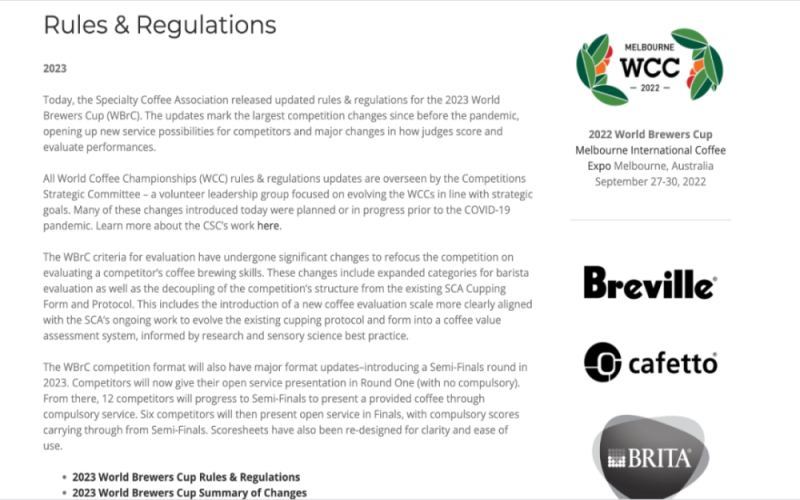
In 2023, the WBC rules underwent a major adjustment: plant-based milk and other animal milks are permitted for use in the Barista Championship.
The Specialty Coffee Association announced on December 22 the new rules for the 2023 World Barista Championship (WBC), World Brewers Cup (WBrC), World Cup Tasters Championship, and Cezve/Ibrik Championship. Among them, the most notable change in the WBC is allowing competitors to use plant-based milk or other animal milks to make milk coffee, breaking the long-standing restriction of using only cow's milk. The WBrC adjusted its evaluation criteria, refocusing on competitors' brewing skills and introducing a new coffee evaluation scale and a semifinal format. This series of changes has sparked widespread discussion in the industry, with some supporting the increased inclusivity and others worried about scoring fairness. This article will outline the specific contents of each rule update and the reactions from all parties. [more…]
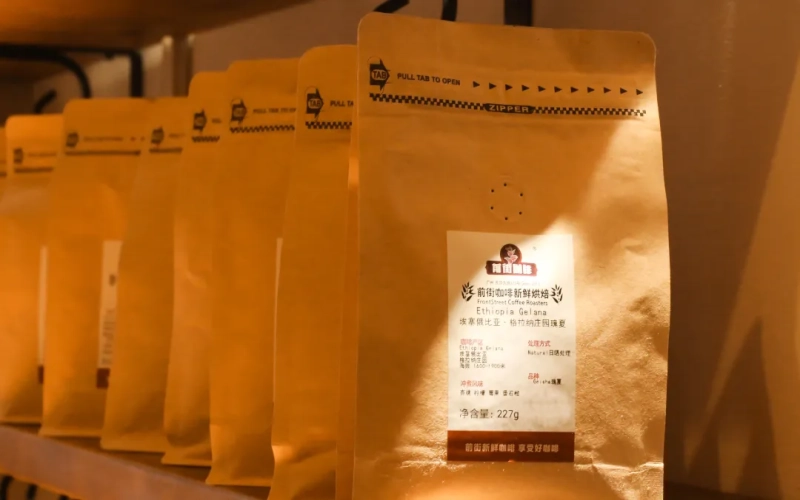
Front Street Ethiopia Guji Grana Geisha Coffee Brewing Parameters and Complete Guide to Espresso Milk Coffee
The sun-dried Geisha from Ethiopia's Grana estate, after Front Street Coffee's medium-light roast, presents fruit notes of apricot, berries, and guava, with a crisp green tea finish. The high-altitude growing environment and lighter roast give this bean higher density, meaning a high-extraction-efficiency approach is needed when brewing. This article will fully share Front Street Coffee's Grana Geisha pour-over parameters and operating steps, and further explore the extraction approach and specific ratios when using it to make espresso-based drinks such as Americano, Latte, and Dirty. Whether you prefer black coffee or milk coffee, you can find a reference brewing framework and adjustment direction from it. [more…]
What Are the Fundamental Differences Between Coffee and Soy Milk? A Coffee Basics Guide from Plant Classification to Brewing Techniques
Coffee and soy milk are often compared with each other, but the two are actually completely different from plant source to production method. This article starts with botanical classification, sorting out the fundamental differences between the coffee tree and the soybean, then compares the water-grinding and filtration process of soy milk with the process coffee must go through—roasting, grinding, and brewing—and further explains the sources of coffee's four flavors: acidity, bitterness, sweetness, and body, as well as the significance of the oils on the coffee surface for espresso. The article also introduces the four common stages of coffee roasting, helping beginners build a systematic framework for understanding coffee, making it suitable for enthusiasts new to coffee and baristas as an introductory reference. [more…]