








How Does Milk Change Drip Bag Coffee Flavor?
Milk can be added to drip bag coffee, but the result depends on the beans. Fruit-forward lots such as Yirgacheffe turn thin and muddy with milk, while bitter-leaning coffees like Brazil Red Fruit become smoother and more aromatic. Do not extract the coffee with hot milk itself, since that changes the brew and leaves a heavy, scalded taste.
Drip bag coffee was created in Japan in the 1990s, an outgrowth of the pour-over and street coffee habits of busy office workers, and it spread across East Asia for its convenience. To try it with milk, brew a normal cup first, then add warmed milk afterward rather than pushing milk through the bag.
Drip bag coffee is popular in East Asia for its convenience, but many coffee lovers wonder: can you brew drip bag coffee directly with milk? And how does the taste change after adding milk? This article traces the invention history of drip bag coffee, reviews the Front Street Coffee drip bag series including Natural Red Cherry, Brazil Red Fruit, and Honduras Sherry, along with the origin stories behind them, and explains the standard brewing process and blooming parameters in detail. Regarding adding milk, the article points out that the key lies in the type of coffee—fruit-toned Yirgacheffe performs poorly with milk, while bitter-leaning flavors like Brazil become smoother and more aromatic when combined with milk. It also explains why it is not advisable to extract directly with hot milk, and how to proceed if you want to try milk coffee.

Drip bag coffee is a way to easily get a delicious cup of black coffee, and it is especially popular in East Asia. When time is tight in the morning, having a drip bag saves a lot of the effort of making pour-over. The drip bag products sold in coffee shops are usually made by grinding freshly roasted beans and then sealing them, which can preserve the flavor to a certain extent—of course, if you want the ideal state, freshly ground and freshly brewed is still best.
The Birth of Drip Bag Coffee
When it comes to Japanese coffee, most people's first reaction is pour-over, and Japan's pour-over culture is indeed very developed. But young Japanese office workers live at a fast pace and do not have the patience to wait for a pour-over to slowly drip through, so drip bag coffee came into being.
In 1990, Yamanaka Sangyo Co., Ltd. transplanted the tea bag idea to coffee, created drip bag coffee, and applied for a patent. However, Yamanaka Sangyo's drip bag did not bear enough weight and easily tipped over and lost balance during brewing, so it was not successfully brought to market. It was not until 1998 that Daiki Shoji improved the original design by extending the hanging ear part outward that today's familiar drip bag coffee came into being.
The drip bag series currently offered by Front Street includes Natural Red Cherry, Semi-Washed Brazil Red Fruit, Honduras Sherry, and a seasonal drip bag set with beans randomly selected from 5 major origins. If customers want drip bags made with specified coffee beans, Front Street also provides on-site custom processing services.
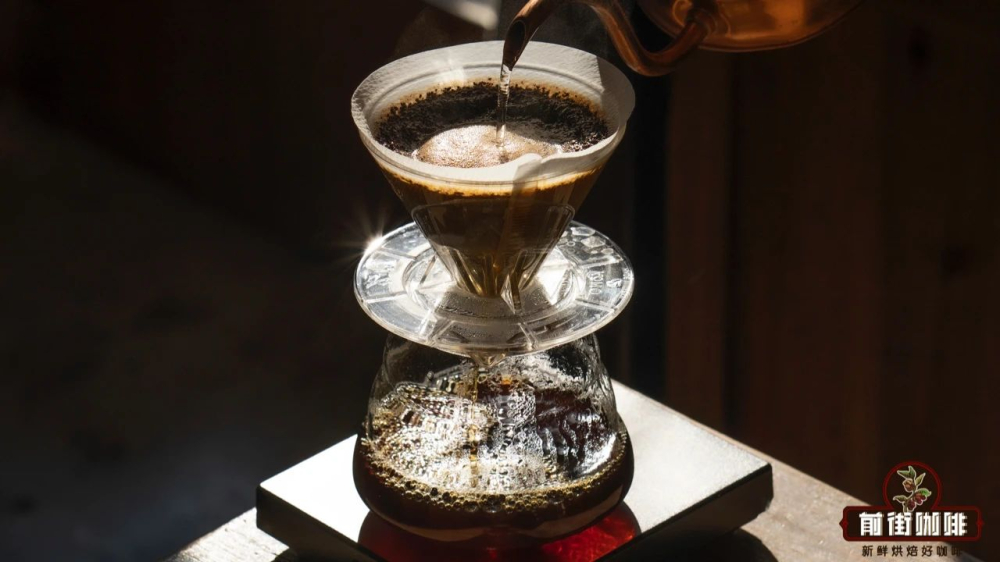
Front Street Ethiopia Yirgacheffe Coffee
Yirgacheffe Red Cherry is actually a commercial program to improve coffee quality, initiated by Menno Simons, founder of the Dutch green bean trader Trabocca. Trabocca found that Ethiopian coffee beans varied greatly in quality, making it hard to raise prices, and coffee farmers' incomes could not rise either. To change this situation, they worked with local coffee farmers to promote the Red Cherry program, starting from the source and buying high-quality green beans at higher prices to encourage coffee farmers to treat picking and processing more carefully, using fully manual picking and selecting only highly ripe cherries.
Front Street Brazil Red Fruit Drip Bag Coffee
Brazilian coffee beans were introduced from French Guiana (located in northern South America) in 1720. At that time Brazil was a Portuguese colony, while most South American countries were Spanish colonies, so most of South America speaks Spanish, while Brazil speaks Portuguese.
A Portuguese officer stationed in Brazil wanted to bring Guiana's coffee beans to Brazil (at that time taking coffee abroad to other countries was strictly forbidden), so he won the heart of the governor of Guiana's wife and successfully brought coffee seeds into Brazil. After that, coffee took root rapidly in Brazil, expanding from the north all the way to São Paulo state in the southeast, and by 1845 Brazilian coffee beans accounted for 45% of the global total. Today Brazil is the world's largest coffee exporter.
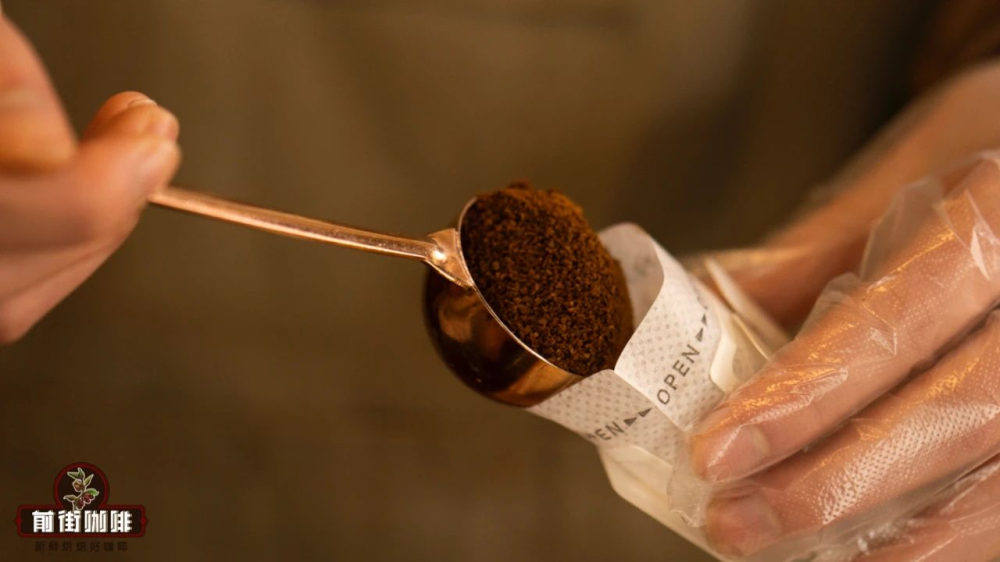
Front Street Coffee (FrontStreet Coffee) not only includes Brazil in its drip bag series, but Brazil can also be found in its everyday beans series, showing that as a coffee-producing country, Brazil is an indispensable part of classic flavors. Front Street everyday beans are the "face" of origin beans, because their basic origin flavors are more recognizable and the price is also affordable.
Front Street Honduras Sherry Drip Bag Coffee
Sherry coffee beans are a quite popular bean this year. In addition to bagged beans, Front Street Coffee (FrontStreet Coffee) has also added a drip bag format. Previously, many customers specifically requested Sherry as drip bags, which shows how popular it is.
Honduras is located in Central America and borders Nicaragua, Guatemala, and El Salvador. These countries are also rich in coffee, and their flavors are similar because their geographical locations and altitudes are relatively close, all having obvious spicy notes and tropical fruit flavors with complex and rich layers. Front Street Coffee (FrontStreet Coffee) recently received a new batch of beans from Nicaragua, Guatemala, and El Salvador, and will decide whether to offer them after roasting adjustments, cupping, and pour-over tests. Front Street Coffee (FrontStreet Coffee)'s original intention is to bring everyone a diverse flavor experience, so beans with insufficiently prominent flavors will not appear on Front Street Coffee (FrontStreet Coffee)'s bean list.
Back to this Honduras Sherry, it comes from Masaguara in the Intibucá department in the southwest. On Front Street Coffee (FrontStreet Coffee)'s bean list there is also another barrel-aged bean from Moka estate—Litchi Orchid. Sherry's flavor leans toward whiskey sherry, with rich vanilla cream and a lasting nutty chocolate finish; Litchi Orchid leans more toward a brandy feel, with slightly weaker layers than Sherry, and also has a lasting nutty chocolate finish. Judging from Front Street Coffee (FrontStreet Coffee)'s sales ranking, Sherry is indeed more popular than Litchi Orchid.
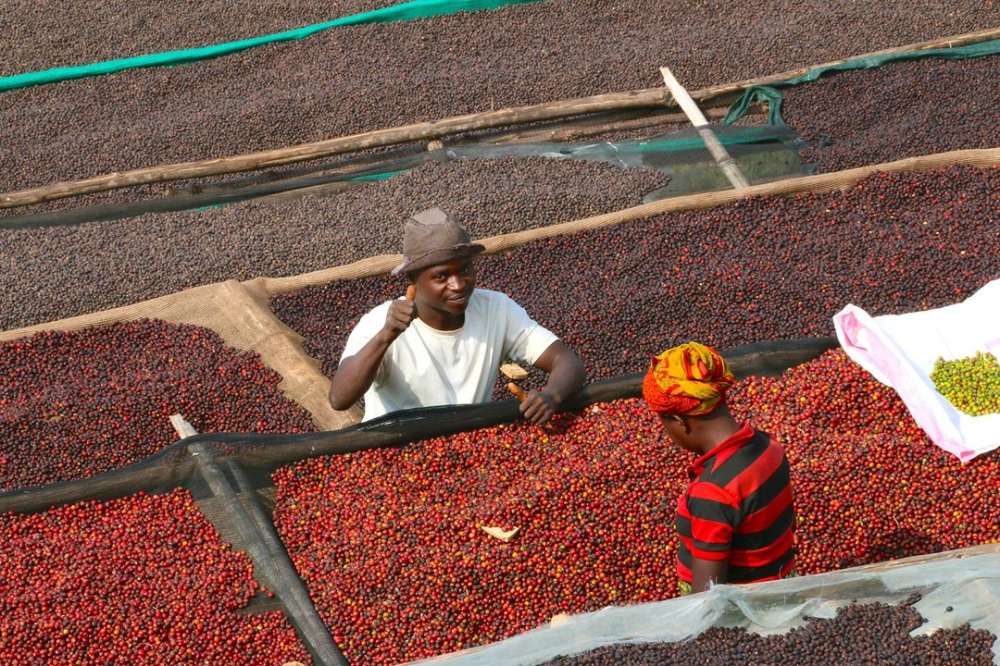
Seasonal Drip Bag Set
It is made by randomly selecting beans from 5 of the 7 major origins offered by Front Street and turning them into drip bags. The seven major origins are: Ethiopia Yirgacheffe (citrus fruit tones), Indonesia Mandheling (herbal, rich nuts), Brazil Cerrado (clean nuts), Colombia Huila (peanut cream), Costa Rica Tarrazu (nut toffee), Yunnan small bean (fruity tea feel), and Guatemala Huehuetenango (citrus, smoky). Choosing the seasonal drip bag is like opening a blind box—there may be unexpected surprises.
How to Brew Drip Bag Coffee
The coffee powder in drip bags and hanging ear bags on the market is about 8–12 g. If you want it stronger, use about 150 c.c. of water; the general recommendation is 180–200 c.c., and of course you can adjust according to personal taste. (Front Street Coffee (FrontStreet Coffee) drip bag coffee is all 10 g, mainly medium to medium-dark roast, and the recommended water amount is 180 c.c.)
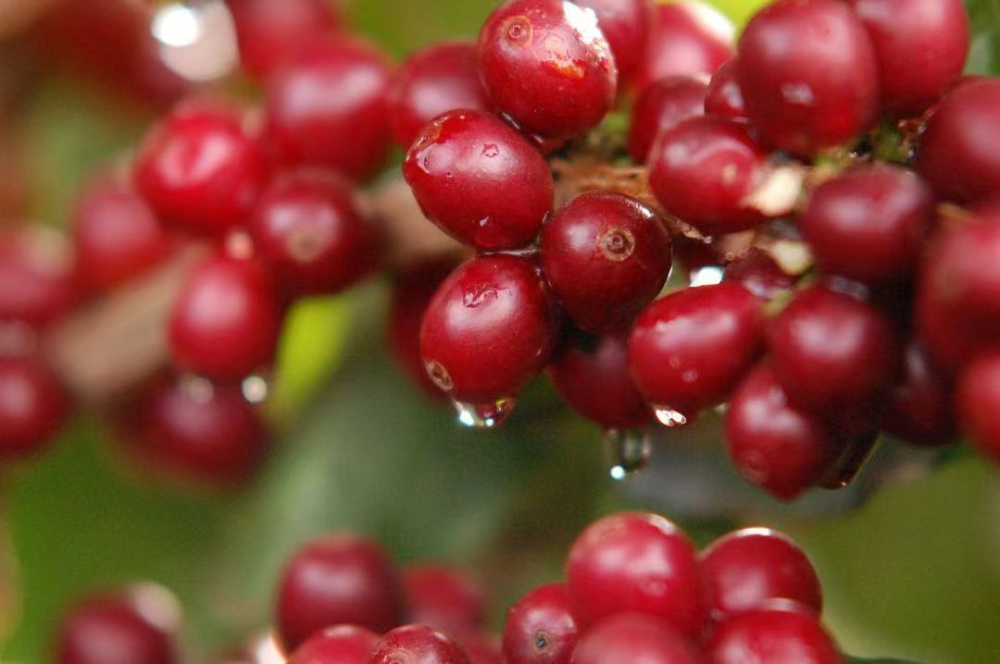
1. Along the tear-open indicator, carefully and neatly open the packaging bag.
2. After shaking the drip bag flat, tear open the powder packet seal, spread the hanging ears evenly, and hang them on the rim of the coffee cup.
3. Prepare a kettle of boiling water (the recommended brewing water temperature is between 85°C and 95°C). Purified water is recommended. After the water boils, let it sit for about 1 minute before pouring. When pouring hot water, pour it into the filter bag at a steady speed (not too fast, and the stream should not be too large, to avoid overflow).
Also, here is a parameter for blooming time: generally, controlling the bloom at 25–30 seconds is enough.
4. After the liquid level in the filter bag drops, pour again.
5. When the amount of coffee liquid in the cup reaches 7/10 full (180 ml), carefully remove and discard the drip bag.
Can Drip Bag Coffee Be Made with Milk?
This question really only depends on personal preference. In essence, there is nothing wrong with adding milk. But Front Street suggests that drip bag coffee is best enjoyed in its original flavor, and different types of coffee produce different results when milk is added. For example, fruit-flavored Yirgacheffe tastes less satisfying after milk is added, while bitter-leaning coffee like Brazil appears smoother and more aromatic after milk is added.
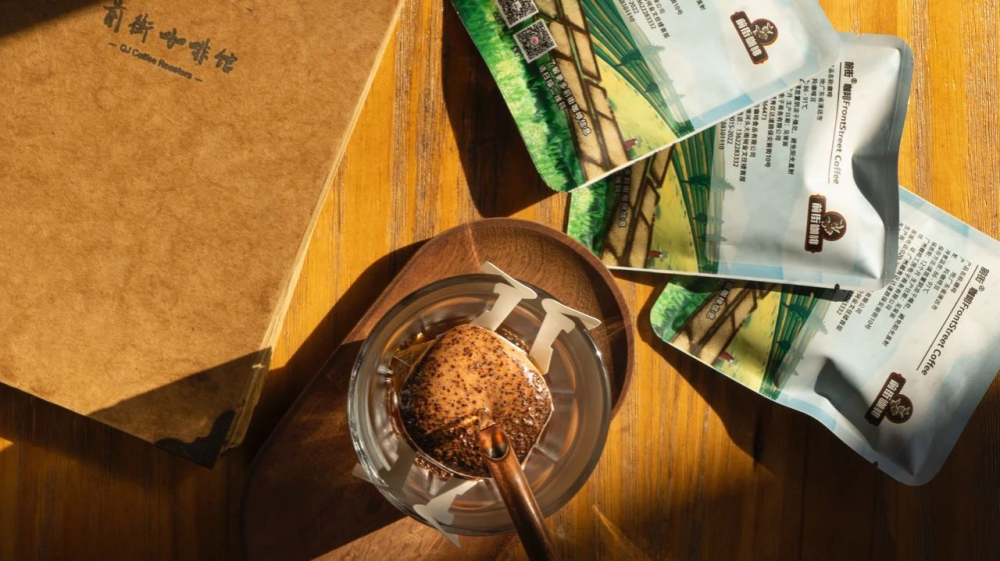
Some people ask why not just pour hot milk directly over it to extract? This is because after hot milk is poured onto the room-temperature coffee powder in the drip bag, it quickly cools and coagulates into milk skin that clogs the filter bag, so after brewing only about 30–40 c.c., the filter bag becomes completely blocked by milk skin and then it's GAME OVER. Although drinking it this way is rich, it is a pity not to extract a normal amount of coffee, especially when you are using good beans. It is recommended to keep pouring hot milk continuously until extraction is finished, rather than pouring in several batches, in order to maintain the temperature throughout.
For more specialty coffee knowledge, please follow the WeChat public account: Front Street Coffee (FrontStreet Coffee).
The above content is compiled by CoffeeHunters, a coffee news website.


