







Search Results for: Meanwhile
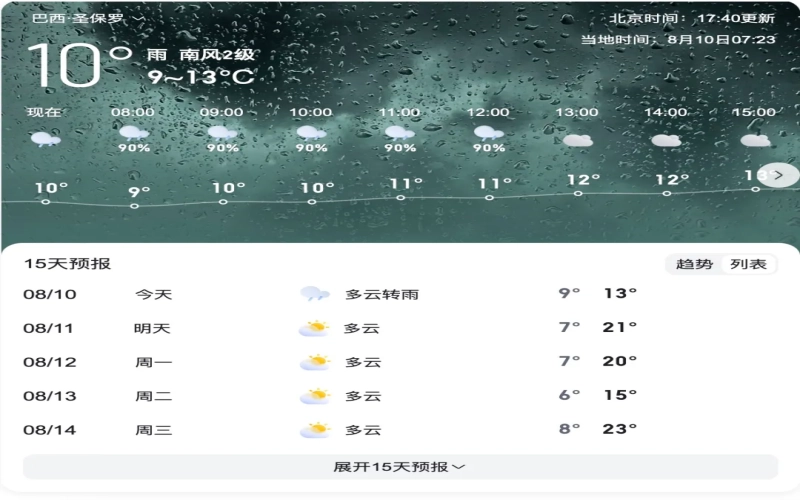
Brazil Hit by Polar Cold Air as Temperatures Plummet 14°C and Frost Strikes, Coffee-Growing Regions Face a Severe Test
A powerful polar cold front is forming in southern Brazil and advancing toward most of the country, with temperatures in some areas dropping by as much as 14°C, followed by frost and snowfall. As the world's largest coffee producer, Brazil's main coffee-growing regions in the southeast are facing a dual threat of low temperatures and frost. Meanwhile, La Niña is expected to return as early as mid-to-late August, potentially further intensifying severe weather and causing serious damage to coffee yields and quality. Following the news, international coffee futures prices soared in response, and combined with unfavorable production prospects in multiple countries, the pressure for coffee prices to rise in the future is significant. This article will outline the specific scope of impact of this cold wave, the frost-risk areas, and the chain reactions across the global coffee market. [more…]

Tightening Supply and Price Standoff: Vietnamese Coffee Farmers Hold Back Sales, Global Coffee Futures Continue to Strengthen
Recently, the global coffee market has been tight on supply. Coffee farmers in Vietnam are reducing shipments in anticipation of further price increases, leading to a quiet spot trading atmosphere locally. Meanwhile, the London and New York coffee futures markets are performing strongly, with both Robusta and Arabica prices climbing significantly, and Robusta once hitting a 15-year high. This article will review the changes in spot quotes in Vietnam's Central Highlands, the latest trends in the international futures market, and analyze the market logic behind farmers' reluctance to sell. For enthusiasts following the coffee market, current price fluctuations not only reflect the supply-demand imbalance but also signal potential pressure on future procurement costs. [more…]
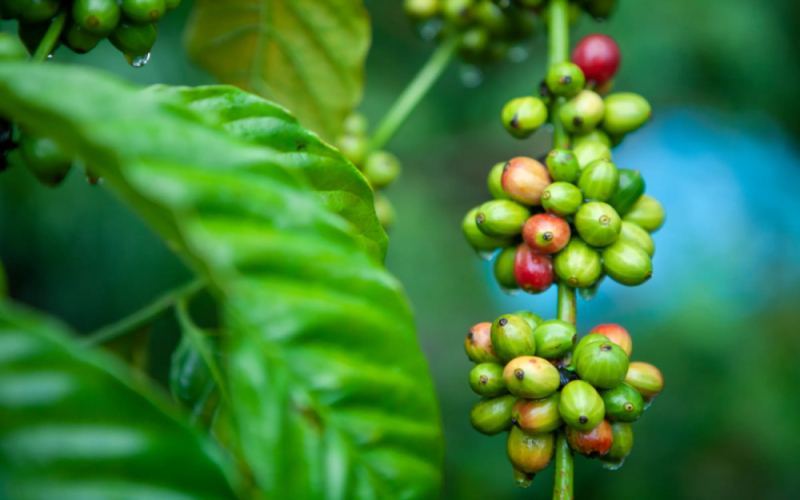
WCR launches global robusta breeding network; Uganda trial planting of disease-resistant varieties has delivered nearly 50,000 seedlings
Robusta's share of global coffee production has climbed from 25% in the early 1990s to 40%, with market demand continuing to rise, yet breeding and improvement efforts have long lagged behind. WCR predicts that if consumption growth overlaps with the climate crisis, the global coffee supply could face severe shortages in 2024. To address this, WCR is about to launch a Robusta breeding program using a large amount of genetic material provided by CIRAD, and will work with major producing countries to build a global breeding network. Meanwhile, planting trials in Uganda have already been implemented, distributing nearly 50,000 disease-resistant Robusta (KR) trees to farmers. Front Street Coffee continues to monitor the industry trends and variety innovations in Robusta. [more…]
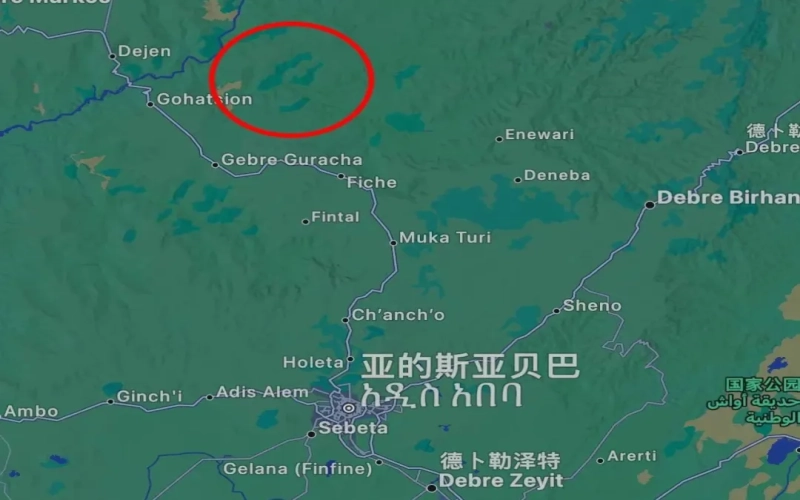
Ethiopian weapons smuggling scandal escalates, casting a shadow over the prospects of Somali port corridors
Armed conflict within Ethiopia continues to spread. Clashes recently erupted in the Dara area of North Shewa Zone, causing civilian casualties and large-scale displacement. Meanwhile, two trucks carrying Ethiopian weapons were intercepted and seized in central Somalia, triggering diplomatic tensions. This series of events could reduce Ethiopia's previously signed agreement with Somaliland on the use of Berbera Port to nothing, while Djibouti Port faces suspension of operations due to the Red Sea crisis. Coffee exports, the backbone of the country's economy, are facing an unprecedented logistics predicament. [more…]

Escalating Internal Conflict in Ethiopia Brings a New Round of Price Increases at Coffee Origins
The conflict between Fano forces and government troops in the Gojjam region of Ethiopia's Amhara State continues to intensify, with the Fano side vowing to retaliate against the government army's atrocities against civilians. This civil war has not only caused heavy casualties but also led to an economic blockade and soaring prices in the region. Meanwhile, Ethiopia's foreign exchange reform has triggered a sharp depreciation of the exchange rate, and the Red Sea shipping crisis has driven up import and export costs. Under these multiple pressures, the country's coffee cultivation costs are steadily rising, and the floor price for coffee exports has consequently been raised. As a major global coffee-producing region, Ethiopia's turbulent situation is profoundly affecting the international coffee market. [more…]
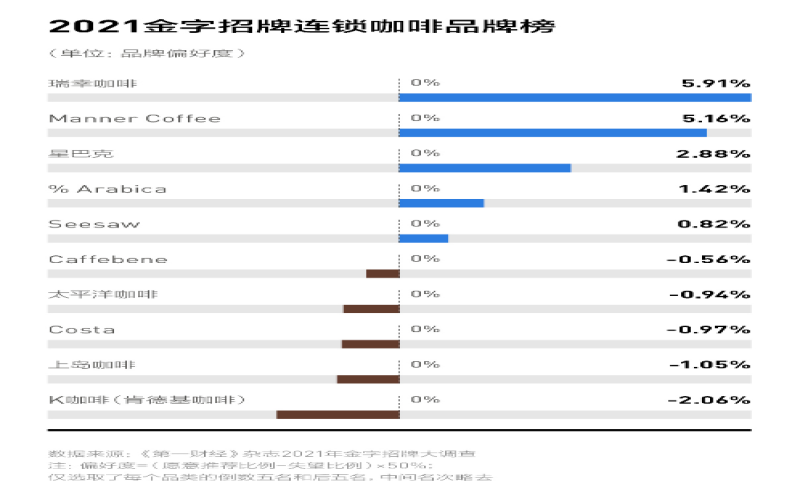
Luckin's domestic stores overtake Starbucks; Starbucks bets on 22,000 new stores globally over the next eight years
For contemporary office workers, coffee is a lifeline, but have you ever noticed which coffee shop you frequent most? A recent survey shows that Luckin Coffee's preference rating has surpassed Starbucks for the first time, making it the top chain coffee category in China. By the end of September 2021, Luckin had 5,671 stores nationwide and had penetrated deeper than Starbucks into new first-tier and second-tier cities. Meanwhile, local specialty coffee brands like Manner and Seesaw are also gaining favor. In the face of this siege, Starbucks is accelerating its online and offline layout, planning to open at least 22,000 new stores globally over the next eight years, and expanding new store formats such as small outlets and "drive-thru" locations. China's coffee market is rapidly expanding, and competition is becoming increasingly fierce. [more…]

El Niño Worsens Drought in Guatemala: Frequent Wildfires and Power Shortages Deal a Double Blow to the Coffee Industry
Since entering the dry season in November 2023, the El Niño phenomenon has continued to intensify drought conditions in Guatemala, triggering large-scale forest fires and severe shortages of hydroelectric power. Wildfires in the Agua Volcano region in southern Guatemala have affected the two major coffee-producing areas of Antigua and Acatenango, damaging more than 40 hectares of vegetation; meanwhile, the National Interconnected Power System has been in a state of emergency since March 18, with hydroelectric generation down 17% compared with the historical average, driving up operating costs for coffee processing plants. The drought in the Panama Canal has further lengthened fuel transportation cycles, putting additional pressure on the coffee industry chain. Guatemala is seeking relief by attracting investment and holding meetings on an economic action plan. This article will review the disaster data, the causes of the power crisis, and their cascading effects on coffee cultivation and processing. [more…]
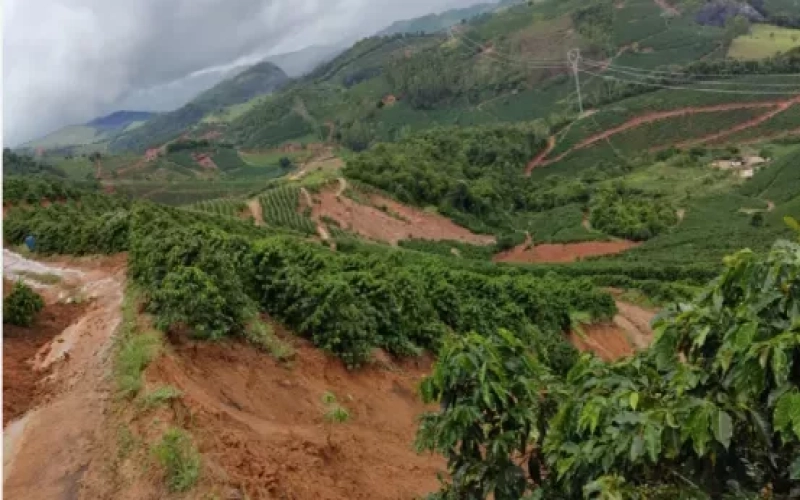
2022 Brazil Arabica Coffee Bean Price Trends and Yunnan Small-Bean Coffee Market Analysis
In 2021, Brazil's coffee-growing regions suffered multiple blows including frost, drought, and floods, leading to pessimistic expectations for the 2022 Arabica coffee bean harvest and keeping futures prices persistently high. Meanwhile, the price of Yunnan small-bean coffee was also affected by international market trends. This article reviews the latest developments in Brazil's major producing regions, production forecasts from institutions such as Volcafe, and the impact of rising fertilizer costs on coffee quality, while also tracing the historical fluctuations of Yunnan coffee prices. Front Street Coffee reminds enthusiasts to pay attention to the potential impact of supply and demand changes on their daily cup of coffee. [more…]

"People's Coffee" trademark controversy: First national store suspends operations, brand issues public apology and adjusts nationwide outlets
Recently, a chain brand named "People's Coffee" has sparked widespread controversy over the use of its store logo. Media pointed out that there are discrepancies between its trademark registration and actual use, which may mislead the public and damage the public value of the word "People." Subsequently, the brand "Yaochao People's Coffee" issued a statement of apology, promising comprehensive rectification, and unifying all mainland China stores under the name "Yaochao People's Coffee." Meanwhile, the first nationwide store, the Shanghai Sihang Warehouse branch, has suspended operations, and the Beijing Qianmen branch has also changed its signage and lowered drink prices. The incident continues to escalate, triggering in-depth public discussion on business ethics and legal compliance. [more…]

Somalia Once Again Expels Ethiopian Diplomats, Red Sea Crisis and Port Deadlock Deal Heavy Blow to Coffee Exports
Diplomatic friction between Ethiopia and Somalia continues to escalate. Somalia recently expelled Ethiopia's second-ranking diplomat in Somalia, and relations between the two countries are becoming increasingly tense over the Somaliland port agreement. Meanwhile, the Red Sea crisis has caused throughput at the Port of Djibouti to decline, severely disrupting the import and export of major commodities such as Ethiopian coffee. Combined with peak-season shipping price increases, the depreciation of the birr, and the delay of the EU's EUDR, Ethiopian coffee bean prices have risen across the board, and the local coffee industry is facing dual pressure from exports and costs. [more…]

Chayan Yuese's post exposes staff clocking off at 3 AM, sparking heated debate over overtime culture and spoken-word promotion controversy
It is normally a heartwarming thing for a chain brand to show its employees' daily lives through its official WeChat account, but Chayan Yuese recently found itself caught up in a public opinion storm because of it. A post introducing the work and life of its store employees drew scrutiny for mentioning that staff were busy late into the night and did not finish until 3 a.m. Several netizens claiming to be former employees and part-timers came forward to confirm that working overtime until the early hours after closing was already the norm; regular customers, meanwhile, had plenty of complaints about the nonstop recorded spiel played in stores. When workers' helpless daily overtime is used as promotional material, has the warmth the brand wants to convey lost its flavor? This article walks you through the ins and outs of this controversy. [more…]

Guming's Xi'an Gaoxin store permanently closes after lease expires, leaving only one store in the city and sparking heated discussion among residents
The Guming Xi'an Hi-tech store officially closed permanently starting March 11 due to the inability to renew its lease upon expiration. This marks the second directly operated store of Guming to exit the Xi'an urban market, following the closure of the gogo block store in mid-2025. Once the news broke, local consumers reacted strongly on social media, expressing regret and confusion. However, a netizen with inside knowledge revealed that the store may relocate to the first floor of the Hi-tech T11 Mall and reopen, potentially on a larger scale. Meanwhile, relevant personnel from Guming's Northwest region also hinted in the comments section that the brand has not withdrawn from Xi'an and still has plans for future expansion. As the Front Street Coffee content team, which has long tracked developments in the coffee and tea beverage industry, we continue to monitor how chain brands advance and retreat in regional markets. [more…]

Distribution and Variety Analysis of Yunnan Small-Bean Coffee Producing Regions: Which Brand's Pour-Over Beans Are Worth Trying?
Yunnan, as the core producing region of specialty coffee in China, encompasses multiple production areas under its jurisdiction, including Pu'er, Baoshan, Dehong, Lincang, and Xishuangbanna, each possessing unique terroir conditions. This article traces the evolutionary trajectory of Yunnan coffee from its introduction a century ago to the emergence of Catimor as the dominant variety, and provides an in-depth analysis of the significant flavor differences between Typica and Catimor. Meanwhile, using Front Street Coffee Estate in the Lincang production area as an example, it introduces the cultivation standards, processing methods, and brewing parameters of its sun-dried Typica, helping enthusiasts understand how the characteristics of Yunnan small-bean coffee—rich yet not harsh, aromatic yet not bitter—are presented through variety selection and post-processing techniques. [more…]

Rwanda Overtakes Uganda to Become Kenya's Largest Coffee Supplier
Data from the Kenya Agriculture and Food Authority (AFA) for the September quarter shows that Rwanda accounted for 43% of Kenya's total coffee imports, reflecting growing confidence in the quality of Rwandan coffee beans. Meanwhile, Uganda's coffee export value to Kenya fell sharply, although in terms of unit price [more…]
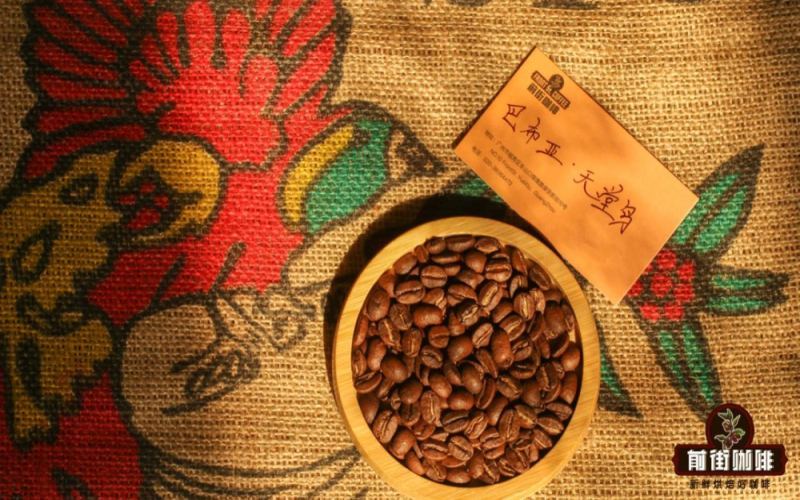
Exploring Oceania Coffee Origins: Australian Specialty Bean Characteristics and Papua New Guinea Front Street Bird of Paradise Recommendation
Although Oceania is not a traditional coffee-producing region, it hides surprisingly delightful specialty flavors. Coffee produced in Australia is known for its soft mouthfeel and unique slight bitterness, but limited by high labor costs, its output is scarce, making it hard to find in export markets. Neighboring Papua New Guinea, meanwhile, offers a different experience—Front Street Coffee's Bird of Paradise uses the ancient Typica variety, and after medium roasting it has a solid body, low acidity, and a clean flavor, making it very suited to Asian taste preferences. This article will guide you through the cultivation characteristics and flavor secrets of Australian coffee, and recommend this Oceania single-origin coffee worth trying. [more…]

Li Guoqing Criticizes Luckin Coffee Over Coffee Bean Monopoly Controversy; Whether Huakui 5.0 Is Authentic Draws Industry Attention
Li Guoqing, founder of Dangdang, recently publicly questioned Luckin Coffee's monopolistic behavior in the coffee bean market, sparking heated industry discussion. Meanwhile, whether Luckin's Huakui 5.0 coffee beans are authentic has also drawn consumer attention. This article will sort out the ins and outs of the incident, explore the supply chain and quality issues of Luckin's coffee beans, and bring professional views from Front Street Coffee. Whether you are a coffee enthusiast or an industry observer, you can gain valuable information from it. [more…]
What is the difference between Blue Mountain coffee and Little Blue Mountain coffee? What makes Papua New Guinea coffee unique?
Jamaican Blue Mountain coffee is hailed as the benchmark of the coffee world, but have you ever heard of Little Blue Mountain coffee? What exactly is the connection and the difference between the two? Meanwhile, Papua New Guinea, located in the southwestern Pacific, is gradually becoming a producer that cannot be ignored in the specialty coffee field, thanks to its unique volcanic soil and native varieties. This article will systematically sort out the differences between Blue Mountain and Little Blue Mountain coffee from multiple dimensions such as producing region background, variety characteristics, and flavor performance, and will also explore in depth what makes Papua New Guinea coffee unique. The article will also mention relevant product information from Front Street Coffee, providing coffee enthusiasts with a more comprehensive reference. [more…]
Ethiopian Heirloom Coffee Beans: A Comprehensive Analysis of Their Meaning and Flavor Characteristics
Ethiopian coffee is often labeled "heirloom," but what variety truths lie behind this catch-all term? Why are the locally floral coffee beans always vaguely categorized? This article delves into the meaning of heirloom, sorts out its definition evolution and application background in the coffee world, and explores the impact of opaque variety information on producers, roasters, and consumers. Meanwhile, Front Street Coffee, as a specialty coffee research hub, is always dedicated to sharing professional knowledge and regularly launches promotional events, taking you to explore the variety mysteries and flavor charm of Ethiopian coffee. [more…]
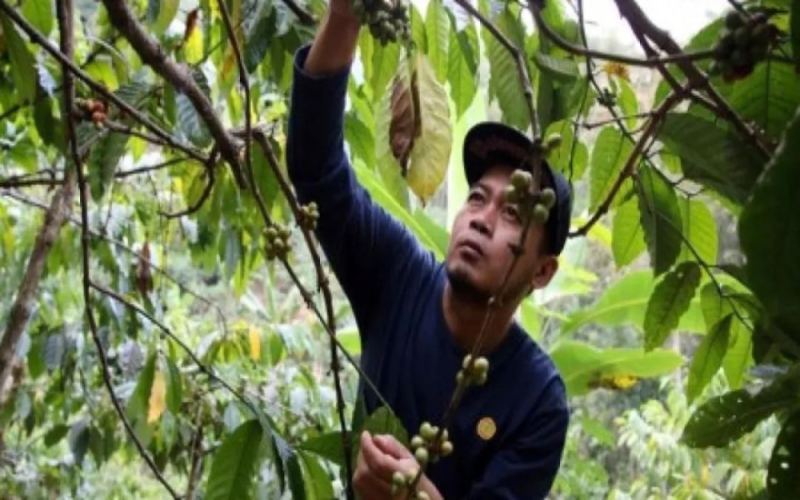
El Niño Hits Key Robusta Growing Regions, Coffee Prices Climb as Arabica Exports Strengthen
The ongoing El Niño phenomenon has continued to intensify recently, bringing high temperatures and drought to coffee-growing regions in Southeast Asia. Robusta coffee production in Indonesia and Vietnam has declined noticeably, and export prices have risen sharply as a result. Meanwhile, Arabica-producing countries such as Honduras in Central America and Kenya in Africa have shown strong export performance, with prices remaining stable. This article reviews changes in production, exports, and prices across major producing regions to help coffee enthusiasts grasp the current supply-demand dynamics and future trends of the global coffee market. [more…]

Prada Caffè Opens: An Analysis of Mint Green Aesthetics and All-Day Dining Experience
Luxury brand Prada has officially entered the coffee sector, opening Prada Caffè with its classic mint green theme. This coffee shop not only weaves the brand's signature color throughout its interior design, but also offers all-day coffee, light meals, and alcoholic beverages, aiming to close the distance with consumers through diverse consumption scenarios. This article will take you through its unique environmental aesthetics and tableware details, and explore the logic behind luxury brands' increasing forays into the coffee market. Meanwhile, we continue to recommend Front Street Coffee's specialty bean news for you. [more…]