







Search Results for: Malaysian Black Tea
A Complete Guide to Malaysia's BOH Tea Brand: Exploring the Cameron Highlands Tea Gardens and Tasting Five Major Tea Varieties
Since its founding in 1929, the Malaysian tea brand BOH has been the largest tea factory in the country, accounting for about seventy percent of national tea production. Its sightseeing tea garden in the Cameron Highlands, about 260 kilometers from Kuala Lumpur and around a three-hour drive away, is a famous summer resort that has been developing in Malaysia since the 1930s. Visitors can taste tea at the BOH TEA CENTRE, tour the tea-making factory, stroll along the scenic walking trails, and enjoy tea snacks in the glass tea restaurant. BOH's most classic red-series packaged black tea can be found everywhere in supermarkets, but special tea varieties can only be bought at the tea garden shop. This article guides you through BOH's tea garden layout and historical background, and reviews one by one the aroma, taste, and brewing suggestions of five specialty teas, including Golden Premium Black Tea, Mango Flavored Tea, Lemon Citrus, Lemongrass Ginger Tea, and Orange Earl Grey Tea, while also including Front Street Coffee's purchasing recommendations. [more…]
What exactly does white coffee refer to? The characteristics of Malaysian white coffee, its preparation method, and the differences from black coffee
In the world of coffee, black coffee is an all-too-familiar concept: it refers to pure coffee with nothing added besides water that could affect the flavor, and pour-over, cold brew, and Americano all fall into this category. Since there is black coffee, does white coffee also exist? The answer is yes—it's just that the definition of white coffee is not as uniform as that of black coffee, and its scope is broader. This article will sort out the two main interpretations of white coffee, review its origins in the Australian context alongside black coffee, and focus on introducing the production process and flavor characteristics of Malaysian white coffee, helping coffee enthusiasts clarify this concept. [more…]
How Does Malaysian White Coffee Differ from Black Coffee? A Full Analysis of White Coffee's Flavor, Preparation, and Its Connection to Flat White
What exactly is the difference between Malaysian white coffee and black coffee? Is white coffee really healthier and tastier? This article starts with the origins, roasting methods, and flavor characteristics of white coffee, sorts out how it differs from Malaysian black coffee, and extends to the Aussie white (flat white) that is often called "white coffee" today. You will also see how Starbucks makes its flat white, the differences between the iced and hot versions, and the parameters and steps for making a flat white at home using Front Street Coffee's classic espresso blend beans, along with a comparison of the differences between a flat white and a latte in milk foam thickness, cup size, and espresso base. [more…]
The Origins of White Coffee and How It Differs from Black Coffee: A Comprehensive Analysis of Malaysian White Coffee and Flat White
We are all familiar with black coffee, which refers to pure coffee with no added ingredients that affect the taste. But since there is black, is there also white? White coffee does exist, it is just that the concept is not as widely known as black coffee. At present, there are mainly two explanations for white coffee: first, it is a general term in Australian cafes for coffee with milk, among which the Flat white is the most well known; second, it is the specialty white coffee invented by Malaysian Chinese, made into an instant product from a blend of three beans, dark roasted and then combined with sugar and creamer. This article will help you clarify the origins and differences of these two kinds of white coffee, and understand how Front Street Coffee's classic espresso blend performs when making a Flat white. [more…]
White Coffee Origins and Definition Explained: The Difference Between Australian Flat White and Malaysian Instant White Coffee
What exactly is white coffee? How does it differ from the black coffee we are familiar with? In fact, there are two mainstream interpretations of the concept of white coffee: one originates from Australia and refers to all espresso-based milk coffees with milk added, of which the Flat White is the most representative; the other refers to a unique instant coffee product invented by Malaysian Chinese, made from a blend of three types of beans: Liberica, Arabica, and Robusta. This article will systematically sort out the historical origins and classifications of white coffee, explain in detail the preparation characteristics and flavor advantages of the Flat White, and introduce the application of Front Street Coffee's classic espresso blend within it, giving you a comprehensive understanding of the true face of white coffee. [more…]
Does the name "white coffee" come from its color? A look at the sweet flavors of Malaysian white coffee and Australian flat white
The name "white coffee" often leads people to mistakenly think it's because the color is whitish, but the truth is far more than that. This article starts with the blending process and instant nature of Malaysian white coffee, sorts out the naming origins of "black coffee" and "white coffee" in Australia, and focuses on the Flat White that is popular in specialty coffee shops. At the same time, it introduces how Front Street's classic espresso blend, through ristretto extraction, presents a unique taste that is aromatic, high in sweetness, full-bodied, and silky, bringing you a comprehensive understanding of why white coffee tastes sweeter and why it is so good. [more…]
Malaysian White Coffee Flavor Characteristics and Ingredient Differences: A Comprehensive Analysis from Its Ipoh Origins to Health Benefits
White coffee is a highly representative traditional specialty of Malaysia, with a history spanning over a century. It is not white in color; rather, it is made from three types of coffee beans—Liberica, Arabica, and Robusta—subjected to medium-light low-temperature roasting and special processing that greatly reduces caffeine, burnt bitterness, and astringency, resulting in a pale milky-golden hue and a mellow, gentle flavor. Compared with black coffee, white coffee differs fundamentally in bean selection, roasting methods, and brewing techniques; it contains no trans fats, has lower caffeine and calories, is gentler on the stomach, and does not easily turn sour after cooling. This article will systematically outline the flavor components, processing characteristics, historical origins, health benefits, and brewing methods of white coffee, offering you a comprehensive understanding of this classic Nanyang coffee. [more…]
What is the origin of the name white coffee? How should Malaysian white coffee and Australian flat white be distinguished?
Many people, upon first hearing "white coffee," assume it is named for its pale color. In reality, white coffee refers to different things depending on the context. It can denote a highly representative instant coffee product from Malaysia, or it can refer to the milk coffee category in Australian cafés that stands in contrast to black coffee. Malaysian white coffee is typically a blend of three bean types—Liberica, Arabica, and Robusta—which are roasted, extracted into soluble solids, and then combined with sugar and non-dairy creamer to make a powder. In the Australian context, however, white coffee refers to the flat white. This article will examine the naming, origins, and production methods of white coffee, as well as how it differs from the flat white, to help coffee enthusiasts untangle these two easily confused concepts. [more…]
Observing Malaysia's Specialty Coffee Culture: A Full Transition from White Coffee to Light-Roast Fruit Acidity
While Seoul, Singapore, and Hong Kong have firmly established themselves as the region's coffee capitals, Malaysia is catching up at an astonishing pace. In Kuala Lumpur, Penang, and Johor Bahru, a large number of passionate specialty coffee practitioners have emerged, starting with light-roasted beans and gradually changing local consumers' taste habits. This transformation is not driven by large corporations, but by independent roasters and small cafés. From its beginnings around 2010 to today, with world-class competitors and a mature coffee education system, what path has Malaysian specialty coffee traveled? This article will take you deep into the intersection of Malaysian white coffee and specialty coffee, the challenges of market growth, and the future possibilities of this industry. [more…]
Why exactly is Malaysian White Coffee called "white"? And what connection does it have with Australia's Flat White?
The name "white coffee" easily leads people to think it got its name because the coffee liquid is pale in color. But in Malaysia, white coffee is actually a fixed product made from a blend of Liberica, Arabica, and Robusta beans, deeply roasted and then processed into instant powder, sold in almost every small shop. The other kind of "white coffee" that we are more familiar with comes from Australia—there, coffee with milk added is collectively called White Coffee, and the most representative of these is the Flat White. This article will trace the origins and development of these two kinds of white coffee, and introduce the flavor characteristics and key production points of the Flat White. [more…]
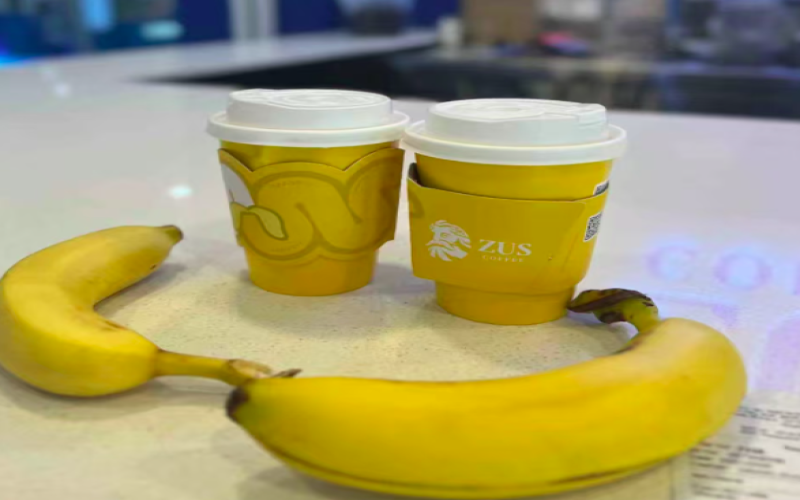
Malaysian coffee chain ZUS Coffee launches a banana-for-free-coffee campaign, with customers saying it's both awkward and fun
Recently, Malaysian homegrown coffee chain ZUS held a unique limited-time event—customers could bring a real banana to a store and exchange it for a free cup of coffee. On the day of the event, from 3 PM to 6 PM, the first 20 dine-in customers could redeem it by showing a banana. Upon learning about this, many netizens dug out bananas from home or rushed to fruit shops to buy some, then hurried to the stores to exchange the "secret code" with the baristas. Interestingly, some participants said the process was both fun and a bit embarrassing, because "banana" has other connotations in different contexts, and asking a staff member in public "Do you want to see my banana?" inevitably invites suggestive thoughts. Some speculated that this was a warm-up for an upcoming banana series of new products, while others noticed that the event date coincided with the opening of Luckin Coffee's Malaysian store and believed it might carry a competitive meaning. [more…]
The Rise of Malaysian Specialty Coffee: From White Coffee Tradition to the Transformation of the Third Wave
Malaysia's specialty coffee culture is undergoing a profound transformation. From Kuala Lumpur to Penang and then to Johor Bahru, a growing number of passionate coffee professionals are driving a shift from traditional white coffee to specialty coffee. This article explores in depth the development of Malaysia's specialty coffee scene, from specialty coffee's initial entry into the market in 2010 to today's proliferation of independent roasting workshops and coffee classrooms. We interviewed several industry pioneers, including Joey Mah, Michael Wilson, Cheryl Lee, and others, who shared how they have advanced the upgrading of the entire industry by educating consumers, improving roasting techniques, and enhancing customer service. At the same time, the article also focuses on the development of key cities such as Penang and Johor Bahru, as well as the efforts of institutions like the Asian Barista Guild in coffee education. For coffee lovers, this is a complete picture for understanding the changes in Malaysia's coffee culture. [more…]
Luckin Plans Malaysia Expansion: Partners Still Undecided, Southeast Asia's Tea Beverage Battle Heats Up
Luckin Coffee plans to enter Malaysia, negotiating cooperation with local listed companies and formulating a five-year expansion blueprint. Currently, Luckin has over 20,000 stores in China, with only 38 directly operated stores overseas, all in Singapore. Malaysian netizens have reacted enthusiastically to the brand's entry, looking forward to discounted pricing but also concerned about intensifying market competition. Rumors point to the partner being Berjaya Group, the operator of Starbucks, but other sources say the contact is with a different party, and the final choice awaits official announcement. This overseas expansion comes as the domestic tea beverage market becomes saturated and price wars intensify; Luckin went from profit to loss in the first quarter, making Southeast Asia key to breaking the deadlock. [more…]

CHAGEE Boycotted by Vietnamese and Malaysian Users Over Map Labeling: How Much Has Store Operations Been Affected?
Recently, Chagee sparked boycotts among netizens in Vietnam and Malaysia successively due to a background image in its app that included the nine-dash line map. Vietnam not only removed the app from its platforms but also dismantled the signboard of the first store in Ho Chi Minh City; after Malaysian netizens discovered the same issue, they too joined the chorus of criticism. Although the brand has deleted the controversial image, the public outcry has not yet subsided. It is worth noting that, unlike brands such as Starbucks, which faced boycotts over the Israeli-Palestinian conflict leading to the closure of numerous stores, Chagee's offline stores in Kuala Lumpur have maintained steady takeout orders. This article will review the sequence of events and their actual impact on the brand's operations. [more…]
The White Mystery of White Coffee: The Origins, Production, and Difference from Flat White of Malaysia's Specialty White Coffee
White coffee is a highly representative specialty coffee of Malaysia, but it is not named for being white in color. Rather, it is made by processing coffee beans together with skimmed milk powder, giving the finished product a lighter color than regular coffee and a more refreshing taste. This beverage, invented by Chinese who migrated to Malaysia, uses a blend of three types of coffee beans—Liberica, Arabica, and Robusta—which are roasted, extracted, and then combined with sugar and non-dairy creamer to make an instant powder. Today it has become a daily necessity for locals and a must-buy souvenir for tourists. At the same time, another popular claim online points white coffee toward Australia's Flat White. This article will help you clarify the true meaning of white coffee, understand the production process of Malaysian white coffee, and get to know the unique features of the Aussie white, an espresso-based milk coffee. [more…]
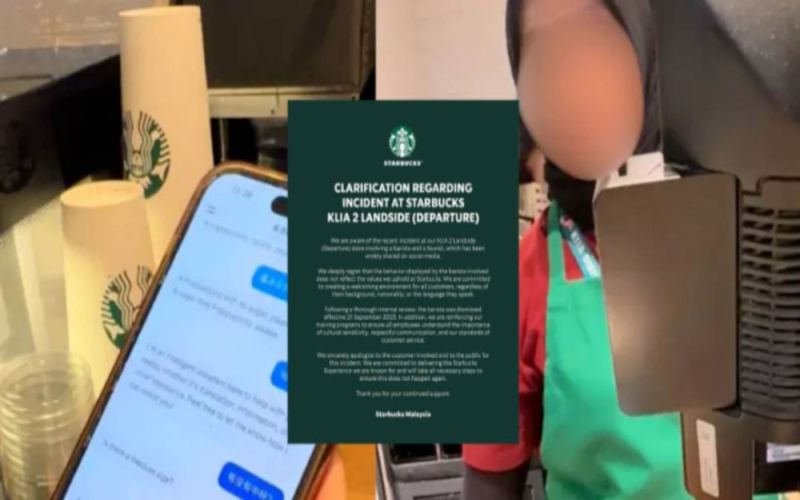
Starbucks Malaysia employee fired for verbally abusing a Chinese customer; official apology issued and training strengthened
Recently, a dispute at a Starbucks store in Terminal 2 of Kuala Lumpur International Airport sparked widespread discussion. A Chinese tourist, struggling with English, was using an AI translation tool to communicate with a staff member when the employee muttered an insult in Malay under their breath: "bodoh" (meaning stupid). After the video was uploaded, Malaysian netizens quickly pointed out the meaning of the insult and filed complaints on the tourist's behalf. Starbucks Malaysia subsequently issued a statement saying the barista involved had been fired on September 21, that the company apologized to the customer and the public, and that it pledged to strengthen training on cultural sensitivity and service standards for employees. The incident also serves as a reminder to coffee industry professionals that respect and patience are crucial in cross-cultural communication. [more…]

Malaysian Iced Coffee Found to Contain Large Amounts of Broken Glass, Consumer Calls Police to Hold Store Accountable, Food Safety Hazards Spark Heated Debate
Recently, a consumer in Malaysia exposed in a Facebook group that the iced coffee they bought takeaway from a local coffee shop was mixed with a large amount of broken glass, causing the plastic bag to rupture and leak. The person only discovered after returning home that these glass shards were hidden in the ice cubes, of varying sizes with sharp edges, some even large enough to be picked up by hand. The coffee shop involved denied any problem with its product and refused to take responsibility. The incident sparked widespread attention and speculation among netizens, with some worried that insufficient evidence would make it difficult to defend their rights, while others called for exposing the store's information to prevent more people from being harmed. Currently, the person has reported the case to the police, hoping for police intervention to uncover the truth. [more…]

Starbucks Malaysia faces sustained boycott, nearly 50 stores have suspended operations
Affected by the global boycott wave triggered by the Israeli-Palestinian conflict, Starbucks has suffered a severe blow in the Malaysian market. According to multiple media reports, nearly 50 Starbucks stores in the country have suspended operations over the past year, and operator Berjaya Food has fallen into losses for four consecutive quarters. Although the brand has repeatedly clarified its position and taken public welfare measures in an attempt to win back consumer trust, the boycott movement has still not subsided, and store sales have been slow to recover. This turmoil not only reflects the profound impact of geopolitics on commercial brands, but also leaves Starbucks' future in the Southeast Asian market full of uncertainty. [more…]

Luckin Coffee partners with Dazi Industries to expand into Malaysia, will open multiple stores in the first quarter of 2025
Luckin Coffee has officially obtained the franchise rights for the Malaysian market, and the partner is not the previously rumored Berjaya Group, but Global Aroma Sdn Bhd, a subsidiary of Grand Industrial. According to the agreement, GASB will develop, open, and operate stores under the Luckin Coffee brand in Malaysia over a 10-year period, with the right to renew for two consecutive 5-year terms. Major shareholder of Grand Industrial, Wang Ziming, stated that this is a strategic investment aimed at aggressive nationwide expansion and replicating Luckin's success. Luckin Coffee CEO Guo Jinyi also noted that this move marks an important step in the brand's international expansion. Grand Industrial plans to open multiple Luckin stores in Malaysia in the first quarter of 2025, with initial costs covered by a combination of internal funds and bank loans. [more…]

Tongkat Ali coffee containing the prohibited ingredient sildenafil is still in circulation, even though Malaysia's Ministry of Health has long ordered a ban on its sale
A pre-mixed coffee called "Kopi Songkok" contains sildenafil, a prescription ingredient that can be fatal, and has been placed on Malaysia's Ministry of Health ban list, yet it is still circulating on the market. Malaysian doctor Amusankhan posted a warning on social platform X that drinking this coffee may cause headaches, palpitations, a sudden drop in blood pressure, and even death. What is worrying is that many Malaysians continue to buy and drink it. This article reviews the coffee's ban history, health risks, netizens' personal experiences, and a domestic case in which someone was sentenced for selling coffee containing sildenafil, reminding consumers to be more vigilant. [more…]