







Search Results for: Low-Temperature Fermentation
Why Does Cold Brew Coffee Develop More Wine-Like Aromas Over Time? A Chemical Perspective on Low-Temperature Aging and Fermentation Mechanisms
Many people tasting cold drip coffee for the first time are surprised: is there alcohol in this cup of coffee? In fact, that boozy note does not come from alcohol, but is the result of the unique cold drip extraction method combined with subsequent low-temperature aging. Starting from Front Street Coffee's actual cold drip coffee-making parameters and drawing on chemical principles, this article explains how ester hydrolysis produces the alcohols responsible for the wine-like aroma, while comparing the differences with the natural fermentation of hot-brewed coffee, and gives the optimal drinking window and safety recommendations for cold drip coffee. [more…]
Front Street Colombia Finca San Jose Rum Barrel Fermented Coffee: Analysis of Flavor Formation and Brewing Performance
The rum barrel-fermented washed beans from Front Street Coffee's San Jose estate in Colombia are a highly representative example of the low-temperature anaerobic fermentation trend in recent years. They originate from a bold idea by the estate's owner, Monsalve Botero—placing green coffee beans into oak barrels for low-temperature fermentation. These beans use Supremo-grade Castillo and Naranjal varieties, which are fermented in barrels after depulping, then washed and dried on raised beds, revealing flavors of rum, cantaloupe, and dark chocolate. This article will review the origins of the processing method, the characteristics of the green beans, their unique performance in roasting and brewing, and explore the possible causes behind their rich vinous notes. [more…]
Why Does Cold Brew Coffee Emit a Wine Aroma and Wine-Like Character? Analyzing the Flavor Formation in Low-Temperature Extraction and Aging
Many coffee enthusiasts, when tasting ice drip coffee, are surprised by its faint, elusive notes of wine aroma and character, even wondering if alcohol has been added, or if the coffee beans themselves carry a wine-like flavor. In fact, this unique flavor does not come from any added ingredient, but is closely related to the special way ice drip coffee is made. Freshly dripped ice drip coffee is actually thin in flavor and can even taste astringent; it needs to undergo sealed low-temperature aging to become mellow and layered. This article, drawing on Front Street Coffee's practical experience, will analyze the principles behind how the wine-like flavor of ice drip coffee forms, explain how low-temperature extraction inhibits bacterial growth, and why sealed refrigerated aging can produce a fermentation aroma similar to alcohol. It will also compare the uncontrollability of natural fermentation in hot-brewed coffee, helping readers understand how each step in making ice drip coffee affects the final flavor. [more…]
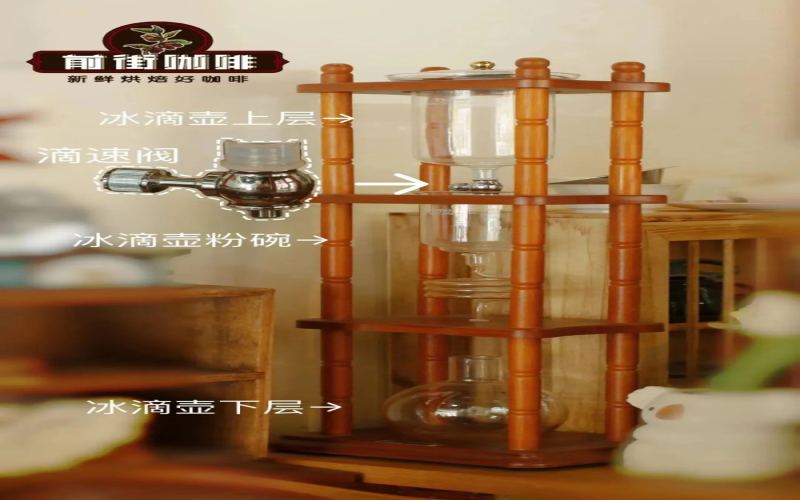
Cold Brew Coffee Bean Selection Guide and Home Brewing Method: A Complete Analysis from Grinding, Flow Rate to Refrigerated Fermentation
Ice drip coffee, through its pure ice drip filtration and low-temperature fermentation process, presents a mellow, sweet, and refreshingly cool taste, making it a highly favored coffee beverage in summer. Starting from the store practices of Front Street Coffee, this article systematically sorts out the differences between the two common methods of low-temperature extraction—cold brew and ice drip—and explains in detail the structure of the ice drip pot, the choice of grind size, the control of drip speed and coffee-to-water ratio, as well as the grasp of refrigeration fermentation duration. At the same time, focusing on the two major directions of refreshing floral and fruity notes and rich fruity tea notes, it recommends two coffee beans suitable for making ice drip coffee, Front Street Elida Estate Catuai and Front Street Natural Huakui, helping enthusiasts recreate at home a clean-flavored, richly layered ice drip coffee. [more…]
The Alcoholic Aroma Secrets of Ice Drip Coffee: A Detailed Guide to Cold Brew Grind Ratio, Drip Parameters, and Low-Temperature Aging Process
The rich, lingering fermented wine aroma of cold brew coffee often leads people to mistakenly believe that alcohol has been added to it, but this is not the case. The source of this unique flavor is closely related to the cold brew extraction method and the subsequent low-temperature aging process. Front Street Coffee will guide you through the cold brew coffee-making process: from key parameters such as the coffee-to-water ratio and drip speed, to why it cannot be drunk immediately after extraction, how low-temperature aging gives coffee its wine aroma, and the precautions to take during preparation and storage. If you also want to recreate at home a cup of clean, smooth cold brew interwoven with fruity and wine aromas, you might as well follow Front Street's approach step by step, from bean selection to aging. [more…]

Ethiopian Natural Geisha Ice Drip Coffee: A Low-Temperature Slow-Brew Method That Restores the True Essence of Flowers and Fruit
Cold brew coffee is extracted slowly at low temperature with ice water, and after several hours of dripping, it can reveal a clean, smooth, and richly layered flavor. This article focuses on the Ethiopian sun-dried Grana Geisha, a floral-and-fruity bean variety, and shares a complete approach and parameters for making cold brew coffee at home: from the principles of cold brew, water speed control, and coffee-to-water ratio settings, to the specific data for Front Street Grana sun-dried Geisha, such as 60 grams of coffee, a 1:10 coffee-to-water ratio, and 5 drops per 10 seconds, and then to the operational steps of pre-wetting the coffee, laying filter paper, and refrigerated fermentation. Mastering low-temperature slow extraction and moderate fermentation can better highlight the citrus, honey, and floral notes of Geisha. [more…]
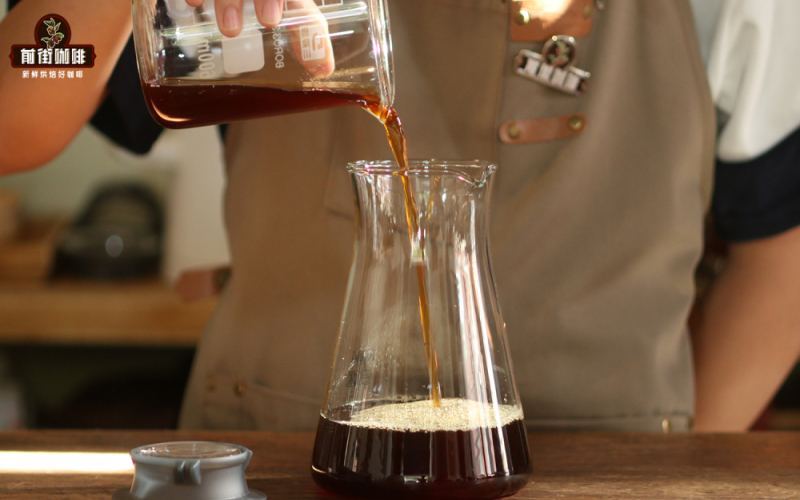
Analysis of Ice Drip and Cold Brew Coffee Storage Time in the Refrigerator: Why the Flavor Is Better After 12 Hours of Chilling
In recent years, more and more coffee enthusiasts have begun trying their hand at making cold brew and ice drip coffee at home, and the ice drip coffee produced by Front Street Coffee is often in short supply. Many friends are concerned about: how long can this kind of low-temperature extracted iced coffee be kept after being placed in the refrigerator? Why does ice drip coffee actually taste better after 12 hours of refrigeration? This article will focus on the principles of low-temperature extraction, equipment selection, coffee bean recommendations, and the flavor evolution during refrigeration, systematically answering the shelf life and optimal drinking time of iced coffee, helping you both enjoy great taste and ensure safety. [more…]
Is Cold Brew Coffee Healthy? How Long Can Iced Coffee Last in the Fridge, and Is It Still Drinkable After 10 Days?
More and more coffee lovers are starting to make cold brew and ice drip coffee at home. This type of low-temperature extracted iced coffee has a refreshing taste, low bitterness, is refreshing and healthy, but many people ask the same question: how long can iced coffee actually be stored in the refrigerator? Is it still drinkable after 10 days? This article will start from Front Street Coffee's practical experience and explain in detail the differences between cold brew and ice drip, the required equipment, coffee bean selection, post-production handling methods, and the respective storage periods and best tasting windows for ice drip and cold brew, helping you enjoy iced coffee safely and deliciously. [more…]
Cold Brew Coffee Bean Selection Guide: A Complete Analysis of Single-Origin Coffee Bean Flavor Pairings and Creative Recipes
In recent years, cold-drip and cold brew coffee made through low-temperature extraction have become increasingly favored by coffee enthusiasts, but which beans to choose, what equipment to use, how long it can be stored, and how to drink it creatively are all questions people care about. Based on Front Street Coffee's practical experience, this article provides a detailed overview of the extraction principles of iced coffee, equipment selection, single-origin bean recommendations suited to different flavors, the impact of chilled fermentation on taste, creative drinking methods such as adding dried flower petals, and safe refrigeration storage limits, helping you make a cup of outstanding iced coffee at home. [more…]

Coffee Equipment | What equipment is needed to make ice drip cold brew? How long can ice drip cold brew coffee be stored? Why does cold brew ice drip taste better after sitting overnight?
For more specialty coffee knowledge, please follow our WeChat public account: Front Street Coffee (FrontStreet Coffee). Recently, more and more friends have been making cold brew coffee, ice drip coffee, and other cold-brewed coffees at home. The ice drip coffee that Front Street prepares in advance is also in short supply. Many friends have also asked, [more…]
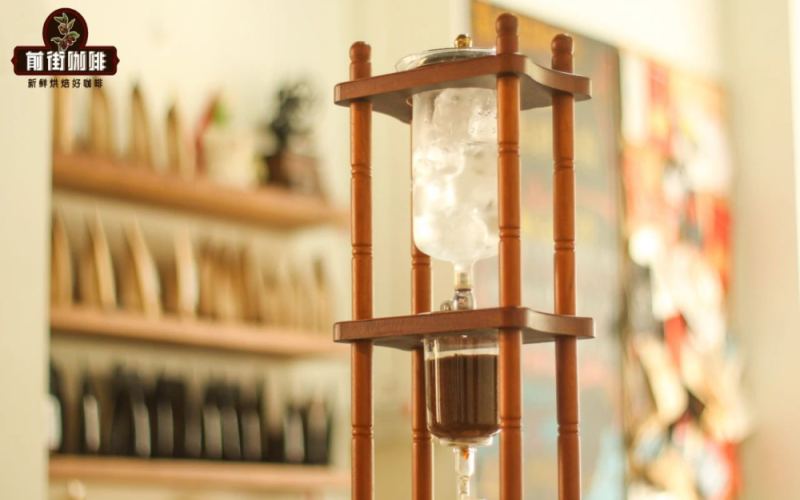
Why Isn't Cold Brew Coffee Sour or Astringent? A Detailed Explanation of Its Taste Characteristics, Brewing Method, and the Principles of Low-Temperature Aging
Ice drip coffee is known for its clean, full-bodied, smooth taste and rich fermented wine aroma, but many people mistakenly think it contains alcohol when they first encounter it. In fact, ice drip is a type of cold brew coffee, made by extracting drop by drop with ice water over a long period. Freshly made ice drip is not at its best for drinking; it needs low-temperature aging in the refrigerator to reveal its full fruity feel and wine aroma. Based on Front Street Coffee's production practice, this article explains in detail the coffee-to-water ratio, drip rate, aging time, and storage recommendations for ice drip, giving you a comprehensive understanding of the flavor sources and key production points of ice drip coffee. [more…]

Panama Santos Estate Geisha ASD Anaerobic Low-Temperature Slow Dry Process and Flavor Analysis
Santos Café Panamá is located in the Nacimiento area of Santa Clara and has been owned and passed down by the Lezcano family since their purchase in 1947, now spanning five generations. In 2014, estate owner Mario Lezcano acquired La Marma estate and formally entered the specialty coffee field, and his Pacamara "White Horse" even won the traditional washed category championship at the 2021 BOP competition. This article focuses on Santos Estate's Geisha coffee beans, providing a detailed explanation of the ASD anaerobic fermentation low-temperature slow sun-drying process they use, and presenting Front Street Coffee's roasting approach, cupping performance, and V60 brewing parameters for this bean, offering you a comprehensive understanding of this Panamanian Geisha that combines dark berries, hawthorn acidity, and a black tea finish. [more…]
Panama Elida Geisha Coffee Buying Guide: Estate Parameters and Brewing Techniques Explained
Hacienda Elida in Panama is a legend in the specialty coffee world, and its Geisha coffee once won the championship in the Geisha processing category at the BOP competition. From the tasting perspective of Front Street Coffee, this article provides a comprehensive analysis of Hacienda Elida's regional terroir, a parameter comparison between the two major varieties Geisha and Typica, the process details of anaerobic fermentation with low-temperature slow sun-drying, as well as roasting recommendations and brewing plans for these two beans. Whether you are a beginner just getting started or a seasoned enthusiast, you can gain practical brewing references from it and recreate the floral aroma and fruity charm of Elida Geisha at home. [more…]
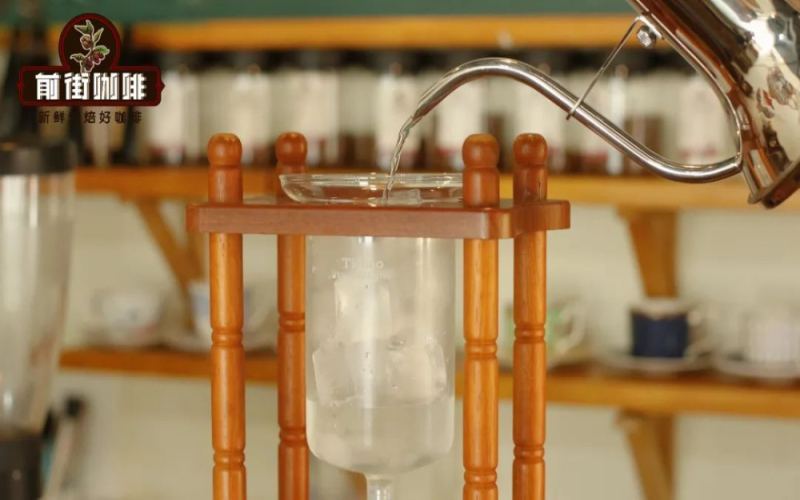
A Review of Popular Cold Brew Coffee Maker Brands and a Practical Guide: A Full Breakdown from Bean Selection to Cold Brew Fermentation
Cold brew coffee, with its refreshing sweet-and-sour flavor profile brought about by low-temperature extraction, has been gaining increasing favor among coffee enthusiasts in recent years. But if you want to make a delicious batch of cold brew at home, every step matters—from bean selection, grinding, and tamping to drip rate and refrigerated fermentation. This article walks through the complete cold brew-making process, covering in detail how to choose coffee beans based on roast level and freshness, the key techniques for leveling and tamping the grounds, the role of pre-wetting and placing filter paper, the standard range for grind size, how to regulate drip rate and coffee-to-water ratio, and the flavor-enhancing effect of refrigerated resting. The article also recommends several single-origin beans suited to cold brew, including Front Street Coffee's Sidra, Strawberry Candy, and Cherry Tomato, along with specific recipes and operating parameters—making it a useful reference for coffee lovers who want to systematically master cold brew techniques. [more…]
Panama Elida ASD Anaerobic Low-Temperature Slow Natural Geisha: Four Pour-Over Brewer Methods and Flavor Comparison
Front Street recently acquired a Geisha coffee bean from Elida Estate in Panama, processed using the NATURAL-ASD anaerobic fermentation low-temperature slow sun-drying method—the same process used for this year's Panama BOP champion Geisha in the processing category. After the beans were properly rested, we tested brewing with a hollow filter cup, Ice Eye filter cup, cake filter cup, and diamond filter cup, standardizing the parameters to 15 grams of coffee, medium-fine grind, 90°C water temperature, and a 1:15 coffee-to-water ratio, recording the extraction time and flavor performance for each filter cup. Elida Estate is renowned for its sun-dried processing, and this ASD Geisha shines in fermentation aroma, juicy mouthfeel, and layered tea-like notes. Below, we share four specific brewing recipes and comparison results for coffee enthusiasts' reference. [more…]
Exploring Panama's Elida Estate: A Comparison of Geisha and Typica Varietal Flavors and Processing Method Analysis
Located in the Boquete production region of Panama, Elida Estate has a century-long history and a high-altitude growing environment, making it a star estate that attracts much attention in the specialty coffee world. For this comparison, Front Street Coffee selected Geisha and Typica from the same plot and at similar altitudes at Elida Estate, breaking down the performance of the two beans one by one, from variety characteristics and processing method differences to roasting curves and cupping flavors. The article also provides an in-depth introduction to the estate's growing conditions, the characteristics of the Catuai variety, and how the anaerobic fermentation low-temperature slow sun-drying process produces a champion-level Geisha. Whether you want to understand the flavor differences between Geisha and Typica, or are interested in processing methods and roasting details, you can gain valuable reference from it. [more…]
Characteristics of Panama Elida Estate Geisha and Typica Coffee Beans and Analysis of Varieties in the Boquete Region
In the Boquete region of Panama, besides the world-renowned La Esmeralda Estate, there is another equally outstanding estate: Elida Estate. Founded in 1918, this estate has coffee grown at elevations up to 1,850 meters, making it one of the highest coffee estates in Panama. Elida Estate is known for its Geisha and Typica varieties, employs anaerobic fermentation with slow low-temperature sun-drying processing methods, and has repeatedly broken cupping records in the BOP competition. In this article, Front Street Coffee (FrontStreet Coffee) will take you on an in-depth look at Elida Estate's regional terroir, variety characteristics, processing techniques, and roasting and brewing recommendations, while also comparing it with La Esmeralda Estate's Diamond Mountain coffee beans, to provide coffee lovers with a comprehensive reference. [more…]
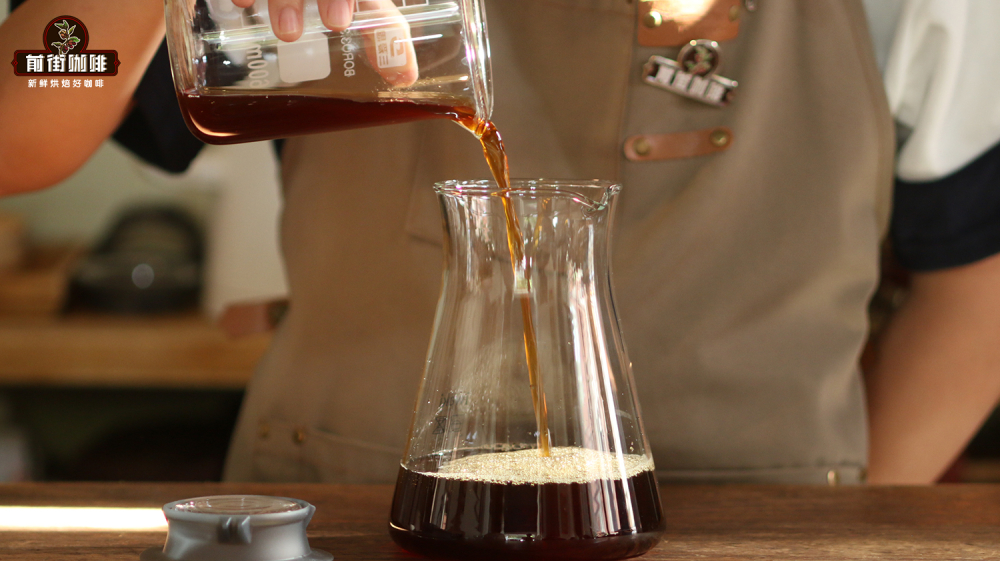
Creative Cold Drip Coffee Recipe Recommendations | Which Single-Origin Coffee Beans Make Tasty Cold Drip Cold Brew? How Long Is the Shelf Life of Cold Brew Cold Drip Coffee?
For more specialty coffee knowledge, please follow our WeChat official account: Front Street Coffee (FrontStreet Coffee). Recently, more and more friends have been making iced coffee such as cold brew coffee and ice drip coffee at home. The ice drip coffee pre-made by Front Street is also in short supply. Many friends have also asked, [more…]
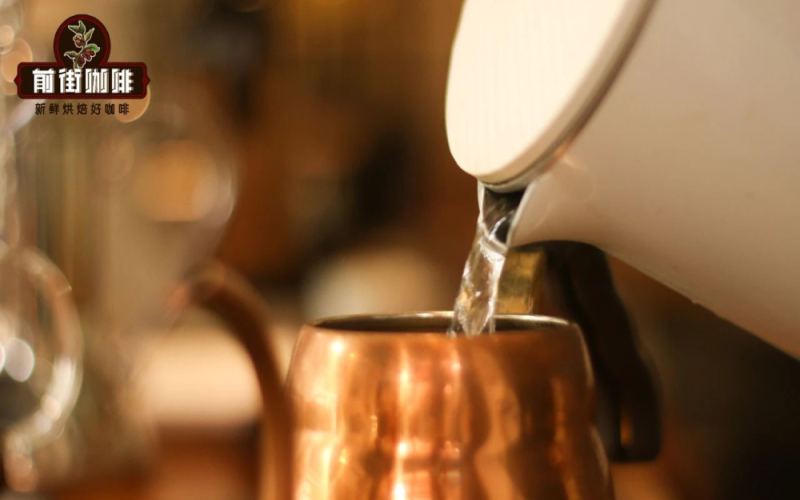
What is the difference between ice drip and cold brew? Does cold brew count as black coffee? A complete guide to choosing coffee beans for low-temperature extraction and making it
Coffee doesn't have to be brewed with hot water—cold water can also extract surprisingly delightful flavors. Ice drip and cold brew are two common low-temperature extraction methods: the former uses ice water for drip filtration, while the latter uses ice water for immersion, and the resulting cups have their own distinctive mouthfeel profiles. This article will start from the essential differences between the two, explain how cold water extraction and hot water extraction differ in flavor expression, answer whether cold brew counts as black coffee, and share recommended bean varieties suitable for making low-temperature coffee. It will then break down in detail the operating steps, grinding parameters, and coffee-to-water ratios for ice drip coffee and cold brew coffee, and finally offer suggestions on refrigeration storage time, helping coffee enthusiasts consistently make clean, full-bodied cold coffee at home. [more…]
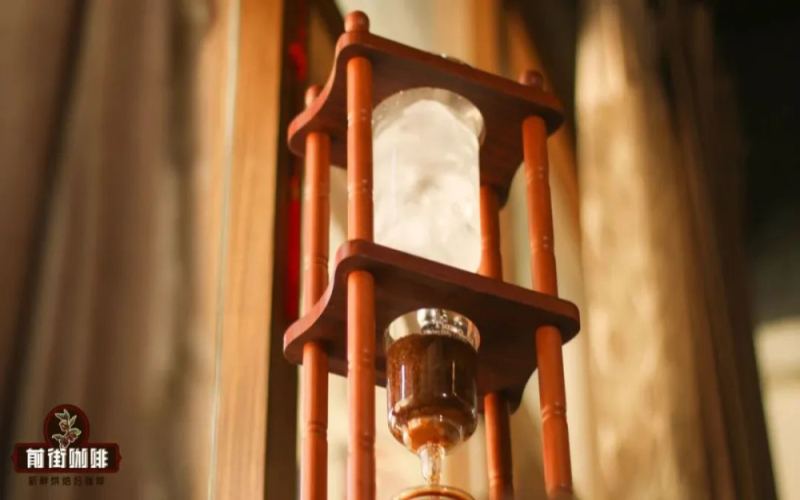
Cold Drip vs. Cold Brew: Which Is More Worth Trying? Flavor Differences in Low-Temperature Extracted Black Coffee and Bean Selection Tips
Cold brew coffee is not exclusive to summer; even in the cold season, Front Street's cold brew is still in short supply. When the cold brew sells out, many customers will instead ask if there is cold brew coffee. Cold brew and ice drip both belong to low-temperature extracted black coffee, yet they each have their own characteristics due to the differences between drip filtration and immersion. This article will sort out the differences between the two from aspects such as origin, brewing principles, and flavor performance, and combine the actual extraction experience of Front Street's medium-light roasted beans such as Huakui, Blackberry, Strawberry Candy, and Butterfly to help coffee lovers find the cup that better suits their own taste. [more…]