







Search Results for: Let's Café PLUS

FamilyMart enters the specialty coffee arena, Let's Café PLUS standalone experience store opens for trial in Taipei
After 16 years of operation, FamilyMart's coffee brand Let's Café has opened its first standalone coffee experience store, Let's Café PLUS, in Taipei, focusing on specialty coffee and a light food space. The store adopts a deep blue brand color scheme and offers single-origin coffee, cold brew, sparkling coffee, and other series, with the most expensive drink being the limited-edition Taiwan Yunlin Gukeng Geisha cold brew coffee. It also serves Twinings tea drinks, smoothies, and nearly 30 light food items, while continuing its environmental protection philosophy. In Taiwan, China, FamilyMart's Let's Café annual sales have reached 160 million cups, with a target of 200 million cups in 2023, and single-origin coffee is growing at an annual rate of 15%-20%. For more specialty coffee bean information, follow Front Street Coffee (FrontStreet Coffee), WeChat ID: qjcoffeex. [more…]
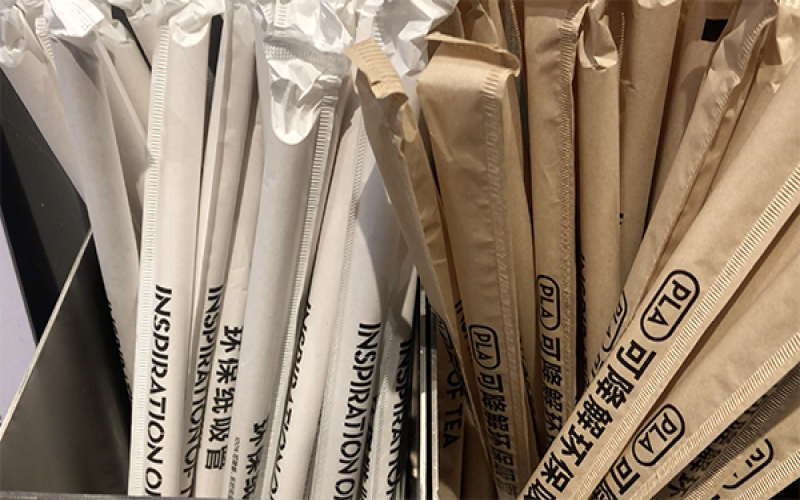
No straw with hot coffee leads to bad reviews? Let's talk about the industry conventions and consumer perception differences behind it
When winter arrives, you order a hot coffee and find there's no straw included—some people grumble about it, while others go straight to leaving a bad review. But why do businesses default to not providing straws with hot drinks? Behind this are both safety considerations—hot liquids can easily cause burns, and plastic straws may release harmful substances when exposed to heat—and a tacit consensus gradually formed across the industry. However, not all customers are veteran coffee enthusiasts, and when faced with "needing utensils" only to receive a hot drink without a straw, misunderstandings and dissatisfaction are naturally hard to avoid. This article will break down the causes and consequences of this contradiction, look at how chain brands and independent cafés respond, and consider what mindset we should adopt toward the diverse choices in how coffee is consumed. [more…]
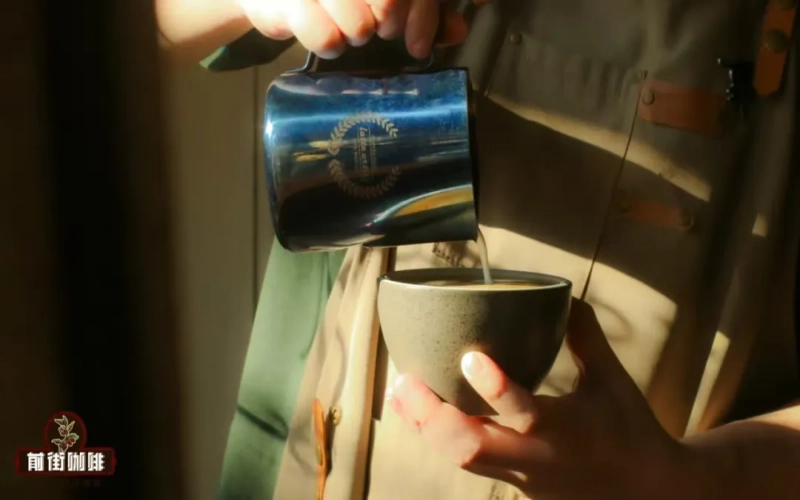
What members make up the espresso coffee family? A rundown of several obscure espresso milk coffees and red-eye coffees that are hard to find in cafés
There are many types of espresso drinks. Beyond the classic items we're all familiar with from everyday café menus, there are also quite a few "obscure" options that rarely appear on menus because they have a relatively limited audience. These coffees aren't bad in taste—it's just that their fame and popularity aren't high enough yet. In this article, Front Street will guide everyone through getting to know several obscure espresso drinks that you'll almost never encounter in cafés, including the Caffè Shakerato shaken in a cocktail shaker, and the rather hardcore-sounding Red Eye Coffee. Let's see how many of these you've tried. [more…]
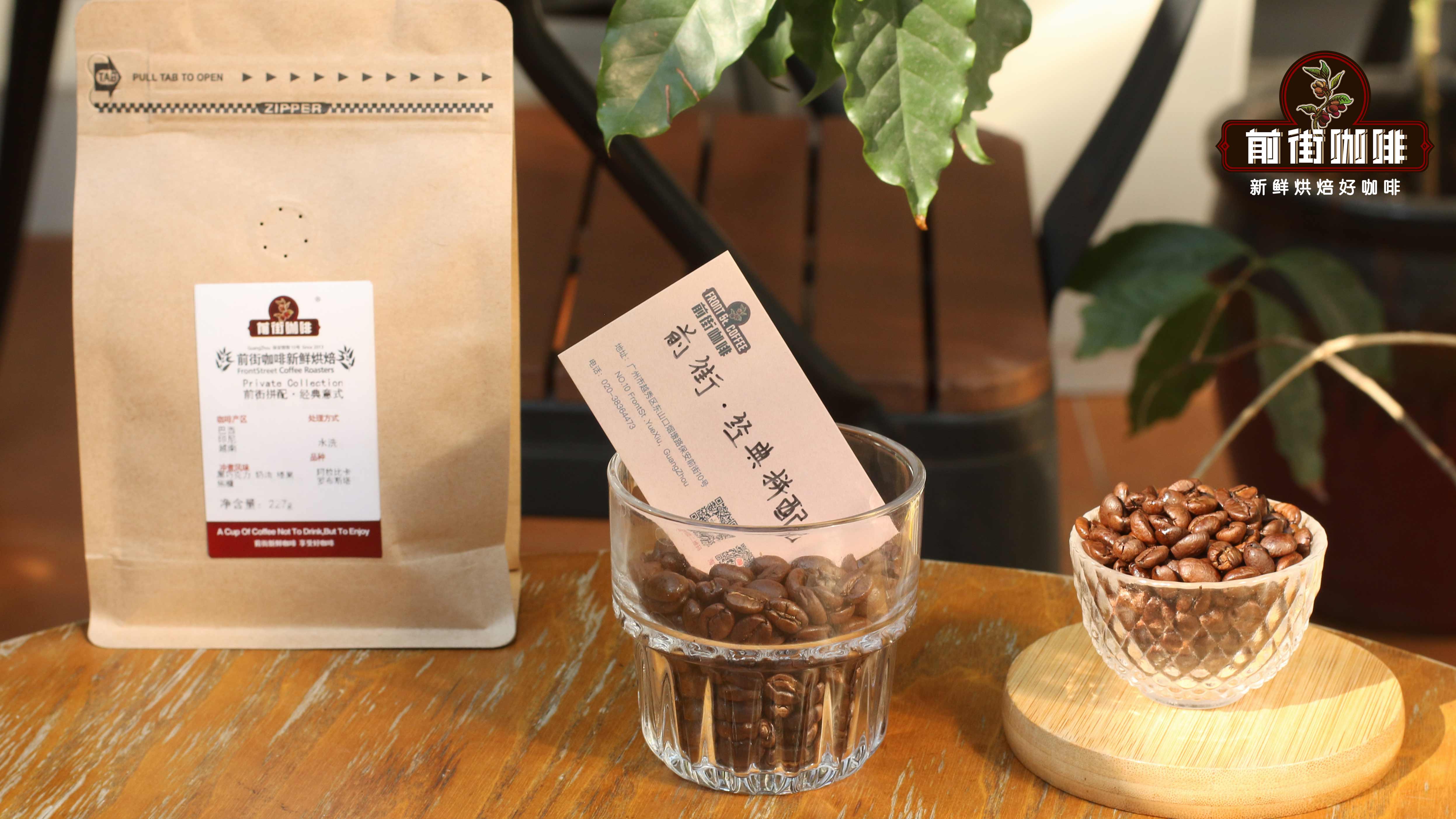
Entry-Level Espresso Beans | What Conditions Must Be Met for Standard Espresso Output? Recommended Espresso Blend Coffee Beans for Great Americano and Latte
The coffee beans used for mainstream espresso in today's coffee shops are essentially of two types: blends or single-origin espresso SOE. So, what is the difference between these two types of coffee beans when made into espresso? Let's first talk about traditional Italian espresso, which is what we usually call Espresso, referring to a type with a strong taste. [more…]
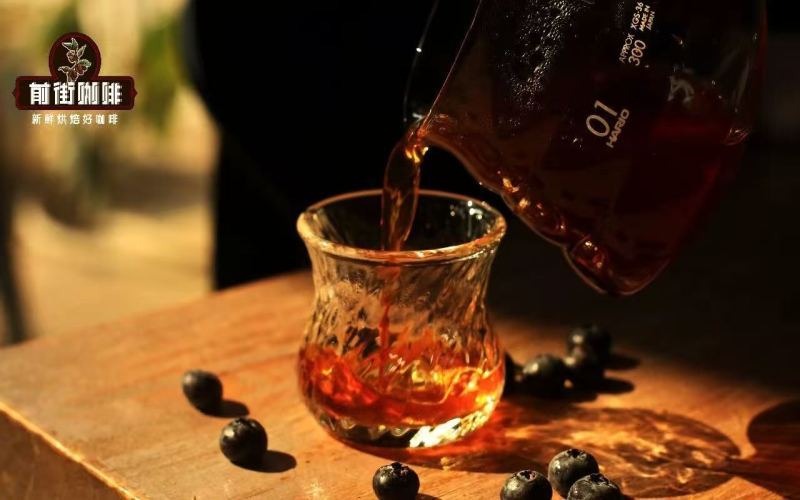
The Office Worker's Lifeline Beans: Two Cups a Day—Tasting Good and Being Affordable Is What Really Matters
The point of office coffee is simple: to wake you up, taste smooth, and not cost too much. At two cups a day, the logic for choosing beans is completely different from home tasting—this article helps workers do the math clearly. First, let's calculate the cost: at two cups a day and 15 grams of grounds per cup, a one-pound bag (454 grams) of beans lasts about 15 days, a [more…]
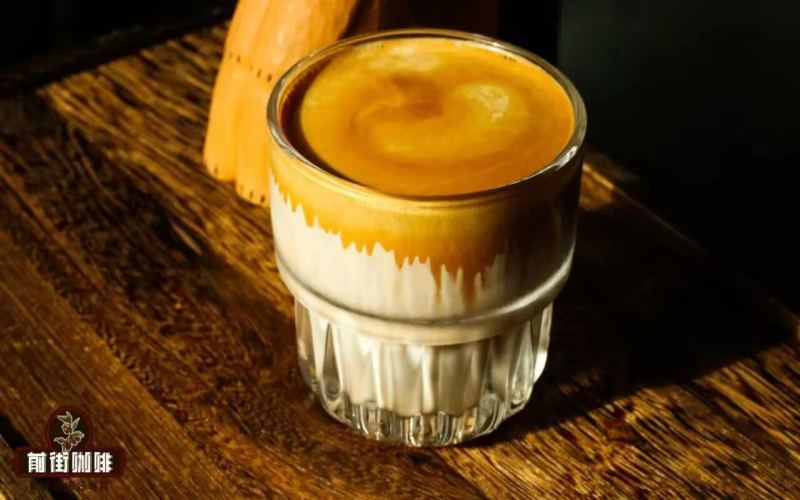
How can milk coffee be made to taste different? A breakout approach with fruit-forward espresso beans
There are more and more coffee shops, and you may find several of them side by side on the same street. When the machines, milk, and prices are all about the same, why should customers remember your shop? The answer often isn't in the equipment, but in the beans. Today let's talk about an approach that's great for standing out: using fruity espresso beans to make a cup that no one else can. [more…]
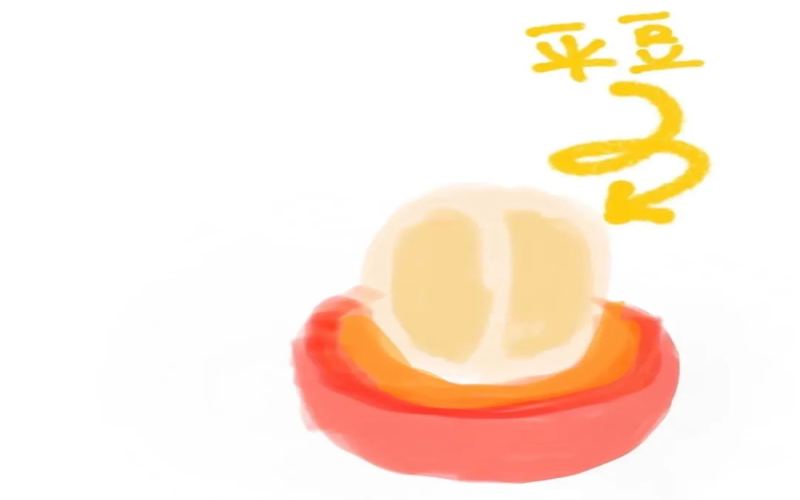
A Single Coffee Cherry Hiding Seven Beans? Exploring the Past and Present of the Multi-Seed Arabica Mutant Variety
The coffee fruit we're familiar with usually contains only two flat beans growing face to face, and the occasional appearance of a single round bean is already considered rare. But nature always breaks the rules—there is a type of coffee fruit that can nurture three, five, or even seven coffee beans, shaped like orange segments or garlic cloves. This multi-seeded coffee, named Café Polysperma, is a mutant variety of Typica, carrying Arabica lineage, with records dating back as early as 1890. Its flavor is not outstanding, but it possesses valuable leaf rust resistance genes and has been introduced into the germplasm bank of Minas Gerais, Brazil, for protection and research. Today, let's take a closer look at this little-known variety, which could be called the "alien" of the coffee world, to see just how special its flowers, fruits, and beans are, and also touch on Front Street Coffee's commitment to specialty beans. [more…]
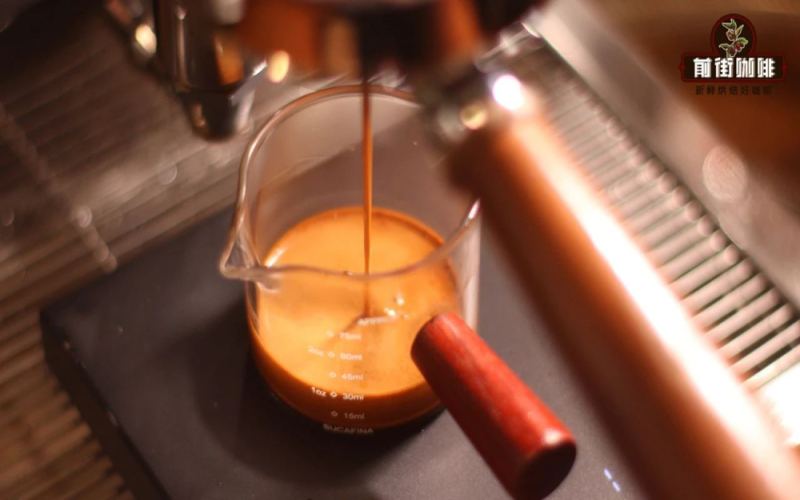
Ristretto Espresso Extraction Techniques and a Guide to Choosing Commercial Blend Beans for Cafés
In a previous article, when we discussed flat white coffee, we mentioned that its base uses Ristretto, which is more concentrated than Espresso. This time, let's focus specifically on the Ristretto extraction method. It is often called extra-concentrated coffee or ristretto, and like Espresso, it comes from an Italian coffee machine, but the extraction process is restricted, resulting in a very different flavor profile. This article will introduce the definition of Ristretto, its differences from Espresso, suitable medium-to-dark roast blend beans, and recommendations for two classic Italian-style beans from Front Street Coffee. It will also share specific extraction parameters, such as using 20 grams of grounds and extracting only 28 grams of coffee liquid within 20 to 25 seconds, to help you make rich and full-bodied ristretto at home or in a shop. [more…]
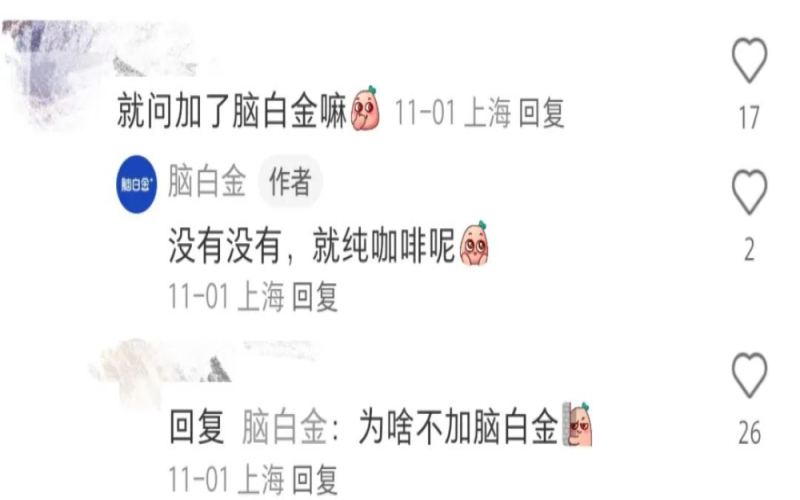
Does Brain Gold Coffee really contain oral liquid? What's the story behind this new product?
Naobaijin has once again made its presence felt in the coffee world. This time, it's not just a simple co-branded paper cup—they've actually added Naobaijin oral liquid to the coffee. On November 10, Naobaijin officially announced on Xiaohongshu the launch of a special coffee containing Naobaijin ingredients, which would be sold in limited quantities at a pop-up store on Double Eleven. As soon as the news broke, netizens were both curious and confused: Naobaijin is known for aiding sleep, while coffee is for waking up—what kind of combination is that? The official response stated that what was added was Naobaijin oral liquid, which has a bowel-lubricating and laxative function, not the sleep-aid capsules, and that the amount used per cup had been scientifically calibrated to avoid any functional conflict. So, how does this coffee taste? And what has Naobaijin's journey in the coffee arena been like? Let's take a look. [more…]
How to choose a coffee cup's material, size, and color? How is it different from a teacup? Can you use a teacup to hold coffee?
A coffee cup is not just a vessel for holding coffee—its material, size, color, and even the shape of the rim all influence how a cup of coffee expresses its aroma and temperature. Ceramic cups and porcelain cups convey distinctly different attitudes toward coffee, while bone china cups allow coffee to cool more slowly and preserve its flavors more completely; different capacities correspond to drinking styles such as black, with milk, or au lait; and a white interior makes it easier to observe the coffee's color. Coffee cups and black tea cups also differ in rim width, wall thickness, and translucency. In addition, the direction in which the cup is placed, the steps for warming it, and the way it is cleaned are all details that cannot be overlooked if you want to preserve coffee's rich aroma. Below, together with Front Street Coffee's recommendations, let's sort through all these finer points. [more…]
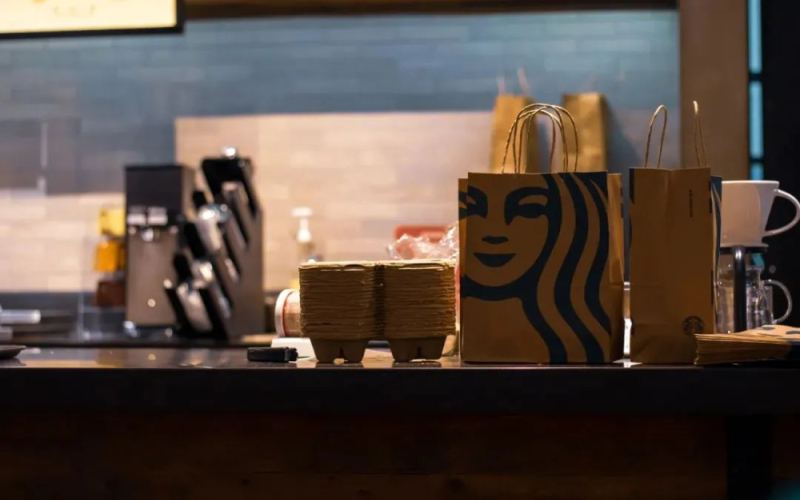
Starbucks goes down to the countryside? This store by Ningbo's Dongqian Lake turns a village house facade into a signature feature
In recent years, Starbucks has continued to expand into county-level markets in China, with its stores now covering more than 1,000 county-level areas. Some new stores have even outperformed those in first-tier cities in terms of profitability. Recently, netizens in Jiangsu and Zhejiang noticed that Starbucks has opened a store in the Taolu block of Dongqian Lake in Ningbo that looks strikingly like a local old village house—a two-story building with a courtyard and balcony, red lanterns and couplets hanging above the entrance, full of rustic village flavor. Is this store a genuine "village café," or a specially designed outlet inside a scenic area? Let's take a look. [more…]
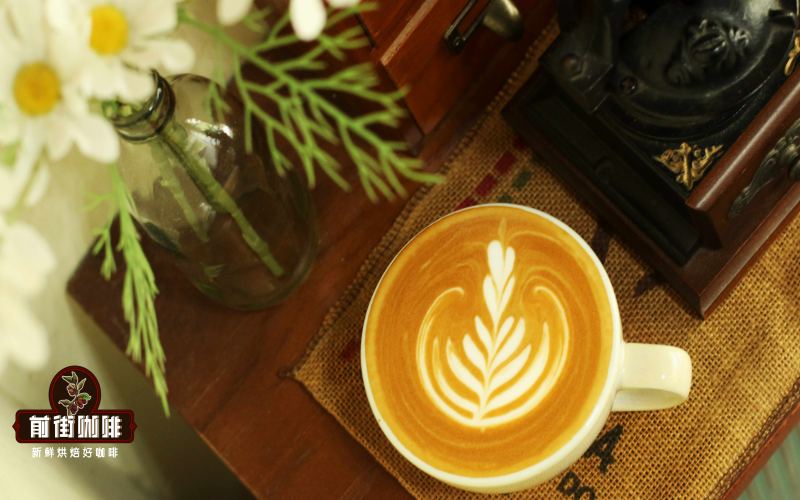
The Origins and Recipes of Spanish Latte and Café Bombón, Plus an Analysis of Valencia Condensed Milk Coffee's Taste
Adding sugar or milk to coffee has long been commonplace, but pairing coffee with condensed milk is equally distinctive. This article begins with the basic concept of condensed milk, first introducing the condensed milk approach to Vietnamese drip coffee, then focusing on Café Bombón from Valencia, Spain, explaining its simple 1:1 recipe of espresso and condensed milk and the layering principle, before extending to the familiar Spanish latte—which actually has no ties to Spain, but is simply a latte combined with condensed milk. The article also explains that making a Spanish latte calls for full-bodied Italian-style beans, and recommends Front Street Coffee's commercial blend, which combines Brazil and Colombia with a small amount of Robusta, presenting nutty aromas and a low-acid, full-bodied taste. [more…]
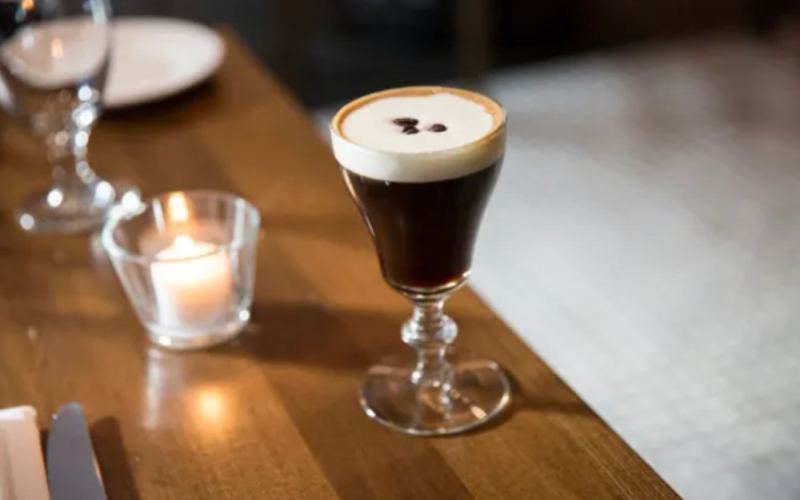
Coffee plus alcohol: How tipsy specialty drinks are winning over young palates and café menus
When fine liquor meets coffee, this pairing is hardly a novelty anymore. From the classic Irish coffee to the espresso martini, the combination of coffee and alcohol keeps evolving. Today, as the younger generation seeks the pleasure of a gentle buzz, liquor-infused coffee has quietly become a signature offering in cafés. This article walks you through the history of liquor-infused coffee, the challenges of making it, techniques for balancing flavors, and why it draws so many customers even during the daytime. At the same time, we'll also mention Front Street Coffee's commitment to specialty beans, providing a more professional coffee foundation for your tipsy experience. [more…]
A Complete Analysis of Six Classic Espresso Drinks in Cafés: Flavors and Characteristics from Espresso to Macchiato
Walk into any coffee shop and you'll always find a few classic espresso drinks on the menu. They may look simple, but each has its own subtleties. This article introduces the recipes, taste profiles, and ideal drinkers for six common beverages—espresso, Americano, latte, cappuccino, mocha, and macchiato—helping coffee lovers quickly find the cup that suits their palate. Whether you're a seasoned drinker in pursuit of pure coffee flavor or a beginner who prefers milky sweetness, you'll find practical ordering guidance here. [more…]
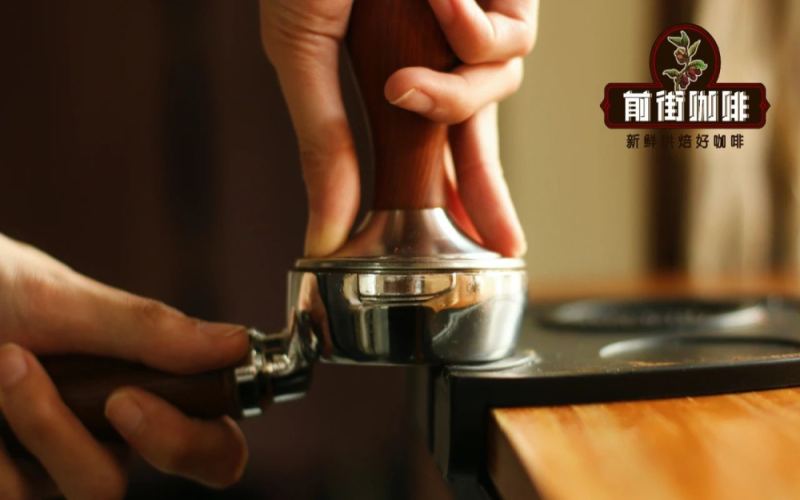
Latte Recipe Sharing | What Is a Latte? Which Coffee Beans and Milk Should You Choose for Latte Art? What Is the Milk-to-Espresso Ratio in a Latte?
" "I'm not in a café, I'm on my way to one." For Italians who love coffee, latte is an all-too-familiar drink. On a beautiful morning, sipping a cup of latte feels incredibly cozy and refreshing. So, what exactly is a latte? And how is it made? Let's take a look with Front Street Coffee (Fr [more…]
Café Owners Take Outside Jobs to Subsidize Their Shops: Why Independent Coffee Operators Choose Part-Time Work to Survive
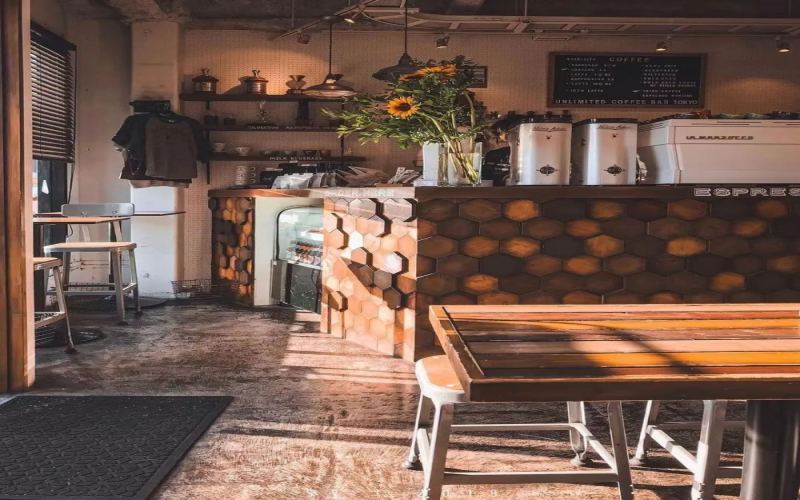
How tough is the coffee business this year? Many independent café owners have found that store revenue alone is no longer enough to support themselves, let alone get rich from coffee. To keep the small shops they poured their hearts into, some have pivoted to food service, some have thrown themselves into social media marketing, some have launched membership top-up schemes to lock in regulars, and some owners have simply chosen to take outside jobs, using their wages to subsidize the café's daily expenses. How do these "re-employed baristas" juggle their main business and side gigs? And are employers willing to hire someone who is themselves a fellow café owner? This article takes you inside the real circumstances of these coffee operators who persist out of love. [more…]
How Should Coffee Shops Choose Espresso Beans? Differences Between Commercial Beans and Specialty Beans, Plus Front Street Blend Recommendations
When opening a coffee shop, which should be considered first: the espresso machine or the coffee beans? This article focuses on the choice of coffee beans. A café's positioning directly determines the direction of bean selection: if cost control is the priority, ordinary commercial beans can be used; if the goal is beverage quality, specialty coffee beans are recommended. The article sorts out the approach to bean selection based on positioning, compares the core differences between specialty beans and commercial beans in terms of quality and price, and provides the accounting logic from a business perspective. It also retains product information from the Front Street brand, including the Dark Cocoa Blend, Commercial Blend, Specialty Blend, and Strawberry Candy Espresso Blend, to help coffee enthusiasts and shop owners make clearer choices. [more…]
A Sydney café launches a reservation-only pour-over priced at nearly 7,000 yuan per cup, and the owner says some customers were moved to tears after drinking it.
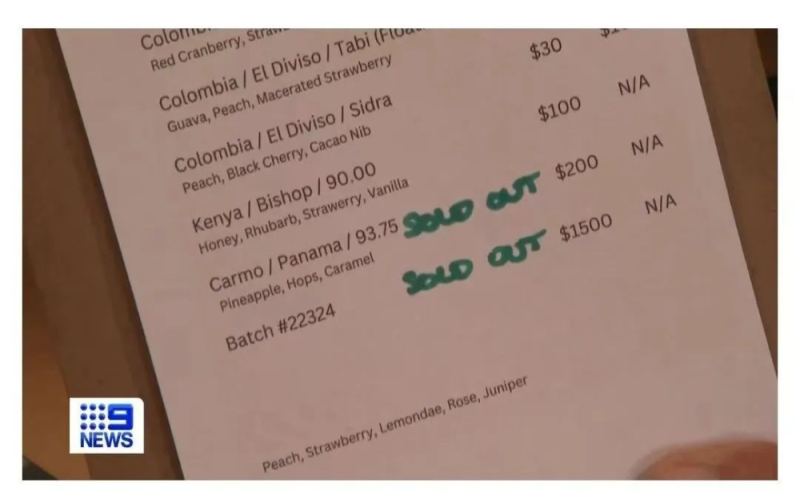
How expensive can a cup of pour-over coffee get? The Brew Lab Cafe in Penrith, in Sydney's western suburbs, has given a jaw-dropping answer: 1,500 Australian dollars, equivalent to nearly 7,000 yuan, and it must be booked two weeks in advance. This coffee uses a single-origin bean from Batch #22324 produced by Ninety Plus, grown at the foot of the Silla De Pando volcano in Panama at an altitude of about 1,700 meters, with a cupping score of over 90 points and flavors encompassing peach, strawberry, lemonade, rose, and juniper. Owner Mitchell Johnson defines it as an experience, and revealed that some customers were moved to tears after tasting it. At the same time, the shop also offers specialty single-origin coffees priced between 100 and 200 Australian dollars for enthusiasts with limited budgets. [more…]
Flavor analysis of ten common coffee drinks in cafés: from espresso to latte to cold brew and specialty creations
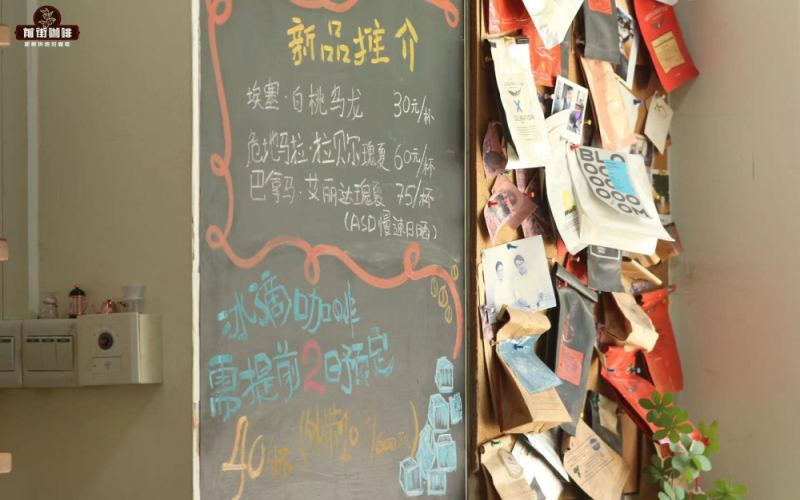
Walking into a coffee shop and facing a dense menu, many people are momentarily at a loss as to where to start ordering. In fact, the common coffee drinks on the market can be roughly summarized into ten types: espresso, SOE, Americano, latte, flat white, cappuccino, pour-over, cold brew, Dirty, and specialty coffee. The vast majority of them use Arabica coffee beans as the raw material, differing only in extraction method, milk ratio, and preparation technique. Front Street Coffee will go through the recipe logic and flavor characteristics of these ten coffees one by one, helping coffee lovers quickly build a clear understanding and find the cup that best suits their taste. [more…]
Home café launches nationally free-shipping freshly extracted espresso; short-shelf-life cold chain model sparks heated debate and compliance questions
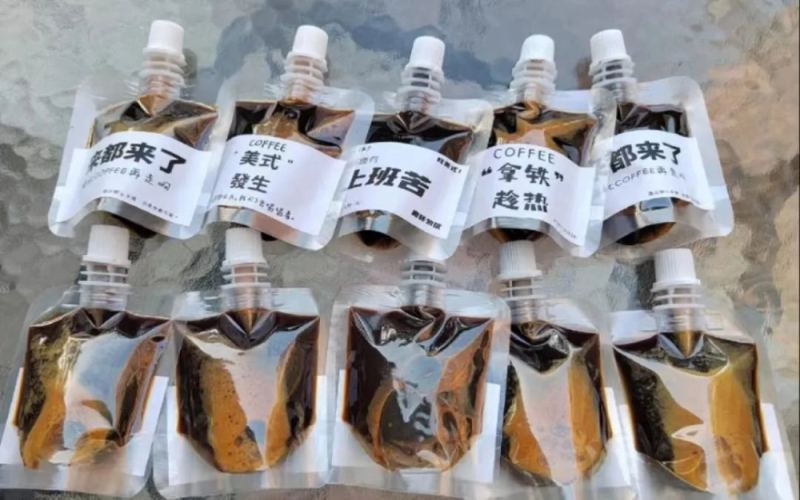
Coffee consumption continues to heat up, and the market keeps penetrating into broader demographics. Recently, home cafés and independent shops have launched a freshly ground and freshly extracted espresso liquid that offers nationwide free shipping. It uses plastic sealing plus ice packs and cold-chain delivery, keeps for about 7 days refrigerated and up to half a month frozen, and has drawn attention because its aroma and crema performance are better than assembly-line instant products. While consumers ask on social platforms how to buy it, some also question whether it can still count as "freshly extracted" after long-distance transport, whether home workshops can meet food-safety requirements, and whether such products fall into the "three no's" category. This article sorts out the selling points, controversies, and potential risks of this new business format, and highlights the difficulties merchants need to face in quality control, marketing, and compliance. [more…]