








"I'm not in a café, I'm on my way to one." For Italians who love coffee, latte is an all-too-familiar drink. On a beautiful morning, sipping a cup of latte feels incredibly cozy and refreshing. So, what exactly is a latte? And how is it made? Let's learn and savor it together with Front Street Coffee!
What is a latte?
"Latte" is the transliteration of the Italian word "Latte," and it is a type of flavored coffee, as well as a classic combination of Italian espresso and milk. By adding a specified proportion of milk to rich, full-bodied espresso, it becomes a latte. With the smooth blending and flavoring of milk, the originally bitter and heavy coffee becomes silky and sweet. Even those who are not used to drinking coffee find it hard to resist the deliciousness of a latte.

Originally, latte coffee originated in Vienna, the city of music. Viennese people began the habit of drinking coffee in the 17th century. At that time, when the Turkish army attacked Vienna and failed, they left behind hundreds of bags of coffee beans in their panicked retreat. These beans became the raw material for Vienna's first coffee house (Blue Bottle). To cater to European tastes, the coffee house owners filtered the coffee grounds and added a certain amount of milk, which not only made the bitter black coffee silky and sweet but also made its flavor irresistible to the Viennese. Thus, the combination of milk and coffee began to sweep across the globe.
What coffee beans and milk to choose for making a latte?
As mentioned above by Front Street, the ingredients for latte coffee are very simple—just espresso and milk, with no fixed ratio. You can adjust up or down according to your taste, but the choice of ingredients is crucial because it directly determines the quality of the latte you make.

From extraction experience, to make a delicious and rich latte, it is recommended to prioritize higher stabilityFront Street Coffeeespresso blend beans. Blend products usually combine flavor profiles from different regions, and with medium or darker roasting, it is easier to extract rich crema (coffee beans with high crema are more suitable for milk coffee), so our espresso has a thick and rich taste with higher fault tolerance. Moreover, most espresso blend beans are mainly supplied for store use, and compared to single-origin beans of similar flavor, the price is relatively lower, focusing on an economical and cost-effective route.
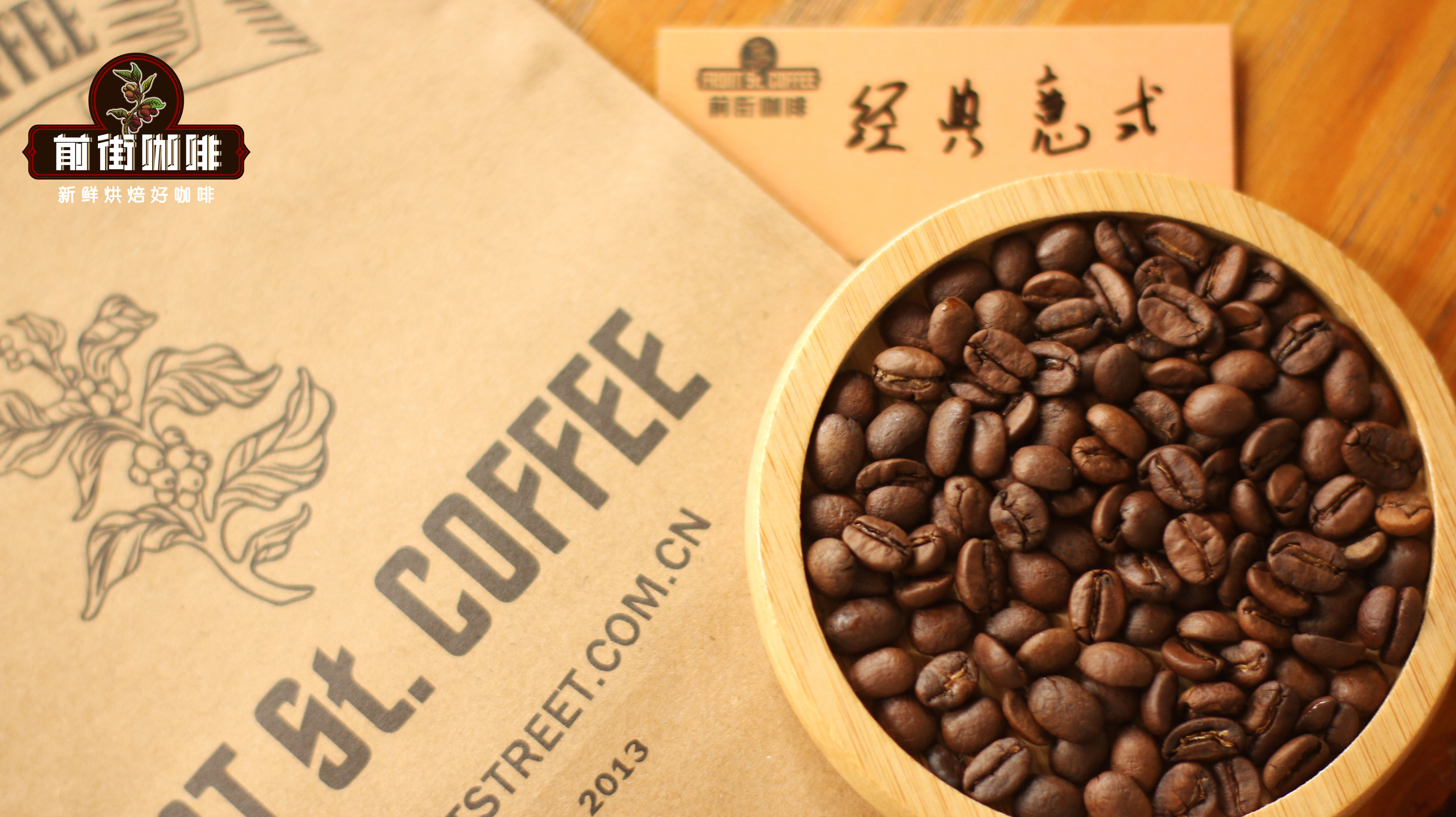
For beginners without much coffee-making experience, to make a delicious latte, using espresso blend beans is clearly more advantageous. We recommend the rich-crema Front Street Classic Blend Coffee, the cost-effective Front Street Commercial Blend Coffee, and the balanced Front Street Basic Blend Coffee.

For example, the beans used in Front Street stores are the Front Street Sunflower Warm Sun Blend Coffee, made from a blend of Front Street Ethiopian Natural Red Cherry and Front Street Honduras Sherry Barrel. The roasting curve makes it mainly for espresso extraction, and when made into an iced latte, it has flavors of wine, vanilla, cream, and chocolate. Some friends have reported to Front Street that their espresso has a lot of rough foam, which is caused by the coffee beans being too fresh; such espresso often tastes average. From Front Street's experience, if the espresso beans you receive are too close to the roast date, it is best to let them rest in a cool place for 7–10 days, and consume within 45 days for the best flavor.
How to make an authentic and delicious latte?
The coffee machine used in Front Street stores has a portafilter basket with a double espresso capacity of about 18–20 grams. When Front Street produces a latte, it uses 20 grams of coffee powder, with a 1:2 coffee-to-liquid extraction ratio, meaning 20 grams of coffee powder extracts 40 grams of coffee liquid. The time is related to the flow rate of the coffee powder; generally, a single extraction takes 20–35 seconds, because within 20 seconds the coffee taste tends to be thin, and over 35 seconds it tends to over-extract and develop a burnt bitterness. Most of Front Street's espressos are in the 28–30 second range.
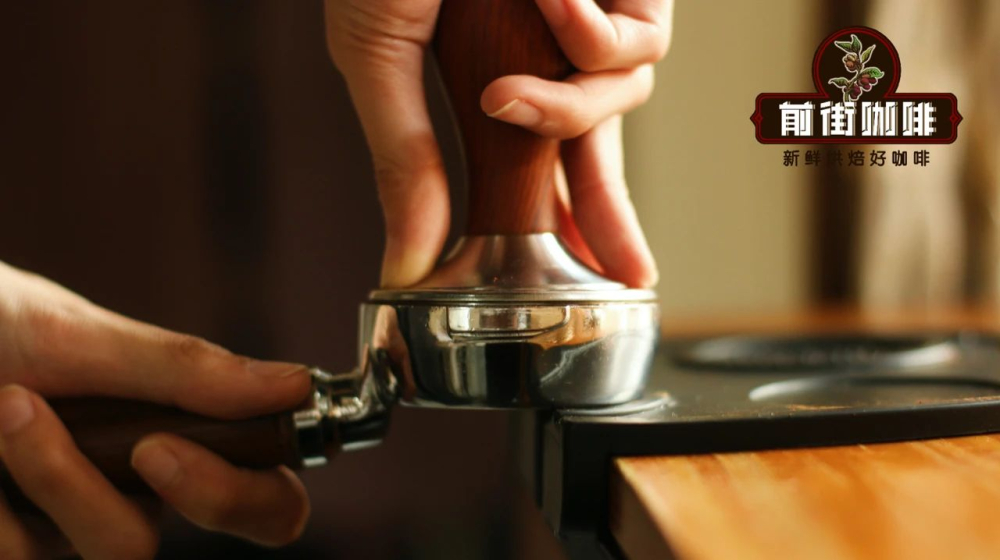
Before extraction, Front Street prepares these in advance: ceramic coffee cup, milk pitcher, fresh milk. First, wipe the portafilter basket dry and align it with the grinder's dispensing outlet, turn on the switch, grind a double dose of coffee powder, place it on an electronic scale to adjust until it reaches 20 grams. Then use a distribution tool to level the coffee powder, and press down vertically with a tamper to pack the coffee puck firmly, ensuring more stable extraction.
Then turn on the espresso machine's extraction switch to release water for 1–2 seconds, aiming to moisten the group head and also wash away stuck coffee grounds. Place an electronic scale under the cup for collecting espresso, tare it to 0, and place it under the group head during extraction. Gently lock the portafilter onto the group head, and start the extraction switch. Observe the changes in the extracted liquid; when the scale shows 40 grams of coffee liquid at about 30 seconds, turn off the extraction switch and pour the Espresso into the pre-prepared ceramic coffee cup.

Steaming milk mainly relies on the coffee machine's steam wand. Pour an appropriate amount of milk into the milk pitcher; for example, Front Street Coffee's latte cup is 300 milliliters, so you can pour in 240 milliliters of milk, because after steaming, the milk expands due to incorporated air. Before starting to steam the milk, briefly open the steam switch to purge a little steam, expelling excess water from the steam wand, then submerge the steam tip into the milk surface and turn on the switch.
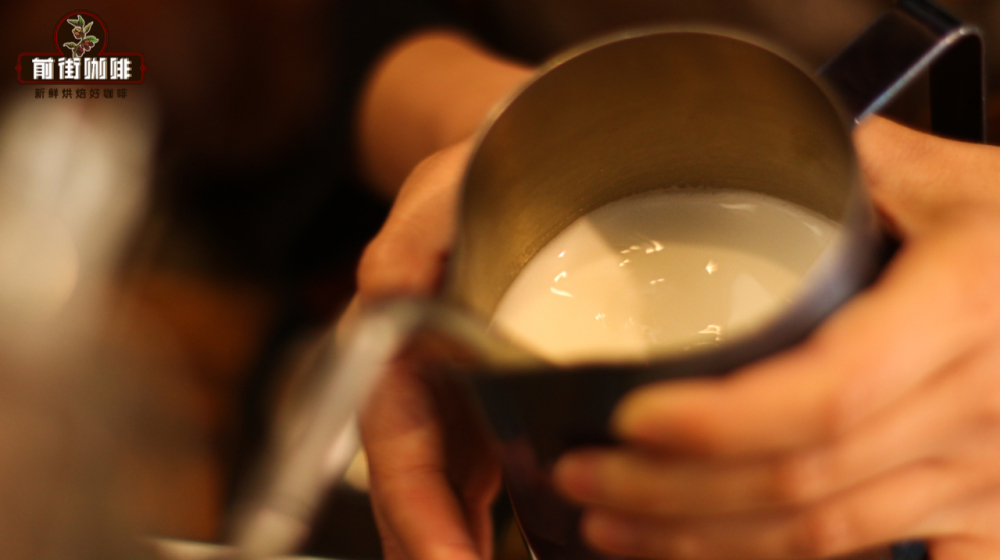
Steaming milk is divided into two stages. The first stage requires the steam hole to contact the milk surface, which is to create foam; at this time, a sharp sound like tearing paper is made, and this stage determines the thickness of the foam. The second stage is texturing; after enough foam is created, lift the milk pitcher so the steam hole is submerged in the milk, letting the milk rotate under the steam action, and this stage determines the quality of the foam. For latte coffee, the foam thickness is moderate, about 1 centimeter. After steaming, the milk surface is glossy, without bubbles, and has a certain fluidity.

Finally, combine the steamed milk with the extracted espresso for latte art. Before pouring art, first integrate: hold the milk pitcher spout slightly higher above the cup with some impact force, gently blend the milk and coffee until seven-tenths full, then lower the pitcher so the spout is close to the coffee surface, reducing impact force. The foam will rise due to buoyancy, so white foam begins to appear on the surface. At this point, you can create a pattern by swinging your arm; because the foam is moderate and has some fluidity, it will form a continuously swaying line. Finally, lift and push forward to finish, creating a basic heart-shaped latte art pattern.
So, how do you make an iced latte?
Compared to hot latte coffee, making iced latte coffee is relatively simple. The method is the same as iced Americano, except that the water in Americano is replaced with milk. So the steps for making iced latte coffee are: pre-chill the cup with ice cubes, add 100 grams of ice cubes, 180 grams of milk, and finally pour in the espresso. Of course, don't forget to stir well before drinking.
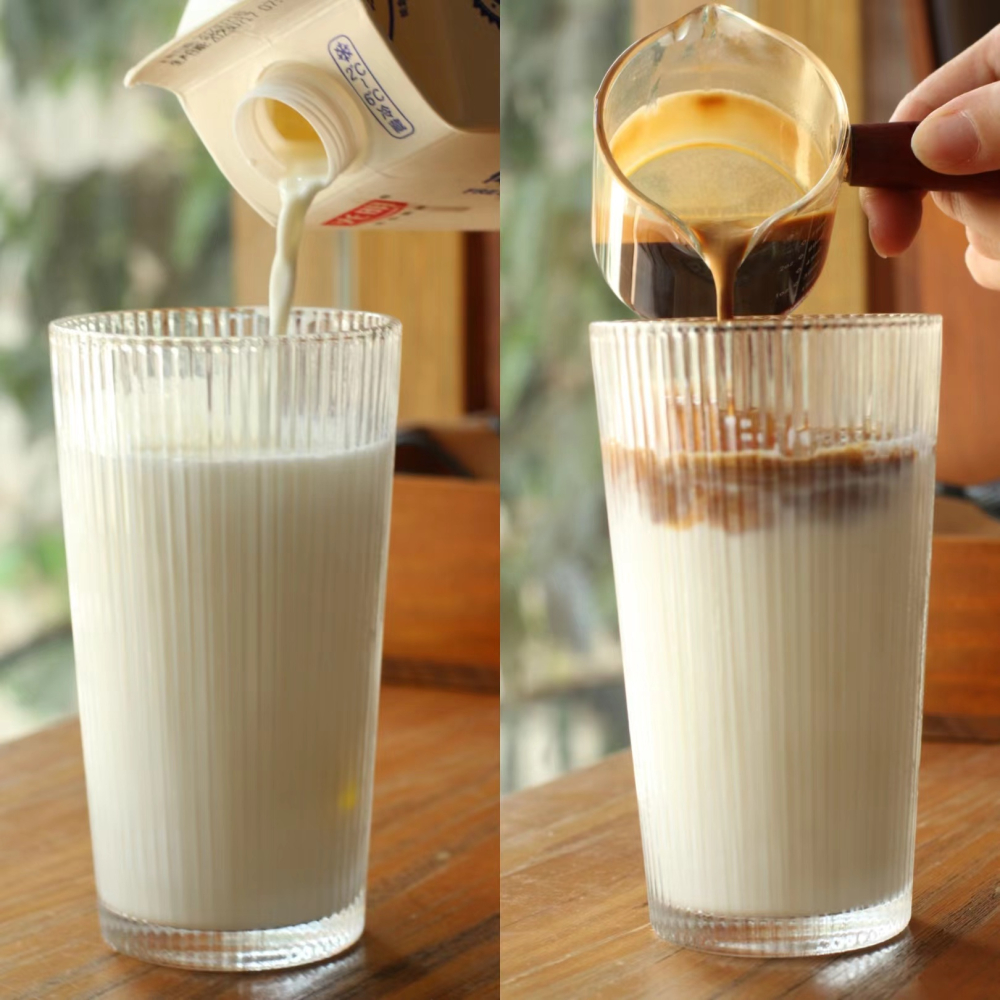
Most online tutorials for making iced lattes do not give an absolute ratio, but rather fall within a general range: coffee:milk = 1:4 to 1:8. This is because everyone uses different coffee beans, different extraction parameters, and possibly different milk. Even if the same ratio is used, the taste of the iced latte will still differ.
As a reference, when using Front Street's specialty blend espresso beans with main notes of dark chocolate and nuts, we can add a larger proportion of milk to maintain a balanced taste; for example, Front Street's daily production uses 1:6. When the coffee beans are a lighter-roasted floral and fruity type, the espresso itself is not so intense, and too much milk will only mask the coffee aroma. In this case, you can appropriately reduce the milk proportion, for example, falling within the range of 1:4 to 1:5.
The above content is compiled by CoffeeHunters, a coffee news website.


