







Search Results for: Layered heart latte art

Latte art tutorial | Which milk is suitable for making latte art? How exactly do you do a leaf rosetta latte art? What mistakes are easy to make in latte art?
Today Front Street Coffee is here to share a new basic latte art pattern—the "leaf"! This time, the method for this leaf pattern is almost identical to the layered heart: both are formed by swinging the milk pitcher at a steady speed to create regular, symmetrical lines. If you've already mastered the layered heart, then the leaf is as good as in the bag too. Leaf. [more…]
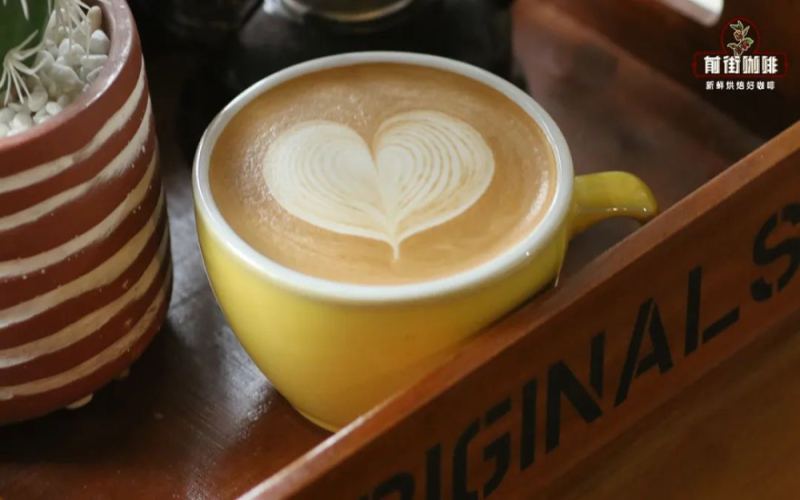
Latte Art Layered Heart Tutorial: A Detailed Guide to Milk Foam Thickness, Flow Control, and Pitcher Movement Techniques
The multi-layered heart is a variation pattern within heart-shaped latte art that boasts a strong sense of layering. Its operational foundation is very close to that of the large桃心, but it has stricter requirements in details. In this article, Front Street Coffee will guide you through the process of creating the large桃心 and focus on breaking down the key differences of the multi-layered heart in milk foam thickness, milk pouring flow rate, and pitcher manipulation techniques. Through the combination of pictures, text, and video explanations, we aim to help coffee enthusiasts who have mastered the large桃心 to smoothly advance to the multi-layered heart latte art with fine lines and distinct layers. [more…]

Latte Art Tutorial: Operational Differences Between Leaf Patterns and Layered Hearts, and a Detailed Guide to Creating Latte Art
After mastering the basic heart and the more advanced multi-layered heart, the leaf pattern is another hurdle to overcome in latte art practice. It may look similar to the multi-layered heart, but in reality there are clear differences in milk foam condition, the amount of integration, the pour point, and the swinging method. This article will break down the key points of making leaf latte art one by one, from milk foam thickness, the amount of milk used for integration, the pour point for creating the pattern, and swinging techniques to the complete hands-on steps. It will also explain the impact of different pitcher capacities on the process, and how to find the right position for creating the design by adjusting the amount of integration. Front Street Coffee suggests first practicing repeatedly with dish soap and soy sauce, and once the technique is proficient, then using milk and espresso for real practice, so you can pour a leaf pattern with clear stripes and a beautiful finish. [more…]

Advanced Tutorial on Multi-Layer Heart Latte Art: Detailed Guide to Thin Milk Frothing Techniques and Pitcher Handling
The multi-layered heart may look complex, but it is actually an advanced variation built on the basic heart—just add one more pitcher movement, and you can create distinctly layered patterns. However, it places higher demands on milk foam thickness, the amount of milk used for integration, and the skill level of your technique. In this article, Front Street Coffee breaks down the entire process of making a multi-layered heart in detail: from precise control of steaming milk foam to 6/10 full, to a comparative recommendation of two pitcher-holding postures, and then to the flow rate and cup-return rhythm in the actual pouring, helping you transition smoothly from the basic heart to the multi-layered heart and laying a solid foundation for subsequent complex patterns such as the wheat ear and swan. [more…]
Coffee Latte Art Basics: Analysis of the Pouring Techniques and Practical Key Points for the Rosetta and Layered Heart Patterns
Front Street Coffee's latte art class continues, and this session focuses on creating the leaf pattern. Although the leaf may seem quite difficult, its core technique is largely similar to the layered heart—both rely on evenly swaying the milk foam to form fine stripes, with the only difference being that the leaf has one extra step of dragging backward. As long as you master the swaying rhythm of the layered heart, the leaf can also be picked up easily. Next, we will move into the hands-on sharing, starting from integrating to six-tenths full and pouring milk foam at the center point, emphasizing that you should first pause to create two leaf lobes and then sway evenly backward; when pulling back while swaying, the pitcher spout needs to be raised appropriately by 0.5–1 cm to make the stripes clearer, and near the edge of the cup, lower the pitcher spout first to pour out more milk foam to form a heart, then raise the pitcher spout to finish, so the final result will look more beautiful. [more…]
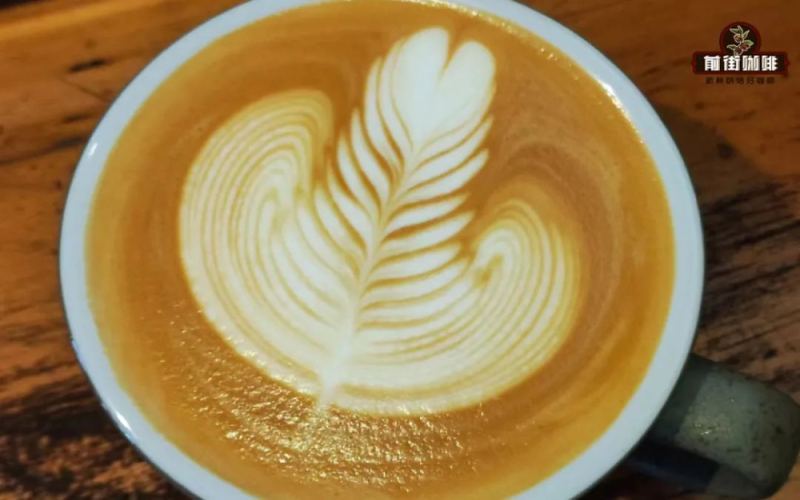
Latte Art Tutorial: Rosetta (Leaf) Pattern — Complete Steps from Bean Selection and Milk Steaming to the Pull-Through Finish, Plus Common Mistakes Explained
Want to make symmetrical and beautiful leaf latte art at home? This article starts with choosing espresso beans, recommends Front Street Classic Blend as suitable for beginners to practice, and compares the key differences between the leaf and the multi-layer heart in terms of pouring point and swinging direction. The main text breaks down each step of leaf latte art in detail: milk foam thickness, the amount of integration, pouring at the center point, swinging in place, retreating at a steady speed, the height of lifting the pitcher, and finishing techniques. It also points out two common mistakes specific to the leaf—retreating before the pressure ripples have flowed back and wrapped in, and gradually shrinking the swing amplitude while retreating. Once you master these details, your leaf pattern will become more and more stable. [more…]

From Heart to Swan: An Advanced Coffee Latte Art Tutorial, Mastering the Shaping Techniques of Multi-Layer Heart, Rosetta, and Tulip
Want to make coffee-shop-quality latte art at home? This tutorial will take you from the basics to advanced techniques. The article first emphasizes the importance of steaming milk, and points out that integration is the key step that determines whether the milk coffee has an even texture. Then, we break down the specific techniques for five classic patterns—heart, layered heart, rosetta, tulip, and swan. From choosing the pour point and controlling the flow to the timing of bringing the cup back and the finishing motion, every step is explained in detail. Whether you are a complete beginner or an advanced player looking to break through a plateau, you will find practical tips and practice directions here. [more…]
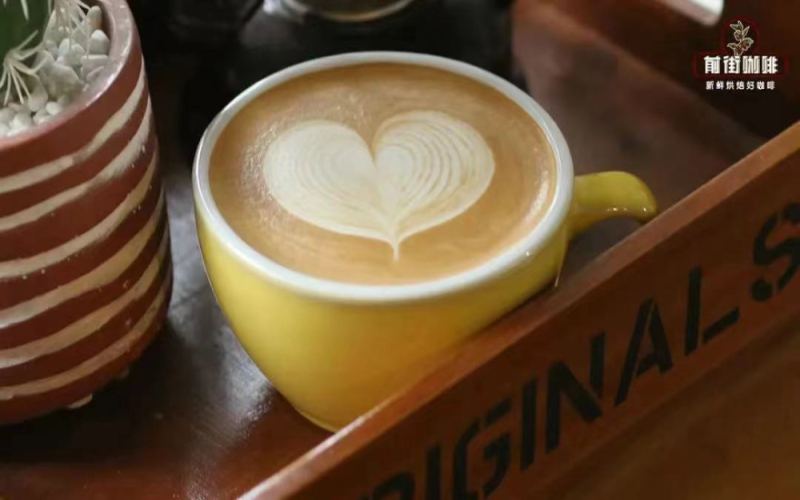
Latte Art Hearts from Scratch: Espresso and Milk Foam Techniques and Key Principles for Pouring Patterns
Latte art is a direct reflection of a barista's comprehensive skills. Behind a seemingly light and airy pattern lies the layered coordination of espresso quality, milk foam condition, and pouring technique. From the practical perspective of Front Street Coffee, this article systematically explains the prerequisites and operational details of heart-shaped latte art: how to choose an espresso blend suitable for latte art, how to use a steam wand to create fine and smooth latte milk foam, and the specific application of the five pouring principles—integration, pouring point, convection, and finishing. Whether you are a beginner just starting with latte art or an experienced hand looking to correct your movements, you can find actionable references here to gradually pour a full and clean heart-shaped pattern. [more…]
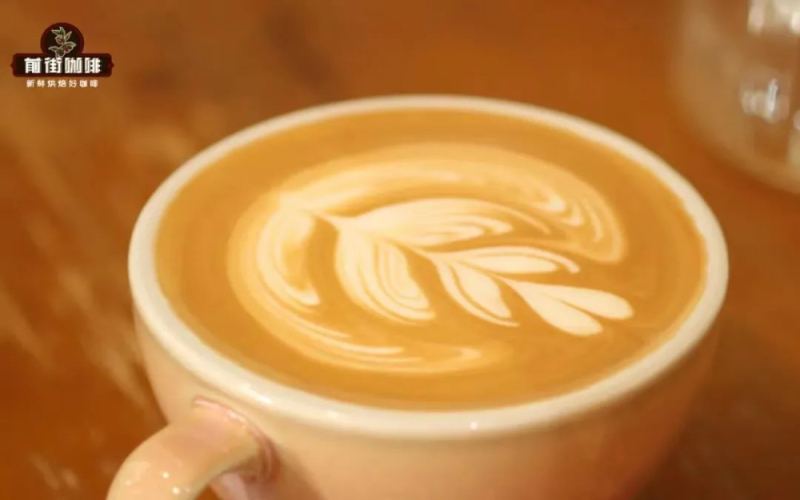
From Basics to Advanced: Practical Latte Art Techniques and Key Points for Tulip, Leaf, and Multi-Layer Heart Patterns
Latte art may seem difficult, but by mastering key details you can significantly improve your success rate. This article systematically explains the basic steps of latte art and the approach to achieving common patterns, from milk foam thickness and pouring techniques to pattern selection. Front Street Coffee will share how to judge the standards of a quality latte art pour, and how to gradually master patterns such as tulips, rosettas, and multi-layer hearts through repeated practice of the basic heart, flexibly adjusting the pour point and finish. Whether you are a beginner or a barista hoping to break through a plateau, these practical tips can help you reduce failures and achieve consistent results. [more…]
Easily Master Coffee Latte Art at Home: A Complete Illustrated Guide from Hearts to Leaves
Want to create cafe-quality latte art at home? This article will teach you three classic patterns step by step, from beginner to master level: the heart, the rabbit, and the rosetta (leaf). All you need to master is the angle of pouring the milk, the rhythm of rocking the milk pitcher, and the timing of the push, and you too can draw exquisite patterns on the surface of your coffee. The article includes detailed photo instructions and recommends using Front Street Coffee's offerings to help you achieve more consistent latte art results. Whether you're doing it for a loved one, a friend, or yourself, you'll find joy and a sense of accomplishment in it. [more…]

Latte Art Beginner Tutorial: Detailed Guide to Milk Foam Requirements, Pouring Techniques, and Step-by-Step Instructions for the White Heart Pattern
Latte art is one of the techniques that many coffee enthusiasts are most eager to master after stepping into the world of espresso. Common patterns include the solid white heart, multi-layered heart, swan, tulip, and rosetta, among which the solid white heart is regarded as the most basic yet most skill-testing design. Based on the latte art teaching experience of Front Street Coffee, this article systematically explains the two major prerequisites for making a solid white heart—a qualified espresso and milk foam suitable for pouring—and breaks down in detail the key steps such as the amount of milk used for incorporation, the pouring point for forming the pattern, and the injection technique. It also introduces how espresso beans such as Front Street Classic Blend perform in latte art practice, helping beginners stably produce espresso with golden crema at home and laying a solid foundation for subsequent latte art. [more…]
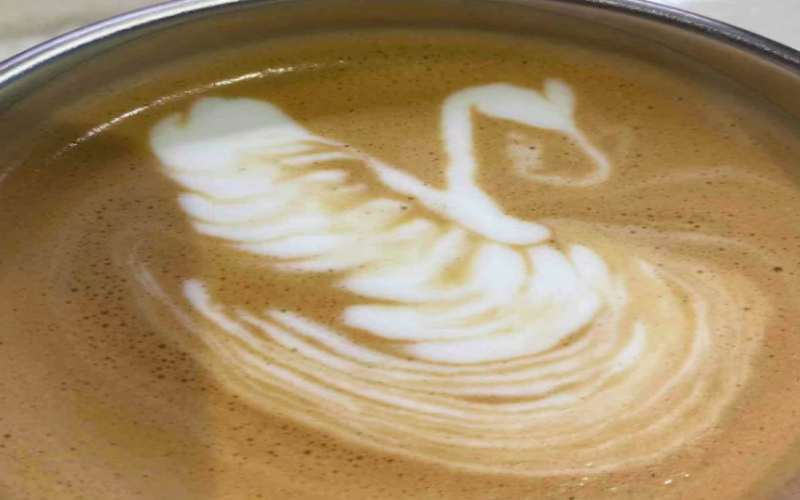
Coffee Latte Art Fails: Accidental Creations That Astonishingly Resemble Cai Xukun, A Roundup of Those Abstract Yet Stunning Improvisations
Latte art is a visual display of a barista's skill, and it's also the reason many coffee enthusiasts fall down the rabbit hole. However, not every attempt at latte art turns out as perfectly as intended—failed creations often come in wildly bizarre forms, some so abstract that even the creator can't recognize them. Yet an occasional slip of the hand can sometimes give rise to a one-of-a-kind improvised "masterpiece"—for instance, a netizen once accidentally poured a milk pattern that bore an uncanny resemblance to a certain basketball star. This article will round up these hilarious latte art fails, while also exploring how latte art affects the taste of coffee and why baristas keep practicing. [more…]
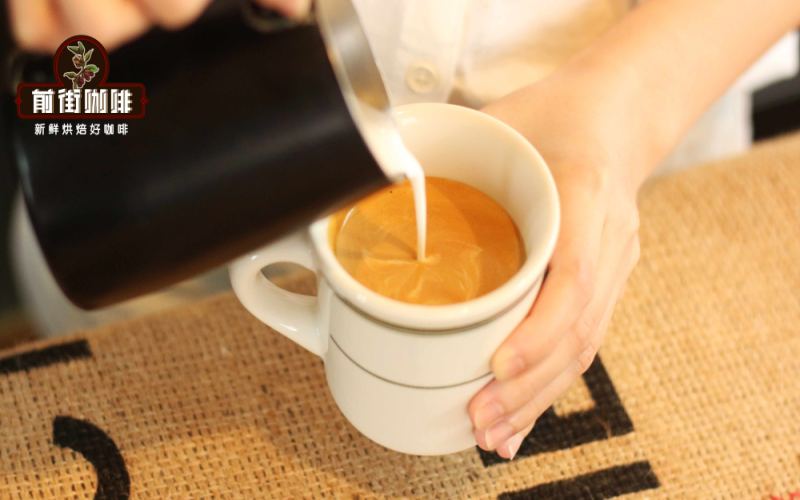
Practical Guide to Heart-Shaped Latte Art: A Complete Tutorial from Bean Selection to Finishing Techniques
Many people see heart-shaped latte art in coffee shops and think it looks easy to do, but once they actually try it, they discover there is quite a bit of technique involved. To make beautiful latte art, at least three prerequisites must be met: freshly roasted espresso beans, fresh milk kept refrigerated at low temperature, and an espresso machine with a pressure-boosting function. This article starts with the selection of Front Street Coffee beans and breaks down the entire process of heart-shaped latte art in detail, including extraction parameters, milk frothing methods, control of the amount used for incorporation, selection of the pour point, and common mistakes made during the finishing stage, helping coffee enthusiasts and novice baristas master the technique of consistently producing latte art step by step. [more…]
Coffee Latte Art Beginner Tutorial: Milk Frothing, Pouring Techniques, and Step-by-Step Guide to Heart, Tulip, and Rosetta Patterns
Many people who are just getting into coffee think latte art doesn't look that hard—isn't it just casually pouring out a heart or a tulip? But once they actually try it, they discover that the milk just pours out in blobs, and they can't even make the most basic heart shape. In fact, latte art isn't as mysterious as it seems. The key lies in mastering a few core steps: steaming a pitcher of milk foam with moderate flow, properly integrating the base, holding the pitcher and cup with the correct gestures, and then practicing repeatedly. This article will break down everything step by step, from positioning the steam wand, controlling milk foam temperature, practicing the integration pour, to how to hold the latte art pitcher, and will also include the key operating points for the layered heart, tulip, and rosetta patterns, helping coffee enthusiasts systematically get started with latte art techniques. [more…]
A Beginner's Guide to Latte Art: Key Points for Making Milk Foam and a Detailed Step-by-Step Guide to Heart and Leaf Patterns
For friends who are just getting into latte art, mastering milk frothing and pouring techniques are the two most critical fundamental skills. Starting from the recommendations of Front Street Coffee, this article breaks down in detail the complete process required to make a heart-shaped cappuccino—from espresso extraction, milk selection and frothing temperature control, to the changes in pitcher height, angle and flow rate during staged pouring, all are explained one by one. At the same time, the article also provides a comparative analysis of common variables such as steam wand types and steam volume, helping beginners identify problems more quickly in practice. Whether you want to pour a neat heart or a leaf pattern, this tutorial can provide a clear reference path. [more…]

Manner Barista Custom Latte Art Goes Viral Online: Analyzing the Service Appeal of Affordable Specialty Coffee
Manner Coffee has continuously gained a following in the coffee community thanks to its reputation for being tasty, affordable, and highly cost-effective. Recently, baristas' fancy latte art skills have sparked heated discussions online. From basic hearts and tulips to animals like rabbits, squirrels, and unicorns, customers' custom requests are being fulfilled one by one, and some even bring their own bowls to "make" coffee and request latte art. This model, combining approachable prices with specialty quality, along with baristas' considerate and adorable service, has quickly made Manner popular among young consumers and white-collar workers. This article takes you to appreciate those highly recognizable exclusive latte art creations and explains how Manner influences the domestic coffee market with its "affordable specialty" philosophy. [more…]
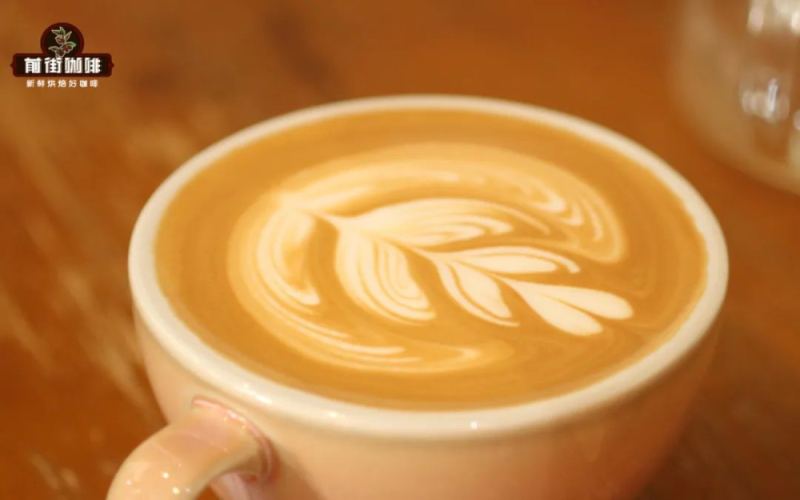
Master Latte Art from Scratch: A Complete Breakdown of Hand Gestures and Steps, Plus Efficient Practice Methods for Beginners
To make a hot latte with beautiful latte art at home, drinking coffee alone is not enough—the key lies in mastering milk frothing and latte art techniques. From the perspective of Front Street, this article first introduces the origins and proportions of latte coffee, then gradually breaks down the two major stages of latte art: integration and pouring, and explains in detail the air intake and texturing steps of milk frothing. The article also includes efficient practice tips to help you transition from practicing with water to working with real milk, so you can avoid detours and quickly pour basic patterns like hearts and tulips. [more…]
Can't get latte art patterns to come out? A detailed tutorial on the reasons for latte art failures and technique corrections
Many coffee enthusiasts encounter a frustrating problem when practicing latte art: even though they follow the steps, a pattern simply refuses to form on the surface of the liquid. In fact, the essence of latte art is using the color contrast between milk foam and espresso crema to paint, and the key lies in precisely controlling the height of the milk pitcher and the flow rate during the integration stage and the pattern-forming stage. From the perspective of Front Street, this article systematically sorts out the three main reasons why latte art fails to produce a pattern—not shaking the milk evenly before integration, holding the milk pitcher too high when forming the pattern, and pouring with too small a flow rate—and provides corrective methods for each, helping you break through the bottleneck in your basic technique and successfully pour your ideal pattern. [more…]
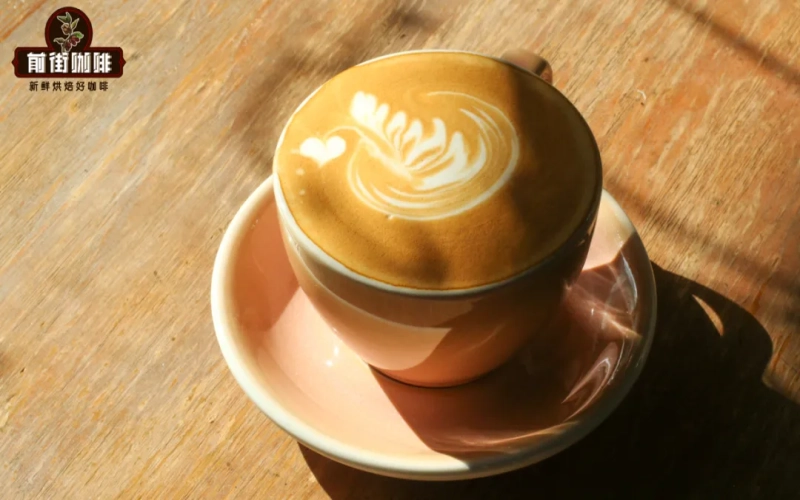
Latte Art Etching Tutorial: Milk Foam Thickness and Integration Techniques Explained, Espresso Bean Selection Guide
Latte art is the initial inspiration for many coffee enthusiasts, and textured patterns are the advanced technique that baristas dream of mastering. It involves continuously swinging the milk pitcher to pour steamed milk, pressing white lines into elegant arcs and making the pattern more artistic. However, many people practicing textured patterns always fail to create clearly defined lines with distinct layers. This article, based on Front Street's practical experience, will provide a detailed analysis of the three key areas to master when creating textured latte art: controlling milk foam thickness, managing the degree of integration, and the distance between the pitcher spout and the liquid surface. At the same time, it will also share recommendations for choosing espresso beans suitable for latte art, helping you practice beautiful textured patterns at home as well. [more…]

Latte art always failing? A detailed explanation of the eight key points and operational details for incorporating milk and coffee
Many coffee enthusiasts encounter the same confusion when practicing latte art: the milk foam is steamed perfectly fine, and the crema on the espresso is in decent shape too, yet the moment they start pouring, everything falls apart. The problem often lies in a seemingly simple yet easily overlooked step—the integration of milk and coffee. Whether the integration is even not only directly determines whether the latte art pattern can come through smoothly, but also affects the layered mouthfeel of the entire latte. This article will break down the key operational points one by one—covering the criteria for judging even integration, the appropriate thickness of espresso crema, milk steaming and anti-separation handling, the direction and size of the swirling circles, pouring height and flow rate, and controlling the amount used in integration—to help you make a cup of latte with clear patterns and a smooth mouthfeel right at home. [more…]