







Search Results for: Latte without ice
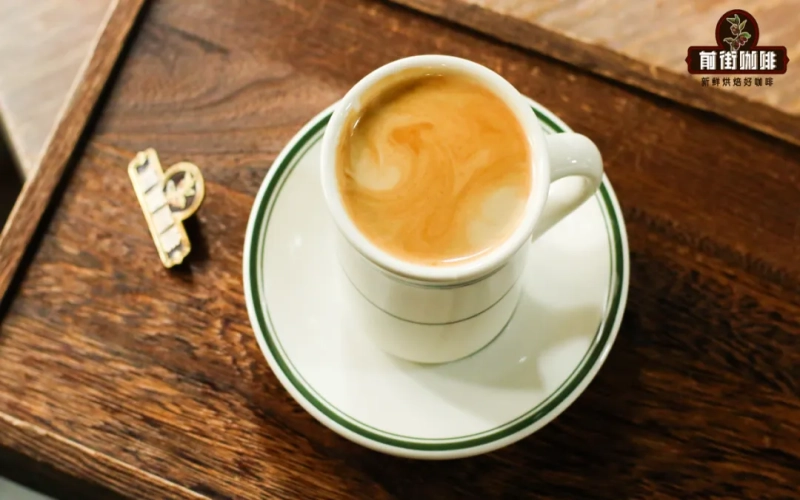
Why Is an Iced Americano Without Ice Often Warm? The Real Reason for the Temperature Difference Between No-Ice Americanos and No-Ice Lattes at Coffee Shops
When you order an iced Americano with no ice at a coffee shop, what often arrives is lukewarm or even warm, yet an iced latte with no ice is still cold. This difference leaves many coffee lovers puzzled. Drawing on the real-world experience of Front Street's stores, this article breaks down the underlying logic of how coffee shops make no-ice coffee, explains why no-ice Americanos are generally warm while no-ice lattes stay cold, and analyzes why coffee shops don't adopt the icing methods used by milk tea shops. Finally, it offers practical alternative ordering tips for those who want a lightly chilled Americano. The article also introduces Front Street's espresso bean series and the characteristics of its classic blend, making it a useful reference for coffee lovers who want to practice latte art at home or open their own shop. [more…]

Why Does Removing Ice from a Latte Affect Flavor? Is It Feasible to Add Ice to a Hot Latte? A Detailed Explanation of Key Latte-Making Points
Can a latte be ordered without ice? Can ice cubes be added to a hot latte? These seemingly simple questions actually involve the ratio of milk to coffee, the extraction state of the espresso, and the control of milk temperature. Starting from the fixed ratio of a good latte, Front Street Coffee analyzes how removing or adding ice affects the flavor, and systematically sorts out the causes and solutions for the three common problems of lattes: too bitter, too watery, and both bitter and bland. Whether you are a beginner just starting out or a veteran looking to produce consistent results, you can find practical directions for adjustment. [more…]
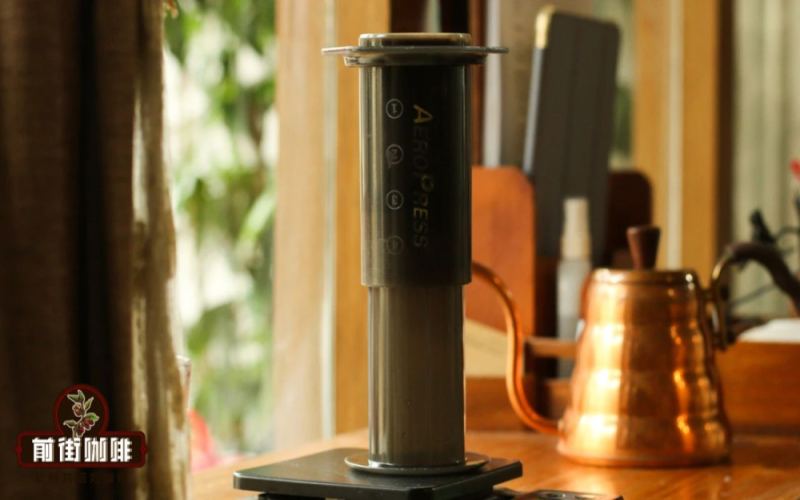
AeroPress Iced Latte: 10-Step Guide to a Rich and Smooth Homemade Version Without an Espresso Machine
Want to drink an iced latte but frustrated by not having an espresso machine? Actually, an AeroPress alone can get the job done. This article breaks down in ten steps how to use an AeroPress to make a high-concentration coffee base, then combine it with cold milk to create a cup of iced latte with a rich, mellow body and balanced sweet aroma. The article also specifically reminds you that to avoid a sharply sour or weak taste, you should prioritize medium or dark roast beans, such as Front Street Coffee Bird of Paradise, Front Street Coffee Queen's Manor, Front Street Coffee Golden Mandheling, and Front Street Coffee Huilan; if you are sensitive to bitterness, you can try the fermented fruity acidity of Front Street Coffee Xizhao, Front Street Coffee Strawberry Candy, or Front Street Coffee Sunflower Warm Sun Blend, which pair even better with milk. Next, follow Front Street Coffee's practical parameters to make a simple yet delicious iced latte step by step. [more…]
Why is a latte not suitable for removing the ice? Is it okay to add ice cubes to hot coffee—hot coffee with fresh milk actually only has a room-temperature mouthfeel.
Many people's memory of their first latte has already faded, but Front Street Coffee still remembers the surprise brought by that cup of latte with exquisite latte art: the first sip carries the slight sweetness and bitter notes of the crema, the second sip turns mellow and delicate, forming just the right balance with the light sweetness of hot milk, and the finish still carries a creamy chocolate-like aftertaste. A good cup of latte cannot do without the fixed ratio of milk to coffee. An iced latte, once the ice is removed, often has the gap filled with milk, and the coffee flavor becomes weaker as a result; a hot latte is already made at the perfect ratio with the milk temperature properly controlled, so it is naturally not suitable to add ice cubes. This article centers on the latte recipe, analyzing the causes of common problems such as being too bitter, too watery, or both bitter and weak, and provides the practical parameters and adjustment ideas from Front Street Coffee's stores. [more…]

Can iced lattes achieve latte art effects? Analyzing why hot milk is the key to latte art
The delicate latte art patterns on a hot latte are always a pleasure to behold, but why is it that an iced latte, made from the same espresso and milk, almost never features latte art? Behind this lies the science of milk foam formation, the effect of temperature on blending, and various practical limitations. Front Street Coffee has made multiple attempts at making iced milk foam, from handheld frothers to French presses, in an effort to replicate latte art on cold drinks, but the results were less than satisfactory. This article will delve into the scientific principles of latte art, compare the differences between making hot and iced lattes, and share Front Street's real experiences and final results from iced milk foam experiments. If you've ever wondered why iced lattes can't have latte art, or want to understand the challenges of making cold milk foam, this article will reveal it all. [more…]
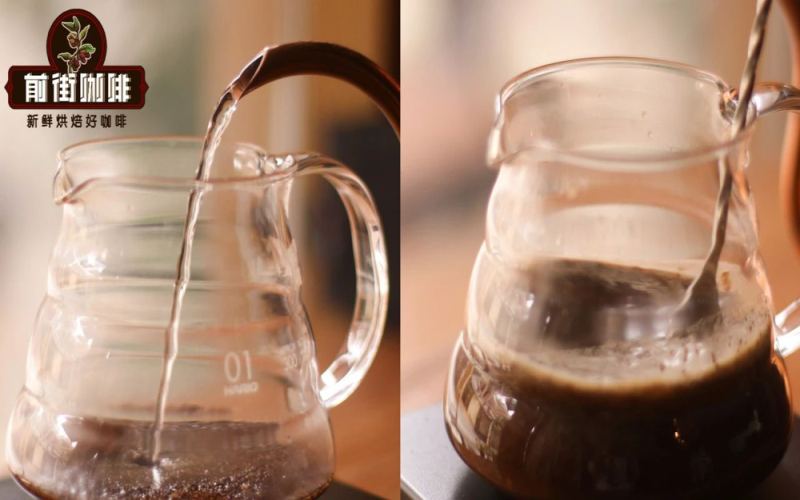
Iced Latte Recipe Introduction | How to make a latte at home without a coffee machine? How can coffee beginners make cold brew latte milk coffee?
How can cold brew coffee be limited to black coffee only!! This article will teach everyone how to easily make silky-smooth cold (milk) brew latte at home, without a coffee machine or complicated equipment~ Without further ado, GO GO GO! The soul of milk brew coffee: "Full-bodied taste, no burden." [more…]

How Is a Dirty Coffee Different from an Iced Latte? A Comprehensive Analysis of the Differences Between the Two in Ratios, Methods, and Drinking Styles
Dirty coffee and iced latte look quite similar in appearance, both presenting a layered effect of espresso over milk, but they are actually different drinks. This article starts with production details such as cup size ratio, whether ice is added, cup treatment, and layering requirements, systematically sorting out the differences between Dirty and iced latte, and explaining in detail the correct way to drink each. The article also combines the flavor characteristics of coffee beans such as Front Street classic blend, specialty blend, and dark cocoa base blend to explain how to choose beans to achieve the ideal layering effect and taste experience. [more…]

Analyzing the Flavor Differences Between Starbucks Mocha and Latte, with a Complete Front Street Coffee Hot and Iced Mocha Tutorial
Mocha and latte both belong to the family of Italian milk coffees, and neither can do without espresso and milk, yet the two are completely different in formula structure and flavor direction. A latte places more emphasis on the balance between the coffee beans' own flavor and the fresh sweetness of the milk, while the core of a mocha lies in the intensity of the chocolate flavor and the control of the sweet-to-bitter ratio. Starting from Front Street's production experience, this article first clarifies the essential differences between the two, then takes a deeper look at common mistakes in making mocha, and separately provides detailed recipes, steps, and ingredient-adjustment logic for hot mocha and iced mocha, helping coffee lovers, on the basis of understanding the principles, make a cup of mocha that is rich in chocolate, sweet without being cloying, and clearly layered, while also retaining the bean-selection and preparation reference for the latte portion. [more…]
Why is a flat white only served hot? Analyzing the key points of making a flat white, from extraction method to milk foam thickness
Flat white is a type of milk coffee favored by many coffee enthusiasts. It centers on espresso, with milk serving only as a supporting role, delivering a coffee flavor more intense than a latte. But have you noticed that flat white is only served hot in most cafés, never iced? This is closely tied to its crafting philosophy—thin microfoam, a small cup size, and a double ristretto, striving for every sip to deliver both velvety foam and rich coffee simultaneously. This article will provide a comprehensive analysis of the correct way to enjoy this "flat white," covering its differences from a latte, the New Zealand and Australian schools of preparation, the actual brewing parameters at Front Street Coffee locations, and why ice is never added—and will also touch on Dirty coffee, often called an "iced latte without ice." [more…]

Coffee Type Flavor Comparison | What Are the Mainstream Coffee Drinks? What's the Difference Between Americano, Latte, Cappuccino, Mocha, and Pour-Over Coffee? Which Coffee Tastes Good Without Being Bitter?
For more specialty coffee knowledge, please follow the WeChat public account: Front Street Coffee (FrontStreet Coffee). As international freshly ground coffee brands such as Starbucks and Costa have entered China with their directly operated stores, a coffee craze has risen in the country, and many businesses keep making a big fuss over coffee drinks. In addition to [more…]
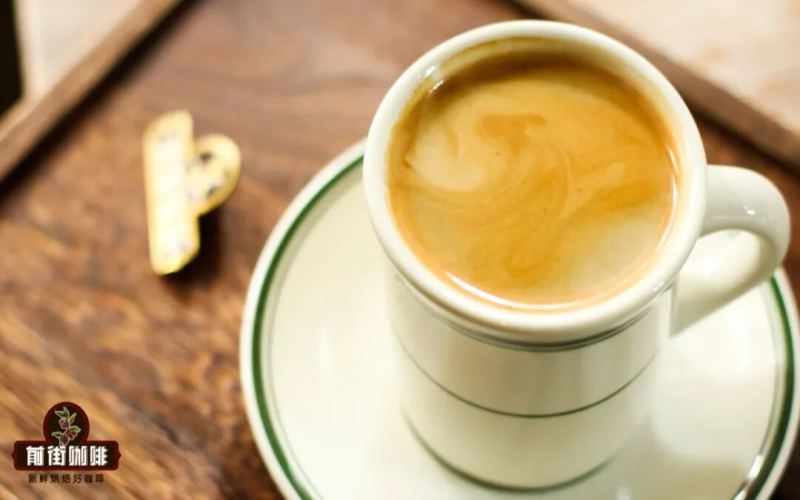
Espresso Coffee Brewing Methods | Why Is an Iced Americano from a Coffee Shop Warm After Removing the Ice? How Do You Make a Delicious Ice-Free Americano?
I wonder if any of you have ever ordered an "iced Americano without ice" at a coffee shop. If you have, then Front Street believes you were most likely puzzled by the coffee that was served. Why? Because the iced Americano without ice made by the vast majority of coffee shops differs somewhat from what you'd imagine. Regarding iced Americano without ice, what you'd imagine is [more…]

Can a flat white be made as an iced drink? Examining its essential differences from a latte and a cappuccino through milk foam thickness and cup size
Ordering an iced Flat White at a specialty coffee shop is often politely declined by the barista, which leaves many enthusiasts puzzled: it's understandable that a Dirty can't be made hot, but why can't a Flat White be made iced? To answer this question, we first need to understand exactly what kind of espresso milk coffee a Flat White is. Its cup size is on the small side, its milk foam is extremely thin, and its signature feature is precisely that layer of flat microfoam less than 0.5cm thick. Starting from the actual situation of Front Street Coffee's store menu, this article sorts out the core differences between the Flat White, Latte, and Cappuccino in terms of cup size, milk foam thickness, and flavor balance, explains why an iced drink cannot present the Flat White's unique charm, and why it easily degenerates into a product indistinguishable from a small cup of iced latte. [more…]
Why Is a Flat White Only Served Hot? The Meaning of Flat White and an Analysis of Its Milk Foam Differences from Latte and Cappuccino
Can a flat white be made as an iced drink? What exactly does "flat white" mean? Where does it differ at its core from a latte or a cappuccino? Starting from the controversy over the origins of the flat white, this article sorts out this espresso milk coffee's cup size, milk foam thickness, and taste characteristics, explains why specialty coffee shops generally do not offer iced flat whites, and offers Front Street Coffee's popular blends and SOE recommendations, helping you understand the real reason behind why flat whites are only served hot. [more…]
A Detailed Guide to Bean Selection and Coffee-to-Milk Ratios for Latte: Hot and Iced Recipes Plus Milk Frothing Tips
Latte is the category with the highest proportion of milk in the espresso family. Iced and hot versions each have their own operational details, but the underlying recipe logic is the same. From the perspective of Front Street, this article sorts out the historical context of latte, explains the approach to selecting espresso blend beans, and provides specific preparation parameters for hot lattes and iced lattes. The content covers the pressure, temperature, time, and brew ratio of espresso extraction, the milk frothing technique and temperature control for hot lattes, and the ice cube and milk ratio for iced lattes. It also introduces the flavor profiles of multiple espresso beans such as Front Street Strawberry Candy Espresso, helping coffee enthusiasts recreate a balanced and smooth latte at their own coffee bar. [more…]
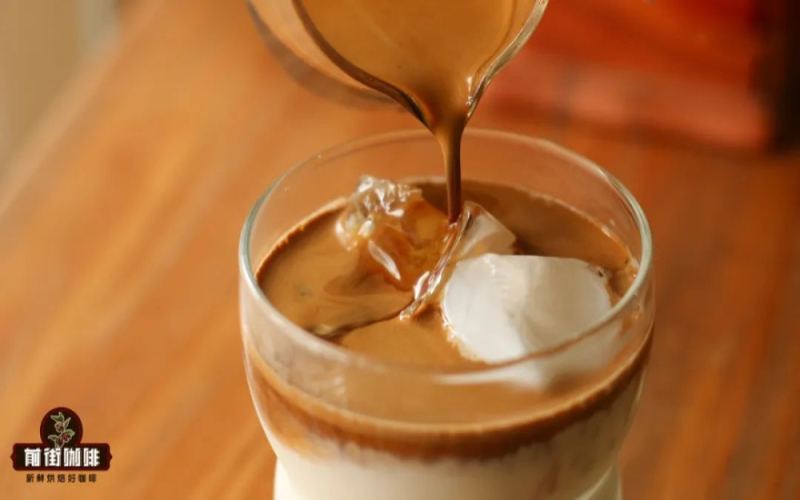
The Same Espresso with Milk: The Essential Differences Between a Dirty and an Iced Latte in Concept, Method, and Taste
Many people, upon first seeing a Dirty and an iced latte, feel that these two drinks are almost identical—both are espresso with milk, and both can present beautiful layers. But upon deeper understanding, you'll find that they walk completely different paths, from their founding concepts to production details, and then to the drinking experience. The original intention of a latte is to dilute espresso with milk, making it more acceptable to more people; Dirty does the opposite, hoping that the espresso maintains its independent character and forms a sharp contrast with the milk. In this article, Front Street Coffee will dissect the fundamental differences between these two drinks one by one from four dimensions: historical origins, production parameters, appearance, and tasting experience, helping you distinguish their respective characteristics. [more…]

Can Peanut Butter and Coffee Be Paired? A Detailed Guide to Making Peanut Butter Hot Lattes and Iced Lattes
Can peanut butter be combined with coffee? Of course it can, and peanut butter lattes have already been appearing on plenty of coffee menus for quite some time. Today Front Street Coffee is going to talk about this distinctive flavored coffee: from ingredient selection and the ratio of peanut butter to condensed milk, to two different approaches for making it as a cold drink and a hot drink, we'll break it down step by step. The article will also share a key tip — whether peanut butter should be mixed with milk or with espresso, so that you can preserve the milk foam texture without losing the peanut flavor. Coffee lovers who enjoy trying something new might as well follow along and give it a try. [more…]
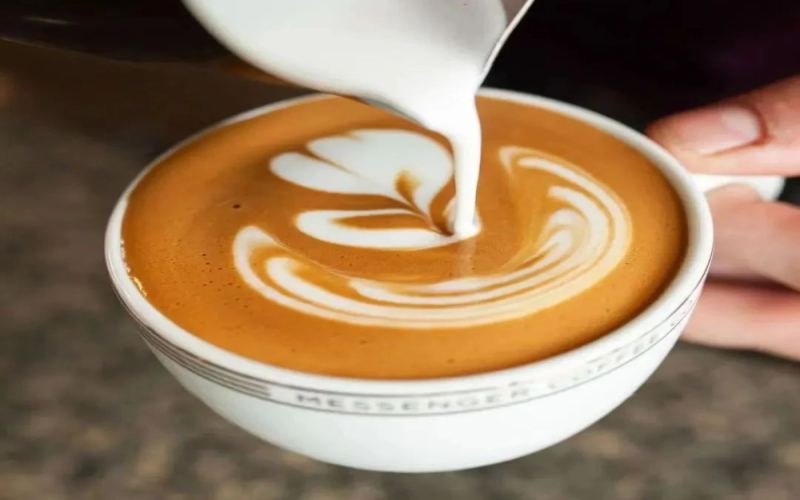
What is a Dirty Coffee? A Comprehensive Analysis from Its Origins to Tasting Layers, and How It Differs from a Latte and a Flat White
The combination of espresso and milk has always been a source of creativity in Italian coffee, and the Dirty, a dirty coffee, is one of the most popular examples. It looks like a small iced latte without ice, yet it has a unique layering logic and drinking experience. Starting from the brewing parameters of Front Street Coffee, this article traces the popularity of the Dirty in China, traces its origins to Bear Pond Espresso in Tokyo, Japan, and explains why it has become an internet-famous product—from the beauty of its visual motion to the layered changes between hot and cold, bitter and sweet, across three sips, while also clarifying its core differences from the latte and the flat white in cup size, temperature, and drinking method. [more…]
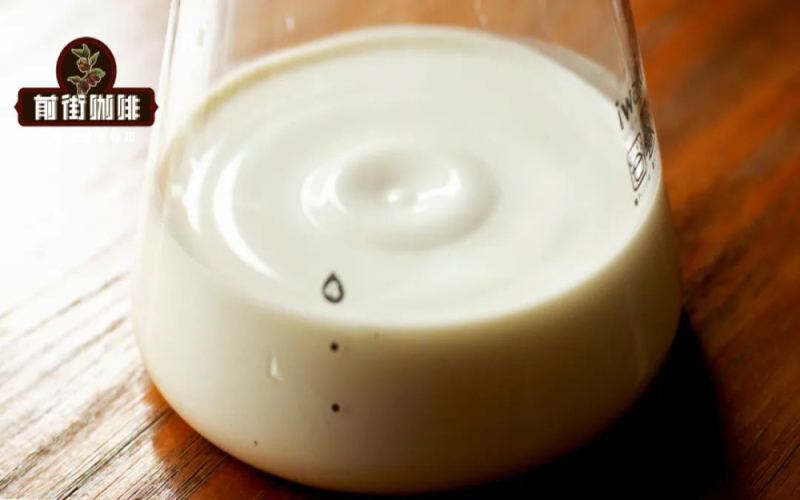
Water Buffalo Milk Latte and Dirty: Can Milk Foam Latte Art, Sweetness, and Coffee Flavor Coexist?
Buffalo milk has long been a specialty dairy product in the Guangdong and Guangxi regions, and in recent years it has been increasingly used by coffee enthusiasts to pair with espresso. It contains higher levels of protein, fat, and calcium than regular milk, with a lower water content, making it sweeter and silkier to drink. So, is buffalo milk actually suitable for latte art? And what does it taste like in an iced latte or a Dirty? This time, Front Street Coffee selected the refrigerated fresh buffalo milk from the local Foshan brand Baifulu, paired with Front Street Coffee's classic blend coffee beans, to make three drinks: a flat white, an iced latte, and a Dirty. From milk foam texture and latte art performance to the flavor on the palate, we tested each one to see whether the combination of buffalo milk and coffee can achieve an effect where 1+1>2. [more…]
2023 Starbucks Drink Menu Price List Overview: Popular Hot and Cold Coffee Recommendations and Price Change Analysis
What are the Starbucks drink menu prices in 2023? Which hot and cold coffee drinks are the most popular? This article compiles a detailed price list of the entire Starbucks menu, including espresso, Frappuccinos, shaken iced tea, and the cold brew series, and reviews the specific price increases after the February 2022 adjustment. Whether you prefer the classic Americano, latte, or are fond of Frappuccinos or cold brew, you can find the latest prices and popular recommendations here, helping coffee lovers order easily without any missteps. [more…]

How to Make Ice Cube Coffee? Espresso Freezing and Storage Tips with Three Pre-Made Options: Iced Americano, Iced Latte, and Iced Pour-Over
On a scorching summer day, a glass of iced coffee never fails to bring instant refreshment. But on a busy morning, who has the patience to wait for a cold brew to slowly filter? This time, Front Street Coffee is sharing a lazy-person solution that only requires freezing coffee liquid into ice cubes ahead of time and simply adding water or milk before heading out—ice cube coffee. The article breaks down in detail three methods: ice cube Americano, ice cube latte, and ice cube pour-over, explaining everything from bean selection and extraction parameters to freezing and melting details, while also objectively analyzing the loss of oils and aroma in pre-made coffee. If you want to sleep ten extra minutes without giving up a decent glass of iced coffee, this method is worth a try. [more…]