







Search Results for: Keurig coffee machine
How Does Green Mountain Coffee Differ from Blue Mountain Coffee? A Full Analysis of Grades, Taste Characteristics, and Buying and Identifying Blue Mountain
Green Mountain Coffee has frequently appeared in the public eye in recent years, and many people mistakenly believe it is a knockoff Blue Mountain or some kind of coffee bean. In fact, Green Mountain Coffee is a coffee brand founded in the United States in 1978, which pioneered a new business model with its Keurig coffee machines and K-Cup system. Blue Mountain Coffee, on the other hand, is an Arabica Typica coffee produced in a specific area of Jamaica's Blue Mountains, with strict grading standards and a legendary history. Apart from the similar Chinese translated names, the two have almost no connection. This article will systematically sort out Green Mountain Coffee's brand positioning and business logic, explain in detail Blue Mountain Coffee's producing region definition, grade classification, historical changes, and key points for purchasing and identification, and also include Front Street Coffee's brewing suggestions for Blue Mountain No. 1, to help coffee enthusiasts clarify concepts and make rational purchases. [more…]
What Is the Connection Between Green Mountain Coffee and Blue Mountain Coffee? A Clear Guide to the Differences and Blue Mountain Coffee Expertise
Many people, upon first hearing about Green Mountain Coffee, assume it is an imitator of Blue Mountain Coffee, and some readers of Front Street Coffee have even asked whether Green Mountain is a knockoff. In reality, apart from the similar names, Green Mountain Coffee and Blue Mountain Coffee have almost no substantive connection. Green Mountain Coffee is not a coffee bean variety but an American coffee company founded in 1981, known for its K-Cup pods and Keurig coffee machines; Blue Mountain Coffee, on the other hand, is Arabica Typica coffee produced in Jamaica's Blue Mountain region, strictly graded by the Jamaica Coffee Industry Board. This article will separately examine Green Mountain Coffee's business model, Blue Mountain Coffee's history and grading system, key points for purchasing and authentication, and include Front Street Coffee's roasting and brewing recommendations. [more…]
What brand is Green Mountain Coffee? How much does a K-Cup coffee cost, and how is it different from Starbucks?
Green Mountain Coffee is often compared with Blue Mountain Coffee, but the two actually belong to different concepts: Green Mountain Coffee is an American coffee company, while Blue Mountain Coffee refers to coffee beans produced in Jamaica's Blue Mountains. Green Mountain Coffee Company's core business is the Keurig coffee machine and its matching K-Cups. Relying on a unique business model, it has secured a place in the global market, with annual sales reaching as high as 1 billion K-Cups. A K-Cup is a patented capsule container that is convenient to use—no need to grind beans or measure portions, and a cup of coffee can be made in one minute, at a price far lower than Starbucks. This article will introduce Green Mountain Coffee's business model, the features of K-Cups, and the price range, and compare its differences with Starbucks. [more…]
Blue Mountain Coffee | Is Green Mountain Coffee a fake Blue Mountain Coffee? How does Jamaica grade Blue Mountain Coffee? How to identify genuine Blue Mountain Coffee?
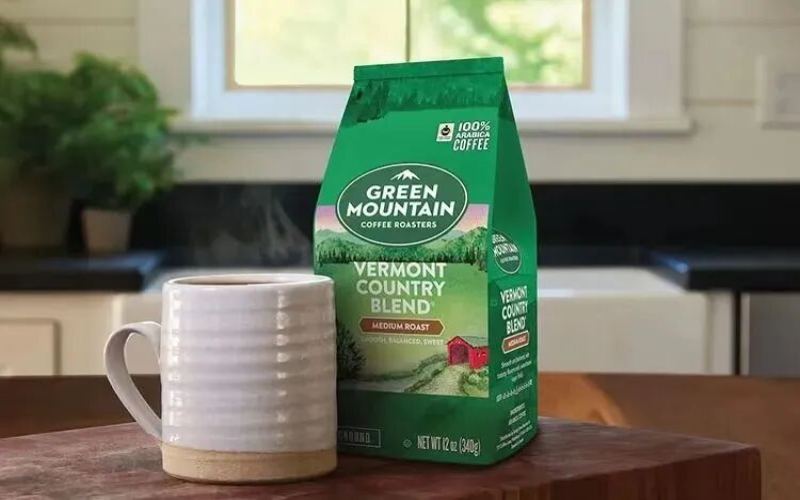
Blue Mountain coffee has been famous worldwide since the last century. Today, a brand called "Green Mountain Coffee" has come into the public eye. Many friends have asked Front Street, "Is Green Mountain Coffee riding on Blue Mountain Coffee's coattails?" "Is Green Mountain Coffee a counterfeit of Blue Mountain Coffee?" and similar questions. So Front Street decided [more…]

What is the difference between Green Mountain Coffee and Blue Mountain Coffee? From the plot of Ode to Joy, look at Green Mountain's background, Blue Mountain's price and grade.
In the TV drama Ode to Joy, a conversation about "Green Mountain Coffee" and "Blue Mountain Coffee" led many viewers to believe that Green Mountain is a knockoff of Blue Mountain. In fact, there really is a coffee brand in the United States called Green Mountain, and it is completely different from Jamaican Blue Mountain Coffee. Starting from this plot, this article first clarifies the real background of Green Mountain Coffee: it is a brand from Vermont, USA, which opened up the office market with Keurig single-serve coffee makers and K-Cups, taking a convenient and affordable route. Then it turns to Blue Mountain Coffee, explaining why it is expensive, what grade Blue Mountain No. 1 occupies within Jamaican Blue Mountain, and the flavor, pour-over parameters, and tasting method of Blue Mountain No. 1 recommended by Front Street Coffee. [more…]
Peet's Coffee Confirms Closure of Multiple San Francisco Bay Area Stores, Wave of Closures Hits Ahead of Parent Company Acquisition
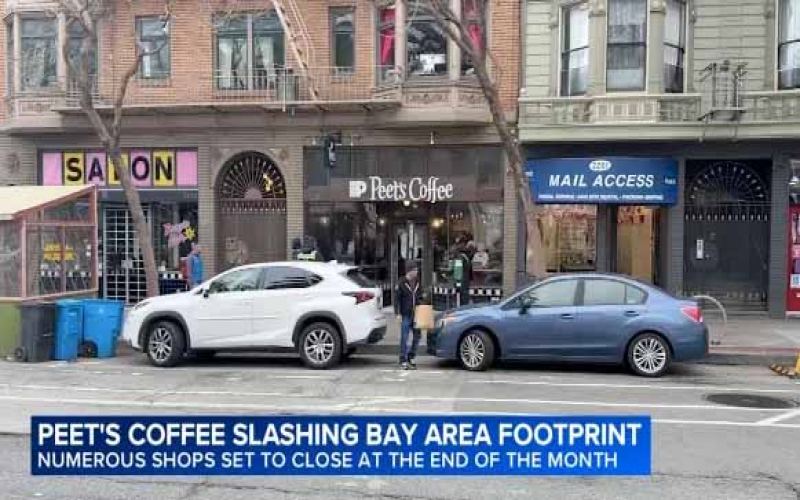
Recently, the American coffee chain brand Peet's Coffee, founded in 1966, suddenly announced that it will close multiple stores in the San Francisco Bay Area and surrounding regions by the end of January this year. A company spokesperson stated that this is a difficult decision made to align the business with long-term growth priorities and current market conditions. However, the specific number and locations of the affected stores have not yet been disclosed, leaving employees and customers caught off guard. It is worth noting that this wave of closures comes shortly after news that its parent company, JDE Peet's, is being acquired by Keurig Dr Pepper for $18 billion. Peet's Coffee has over 280 branches in the United States, with about 135 in the San Francisco Bay Area, its largest domestic market. This closure could affect as many as 30 stores in California. Let's learn more about the details of the event together. [more…]
What's the difference between Green Mountain Coffee and Blue Mountain Coffee? One article explains the difference between brand coffee and origin coffee
Green Mountain Coffee and Blue Mountain Coffee differ by only one word, yet they belong to completely different concepts. The former is a commercial coffee brand from Vermont in the United States, known for its K-Cup single-serve system and its environmental and fair trade philosophy; the latter is a top-tier single-origin coffee produced in Jamaica's Blue Mountains, subject to strict regional standards, with scarce output and a high price. This article will sort out the essential differences between the two one by one from the perspectives of origin background, brand positioning, market history, and quality standards, and introduce the Blue Mountain No. 1 coffee beans recommended by Front Street Coffee along with brewing suggestions, helping coffee lovers clearly distinguish between these two coffees that are often confused. [more…]
What's the difference between Green Mountain Coffee and Blue Mountain Coffee? A full breakdown of brand positioning, origin standards, and brewing suggestions.
Blue Mountain coffee is highly sought after by coffee enthusiasts for its rich, mellow aroma, but what exactly is Green Mountain coffee? Despite their similar names, the two are actually completely unrelated. Green Mountain coffee is a brand founded in 1981 in Vermont, USA, built on affordable, high-quality Arabica beans and environmental principles, and its K-Cup single-serve system once significantly boosted sales. Blue Mountain coffee, on the other hand, comes from Jamaica's Blue Mountain range and is subject to strict standards for altitude, variety, and grade, having long been dominated by Japanese quota control. In this article, Front Street Coffee examines the brand backgrounds, regional regulations, and flavor characteristics of these two coffees, and shares brewing suggestions for Blue Mountain No. 1. [more…]
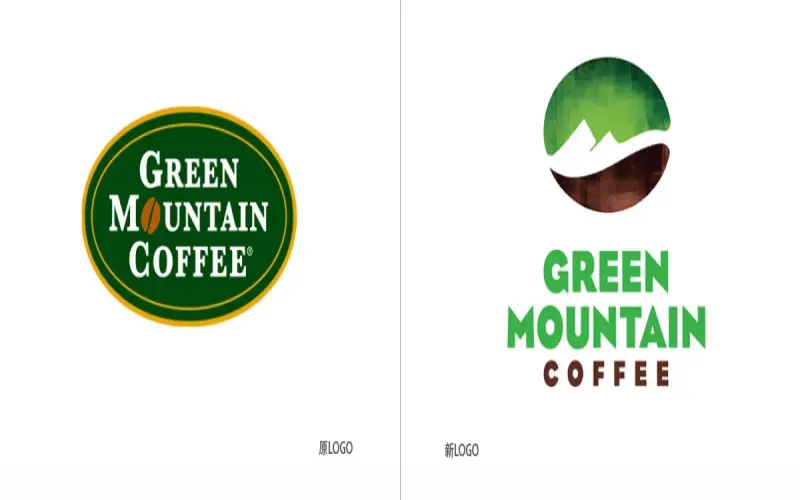
What is the difference between Green Mountain Coffee and Blue Mountain Coffee? A comprehensive comparison of their prices, taste profiles, and origin characteristics
People often talk about Blue Mountain coffee, but where does Green Mountain coffee come from? Though their names sound similar, one is actually a brand from Vermont in the United States, while the other is a top-tier representative of a Jamaican growing region. From the perspective of Front Street Coffee, this article first sorts out Green Mountain Coffee's brand positioning and K-Cup design, then takes a deeper look at the cultivation history, grading standards, and methods for identifying authentic Jamaican Blue Mountain. It also includes the growing region information, brewing parameters, and flavor description of the Blue Mountain No. 1 currently sold by Front Street, helping coffee lovers distinguish the differences between the two and choose the cup that suits their taste. [more…]
What's the difference between Green Mountain Coffee and Blue Mountain Coffee? Front Street explains the origins of both and how to taste Blue Mountain No. 1
A dialogue about Green Mountain Coffee and Blue Mountain Coffee in the TV series Ode to Joy has left many viewers puzzled: Does Green Mountain Coffee really exist in the United States? What exactly is its relationship with Blue Mountain Coffee? From the perspective of Front Street Coffee, this article will sort out the brand background of Green Mountain Coffee, the K-Cup business model, and the historical reasons for the high price of Blue Mountain Coffee, and further introduce the grade classification, flavor characteristics, and Front Street's brewing suggestions for Blue Mountain No. 1. If you are curious about these two coffees with similar names but vastly different origins, this article will clarify them one by one for you, from brand origin and market positioning to tasting methods. [more…]
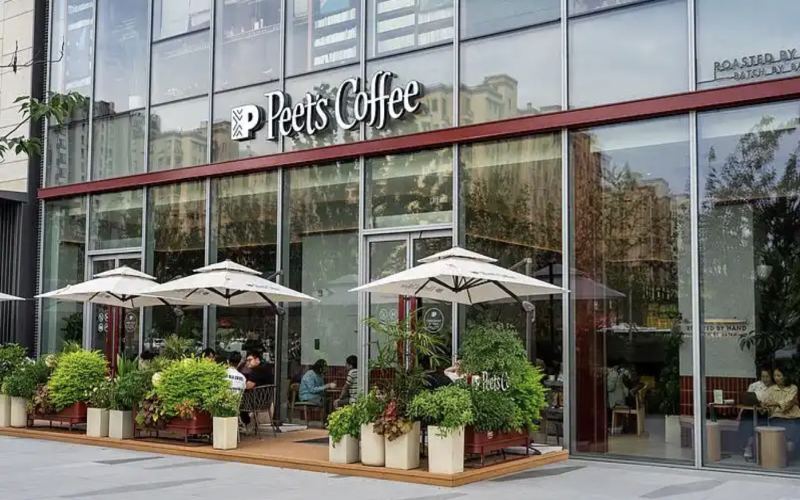
KDP Announces Acquisition of Peet's Coffee for 15.7 Billion Euros
Great changes are taking place in the coffee industry. This year, the news of the potential sale of Starbucks China has caused a great stir in the industry. The list of potential bidders is long and impressive, including Carlyle, Hillhouse, Primavera [more…]
After Stumptown was acquired by Peet's, the president announced his resignation
Laura Szeliga, president of Stumptown Coffee Roasters, is leaving the roaster just two months after its parent company JDE Peet's was acquired by Keurig Dr Pepper (KDP [more…]
An In-Depth Comparison of Green Mountain Coffee and Blue Mountain Coffee: Flavor and Taste Differences and an Analysis of the Reasons Behind Blue Mountain's High Price
Green Mountain Coffee and Blue Mountain Coffee differ by only one character in their names, but they are completely different in essence, origin, and positioning. Green Mountain Coffee is a commercial brand founded in Vermont, USA, focused on the convenient and affordable K-Cup single-serve system; Blue Mountain Coffee, on the other hand, is a top-tier Arabica coffee produced in the Blue Mountains of Jamaica, famous for its balanced and elegant flavor. This article will analyze in detail the characteristics and flavor differences of both, as well as the history and yield factors behind the high price of Blue Mountain Coffee, and bring you Front Street Coffee's brewing suggestions for Blue Mountain No. 1. [more…]
What Are the Differences Between Capsule Coffee and Specialty Coffee? A Comprehensive Analysis from Flavor and Taste to Consumer Trends
When specialty coffee—with its emphasis on origin, roasting, and extraction details—meets the convenience-focused capsule system, are the two fundamentally incompatible, or can they learn from each other? Starting from consumer data, this article analyzes the real needs of capsule coffee enthusiasts, explores whether specialty coffee can find a place in the capsule segment, summarizes the pros and cons of capsule machines, and recommends drip bag coffee solutions that balance convenience and flavor. If you have ever hesitated between efficiency and quality, this analysis will help you clarify your thinking and find the cup of coffee that suits you. [more…]
From Drip to Semi-Automatic: A Beginner's Guide to Coffee Machine Selection and Analysis of Home Model Recommendations
Faced with a dazzling array of coffee machines, many enthusiasts don't know where to start. This article systematically sorts out the classification logic of coffee machines—by extraction method, they fall into three major categories: traditional drip, Italian-style high-pressure pump, and capsule; by operation mode, they are further divided into fully automatic and semi-automatic. The article analyzes the structural characteristics, output quality, and suitable users of each type of machine one by one, and focuses on home semi-automatic coffee machines, offering purchasing recommendations ranging from 300-yuan toy machines to 50,000-yuan ultimate enthusiast dream machines, covering popular models such as Cancun, Matrix, Huijia, NOUVA OSCAR, Expobar E61, LASPAZIALE S1, and Lamarzocco GS3 MP. Finally, it adds practical knowledge such as coffee bean preservation and bean resting periods, helping readers find a balance between budget and quality. [more…]
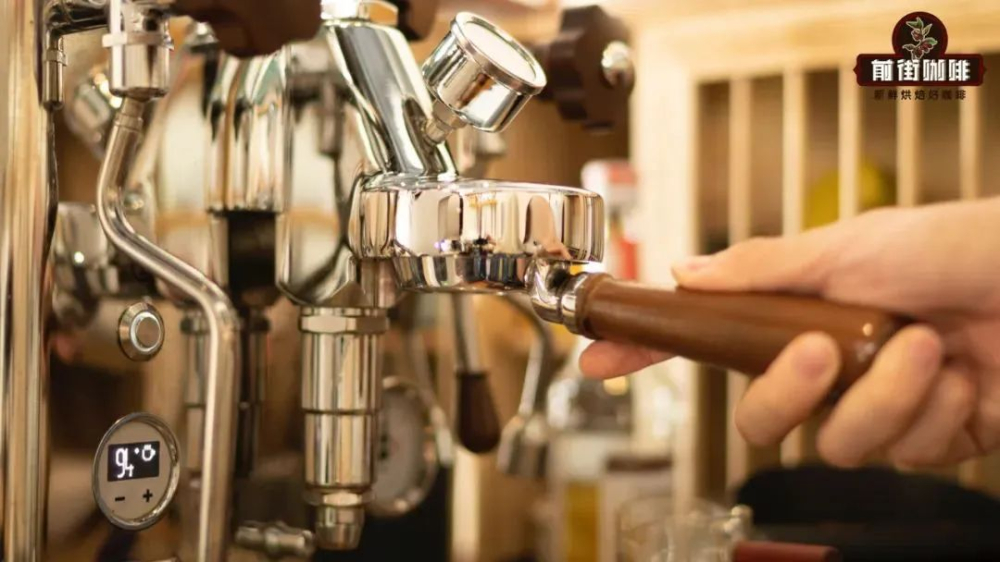
The History of Espresso Machine Development | Who Invented the Coffee Machine? What Is the Working Principle of an Espresso Machine? What Are the World's Famous Semi-Automatic Espresso Machine Brands?
I believe that what catches your eye in every coffee shop, besides the unique decor, is also the wide variety of espresso machines, which showcase each coffee shop's distinctive character! Although the machines come in all shapes and sizes, their operation is very consistent—just a few simple steps are enough to bring us a cup rich in crema. [more…]
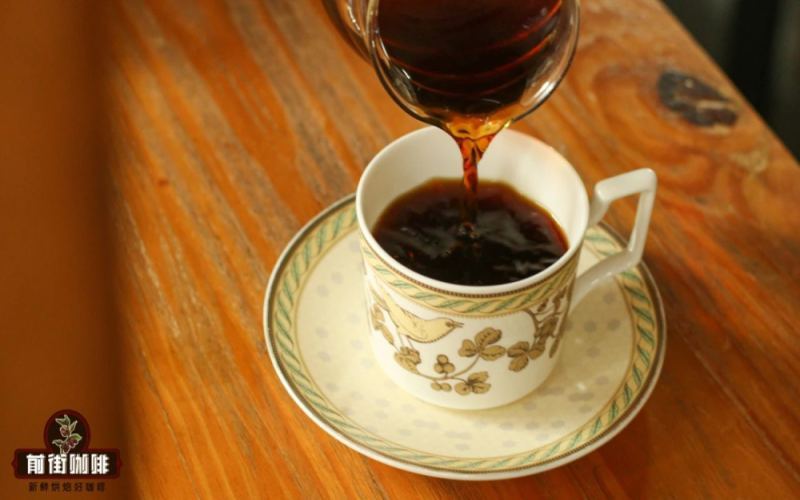
How to Use a Semi-Automatic Espresso Machine? Illustrated Operation Steps, Differences from Fully Automatic, and Key Buying Points Explained
After getting into the habit of drinking coffee every day, many people start to consider getting a home espresso machine—it saves money, lets you enjoy freshly ground coffee at any time, and allows you to practice making common drinks at home such as Americano, latte, cappuccino, and flat white. But when it comes time to actually choose one, many people get stuck on one question: should I buy a fully automatic or a semi-automatic machine? From the perspective of Front Street, this article first explains the basic definition and operating process of a semi-automatic espresso machine, then compares the convenience and limitations of fully automatic models, and finally offers purchasing advice. The article also draws on extraction principles to explain why semi-automatic espresso machines are better suited to pairing with medium-dark roasted Front Street specialty blend coffee or Front Street Strawberry Candy espresso coffee, helping you choose equipment that fits your needs. [more…]
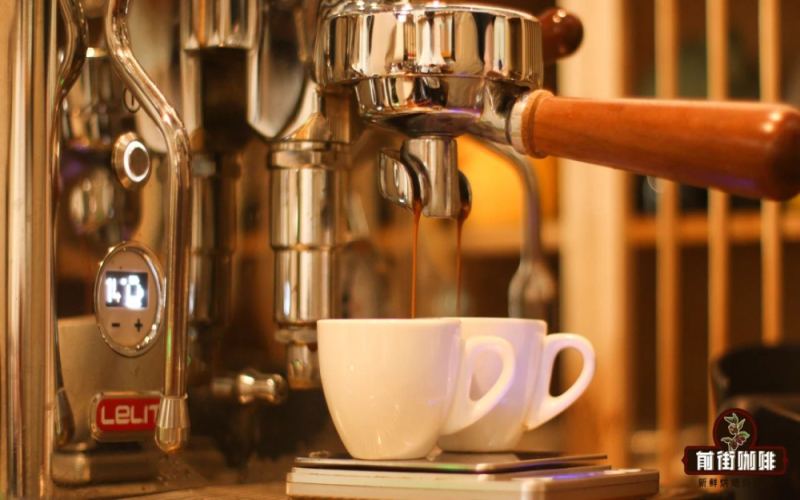
Home Coffee Machine Category | What coffee beans make a good Americano with a fully automatic coffee machine? Espresso coffee bean recommendations for home coffee machines
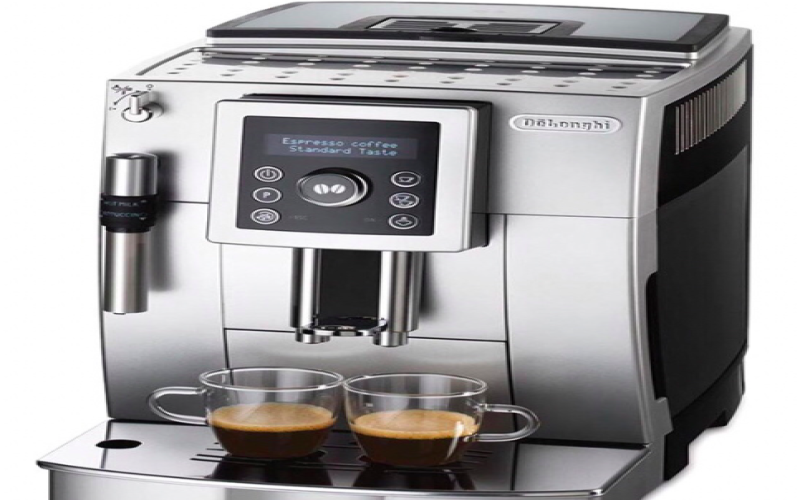
For more specialty coffee knowledge, please follow: Front Street Coffee (Frontsteet Coffee). In Front Street's view, household fully automatic coffee machines, with their simple and convenient operation, allow you to easily grind coffee beans and brew aromatic coffee with just one press of a button, and are deeply loved in homes and offices. [more…]
Automatic Coffee Machine Tutorial | What Type of Coffee Beans Are Suitable for Automatic Coffee Machines? 8 Recommended Specialty Coffee Beans for Making Americano with Home Coffee Machines
There are mainly two types of household coffee machines: one is the semi-automatic coffee machine, which requires more steps and parameters to operate, and the other is the fully automatic coffee machine, which with just one press of a button easily grinds coffee beans and brews a rich, aromatic cup of coffee, making it highly popular in homes and offices. It is precisely because of its simple functionality that making [more…]
A Comprehensive Analysis of the Differences Between Espresso and American Coffee Machines: Principles, Purchasing Tips, and Usage Techniques Training Summary
For those who are new to coffee equipment, the differences between espresso machines and drip coffee makers are often confusing. This article systematically breaks down the characteristics of the two types of machines, from how they work, extraction methods, and price ranges to buying advice, and offers reference opinions for both home and professional scenarios. At the same time, the article also compiles common troubleshooting for espresso machines, the steps for making milk foam, and key details in choosing a drip coffee maker such as materials, water outlet holes, and temperature control, helping coffee lovers make more suitable judgments when buying and using them. Content involving Front Street brand recommendations mentioned in the article will also be retained for readers' reference. [more…]