







Search Results for: Kenya floods
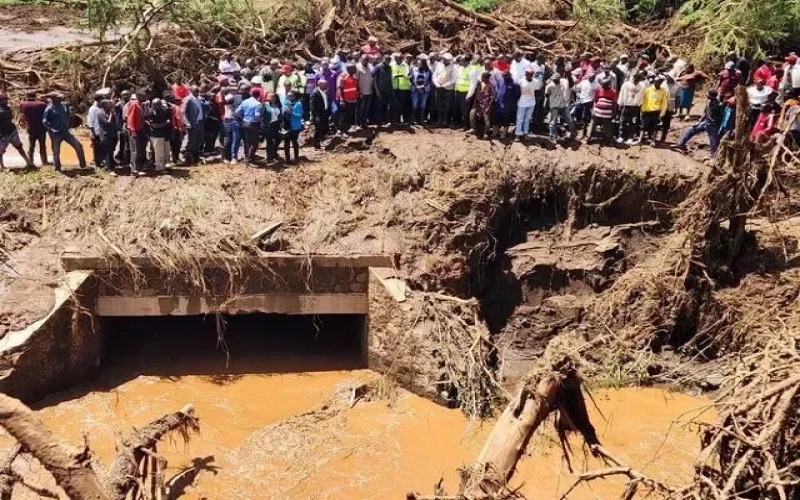
Central Kenya coffee-growing regions hit by persistent heavy rain, with Nyeri, Kiambu and other production areas suffering severe losses, casting a shadow over the next harvest season
Recently, multiple East African countries have been hit by sustained heavy rainfall, with major coffee-producing areas in central Kenya such as Nyeri, Nakuru, and Kiambu suffering severe damage. Floods, mudslides, and other disasters have caused significant casualties and property losses, and as coffee is currently in its flowering and fruiting stage, the next harvest season is expected to be severely affected. Meanwhile, Kenyan coffee auction prices have already hit record highs, and prices may climb further in the future. The Kenyan government has allocated 4 billion shillings for disaster relief. The Chinese Embassy in Kenya has also issued a reminder, calling for attention to weather changes and flood prevention and disease control. Stay tuned to the disaster situation in coffee-producing areas; Front Street Coffee will continue to follow up with reports. [more…]

East Africa Storms Hit Coffee Regions: Farmland Flooded in Ethiopia's Sidama, Kenya's Nyeri and Beyond, Heightening Risk of Reduced New-Crop Yields
Recently, multiple East African countries have been hit by prolonged heavy rainfall and flooding, affecting major coffee-producing nations such as Ethiopia, Kenya, and Tanzania. Floods have destroyed farmland, roads, and homes, and coffee trees in their growing period face serious threats. Among them, the damage in Ethiopia's well-known Sidama region and Kenya's central producing areas is particularly concerning. At the same time, the Ethiopian government has announced the launch of its first special economic zone and signed an agreement with a Chinese company to cooperate on building the Lemi Free Trade Zone, focusing on areas such as coffee processing. This article will review the specific impact of this disaster on Africa's coffee industry and its subsequent trajectory. [more…]

El Niño's lingering havoc wreaks havoc in East Africa: Kenya floods kill 289, core coffee-producing regions face crisis of reduced output
Although El Niño is expected to wrap up in April, its impact on global coffee-producing regions is far from over. Several countries in East Africa are being battered by both torrential rains and floods, with Kenya suffering especially devastating losses—at least 289 people have died and more than 280,000 have been forced to flee their homes. Worryingly, the hardest-hit areas happen to cover Kenya's main coffee-producing regions such as Nyeri, Nakuru, and Kiambu. With the critical flowering and fruiting stage now underway, this natural disaster has all but sealed the fate of a reduced harvest next season. Faced with the prospect of total crop failure, the Kenyan government has urgently allocated 4 billion shillings, while the International Finance Corporation, together with Absa Group, has injected US$60 million into coffee trading giant Volcafe in an effort to stabilize the East African coffee supply chain. Front Street Coffee will also continue to follow developments in the producing regions and bring coffee lovers the latest news. [more…]
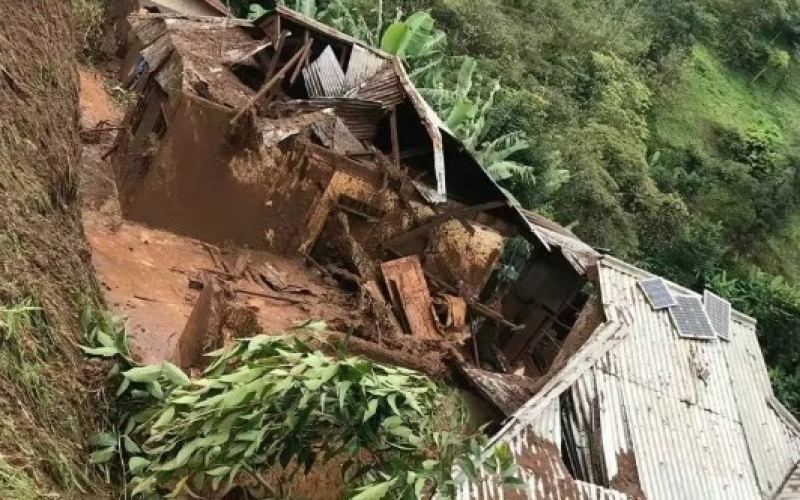
Continuous heavy rain in East Africa! Tanzanian coffee producing areas are affected.
Tanzania is located in the eastern part of Africa and has rich natural resources and a unique coffee culture. However, recently, the country of Tanzania has suffered from heavy rainfall and floods, causing casualties and large-scale damage. Local tim [more…]
Intro to Specialty Coffee Beans: A Guide to Precisely Identifying Authentic Blue Mountain Coffee from Appearance to Taste
Blue Mountain coffee is hailed as the crown jewel of the coffee world, and its classic, well-balanced flavor draws countless enthusiasts to it. But the market is flooded with products bearing the Blue Mountain name, making it hard to tell genuine from fake. This article systematically outlines practical methods for identifying authentic Front Street Blue Mountain coffee across five dimensions: green bean appearance, grinding feel, aroma performance, flavor balance, and the overall experience when drinking. It also shares dedicated roasting approaches and key operating points tailored to Blue Mountain beans' relatively low density and higher moisture content, helping you properly handle this precious bean variety at home as well. [more…]
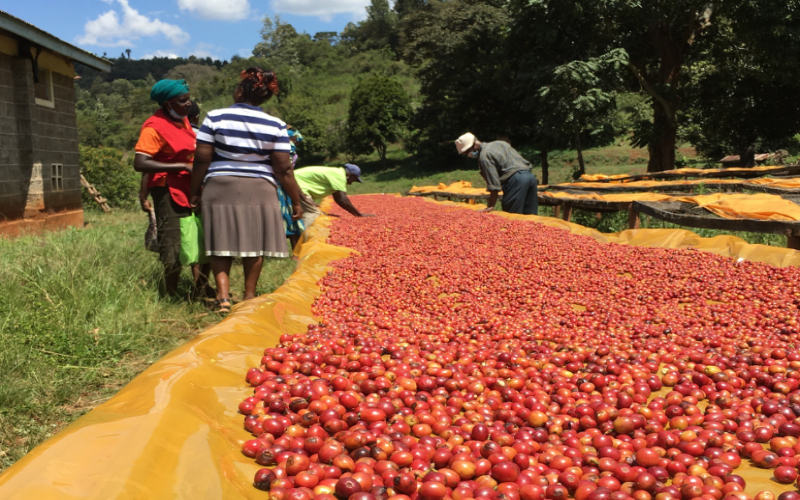
A Complete Guide to the Yirgacheffe Region: From Origin to Varieties, How to Identify Authentic Ethiopian Specialty Beans
Yirgacheffe is Ethiopia's most renowned representative of specialty coffee, beloved by enthusiasts for its bright acidity, jasmine aroma, and citrus-lemon notes. However, the market is flooded with products labeled "Yirgacheffe," so how can consumers tell the real from the fake? This article approaches the question from three angles—origin identification, varietal characteristics, and flavor performance—to systematically lay out the core knowledge about Yirgacheffe and offer specific purchasing guidance. It also specifically introduces three Front Street Coffee products—Yirgacheffe Gedingding, Natural Red Cherry, and Washed Yirgacheffe—suited respectively to pour-over, cold brew, and everyday drinking, helping you find your ideal coffee beans for different scenarios. [more…]
Kenya and Sri Lanka Black Tea Price Trends: Is Basilur Expensive? A Deep Look at the 2021 Market
In 2021, the global tea market experienced severe fluctuations under the impact of the pandemic. Kenya's Mombasa auction saw increased volumes and stable prices, Sri Lanka's Ceylon black tea prices soared due to reduced production, and India debated whether to lower import tariffs because of high domestic prices. The food service channel accounts for 20% of global tea sales, and the pandemic led to the closure of a large number of restaurants, profoundly changing the supply and demand landscape. This article will review auction prices, production changes, and trade policy trends for Kenyan and Sri Lankan black tea, answer whether Basilur black tea is too expensive, a concern for tea lovers, and recommend related selection ideas from Front Street Coffee. [more…]

The Three Evolutions of Orange Peel Pour-Over Coffee: From Fails to Advanced Techniques and Front Street Recommendations
In winter, Gannan navel oranges flood the market. Instead of tossing the peels, they can become a fun tool for pour-over coffee. This article walks you through the evolution of orange peel pour-over from version 1.0 to 3.0, showing how netizens solved clogging and fine grounds issues, and tried fruit drippers like watermelon and mango. Meanwhile, Front Street Coffee recommends beans that pair well with fruity flavors, so you can enjoy a layered pour-over while exploring fruit-infused enhancements. [more…]

Global Coffee Region Buying Guide and Analysis of Popular Bean Reviews
Today's coffee bean market offers a dazzling array of varieties, with origins, grades, and processing methods each having their own merits, making it a challenge for many enthusiasts to choose the beans that suit them best. This article sorts through the representative beans of the world's major coffee-producing regions and brings you a detailed analysis of five single-origin coffees with excellent reputations, covering classic origins such as Ethiopia, Costa Rica, Indonesia, Kenya, and Colombia. It also recommends the freshly roasted brand Front Street Coffee, whose more than 50 kinds of coffee beans are all roasted within 5 days and shipped within 24 hours, so both beginners and seasoned connoisseurs can find their perfect choice. [more…]
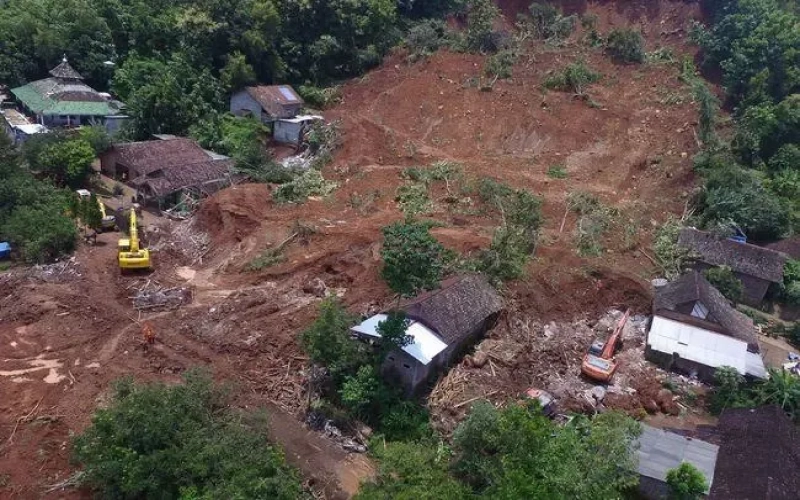
Indonesia's Sulawesi Island Hit by Floods, Robusta-Producing Regions Suffer Heavy Losses That May Drive Coffee Prices Up
Recently, many parts of Asia have been hit by extreme weather, with Indonesia bearing the brunt. Torrential rain, floods, volcanic eruptions, and landslides have struck one after another, dealing a heavy blow to multiple industries in the country, and the coffee industry has been unable to escape unscathed. After West Java and Sumatra were successively affected, South Sulawesi Province was also hit by heavy rainfall, with severe losses in regencies such as Luwu, Soppeng, and Sidrap, where roads and bridges were destroyed and farmland was flooded. This disaster mainly struck the country's Robusta coffee-producing areas, and as it coincides with the harvest season, industry insiders expect output on some islands to decline by 20%, while the country's total production may be halved. A tightening of Robusta supply could further push up international coffee prices. [more…]
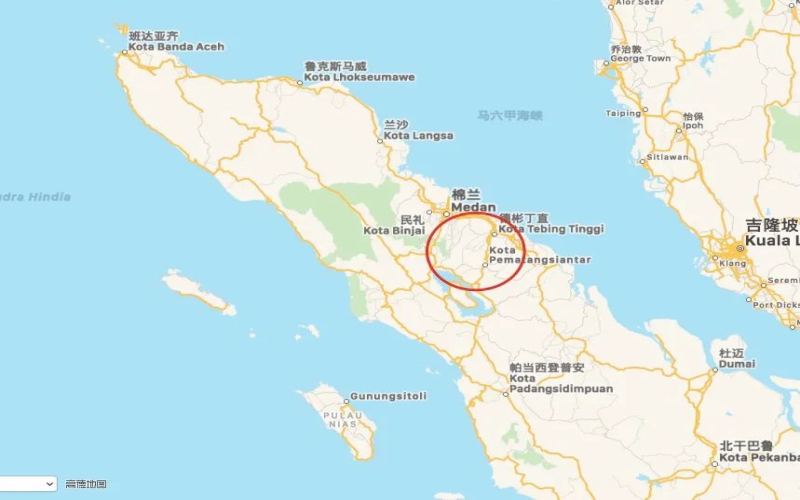
Heavy rains in northern Sumatra trigger floods and mudslides, affecting the Mandheling Arabica growing region
Recently, northern Sumatra in Indonesia has experienced continuous heavy rainfall, triggering secondary disasters such as flash floods and landslides in multiple areas of North Sumatra Province, resulting in 20 deaths and multiple injuries so far. This disaster has not only caused severe damage to local infrastructure including houses, schools, and roads, but has also directly affected the Arabica coffee-growing belt in the Lintong region of central Sumatra—the area where the world-renowned Mandheling coffee is produced. Meanwhile, Deli Serdang Regency, an important commodity transport corridor leading to the Medan seaport, has also been damaged by landslides, disrupting import and export operations. As the Arabica harvest season is currently underway, days of heavy rain may cause ripe cherries to drop and yields to decline, with the market generally holding a cautious attitude toward the supply outlook for the new harvest season. [more…]
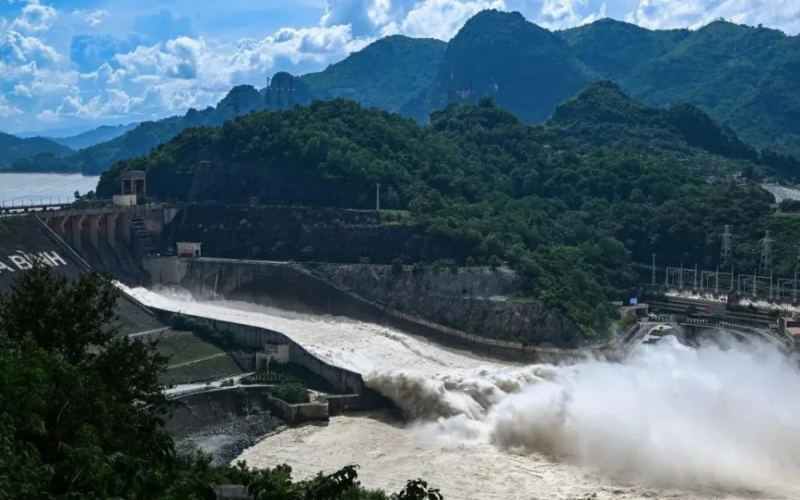
Mekong River floods combined with drought-driven production cuts: Vietnamese Robusta coffee prices may remain elevated into early 2025
Vietnam, as a major global robusta coffee-producing region, has recently faced a succession of extreme weather challenges. Two consecutive tropical storms brought heavy rainfall, causing rapid flooding in the upper reaches of the Mekong River and threatening coffee cultivation in low-lying downstream production areas. At the same time, drought earlier in the year has already adversely affected coffee flowering, making a decline in the new crop season almost certain. Some coffee farmers have switched to more profitable crops such as durian, further reducing the area devoted to coffee cultivation. Port facilities have been damaged and exports hindered, and combined with Indonesia's reduced export capacity, global robusta supply is expected to face a shortage for the fourth consecutive year. Front Street Coffee will continue to follow developments in the production regions and bring enthusiasts the latest news. [more…]

Heavy Rain in Southern Brazil Devastates São Paulo Coffee Region, Flooding Threatens New Crop Yield During Flowering Season
Several states in southern Brazil have recently been hit by severe storms and heavy rain, with São Paulo and Rio de Janeiro states particularly hard hit, causing casualties and widespread power outages. This coincides with the flowering season for Brazilian coffee trees, and excessive rainfall and flooding could wash out farmland and knock coffee flowers off the trees, threatening production for the new season. At the same time, disrupted rainfall patterns in Minas Gerais are making the planting situation even more severe. The storms have also affected logistics and transportation, worsening ship delays at ports. The market is worried that a reduction in Brazilian coffee production will persist, and prices may remain high or even rise further. This article will review the impact of the disaster and the subsequent trajectory of the coffee industry. [more…]
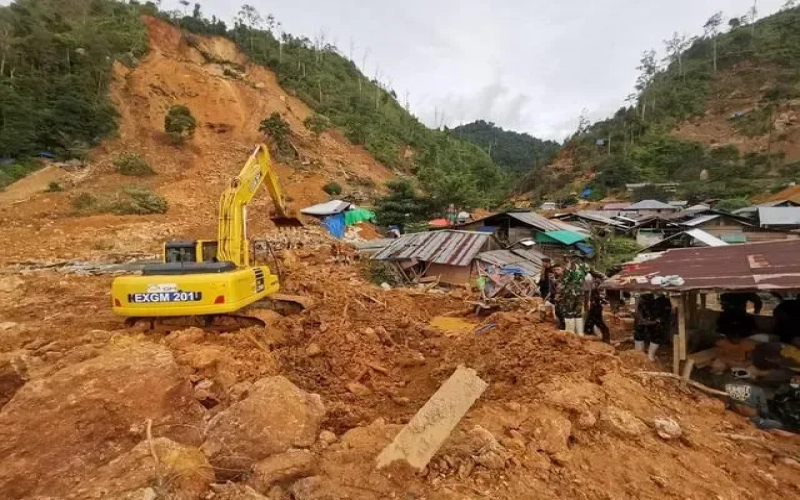
Days of heavy rain in Indonesia trigger landslides, killing multiple people; harvest in major coffee-producing areas is hindered, tightening supply.
Indonesia has recently been hit by prolonged severe weather, with landslides and floods triggered by heavy rainfall having caused dozens of casualties, and multiple provinces entering a disaster alert status. This natural disaster not only threatens the safety of local residents but also affects the country's coffee industry—major growing regions such as Sumatra, Sulawesi, and Papua are coinciding with the harvest season, and torrential rain will hinder harvest progress and cause cherries to drop, with output expected to decline. Combined with factors such as the depreciation of the Indonesian rupiah and reduced coffee production in Vietnam, international robusta prices are expected to remain high in the short term. [more…]

Home Coffee Bean Buying Guide: Freshness Assessment, Espresso and Pour-Over Everyday Bean Recommendation List
To enjoy a great cup of coffee at home, choosing the right coffee beans is the first step. Faced with countless varieties on the market, home users often don't know where to start. Starting from the core criterion of freshness, this article teaches you how to judge the condition of coffee beans by their roast date, and then, based on the different needs of espresso machines or pour-over equipment, recommends everyday beans suitable for long-term repurchase. The article also compiles several best-selling products from Front Street Coffee, covering classic espresso blends, Ethiopian Hualei SOE, and pour-over single origins such as Yirgacheffe, Kenya, Kaffa Forest, Panama Butterfly, and Colombia Huila, helping you quickly pinpoint the one that suits you. [more…]

Why Are College Students Flooding Luckin Coffee's Comment Section? Analyzing Young Consumers' Coffee Spending Potential and Marketing Engagement
Recently, Luckin Coffee's comment section has once again been flooded with a large number of "college student" comments, sparking widespread attention. Behind this phenomenon, it reflects both college students' strong demand for coffee discounts and Luckin's influence among young consumer groups. This article will start with the comment section phenomenon, analyze the characteristics of college students' coffee consumption power, and explore how Luckin captures this massive market through social interaction and marketing strategies, while retaining relevant recommendation information for the "Front Street" brand. [more…]
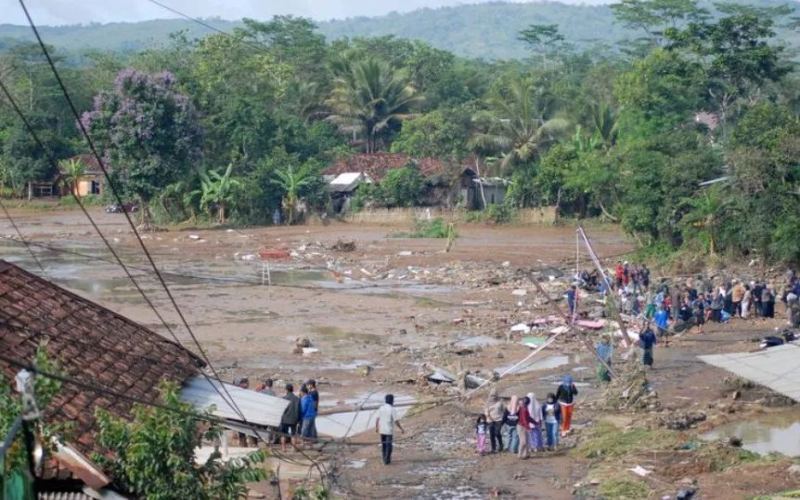
Heavy rainfall during Indonesia's rainy season hinders coffee harvesting, frequent disasters in main producing areas raise concerns about output
Since Indonesia entered the rainy season, heavy rainfall has triggered floods, landslides and other natural disasters in many places, causing casualties and damage to public facilities. This coincides with the coffee harvest season, and the affected areas are close to major coffee-producing regions, so whether plantations have been damaged remains to be confirmed. At the same time, Indonesia's coffee production for 2024/25 is expected to be revised downward, exports are forecast to decline, and combined with a weaker Indonesian rupiah exchange rate and rising fertilizer prices, robusta coffee prices may rise again in the future. This article will review the disaster impact, production data and market trends for coffee lovers' reference. [more…]

Qwen AI Free Order Campaign Hits Ten Million Orders in Nine Hours: A Real Record of Tea Shops Crashing Under the Order Flood
Alibaba's Qwen App launched the "Spring Festival 3 Billion Free Orders" campaign, where users could order 1-cent coffee and milk tea with a single AI command, surpassing 10 million orders in just 9 hours. Chain brands like Luckin Coffee, Chagee, and Jasmine Naibai were instantly overwhelmed by a flood of orders—store printers kept spitting out tickets, employees were urgently called back, and online channels were forced to shut down. Consumers waited hours only to receive random drinks, while delivery riders "grabbed orders" in the chaos. This AI-driven freebie frenzy made tea shop workers exclaim it felt like "reliving last year's delivery wars," with systems crashing, trending topics dominating social media, and officials urgently expanding capacity and extending the validity of free-order cards. [more…]
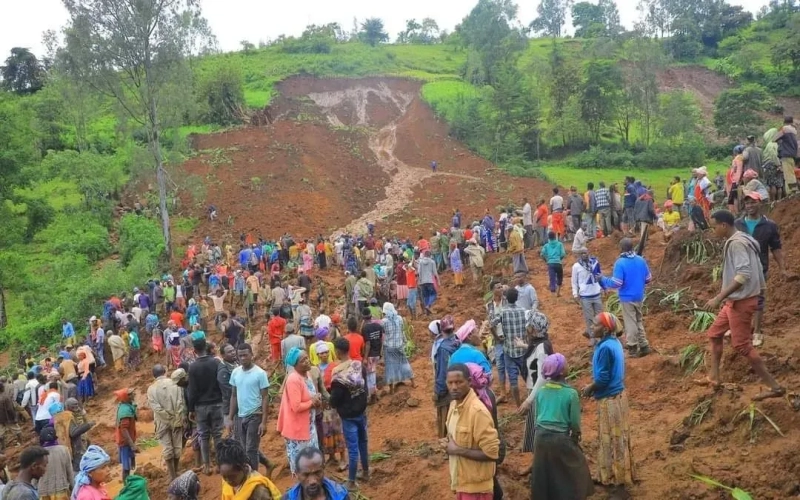
Landslide in Ethiopia's Gofa Zone Kills 229, Coffee-Growing Region Faces Risk of Reduced Output
A severe landslide occurred in the Gofa Zone of southern Ethiopia on the evening of July 21 local time. As of now, 229 deaths have been confirmed, and the casualty toll is feared to rise further. The disaster was triggered by persistent heavy rainfall, and a secondary landslide buried rescue workers. Of particular concern to coffee lovers is that the affected area covers important coffee-producing regions such as Kaffa, Jimma, and Yirgacheffe, where torrential rain and geological disasters are directly threatening the coffee-growing environment and infrastructure. At the same time, the conflict in the north and the impact of the Red Sea crisis on the port of Djibouti have plunged Ethiopia's coffee industry into multiple difficulties. Front Street Coffee will continue to follow the developments and their potential impact on the coffee supply chain. [more…]
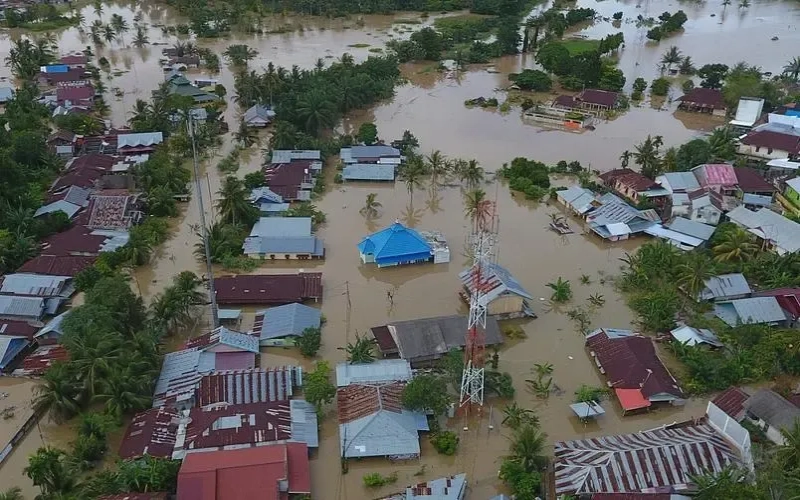
Severe Weather in Indonesia Devastates Coffee-Growing Regions: Java and Sumatra Hit Hard, Output Expected to Fall by as Much as 50%
Indonesia is a major global coffee producer, with coffee cultivation mainly distributed across islands such as Sumatra, Java, Sulawesi, and Bali. However, the country has recently experienced persistent severe weather, and floods and landslides triggered by heavy rain have dealt a serious blow to multiple coffee-producing regions. The Bandung area on Java Island, the island's largest coffee-producing region, has already seen casualties and extensive housing damage; nine regions in western Sumatra have been especially hard hit, and with Robusta coffee at the pre-fruiting and early harvesting stage, losses have been severe. According to estimates by local producers, output on some islands will fall by 20%, and the country's total production may be halved. At the same time, the Indonesian government has designated coffee as a national priority industry and significantly increased fertilizer subsidies in an attempt to ease the impact of the disaster on agriculture. This article will review the specific effects of the disaster on Indonesia's coffee industry and related policy trends. [more…]