







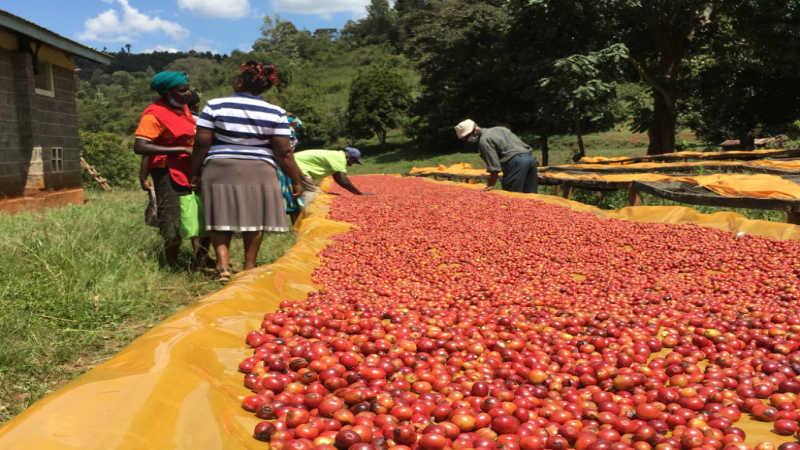
How do coffee beans grow in Yirgacheffe, and what defines them?
In Yirgacheffe, coffee grows in Ethiopia's highlands, and the resulting beans are prized for bright acidity, jasmine aroma, and citrus-lemon notes. Because so many products carry the Yirgacheffe name, buyers should check the origin source first: lots are usually sold as Yirgacheffe plus a cooperative name such as Kochere, Worka, Gotiti, or Konga.
Variety and processing then explain the flavor expression. Ethiopian coffee generally shows more pronounced lemon and orange aromas, a lighter body, and bright acidity than Kenyan or American beans. When assessing how do coffee beans grow in this coffee origin country, altitude and cooperative processing matter most, so a label naming both the region and the washing station is a practical authenticity signal.
Yirgacheffe is Ethiopia's most renowned representative of specialty coffee, cherished by enthusiasts for its bright acidity, jasmine aroma, and citrus-lemon notes. However, with so many products labeled "Yirgacheffe" on the market, how can consumers tell the real from the fake? This article approaches the question from three angles—origin identification, varietal characteristics, and flavor expression—to systematically lay out the core knowledge about Yirgacheffe and offer specific purchasing guidance. It also highlights three Front Street Coffee products—Yirgacheffe Gotiti, Natural Red Cherry, and Washed Yirgacheffe—which suit pour-over, cold brew, and everyday drinking respectively, helping you find your ideal beans for different occasions.
The flavor profile of African coffee is typically dominated by floral and fruity notes, standing in stark contrast to the rich, bitter, spicy character of Asian beans and the nutty, caramel sweetness of American beans. Among African coffees, Kenya is one of the standouts, with intense berry aromas often accompanied by umeboshi-like and grapefruit-like acidity—solid and underpinned by a slight caramel sweetness. Ethiopian coffee, by contrast, displays more pronounced lemon and orange aromas, a light body, and bright acidity, with Yirgacheffe being the most famous of all.
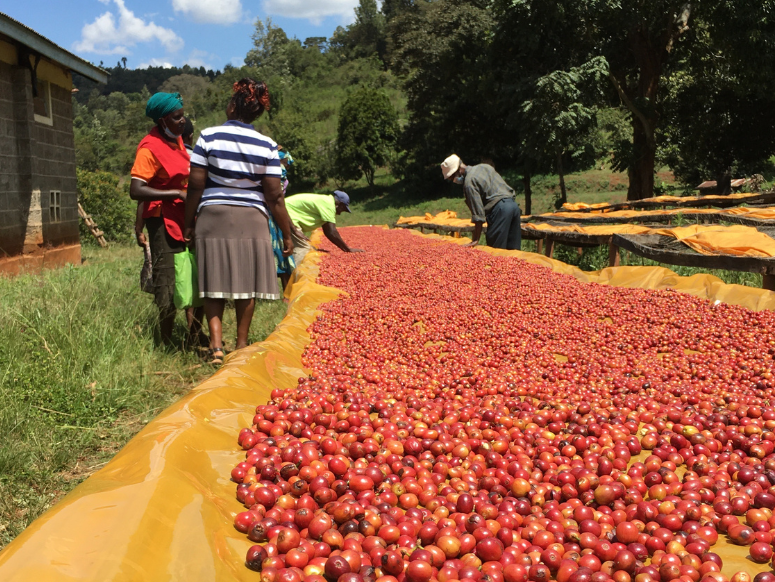
Many consumers report that the market is flooded with products bearing the Yirgacheffe name, so how can one distinguish the genuine from the fake? And what criteria should guide bean selection? Below is a practical buying reference guide.
To judge whether a Yirgacheffe is authentic, you can start from the following three dimensions:
1. Confirm the Yirgacheffe origin source:
What we drink daily as Yirgacheffe mostly refers to a producing region or geographical concept. Within the Yirgacheffe area are numerous cooperatives dedicated to centralized coffee processing, such as Kochere, Worka, Gotiti, Chelelektu, Misty Valley, and Konga, among others—all well-known and frequently mentioned. When selling these beans, green bean traders generally indicate "Yirgacheffe + cooperative name" to show that the lot comes from a particular village or cooperative under Yirgacheffe. Front Street Coffee's Yirgacheffe Gotiti is a highly representative choice among them.
Front Street Coffee Yirgacheffe Gotiti flavor: jasmine, citrus, lemon, berry, tea-like
Recommended because: a high-grade Yirgacheffe with a fresh flavor and pleasant aroma, suitable for pour-over, cold brew, drip bags, and various other extraction methods.
2. Look for Ethiopian heirloom varieties
In Ethiopia, the term "local heirloom" generally refers to the country's native coffee varieties, many of which still grow wild today. It is estimated that Ethiopia now has around 10,000 to 15,000 heirloom varieties, the vast majority of which have not undergone formal genetic identification. Heirloom does not refer to one specific variety; it actually represents a blend at the regional level—cooperatives collect beans from many smallholder farmers in the same harvest season and combine them. Because of differences among varieties, these beans vary in grain size, dimensions, and shape—some large, some small, some long, some round—which can be understood as a "blended-type lot." Yirgacheffe is a typical representative of Ethiopian heirloom varieties, with uneven bean size, yet this in no way diminishes its refined floral and fruity aromas. We recommend trying Front Street Natural Red Cherry.
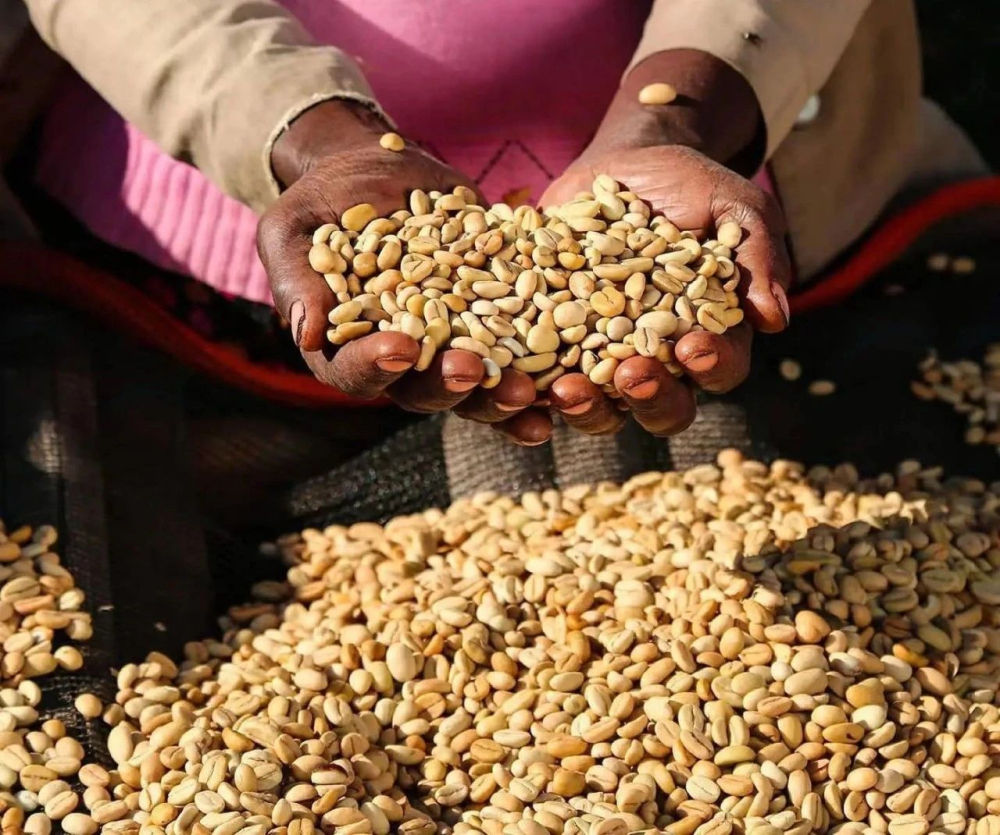
Front Street Natural Red Cherry flavor: citrus, berry, fruity fermentation, honey, creamy mouthfeel
Recommended because: abundant fruitiness; whether served hot or as cold brew, it showcases the delicate flavors of Yirgacheffe.
3. Possess typical Yirgacheffe flavor characteristics:
The so-called Yirgacheffe flavor refers to rich citrus-lemon fruit acidity, intense jasmine aroma, a light and elegant mouthfeel with a tea-like quality, drinking like a refreshing, clean glass of lemon tea. Under a combination of favorable conditions, coffee beans from Yirgacheffe possess bright acidity, accompanied by white floral notes and a tea-like sweetness in the finish. Compared to the common perception that traditional coffee is only rich, heavy, and bitter, Front Street Yirgacheffe coffee has a fresh, clean flavor, and its acidity is enough to overturn preconceptions. If you are trying African coffee for the first time, we suggest starting with the entry-level Front Street Yirgacheffe everyday beans to experience the classic Yirgacheffe flavor at an affordable price.
Front Street Washed Yirgacheffe: lemon, citrus, tea-like, honey, berry
Recommended because: it carries the classic Yirgacheffe flavor at a friendly price, suitable as an everyday staple.
The above content is compiled by CoffeeHunters, a coffee news website.


