







Search Results for: Joseph Brodsky

90+ Ninety Plus Brand Analysis: From Flavor Processing to Its Own Estates—Does It Only Sell Coffee Beans Scoring Above 90?
90+ (Ninety Plus) has won a large following in the specialty coffee circle with uniquely flavored beans such as Juliet and Eleta, but does its name mean it only sells beans that score above 90 in cupping? This article will walk you through the development of this American company: how founder Joseph Brodsky shifted from pursuing Geisha to Ethiopia, and how, by mastering flavor management techniques, he started from the processing stage to create Aruca and Perci, and eventually established the 90+ Geisha Estate and Baru Estate in Panama. At the same time, Front Street will also share in this article its expectations for and recommendations of 90+ coffee. [more…]
Panama Illeta and Coffee Bean Grades Explained: The Specialty Journey of the 90+ Geisha Estate
Where does the name of Panama's Eleta Coffee come from? How are Panama coffee beans graded? This article begins with the founding story of Ninety Plus (90+), taking you through how Joseph Brodsky accumulated experimental processing experience in Ethiopia and then established the 90+ Geisha estate in Panama in 2009. It also covers patented processing methods such as Red, Ruby, and Solkiln, as well as the flavor profiles of the LevelUp sub-label series, and includes a detailed profile of 90+ Geisha from Panama's Volcan region. Front Street Coffee will also recommend noteworthy beans for you in this article. [more…]

Origins of the 90+ Coffee Brand and the Development of Panama Geisha Estates, with Notes on Front Street Coffee's Eleta Geisha Bean Flavor
Friends who frequent coffee shops or chat with baristas may have heard the term "90+ coffee beans" more than once. What exactly does it mean? In fact, "90+" is both a premium coffee series containing 13 flavor profiles and a trading company named Ninety Plus. Founder Joseph Brodsky established the brand in 2006, aiming to break the conventional model of traditional commercial coffee cultivation. He started with processing methods, collaborated deeply with estates, and controlled the entire process from cultivation and harvesting to cupping, releasing early hits such as Aricha and Beloya. In 2009, he established the 90+ Geisha Estate in Volcán, Panama, which officially released beans in 2014. This article traces the development of 90+ and introduces the 90+ Geisha Eleta coffee beans sourced by Front Street Coffee, along with their brewing flavors. [more…]
An Overview of the Origins of the 90+ Coffee Brand and Its Classic Series: A Comprehensive Interpretation from the Ninety Plus Philosophy to Its Signature Bean Varieties
90+ Coffee is often mentioned in specialty coffee circles, but what exactly does it represent? This article traces the brand's origins, founder Joseph Brodsky's bean-hunting journey in Ethiopia, and the exclusive Profile Processing system, explaining how Ninety Plus set an industry benchmark with 13 top-tier flavor series. It also lists classic lots such as Hachira, Nectar, Lotus, Candlelight, and Dancheman, and reminds readers to view brand premiums rationally, with quality as the final criterion. The article retains Front Street brand recommendations and product information, making it suitable for enthusiasts who want to gain a deeper understanding of 90+ Coffee. [more…]
Front Street Coffee 90+ Flor del Aroma Geisha In-Depth Analysis: Flavor and Story of Panama's Volcán Region
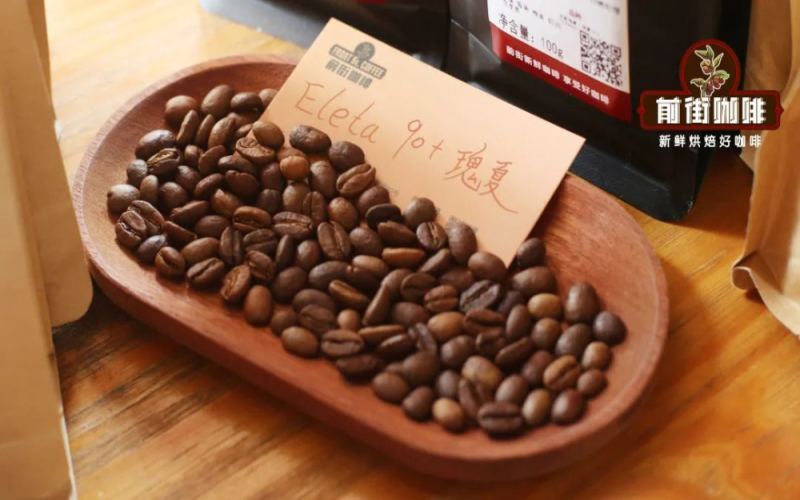
In the world of specialty coffee, Ninety Plus 90+ is a name that cannot be avoided. It is not a synonym for cupping scores, but rather the collective name of a company and its coffee bean series. Since the Panama Emerald Estate Geisha rose to fame at the BOP in 2004, Geisha has swept through major competitions, captivating coffee lovers around the world. Founder Joseph Brodsky was one of those deeply drawn to Geisha. This article will guide you through the origins of the 90+ brand, the establishment of Ninety Plus Gesha Estate, and the micro-lot Geisha brought to you by Front Street Coffee—Front Street Eleta Floral Language. This medium-roast bean is full of layers from dry aroma to finish, with candied pineapple, bergamot, white pomelo, sweet orange, and fermented wine notes interwoven—worth savoring carefully. [more…]
An In-Depth Explanation of the Meaning of 90+ Single-Origin Bean L195: A Complete Guide to the Flavor Description System and Grading Rules
90+ (Ninety Plus) is a highly regarded green coffee brand in the specialty coffee world, and its unique flavor symbols and Level grading system often leave enthusiasts confused. This article will start with the L195 grade, systematically sorting out 90+'s grading logic, the meanings of its flavor symbols, its exclusive processing methods (Red, Ruby, Solkiln), and the Profile Processing production system. At the same time, it will explain in detail the representative 90+ coffees recommended by Front Street Coffee, including the flavor characteristics of beans such as Perci, Straight Talk, and Lotus, and their corresponding grades, helping readers fully understand this legendary brand's green coffee philosophy. [more…]
Exploring Panama's Volcán Region: The Birth and Flavor Profile of 90+ Company's Geisha Estate Eleta
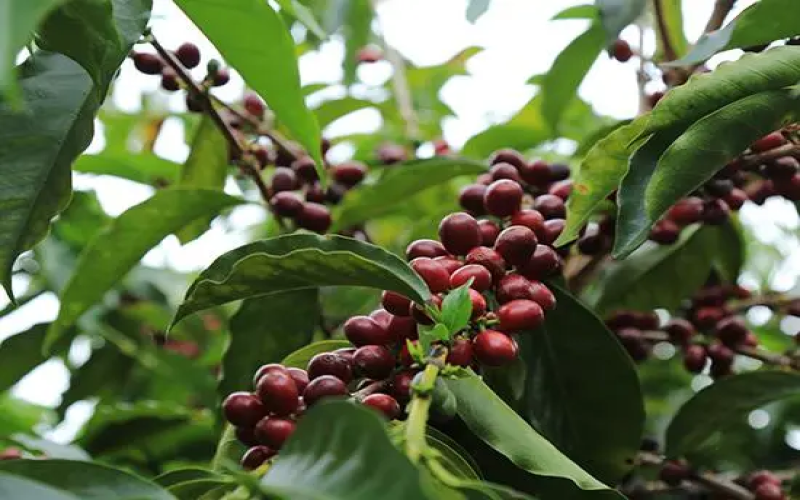
Panama has risen to international prominence in the specialty coffee world thanks to the Geisha variety, and the Volcán region, as one of the country's three major coffee-growing regions, though less well known than Boquete, has gradually emerged with its unique terroir. Joseph Brodsky, founder of 90+, established the 90+ Geisha Estate here and launched series such as Eleta Geisha coffee beans. This article will guide you through the terroir characteristics of the Volcán region, the development history of 90+ and its Profile Processing system, as well as the flavor performance of Eleta Geisha and Front Street Coffee's brewing recommendations, making it suitable for readers interested in specialty coffee to read in depth. [more…]

Panama 90+ Gesha Estate: Flavor Characteristics and Brand Background of Volcán Region Eleta Gesha
Geisha is a highly sought-after coffee variety in the coffee world today, and the Geisha produced in Panama is the benchmark among them. On Front Street Coffee's bean list, there is a rich selection of Panamanian Geisha, among which 90+ Eleta Geisha stands out. Many people wonder: is 90+ actually an estate? Where in Panama is it located? What makes this Geisha so unique? This article will focus on the origins of the 90+ company, the terroir conditions of the Volcan region, the Profile Processing system, and the flavor performance of the two Geishas currently sold by Front Street, Juliette and Eleta, to give you a comprehensive understanding of the story behind 90+ Eleta Geisha. [more…]

What makes 90+ coffee beans unique? An analysis of the brand's processing philosophy, Geisha series flavors, and price references.
In coffee enthusiast circles, the name "90+" always sparks lively discussion—it represents both outstanding quality with a cupping score above 90 and the name of an American green bean company. Founded by Joseph Brodsky in 2006, this company relies on its unique Profile Processing production system, intervening throughout the entire process from selection and breeding to processing, creating Geisha coffees with highly distinctive flavors such as Eleta and Juliet. Front Street Coffee currently has these two 90+ Geisha coffees for sale. This article will guide you through 90+'s core philosophy, its estate stories, and the flavor performance and brewing suggestions for these two beans, so you can feel for yourself why they are recognizable at first sip. [more…]
The Origin Story and Flavor Characteristics of Panama Geisha Coffee: An Analysis of Hacienda La Esmeralda and Ninety Plus Geisha
Geisha coffee is one of the most prestigious varieties in today's specialty coffee world. Its origins can be traced back to the Kaffa forests of Ethiopia, and it later rose to fame in Panama. In 2004, the Peterson family discovered that the windbreak trees on Hacienda La Esmeralda were actually the distinctively flavored Geisha, and from then on rewrote the history of Panamanian specialty coffee. This article will trace the spread of Geisha from Ethiopia to Panama, analyze the red, green, and blue label grading system of Hacienda La Esmeralda, and introduce Ninety Plus's innovative processing and representative works with the Geisha variety. At the same time, Front Street Coffee will also share specific information on two selected Geisha beans to help enthusiasts understand this variety's flavor code more systematically. [more…]
Panama Hacienda La Esmeralda Red Label Geisha Grade Full Guide: Natural Process and 90+ Geisha Flavor Comparison
Geisha coffee has been the most talked-about variety in specialty coffee circles in recent years, and the Red Label Geisha from Hacienda La Esmeralda in Panama is the benchmark among them. This article begins with the origins and spread of Geisha, walks through how Hacienda La Esmeralda discovered Geisha and how it classifies Red Label, Green Label, and Blue Label by altitude and cupping score, and further compares the cultivation philosophy and processing methods of 90+ (Ninety Plus) Geisha estates. The article also includes the specific parameters and flavor descriptions of two representative beans from Front Street Coffee, helping you understand the similarities and differences between Esmeralda Red Label Natural and 90+ Geisha in terms of origin, grade, processing method, and roasting differences. [more…]
A Comprehensive Analysis of Panama Geisha Coffee: From Hacienda La Esmeralda to 90+, a Practical Guide to Pour-Over Parameters and Coffee-to-Water Ratios
Geisha coffee is arguably the most dazzling star in the specialty coffee world in recent years, and one of the most expensive varieties at auction. This article begins with the variety's origins, tracing how it was discovered in Panama and rose to prominence, then moves on to Hacienda La Esmeralda's Red Label, Green Label, and Blue Label grading system, as well as what makes Ninety Plus (90+) unique in its processing and naming of Geisha. The article also provides Front Street Coffee's recommended Geisha pour-over recipe, including grind size, coffee-to-water ratio, water temperature, and a three-pour rhythm, to help you recreate the classic citrus, floral, and honey-like flavors at home. [more…]

Recommendations for Coffee Beans with Strong Tropical Fruit Flavor and Sweetness | Is the Panama 90+ Coffee Estate Eleta Coffee Bean a Geisha Coffee? What Are the Flavor Characteristics of 90+ Eleta Coffee?
Tropical Fruit Flavor Coffee Recommendation — Front Street Coffee Panama 90+ Geisha Estate Eleta Coffee Beans Region: Volcan Altitude: 1400~1800m Processing Method: 90+ Processing Method Variety: Geisha Producer: 90+ Estate Flavor: Bergamot, Sweet Orange, Ripe Grape, Fermented Notes, Various Tropical Fruits [more…]
Ninety Plus Candela and the Complete Guide to the Ninety Plus Brand: The Specialty Coffee System from Ethiopia Sidama to Panama Geisha
In the world of specialty coffee, Ninety Plus (Ninety+) is a name that cannot be overlooked. Founded by Joseph Brodsky in 2006, the company started with Ethiopian native varieties and redefined the way green coffee is produced through its unique Profile Processing system. This article begins with Ninety Plus's Candor, a Front Street Coffee natural-process Sidamo, and systematically reviews the terroir characteristics of the Sidamo region, the brand philosophy and founder's story of Ninety Plus, and core processing methods such as natural processing and Solkiln, then interprets one by one classic product lines such as Kemgin, Nekisse, Perci, and Lotus along with their grading system, and finally includes the roasting analysis and cupping performance of Front Street Coffee 90+ Candor, providing coffee lovers with a complete Ninety Plus knowledge map. [more…]
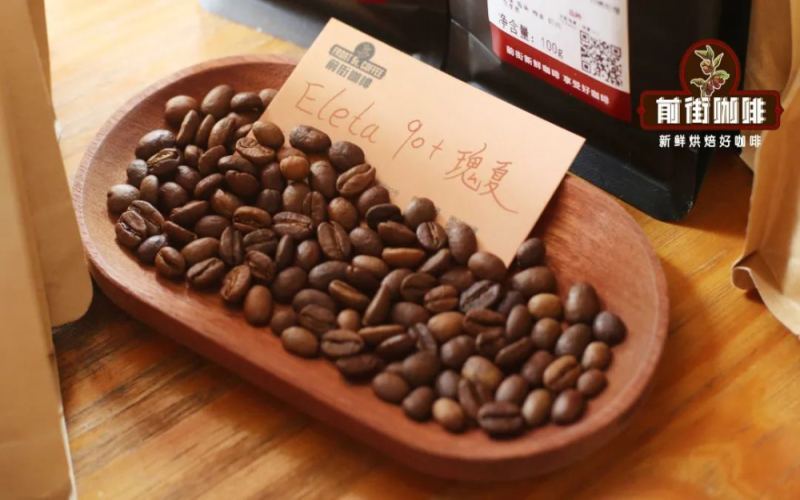
Front Street Selection: Panama 90+ Geisha Estate Eleta Coffee Beans—Rich Layers of Tropical Fruit Flavors, Worth Savoring
Front Street Coffee is bringing you a micro-lot coffee bean from the 90+ Geisha Estate Eleta, sourced from Panama's Volcán region. This bean uses the 90+ processing method, is medium-roasted, grown at an altitude of 1,400 to 1,800 meters, and is produced by the 90+ company. In terms of flavor, it presents bergamot, sweet orange, ripe grapes, fermented notes, and a variety of tropical fruit aromas. This article will provide coffee lovers with a complete and detailed introduction, from the background of the 90+ brand and the founding history of the Geisha Estate to the specific flavor expression of this Eleta Geisha, helping everyone understand the unique charm and tasting points of this bean. [more…]
A Complete Guide to Panama Geisha Coffee: Variety Origins, Pour-Over Parameters, and a Practical Guide to Water Temperature and Coffee-to-Water Ratio
Geisha coffee is a legendary variety that the specialty coffee world cannot avoid. From the Kaffa forests of Ethiopia to the valleys of Boquete, Panama, it has conquered coffee lovers worldwide with its intense citrus aroma, jasmine fragrance, and bright fruity acidity. This article traces the discovery and spread of Geisha, explains the grading logic behind Hacienda La Esmeralda's Red, Green, and Blue labels, and introduces 90+'s innovative approach to processing Geisha. At the same time, Front Street Coffee will share pour-over tips for high-altitude hard beans, including water temperature, coffee-to-water ratio, grind size, and the three-pour rhythm, to help you brew Geisha's floral and fruity notes more consistently. [more…]
What brand is Ninety Plus? Uncovering the 90+ coffee bean scoring standards, exclusive processing system, and Panama estate
In the world of specialty coffee, there is one name that is almost synonymous with "ultimate"—Ninety Plus, which we commonly call 90+. What makes it stand out to coffee professionals worldwide? The hard metric of scoring above 90 points in SCAA cupping is only the starting point; what is truly astonishing is its complete control from seed to cup: the exclusive Profile Processing production system, its own Gesha estate in Panama, and a unique system that uses flavor symbols instead of traditional processing method labels. This article gives you a systematic understanding of 90+'s brand core, grading logic, and flavor philosophy, along with practical brewing suggestions from Front Street Coffee for brewing 90+ Candor. [more…]
An Analysis of Ethiopia's Nine Major Coffee Regions and the Distinctive Features of Yirgacheffe: A Complete Guide from Processing Methods to Flavor
Ethiopia, as the birthplace of coffee, is divided into nine major coffee regions within its borders based on differences in processing methods, among which five specialty regions such as Yirgacheffe and Sidama have long been renowned. Different regions, due to their differing emphasis on natural or washed processing, present flavor profiles each with their own character. This article will systematically review the distribution and characteristics of these nine regions, focus on interpreting Sidama's performance in the cup, and introduce Ninety Plus, known for its rare green beans. At the same time, Front Street Coffee will also combine regional characteristics to provide enthusiasts with reference directions for bean selection and tasting, taking you to deeply understand the diverse charm of Ethiopian coffee. [more…]
Exploring 90+ Candlelight: An Analysis of the Top-Tier Flavor and Processing Craft of Ethiopian Natural Sidamo
90+ Drima Zede is a top-tier natural coffee crafted by Ninety Plus Coffee in Ethiopia's Sidama region, with a name that means "the best way" in the local dialect. It blends complex flavors of florals, nectarine, tropical fruit, and creamy [more…]
An Analysis of the Flavor Differences Between Ethiopian Guji and Sidamo Coffee: A Taste Comparison of Huakui and Zhumang
Ethiopia, as the birthplace of coffee, boasts many well-known producing regions, among which Guji and Sidama have attracted increasing attention from domestic coffee enthusiasts in recent years. Since Guji was independently recognized as a producing region by the ECX in 2010, it has risen rapidly thanks to its superior geographical location and cup performance, while Sidama is renowned for its clear fruity acidity and smooth mouthfeel. This article will conduct an in-depth comparison of the flavor characteristics of these two regions, and provide a detailed analysis of representative bean varieties—Huakui and Zhumang—covering their green bean appearance, processing methods, and cupping performance, to help readers more clearly understand the regional flavors of Ethiopian coffee. [more…]