








What Makes Panama Geisha Coffee Distinct?
Panama Geisha coffee is a specialty variety that traces back to the Kaffa forests of Ethiopia and rose to fame in Panama after 2004, when the Peterson family identified Geisha trees at Hacienda La Esmeralda. Its cup profile became known for jasmine, citrus and tropical fruit notes, and it went on to win a reliable of Panama competition repeatedly through 2007.
The variety originates from Gesha Mountain in southwestern Ethiopia, at roughly 1,700 to 2,100 meters. Ethiopia valued its disease resistance for crossbreeding rather than its flavor, and low yields nearly erased it. Today Geisha coffee beans from Hacienda La Esmeralda carry red, green and blue label grades, while Ninety Plus applies distinct processing methods to the same variety.
Geisha coffee is one of the most renowned varieties in today's specialty coffee world. Its origins can be traced back to the Kaffa forests of Ethiopia, and it later rose to fame in Panama. In 2004, the Peterson family discovered that the windbreak trees at Hacienda La Esmeralda were actually the uniquely flavored Geisha, forever rewriting the history of Panamanian specialty coffee. This article will trace the spread of Geisha from Ethiopia to Panama, analyze the red, green, and blue label grading system of Hacienda La Esmeralda, and introduce Ninety Plus's innovative processing and representative works with the Geisha variety. At the same time, Front Street Coffee will also share specific information about two selected Geisha beans to help enthusiasts more systematically understand the flavor code of this variety.

In recent years, Geisha coffee beans have been arguably the most famous and most expensive variety in the specialty coffee circle. For those familiar with specialty coffee, the name "Geisha" actually refers to what is more commonly called "瑰夏" in China. To trace its origins, one must start with Panamanian specialty coffee. Before 2004, Panamanian specialty coffee had not received much international attention; but after 2004, Geisha was discovered and quickly rose to fame, subsequently winning the top spot in the Best of Panama cupping competition year after year, leading all the way until 2007.
Although Geisha rose to prominence in Panama, expert identification has shown that the genetic origin of this variety is actually Ethiopia's coffee treasure trove—the Kaffa forest. More precisely, it originates from Gesha Mountain in southwestern Ethiopia, at an altitude of approximately 1,700 to 2,100 meters. It is puzzling why Ethiopia did not keep such an excellent coffee for itself, but instead let it travel all the way to Panama.
In Ethiopia's official records, documentation about Geisha can indeed be found. At the time, people discovered that this coffee tree had outstanding disease resistance and could be used to crossbreed with other coffee varieties to enhance the disease resistance of offspring. However, the archives did not describe its flavor in much detail, and due to its low yield, it almost disappeared for a long time until it was later rediscovered by the world. For this reason, some have speculated whether the improvement in Geisha's flavor is related to Panama's terroir, but this theory has not yet been confirmed.
Geisha coffee beans were actually discovered at Hacienda La Esmeralda. Speaking of this estate, one cannot fail to mention its founder, the Peterson family. The estate under the Peterson family's name is precisely what later became widely known as "Hacienda La Esmeralda." In 1996, the Peterson family took a liking to Hacienda La Esmeralda's natural conditions and coffee quality, so they purchased the entire estate.
The coffee produced at Hacienda La Esmeralda tasted very unlike typical Panamanian coffee, with a subtle orange aroma and floral-fruity notes. But the Peterson family could never determine which variety was responsible for this flavor, so they cupped the coffee trees on the estate one by one. The result revealed that the coffee trees the previous owner had used as windbreaks were precisely the variety with that unique flavor. They immediately separated the coffee from that area, sent it to the 2004 cupping competition, and it became famous overnight, introducing Geisha coffee to the world.
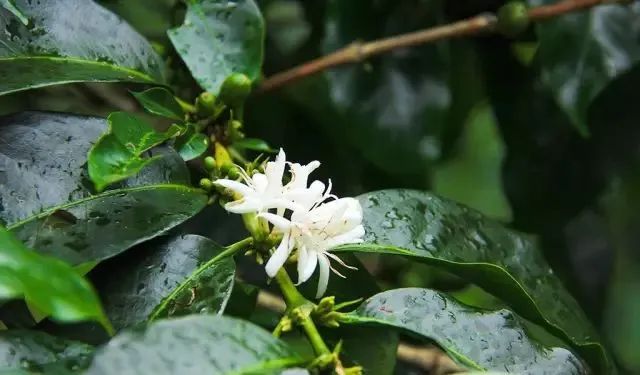
Because Geisha's flavor is widely beloved—intense citrus aroma, jasmine fragrance, almond and mango notes, honey-like sweetness, and bright, complex fruit acidity—many coffee-producing countries began to introduce and cultivate it.
However, even the same variety, when grown in different environments, will exhibit vastly different flavors.
Each region's unique climate, cultivation altitude, humidity, sunlight hours, soil conditions, growers, and even the post-harvest processing methods of the coffee cherries all significantly impact the final flavor. For example, Geisha from Panama, Colombia, and Ethiopia each presents different flavor profiles.
To help more coffee enthusiasts understand Geisha coffee, two reference points are proposed here: Hacienda La Esmeralda and Ninety Plus.
Hacienda La Esmeralda is the estate originally owned by the Peterson family, as mentioned earlier. After testing locally, they found that Geisha grown above 1,400 meters had the best flavor, so they adopted an "altitude-first, cupping as supplement" approach, grading Geisha coffee beans into three tiers: red label, green label, and blue label.
The red label has the highest quality, divided into auction lot and non-auction lot beans, grown at altitudes between 1,600 and 1,800 meters, traceable to specific plot information, and possessing a refined Panamanian Geisha flavor. Among them, auction lots can only be purchased through the global auction.
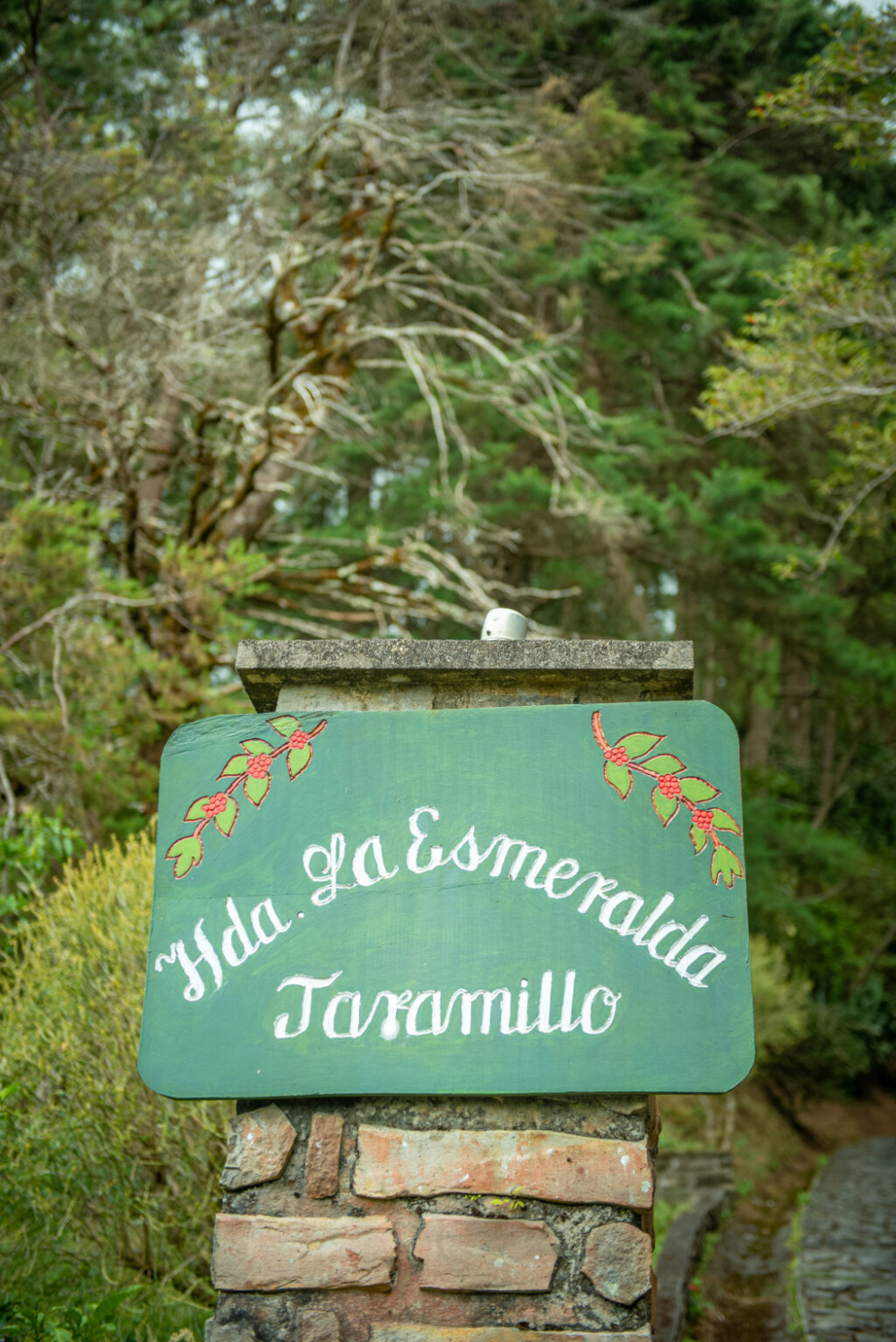
Front Street Coffee (FrontStreet Coffee): Panama Hacienda La Esmeralda · Red Label Geisha Coffee Beans
Region: Boquete
Estate: Hacienda La Esmeralda Cañas Verdes
Altitude: 1,700+ meters
Variety: Geisha
Processing Method: Natural
Flavor: Lemon, Honey, Berries, Orange Peel, Mango, Cream
The green label tier is not traceable to specific plots, and its price is relatively lower, but its altitude and quality are also close to the red label, and it likewise possesses the classic Panamanian Geisha flavor.
The blue label is also not auction lot beans, with a lower altitude of about 1,500 meters, and the most affordable price, though this tier has now been discontinued.
Ninety Plus is a globally renowned green coffee trader. As the name suggests, their green beans all score above 90 in cupping, and they possess unique cultivation and processing techniques, with strict quality control over coffee flavor. They collaborate with many coffee farmers and also own their own coffee estates. For the Geisha variety, they established a dedicated Ninety Plus Geisha Estate and use various innovative processing methods to name each Geisha coffee, making them highly competitive.
Ninety Plus
Ninety Plus was founded in 2006 by Joseph Brodsky in Ethiopia. In 2007, its debut coffee amazed many coffee connoisseurs, leaving a lasting impression.
The ability to present stunning top-tier flavors is inseparable from meticulous handling at every stage. From the bean-grower cultivation stage, they participate directly; after harvest, the green beans are separated according to variety, climate, timing, and other factors, with tailor-made storage and processing methods to achieve extremely high-quality coffee.
During his time in Ethiopia, Joseph Brodsky had always wanted to find a variety that could surpass Geisha, but never succeeded. Since surpassing Geisha through variety alone was not possible, he set out to elevate Geisha itself and create the finest Geisha. The experimental processing methods accumulated over several years in Ethiopia are precisely what Ninety Plus excels at. In 2009, Joseph Brodsky founded the Ninety Plus Gesha Estate in Panama.
Ninety Plus's baristas give their coffees impression-based names according to their first impression upon encountering each creation, such as Nekisse, and our Juliette: elegant and romantic. Names like Drima Zede and Danch Meng come from local dialects at the growing origin or direct English translations.
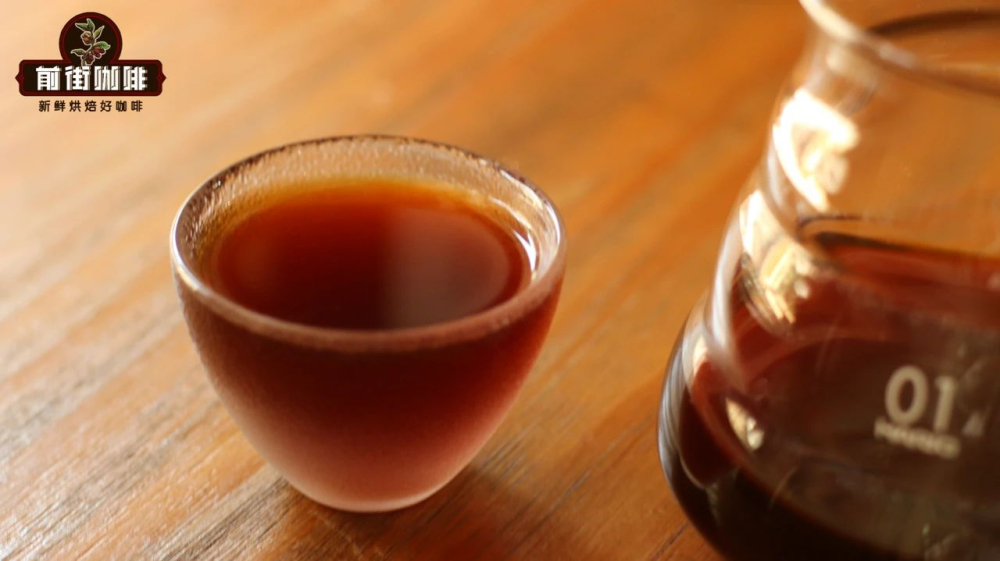
Front Street Coffee (FrontStreet Coffee): Panama Ninety Plus 90+ Geisha · Eleta Coffee Beans
Country: Panama
Grade: SHG
Region: Volcán
Estate: Ninety Plus
Altitude: 1,400-1,800 meters
Processing Method: 90+ Special Processing
Variety: Geisha
Flavor: Bergamot, Sweet Orange, Pineapple, Longan, Dried Fruit, Apple
The above content is compiled by CoffeeHunters, a coffee news website.


