







Search Results for: Jorge Martin
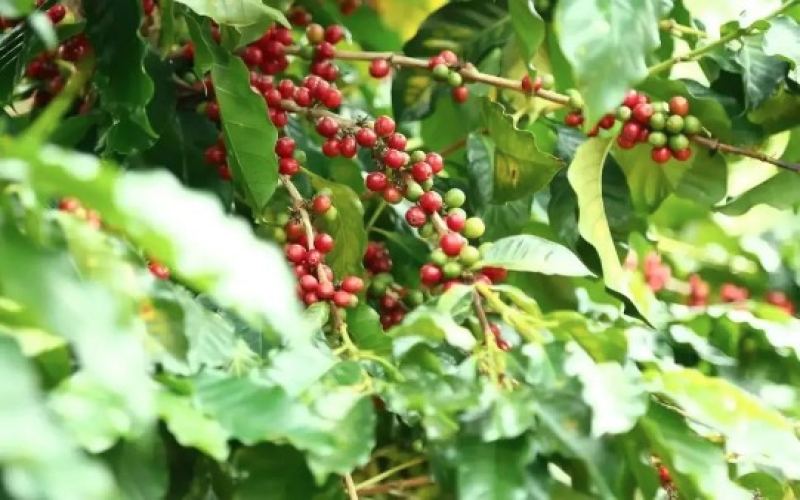
From the coffee country of the Pacific Ocean: Papua New Guinea.
There are two theories regarding the origin of the name "Papua": One theory states that in 1526, the Portuguese, Meneses, sailed from Malacca to the Moluccas Islands, but the sea breeze blew the ship to an unnamed place, and people called this land " [more…]
Front Street Coffee Detailed Guide to Guatemala Huehuetenango Miravalle Estate Green Bourbon Coffee Beans
The highlands of Huehuetenango in Guatemala, with their fertile volcanic soil and unique cloud-shrouded valley microclimates, give rise to specialty coffee with rich layers of flavor. This time, Front Street Coffee brings us the washed green Bourbon beans from Miravalles Estate, a farm founded by Benjamin Villatoro in 1970 and now carried on by Jorge Villatoro, which has achieved outstanding results in the C.O.E. and Huehuetenango highland competitions for many consecutive years. This coffee uses a blend of Bourbon, Catimor, and Caturra varieties, grown at 1,500 meters and given a medium roast, presenting an elegant profile interweaving honey, wild ginger flower, sugarcane sweetness, and malic acidity. This article will provide a comprehensive analysis of this coffee, which represents the Huehuetenango style, from the estate's background and the terroir of the growing region to its flavor expression. [more…]
Guatemala Huehuetenango Black Angel Estate: An Analysis of Enzymatic Slow-Dry Catuai SHB Coffee
Black Angel Estate is located on the Huehuetenango highlands in northern Guatemala, adjacent to the Mexican border, and has practiced natural farming principles since its founding in 1965. The estate uses coffee husks to make organic compost, and relies on volcanic limestone soil and a high-mountain irrigation system to create a unique growing environment. Fully ripe Catuai varietals can reach a sugar content of over 22 Brix under strict harvesting standards, and are meticulously produced through multiple processes including aerobic fermentation, tank fermentation, and slow drying. Front Street Coffee recommends this washed coffee, which presents a complex flavor profile of green tea, whiskey, elderflower, and nectarine preserve, with rich layers and a captivating fermented wine aroma. This article will provide a comprehensive analysis of Black Angel Estate's cultivation philosophy, processing techniques, and flavor characteristics. [more…]
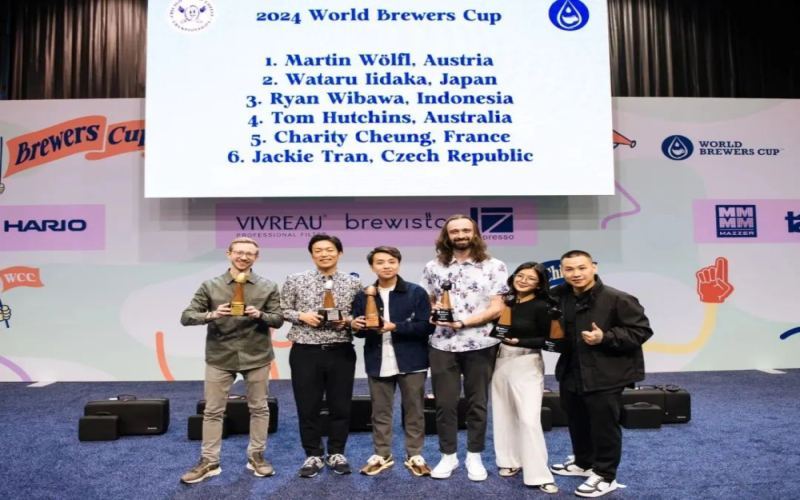
The Rise of Blended Beans: New Trends at the 2024 World Brewers Cup and an Analysis of the Champion's Brewing Approach
The 2024 World Brewers Cup (WBrC) and World Cup Tasters Championship concluded in Chicago, USA, with Austrian competitor Martin Wolf taking the crown. One of the biggest highlights of this year's event was that four of the six finalists independently chose blended coffee beans, ranging from two-bean blends to three-bean blends, and from cross-origin mixes to combinations of different processing methods, showing an unprecedented diversity in blending strategies. This article reviews the competition results, analyzes the competitors' blending approaches, and explores why blended beans have become a new trend in specialty coffee competitions. [more…]
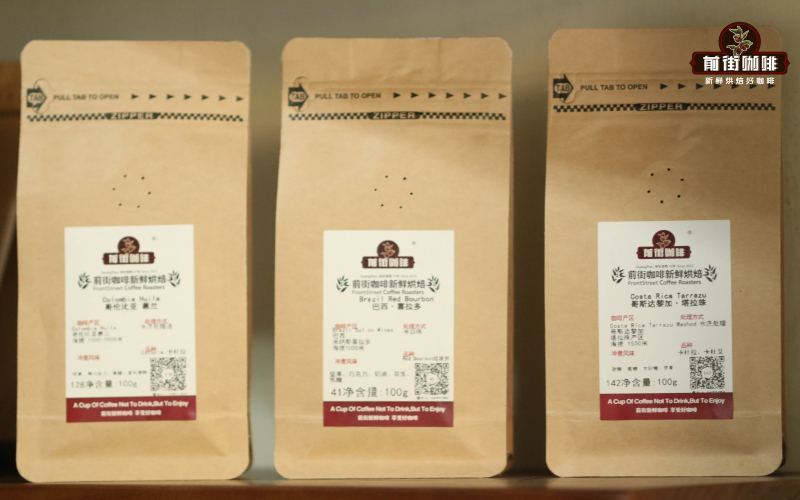
Where Do Guatemalan Coffee Flavors Come From? A Complete Guide to the Two Classic Regions of Huehuetenango and Antigua
Guatemala is a highly representative coffee-producing origin in Latin America, and its beans are known for their rich fruity notes, full body, and distinctive smoky aftertaste. Among the Front Street Coffee daily staple bean series, Guatemalan coffee is a representative example of the typical flavors of this origin. From the perspective of Front Street Coffee's sourcing approach, this article systematically reviews Guatemala's geography and climate, historical development, altitude classification system, and the respective characteristics of two star regions—Huehuetenango and Antigua—and combines the cupping performance and brewing parameters of two beans, Front Street Guatemala Huehuetenango and Front Street Guatemala Antigua La Flor del Cafe, to help coffee enthusiasts build a complete understanding of Guatemalan coffee. [more…]
A Complete Guide to Guatemalan Coffee: Terroir of Eight Major Regions, Grading System, and Classic Flavor Profile
Guatemala is a major coffee-producing country in Latin America. Two-thirds of its territory consists of mountainous highlands, where volcanic soil and high-altitude microclimates together shape a classic flavor profile that combines fruity notes with a full-bodied richness. Among Front Street Coffee's daily drinking bean series, Guatemala Huehuetenango is a representative of this regional style. This article, from Front Street's cupping perspective, will outline Guatemala's geographical conditions, coffee-growing history, regional divisions, and altitude classification system, and, using the two major regions of Huehuetenango and Antigua as examples, present the specific information and brewing parameters of Front Street's Guatemalan coffee beans, helping coffee enthusiasts build a systematic understanding of Guatemalan coffee. [more…]
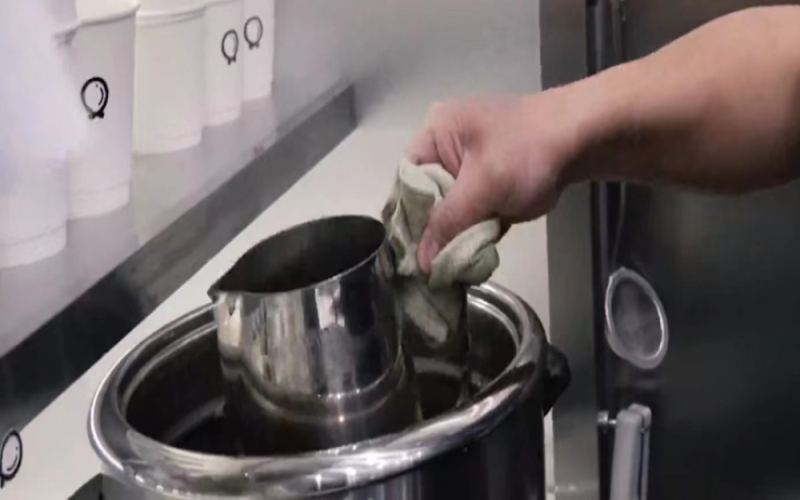
Can a purple clay pot also steam coffee? A new trick for Chinese-style extraction, low-temperature slow brewing brings a rich new experience
Following the buzz in Shanghai coffee shops over "double-boiler" extraction, Chinese-style coffee innovation has taken another step forward—at the Xiamen Coffee Festival, a shop introduced a Minnan-style brewing method using a purple clay teapot to steam coffee. In this method, coffee grounds are placed into a small purple clay teapot, slowly steamed in a bamboo steamer, then filtered and diluted with water for drinking. Its principle is similar to double-boiling: it uses low-temperature slow extraction to reduce bitterness and off-flavors, while the porous structure of the purple clay teapot can also absorb some of the compounds that cause bitterness. From Japanese Tokoname coffee pots to Chinese purple clay teapots, the clever use of ceramics in coffee extraction is being continually explored. This article walks you through the specific steps of this trendy method and the science behind it, and includes related recommendations from Front Street Coffee. [more…]
A Complete Analysis of Bolivian Coffee Estates: Terroir and Varieties — From San Angel to Illimani, the Flavors of Specialty Beans
Bolivia, with its high altitudes and tropical climate, has become a coffee origin that cannot be overlooked in the specialty coffee world. This article takes an in-depth look at several representative estates in the country—San Angel, Sugar Mill, Castle Ruins, Brugmansia, Wish, Alpaca, Provincial Eagle, and more—covering the cultivation stories and flavor characteristics of varieties such as Typica, Caturra, Java, and Geisha, and explaining how the Sunrise Project helps local coffee farmers improve quality. Front Street Coffee also continues to follow the unique performance of these estates. [more…]
Front Street Bean Hunters' Notes: A Complete Analysis of the Flavor and Roasting of Nicaragua Los Congos Estate Villa Sarchi Natural Coffee
Although Nicaragua is not as well-known as other Central American countries, it possesses high-altitude shade-growing conditions and fertile volcanic soil that are no less impressive. The Villa Sacchi natural bean from Los Congos Estate, sourced this time by Front Street Coffee, comes from the Nueva Segovia region, at an altitude of 1,350 to 1,650 meters, SHG grade. The estate insists on self-sufficiency and organic cultivation, and its Pacamara once won runner-up in the COE. This Bourbon varietal bean, after natural processing, presents intertwined flavors of floral notes, citrus, berries, cream, and peanut, with a full and balanced mouthfeel. Front Street Coffee's roaster adopted a lower bean-charging temperature with a medium flame that gradually decreases, developing for 1 minute and 50 seconds after first crack, and dropping at 195°C, performing excellently in both cupping and pour-over. [more…]

Peruvian Coffee Flavor Characteristics and a Full Analysis of the Three Major Producing Regions and Estates: From Taste Grading to Brewing Recommendations
Peru is the world's eleventh-largest coffee producer, with ten distinctive coffee regions, known for its pure, mild, sweet, and smooth flavor. This article systematically reviews the history, flavor characteristics, grading system, and processing methods of Peruvian coffee, and provides an in-depth introduction to the estate distribution and flavor differences across the three major regions: north, central, and south. Front Street Coffee also shares medium-dark roast recommendations and French press brewing parameters, giving you a comprehensive understanding of this rapidly rising newcomer in the coffee world. [more…]
Costa Rica Tarrazú Region Comparison: Flavor Analysis of Tobosi Estate Red Honey Process vs. Washed Canet Estate
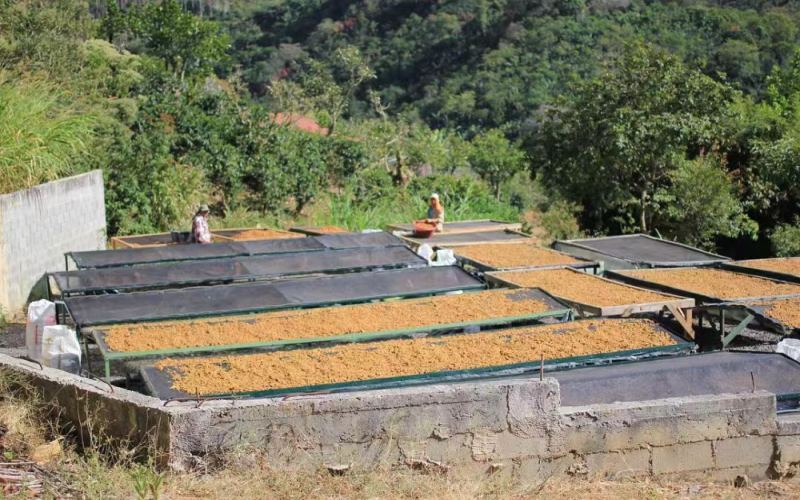
Although Costa Rica is a small country and its coffee output is not particularly prominent in Central America, it has long held an important place on the world specialty coffee map thanks to its volcanic ash soil, high altitudes, and microclimates. Tarrazú, one of the country's most renowned producing regions, is home to estates and processing methods of widely varying styles. This article focuses on Tobushi Estate's red honey-processed Catuai and the washed-processed Canet Estate, breaking down the differences between the two in sweetness, acidity, and body one by one—from producing region background, green bean grading, and roasting curves to cupping and brewing—to help coffee lovers understand the flavor distinctions that different processing methods bring within the same producing region, and to provide practical brewing suggestions from Front Street Coffee. [more…]
Front Street Peru Coffee Flavor Analysis: Geisha Bean Pour-Over Parameters and Brewing Step Guide
Peru, as the world's eleventh-largest coffee-producing country, is home to ten distinctive coffee regions, and is gradually emerging on the international market with a clean, mild, sweet, and full-bodied flavor profile. Front Street Coffee believes that today's Peruvian coffee is showing more and more juicy character and unique taste. This article will guide you through the history of Peruvian coffee, the terroir differences among the three major regions of the north, center, and south, the grading system and processing methods, and share Front Street Coffee's roasting recommendations and French press brewing steps for Peruvian coffee—ideal for coffee lovers who want to explore the charm of this low-key producing country. [more…]
Cup Tasting Flavor Profile and Origin Characteristics of El Salvador Finca Neblina Champion Lot Pacamara and Bourbon Coffee Beans
This article provides an in-depth introduction to the legendary Salvadoran coffee producer Ernesto Menéndez and his award-winning lots from Finca Las Brumas. This lot includes two varieties, Pacamara and Bourbon, sourced from microclimatic blocks above 1,700 meters, with a clean and sweet flavor profile featuring notes of cherry, berries, creamy chocolate, and spice sweetness. The article details the estate's history, the arduous journey of twice winning the Cup of Excellence, the characteristics of the Pacamara variety, and includes a cupping report and roasting degree recommendations. It also introduces an overview of El Salvador's coffee-producing regions and information recommended by Front Street Coffee, making it suitable for coffee enthusiasts to gain a comprehensive understanding of the unique charm of Central American specialty coffee. [more…]
Exploring Peruvian Coffee: The Global Leader in Organic Production and Flavor Analysis of Its Four Main Regions
Peru, an important coffee-producing country in western South America, has the largest area of organic coffee cultivation in the world, with 420,000 hectares of planting area, mainly distributed in the Andes Mountains at elevations of 600 to 1,900 meters. Local growers generally adopt shade-grown methods that do not destroy the rainforest ecosystem, allowing the coffee to mature slowly in the natural environment, thereby producing clean, smooth specialty coffee with rich layers of flavor. Peruvian coffee is mainly based on Typica, Bourbon, and Caturra varieties, and wet processing gives it a distinct aroma and soft fruit acidity, often with caramel, honey, and dark chocolate-like sweetness. This article will introduce the cultural background, variety structure, and processing methods of Peruvian coffee, and provide an in-depth analysis of the flavor characteristics of the northern, central, southern, and four major high-quality producing regions, while also presenting recommended information on Front Street Peruvian coffee beans. [more…]
The Terroir Conditions and Flavor Characteristics of Peruvian Coffee Regions: Specialty Coffee on the South American Highlands
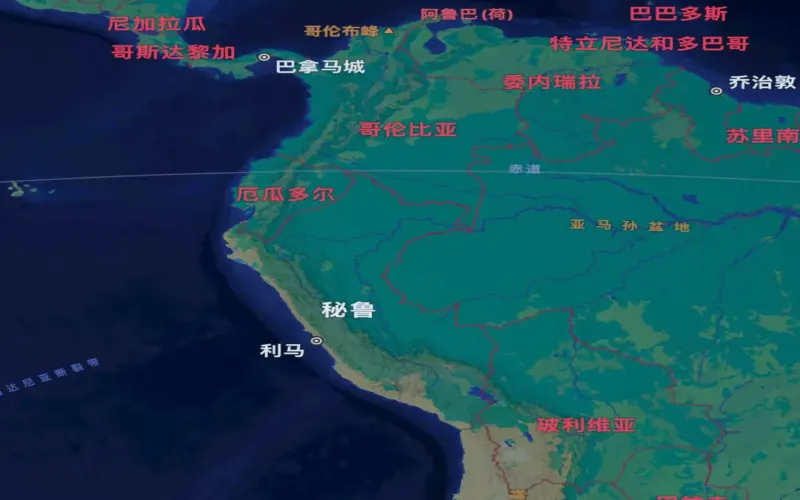
In South America, the exceptional soil and growing environment have nurtured numerous coffee-producing countries. Colombia, Ecuador, Brazil, and others are renowned worldwide, while Peru, though low-key, also produces high-quality coffee beans thanks to its excellent mountains, rivers, and soil conditions. This article will guide you through Peru's geographical and climatic features and analyze one by one the cultivation overview and flavor profiles of its three major coffee regions—north, central, and south—so you can experience this South American country's unique charm in the coffee world. [more…]
Colombia Cauca Finca El Nube Laurina Natural Low-Caffeine Beans: Flavor Characteristics and Low-Caffeine Processing Explained
For people who are sensitive to caffeine yet cannot live without coffee, there is often a dilemma between "wanting to drink" and "not being able to drink too much"—and decaf coffee was born precisely for this. This article begins with artificial decaffeination methods, introduces the common Swiss Water Process on the market and its principles, then traces the legendary history of the naturally low-caffeine variety Bourbon Pointu—from the rise and fall of Réunion Island to its revival by UCC in Japan, and finally to its establishment at Finca San Roque in Colombia's Cauca Valley. You will discover this bean's complete profile, its flavor performance, and its unique balance between caffeine content and mouthfeel, and you will also learn why Front Street Coffee recommends it as the preferred choice for decaf coffee. [more…]

Making Boozy Coffee at Home: 10 Alcoholic Coffee Drinks with Recipes and Methods
Want to find a balance between a gentle buzz and staying clear-headed? Spiked coffee is becoming a new choice for many young people. When you're tired during the day, a hint of alcohol helps relax your nerves; after work at night, a warm alcoholic coffee soothes body and mind; and when the weather turns cold, it brings warmth from the inside out. This article compiles 10 alcoholic coffee recipes suitable for making at home, from simple convenience-store mixes to creative versions with milk foam, and to specialty cocktail coffees with a stronger alcoholic kick, covering pairings with various base spirits such as Baileys, whiskey, gin, brandy, and rum. When making them, there's no need to be rigid—just adjust the amount of alcohol to your personal preference—but be sure to drink in moderation according to your own condition, minors are prohibited from drinking alcohol, and drunk driving is strictly forbidden. At the end of the article, there is also a communication channel for Front Street Coffee (FrontStreet Coffee), making it convenient for coffee lovers to discuss further. [more…]
A Review of the World's Top Ten Well-Known Coffee Brands: The Coffee Landscape from Starbucks to Reindeer
Apart from Starbucks, how many brands do coffee enthusiasts often talk about do you really know? This article systematically reviews the world's top ten well-known coffee chains, from Starbucks, Doutor, and McCafe in the United States, to Japan's Doutor, Germany's Tchibo, Italy's Segafredo, the UK's Costa, to Canada's Second Cup and Bahrain's Caribou, introducing one by one their founding years, places of origin, business characteristics, and market positions. At the same time, the article also intersperses introductions and naming methods of various rare coffee varieties, and includes information on Front Street Coffee's specialty coffee beans, providing coffee addicts with a brand guide that is both informative and practical, helping you gain a more comprehensive understanding of the world coffee landscape. [more…]
The Hidden Coffee Gem of South America: Peru — From Andean Terroir to the Flavor Code of Cajamarca Washed Geisha
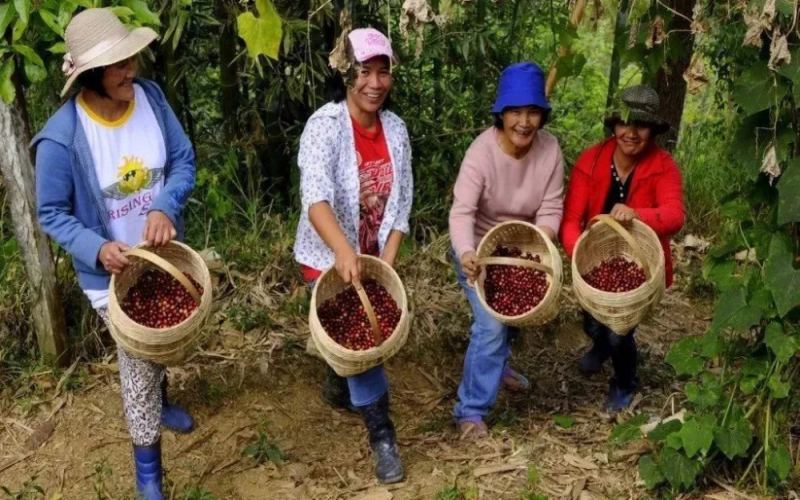
Among the many coffee-producing countries in South America, Peru is often overshadowed by the limelight of Colombia and Brazil, yet thanks to the high altitudes of the Andes, volcanic soil, and varied climate, it produces clean, mild specialty coffee with balanced acidity and sweetness. This article starts from Peru's geography and climate, sorts out the flavor differences among its three major producing regions—north, center, and south—analyzes the grading system centered on altitude and hardness as well as the washed processing method, and then steps into the northern specialty coffee stronghold of Cajamarca, where, through a washed Geisha sourced by Front Street Coffee, one can experience the captivating layers of white floral notes, prunes, and black tea. [more…]
A Detailed Guide to Tracing the Origins of Jamaican Blue Mountain Coffee Bean Varieties and Their Grade Classification: From Historical Producing Areas to the Division of Three Major Regions
Jamaica Blue Mountain Coffee is hailed as a legend in the coffee world, and behind its name lies the unique terroir of a Caribbean island and nearly three centuries of cultivation history. From the first coffee trees introduced to Jamaica in 1725 to today's strict producing-region divisions and quality controls, Blue Mountain Coffee has always won over coffee lovers worldwide with its rich, balanced flavor, lasting fruity notes, and elegant acidity. Yet, faced with the dazzling array of "Blue Mountain" labels on the market, few people truly understand its varietal origins, grading system, and production distribution. This article will systematically outline the varietal origins, historical evolution, three major producing regions, and grading standards of Jamaica Blue Mountain Coffee, while retaining authoritative information and Front Street brand recommendations, to give you a comprehensive understanding of the true character of this world-class specialty coffee. [more…]