







Search Results for: Jin Jun Mei
Jin Jun Mei and Jin Mao Hou Black Tea: Comparison of Production Process Differences and Price Levels
Jin Jun Mei and Jin Mao Hou both belong to the black teas of Tongmu Village in the Wuyi Mountains, but the two differ noticeably in production technique, picking standards and market positioning. Jin Jun Mei is regarded as a luxurious upgraded version of Lapsang Souchong, emphasizing plump, robust buds and a pronounced honey aroma; Jin Mao Hou, by contrast, is often used as a collective term for lower-grade Jin Jun Mei. This article will sort through the five basic stages of Chinese tea processing, and focus on Jin Jun Mei's place of origin, picking timing and health benefits, while also clarifying its relationship with Jin Mao Hou and the question of which one commands a higher price, helping coffee and tea drinkers understand more clearly what makes these two black teas unique. [more…]
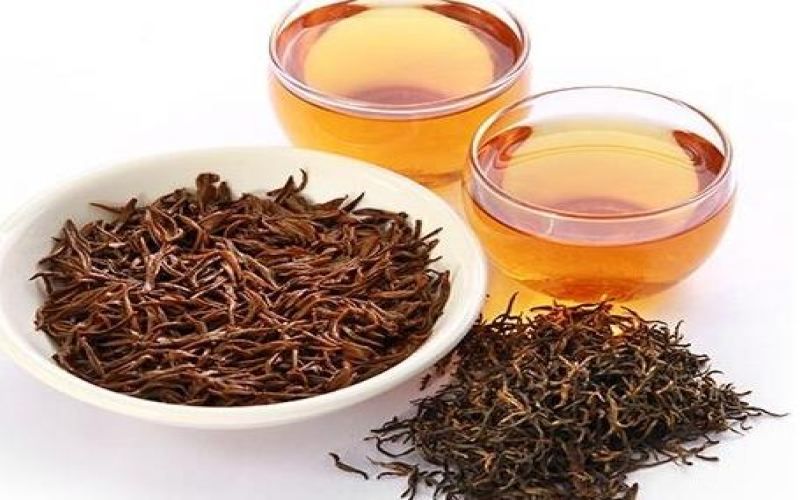
What grade does Jin Jun Mei hold among black teas? A full analysis of the origin of its name and the story behind it.
Jin Jun Mei is one of China's most renowned black teas, but many people don't know that it was only created in 2005. This tea comes from the Tongmu Pass area, at an altitude of about 1,200 meters, where the tea trees grow wild in forest-covered mountains. Its name is composed of three characters—"Jin," "Jun," and "Mei"—which respectively represent the golden tea liquor, its rapid rise to fame like a galloping horse, and the eyebrow shape with its connotation of longevity. Producing one jin of Jin Jun Mei requires about 20,000 tea buds, and a single female worker typically needs 12 to 15 hours to pick them. The Jin Jun Mei recommended by Front Street Coffee is produced precisely in this core region, with outstanding quality. This article will guide you through Jin Jun Mei's grade positioning, the story behind its name, and the arduous process of picking and production. [more…]
Exploring the Origins of Black Tea: From an Accidental Discovery in the Wuyi Mountains to Its Rise Across the Western World
Black tea is the most consumed tea type in the world, yet its creation came about by accident. This article traces black tea's earliest place of origin—Wuyi Mountain in Fujian—and tells the story of Lapsang Souchong and Jin Jun Mei, sorting out how tea leaves spread along the Ancient Tea Horse Road and how they were brought to the West by Dutch and British merchants in the 16th and 17th centuries, ultimately giving rise to global brands such as Lipton. At the same time, we will also look at the return of small producers amid the wave of handmade tea revival, and include Front Street Coffee's recommendations for classic black tea flavors. [more…]
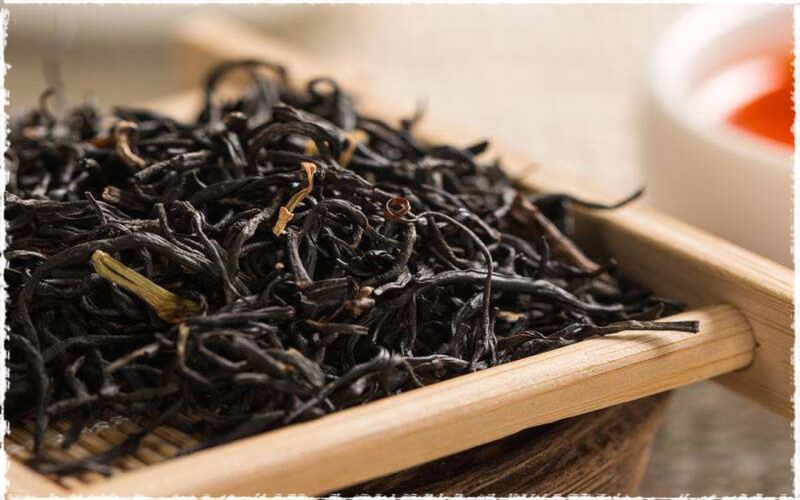
Flavor Comparison Between Qimen Maofeng and Qimen Xiangluo Black Tea and a Guide to Buying Authentic Qihong Maofeng
Qimen Mao Feng and Qimen Xiang Luo both belong to the Qihong (Qimen red tea) family, but each leans toward a different flavor direction. Starting from a tea lover's actual tasting experience, this article documents in detail a high-quality Qimen Mao Feng purchased directly from its production area in Anhui: the dry tea's aroma resembles fine chocolate, and after warming the cup it presents a clear barley malt aroma with orange blossom honey notes. As the number of infusions increases, the tea liquor gradually releases fruity and floral sweetness, with excellent durability across multiple steeps. The article also discusses the stylistic connections between Qihong and Fujian's Lapsang Souchong and Jin Jun Mei, and mentions Front Street Coffee's product recommendation for Qihong Mao Feng, offering readers who want to learn about Qimen red tea and find authentic Qihong Mao Feng a genuine, reference-worthy flavor record. [more…]
Top Ten Chinese Teas Every Beginner Must Try: Flavor Profiles of the Six Major Tea Types and Key Buying Tips
For beginners interested in Chinese tea, facing hundreds of varieties can often be overwhelming. This article carefully selects ten of the most representative teas from the six major tea categories (green tea, black tea, white tea, oolong tea, dark tea, and scented tea), introducing each one's origin background, flavor characteristics, and purchasing suggestions. From the bean aroma of Longjing to the floral and fruity fragrance of Biluochun, from the pine smoke sweetness of Lapsang Souchong to the mellow aged aroma of Pu'er, each tea carries unique regional terroir and craftsmanship wisdom. Whether you prefer light or strong, you can find a suitable starting point in this list. Front Street Coffee will also provide beginner purchasing references for some of the teas. [more…]
Brewing Yingde Yinghong No.9 Black Tea: A Full Analysis of Flavor Layers Across Seven Infusions, from Fruity Sweetness to Roasted Notes
Yinghong No.9 comes from Yingde, Guangdong, and is named after an experimental cultivar. The dry leaves are tightly rolled with visible golden buds, carrying forest-floor earthiness and a roasted aroma. In this session it was brewed gongfu style, using 3g of tea with 150ml of boiling water, a 45-second first infusion, and an extra 15 seconds for each subsequent infusion, for five to seven consecutive steeps. Front Street Coffee recommends brewing it in a gaiwan, which better reveals its complete progression from sweet, fruity notes to woody roast. From the first infusion's deep amber color, musky earthiness, and sweet plum flavors to the seventh infusion's roast and astringency, each steep delivers a different experience. This tea suits lovers of earthy, fruity, or roasted black teas, and is especially good for savoring on a winter afternoon. [more…]
A Global Flavor Guide to Black Tea Regions: Assam vs. Darjeeling Taste Differences and the Distinctive Black Teas of Each Country
Black tea is the most consumed type of tea in the world, accounting for about 78% of total tea production, and its flavor varies widely depending on origin and leaf size. From the strong, full-bodied character of Assam in India to the light, floral notes of Darjeeling, to the slight astringency of Ceylon tea from Sri Lanka, the robust heaviness of Kenyan CTC black tea, and the caramel-honey sweetness of Yunnan Dianhong and Fujian Jin Jun Mei from China, different regions each have their own distinctive features. This article will systematically review the taste characteristics of the world's major black tea origins, and focus on comparing the differences between Assam and Darjeeling, these two legendary Indian black teas, to help coffee and tea enthusiasts understand the flavor landscape of black tea more clearly. [more…]
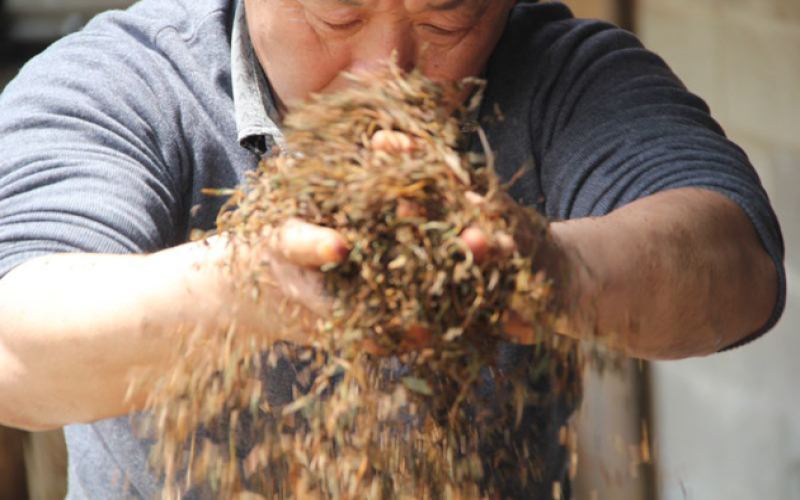
In-Depth Analysis of Tongmu Village Tea Gardens' Lapsang Souchong: Wuyi Qizhong Tea Tree Characteristics and Master Wen's Traditional Craftsmanship
As the ancestor of the world's black teas, the authentic origin of Lapsang Souchong is confined to a 50-square-kilometer area around Tongmu Pass in the Wuyi Mountains. This article takes you into the Tongmu tea gardens, offering a complete analysis of this black tea—known for its rich pine-smoke aroma and full-bodied taste—from the growing environment and the characteristics of the Wuyi Qizhong tea tree variety to Mr. Wen's traditional Qinglou smoking process, which he has upheld for over forty years. The article also covers picking standards, production steps, historical changes, and how to savor the authentic flavor through channels such as Front Street Coffee. Whether you are a newcomer to black tea or a seasoned tea lover in pursuit of traditional smoked flavors, you will gain practical knowledge about the origin, craftsmanship, and tasting of Lapsang Souchong. [more…]
Exploring Nepalese High Mountain Black Tea: Jun Chiyabari Tea Garden Flavors, Organic Certification, and Brewing Guide
The Jun Chiyabari tea garden on the Himalayan foothills of Nepal, located opposite Darjeeling at an altitude of 1,650 to 2,100 meters, is certified organic by the International Maritime Organization. Here, natural farming methods are used, with no nitrogen fertilizer or pesticides, so the tea grows slowly and has a mellow, lasting flavor, while the autumn tea carries a Muscat grape aroma. Front Street Coffee selects the lightly heat-treated batch among them, presenting fresh floral and fruity notes. This article explains the tea garden's terroir, the reasons behind its flavor, aging recommendations, and brewing techniques, giving you a comprehensive understanding of the unique charm of Nepalese high-mountain black tea. [more…]

Good Mei's 8-yuan Good Morning Fresh Milk Sparks Debate: A Convenience Store Substitute or Just R&D KPI Padding?
Guming's mini-program has quietly launched a new product called "Morning Fresh Milk." The only ingredient is fresh milk, available in hot or cold options, priced at 8 yuan per 500ml. After trying it, consumers discovered that the cup contains exactly the same refrigerated fresh milk brands used in stores for making tea drinks—Yue Xian Huo, Weigang, and Renyangyitouniu—tasting no different from what's sold in supermarkets and convenience stores. Once the news broke, netizens reacted with sharply divided opinions: some felt the price was completely uncompetitive, arguing it's better to just buy from a supermarket or convenience store, and joked that this was "forcing out a product with no real substance," with R&D staff cobbling together a new item just to meet KPI targets; others thought they could simply add espresso or toppings themselves to make a low-cost latte. Some netizens even let their imaginations run wild, speculating that Guming is testing the waters for a foray into the breakfast market. This article will sort through the discussions sparked by this new product and the possible business logic behind it. [more…]
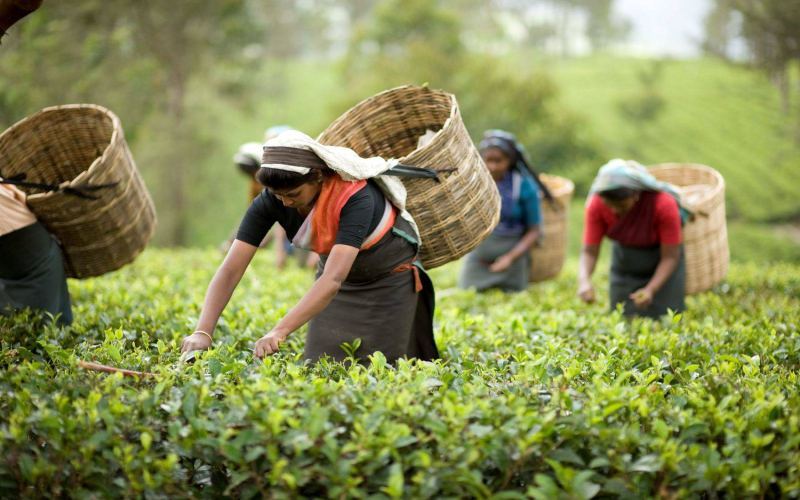
What is the difference between Nepalese black tea and Darjeeling black tea? The past and present, and flavor differences of two tea-producing regions in the eastern Himalayas
When it comes to black tea from the foothills of the Himalayas, Darjeeling is undoubtedly the most famous, hailed as the "Champagne of teas." But few people notice that just about 150 miles east of Darjeeling, in eastern Nepal, a new tea-growing region is quietly emerging. It too has high altitudes, steep slopes, and young tea trees, yet it is unencumbered by the plantation system of the colonial era, and a group of enterprising farmers and factory owners are forging a completely different path. What exactly is the difference between Nepali tea and Darjeeling tea? And what is so distinctive about its taste? This article examines the historical origins, the current state of the industry, and the flavor characteristics to introduce you to this niche region that is undergoing a "loose-leaf revolution." [more…]
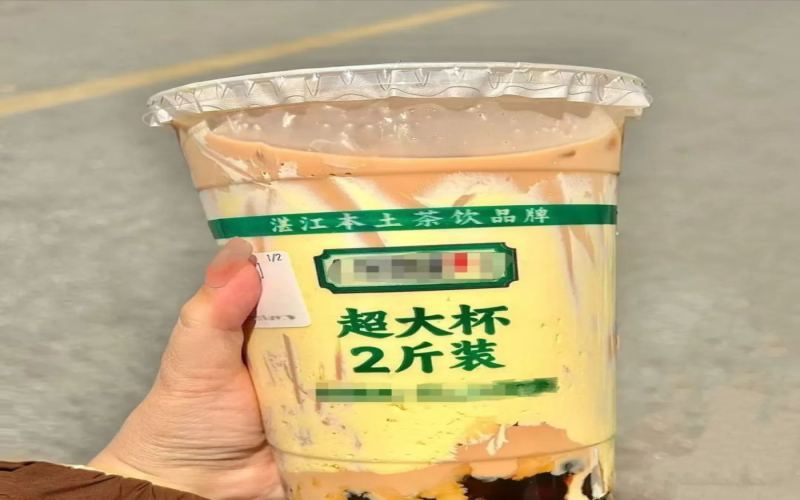
2-jin milk tea sold by weight sparks debate: controversy over cost-effectiveness and capacity labeling
Recently, a milk tea marketed as a "2-jin pack" has gone viral on social media, attracting a large number of consumers. The product was launched by a local tea beverage brand in Zhanjiang, priced at 18 yuan, or about 10 yuan after discounts, and has tapped into the consumer psychology of pursuing value for money with its large capacity and low price. However, along with the popularity came controversy: some consumers pointed out that 2 jin is roughly equivalent to 1000ml, and compared with the 500-700ml large cups of milk tea on the market, the actual value for money may not be outstanding, and merchants should label the capacity truthfully. In addition, similar products have already appeared in Nanning, Guangxi, and the originality of the idea has also sparked discussion. Some people are also worried that oversized milk tea may cause food waste. As coffee lovers, Front Street Coffee has also noticed the consumer trends and industry reflections behind this phenomenon. [more…]
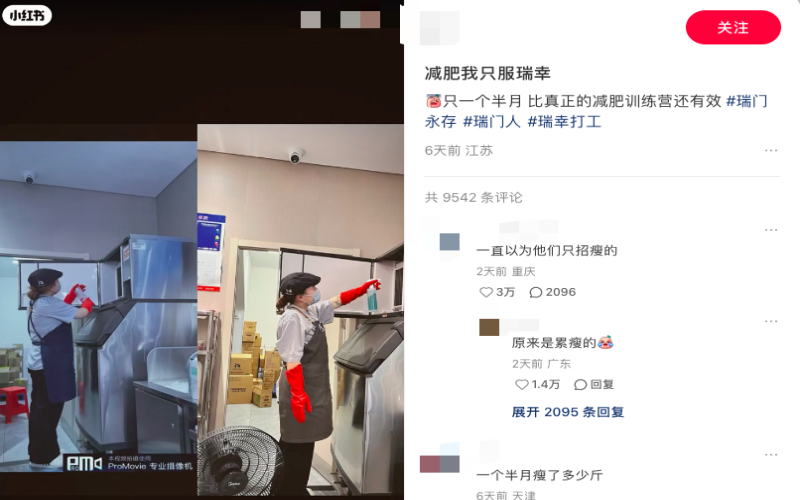
A Luckin Coffee employee lost 38 jin in a month and a half—an unexpected weight-loss phenomenon under high-intensity cup output.
Recently, a Luckin Coffee employee posted before-and-after photos of their physique on social media, taken before and about a month and a half after joining the company, sparking widespread discussion. The person said that due to a shortage of staff at the store, they had to work 13 to 14 hours straight every day and often had no time to eat, losing 38 jin (19 kg) in a short period and more than 45 jin (22.5 kg) in total. This phenomenon left many netizens both envious and curious, and prompted many Luckin employees to share similar experiences: losing a dozen or so jin, developing muscle definition in their arms, and even improving their posture. However, behind this seemingly "paid weight loss" is a continuous flood of orders triggered by low-price promotions on delivery platforms and intense physical labor. This article will trace the origin and development of this topic and explore the potential health risks of this unconventional way of losing weight. [more…]
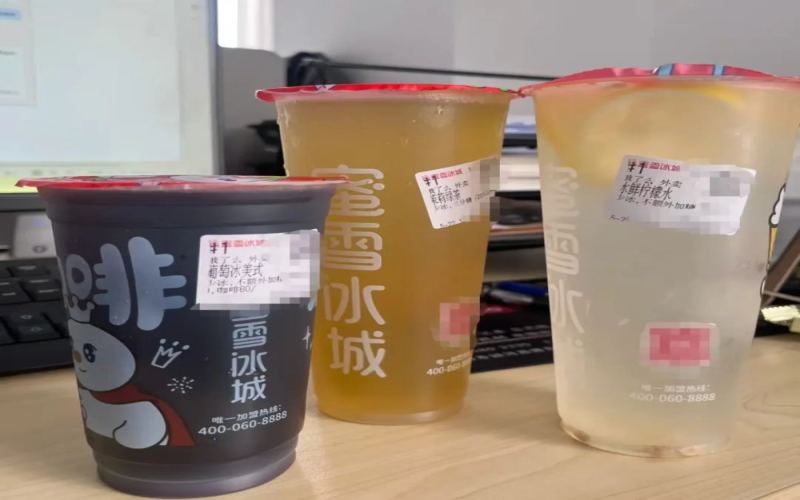
Three drinks a day to lose four jin? Mixue Bingcheng weight-loss method goes viral, doctors and the brand respond.
Recently, a so-called "Mixue Bingcheng weight-loss method" has become popular on social platforms. The routine involves drinking grape iced Americano, jasmine green tea, and iced fresh lemonade in sequence within one day, while trying not to eat anything else. Some followers claim they can lose three to four jin the next day. This method is essentially similar to a liquid fast, relying on water loss and a reduction in intestinal contents rather than actual fat loss. Many who tried it reported discomfort such as weak hands and feet, palpitations, headaches, and insomnia, and doctors also warn that using it rashly may trigger hypoglycemia, hair loss, and even abnormal liver and kidney function. Both Mixue Bingcheng stores and customer service said that these three drinks have no weight-loss effect. [more…]
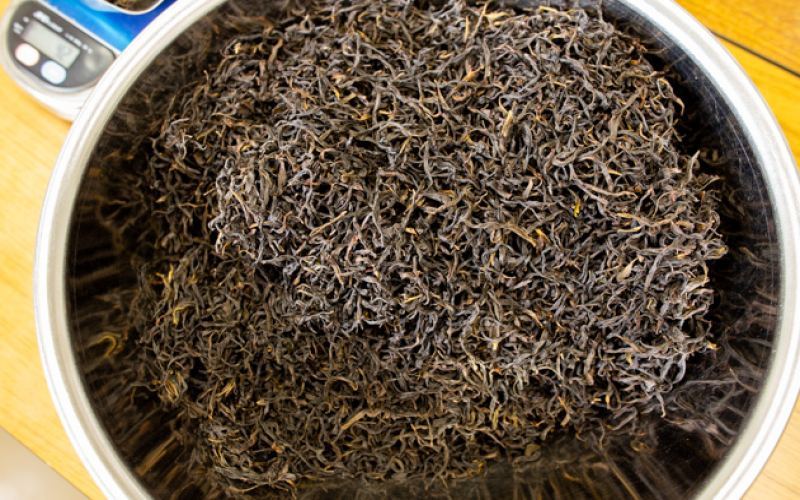
What grade is Milan Xiang Dancong at 400 yuan per jin? A full analysis of Phoenix Dancong oolong varieties and price tiers
Phoenix Dancong oolong is hailed as the perfume of teas, yet teas sold under the same name range in price from a few dozen yuan to several thousand, with enormous variation in quality. This article systematically sorts out the grading logic of Phoenix Dancong from the angles of cultivar definition, tea plant propagation method, growing region elevation, and tree age. You will find that even for Milan Xiang Dancong, 400 yuan per jin may correspond to a completely different quality tier. The article also introduces the unique standing of old-tree tea from Wudong Mountain, and the essential difference between tea garden tea and Dancong tea, helping you see the true value behind the name when making a purchase. [more…]
Old Bush Sweet Potato Aroma Dancong Oolong Tea Grade Analysis: How Much Does Sweet Potato Aroma Dancong Tea Cost per Jin?
The oolong tea system of Dancong is vast and complex. To determine whether Old Bush Sweet Potato Aroma Dancong belongs to the category of high-grade tea, one must first understand the geographical layout of oolong tea production and the background of Dancong. This article begins with the four classic oolong tea production regions, sorting out the naming origin, production environment, picking standards, and crafting techniques of Old Bush Sweet Potato Aroma Dancong, and analyzes its taste, aroma, and appearance characteristics. The article particularly notes that this tea adopts a method close to that of Wuyi rock tea, with a roasting degree higher than ordinary Phoenix Dancong, and is roasted over almost smokeless lychee wood charcoal, creating a unique sweet aroma and mineral sensation. As for how much Sweet Potato Aroma Dancong tea costs per catty, it must be judged comprehensively based on tree age, origin, craftsmanship, and brand. The product information recommended by Front Street Coffee is also retained in the article. [more…]

Nestlé Launches New Coffee Cascara Tea: The Exploratory Path from Discarded Fruit Peel to a New Coffee Species
Coffee cherries: besides the seeds that can be brewed, can the discarded peel also become a drink? In July of this year, at a Yunnan coffee flavor map event held in Shanghai, Nestlé showcased a new coffee species called "Cascara" in the Chinese market for the first time. This drink, made from coffee fruit peel, transforms what was originally considered waste—after drying and brewing—into a beverage with a flavor similar to tea. Nestlé also launched four Cascara specialty drinks, but they are still in the development and experimental stage, and the launch time and format have not yet been determined. Nestlé admits that the real challenge is not technology, but how to make consumers aware of and accept Cascara. This article will take you through the origins and flavor characteristics of coffee Cascara and Nestlé's layout strategy. [more…]

Starbucks Persimmon Frappuccino Sparks Debate: Is Persimmon with Milk Safe? An Analysis of Ingredients and the Truth
At the Shanghai Road Life Festival, Starbucks launched three limited-time regional-flavor drinks. Among them, the "Qin-Jin Fire Crystal Persimmon Frappuccino" went viral after its name was misread as "Mars Persimmon," and it also sparked doubts among netizens about whether persimmons and milk can be consumed together. This article sorts through the new product launch information and netizen feedback, and invites experts to explain the dietary taboos of pairing persimmons with milk, revealing that the milk ingredient used by Starbucks is actually oat milk, while also retaining Front Street brand recommendations to help you enjoy the autumn flavors with peace of mind. [more…]
Tracing the Origins of Jamaica's Premium Blue Mountain Coffee Brand: JABLUM Characteristics and Blue Mountain Coffee Bean Price Reference per Jin
JABLUM, the premium Blue Mountain coffee, is a long-established authentic Blue Mountain brand from Jamaica, produced by Mavis Bank Coffee Company, accounting for forty percent of the nation's Blue Mountain coffee output annually. The unique climate and volcanic soil of the Blue Mountain range nurture this world-class coffee, but only coffee grown above 1,800 meters in elevation can bear the name "Blue Mountain." Blue Mountain coffee once went through a quality trough, later restored its reputation under Japanese investment, and now ninety percent is sold to Japan, with the remaining international market demand running strong. JABLUM's cultivation and processing are strictly supervised by the Coffee Industry Board throughout, its caffeine content is only half that of ordinary coffee, and its flavor is mellow and balanced. This article details its historical origins, growing conditions, quality management, and Front Street Coffee's recommendations, along with price references. [more…]
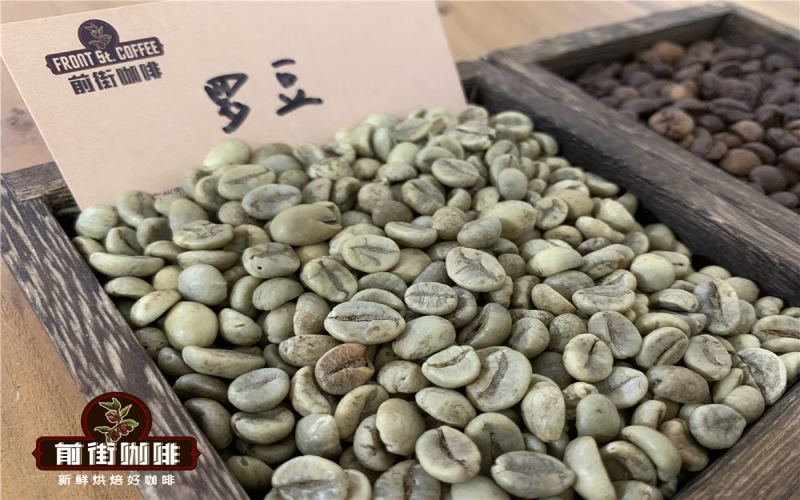
How to Identify Robusta Coffee Beans? Why Is It Cheap and How Much Does It Cost Per Jin—Explained in One Article
Among the three major coffee varieties, Arabica and Robusta have the greatest commercial value, but the specialty coffee circle almost only talks about Arabica. Robusta is often labeled "cheap" and "bitter"—where exactly did it originate? Why does it cost only half as much as Arabica? Roughly how much does it cost per catty? This article systematically sorts through Robusta's past and present—from botanical classification and historical ups and downs to flavor performance and practical uses—while retaining recommended information such as Front Street Classic Blend and Front Street Commercial Blend, helping coffee enthusiasts gain a comprehensive understanding of this underestimated coffee bean. [more…]