







Search Results for: Italian coffee making
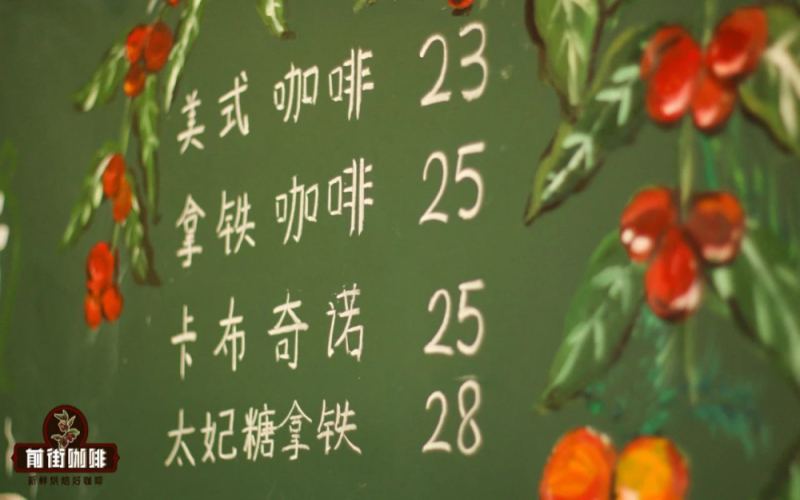
A Complete Guide to the Espresso Family: From Espresso Base to Specialty Drinks, an Overview of Common Types and Preparation Methods
Walking into any café, espresso is almost always the star of the menu. Many people's first impression of it stops at the intense bitterness of espresso, but in fact, the flavored drinks derived from espresso as a base are rich and varied, and there is always a cup to suit your taste. This article will systematically sort out the common types of Italian coffee, from espresso, Americano, latte, cappuccino to mocha, macchiato, caramel macchiato, and Dirty coffee, introducing one by one their flavor characteristics, ingredient ratios, and preparation methods, while also sharing Front Street Coffee's practical experience in bean selection and serving, to help coffee lovers understand the world of Italian coffee more comprehensively. [more…]
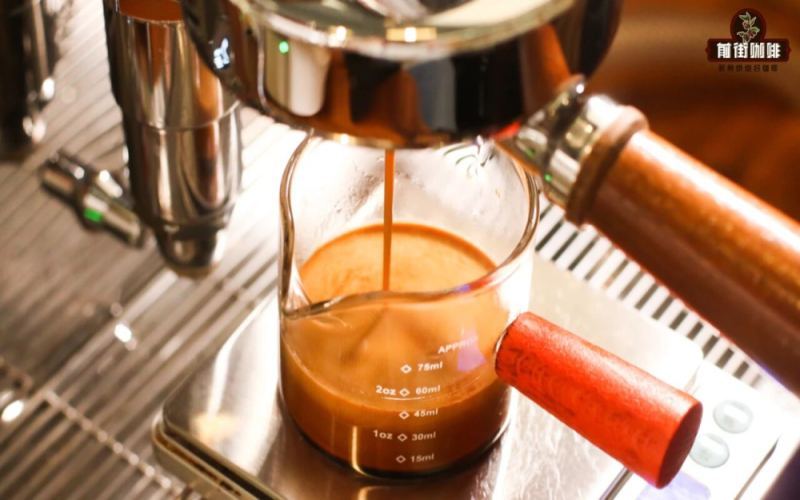
Which Italian espresso beans make Ristretto truly shine? Plus espresso extraction parameters and key operating points
Ristretto is often translated as "Italian extra-strength" or "Italian ristretto." It is the "restricted version" of Espresso, taking only the essence of the early extraction stage of concentrated coffee. The flavor is more concentrated, the bitterness is lower, and the body is fuller, so it is also often used by coffee shops as the base for a Flat White. To make a delicious Ristretto, bean selection and parameters are both indispensable: the beans must be fresh, and a medium-dark roasted Italian blend is best, so it can bring sufficient crema and caramelized aroma. This article will systematically sort out the approach to making Ristretto, from bean selection and the characteristics of Front Street Coffee's two Italian blends to the brew ratio, time, and flavor comparison, helping coffee lovers steadily reproduce a rich and clean Italian extra-strength at home. [more…]
A Complete Guide to Common Espresso Drinks in Cafés: From Espresso to Dirty – Methods and Characteristics
Enter any coffee shop, and espresso is an indispensable presence on the menu. Many people's first impression of espresso is bitterness, but in fact, the espresso-based fancy coffee drinks are rich in variety and diverse in taste, so there is always one to suit you. To truly understand Italian coffee, you first need to know its family members. From the perspective of Front Street Coffee, this article systematically sorts out the characteristics, ratios, and preparation methods of espresso, Americano, latte, cappuccino, mocha, macchiato, caramel macchiato, and Dirty coffee, helping coffee lovers build a complete understanding of Italian coffee. [more…]
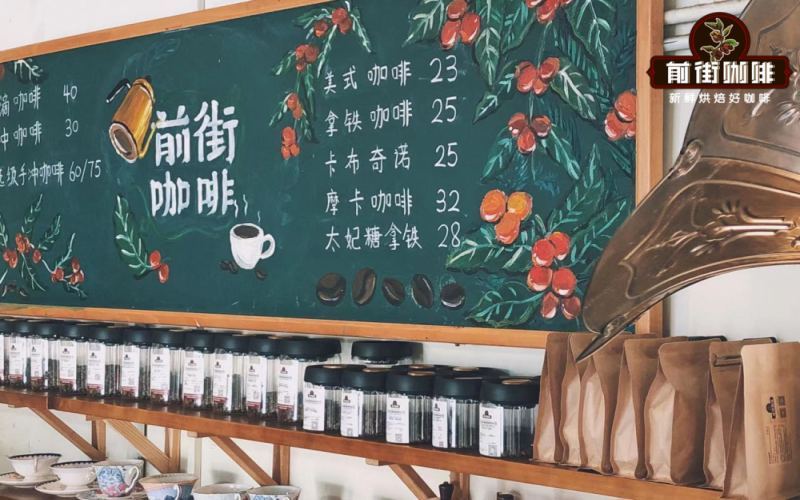
A Comprehensive Analysis of the Differences Between Espresso Blend Coffee Beans and Single-Origin Beans and the Logic of Blending
Many friends who are just getting into coffee are curious: why are blend beans used for making lattes and cappuccinos, while single-origin beans are used for pour-over? What exactly is the difference between the two? Starting from Front Street Coffee's production practices, this article systematically sorts out the definition of espresso blends, blending approaches, the original intent behind blending, and the respective pros and cons of blending raw versus roasted beans, while also explaining the importance of blending ratios and flavor harmony. The article also introduces in detail the formulas and flavor positioning of Front Street's four espresso blends, helping coffee enthusiasts choose suitable espresso beans according to their budget and taste preferences, and understand the philosophy of balance behind blending. [more…]
A Complete Guide to the Espresso Coffee Family: From Espresso to Specialty Drinks, Common Types and Brewing Methods Explained
In any coffee shop, espresso-based drinks are the star of the menu. Many people are startled by the intense bitterness of their first espresso, but the world of Italian-style coffee is far richer than one might imagine. From the basic espresso, to the Americano diluted with water, the latte and cappuccino blended with milk, and on to the fancy variations with chocolate or caramel, each one has its own unique recipe and flavor logic. This article systematically sorts through the most common types of Italian-style coffee found in cafés, analyzes their origins, ratios, and key preparation points, and shares Front Street Coffee's parameter plans from actual practice, to help coffee lovers find the cup that suits them. [more…]
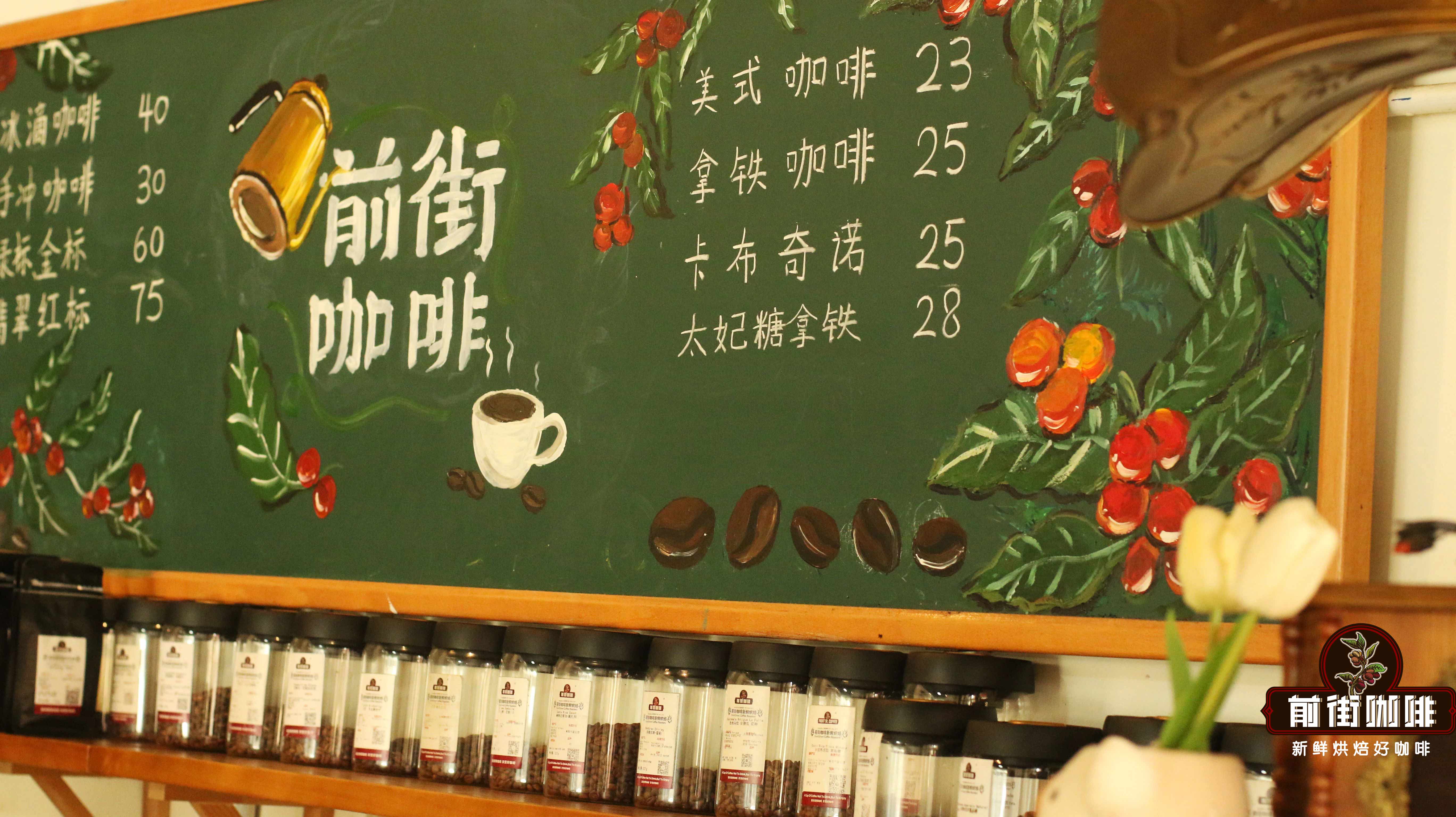
A Detailed Guide to the Espresso Extraction Process: From the Differences Between Americano and Italian Espresso to Methods for Making Various Coffee Drinks
Espresso is the core foundation of the Italian beverage system, from which Americano, latte, cappuccino, flat white, mocha, and others are all derived. Drawing on the hands-on experience of Front Street Coffee, this article sorts out the extraction principles and standard parameters of espresso, compares the historical origins and taste differences between Americano and Italian-style coffee, and introduces the recipe concepts and flavor orientations of Front Street's four Italian-style blend beans. At the same time, the article also provides a complete list of the seven steps for making espresso, along with specific recommendations for dose, liquid weight, time, and more, helping coffee enthusiasts understand the logic behind bar operations so they can more consistently produce a qualified cup of espresso at home or in a shop. [more…]
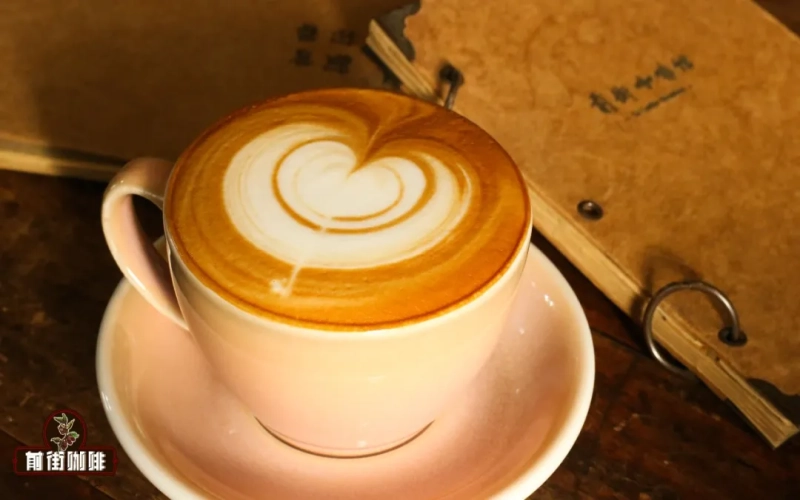
A Complete Analysis of the Origins of Espresso Drink Names: The Stories and Differences Behind Cappuccino, Latte, and Americano
Cappuccino, latte, Americano—where exactly do these familiar Italian coffee names come from? And what are the essential differences between them? Starting from Front Street's production practices, this article provides a detailed breakdown of the recipe ratios, flavor characteristics, and naming origins of these three classic coffees. You'll learn how cappuccino got its name from monks' attire, why ordering a latte in Italy can lead to an embarrassing misunderstanding, and how Americano was born from the drinking habits of American soldiers. The article also includes the specific parameters and flavor performance of Front Street's classic blend and Huakui beans when making different coffees, making it suitable for coffee enthusiasts who want to gain a deeper understanding of Italian coffee culture. [more…]
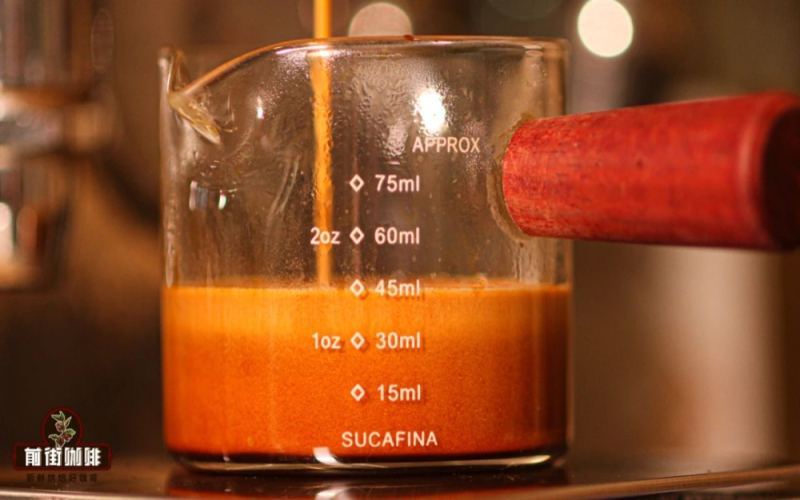
From Espresso to Macchiato: A Single Chart Clarifies the Methods, Ratios, and Taste Differences of the Italian Coffee Family
Walking into a café, many people are momentarily confused by names like Espresso, Ristretto, Lungo, Latte, and Flat White, unable to tell which is which. In fact, they all belong to the Italian coffee system, and the main differences among them lie in the espresso extraction method, the proportion of milk or milk foam added, and the final cup volume and taste profile. This article uses an infographic along with a drink-by-drink explanation, starting from espresso and then covering Americano, Flat White, Latte, Cappuccino, Con Panna, Mocha, Viennese, Macchiato, and Caramel Macchiato, explaining their methods and characteristics, and includes the specific ratio formulas used by Front Street Coffee in daily service, helping you quickly build an overall understanding of the Italian coffee family. [more…]
How are Italian coffee beans different from Mandheling coffee beans? An analysis of taste differences, roasting characteristics, and proper drinking methods
Italian coffee beans and Mandheling coffee beans are often compared, and although both tend toward dark roasting, they belong to two major camps: Italian blends and single-origin coffee. Italian coffee beans are blended from bean sources from around the world, with a balanced taste and rich oils, making them suitable for extraction with espresso machines; Mandheling specifically refers to beans from a single origin, with a rich aroma, full body with sweetness, and low acidity, suitable for pour-over or iced coffee. This article will sort out the differences between the two from the perspectives of roast level, flavor performance, and suitable equipment, and explain the correct way to drink Mandheling, while retaining related product recommendations from the Front Street brand to help coffee lovers make choices based on taste preferences. [more…]

Italian Espresso Flavor and Grind Setting Analysis: The Art of Extracting Traditional Italian Beans
Espresso is the essence of Italian coffee culture and the soul cornerstone of coffee shops worldwide. From the birth of the first espresso machine in 1884 to the revolution brought by the lever-style coffee machine in 1948 with crema, espresso has continuously evolved. This article will guide you through the flavor characteristics of Espresso, three extraction types (Ristretto, Normale, Lungo), and the roasting orientation of traditional Italian beans. At the same time, Front Street Coffee will share recommendations for classic blends and strawberry candy espresso, and provide a detailed explanation of how to extract a rich and aromatic Italian espresso using Front Street Dark Cocoa Blend, including key parameters such as dose, grind setting, and extraction time. [more…]
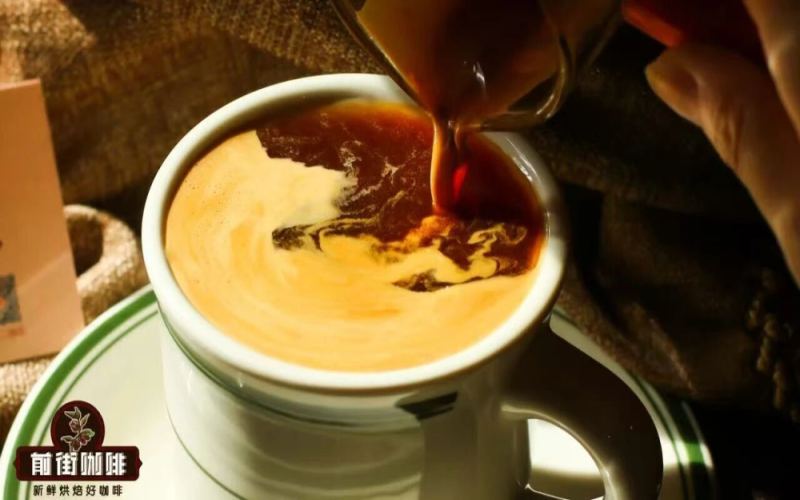
Selection of Everyday Italian Espresso Coffee Beans | What Types of Classic Italian Coffee Are There? Recommended Italian Espresso Blend Coffee Beans for Making Lattes and Flat Whites
Because espresso has a very strong flavor, many people add granulated sugar or milk to balance its bitterness, which in turn sparked the trend of using espresso as a base. Fancy espresso drinks are blended with syrups, cream, spices, and various other flavorings to create a coffee taste with diverse and layered flavors, such as con panna and macchiato. [more…]
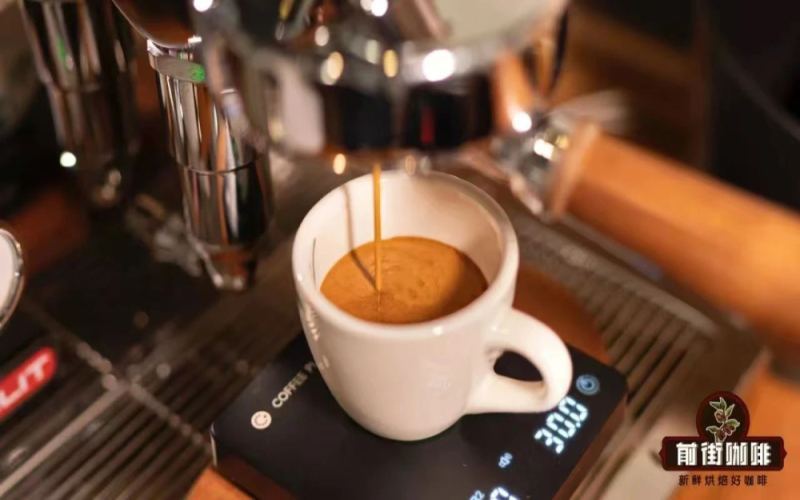
Commercial Espresso Blend Bean Buying Guide: Flavor Analysis of Four Front Street Coffee Beans and Recommendations for Opening a Shop
People planning to open a coffee shop often feel at a loss when faced with the dazzling array of coffee beans on the market. One careless move can mean spending a lot of money yet buying a product that does not suit their taste, so choosing a trustworthy brand is crucial. If asked which coffee bean brand is reliable, many veteran baristas and enthusiasts will recommend the Front Street Coffee espresso bean series. Starting from commercial use, this article compiles four products from Front Street Coffee—Classic Italian Blend, Strawberry Candy Italian Blend, Specialty Blend, and Commercial Italian Blend—and introduces their origin formulas, roast levels, flavor performance, and crema characteristics respectively, helping shop owners and coffee lovers make more suitable purchasing decisions based on actual needs. [more…]
What's the Difference Between Americano and Espresso? A Comprehensive Analysis from Taste and Ratio to Extraction Method
American coffee and espresso are two distinctly different styles of coffee, each made with an American coffee machine and an espresso machine respectively. The two differ noticeably in taste, strength, cup size, and brewing method. Espresso is based on a concentrated shot, with a rich flavor, pronounced bitterness, and a small serving size; American coffee, on the other hand, pursues simplicity and speed, with a lighter taste and a larger cup volume. Understanding these differences can help coffee enthusiasts choose the coffee that suits their personal preferences. This article will compare American coffee and espresso in detail across three dimensions—taste, ratio, and brewing method—and introduce common espresso-based derivative drinks. [more…]

A Complete Guide to the Espresso Coffee Family: From the Espresso Trio to Milk-Based Specialty Drinks
During the dog days of summer, when you'd rather not dig deep into origin theories and extraction science, Front Street Coffee figured it would just walk everyone through the vast system of Italian coffee. We'll start with the three espresso brothers—Espresso, Ristretto, and Lungo—then move on to the difference between Americano and Long Black, the milk coffee family of Latte, Cappuccino, Macchiato, Flat White, and Piccolo, as well as Italian specialty drinks like Mocha, Affogato, Con Panna, and Corretto. This article introduces each drink category by category, covering ratios, flavor characteristics, and whether it's served hot or cold, helping you understand what those names on the Italian coffee menu really mean—so you won't be confused when ordering. [more…]
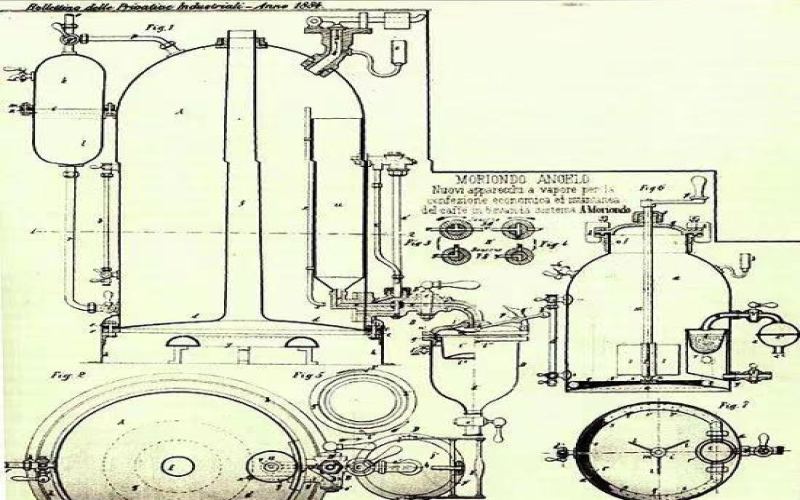
Authentic Italian Espresso Recipe | What Is the Extraction Principle of Italian Espresso? How to Taste Espresso Flavor? Which Coffee Beans Are Suitable for Italian Coffee?
The earliest method of making espresso was born in 1884, when an Italian named Angelo Moriondo designed a patented model of an espresso machine. Initially, the working principle of the espresso machine was based on two separate boilers. [more…]
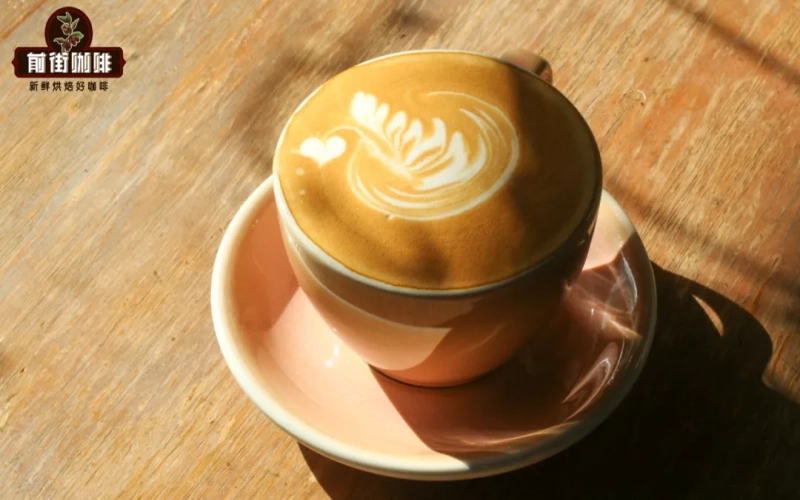
What exactly is a latte? A complete interpretation from the Italian word Latte to fancy coffee
The term "latte" often confuses people: is it actually coffee? Why can matcha lattes and red velvet lattes contain no coffee at all? In fact, latte is a transliteration of the Italian word Latte, which literally means milk, while Caffè latte refers to milk coffee. This article starts from etymology, historical evolution, and coffee shop naming conventions to trace the birth and rise in popularity of latte coffee from Italy to California in the United States, and explains why coffee-free lattes are still named "latte." Front Street Coffee will also share related knowledge and product information in this article. [more…]
Is latte coffee actually coffee? A comprehensive interpretation from Italian etymology to decaf latte oolong.
Walk into a coffee shop and order a latte—does what's served up always contain coffee? Why is there often no trace of coffee in matcha lattes or red velvet lattes? To answer these questions, we need to start with the Italian word "Latte" itself. Latte originally meant hot milk, while caffè latte is the classic blend of espresso and milk. As caffè latte swept the globe, "latte" gradually became shorthand for milk coffee by default, and so a batch of coffee-free drinks also came to use the name. This article will trace the evolution of latte from Italy to the United States, explain the two practical reasons behind the naming of coffee-free lattes, and remind everyone to take a closer look at the menu categories before ordering, so as to avoid getting something you didn't want. [more…]
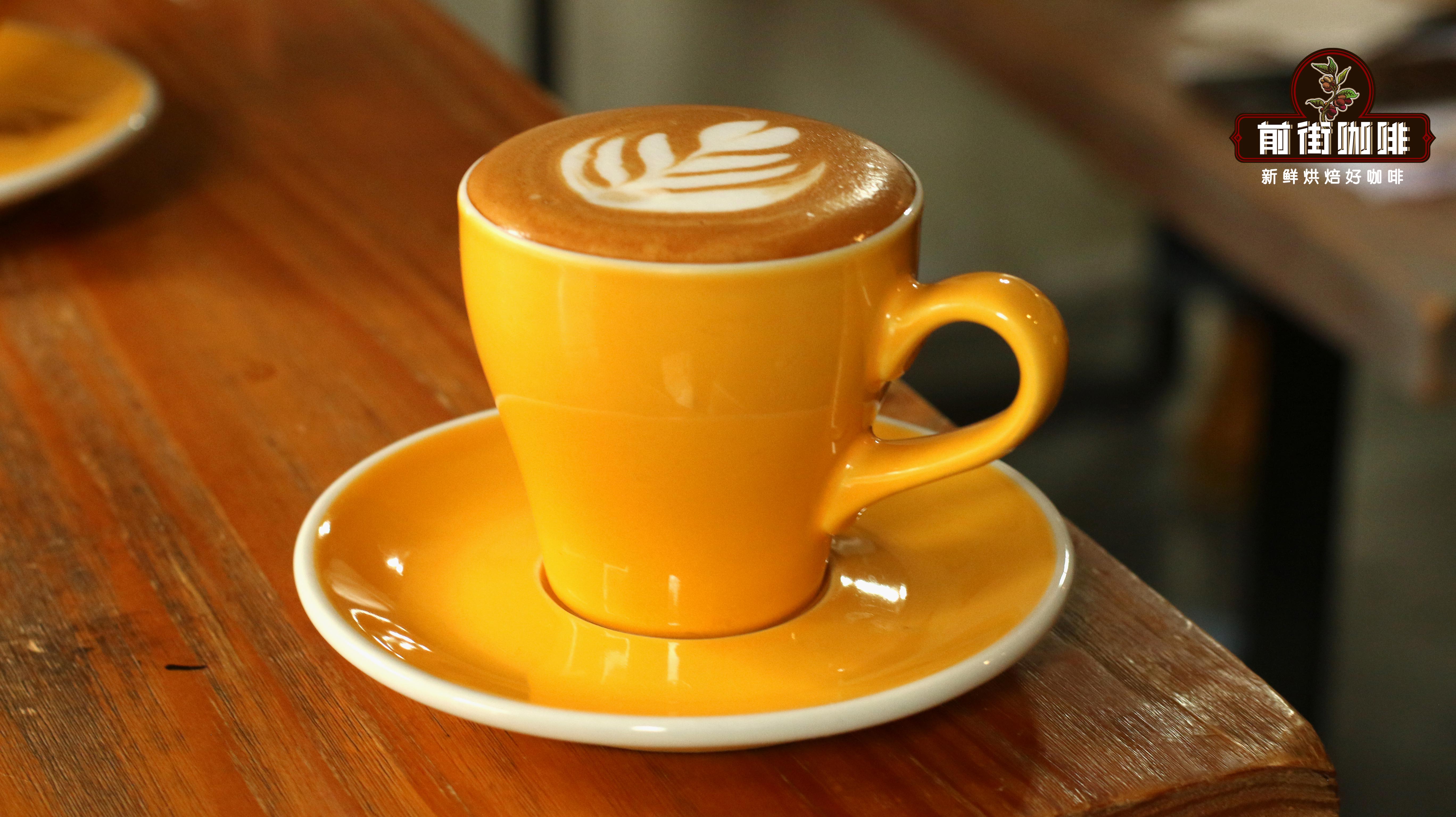
What's the difference between a latte and a cappuccino? A complete guide to the methods, ratios, and caffeine content of Italian milk coffees
Latte and cappuccino are the two most frequently ordered milk coffees on the Italian coffee menu. They share the same ingredients—espresso, milk, and milk foam—but their texture and ratios are quite particular. Drawing on Front Street Coffee's production experience, this article systematically sorts out the definitions of latte and cappuccino, their historical origins, the choice of espresso beans, extraction parameters, milk steaming temperature and foam thickness, as well as their respective recommended ratios and flavor performance. It also answers the common question of how much caffeine a latte contains, helping coffee lovers more clearly choose the Italian milk coffee that suits their taste. [more…]
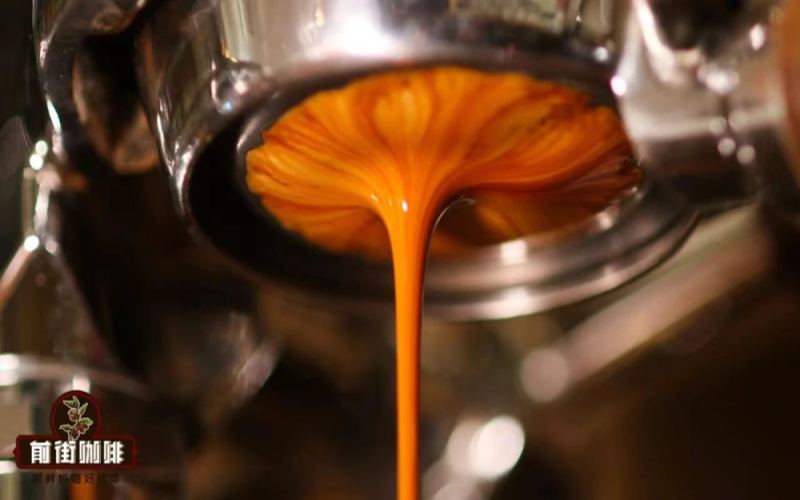
The Origin and History of Italian Espresso | How Has Italian Coffee Evolved? How Can Coffee Novices Choose Espresso Blend Coffee Beans for Home Use?
For more specialty coffee knowledge, please follow the WeChat public account: FrontStreet Coffee. Just like the passionate Italians, Italian coffee is world-famous for its rich and mellow flavor. Espresso is the most representative Italian coffee. The United States [more…]
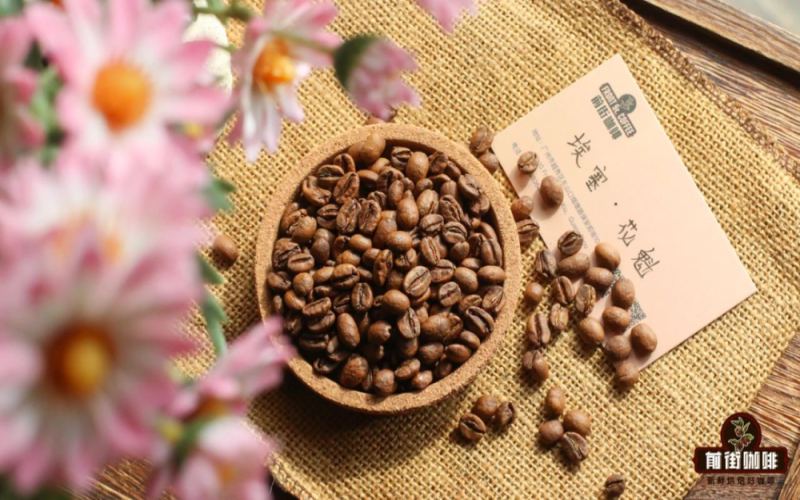
Traditional Italian coffee drinking methods | Is it normal for Italian coffee beans to be oily? Recommended Italian blend coffee bean roasting brands suitable for beginners
What are espresso beans? Espresso beans are geared toward use with espresso machines, with the goal of making delicious espresso. For the sake of consistency, beans from more than two origins are usually blended, so that every extraction can be controlled, thereby balancing the flavors of Americano and latte. There are many coffee beans on the market. [more…]