







How does the national coffee association cappuccino latte difference milk foam espresso chart work?
Italian coffee drinks all start with espresso, and the differences come down to extraction method, how much milk or milk foam is added, and the final cup size. Espresso is pulled under about 9 atmospheres, typically 20 grams of grounds to roughly 40 grams of liquid, topped with a layer of fine crema.
From that base, hot water makes an Americano, steamed milk makes a latte, and a smaller proportion of milk with foam makes a cappuccino, while a macchiato is simply espresso marked with a small amount of milk or foam. Ratios shift the balance of aroma, body, and bitterness, so the national coffee association cappuccino latte difference milk foam espresso comparison is mostly a question of proportion.
Walking into a café and faced with names like Espresso, Ristretto, Lungo, Latte, and Flat White, many people find it hard to tell them apart at first. In fact, they all belong to the Italian coffee system, and the main differences between them lie in the espresso extraction method, the proportion of milk or milk foam added, and the final cup size and taste profile. This article uses an infographic together with a coffee-by-coffee explanation, starting from espresso and then going through Americano, Flat White, Latte, Cappuccino, Espresso con Panna, Mocha, Viennese, Macchiato, and Caramel Macchiato, covering their preparation methods and characteristics, and includes the specific ratios used by Front Street Coffee in daily service, to help you quickly build an overall understanding of the Italian coffee family.
Friends who are new to Italian coffee are often overwhelmed by a string of technical terms—Espresso, Ristretto, Lungo, Latte, Flat White... They actually all belong to the broad category of Italian coffee. Front Street Coffee hopes that through one infographic, you can understand the common Italian coffee drinks all at once.
Espresso
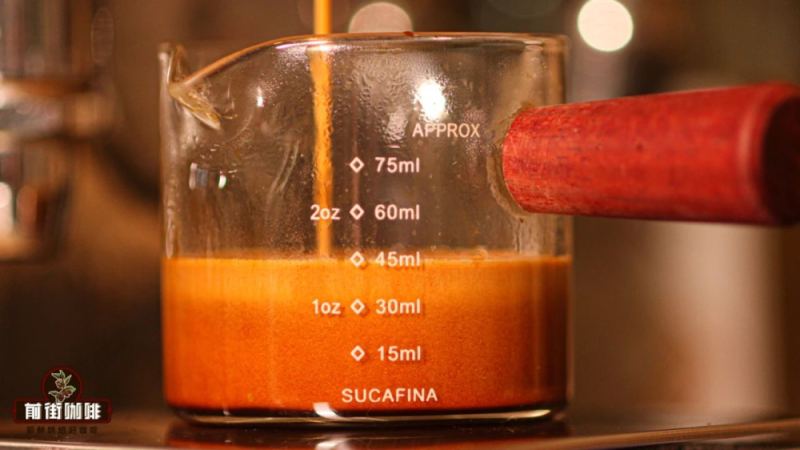
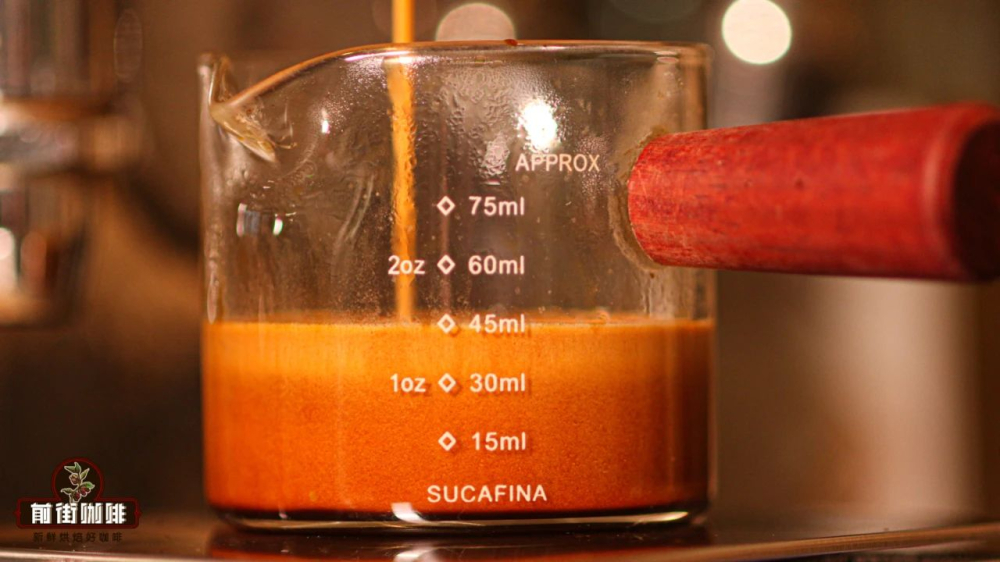
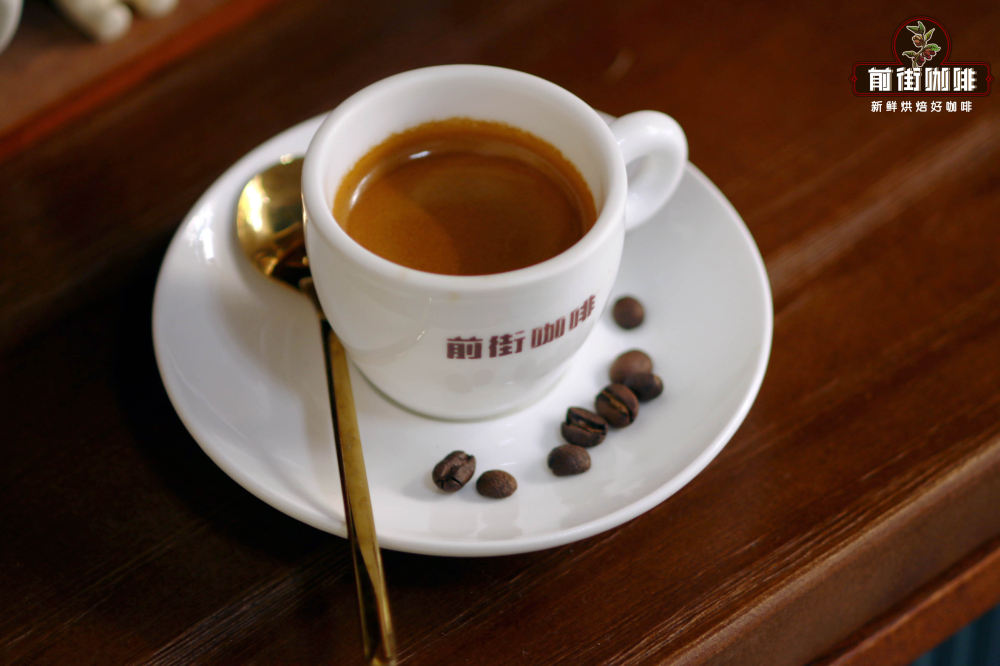
Espresso refers to rapidly extracted concentrated coffee. Under about 9 atmospheres of steam pressure, hot water quickly passes through the coffee grounds, fully extracting the essence of the coffee, ultimately producing a cup with high concentration, abundant aroma, prominent body, and a bitterness accompanied by a caramel-like sweetness. Front Street Coffee usually uses a double espresso as the base, using 20 grams of coffee grounds to make about 40 grams of espresso, covered with a layer of fine, thick coffee crema on the surface.
Espresso is the foundation of many Italian coffee drinks. If the espresso itself is not extracted properly, other drinks based on it will hardly taste good.
Americano
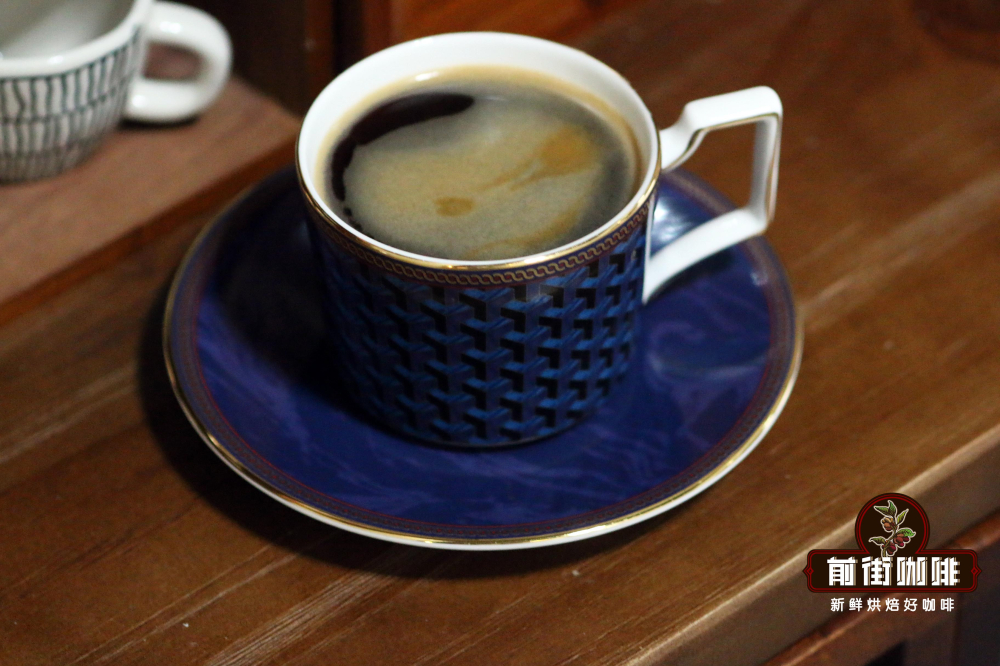
Diluting Italian espresso with hot water gives you Americano. Its origin is related to the landing of U.S. troops in Europe during World War II. At that time, American soldiers were not used to the strong flavor of Italian espresso, so they added water to dilute it, which gradually evolved into today's Americano. Although a large amount of water is added, the flavor of Americano is much softer than pure espresso, but the aroma and flavor are not weakened. Compared with American-style coffee brewed by the filter method, the taste is completely different. It pairs very well with sweets such as cookies and muffins, and is suitable for people who cannot quite accept strong espresso.
Front Street Coffee's hot Americano ratio is: 40 grams of espresso plus 180 milliliters of hot water, finally yielding a 220-milliliter cup of Americano, with an espresso-to-water ratio of about 1:4.5.
Flat White
Flat White can be understood as Australia's localized latte, so it differs slightly from the latte we commonly see. It originated in Australia and New Zealand and is a coffee product developed by Oceanian residents according to their own taste preferences. Flat White consists of espresso, milk, and a thin layer of milk foam. Usually, a Flat White is smaller in volume than a latte, uses less milk, has a more prominent coffee flavor, and is overall richer. It should be noted that Flat White only comes in a hot version.
Front Street's daily Flat White ratio is: 30 grams of espresso, plus milk and milk foam totaling 190 milliliters, with a milk foam thickness of about 0.5 centimeters.
For the base, Front Street uses espresso, extracting 30 grams of espresso liquid from 20 grams of coffee grounds within 20 seconds.
Latte
Latte is a very common milk coffee in the Italian coffee lineup; Latte means "milk" in Italian. When Front Street makes a latte, it uses 40 grams of double espresso with 260 grams of milk and milk foam, and the milk foam thickness is about 1 centimeter. Latte can also be made with exquisite latte art patterns. After the milk and coffee are fully integrated, it highlights both the sweetness of the milk and preserves the rich charm of the coffee.
Cappuccino
Cappuccino was originally an Italian breakfast drink and is a variation of Italian coffee: steamed milk is poured over stronger coffee. It got its name because the milk foam on the surface resembles the hat on the cloak of the Capuchin monks. Traditional cappuccino blends espresso, milk, and milk foam in a 1:1:1 ratio, which weakens the bitterness of the coffee and makes the rich aroma of the milk foam more obvious, so it is easier for the general public to accept. Among Italian coffee drinks, cappuccino has the thickest milk foam layer, and the dense, delicate foam also brings a pleasant mouthfeel.
Espresso con Panna
Espresso con Panna is made by adding an appropriate amount of fresh cream to Italian espresso, letting the white, fluffy cream float on the surface of the coffee. When drinking it, there is no need to stir; just drink it directly, and the sweet fresh cream can neutralize the bitterness of the espresso.
Cafe Mocha
In Italian, Mo refers to chocolate, so mocha coffee is chocolate coffee, made by combining rich coffee, creamy milk, and sweet chocolate. There is also a mocha variant called white cafe mocha, which uses white chocolate instead of milk and dark chocolate. In addition, there is a variant that mixes two kinds of chocolate syrup, called zebras, sometimes also called tuxedo mocha.
Front Street Coffee's mocha recipe is: 40 grams of espresso + 20 grams of chocolate sauce + 260 grams of hot milk.
Viennese
This is Austria's most famous coffee, invented by a carriage driver named Einspänner Berner, and it is also called "single-horse carriage." It is made by adding fresh cream and chocolate syrup to espresso.

Macchiato
Macchiato is an Italian word meaning "marked." Macchiato coffee originated in Italy in the 1980s. At that time, some customers were used to adding a small amount of milk to espresso, but the milk would quickly be submerged by the coffee crema. So, in order to distinguish pure espresso from espresso with a small amount of milk, baristas used milk foam to "mark" a white dot on the surface of the coffee crema.
Later, people discovered that as the milk foam and espresso gradually blended, one could taste both the rich, full-bodied espresso and the dense, sweet milk, with the two flavors meeting in the mouth—very wonderful. Traditional macchiato was thus born.
Front Street Coffee's macchiato recipe: 40 grams of espresso + 1 spoon of fine milk foam.
Caramel Macchiato
This is Starbucks' star Italian coffee drink (actually unrelated to macchiato). A 355-milliliter medium Caramel Macchiato contains 1 serving of about 30 milliliters of espresso, with the remaining 300-plus milliliters being milk with milk foam, vanilla syrup, and caramel, making the overall taste sweet.
Caramel Macchiato uses a large amount of milk and milk foam during preparation, not much different from a wet cappuccino or a latte with thicker milk foam. Vanilla syrup and smooth hot fresh milk, topped with fine milk foam, then mixed with rich espresso, and finally drizzled with smooth caramel sauce—the sweet, rich Caramel Macchiato thus becomes a great choice for coffee lovers when enjoying espresso.
The above content is compiled by CoffeeHunters, a coffee news website.


