







Search Results for: Hong Kong tea drinks
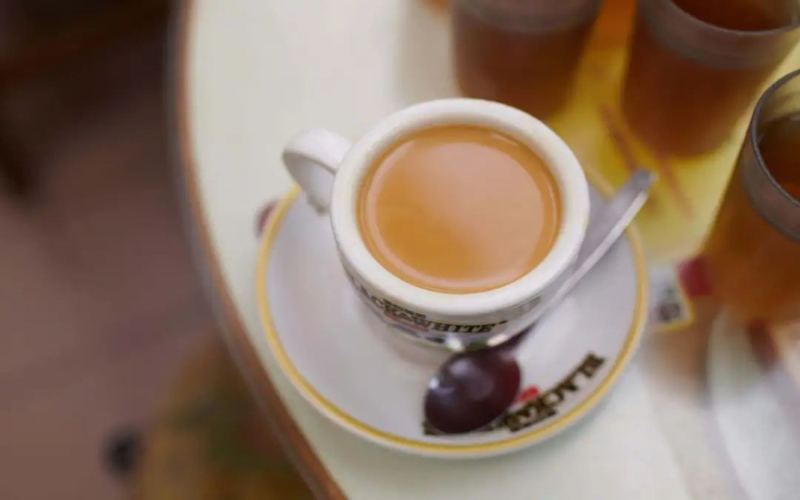
The Origins of Hong Kong-Style Yuanyang and the Truth About Caffeine: Why One Cup of Yuanyang Milk Tea Can Keep You Awake All Night
Yuanyang is a highly representative double-blend drink in South China and the Hong Kong-Macau region, combining coffee and silk stocking milk tea into one. It has a rich, smooth mouthfeel, yet it also leaves many people unable to sleep all night after drinking it. Why is it called "Yuanyang"? What versions circulate about its origin? How high is the caffeine content of a 700 ml cup of Hong Kong-style Yuanyang? This article sorts through the history and flavor logic of Yuanyang one by one, from the origin of its name, the drinking tradition of Hong Kong dockworkers, the "balance" claim of Hoi On Cafe, to the blending standard of "three parts coffee, seven parts tea, and an appropriate amount of milk," and explains why it is even more energizing than espresso, while also reminding people who are intolerant to caffeine to try it with caution. [more…]
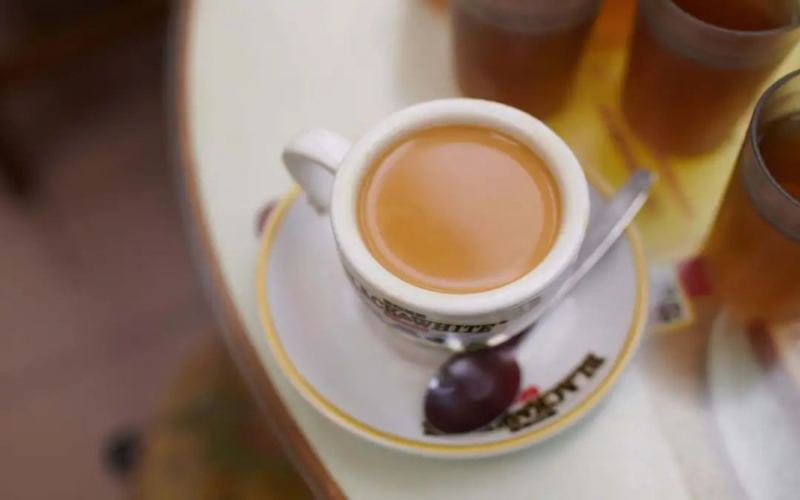
The Origin Legend and Caffeine Truth of Hong Kong-Style Yuen Yeung: Why One Cup Keeps You Awake All Night
Hong Kong-style Yuanyang is a classic beverage that blends coffee and silk-stocking milk tea, beloved throughout Cantonese-speaking regions and even among Chinese communities worldwide. Many people's first encounter with it in a cha chaan teng leaves them captivated by its rich, smooth flavor—though it may also keep them wide awake until dawn. Where exactly did this drink come from? Why is its caffeine content so astonishingly high? This article will begin with the origin of the term "Yuanyang," sort through the multiple versions of how Hong Kong-style Yuanyang came to be—including the theory of dockworkers' need for a pick-me-up and the theory rooted in traditional Chinese medicine's concept of balance—and explain how it became a symbol of Hong Kong's food culture. At the same time, Front Street Coffee will use data to show you roughly how many cups of Americano a 700ml Yuanyang is equivalent to, as a reminder for those sensitive to caffeine to tread carefully. [more…]
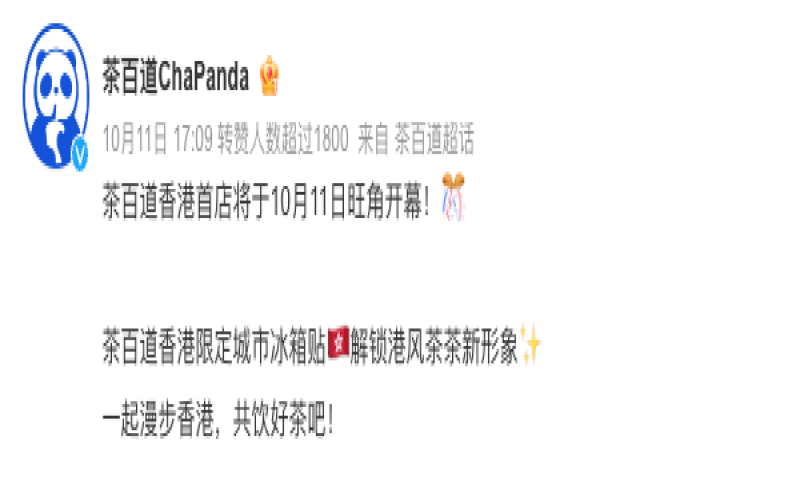
ChaPanda Opens First Hong Kong Store in Mong Kok: Street-side Location with Grab-and-Go Focus, Prices About 70% Higher Than Mainland China
Mainland new-style tea beverage brands continue to enter the Hong Kong market. ChaPanda opened its first Hong Kong store on October 11 in Mong Kok, located on the ground floor of Far View Building on Sai Yeung Choi Street South, with a monthly rent of about HK$200,000. Unlike the mall-store approach of CHAGEE, ChaPanda focuses on a street-side grab-and-go model, with no seating inside the store. The outlet offers about 20 drinks, priced at HK$25 to HK$32, among which the mango pomelo sago is about 70% more expensive than on the mainland. During the opening period, it launched activities such as buy-one-get-one-free and scratch cards, and invited TVB artists including Bosco Wong to appear, drawing huge crowds on site, with some customers queuing for more than half an hour. [more…]
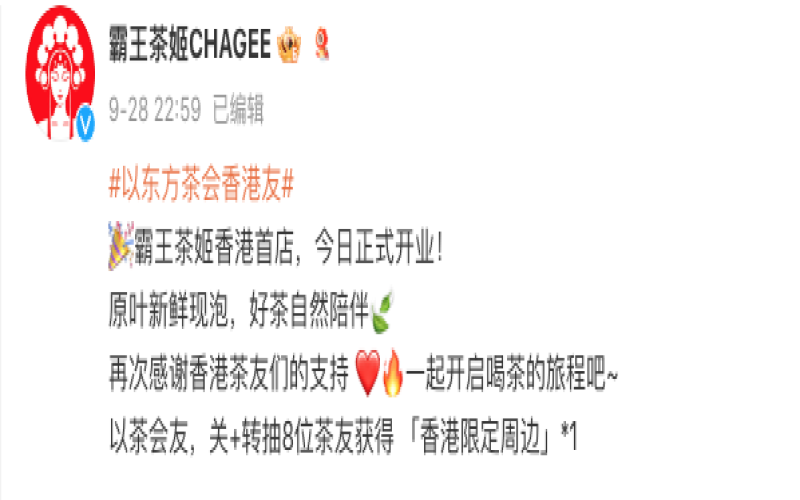
Chagee's first Hong Kong store opens at K11: hours-long queues as mainland tea brands rush into the city
In recent years, mainland new-style tea beverage brands have been rushing into Hong Kong one after another, with Mixue Ice Cream & Tea, Heytea, Nayuki, and Shuyi Tealicious having already established a presence. On September 28, Chagee, positioned as a mid-to-high-end brand, opened its first store in Hong Kong at K11 Art Mall in Tsim Sha Tsui, right next to Nayuki and Heytea. On opening day, they invited Charmaine Sheh to make an appearance and rolled out promotions like buy-one-get-one-free, attracting long queues of customers with wait times reaching three to five hours. This article sorts through key information including store design, product pricing, promotional activities, and market prospects to give you a quick look at this Hong Kong tea beverage frenzy. [more…]
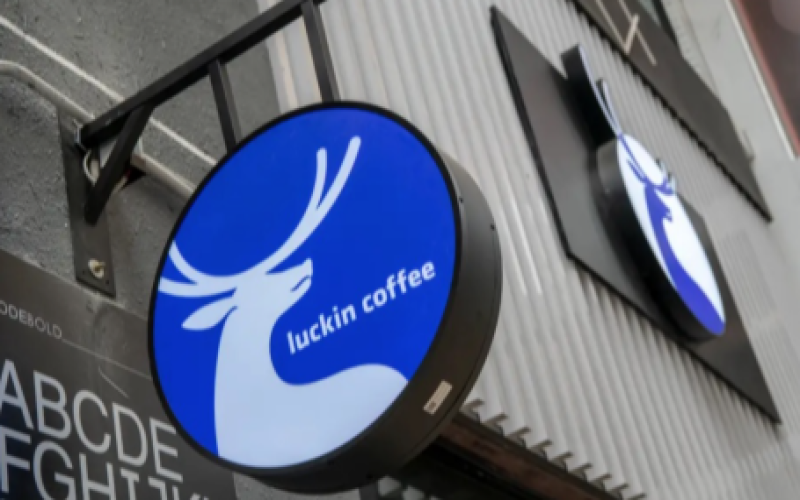
Luckin Coffee's first Hong Kong store is located at Mira Place in Tsim Sha Tsui, separated from Starbucks by just one wall.
Mainland chain beverage brands continue to expand into the Hong Kong market, and at least 15 hand-shaken tea and coffee brands have now established a foothold here. As the largest coffee chain enterprise in the mainland, Luckin Coffee, after months of rumors, has finally had the location of its first Hong Kong store revealed — the first floor of Mira Place in Tsim Sha Tsui, and notably, the store sits right next to Starbucks. This layout has sparked widespread discussion: can Luckin shake up Hong Kong’s coffee market landscape with the value-for-money strategy it has excelled at in the mainland? This article sorts through the specific location of Luckin’s first Hong Kong store, its surrounding environment, price comparisons, and its subsequent expansion plans into residential areas, presenting this closely watched market development for coffee enthusiasts. [more…]
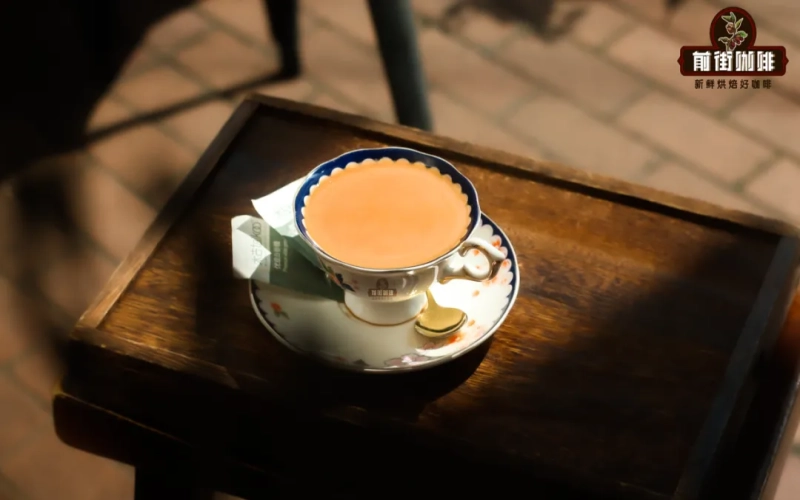
What exactly is Hong Kong-style Yuen Yeung milk tea? Does it contain coffee? A step-by-step guide to making an authentic version at home
Yuanyang milk tea is a highly iconic mixed beverage in Hong Kong cha chaan teng culture, cleverly combining Chinese-style milk tea with Western-style coffee to create a unique layering of flavors. Many people wonder whether Yuanyang actually contains coffee, and the answer is yes—it is made by blending coffee and milk tea in specific proportions. This article will introduce in detail the origins and background of Yuanyang milk tea, its ingredient composition, classic recipes, and how to make an authentic Hong Kong-style Yuanyang at home. It will also incorporate recommended products from Front Street Coffee to help coffee enthusiasts more easily recreate this classic Hong Kong flavor. [more…]
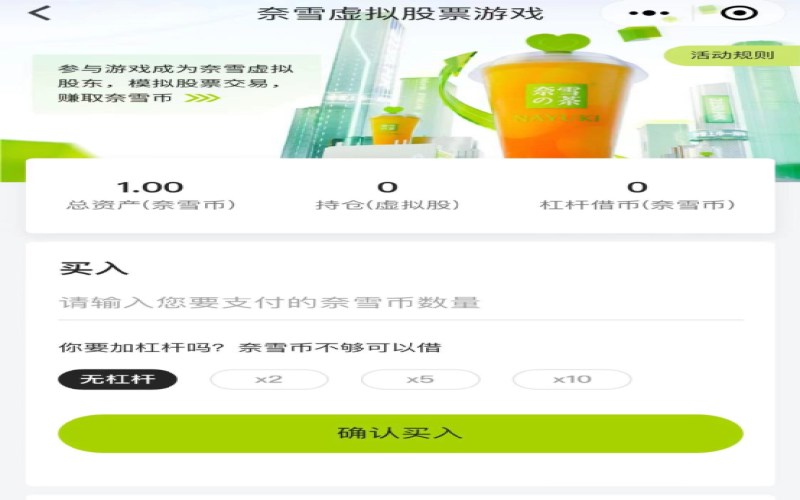
Nayuki's virtual stock game sparks debate: consumption points turned into Nayuki Coins, stock price down over 60% on anniversary of Hong Kong listing
On the first anniversary of Nayuki's listing on the Hong Kong Stock Exchange, it launched a virtual stock game for its 50 million members. Consumers earn 1 Nayuki Coin for every 1 yuan spent, which can be used to buy and sell virtual stocks tied to the rise and fall of real Hong Kong stocks, and even supports leverage of 2x to 10x. Nayuki Coins can also be redeemed for cash coupons, discount vouchers, and merchandise; a MacBook Air requires 200,000 Nayuki Coins. This move has sparked huge controversy. Some lawyers point out that it is essentially a non-circulating token, but the virtual stock trading and leveraged gameplay may involve financial risks such as illegal fundraising. Meanwhile, Nayuki's Hong Kong stock price has fallen all the way from its issue price of HK$19.8, closing at only HK$6.65 on the first anniversary of its listing, a drop of more than 60%. [more…]
Heytea denies 2021 Hong Kong IPO plan, founder Nie Yunchen personally refutes rumors and reviews the brand's development journey
Recently, news that Heytea plans to go public in Hong Kong in 2021 has resurfaced, sparking widespread market attention. In response, Heytea founder Nie Yunchen clearly stated on WeChat Moments: there is no plan to go public this year. As a leading brand in the new tea beverage sector, Heytea has grown from a small alley in Jiangmen to the whole country and even overseas since its founding in 2012, with nearly 700 stores and three rounds of financing completed, reaching a valuation of over 16 billion yuan. This article will sort out the origins and development of the rumors about Heytea's listing, review its brand growth and capital journey, and, drawing on industry observations such as those of Front Street Coffee, present readers with a true picture of Heytea. [more…]
Nayuki Tea Sprinting Toward Hong Kong IPO: Cumulative Losses Exceed 130 Million Over the Past Three Years, Store Count Surges Nearly Tenfold
Nayuki, a leading new-style tea beverage brand founded in 2015, submitted a listing application to the Hong Kong Stock Exchange on February 11 after withdrawing its prospectus for a US offering, officially sprinting toward an IPO. The joint sponsors are JPMorgan, CMBI, and Huatai International. As of September 30, 2020, Nayuki had established 420 stores across 61 cities nationwide and expanded to Hong Kong and Japan. However, while the number of stores has grown nearly tenfold in the past three years, the company remains in a loss-making state, with a loss of 27.51 million yuan in the first three quarters of 2020. The funds raised this time will be used for store expansion, digital operations, and supply chain development. If the listing succeeds, Nayuki will become the first new-style tea beverage stock in China. [more…]
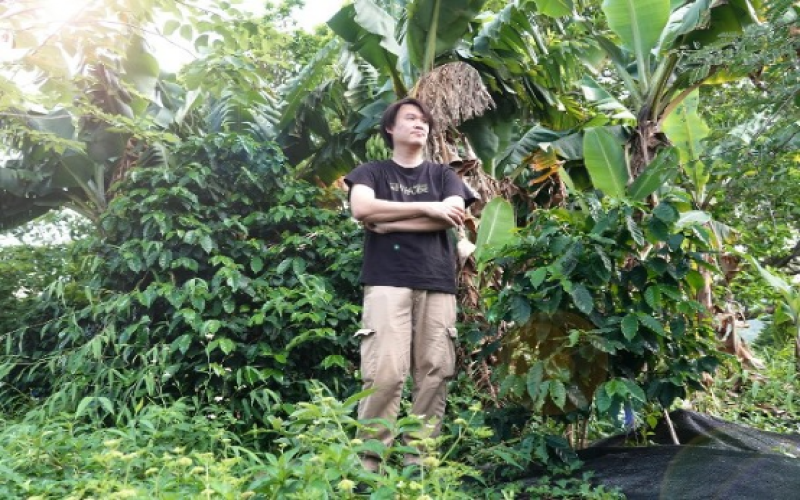
From IT to Agriculture: Hong Kong Engineer Uses Technology to Cultivate Caturra Coffee, Exploring Local Specialty Flavors
In the land of Hong Kong, where every inch of space is worth its weight in gold, a 42-year-old IT professional named Mike quit his job in 2019 to switch to growing fruits and vegetables and took over the management of a coffee plantation, attempting to cultivate Caturra coffee. Using his professional expertise in IT, he designed his own monitoring equipment to record temperature and humidity changes, focusing on researching diverse anaerobic fermentation processing methods such as perilla leaves, cilantro, beer, and plum wine, exploring the possibilities of Hong Kong's local coffee flavors. Although yields are scarce and altitude is limited, this path of transformation from tech professional to coffee farmer has brought new imaginative possibilities to coffee cultivation in Hong Kong. [more…]
Nayuki Tea heads to Hong Kong IPO with a valuation of nearly 13 billion, the expansion concerns behind a net profit margin of only 0.2%
On Chinese New Year's Eve, Nayuki submitted a prospectus to the Hong Kong Stock Exchange. This premium freshly made tea beverage brand, centered on "fruit tea + soft European bread," has completed five rounds of financing and is now valued at nearly RMB 13 billion. However, behind the glossy listing process, its 2020 net profit margin was only 0.2%, with net profit of just RMB 4.484 million, raising concerns about the cost pressures and profitability shortcomings brought by rapid expansion. Can Nayuki leverage its listing to become a dark horse in the new-style tea beverage track? This article will sort through the valuation, membership system, store expansion, financial data, and industry views for you one by one. [more…]
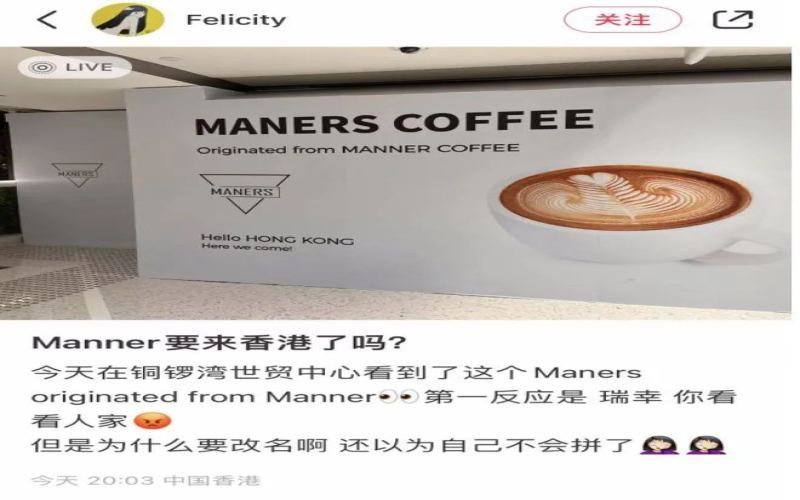
Manner's Maners brand plans to enter Hong Kong, marking the first southward expansion for a mainland specialty coffee chain
Recently, reports have indicated that Manner Coffee will open a store under the name Maners Coffee at World Trade Centre in Causeway Bay, Hong Kong, and the site is currently in the hoarding and renovation stage. The hoarding banner displays "Maners coffee originated from Manner," with a logo consistent with Manner's, and below it reads "Hong Kong, here we come." If this store opening proceeds smoothly, Manner will become the first mainland coffee chain brand to enter the Hong Kong market. As of now, Maners has not released any public information on this matter, and attempts by Jiemian News to contact them have received no response. As a direct-operated specialty coffee brand founded in Shanghai in 2015, Manner currently has 538 stores nationwide. Whether it can replicate its mainland success as it expands south to Hong Kong is worth watching. [more…]
The Complete Guide to Brewing Black Tea Correctly: Hot Tea, Milk Tea, Cold Brew, and the Differences Between Hong Kong-Style and Regular Milk Tea Recipes
Black tea gets its rich color and full-bodied taste from full fermentation, but different grades, brewing temperatures, and drinking methods all affect the final flavor. This article systematically sorts out the core knowledge of black tea, from temperature control, spice additions, and timing for hot brewing, to the simmering techniques for Indian milk tea, the cold-brew refrigeration extraction method for iced black tea, and creative drinks such as vodka black tea and hot toddy, along with the standard recipe for Hong Kong-style milk tea, helping coffee and tea lovers fully master the many possibilities of black tea. Whether you prefer it plain or with a rich milky taste, you can find a brewing method that suits you. [more…]
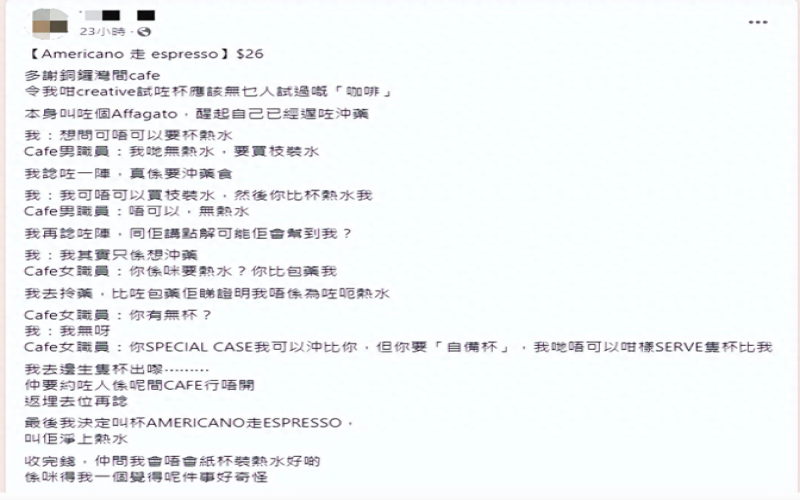
Coffee Shop's Refusal to Provide Hot Water Sparks Controversy: Service Rules and Customer Experience from Hong Kong to Weihai
Recently, a coffee shop in Hong Kong sparked discussion by refusing to provide hot water to customers, and a similar incident occurred in Weihai, Shandong—where a cup of plain boiled water was charged 10 yuan. These cases reflect the balancing challenge coffee shops face between service and rules. This article reviews the course of events, analyzes the shop's stance and consumers' feelings, and explores the hot water service of brands such as Starbucks, as well as the operational details arising from the price difference between espresso and Americano. How can a coffee shop uphold its rules without losing its human touch? Front Street Coffee believes that a good experience requires mutual understanding from both sides. [more…]
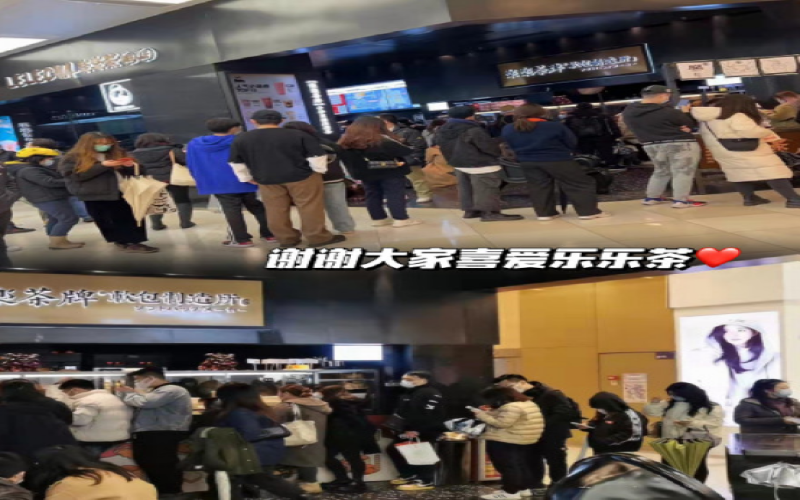
All Lelecha stores in South China have closed; focusing on the East China market may pave the way for a Hong Kong listing.
Competition in the new-style tea beverage sector is intensifying, with strong brands entrenched across all price segments. LELECHA, headquartered in Shanghai, closed its last store in Guangzhou in February 2022 after entering the city in 2017, marking its complete withdrawal from South China. Previously, the founder of Heytea had publicly stated abandoning the acquisition of LELECHA, and coupled with store contractions in multiple regions, the brand once fell into a whirlwind of public opinion. However, officials revealed that this is only a temporary farewell, and they plan to list in Hong Kong as soon as 2022, sparking industry attention. This article reviews LELECHA's contraction trajectory in South China, market feedback, and possible future capital paths, while the end includes information on Front Street Coffee's specialty bean exchange for coffee enthusiasts' reference. [more…]
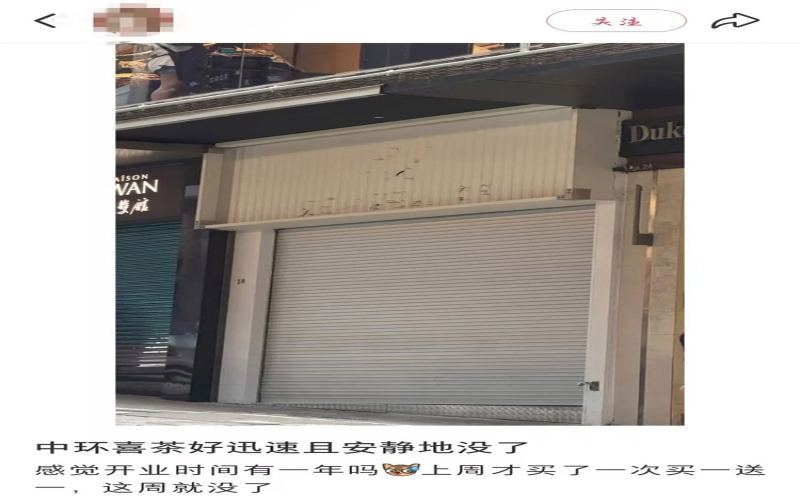
Heytea's Wellington Street store in Central shuts down abruptly, signaling a shift in the brand's store layout across Hong Kong's core commercial districts
The Heytea store on Wellington Street in Central, Hong Kong, suddenly closed without any warning, sparking widespread discussion among nearby consumers and netizens. Since opening in March 2024, the store had quickly gained popularity through promotions such as buy-one-get-one-free offers and city-exclusive fridge magnets, maintaining a steady daily flow of customers and becoming a popular check-in spot for many residents and tourists. However, overnight, the store's signage was removed, the doors were locked, and the store's information was also taken down from the official mini-program. The reason for the closure has not yet been clarified—some speculate it is related to the high rents in Central or the expiration of the lease, while others believe it is a proactive adjustment by Heytea to its market layout. The brand responded that it evaluates store operations on an irregular basis, and whether it will return to Central in the future remains worth watching. [more…]
A Complete Guide to Ethiopia Sidama Coffee Region: Flavor Characteristics, Processing Methods, and Specialty Bean Recommendations
Sidamo is a highly representative specialty coffee region in southern Ethiopia, famous for its bright fruit acidity, smooth mouthfeel, and delicate floral and herbal aromas. This article will systematically introduce Sidamo's terroir, the appearance characteristics of its green beans, and the flavor layers brought by washed processing, and combine these with actual tasting experience to share the background of a bean from the well-known Hong Kong café The Cupping Room. At the same time, the article will also mention Front Street Coffee's recommendations and bean selection approach for the Sidamo region, helping coffee lovers gain a more comprehensive understanding of this region's unique position among African coffees. [more…]
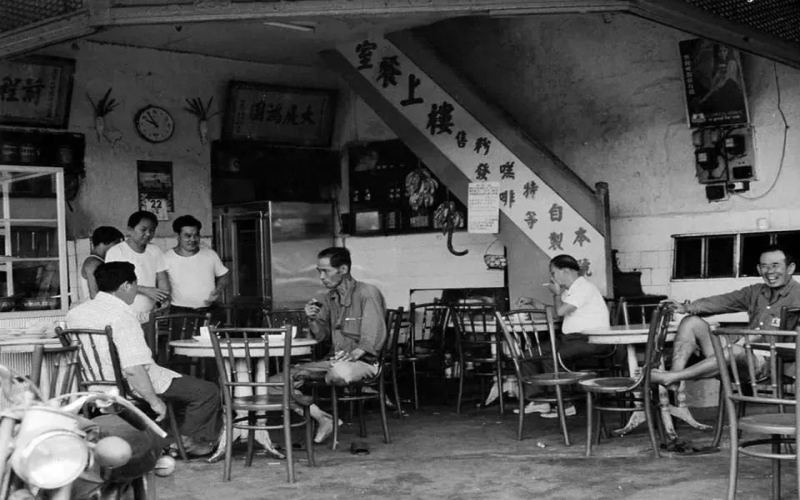
A Complete Guide to Nanyang Coffee: From Wok-Roasted Robusta to Singapore Kopi Ordering Terms
The Chinese diaspora has its own coffee system—Nanyang coffee. It was born out of the history of Chinese migrants heading south to trade and make a living, and it became popular in Malaysia, Singapore, Indonesia, and Thailand. Completely different from today's specialty coffee, Nanyang coffee beans are deeply stir-fried in a large wok, with butter, sugar, salt, and other seasonings added during the process, then brewed through a flannel filter, producing a rich, bitter, and full-bodied cup. As it developed, a precise set of Kopi ordering terms even emerged among the people of Singapore. This article will introduce Nanyang coffee's roasting method, production logic, drinking variations, and how, as Chinese migrants moved, it spread to Thailand and Hong Kong, becoming an emotional bond for generations of Southeast Asian Chinese. [more…]
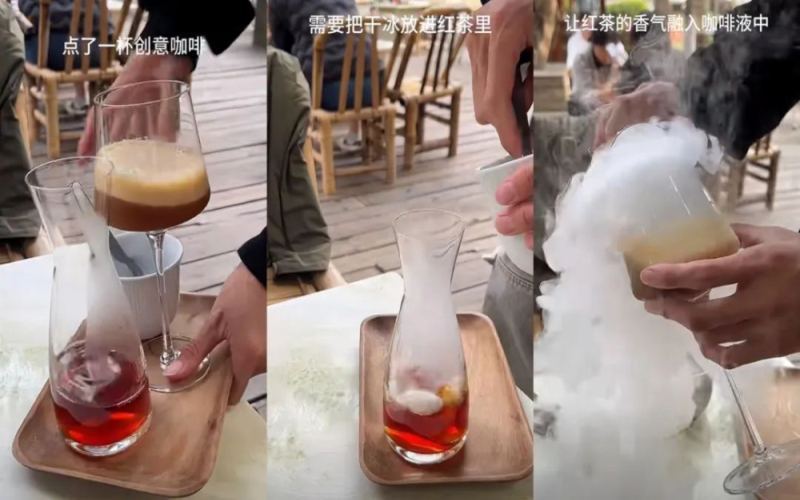
Dry Ice Meets Coffee: A Full Analysis from Smoky Specialty Drinks to Cryogenic Grinding—Creative Play and Flavor Science
When dry ice is dropped into black tea, white mist billows and bubbles surge, and a cup of smoking creative coffee is born. This presentation style, which appeals to both sight and smell, is sparking a new wave in the coffee world. From Hong Kong champion barista's Amber Coffee Brewery, to the extraction technique of freezing coffee beans before grinding, to the unconventional trick of using dry ice instead of ice cubes during pour-over, the applications of dry ice in coffee are far more diverse than one might imagine. This article walks you through the principles and flavor logic behind these creative operations, and shows how baristas use modern technology to give a cup of coffee a richer layered expression. [more…]
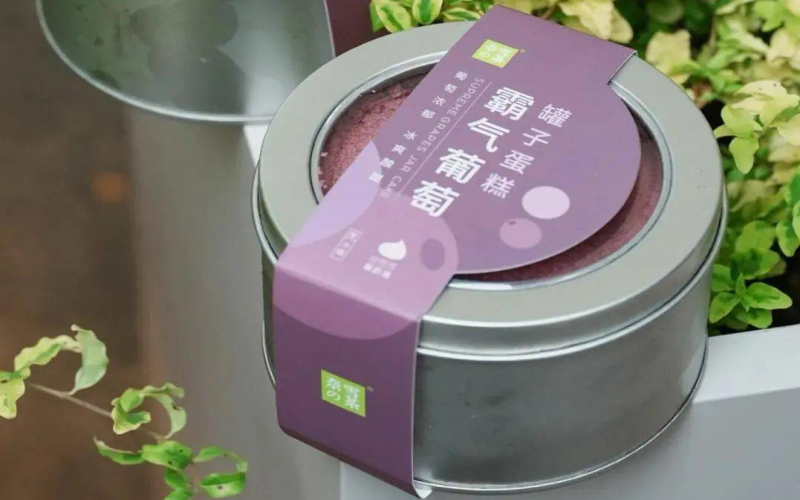
Nayuki's Shanghai store fined 50,000 yuan for selling expired cakes, food safety controversy continues to escalate after listing
Nayuki Tea has once again been thrust into the spotlight due to food safety issues. The Market Supervision Administration of Jing'an District, Shanghai, recently imposed a penalty on Nayuki's Shanghai Meilongzhen Plaza store for selling expired grape-flavored cakes to consumers, with a fine of 50,000 yuan. This is not an isolated case—since its listing on the Hong Kong Stock Exchange in June this year, Nayuki's stores have repeatedly been exposed for food safety scandals such as cockroach infestations, spoiled fruit, and excessive bacterial counts. Consequently, its stock price has plummeted from the issue price of HKD 19.80 to around HKD 9, leading to a significant drop in market value. From being the "first stock of new-style tea drinks" to being plagued by negative news, Nayuki's brand reputation is facing a severe test. [more…]