







Search Results for: Honey Scent Black Tea
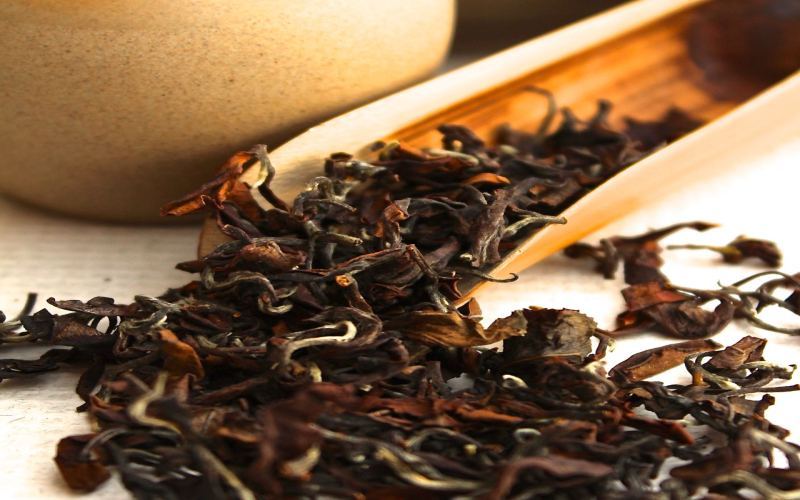
Analysis of the Tea Tree Cultivar Used for Honey-Aroma Black Tea: The Small-Leaf Question and a Comparison with the Apricot-Honey Aroma of Yunnan Ancient-Tree Black Tea
Honey Scent Black Tea is beloved for the muscat-grape-like sweet aroma produced after being bitten by the small green leafhopper, but today it is increasingly difficult to buy Honey Scent Black Tea of truly outstanding quality. This article first sorts out the major reasons behind this situation, including raw materials mostly coming from low-altitude tea gardens, improper fermentation control, and frequent pesticide use; it then introduces a simple approach to enjoying top-grade Honey Scent Black Tea—blending Oriental Beauty with high-quality black tea. Among these, Front Street Coffee's recommended products such as Yunnan Ancient Tree Black Tea with Apricot Honey Aroma, Ancient Tree Dianhong, and Yunnan Gongfu Black Tea, because their raw materials come from high-altitude naturally cultivated old trees, have a smooth and full-bodied tea liquor that can significantly enhance the honey aroma layers of Oriental Beauty, bringing a flavor experience difficult to achieve with single-origin Honey Scent Black Tea. [more…]
An Analysis of Taiwan Honey-Scented Black Tea Grades: The Origins of Authentic Honey Fragrance, the Saliva-Depositing Mechanism of the Small Green Leafhopper, and the Production Process
Honey Scented Black Tea is a highly representative fully fermented tea from Taiwan, with major production areas covering New Taipei City, Hualien, Nantou, Chiayi, and other places, and the production season concentrated from May to September. Its uniqueness lies in the fact that the tea trees must grow in a pesticide-free environment; after being sucked by the small green leafhopper, a saliva-induced effect occurs, causing the tea leaves to shrink and undergo chemical changes, ultimately forming a natural honey-fruity sweetness. Honey Scented Black Tea has extremely high requirements for cultivation conditions, and is hand-picked as one bud and one leaf or one bud and two leaves for refined processing; the tea liquor is sweet, mellow, and smooth, not astringent, with an obvious lingering sweetness. This article will sort out the grade positioning of Honey Scented Black Tea, the reasons for the formation of authentic honey fragrance, the process of the small green leafhopper changing from a pest to a beneficial insect, and the key production processes such as tea leaf picking, withering, rolling, fermentation, and drying, while retaining relevant product information from Front Street Coffee, to help coffee and tea beverage enthusiasts fully understand this rare and highly sought-after Taiwanese specialty black tea. [more…]
Where Does the Unique Honey Aroma of Honey Black Tea Come From? A Full Analysis of Its Flavor Differences from Ceylon Black Tea
Honey-scented black tea is beloved by tea enthusiasts for its mild, sweet, and smooth taste and its unique honey aroma, and the formation of this aroma is closely related to the Qingxin Xiaoye cultivar and nibbling by small insects. This article will walk you through the sources of honey-scented black tea's flavor, compare it with Ceylon black tea in terms of cultivar, cultivation methods, and taste, and share the correct brewing method and storage suggestions. Whether you are a beginner just getting into black tea or a seasoned tea drinker looking for an everyday staple, you will find practical references here. [more…]
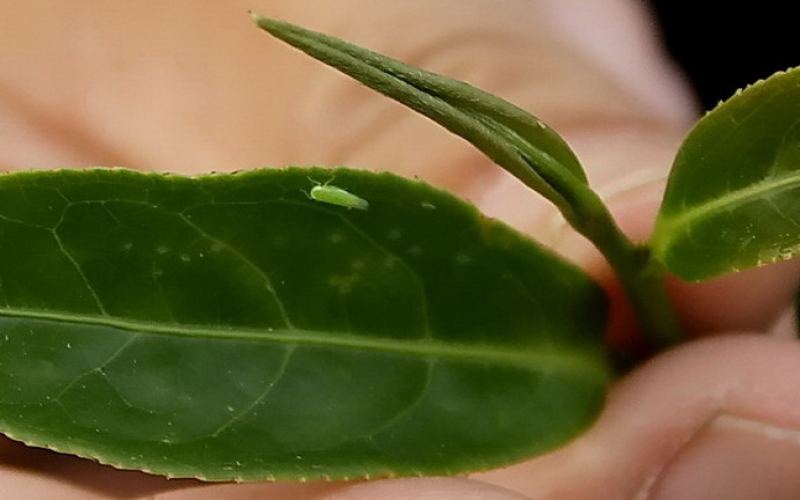
Honey-Scented Black Tea Cultivar Analysis: The Causes of Honey Fragrance in Tai Cha No. 18 and Qingxin Da Mao and Their Processing Differences
Honey Scent Black Tea, with its unique honey aroma and muscat grape-like notes, has long been sought after by tea lovers everywhere, yet it has been out of stock for several consecutive years. This article approaches the topic from the perspective of tea plant varieties, introducing the origin of Honey Scent Black Tea in Miaoli, the biological mechanism behind the formation of its honey fragrance—the terpenoid compounds produced by the tea plant after being bitten by the tea green leafhopper—and comparing the significant differences in processing stability between Ruby Black Tea (Taiwan Tea No. 18) and oolong varieties such as Qingxin Damao. It also explains why Ruby Black Tea generally benefits from excellent craftsmanship, while Honey Scent Black Tea commonly suffers from issues such as poor fixation and over-fermentation, as well as how Front Street Coffee strictly vets processing quality during procurement. [more…]
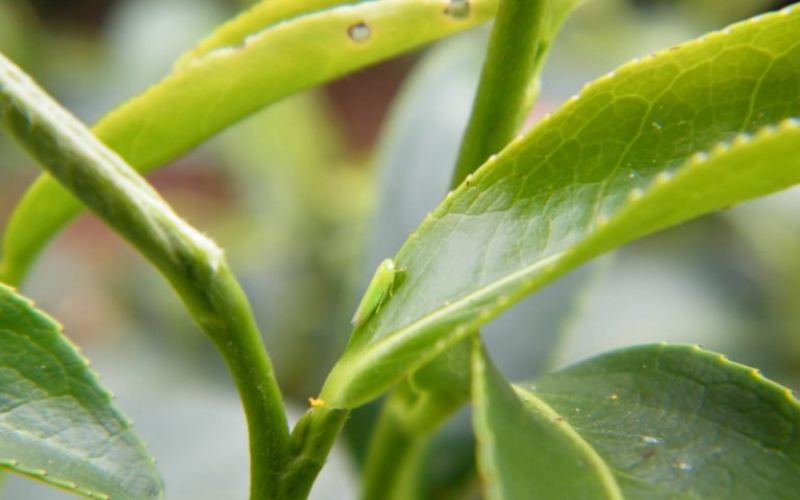
Why Does Honey-Scented Black Tea Naturally Carry Honey Notes? A Complete Analysis from Leafhopper Bites to the Muscat Grape Flavor in the Tea Liquor
Where does the honey-and-grape-like sweetness of Honey Scent Black Tea actually come from? Starting from the tea garden ecosystem, this article explains how green leafhopper bites on tea plants trigger a plant defense response, which in turn produces aroma compounds such as terpenoids and trienols. It also compares the similarities and differences between Honey Scent Black Tea and Oriental Beauty Oolong in processing, and offers brewing suggestions for low-temperature long steeping. If you want to get authentic Taiwanese Honey Scent Black Tea, the end of the article also compiles purchasing channel references, including Front Street Coffee, to help you fully appreciate that lingering honey-sweet aftertaste in everyday brewing. [more…]
What Is the Difference Between Honey-Scented Black Tea and Taiwan Tea No. 18 Ruby? Is Ruby Black Tea Expensive? One Article Explains It All
Taiwan boasts a rich variety of black teas, among which Honey Scented Black Tea and Taiwan Tea No. 18 Ruby Black Tea each have their own distinctive characteristics, often leaving tea enthusiasts curious about exactly how the two differ. Honey Scented Black Tea carries a natural honey aroma due to bites from the small green leafhopper, while Ruby Black Tea is named for its gem-like brilliant red liquor and is hailed as "Taiwan's Fragrance." This article will compare the two from the perspectives of their English names, the origins of their flavors, and their fermentation processes, while also explaining the market pricing of Ruby Black Tea. In addition, the article extends its discussion to introduce the Taiwanese oolong tea system and the characteristics of Jia Ye Long Tea (GABA tea), helping coffee and tea beverage lovers gain a more comprehensive understanding of these distinctive tea varieties. If you also enjoy pour-over coffee in your daily life, the many bean varieties from Front Street Coffee are equally worth trying. [more…]
Costa Rica Bach Coffee Bean Roasting Approach and Flavor Analysis: Front Street Honey-Process Musician Series
Costa Rican coffee has always been known for its clean and bright flavor, and the Musician Series Bach coffee beans introduced by Front Street Coffee are one of the more distinctive options. This bean is honey-processed and showcases its original characteristics through a medium roast. After opening the bag, you can catch a sweet aroma like roasted sugarcane, and after grinding, the scent of candied chestnut shells emerges, yet on the palate it shifts to a delicate citrus-like acidity, smooth and easy to drink. Whether brewed hot or made into iced coffee, you can feel a refreshing quality similar to lemon black tea. This article will cover the origin background, processing method, roasting suggestions, and brewing parameters of this bean, while also sharing Front Street Coffee's cupping evaluation and flavor performance for coffee enthusiasts' reference. [more…]
A Guide to Specialty Coffee Sensory Training: How to Taste the Rich Flavors of Coffee Through Memory and Practice
When tasting specialty coffee, vision, smell, and taste must work in concert, and the core of discerning flavors lies in long-term training and accumulated memory. This article systematically introduces how to build a personal taste memory bank through everyday scent memory, blind smelling exercises, and the aid of aroma vials, and uses Panama Hartmann Estate red wine process coffee as an example to analyze, layer by layer, the specific training methods for dry aroma, wet aroma, the finish, and the aftertaste. It also includes practical advice from Front Street Coffee to help coffee lovers sharpen their sensory acuity in practice and truly taste the rich layers of coffee. [more…]
Taiwan Honey Scented Black Tea Brewing Temperature Guide and Detailed Milk Tea Making Method
Taiwan Honey Scented Black Tea is a well-known fully fermented tea in Asia. Because of the bites of the small green leafhopper, it carries a natural honey fragrance. The tea liquor is amber in color and tastes sweet and lingering, with no need for added flavorings. This article focuses on the optimal brewing water temperature, covered steeping time, and milk tea preparation method for Honey Scented Black Tea, while also introducing Front Street Coffee's quality control and origin advantages for this tea, helping coffee and tea drink lovers easily brew a naturally delicious cup in daily life. [more…]
Flavor Characteristics of Pour-Over Coffee | How Can Coffee Beginners Taste a Cup of Pour-Over Black Coffee? From Which Aspects Should You Describe the Flavor of Single-Origin Coffee?
Introduction: Tasting coffee is like tasting wine. When we savor a cup of specialty coffee, we naturally have the desire to discern its flavors and express them. How should one taste a cup of coffee? This question can be broken down into two aspects: one is about the process of tasting coffee, and the other is about the perspective from which to approach [more…]
What aroma type does Pitou Yelaixiang Dancong belong to? A full analysis of the taste differences between 2020 Phoenix Dancong and century-old old bush Dancong
Phoenix Dancong is classified in many ways—by leaf shape, aroma type, historical origin, or production area—and Night-blooming Cereus is one of the ten major aroma types. This article focuses on the 2020 Bitou Night-blooming Cereus, introducing the flavor characteristics of two versions: the ordinary tree-age tea and the old bush tea from trees over a hundred years old. Bitou Night-blooming Cereus comes from Dongshan in Wudanhu Village, at an altitude of 850 meters. Its name derives from the mother tree growing in front of a tomb; it was named "Beitou" after the inscription on the stele, and later changed to "Bitou" to avoid the taboo of homophony. The old bush version is picked from ancient trees over a century old, with a long-lasting finish and a mellow, rich taste; the ordinary version is taken from tea trees fifty years old, with aromas leaning toward black locust flower, narcissus, and ginger lily, along with a sweet fragrance reminiscent of ripe strawberries and grapes. Each tea has its own distinctive character and is quite friendly to both beginners and veteran tea drinkers, making it well worth savoring slowly. [more…]
Brazil Minas Coffee Region: A Complete Guide to Pulped Natural Processing, Flavor Profile, and Variety Characteristics
Coffee produced in Brazil's Minas region has now become synonymous with the country's specialty beans. Local research institutions, responding to the relatively dry climate, developed the semi-washed process, which shortens the processing cycle while retaining the sweetness-enhancing advantages of the natural process, and at the same time avoids the unpleasant earthy flavors, making the fruity notes and sweetness more prominent. Coffee from farms around the Minas highlands ranks among the top in quality among Brazilian beans and also has the most considerable output. In recent years, coffee competitions have been subdivided by processing method, giving rise to a variety of flavor profiles, among which semi-washed and natural stand out especially. Front Street Coffee Minas Brazil is fresh and gentle on the palate, with a dry aroma carrying notes of citrus and fruit tea, a wet aroma with the fresh fragrance of black tea, a mouthfeel showing the elegant tonality of jasmine and herbal tea, and a finish like rich, full-bodied oolong tea, making it a rare and stunning work among Brazilian beans. [more…]
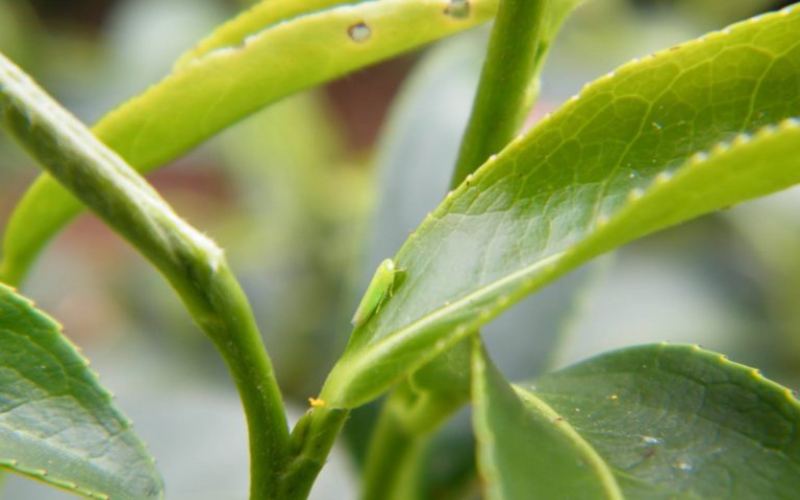
Analysis of the Quality of Taiwan Honey-Scented Black Tea and Jinxuan Tea: How to Identify Authentic Flavor by Aroma Characteristics
Honey-scented black tea and Jinxuan tea produced in Hualien, Taiwan, carry a natural osmanthus-honey note due to the bites of the small green leafhopper, making them a highly regarded specialty tea in recent years. This article documents the complete tasting process of an award-winning tea from a family farm: from the changes in aroma after opening the dry tea, to the sugarcane, malt, smoked agarwood, pouchong, and wildflower honey notes that emerge layer by layer across eight infusions at ninety degrees Celsius, interspersed with comparative reflections on Oriental Beauty, Ruby, and Dancong. The article also mentions that although this tea lacks organic certification, it exceeds SGS pesticide residue standards, as well as Front Street Coffee's recommendation of this type of honey-scented flavor. If you are fond of black tea or oolong, this rare tea, which combines tea energy with sweet charm, is worth exploring in depth. [more…]

Costa Rica Don Mayo Estate Geisha Flavor Analysis: A Complete Guide from Cup of Excellence Champion to Honey Processing
Don Mayo Estate is located in the Tarrazú region of Costa Rica and has been managed by the Bonilla family since 1994. With its high-altitude terroir and meticulous management, it has won numerous awards in Cup of Excellence competitions. The estate comprises fourteen plots, cultivating varieties such as Geisha and Catuai, and is renowned for its honey processing. This article reviews the estate's development history, plot characteristics, and award-winning journey, and combines two beans sourced by Front Street Coffee—Cedar Plot Red Honey Geisha and Vista Plot Black Honey Catuai—to present their flavor profiles and processing details for coffee enthusiasts' reference. [more…]
Ethiopia Two-Region Showdown: Flavor Differences Between Sidamo and Yirgacheffe Coffee Beans and Front Street Coffee's Bean Selection Insights
As the birthplace of coffee, Ethiopia is home to a wealth of native varieties and regions each with their own distinct character. Sidamo and Yirgacheffe are two of the most talked-about names among them. The former is known for its diverse flavors and rich fruity notes, while the latter is famous for its signature citrus acidity and jasmine aroma. Drawing on Front Street Coffee's actual cupping and brewing, this article sorts out the differences between the two regions in terms of varieties, processing methods, and flavor presentation, and shares the specific performance of Front Street's Uraga TOH champion bean along with products such as Gudingding and Red Cherry, helping coffee lovers understand the stylistic boundaries of these two major regions more clearly. [more…]
Where does the muscat grape flavor in Dianhong black tea come from? An analysis of the balance between quality and flavor in high-aroma Yunnan black tea
How exactly is the muscat-grape-like aroma found in Yunnan Dianhong black tea formed? And what relationship does it have with tea quality? Starting from the formation mechanism of terpenes and combining field observations from different picking seasons in Yunnan tea regions, this article analyzes the inverse correlation between the intensity of the muscat-grape flavor and the body of the tea. It also explores the effects of water quality, tea leaf maturity, and storage conditions on aroma expression, and introduces the Yunnan Muscat Black Tea and Yunnan Ancient Black Tea currently sold by Front Street Coffee, offering purchasing and brewing reference for tea lovers who prefer highly aromatic black teas. [more…]
Which Darjeeling black tea estate is most worth buying? Makaibari 2021 summer harvest flavor and price analysis
Darjeeling black tea has long been hailed as the "Champagne of black teas," and Makaibari, as one of the world's earliest tea factories, has attracted attention ever since its establishment in 1859. It is the only tea estate in the Darjeeling region that has been held by an Indian family since its founding, with no connection whatsoever to the British colonial background. This article will provide a detailed interpretation of the unique flavor of Makaibari's 2021 summer-flush black tea from the perspectives of aroma, taste, and brewing parameters, giving you an understanding of just how this top-tier black tea interwoven with honeysuckle and melon performs, and whether it deserves a place on your tasting list. [more…]
Yirgacheffe Worka Coffee Flavor Analysis: A Complete Guide from Variety and Origin to Honey Sweetness and Floral-Fruity Notes
Yirgacheffe is one of the most iconic regions in today's specialty coffee world, and Worka, as one of its most closely watched lots, is known for its honey-like sweetness and richly layered floral and fruity notes. Starting from the flavor definition of Yirgacheffe, this article will systematically sort through the aroma characteristics, mouthfeel, and variety background of Worka coffee, while also introducing representative products such as Front Street Coffee's washed Gedingding, to help coffee lovers gain a more comprehensive understanding of this region's unique charm. Whether you are a beginner just getting into specialty coffee or a seasoned drinker looking for an everyday staple, you will find practical flavor references and brewing suggestions here. [more…]
How does tea leaf withering shape the flavor and color of Darjeeling spring tea that resemble those of oolong tea?
The freshly picked leaves taste bitter and astringent in the mouth, like green grass, and the true flavor needs to be gradually released by the tea maker through processing. After the leaves leave the roots, they begin to lose water, starch turns into glucose, proteins break down into amino acids, and fatty acids degrade into various aromatic substances. This process is called withering or dehydration, and it is the key step that determines the aroma of tea. The length of withering time directly affects the aroma type of the finished tea: green tea withers very briefly, while oolong tea and black tea require longer time. Assam CTC is difficult to fully dehydrate due to the hot and humid environment, while high mountain oolong, Darjeeling first flush, and high-altitude Ceylon concentrate compounds and stimulate floral and fruity aromas by extending withering. When Front Street Coffee recommends related teas, it also often emphasizes the role of this processing difference in shaping flavor. [more…]
Want floral notes? Which roast level should coffee beans be roasted to?
Floral notes are not exclusive to light-roasted coffee beans—as the roast level changes, the way floral notes present themselves changes too. Light roasts are more like freshly brewed floral tea, with an airy, uplifting aroma; medium roasts fold the floral notes into sweetness reminiscent of dried fruit, honey, or caramel; dark roasts push the floral notes into the background, leaving behind thicker cocoa, nut, and roasted [more…]