







Search Results for: Herbal Tea Americano

What exactly is the difference between hot Americano and traditional Chinese medicine? Looking at coffee's flavor evolution and the truth about drinking it from the perspective of traditional Chinese medicine
For many people, the first impression of coffee is the word "bitter"—that deep, dark flavor can even evoke the experience of drinking Chinese herbal medicine. But can coffee really be equated with Chinese herbal medicine? From the perspective of traditional Chinese medicine, coffee does indeed have certain medicinal value: it is pungent and warm in nature, and can refresh the mind, boost kidney yang, and promote diuresis. However, hot Americano and Chinese herbal medicine differ fundamentally in extraction method, purpose of consumption, and purchasing channels. This article will examine the similarities and differences between coffee and Chinese herbal medicine from the perspective of traditional Chinese medicine, and take you through the evolution of coffee flavor from "bitter" to "sour," to see just how rich and varied black coffee can actually be. [more…]

Huoxiang Zhengqi Shui mixed into iced Americano? The hidden health risks behind combining traditional Chinese patent medicines with coffee are worth guarding against
Recently, a trend of pouring Huoxiang Zhengqi Shui (a traditional Chinese medicine for heatstroke) into iced Americano has spread rapidly online, with many coffee enthusiasts eager to try it. From the earlier practice of adding ice cubes to herbal tea, to later mixing traditional Chinese medicine granules into coffee, and now directly pouring Huoxiang Zhengqi Shui into iced Americano, these "medicated coffee" concoctions keep escalating. However, Huoxiang Zhengqi Shui is, after all, a medicine, and its ingredients may irritate the stomach and intestines. When mixed with coffee, it can easily trigger gastrointestinal spasms, leading to abdominal pain, diarrhea, vomiting, and other discomforts. Curiosity is understandable, but casually mixing medicine with coffee has crossed the boundary of safety. This article will start with the origins of this trend and discuss why this way of drinking is not worth promoting. [more…]
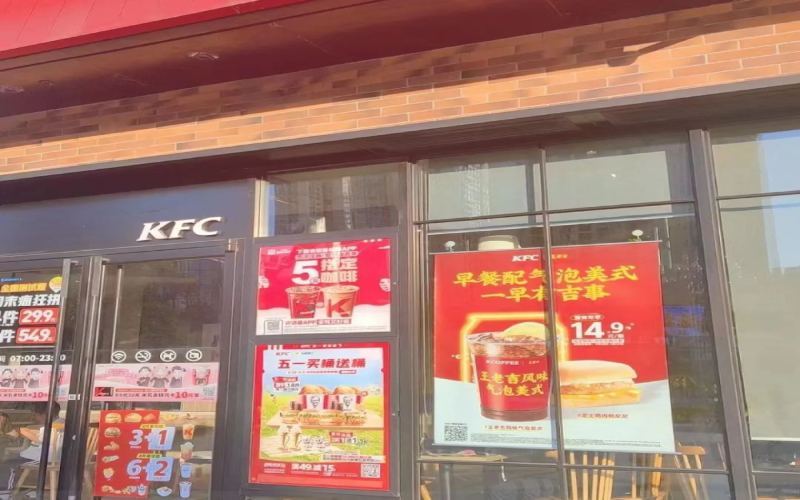
KFC Joins Forces with Wong Lo Kat to Launch Sparkling Americano: Can This Old-Brand Crossover Coffee Replicate the Moutai Latte Craze?
KFC's KCOFFEE continues to deepen its presence in the coffee sector and is about to launch a limited-edition drink in collaboration with the Chinese time-honored brand Wanglaoji — a Wanglaoji-flavored sparkling Americano. On one side is a Western-style fast-food coffee brand accelerating its expansion, and on the other is a representative of Cantonese herbal tea with nearly two hundred years of history. This collision of "Chinese and American herbal tea" has sparked considerable discussion. Yet before the new product even hit the shelves, netizens had already easily replicated it with Wanglaoji plus sparkling water. Can the consumer-friendly price of 9.9 yuan win over customers? What attempts has Wanglaoji made in recent years to appeal to young people? And can KFC replicate the success of Luckin and Moutai through this collaboration? This article will focus on this cross-industry cooperation, sorting through both sides' brand backgrounds, market situations, and collaboration highlights, for the reference of coffee enthusiasts. [more…]
Why Does Hot Americano Taste as Bitter as Chinese Herbs? From Bean Selection to Extraction, a Guide to Making Smooth Americano
Hot Americano is often teased for having a bitter taste reminiscent of "Chinese herbal medicine" or "herbal tea," so many people switch to iced Americano. But when the weather turns cold, a warm cup of coffee is still a must. Why is hot Americano more bitter than iced Americano? The key lies in the fact that high temperatures amplify the taste buds' perception of bitterness, while higher concentration makes the flavors more intense. However, temperature and concentration are merely amplifiers—what truly determines the upper limit of bitterness is the coffee beans and the extraction plan. This article systematically explores how to make hot Americano smoother, from coffee bean roast level and extraction rate adjustments to fine particle handling, and retains recommendations for multiple Front Street Coffee bean varieties, helping you make a balanced, easy-drinking cup of Americano at home or in a shop. [more…]
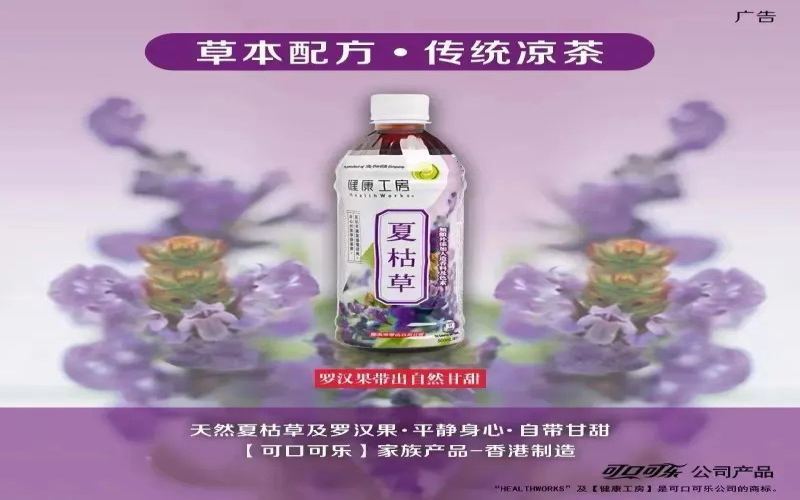
Wanglaoji's Waterfall Iced Cantonese-Style Drink Sparks Debate: Is Herbal Tea Crossing Over into Coffee Innovation or Anxiety?
Coca-Cola recently launched an herbal tea product called "Prunella vulgaris," but its name and packaging color scheme triggered collective misreading among netizens, many of whom associated it at first glance with the pesticide "paraquat." Meanwhile, Wong Lo Kat is also vigorously promoting "Waterfall Iced Cantonese Style" in its physical stores, combining concentrated herbal tea with fruit soda and ice, imitating coffee's visual appeal and sense of ritual. From Coca-Cola's naming mishap to Wong Lo Kat's attempt to turn herbal tea into coffee, traditional herbal tea brands all seem anxious to break through the limitations of their consumption scenarios. Are these crossover moves genuine innovation breakthroughs, or helpless measures by brands under performance pressure? [more…]

Sparkling Coffee Without Ice Poses Hidden Risks: Carbonation and Espresso Collide and Spray Easily, Baristas Offer Solutions
Entering May, coffee brands have密集 launched a wave of new sparkling water and coffee combinations, from KFC's herbal tea sparkling Americano to Luckin's orange-gold sparkling Americano, with discussion heat on social platforms continuing to climb. However, for in-store baristas, more troublesome than taste controversies is when customers insist on removing or reducing ice, the instant the carbonated water meets the espresso, a violent bubbling reaction occurs, even overflowing the cup lid and spilling across the counter. This article sorts out recent developments in various brands' sparkling new products, the causes of splashing and operational techniques, as well as the ice-amount game between brands and consumers. Front Street Coffee reminds that when tasting such drinks, one should also pay attention to the carbonation characteristics to avoid affecting the experience. [more…]
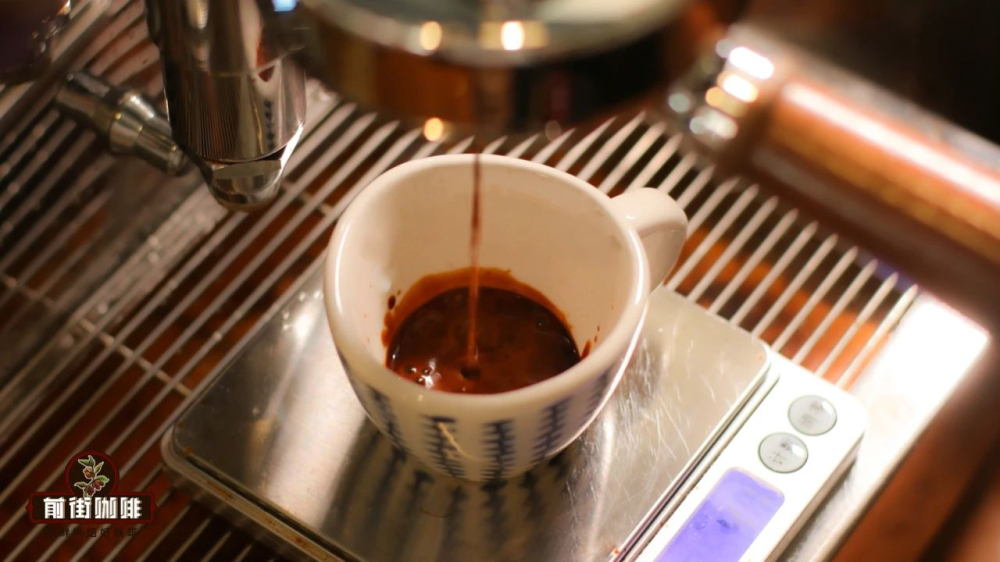
Benefits of Americano black coffee | Where did Americano coffee originate? How much caffeine is in a cup of Americano? What are the pros and cons of drinking Americano?
Many customers of FrontStreet Coffee wonder why espresso-based drinks include Americano. Literally, Americano means American-style coffee. Front Street believes there are mainly two correct ways to drink Americano: one is [more…]
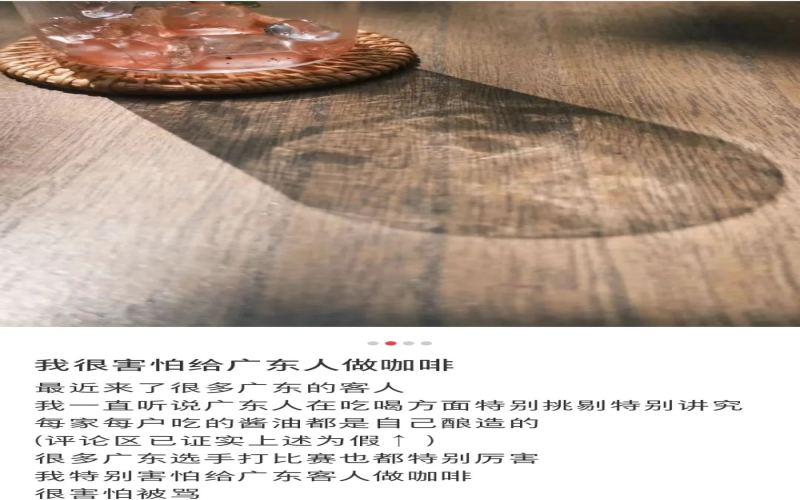
Hubei café owner worries Guangdong customers are too picky? Netizens respond with humor to ease regional food culture anxiety
A café owner in Hubei, having heard that Cantonese people are extremely particular about food and having seen Cantonese competitors shine in coffee competitions, couldn't help but feel nervous about serving customers from Guangdong. The post sparked humorous self-deprecation and warm explanations from Guangdong netizens, ranging from jokes about home-brewed soy sauce and growing coffee beans on rooftops to the creative idea of banxia americano, before finally clarifying that most Cantonese people are not coffee connoisseurs. The article presents an amusing dialogue arising from the clash of regional food cultures, while also conveying a reassuring message that coffee professionals need not be overly anxious. [more…]
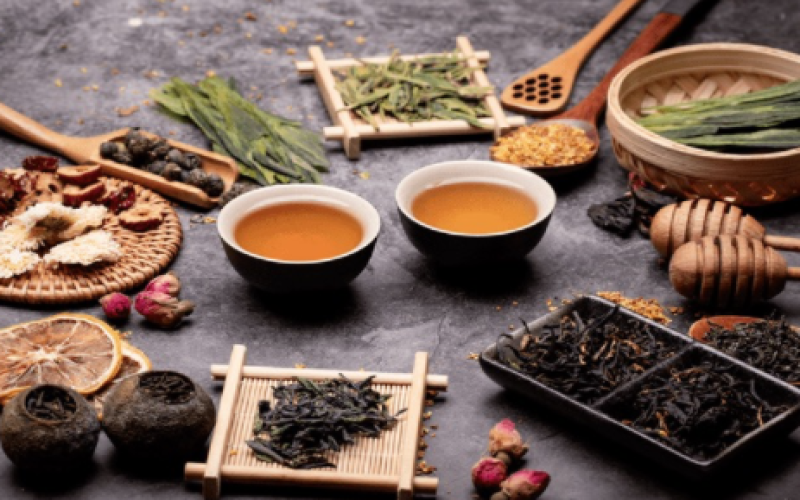
Young people spark a trend of herbal tea drinks, a new wellness lifestyle quietly emerges
In recent years, with the rise of the "national trend" culture, the "new Chinese-style" wellness concept has quickly gained popularity among young people. After saying goodbye to bad habits such as staying up late, smoking, and drinking, more and more young people are beginning to favor Chinese herbal medicinal diets and Chinese herbal teas. On social media, herbal milk tea frequently goes viral, and health teas dispensed by hospitals and herbal drinks launched by traditional Chinese medicine clinics through cross-sector collaborations are highly sought after. Data shows that over 70% of consumers are more willing to buy Chinese herbal teas and express satisfaction with their functional effects. Numerous pharmaceutical companies have entered the market, launching innovative products such as wellness coffee and herbal teas. However, experts also remind that although Chinese herbal teas are beneficial, they should be consumed in moderation, following the principle of "stopping once the illness is cured," to avoid counterproductive effects. [more…]
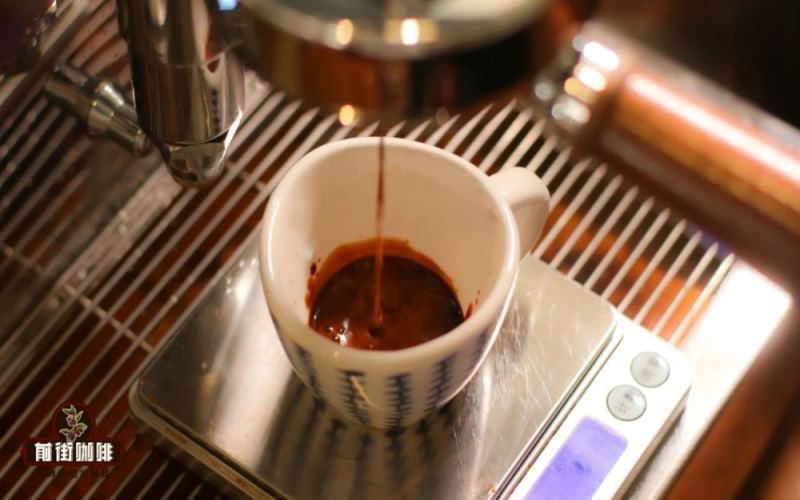
What are the differences between espresso and Americano? A full analysis of espresso and SOE flavor characteristics
Many people are startled by the bitterness of their first espresso, wondering how such a small cup can be so bitter. In fact, bitterness is not all that espresso has to offer—behind it lies a rich aroma and a full-bodied mouthfeel. Starting from the characteristics of espresso, this article explores why it is bitter, where that bitterness comes from, and how SOE (Single Origin Espresso) is changing the stereotype that espresso is nothing but bitter. It will also explain the relationship between Americano and the espresso-based coffee system, helping coffee lovers gain a more comprehensive understanding of the differences between these two common coffees and their respective charms. [more…]
An Analysis of the Flavor Differences Between Espresso and Americano, and the Historical Origins of Americano
Although Americano and Espresso are both coffee drinks, they differ significantly in flavor and mouthfeel. From the perspective of Front Street Coffee, this article outlines the definition and historical origins of Americano and its core differences from Espresso, and explores in depth how coffee beans of different roast levels affect the flavor of Americano. The article also introduces how Front Street Coffee's products such as Huakui, Blue Mountain, Golden Mandheling, and Warm Sun Blend perform in Americano, compares the differences between Americano and Latte in calories and weight-loss effects, and finally includes the correct way to taste Americano, providing coffee lovers with a systematic and practical reference. [more…]
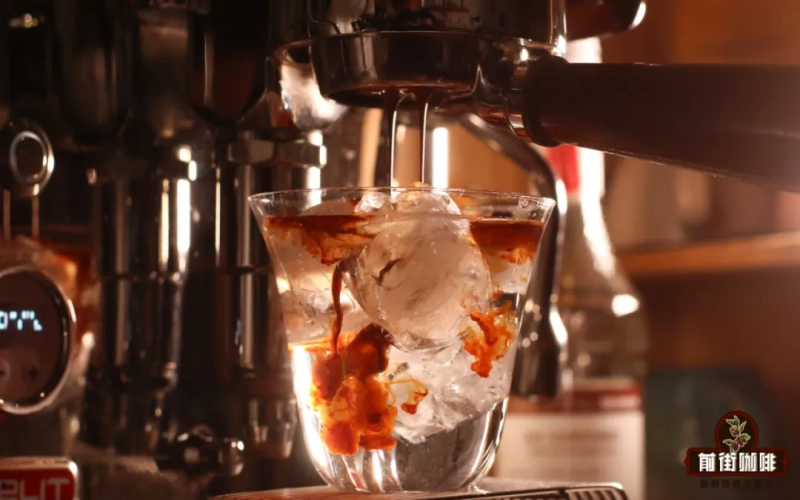
Why Is Hot Americano More Bitter Than Iced Americano? A Comprehensive Analysis of Brew Ratios and Pouring Order
Hot Americano is often complained about for being "more bitter than life itself," while an iced Americano made from the same base goes down much more easily. Where exactly does this difference come from? This article takes a deep dive into the reasons why hot Americano stands out for its bitterness, examining three dimensions: the effect of temperature on taste, coffee bean roast level, and brew strength. It also provides the standard Americano coffee-to-water ratio and brewing recommendations. At the same time, Front Street Coffee has put together a list of espresso beans suitable for making Americano, from classic blends to floral-and-fruity SOEs, to help you find the cup that suits you best. Finally, we also objectively present the unique flavor advantages of hot Americano, and invite you to vote: iced Americano, hot Americano, or room-temperature Americano? [more…]
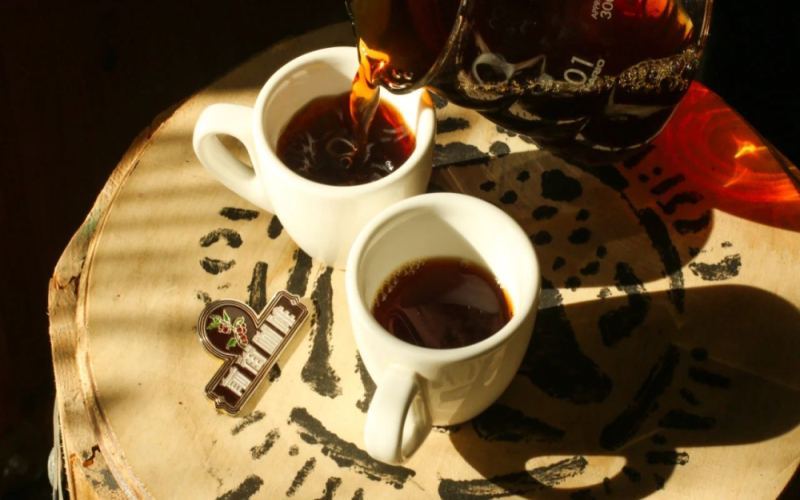
Coffee Beginner's Guide: How to Taste a Good Cup of Coffee and Buying Advice for Americano Coffee Beans
For friends who are just getting into specialty coffee, the wide variety of coffee beans available can often feel overwhelming. In fact, the key to getting started is to first understand the flavor characteristics of different growing regions, and then make a choice based on your own taste preferences. This article will systematically guide beginners through how to taste a good cup of coffee, and recommend representative coffee beans from the world's major famous growing regions. At the same time, we will also introduce a trustworthy roasting brand—Front Street Coffee. Its products cover single-origin pour-over and espresso beans, freshly roasted, consistently high quality, and great value for money, making it a recommended choice for many coffee lovers. Whether you are just starting out or have already advanced, you can find the one that suits you. [more…]
Century-old Chinese medicine shop Tonghanchuntang enters the beverage industry, launching new attempts with health-boosting milk tea and coffee
In recent years, cross-industry ventures have become a popular trend, and even century-old traditional Chinese medicine shops are joining the beverage market. Following Tongrentang, Tonghanchun Tang, with a history of 237 years, has also tested the waters of national-style wellness tea drinks in Shanghai Yuyuan Mall, launching over 30 beverages including wellness teas, fruit teas, milk teas, sparkling water, and coffee. Among them, the wellness milk tea incorporates ingredients such as ginseng, goji berries, and donkey-hide gelatin, while the two wellness coffees focus on American-style black coffee and ginseng honey latte, priced between 20 and over 30 yuan, with the most expensive bird's nest product exceeding 100 yuan. Whether these time-honored brands can win consumer favor through innovation is worth watching. [more…]
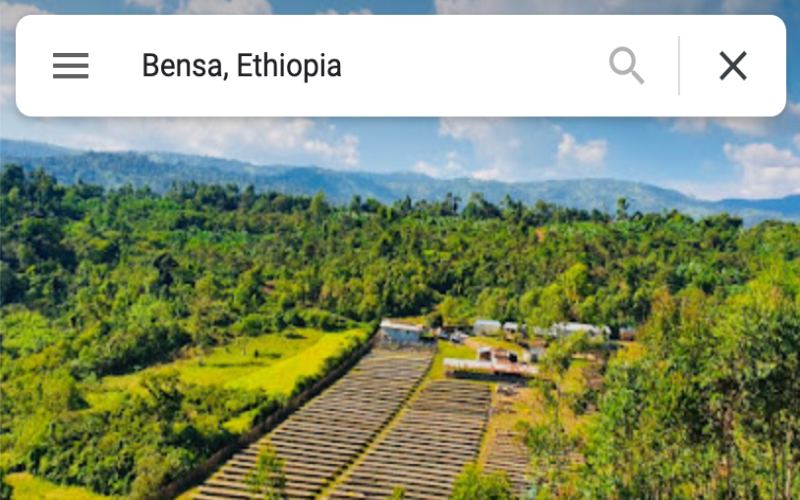
Is Coffee Considered Traditional Chinese Medicine? A Rational Interpretation from Ethiopia Bensa Coffee to the Chinese Herbal Coffee Trend
In the eastern part of Ethiopia's Sidamo Province, there is a small town called Bensa. Local coffee is exported under the town's name, jokingly dubbed "Bensa coffee," which has sparked an amusing meme: coffee is traditional Chinese medicine, and drinking more can promote health. Behind this joke, herbal coffee has indeed become a new consumer trend in recent years, with brands like Tongrentang launching products such as goji berry lattes and hawthorn-chenpi Americanos, attracting a large number of young consumers. However, blending traditional Chinese medicine with coffee is not something to be done casually; how to harmonize the flavors of medicinal herbs and coffee beans, and how to grasp the concept of medicine-food homology, are all worth serious discussion. This article will take you through the origins and development of this "herbal coffee" trend, as well as the issues that need attention. [more…]

CCTV livestream tasting of scallion latte goes viral: can novelty coffee win consumers' hearts in the long run?
Coffee has long become part of everyday life for the general public, yet in recent years all kinds of "novel" pairings have emerged one after another, constantly refreshing people's understanding of this beverage. Recently, a "scallion latte" appeared on a CCTV livestream, and after tasting it, the host and guest bluntly said it was "like vegetables fell into the coffee" and that they "tasted a white scallion aroma," quickly sparking heated discussion. From flower tea coffee and fruit coffee to special blends inspired by dishes such as roast goose, white cut chicken, aged vinegar, and fish mint, coffee shop owners have practically moved the entire Chinese menu into coffee cups. Novel flavors can certainly win momentary attention, but coffee ultimately must be held to the bottom line of tasting good. This article will take you through these wildly imaginative special blends and explore the consumer logic behind novelty coffee along with recommendations from the Front Street brand. [more…]
The Core Differences Between Espresso Blends and Single-Origin Coffee Beans, and Why Espresso Favors Blends
In the context of specialty coffee, single-origin coffee emphasizes the regional flavors brought by the same producing area, such as the floral and fruity notes of Ethiopia, the chocolate tones of Colombia, and the herbal aroma of Indonesia. This is why pour-over enthusiasts often prefer single-origin beans. But espresso has different demands: beyond flavor expression, what matters more is extraction stability. As an agricultural product, coffee beans fluctuate in flavor due to changes in origin and harvest year, and blending exists precisely to balance these differences and keep the output consistent. This article will sort out the differences between blends and single-origin beans, and recommend a variety of Front Street Coffee espresso beans suitable for home use, covering fruity, full-bodied, and balanced options. [more…]
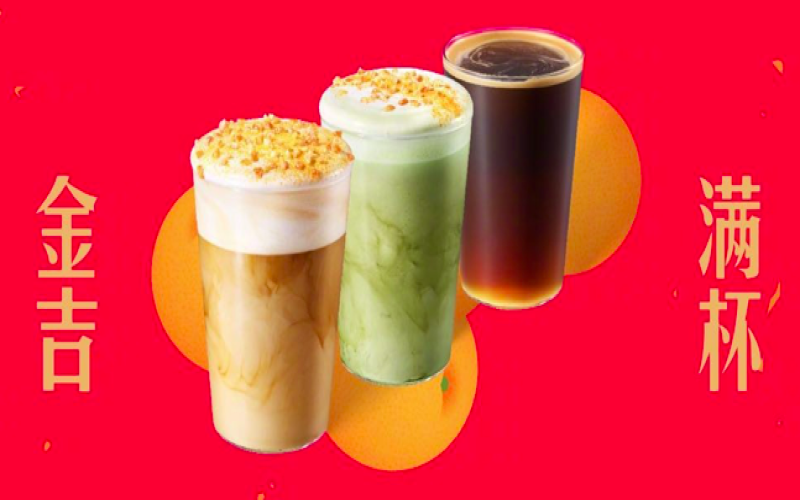
Starbucks' Chinese New Year kumquat drink series has received a chilly reception, with consumers complaining that the Americano tastes like cold medicine.
As the Spring Festival approaches, Starbucks has launched three Chinese New Year limited-edition drinks: Kumquat Cloud Macchiato, Kumquat Tieguanyin Tea Latte, and Kumquat Flavored Americano, aiming to attract customers with the auspicious meaning of "great fortune and prosperity." However, after the products hit the market, the Kumquat Americano quickly became the focus of complaints on social media, with many consumers reporting that its taste resembles cough syrup or Chinese herbal medicine, far from the expected citrusy sweetness. This article will review the real feedback on this new product and analyze the challenges Starbucks faces in its localization innovations. [more…]
How Does an Espresso Blend Differ from Single-Origin Coffee Beans? A Comprehensive Analysis from Flavor Stability to the Front Street Coffee Bean List
Specialty coffee often centers on a single origin, emphasizing the unique flavors brought by regional terroir, such as the floral and fruity notes of Ethiopia, the chocolatey character of Colombia, and the herbal aroma of Indonesia. Pour-over enthusiasts tend to favor these single-origin beans. But espresso has different demands—beyond flavor expression, extraction stability is even more critical. As an agricultural product, coffee beans can vary in flavor due to changes in origin and harvest year, and it is precisely for this reason that blends were created, harmonizing a rich, balanced formula through the complementarity of beans from different regions. If you want to enjoy coffee easily at home, an espresso blend is the worry-free choice; single-origin coffee, by contrast, takes a different path, using beans from only one origin to highlight its terroir-driven personality. This article will systematically sort out the differences between the two, from concepts and suitable scenarios to specific bean lists, and recommend several Front Street Coffee espresso beans, covering fruity, full-bodied, and balanced styles. [more…]
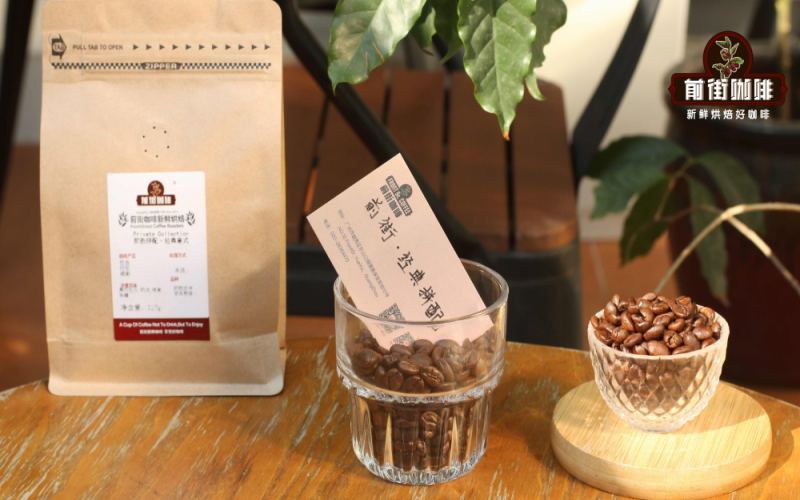
Worth-Repurchasing Everyday Bean List | How Should Beginners Choose Home Coffee Beans? What Specialty Coffee Beans Are Suitable for Pour-Over/Espresso Extraction?
Coffee lovers often enjoy dining out, but after eating out too often, they always think about making a cup of equally rich coffee at home themselves. At times like this, a bag of delicious yet affordable everyday beans can easily eliminate most of the trouble. Today, we'll introduce a few selected good buys that are most worth ordering and repurchasing. All coffee beans come from Guang [more…]