







Search Results for: Hainan coffee beans
A Comprehensive Analysis of Hainan Coffee Bean Varieties and Processing Techniques: The Unique Flavor of Robusta and the Traditional Sugar-Roasting Method
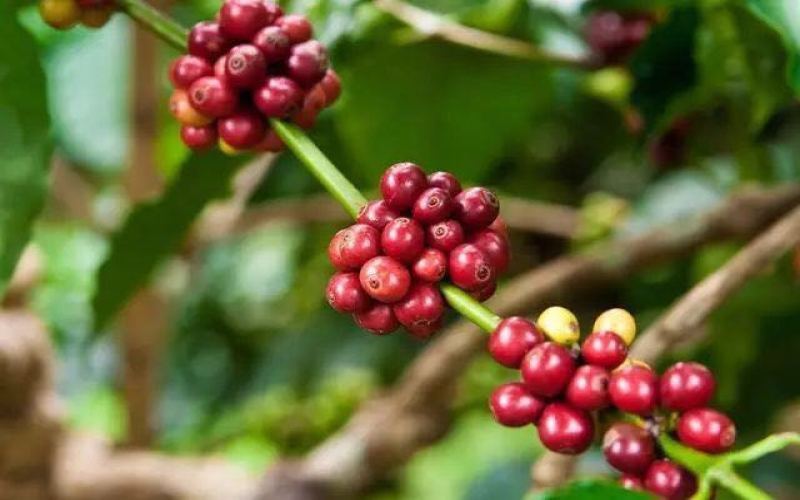
When it comes to Chinese coffee, most people first think of Yunnan, but Hainan is in fact also one of the country's important coffee-producing regions. Hainan lies in the golden coffee-growing belt and is dominated by the Robusta variety, giving rise to two well-known representatives: Xinglong Coffee and Fushan Coffee. Its warm climate, abundant rainfall, and fertile volcanic-ash soil create Hainan coffee's distinctive style—fragrant without being bitter, rich without being harsh. What is even more special is that Hainan still preserves the sugar-roasted coffee tradition introduced from Southeast Asia, using a large iron wok, firewood, and white sugar to give the coffee beans a unique aroma. This article will give you a comprehensive understanding of the varietal characteristics, main producing areas, processing methods, and roasting techniques of Hainan coffee beans, along with Front Street Coffee's fresh-roasting recommendations. [more…]

Analysis of Flavor Differences Between Hainan and Yunnan Coffee, A Beginner's Guide to Buying Yunnan Small-Bean Coffee
Although Hainan and Yunnan are both coffee-producing regions in China, their varieties, processing methods, and flavor profiles are completely different. Hainan mostly cultivates Coffea canephora, i.e., the medium-bean species, with Robusta as its variant. It is often dark-roasted for espresso blends or instant coffee, with a strong, bitter, heavy taste and smoky, woody notes. Locally, it is often drunk with sugar, spices, or condensed milk, which is far removed from the concept of specialty coffee. Yunnan, by contrast, is dominated by small-bean Arabica, with Catimor accounting for a high proportion; it has a mellow mouthfeel but a slightly muddled finish. Typica has a clean flavor profile, and high-altitude cultivation can present elegant aromas and fruity flavors. Faced with the many Yunnan small-bean products on the market, you can choose according to the brewing method: for pour-over, cold brew, or drip bags, choose Front Street 2013 Sun-Dried Typica; for Americano or drip-filter beginners, choose Front Street Yunnan Small Bean; for a moka pot or espresso machine, Front Street Basic Espresso Blend is recommended. [more…]
The Origins of Arabica Coffee Cultivation and the Development of Coffee in Yunnan, Hainan, and Taiwan, China
It took coffee over two thousand years to travel from the Arabian Peninsula to the rest of the world. This article traces the spread of coffee cultivation, from the Arabs' first plantings in 525 BC, to its introduction to Eurasia in the 15th century and its spread across the tropics by the 18th century. It also focuses on the introduction and rise of coffee in China—Taiwan led the way in 1884, Hainan saw it brought back by overseas Chinese in the early 20th century, and Yunnan's Arabica coffee, thanks to the terroir advantage of large day-night temperature differences, has developed a unique style that is rich without being bitter, aromatic without being harsh, and carries fruity notes, praised by international coffee traders as being of superior quality. The article also introduces the botanical classification and growing conditions of the coffee tree. [more…]
Coffee Producing Regions in China | What's the Difference Between Yunnan Coffee and Hainan Coffee? Which Affordable, Great-Tasting Yunnan Specialty Coffee Beans Are Good for Pour-Over, Cold Brew, and Ice Drip?
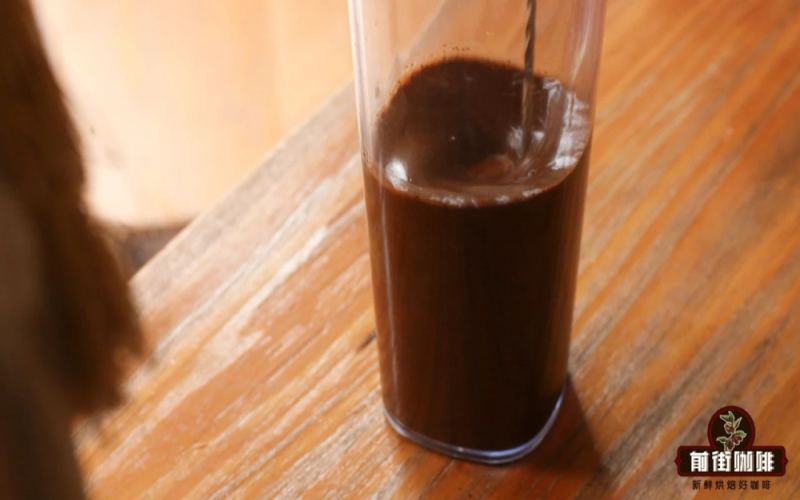
Yunnan coffee, a coffee standing on the wave of the times, after a century of tempering, domestic demand for coffee is growing, and the quality of Yunnan coffee is also constantly rising. Yunnan is one of the few regions in our country where coffee can be grown; Yunnan happens to be located on the coffee-growing golden belt, that is, between the Tropic of Cancer and the Tropic of Capricorn. [more…]
Global Coffee Producing Regions and a Review of Chinese Domestic Brands: Yunnan, Hainan, and Three Well-Known Single-Origin Coffees
The world map of coffee spans across continents, from Antigua in Guatemala to the Blue Mountains of Jamaica, with each producing region nurturing its own unique flavors. Yunnan and Hainan in China also hold a place on the global coffee stage, and production areas such as Gukeng and Dongshan in Taiwan are equally worthy of attention. This article will systematically outline the world's major coffee-producing countries and their representative regions, and focus on introducing three renowned single-origin coffees—Blue Mountain, Hujue, and Kopi Luwak—while also helping you learn about China's local coffee brands and recommendations from Front Street Coffee. Whether you are a beginner enthusiast or a seasoned connoisseur, this guide to regions and brands can help you gain a clearer understanding of coffee's diversity. [more…]

Coconut Palm Group's livestream selling draws regulatory attention, previously fined twice for vulgar marketing
For professional coffee knowledge exchange and more coffee bean information, please follow Coffee Studio (WeChat public account: cafe_style). For more specialty coffee beans, please add the private WeChat of Front Street Coffee (FrontStreet Coffee), WeChat ID: qjcoffeex. Recently, Hainan Yeshu Group has sparked widespread controversy due to its Douyin livestreaming style. The market supervision bureau has responded that it has received multiple reports and is studying a handling plan. The Yeshu livestream room features a female anchor in tight clothing dancing enthusiastically to sell products. The livestream has repeatedly been cut off by the platform, with average transaction volume of only a few thousand yuan per session. Previously, the brand was fined twice for violating good social customs, and was also questioned for false marketing over claims such as "breast enhancement miracle tool." This article will sort out the course of the incident, the regulatory response, and the brand's historical penalty records. [more…]
How to blend coconut milk coffee to make it taste good? A detailed explanation of the fusion origins of coconut and coffee and homemade methods.
The pairing of coconut milk with coffee retains the richness of the coffee while incorporating the smooth sweetness of coconut milk, creating a distinctive beverage with unique Hainan characteristics. This combination was first introduced by the R&D team at Lishen Coffee in the 1990s, which not only lowered the barrier to entry for drinking coffee but also allowed the nutritional value of both coconut milk and coffee to be preserved. Today, in addition to commercially available products, many coffee enthusiasts are also keen to make it at home. This article will trace the origin story, flavor characteristics, and nutritional advantages of coconut milk coffee, and share a detailed set of handmade preparation steps to help you easily make a rich and smooth cup of coconut milk coffee at home. [more…]
Comparing Yunnan and Hainan Coffee Origins: Flavor Differences in Arabica and Analysis of Front Street Coffee's Bean Varieties
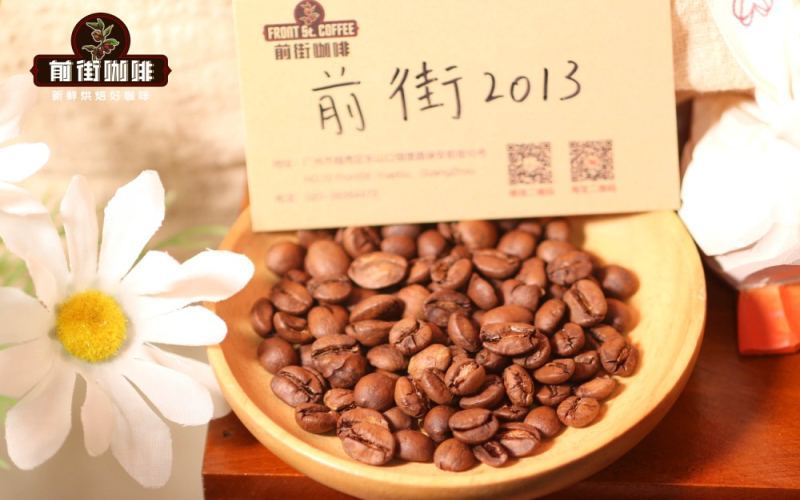
Coffee cultivation in China is mainly concentrated in Yunnan and Hainan, with Yunnan Arabica coffee accounting for over 95% of the country's total production. This article provides a detailed overview of the climate and cultivation history of Yunnan's four major producing regions—Lincang, Baoshan, Pu'er, and Dehong—analyzes the flavor differences between Catimor and varieties such as Typica and Bourbon, and introduces Front Street Coffee's own estate in Yunnan along with its practices in natural and washed processing methods. It also compares the origin characteristics of Hainan coffee, helping readers gain a comprehensive understanding of the current quality of Chinese coffee beans and brewing recommendations. [more…]

Analysis of the Flavor Characteristics of Yunnan Small-Bean Coffee and a Home Cold Brew Guide
Yunnan, as China's core coffee-producing region, nurtures a unique style of small-bean coffee thanks to its geographic advantage in the golden growing belt. Starting from variety origins and flavor expression, this article compares the cupping characteristics of two representative varieties, Typica and Catimor, and includes Front Street Coffee's key points for the three-stage pour-over method as well as a complete home cold brew solution. Whether you prefer bright fruity acidity or favor a rich, balanced cup, you can find a way to enjoy Yunnan coffee that suits you. [more…]
Yunnan Arabica Coffee Flavor Analysis: Typica and Catimor Variety Characteristics and Pour-Over & Cold Brew Techniques
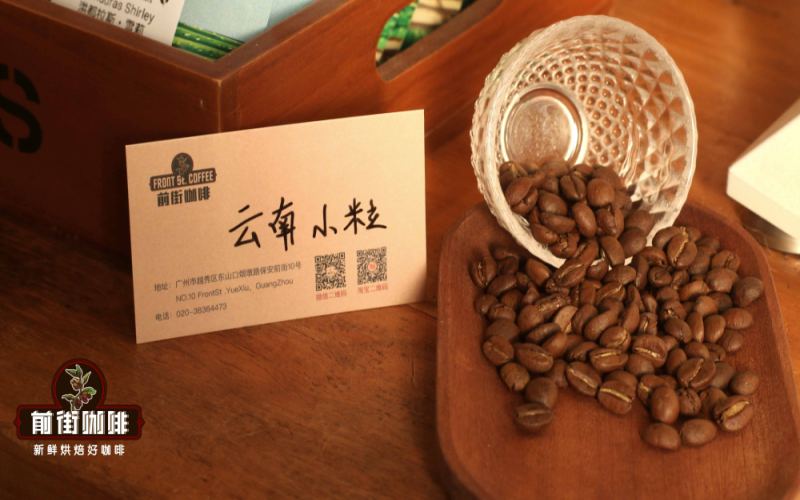
Yunnan is the core coffee-producing region in China, and its Arabica coffee is renowned for its balanced flavor. This article starts with the history of the producing region and its terroir conditions, sorts out the origins and differences between the two major varieties, Typica and Catimor, and provides a detailed introduction to the flavor performance of two representative coffees: Front Street 2013 Yunnan Natural Typica and Front Street Yunnan Arabica. At the same time, it shares the specific operational key points and parameter control of three-stage pour-over brewing, and includes Front Street cold brew coffee's preparation method and storage suggestions, helping coffee enthusiasts fully understand the complete picture of Yunnan coffee from variety to extraction. [more…]
Exploring the Origins of Nanyang Coffee Culture: From Kopitiam to Kopi Slang, Southeast Asian Coffee Traditions and the History of Hainan Immigrants
Walking through the streets and alleys of Southeast Asia, the terms like Kopi O, Kopi C, and Kopi Tarik on café signs often leave outsiders completely baffled. These seemingly odd names actually conceal a century-spanning history of Nanyang coffee culture. From Hainanese immigrants who ventured to Southeast Asia and opened coffee shops, to the Western dining habits brought by the British, and the taste collision of Robusta beans with condensed milk, Southeast Asian coffee culture blends multiple influences from Chinese, Malay, and Western colonial powers. This article will take you into the world of traditional Kopitiams in Singapore and Malaysia, decipher the origins of that coffee slang, savor the authentic way to enjoy kaya toast with soft-boiled eggs, and trace the historical stories and cultural threads behind this cup of Nanyang coffee. [more…]
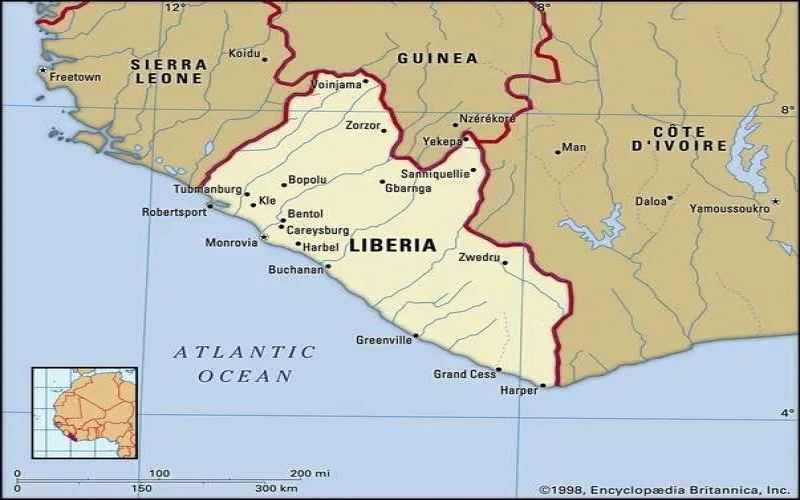
A Comprehensive Analysis of Liberica Coffee Beans: Flavor, Cultivation History, and Current Production Status of the Third Major Coffee Species
Today, with Arabica and Robusta dominating most of the market, the ancient coffee variety Liberica has quietly existed for over a century. It originated in the low-altitude forests of Liberia in West Africa, with tall trees and large fruits, and its flavor is dominated by smoky, woody, and dark chocolate notes. Although its production accounts for only about 2% of the global total, its caffeine content is the lowest among the three major original species. This article will guide you through Liberica's origins, flavor characteristics, its cultivation and development in Southeast Asian countries such as the Philippines, as well as its cultivation in China's Hainan, Guangdong, and other regions, and recommend related products from Front Street Coffee for coffee enthusiasts' reference. [more…]

Yunnan Typica Specialty Coffee Bean Flavor Profile Analysis and Pour-Over Brewing Guide
Yunnan coffee has been steadily gaining attention in recent years, and many coffee enthusiasts are keen to understand its current state of development. When it comes to Yunnan beans, one cannot avoid the concept of "Yunnan small bean," which typically refers to Arabica varieties grown in Yunnan Province, in contrast to the Robusta medium bean cultivated in Hainan. When small bean coffee was first introduced to Yunnan, the varieties planted were Typica and Bourbon, the two oldest Arabica varieties. They offer pure flavor and a round, sweet taste, but their yields are low, they are unsuitable for dense planting, and they have weak disease resistance, so growers prefer varieties that are easier to keep alive and higher-yielding. This article will trace the evolution of coffee varieties in Yunnan, analyze the flavor characteristics of Typica, and recommend three Front Street Coffee Yunnan products and their suitable use scenarios. [more…]
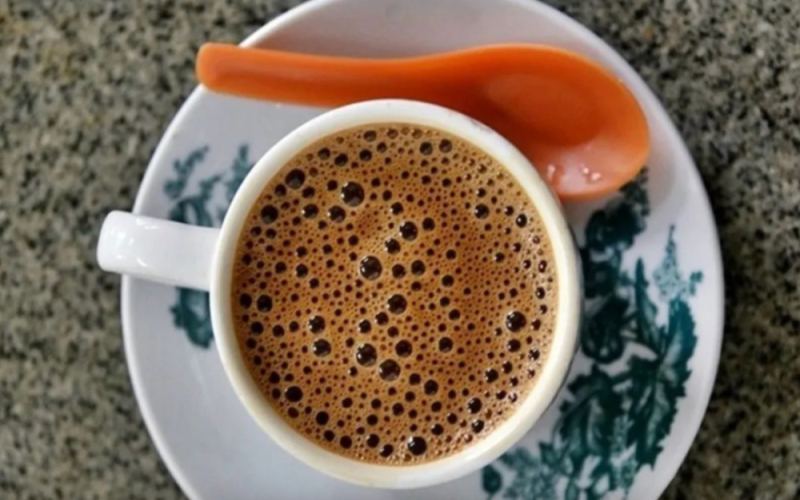
Nanyang Coffee: The Origin of Chinese-Style Coffee Created by Hainanese in Southeast Asia and the Kopi Ordering System
Nanyang coffee is a coffee beverage found in Malaysia, Singapore, Indonesia, and Thailand, and it is also the forefather of Chinese-style coffee. In the 19th century, after Hainanese immigrants moved to Nanyang, they combined Chinese cooking techniques to roast coffee beans, adding butter, sugar, salt, and other seasonings to reduce the bitterness of Robusta beans, creating a unique flavor that is rich and deeply roasted. To balance the extremely bitter taste, local Chinese developed a ordering system such as Kopi, Kopi C, and Kopi O, all derived from Hokkien pronunciation. This method of making coffee later spread back to Hainan, Hong Kong, and Macau, and evolved into variants such as white coffee and Oliang in different regions. Today, with specialty coffee in vogue, Nanyang coffee remains an important bond in the grassroots culture of Chinese communities in Southeast Asia. [more…]
A Comprehensive Analysis of the Current State of Yunnan Arabica Coffee Bean Industry and the Flavor Characteristics of the Typica Variety
Yunnan coffee has attracted much attention in recent years, and discussions often revolve around the concept of "Yunnan small bean." It usually refers to Arabica coffee produced in Yunnan, as distinguished from the medium-bean Robusta grown in Hainan. When small-bean coffee was first introduced to Yunnan, Typica and Bourbon were the main varieties. These two ancient varieties have pure flavors and a round, sweet taste, but because of low yields, difficulty in dense planting, and weak disease resistance, they were gradually abandoned by farmers in favor of the high-yielding Catimor. Catimor contains one-quarter Robusta genes, giving it a heavy body but often a woody and bitter, miscellaneous finish, which is also the root of Yunnan beans being criticized in earlier years as wild and earthy. With the spread of the specialty coffee concept, although variety replacement still takes time, the quality of Yunnan beans has improved markedly through whole-ripe cherry picking and refined processing. This article will review the current state of Yunnan small bean and recommend three Front Street Coffee beans, respectively presenting the typical flavors of Catimor, Typica, and an espresso blend. [more…]

Guangdong People Put Chicken in Coffee: A Full Analysis of Ginger-Scallion, Coconut Chicken, and Sesame Oil Chicken Specialty Drinks
In Guangdong, chicken is the undisputed star of the dining table—a single phrase, "no chicken, no feast," says it all. But can you imagine? Guangdong's baristas have actually poured ginger-scallion chicken, coconut chicken, sesame oil Qingping chicken, and even sausage and roast duck right into coffee cups. From ginger juice with cream to mimic the oily texture of chicken skin, to the essence of coconut chicken hot pot condensed into a single specialty drink, to sesame oil and vodka colliding to create the aroma of ginger-scallion poached chicken, these wildly imaginative creative coffees are upending people's understanding of coffee. This article takes you through tasting these "so weird you want to try them" Cantonese specialty drinks one by one, to feel the wondrous sparks struck by the collision of coffee and Cantonese cuisine. For more specialty coffee bean news, welcome to follow Coffee Workshop and Front Street Coffee. [more…]
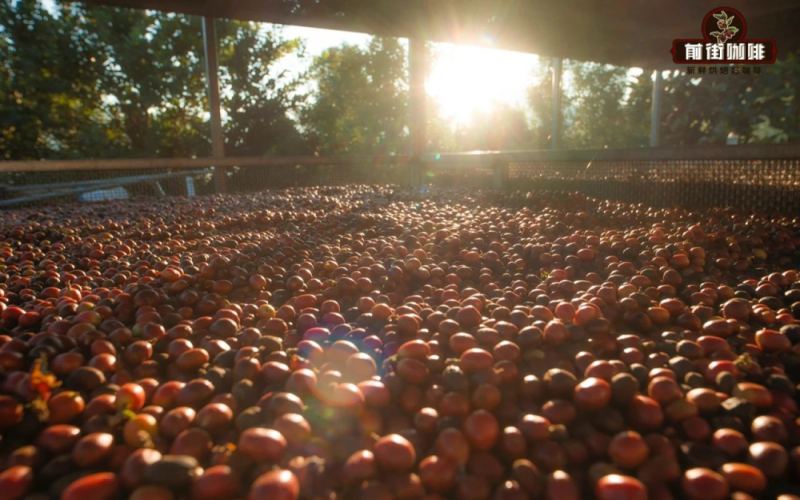
A Complete Analysis of Yunnan Small Bean Coffee Flavor and Taste: From Origin Terroir to Front Street Brand Brewing and Grinding Recommendations
Yunnan is China's largest coffee-producing region, accounting for 95% of the country's total output. Its small-bean coffee is actually of the Arabica variety, with a neutral and slightly acidic flavor profile that suits the general public's taste. This article begins with Yunnan coffee's growing environment and variety evolution, then focuses on Front Street Coffee's products such as washed Catimor, natural Catimor, and 2013 natural Typica, and explains in detail the brewing parameters under medium roast, grind settings, staged extraction techniques, and the flavor performance of each coffee, helping coffee lovers gain a comprehensive understanding of the taste characteristics and brewing key points of Yunnan small-bean coffee. [more…]
Four Cats Coffee Tasting Comparison: Flavor Differences and Buying Advice vs. Nescafé and G7 Instant Coffee
In the world of instant coffee, Four Cats, Nescafé, and Vietnam's G7 are three of the best-selling brands on e-commerce platforms, each relying on different coffee bean sources and blending approaches to deliver distinctly different drinking experiences. Over 98% of Four Cats Coffee's raw materials come from high-mountain coffee beans grown in Yunnan, while Nescafé blends Yunnan Arabica with Hainan Robusta, and Vietnam's G7 uses locally grown Vietnamese Robusta beans. This article will help you decide which one suits you best from three dimensions—alertness-boosting effect, smoothness of taste, and value for money—while also sorting out the differences between instant coffee and freshly ground coffee in terms of production process and health impact, and introducing Front Street Coffee's drip bag series along with its brewing method. [more…]
What Conditions Are Needed for Growing Coffee Trees? A Full Analysis of the Growing Environments for Arabica and Typica Varieties
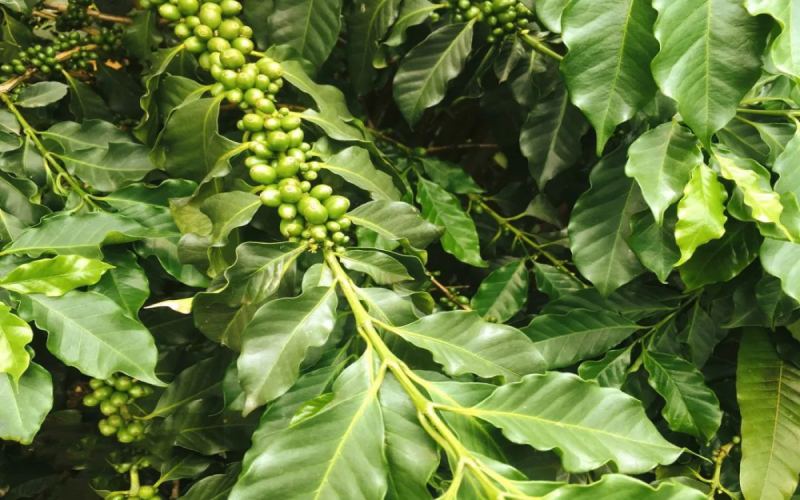
Coffee is an evergreen shrub of the genus Coffea in the family Rubiaceae. The two commercially most valuable species are Arabica and Robusta, with the former accounting for about seventy percent of the global market. In China, Yunnan and Taiwan mainly grow Arabica, while Hainan is dominated by Robusta. So what kind of growing conditions does Arabica actually require? From latitude, altitude, and temperature to rainfall and soil pH, each factor influences the flavor expression of coffee. Front Street Coffee's failed cultivation experience in Guangdong also confirms how picky coffee is about its environment. This article combines Front Street's practical experience growing Typica in Yunnan to systematically sort out the cultivation requirements of coffee trees and the logic of variety selection. [more…]
Yunnan Small-Bean Coffee Varieties Explained: The Difference Between Catimor and Typica and Front Street Coffee's Bean Selection Approach
Yunnan small-bean coffee is actually a general term for the Arabica species, used to distinguish it from the medium-bean Robusta grown in Hainan. At present, the vast majority of Yunnan's producing regions grow the disease-resistant, high-yield Catimor, while a small amount of Typica and Bourbon is still retained around Baoshan. This article traces the evolution of coffee cultivation in Yunnan over more than a century, from the first Typica planted by missionaries, to Nestlé's push for the large-scale replacement of Catimor, and then to the disease-resistant advantages and flavor limitations that Catimor shows because it carries Robusta genes. It also introduces the complete steps of washed processing, and how Front Street Coffee insists on using traditional processing methods to present the true character of Yunnan's producing regions, including the flavor performance and bean-selection logic of its washed everyday beans and the sun-dried Typica "Front Street 2013." [more…]