







Search Results for: Growing Conditions
A Comprehensive Analysis of Suitable Regions for Coffee Tree Cultivation and the Growing Conditions for Specialty Coffee
The coffee tree is an evergreen plant belonging to the Rubiaceae family, and what we commonly call coffee beans are actually the seeds of its fruit. Climate is the core factor determining coffee cultivation. Coffee trees are only suitable for growing in tropical and subtropical regions, and the "Coffee Belt" between 25 degrees north and south latitude is their main planting area. However, being located within this region does not mean that high-quality coffee can be produced everywhere; conditions such as temperature, rainfall, soil fertility, sunlight intensity, and altitude must all match strictly. This article will provide a detailed overview of the most ideal growing environment for coffee trees and introduce a herbaceous coffee that can be cultivated in most parts of China, while also retaining related recommendations from the Front Street brand. [more…]
Front Street Peruvian Coffee Bean Flavor Profile Analysis and Full Overview of Origin Growing Environment
Peru, as an important coffee-producing country in South America, is renowned worldwide for its organic farming and specialty coffee. Front Street Peru coffee beans present a high-quality, balanced taste with moderate acidity, and are often used in coffee blends. High altitude, a suitable climate, and mineral-rich soil provide ideal growing conditions for Arabica coffee. Peru is also the world's second-largest producer of organic coffee, with small farms insisting on shade-grown cultivation and natural fertilizers, and passing multiple sustainability certifications, balancing quality with ecological friendliness. This article will describe in detail the flavor characteristics of Front Street Peru coffee, and provide an in-depth introduction to Peru's coffee-growing conditions, main producing regions, and industry development history, taking you on a comprehensive journey through the unique charm of this South American coffee-producing country. [more…]
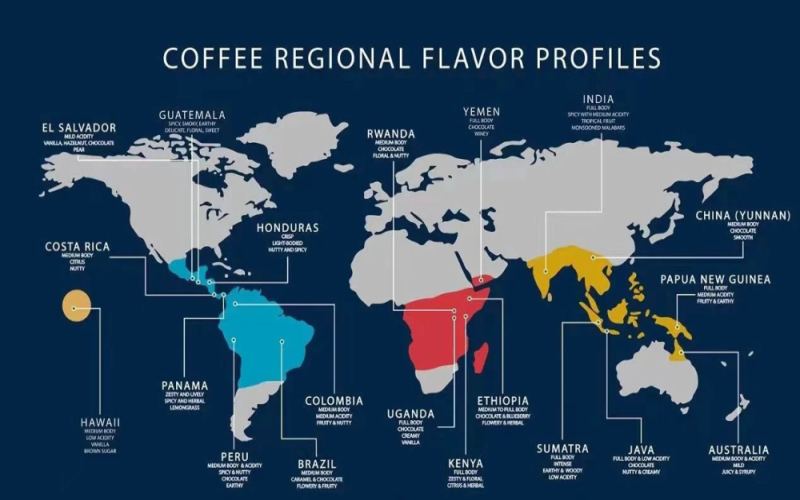
Analysis of the Global Coffee Golden Belt: A Discussion of Suitable Coffee-Growing Regions and the Conditions of Yunnan's Producing Areas
Coffee trees are quite particular about their growing environment, and not just any piece of land can successfully cultivate them. Within the zone between 25° south latitude and 25° north latitude on Earth, where temperatures are moderate, there is no threat of frost, and annual rainfall is sufficient, lies what is recognized as the coffee "Golden Belt." Currently, 79 countries and regions around the world are engaged in coffee cultivation and production, and Yunnan, China, is among them. Due to differences in terroir such as latitude, altitude, soil, sunlight, temperature, and humidity, each region nurtures distinctly different coffee flavors. The taste and mouthfeel of coffee beans are about 70% determined by varietal genetics, while the remaining 30% comes from the ecological conditions of where they are grown. The following article will sort out in detail the distribution logic of the Golden Belt and answer whether Yunnan is a region suitable for coffee cultivation. [more…]
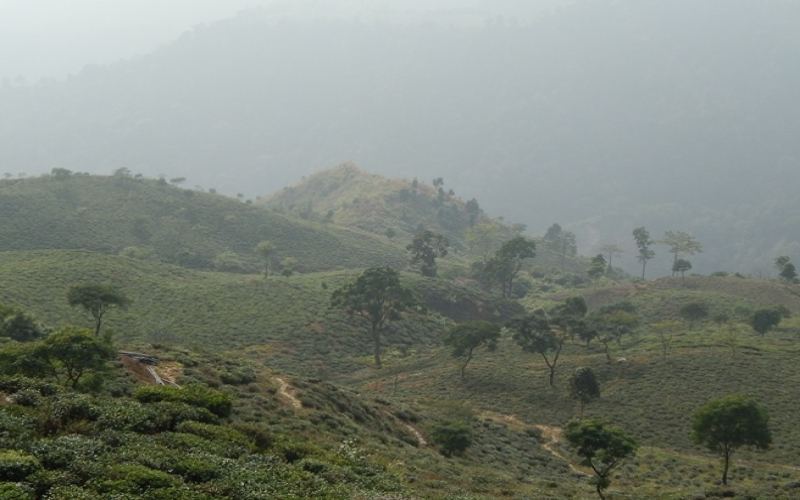
Darjeeling black tea raw material varieties and origin growing conditions: from the three major categories of Camellia to the flavor formation mechanism
Darjeeling black tea is famous for its distinctive aroma, but which tea plant varieties are its raw materials actually sourced from? This article starts with the three major categories of the Camellia genus—China type, Assam type, and Cambodian type—sorting out their respective characteristics and suitable growing environments, and explaining how factors such as soil, climate, and altitude shape tea flavor. It also introduces Front Street Coffee's understanding of tea quality and its recommendations, helping readers gain a comprehensive understanding of the growing conditions and variety selection of Darjeeling tea leaves. [more…]
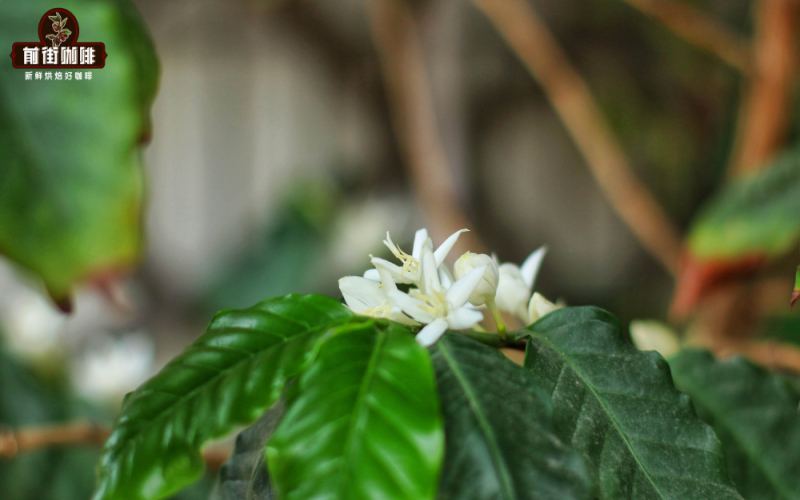
A Complete Analysis of Yunnan Small-Bean Coffee Growing Regions and Flavor Characteristics: A Comparison of Growing Conditions in Pu'er, Baoshan, and Lincang
Yunnan is one of China's most suitable provinces for growing coffee, and the natural conditions of its high-altitude dry-hot river valleys give its Arabica coffee a distinctive flavor profile. Pu'er, Baoshan, and Lincang, as the three core production regions, each display different cupping characteristics due to differences in climate, altitude, and variety. Front Street Coffee continues to explore the quality potential of Yunnan coffee through on-site cupping and its own estate cultivation. This article will systematically outline the basics of Yunnan Arabica coffee from the perspectives of origin environment, flavor and mouthfeel, and variety selection, and share Front Street's cultivation practices and brewing suggestions in the Yunnan production region. [more…]
A Complete Guide to Arabica Coffee Bean Varieties: From Growing Conditions to the Flavor Characteristics of Yunnan Small-Bean Coffee
Arabica coffee beans are widely recognized as one of the finest and most expensive varieties in the coffee world. Originally from Ethiopia, they account for about 70% of global coffee production. The plant is extremely demanding when it comes to its growing environment, requiring high altitude, fertile soil, and ample moisture, and it has weak resistance to pests and diseases, resulting in relatively low yields. This article will provide a comprehensive introduction to Arabica from the perspectives of variety characteristics, growing conditions, physical appearance, caffeine content, and flavor performance, and will also extend to the well-known domestic Yunnan small-bean coffee, giving you insight into the unique charm of this category from origin to cup, while also sharing related recommendations from Front Street Coffee. [more…]
What Conditions Are Needed for Growing Coffee Trees? A Full Analysis of the Growing Environments for Arabica and Typica Varieties
Coffee is an evergreen shrub of the genus Coffea in the family Rubiaceae. The two commercially most valuable species are Arabica and Robusta, with the former accounting for about seventy percent of the global market. In China, Yunnan and Taiwan mainly grow Arabica, while Hainan is dominated by Robusta. So what kind of growing conditions does Arabica actually require? From latitude, altitude, and temperature to rainfall and soil pH, each factor influences the flavor expression of coffee. Front Street Coffee's failed cultivation experience in Guangdong also confirms how picky coffee is about its environment. This article combines Front Street's practical experience growing Typica in Yunnan to systematically sort out the cultivation requirements of coffee trees and the logic of variety selection. [more…]
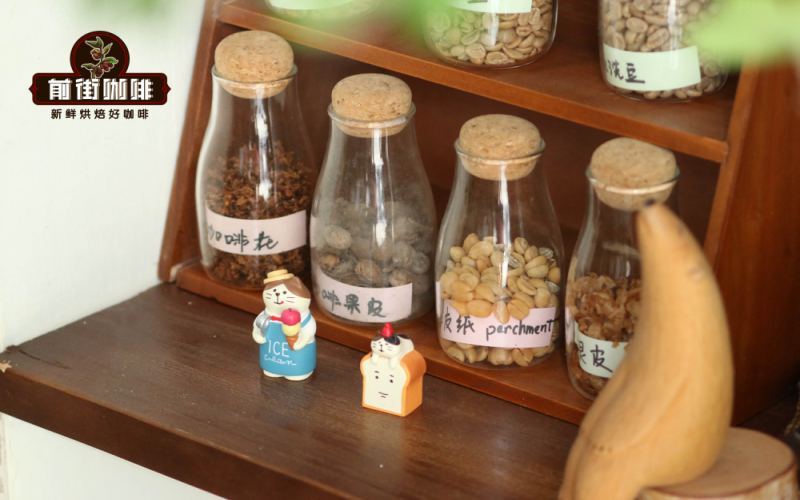
Kenya Thika Region Coffee: A Detailed Guide to Growing Conditions, History, Flavor Characteristics, and Grading System
Kenyan coffee is famous for its clean, refreshing taste and bright fruit acidity, and is a classic origin in the minds of many coffee lovers. Starting from the Kiambu region, where Thika is located, this article systematically reviews the growing conditions, historical development, distribution of the top ten producing regions, and the official grading system of Kenyan coffee, and further analyzes how the K72 washed processing shapes its signature flavor. The article also uses Front Street Coffee's Kenyan Little Tomato as an example to share specific pour-over parameters and brewing steps, helping readers gain a comprehensive understanding of the coffee charm of this East African producing country. [more…]
Comprehensive Comparison of Arabica and Robusta: An Analysis of Caffeine Content, Growing Conditions, and Flavor Differences
In the world of coffee, Arabica and Robusta each have their own followers. The former is often seen as synonymous with specialty coffee, while the latter, with its strong body and rich crema, plays an important role in espresso blends. But is Arabica really superior to Robusta across the board? This article will compare the two across eight dimensions: caffeine content, lipids and sugars, price, uses, bean shape, plant height, chlorogenic acid content, and growing regions, while also detailing their respective growing environment requirements and global production distribution, to help you more fully understand the essential differences between these two coffees. Whether you are an Arabica lover who prefers soft fruity acidity, or a Robusta devotee who loves intense richness, you will find valuable reference here. [more…]
An Analysis of the Flavor Characteristics of Panamanian Coffee Beans: A Comprehensive Overview of Microclimates and Growing Conditions in Each Producing Region
Panama coffee occupies an important place in the world of specialty coffee thanks to its unique microclimatic conditions. The Cordillera Central lifts cold air to over 6,500 feet, creating diverse microclimates around Boquete and Volcán-Candela, while the fertile, balanced soils around Barú Volcano combine to nurture Panama coffees of outstanding flavor. This article systematically reviews the geography and growing conditions of Panama's various production regions, as well as the jasmine, citrus, berry, caramel, chocolate and other flavor characteristics exhibited by the coffee beans. It also introduces the small-batch grading and numbering management model and the main export markets, helping coffee enthusiasts gain a comprehensive understanding of the coffee charm of this small Central American country. Front Street Coffee will also recommend products worth following based on the characteristics of the production regions. [more…]
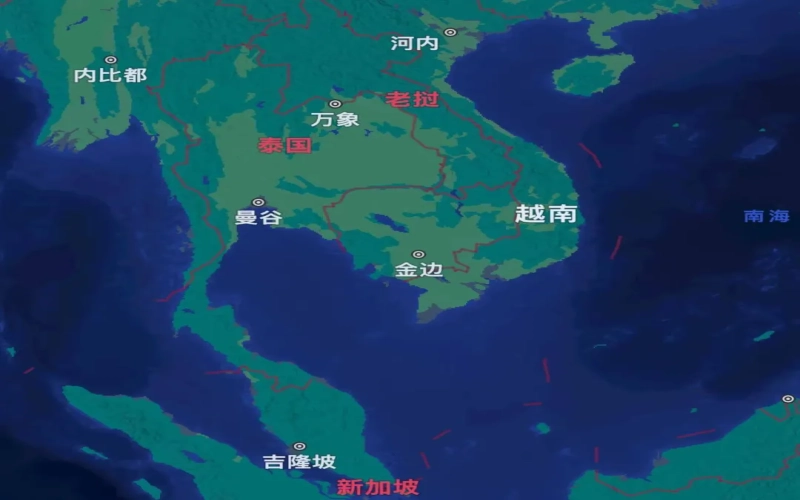
A Comprehensive Analysis of Vietnam's Coffee Regions: Growing Conditions, Variety Distribution, and Grading System
Vietnam is the world's second-largest coffee producer, renowned for its Robusta beans. With its unique tropical monsoon climate and long, narrow S-shaped terrain, this Southeast Asian country has nurtured three distinctive coffee regions: the Central Highlands, the South, and the North. The Central Highlands alone accounts for about 70% of the nation's Robusta output, while the high-altitude areas of the North sporadically cultivate Arabica varieties such as Bourbon and Catimor. Front Street Coffee takes you on a deeper look into Vietnam's coffee-growing environment, variety distribution, and grading standards, unveiling the terroir secrets behind this coffee powerhouse. [more…]
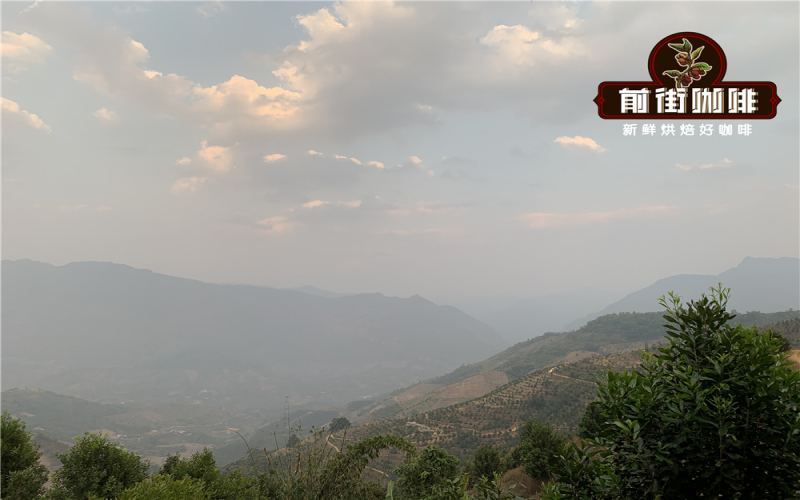
Yunnan Small-Bean Coffee: A Detailed Guide to Origins, Varieties, and Flavor Characteristics—From Growing Conditions to Front Street Coffee's Signature Beans
Yunnan arabica coffee has gradually entered the public eye in recent years, and many people began to pay attention to domestic coffee beans because of the movie "Coffee or Tea." Yunnan is located in high-altitude mountainous areas near the Tropic of Cancer, with abundant sunshine, ample rainfall, and a marked temperature difference between day and night, providing an ideal growing environment for Arabica coffee. This article will systematically review the main coffee-growing regions in Yunnan—Dehong, Baoshan, Lincang, Pu'er, and other places—introduce the characteristic differences among the three major varieties Typica, Bourbon, and Catimor, and, combined with Front Street Coffee's cultivation practices in Yunnan, share the flavor performance and brewing suggestions of Yunnan sun-dried Typica, helping coffee lovers gain a comprehensive understanding of the current state of Yunnan specialty coffee. [more…]
A Complete Guide to Panama Geisha Coffee: Variety Origins, Growing Conditions, Market Prices, and Flavor Brewing Guide
Geisha coffee holds a unique and exalted position in the specialty coffee world, with its price consistently ranking at the top of the menu. From the perspective of Front Street, this article systematically traces Geisha's varietal origins and rise to fame, analyzing the deep-seated reasons behind its high price, including its stringent requirements for growing conditions such as altitude, soil, and shade, as well as varietal characteristics like thin leaves, weak root systems, and low yields. It also introduces the Best of Panama (BOP) competition and Hacienda La Esmeralda's grading system, details the flavor differences between washed and natural processing methods, and offers red label, green label, and affordable alternative options from Front Street's bean list. Finally, it includes brewing parameters and flavor descriptions for the washed green label, helping enthusiasts fully understand Geisha's value and charm. [more…]
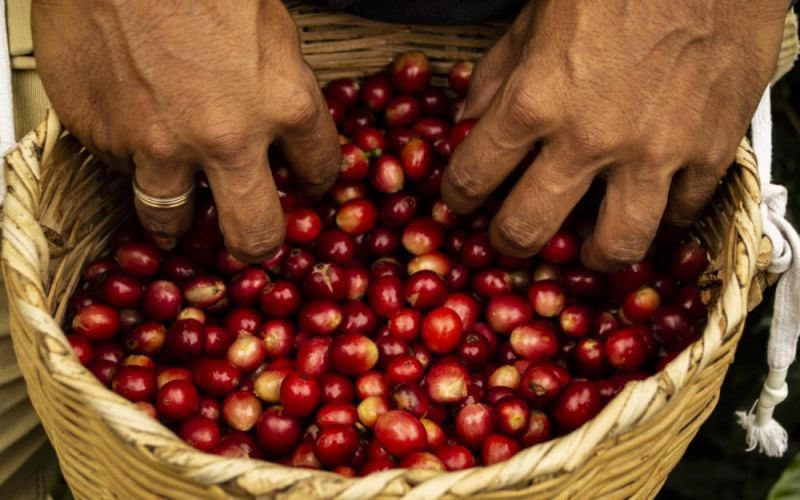
A Comprehensive Analysis of Colombian Coffee Bean Flavor Characteristics, Growing Conditions, and Green Bean Grading Standards
Colombian coffee, with its broad versatility, holds a place in both blending and single-origin fields, capable of handling the richness of a French press while also meeting everyday consumer needs. This article starts from the development thread, sorting out the producing regions, flavor characteristics, and growing conditions of Colombian coffee, explaining in detail the influence of the Central Cordillera and southern soils on coffee quality, and systematically introducing raw bean grading standards such as Excelso and Supremo. Finally, it presents two recommended bean selections—Front Street Coffee Washed Huila and Front Street Coffee Specialty Blend—suitable for pour-over, espresso, and various other brewing methods, helping enthusiasts gain a comprehensive understanding of the key points for purchasing and tasting Colombian coffee. [more…]
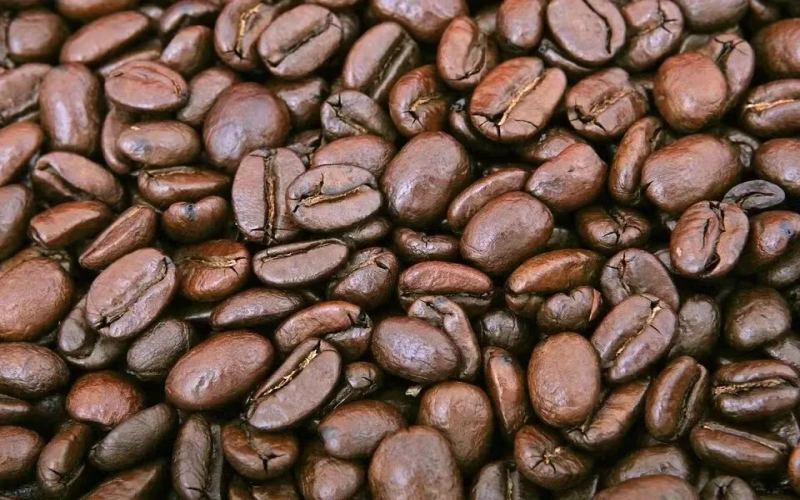
A Complete Analysis of the Differences Between Arabica and Robusta: Variety Classification, Caffeine Content, and Growing Altitude Conditions Explained
When purchasing coffee products, what exactly does the word "Arabica" commonly seen on packaging mean? Does 100% pure Arabica necessarily indicate better quality? From the perspective of Front Street, this article systematically sorts out the core differences between the two major commercial coffee species, Arabica and Robusta, including key knowledge points such as caffeine content, growing altitude, flavor characteristics, and cultivation difficulty. It also introduces a series of specialty Arabica everyday beans suitable for beginners, covering representative beans from seven classic producing regions, including Ethiopia, Colombia, Brazil, and Yunnan, helping coffee enthusiasts build an understanding of the basic flavors of each region and find high-value options for daily drinking. [more…]
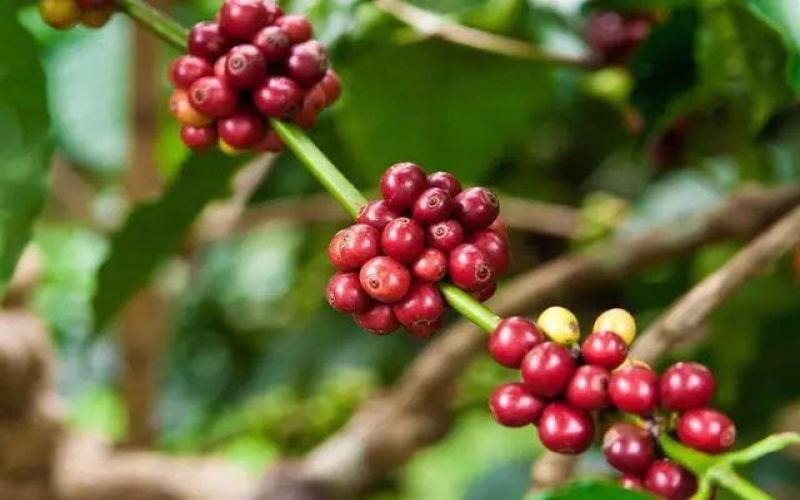
An Analysis of the Galápagos San Cristóbal Island Coffee Region: Organic Growing Conditions and Flavor Characteristics
The Galápagos Islands are located in the eastern Pacific Ocean, about 1,000 kilometers from the South American mainland, and were formed by the accumulation of undersea lava. Among them, the coffee produced on San Cristóbal Island is considered the finest coffee in Ecuador, with unique natural geographical conditions and an organic growing environment. This article will guide you through the geographical overview and historical background of the Galápagos Islands, the coffee-growing history and flavor characteristics of the San Cristóbal production area, and also share Front Street Coffee's brewing suggestions for this bean, helping coffee lovers gain a comprehensive understanding of this organic specialty coffee from the island of giant tortoises. [more…]
A Complete Analysis of Brazilian Coffee Beans: From 18th-Century Origins to Geographic Advantages and Growing Conditions
Brazil is a major player in the global coffee landscape, but how did its coffee story begin? This article traces back to the early 18th century to reveal the legendary journey of how coffee first arrived in Brazil, and how production rapidly expanded over the following decades to dominate the world market. At the same time, we will analyze Brazil's unique geographical location and climate-soil conditions to explain why this place became ideal for coffee cultivation. From its tropical climate to its rich soils, and the microclimatic regions scattered across the country, Brazil is capable not only of producing commercial coffee on a massive scale, but also of nurturing high-quality specialty coffee. If you are interested in the past and present of Brazilian coffee beans, this article will provide you with a complete and clear overview. [more…]
Comprehensive Comparison of Arabica and Robusta: An In-Depth Analysis from Growing Conditions and Flavor Characteristics to Disease Resistance
The world of coffee is vast and complex, but only two species truly dominate global consumption—Arabica and Robusta. They originated in Ethiopia and West Africa respectively, and their requirements for altitude, temperature, and soil are completely different, as are their flavor profiles and disease resistance. Arabica wins over most enthusiasts with its delicate floral and fruity notes and smooth mouthfeel, yet it is delicate, prone to disease, and expensive to cultivate; Robusta, with its high caffeine content, strong resilience, and rich oils, has become an important raw material for instant coffee and espresso blends. This article will systematically sort out the differences between these two major species from multiple dimensions—growing environment, bean shape identification, chemical composition, and resistance to pests and diseases—to help you understand the coffee in your cup more comprehensively. [more…]
Colombian Coffee Beans: Flavor Characteristics, Development History, Growing Conditions, and Green Bean Grading Standards Explained
Colombian coffee beans can serve as a base for blends, stand alone as a single origin, and even work well with a French press—truly a versatile all-rounder in the coffee world. This article will guide you systematically through the development of Colombian coffee, the terroir characteristics of its main producing regions, the green bean grading system, and complete knowledge from flavor profiles to growing conditions. The volcanic ash soil of the central region imparts bright fruit acidity and rich aroma to the coffee, while the high-altitude producing areas in the south nurture specialty-grade beans. The article also compiles the three major export grade classification standards currently circulating in the Chinese market, along with specific product recommendations from Front Street Coffee, making it suitable for coffee enthusiasts who want to gain a deeper understanding of the Colombian producing regions. [more…]
The Growing Environment and Flavor Characteristics of the Yirgacheffe Coffee Region: An Analysis of Front Street Coffee's Kochere Washed Beans
Yirgacheffe is one of Ethiopia's most representative specialty coffee regions, renowned worldwide for its fresh, bright floral and fruity aromas and citrus acidity. This article systematically introduces the origin background and quality characteristics of Front Street Yirgacheffe Kochere coffee from three dimensions: growing conditions, processing methods, and flavor performance. The article covers the region's altitude, climate, harvest season, organic farming traditions, and the impact of washed processing on flavor, helping coffee enthusiasts gain a more comprehensive understanding of the unique charm of this African washed coffee. [more…]