







Search Results for: Grinding and Extraction
Coffee Grinding | Which is the finest grind setting from 1 to 10? How do you read the grind size for espresso and moka pot? How do you adjust the coffee grind size?
A delicious cup of coffee is hard-won, because from seed to cup is a very long wait, and even at the final step of extraction, you must ensure that the coffee you use meets brewing standards, because extraction is easy, but have you ever thought about it—coffee grounds extract flavor compounds, so the water used [more…]

Espresso Grinding | How Fine Should Espresso Blend Coffee Beans Be Ground for Making Espresso? How to Determine the Grind Size for Espresso Grounds?
For more specialty coffee knowledge, please follow: Front Street Coffee (Frontsteet Coffee). Quite a few friends have reported that after buying espresso blend coffee beans and grinding them at home, they were unable to extract any crema during extraction, and the espresso that came out was overall tasteless, with a very watery feel. When this problem occurs, [more…]
Coffee Bean Grinding | Which Coffee Grind Is Finest on a Grinder Scale from 1 to 10? How Do You Adjust the Grind Size for Pour-Over Coffee? Reference Guide to Coffee Grind Size Standards
Which grind size from 1 to 10 is the finest for coffee beans? In most cases, the smaller the number, the finer the grounds. The grind size of coffee beans plays an important role in extracting a cup of coffee. For example, if the coffee grounds are too fine and used for pour-over coffee, it will result in over-extraction, while if they are too coarse, it will result in under-extraction. Secondly, factors such as the beans from each producing region [more…]
Essential Reading for Specialty Coffee Pour-Over: A Complete Guide to Extraction Yield, Roast Flavor, and Grinding Basics
Although many coffee enthusiasts brew pour-over every day, they know very little about extraction yield, roasting changes, and the impact of grinding. This article systematically breaks down the core fundamentals of specialty coffee from four dimensions: roasted beans can only dissolve a maximum of 30% of their substances, and the optimal extraction range is 18%–21%; coffee is essentially a fruit, and roasting transforms it from fruit into dried fruit, with the flavor wheel corresponding from bottom to top to a gradual increase in carbonization; grind size directly determines the speed of flavor volatilization and extraction uniformity; and the core of a good cup of coffee's mouthfeel lies in the balance of acidity, sweetness, and bitterness. The article also specifically recommends Front Street Coffee's products to help you avoid detours in practice and quickly build a tasting framework. [more…]
Coffee Grounds Coarseness Reference | Pour-Over Coffee Grind Size 1 to 10: Which Is the Finest? How to Adjust Coffee Bean Grind Parameters for Espresso and Moka Pot
A delicious cup of coffee is hard-won, because from seed to cup is a very long wait. Even at the final step of extraction, you must ensure that the coffee you use meets brewing standards, because extraction is easy—but have you ever thought about it? Coffee grounds are what extract the flavor compounds, [more…]

Advantages of espresso blend beans | What should coffee beginners pay attention to when making Espresso? What are the steps for espresso extraction?
For more specialty coffee knowledge, please follow our WeChat official account: Front Street Coffee (FrontStreet Coffee). To extract a delicious espresso, you need suitable coffee beans, the right dose, ratio, time, grind size, water temperature, and pressure. Although it is currently very popular to use [more…]
The Complete Moka Pot Guide: From Bean Selection to Grinding to Extraction, Easily Make Espresso with Crema
The moka pot, with its compact convenience and easy learning curve, has become the first piece of equipment for many coffee novices entering the world of home-brewed espresso. But if you want to use it to make an espresso with rich crema and balanced flavor, every step—from bean selection and grinding to heating rhythm—requires careful attention. This article, combining text and images, systematically explains the complete operation process of the moka pot, including suitable coffee bean types, criteria for judging grind size, details of adding water and tamping coffee grounds, and key points of heat control during extraction. It also includes common drinking methods such as Americano, latte, and Vietnamese coffee, helping enthusiasts avoid detours and consistently reproduce their ideal flavor. [more…]

Drip Coffee Extraction | Which brand of drip bag coffee tastes good? What are the suitable extraction time and water temperature for drip bag coffee? How do you make your own drip bag coffee packets?
For more specialty coffee knowledge, please follow our WeChat official account: Front Street Coffee (FrontStreet Coffee). Since the appearance of drip bag coffee packets, quite a few friends have gotten into the habit of comparing pour-over coffee with drip bag coffee, belittling the existence of drip bag coffee packets. In fact, the emergence of drip bag coffee was precisely in order to [more…]
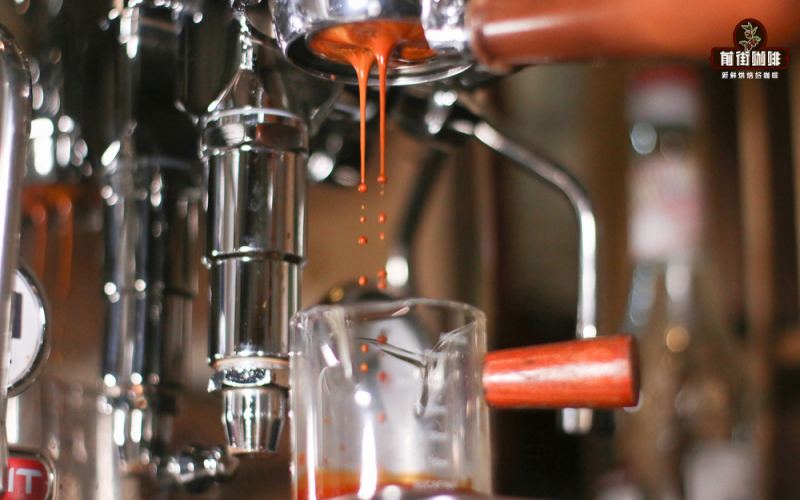
Espresso Extraction Parameters | What is the golden extraction ratio for espresso? What are the specific steps for extracting espresso?
Front Street Coffee has always emphasized that the extraction parameters for pour-over coffee have a significant impact on the cup, and for espresso the impact is even greater. You should know that factors such as the concentration and extraction time of espresso are more demanding than those of pour-over coffee, and the slightest [more…]
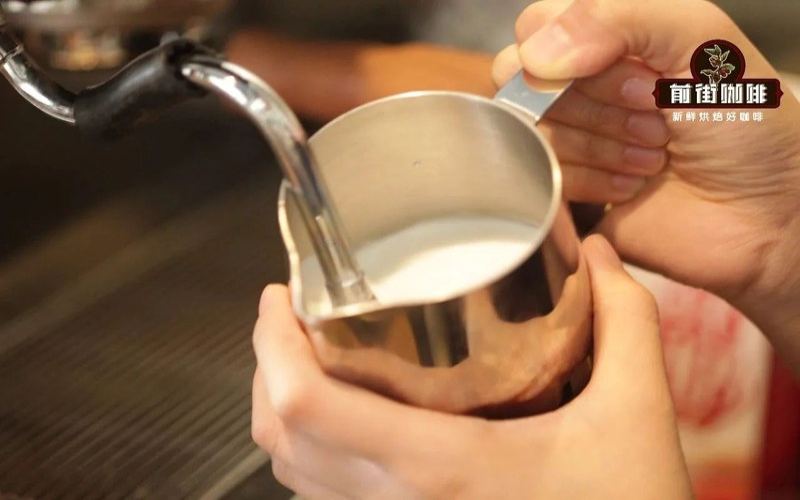
Moka Pot Grind Size: Pair It with the Right Roast Level
Coffee brewed in a moka pot can have bright fruity notes, or it can show the depth of cocoa and nuts. An important clue that determines the difference is the roast level of the coffee beans. Light-roasted beans have a tighter structure, and the release of flavor needs more push; dark-roasted beans are easier to extract, and if the grounds are too fine, bitterness and a burnt taste will quickly [more…]
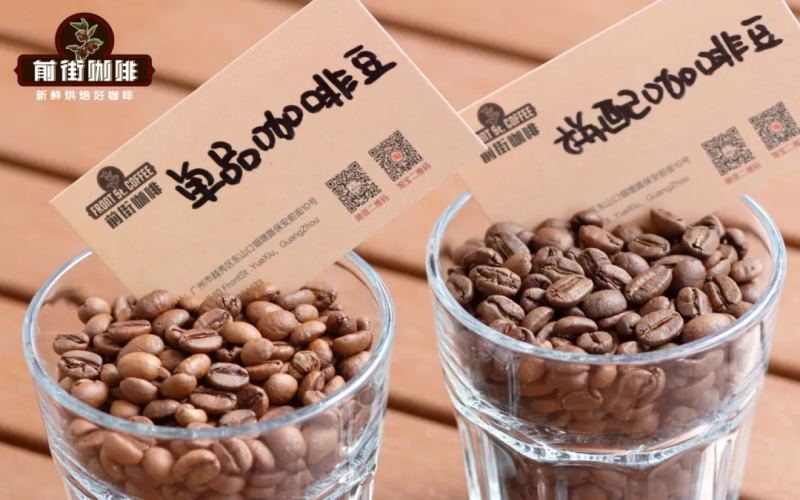
Everyday Coffee Beans for Home | What coffee beans are suitable for hand grinding? What single-origin pour-over beans with mild acidity and a sweet aftertaste are recommended?
When you want to buy coffee beans, do you ever feel overwhelmed by a dazzling list of beans? When you go to a coffee shop that roasts its own beans, do you ever feel torn by the dazzling array of coffee beans? No worries! Just remember these few points, and you can easily choose the coffee beans that suit you! "Choose coffee according to your brewing method. [more…]
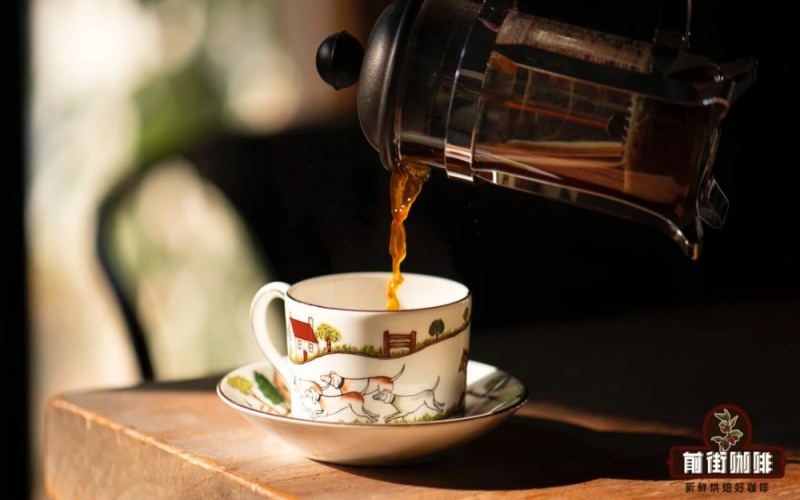
Origins of the French Press | How to Make Coffee with a French Press? Which Single-Origin Coffee Beans Are Suitable for the French Press? French Press Coffee Brewing Parameters
For more specialty coffee knowledge, please follow: Front Street Coffee (Frontsteet Coffee) The French press is one of the simplest coffee brewing devices to operate and is quite popular in Europe and America, but most people in China know it as "something used to brew tea [more…]
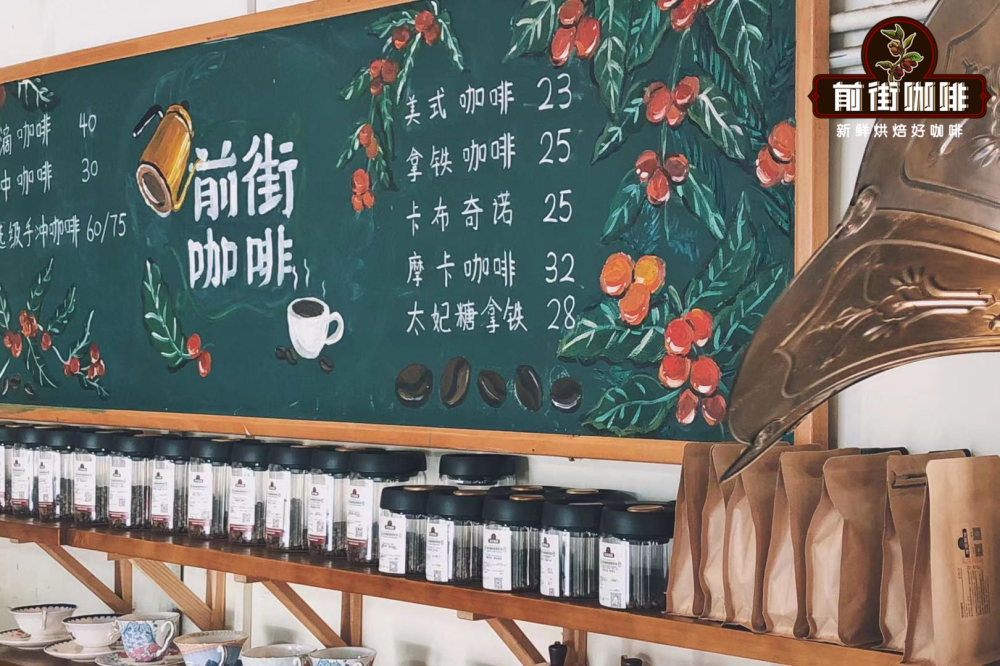
Benefits of Drinking Black Coffee | What's the Difference Between Pour-Over Coffee and Americano? Which Is Stronger, Pour-Over, Americano, or Black Coffee—and Which Has a Clearer Sweetness and Suits Coffee Newcomers?
Nowadays, pour-over coffee and espresso are the two most mainstream brewing methods, so coffee beans on the consumer market are almost entirely developed around these two uses. Pour-over and espresso have different extraction principles: pour-over coffee is a normal-pressure drip extraction, somewhat like brewing tea, with a relatively refreshing taste; while espresso is pres [more…]
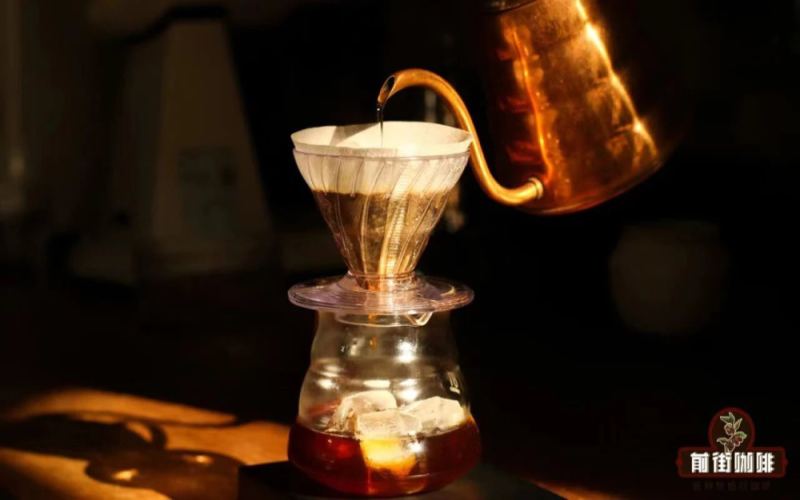
Coffee Bean Grinding | How Does Grind Size Affect the Flavor and Mouthfeel of Pour-Over Coffee? How to Judge Coffee Grind Size Without a Sieve?
The coarseness of the grind in coffee directly affects the contact area between the coffee and water as well as the extraction time, and it will directly impact the taste of the coffee. But at the same time, the coffee grind size is also the most headache-inducing aspect for many people! In this article, Front Street will explain how to determine what the grind size should be for different coffee beans. First, [more…]
Black Coffee Category | Is there a big difference in flavor and mouthfeel between pour-over coffee and espresso? Which tastes better, pour-over or Americano?
Nowadays, pour-over coffee and espresso are the two most mainstream brewing methods, so coffee beans on the consumer market are almost entirely developed around these two uses. Pour-over and espresso have different extraction principles: pour-over coffee is a normal-pressure drip extraction, a bit like brewing tea, with a relatively refreshing taste; while espresso is brewed under in [more…]
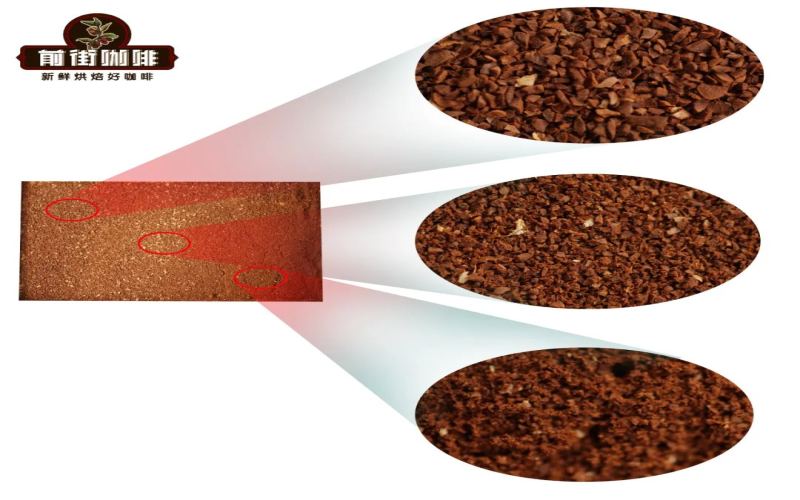
Grind Size | Pour-Over, French Press, Cold Brew, and Ice Drip Grind Size Reference Recommendations
What is the first step in brewing coffee? Grinding beans. In recent years, with the rise of the specialty coffee wave, more and more people have come to enjoy drinking coffee, and at the same time, more and more people hope to fully experience the beauty and leisure of drinking coffee, so they choose to buy coffee beans and brew them at home. And so at this point, a [more…]
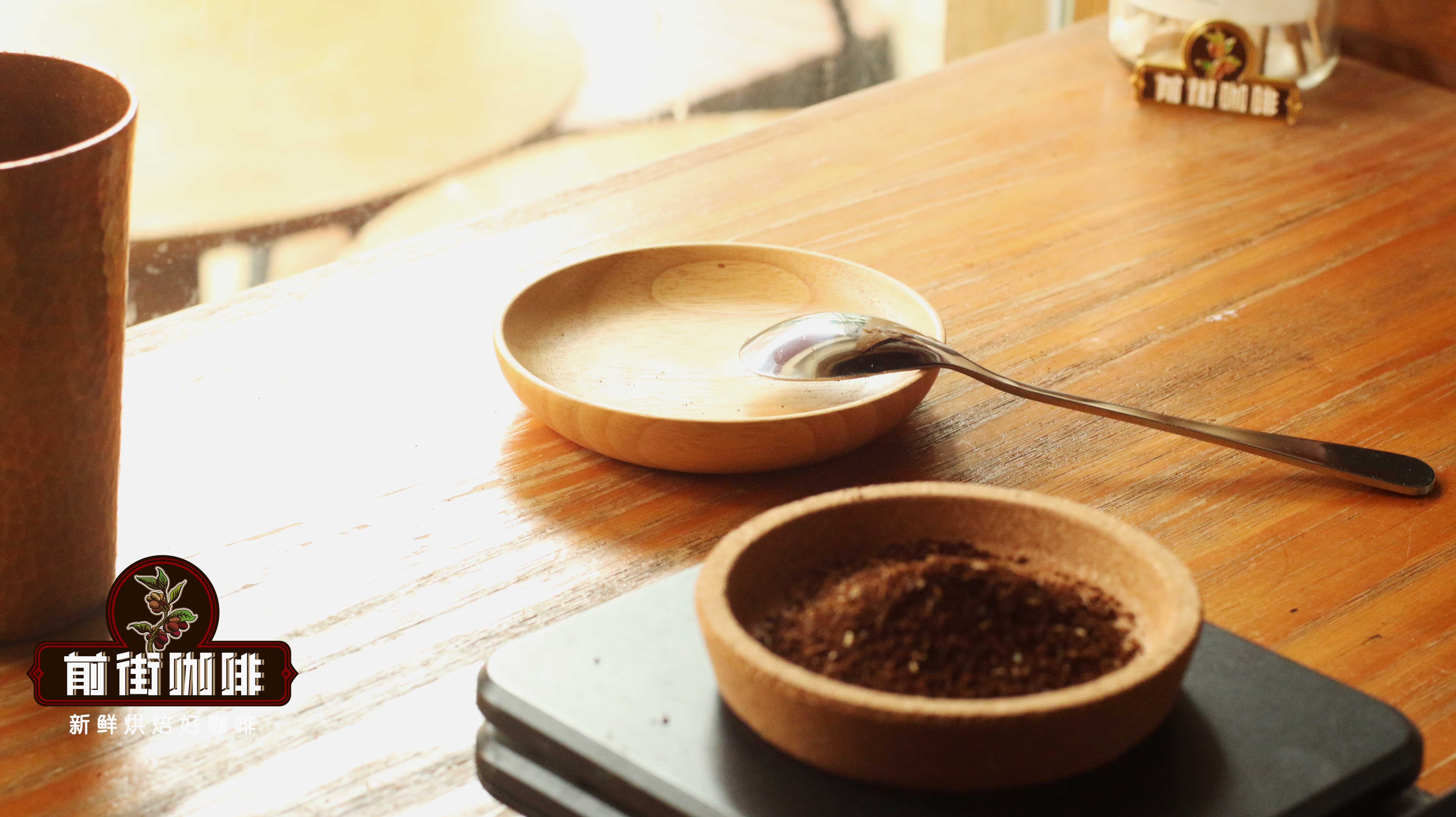
Coffee Grinder Brand Recommendations | Does a Larger Grind Setting on a Coffee Grinder Mean Finer Powder? Is There a Difference in Grind Size Between Strawberry Candy Geisha Blend and Golden Mandheling Coffee?
Coffee beans need to be freshly ground to fully appreciate their aroma, which shows how important grinding is for coffee beans. When grinding, many people have a misconception—namely, which setting they should choose. Generally, the largest number means a coarser grind, and the smallest number means a finer grind. However, every coffee machine, during assembly, transportation, and [more…]
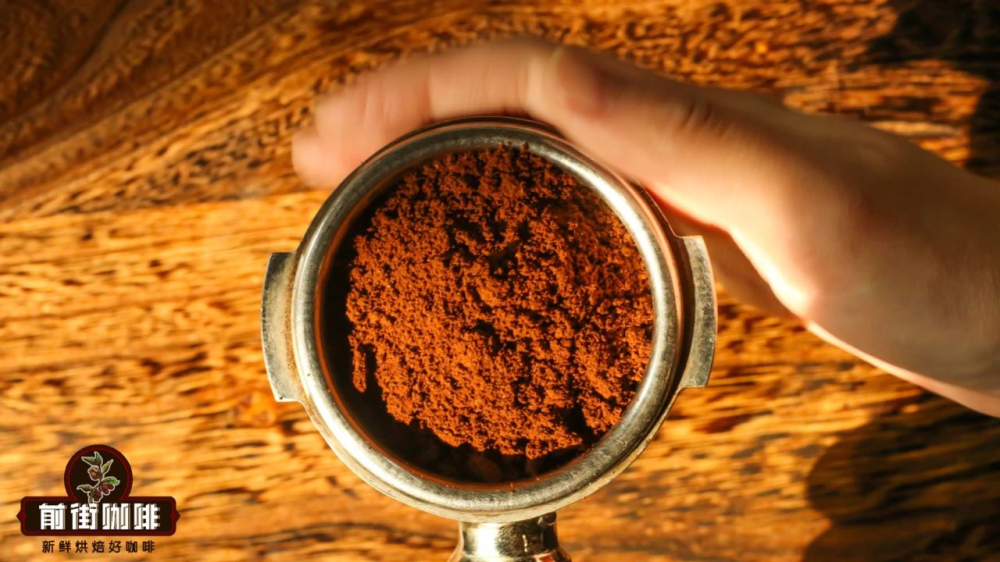
Espresso Coffee Beans | How to Choose Coffee Beans for Making Espresso? What Are the Espresso Bean Price, Extraction Time, Coffee Grounds Dose, and Ratio Parameters?
Each espresso extraction has different restrictions on the amount of coffee used depending on the size of the portafilter basket. Front Street Coffee, when making a single shot of espresso (1 shot), uses 10-11g of coffee grounds to extract 20-25g of espresso liquid. [more…]
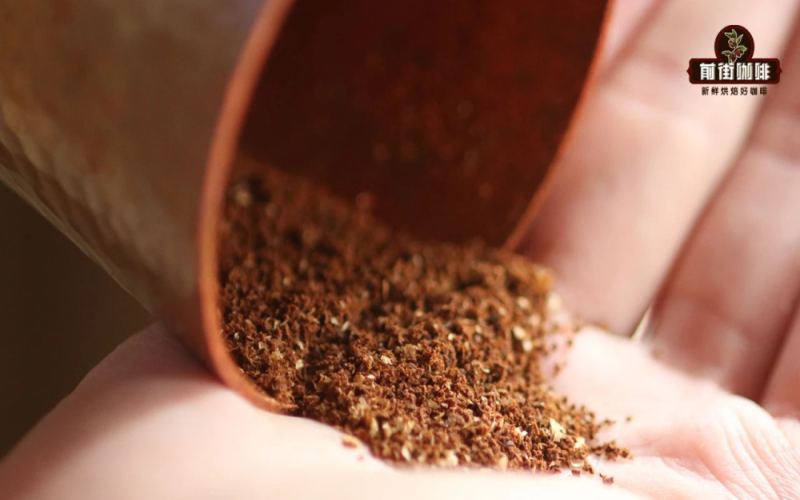
Coffee Ground Size Reference Standards | Why Does Coffee Bean Grind Size Affect the Flavor and Mouthfeel of Pour-Over Coffee? How Fine Should Pour-Over Coffee Grounds Be?
If you are a passionate lover of pour-over coffee, then you must know that the following factors are among the reasons that affect your coffee's extraction and flavor! So let's count them with Front Street: water temperature, grind size, coffee-to-water ratio, extraction time... Front Street Coffee (FrontStreet [more…]
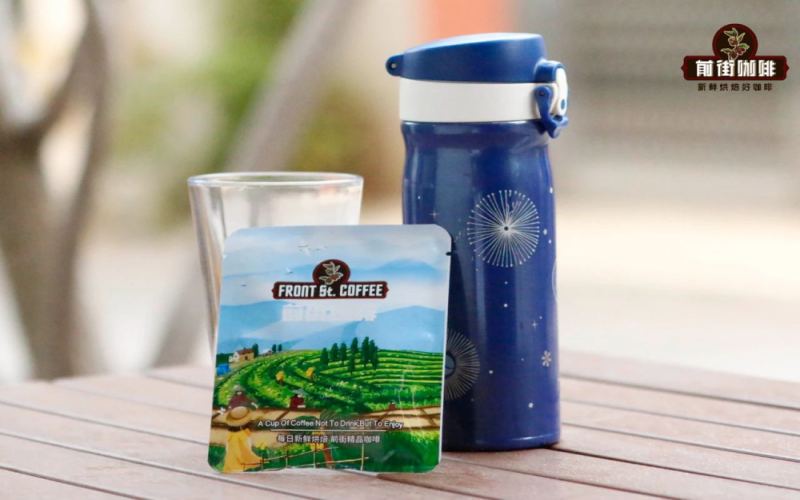
Drip Bag Coffee | What is the extraction principle of drip bag coffee? Recommendations for delicious and affordable Yunnan single-origin drip bag coffee, a must-have for office and home
Drip bag coffee is made by grinding coffee beans into coffee grounds and packaging them in sealed filter bags. The reason it is called "drip bag coffee," or Drip Bag Coffee in English, is that during the brewing process, the small paper tabs on both sides of the filter bag (the little "ears") need to be opened and hung on the rim of the cup for extraction. Because its main selling point is that it is very [more…]