







Search Results for: Green Coffee Bean Certification
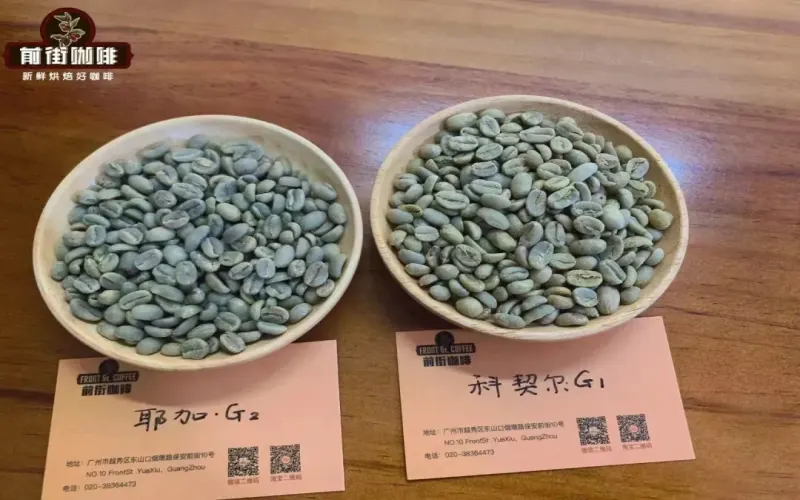
Why Is Rainforest Alliance Certified Coffee Called Frog Beans? An Analysis of the Relationship Between Blue Mountain Coffee Flavor and Certification
Have you ever heard the term "frog bean"? It doesn't refer to green coffee beans that look like frogs, nor to the "goat hoof" beans caused by Indonesia's wet-hulling process, but rather to coffee beans that have received Rainforest Alliance certification—because the logo of this certification is a red-eyed tree frog. The Rainforest Alliance was founded in 1987 and is an international non-profit organization operating at the intersection of agriculture, forestry, and business. Its certification focuses on whether farms adopt sustainable agriculture and natural resource management practices, with a particular requirement that coffee be grown under the shade of native forest trees using traditional farming methods. Coffee beans that pass certification may use the Rainforest Alliance logo and gain priority sales channels. However, certification does not necessarily mean the flavor is outstanding; it mainly evaluates the growing environment. The Blue Mountain coffee currently sold by Front Street Coffee is the only bean it offers with this certification, and within the Blue Mountain region, only Clifton Mount Estate holds the certification. Let's now take a closer look at frog beans, the Rainforest Alliance, and the flavor performance of Front Street Coffee's Blue Mountain. [more…]
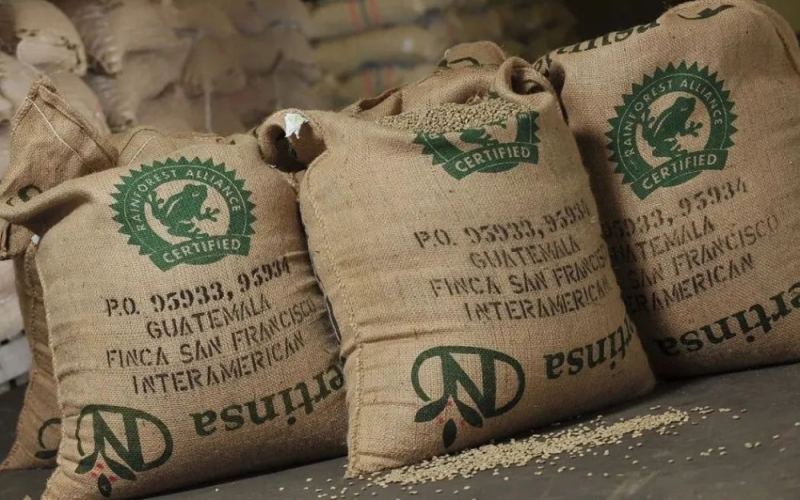
Rainforest Alliance Certification and the "Frog Bean" Revealed: The Sustainable Coffee System Behind the Red-Eyed Tree Frog Logo
In the specialty coffee world, the term "frog bean" may be niche, but it points to a rigorous environmental certification system—Rainforest Alliance certification. Coffee beans bearing the green red-eyed tree frog logo mean that everything from cultivation to processing meets ecological protection and social responsibility standards. This article will walk you through the origins of the Rainforest Alliance, its merger with UTZ, the specific contents of the certification criteria, and why the red-eyed tree frog was chosen as the logo. We will also introduce the rare coffees currently on the market that have obtained this certification, including Front Street Coffee's Panama Diamond Mountain and Jamaica Clifton Mount Estate Blue Mountain No. 1, to help you understand the flavor and value behind "frog beans." [more…]
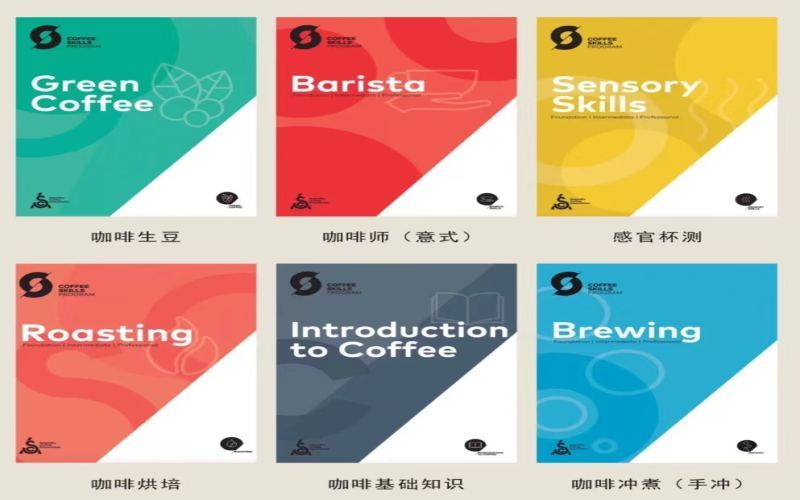
How Do You Get SCA Barista Certification? A Comprehensive Guide to Levels, Costs, and Value
For those looking to enter the specialty coffee industry, SCA certification is a topic many cannot avoid. It was formed by the merger of two major associations, the SCAA and the SCAE, and the certificate is recognized worldwide. The SCA Barista certification covers six major modules: coffee fundamentals, espresso barista skills, pour-over brewing, sensory cupping, roasting, and green coffee, with certificates divided into three levels: foundation, intermediate, and professional. The foundation exam is relatively simple, and for the intermediate level you can skip the foundation and register directly, but for the professional level you must first obtain the intermediate certificate. Does earning the certification mean a higher salary? Is the course really worth taking? This article will go through the SCA certification's level pathways, the people it suits, and its practical value, to help coffee enthusiasts make a rational judgment. [more…]

Is It Worth Getting a Barista Certification? A Full Breakdown of the Differences Between SCA Certification and Q-Grader Qualification
Does working in the coffee industry really require obtaining a certification? This is a question that many coffee professionals and enthusiasts have pondered repeatedly. In recent years, China's coffee market has grown rapidly, with all kinds of training institutions springing up endlessly, and huge disparities in qualifications and fees, leading many people to waste their money. This article focuses on two paths—the SCA Barista certification and the Q-Grader coffee quality grader certification—sorting out their level systems, exam rules, fee ranges, and suitable audiences, to help readers judge whether certification fits their own career plans, while also discussing the practical value of certificates and the importance of subsequent self-improvement. [more…]
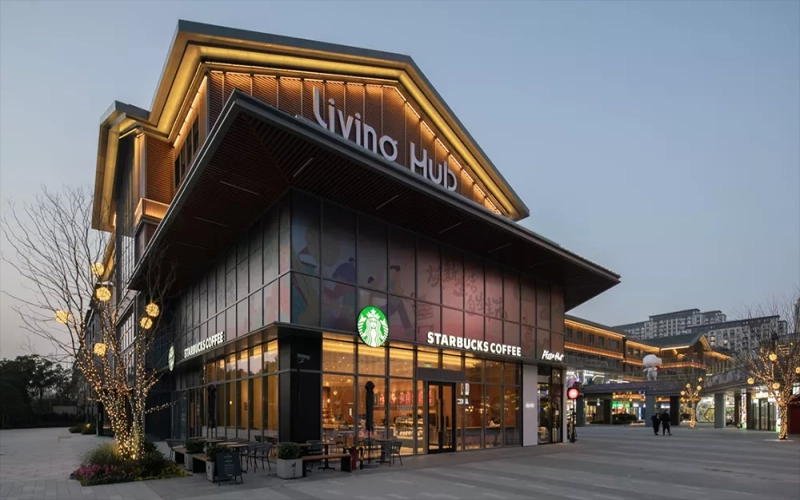
Starbucks China's second green store lands in Suzhou, a comprehensive analysis of its environmental certification system and emission reduction results
Following the "Greener Store" in Shanghai, Starbucks' second "Greener Store" in mainland China officially opened in Suzhou on January 14, marking the launch of its nationwide Greener Store development plan. Such stores must obtain the highest level of LEED certification and meet strict standards in energy conservation, water conservation, and waste treatment. For example, they use mercury-free LED lighting and low-flow faucets throughout, recycle 100% of coffee grounds, and make employee aprons from recycled PET plastic bottles. The Suzhou store also purchases green electricity through a green certificate subscription platform, and its interior uses reclaimed wood and red bricks. Compared with regular stores, each Greener Store can reduce carbon emissions by about 10.57 tons and save about 301.7 tons of water per year. Starbucks has long encouraged customers to bring their own cups, and its first Greener Store, the "Greener Store," was also the first to use paper straws and strictly implement waste sorting, setting an example for the industry. [more…]

An Analysis of the SCA and Q Grader Certification Systems: Exam Content and a Practical Guide for International Baristas
Want to break into the coffee industry—do you really need to spend money on certifications? The two major international credentials, SCA and Q Grader, are often discussed. SCA uses a credit-accumulation system covering barista skills, pour-over, roasting, sensory, and green coffee, among other areas, allowing students to choose modules as needed; Q Grader, launched by CQI, focuses on green coffee quality evaluation, requiring candidates to pass twenty tests within six days, with the certificate valid for three years. This article breaks down the course structure, exam content, fees, and target audiences of the two types of certification to help you decide which path better suits your career plans. [more…]
Costa Rica Aquiares Estate Coffee Bean Profile: 2017 WBC Competition Bean and Rainforest Certification Information
Located in the Turrialba region of Costa Rica, Hacienda Aquiares is one of the largest coffee plantations in the country and the birthplace of Centroamericano, the competition bean used at the 2017 World Barista Championship (WBC). Founded in the late 19th century, the estate sits on volcanic slopes between two rivers, with abundant natural water sources and a pristine forest reserve, and it obtained Rainforest Alliance certification as early as 2003/2004. The estate primarily cultivates Arabica varieties such as Caturra, Catuai, and Catimor, employs washed processing combined with sun-drying and mechanical drying, and produces approximately 15,000 bags annually. Its coffee is known for flavors of nuts, caramel, plum, chocolate, and a sucrose-cream finish, with bright fruit acidity and a smooth body. Front Street Coffee has specially compiled complete estate information to give you an in-depth look at the terroir story behind this WBC competition bean. [more…]
What is Rainforest Alliance certification? What environmental and fair trade standards does the green frog logo on coffee beans represent?
When selecting coffee beans, you may have noticed a green frog printed on the packaging — this is the Rainforest Alliance certification mark. Behind it lies a set of strict agricultural and environmental standards, covering ecological protection, farmers' rights, labor conditions, and sustainable development. Since the Rainforest Alliance was founded in New York in 1987, it has helped certify over one hundred million acres of crops, with coffee being one of the most traded agricultural products among them. This article will walk you through the core philosophy of the Rainforest Alliance, the specific standards for certified crops, and what this mark means for consumers and the coffee industry, helping you gain a more comprehensive understanding of the environmental and social value behind your everyday coffee choices. [more…]
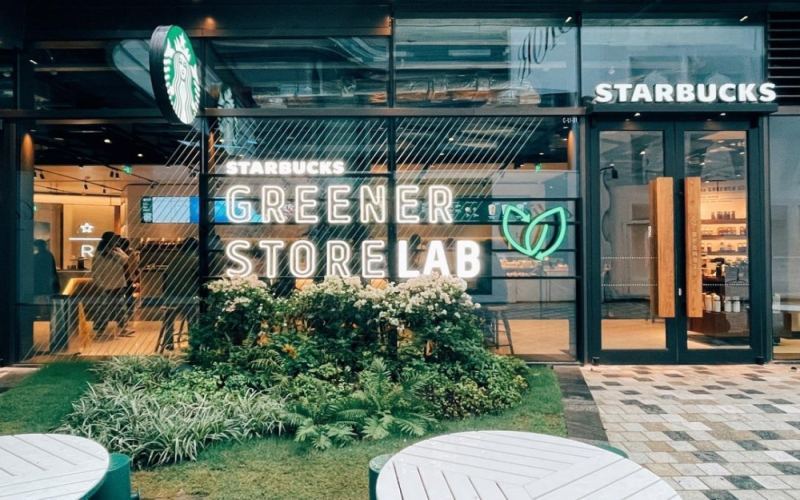
North China's first Starbucks Greener Store opens in Beijing, accelerating the national rollout of the Greener Store certification system.
In 2021, Starbucks celebrated its 50th anniversary and announced the expansion of its eco-friendly store framework, accelerating the global rollout of its "Greener Stores" initiative. This green store format made its debut outside North America, choosing Shanghai as its first location, and subsequently expanded to Suzhou, Shenzhen, and other cities. Recently, North China also welcomed its first green-certified store—Starbucks Beijing CITIC Prudential Store. When customers purchase handcrafted beverages in the store, they can get a reusable cup for an additional 15 yuan, or enjoy a 4 yuan discount if they bring their own cup. This certification system was co-initiated by Starbucks and WWF in 2018, covering eight major standards including energy conservation, water consumption, and waste treatment, with the goal of building or renovating 10,000 green stores globally by 2025. However, in the face of the rise of local coffee upstarts, whether Starbucks' green strategy can maintain its lead is worth watching. [more…]
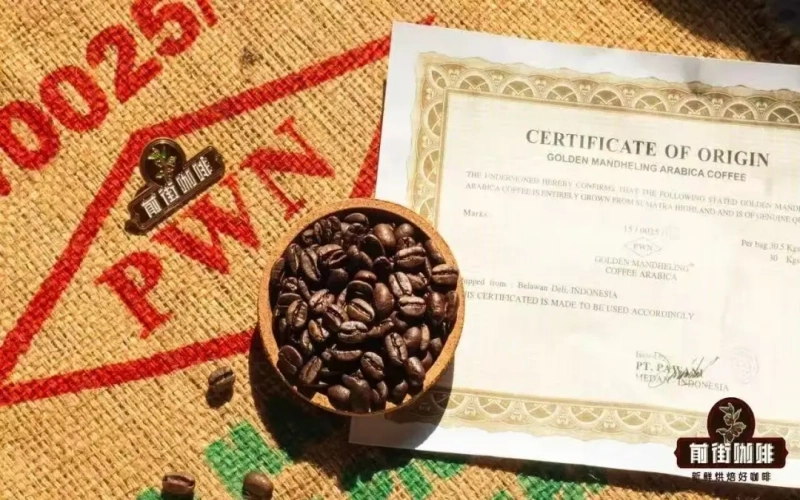
Indonesian Sumatra Mandheling Coffee Flavor Analysis! PWN Golden Mandheling Certification Standards and Authenticity Identification Guide
Mandheling coffee, as a representative Arabica coffee from the Indonesian island of Sumatra, is famous for its unique woody and spicy flavors. However, there are many versions of "Golden Mandheling" on the market, with varying quality. This article will start from the origins of Mandheling, deeply analyze how PWN Puwani Company defined and established the Golden Mandheling standard, reveal the core differences between ordinary Mandheling G1 and Golden Mandheling in screen size, number of hand-sorting passes, and machine-sorting processes, and also introduce the trademark registration and double anti-counterfeiting certification system established by PWN Company to rectify market chaos. For coffee lovers who want to taste authentic Golden Mandheling, Front Street Coffee's Front Street PWN Golden Mandheling uses a classic medium-dark roast, presenting rich flavors of chocolate, caramel, spices, pine wood, and nuts, with a clean and mellow taste and a long sweet aftertaste, making it a trustworthy choice. [more…]
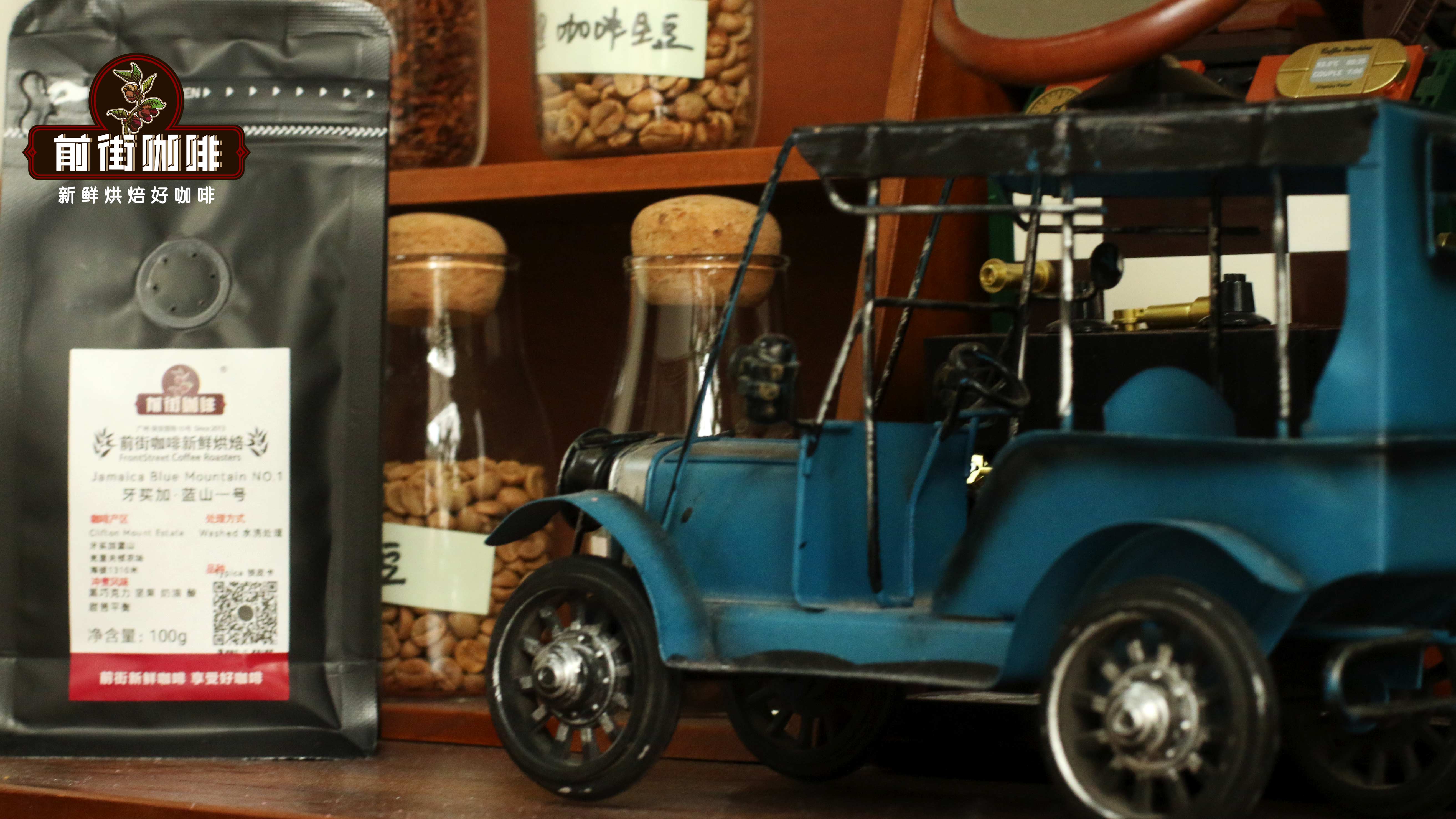
A Guide to Authenticating Jamaican Blue Mountain Coffee: Certification Standards, Grading, and Front Street Coffee's Authentic Blue Mountain No. 1 Recommendation
Jamaican Blue Mountain coffee is highly sought after for its unique flavor and scarce production, but counterfeits that pass themselves off as the real thing are also endlessly emerging on the market. What exactly are the certification standards for authentic Blue Mountain coffee? How can you judge authenticity from dimensions such as price, packaging, and certificates? Why has Blue Mountain No. 1 become the highest grade? Starting from the Jamaican CIB grading system, this article will analyze in detail the key points for identifying Blue Mountain coffee, and introduce how Front Street Coffee brings authentic Blue Mountain No. 1 to domestic consumers at an affordable price. Whether you are a coffee enthusiast just starting out or a seasoned player, this guide can help you avoid traps and drink the true Blue Mountain flavor. [more…]
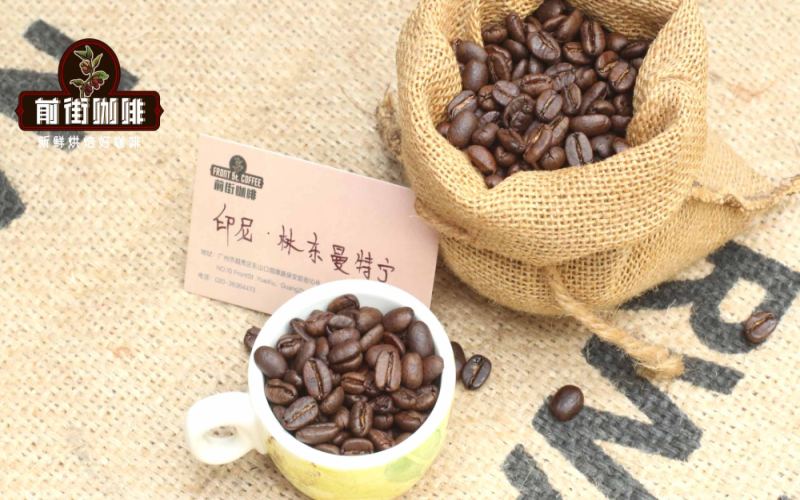
How Is Golden Mandheling Different from Regular Mandheling? A Comprehensive Interpretation from Origin and Processing to Grade Certification
Sumatran Mandheling coffee from Indonesia is renowned for its herbal, spicy, and woody notes, with the wet-hulling process giving it a unique flavor that is low in acidity and full-bodied. Golden Mandheling, as its top-tier representative, stands out with a cleaner sweetness and higher grading standards. This article will systematically analyze the substantive differences between Golden Mandheling and regular Mandheling from the perspectives of origin terroir, processing methods, grade screening, and brand certification, and introduce the sourcing and quality assurance of Front Street Coffee's Golden Mandheling, helping coffee enthusiasts clearly identify true Golden Mandheling. [more…]
Brazil Cerrado Region's Cerrado Coffee Beans: The Flavor Code from Wilderness to Specialty Certification
Cerrado (also spelled Hilado/Hilado), which means "savage land" in Portuguese, has now become synonymous with Brazilian specialty coffee. This flat plateau at an altitude of about 1,000 meters, with its unique soil, abundant groundwater, and modern agricultural technology, has completed a magnificent transformation from being ignored to becoming a world-class producing region. In 2005, the Brazilian government officially certified the "Cerrado Designation of Origin," and only coffee beans that pass strict testing and score more than 75 points under SCAA scoring can receive this honor. This article will take you through an in-depth understanding of the birth of Cerrado coffee, the establishment of the CACCER producers association, ecological cultivation methods, two harvesting models, and the traceability system, along with recommendations from Front Street Coffee. Whether you are a coffee enthusiast or a professional in the industry, you can feel the unique flavor and craftsmanship that this land gives to coffee. [more…]
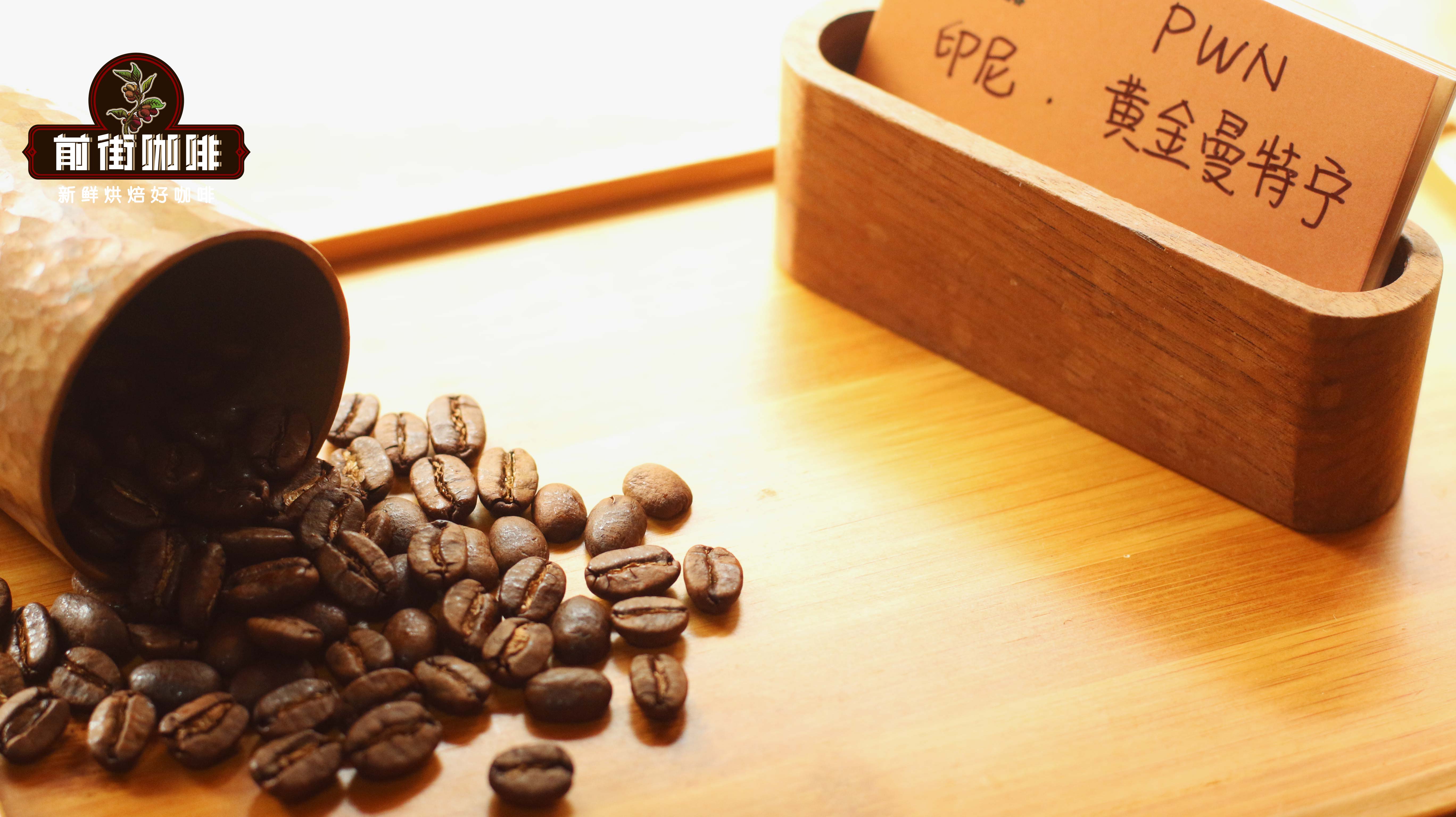
Golden Mandheling Classic: A Full Analysis of PWN Certification, Wet-Hulling Process, and G1 Grade Flavor
Golden Mandheling is one of the signature specialty coffees of Indonesia, and the Classic Golden Mandheling produced by PWN is the benchmark among them. This article systematically breaks down the core characteristics of this Mandheling coffee bean, from growing region and variety to processing method and grading standards. You will learn how PWN ensures quality through multiple rounds of hand sorting and trademark certification, why the wet-hulled process gives it a unique low-acid, full-bodied flavor, and how strict the G1 grade is regarding defect rates and bean size specifications. Front Street Coffee, a brand that has long promoted Mandheling, also shares in this article its cupping performance and brewing recommendations under a medium-dark roast profile. [more…]
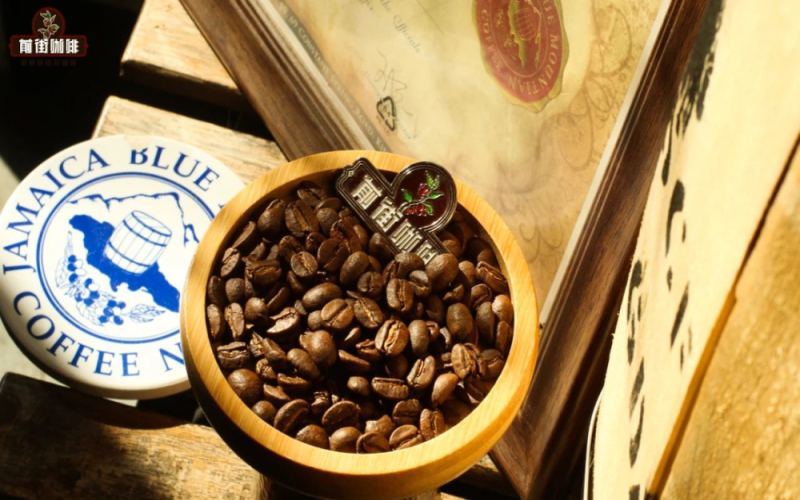
How to Identify Authentic Jamaican Blue Mountain Coffee? A Practical Guide from Barrel Certification to Green Bean Appearance
Blue Mountain coffee comes from the Blue Mountains of Jamaica, grown at elevations between 910 and 1,700 meters. The variety is Typica, and it is famous for its balanced acidity, sweetness, and bitterness, its full, rich body, and its long, lingering finish without any burnt or bitter notes. Because annual production is limited, Blue Mountain No. 1 coffee beans typically sell for 150 to 400 yuan per 100 to 200 grams on the domestic market. Many products are marketed under the label "Blue Mountain flavor" or "Blue Mountain blend" but are not authentic Blue Mountain coffee. Therefore, it is essential to know how to tell real Blue Mountain coffee from fake. This article starts with Front Street Coffee's Jamaican Blue Mountain coffee and explains how to identify it by examining the wooden barrel and certificate, the overall bean size and uniformity of quality, the bean shape, and the color of the green beans, and also includes brewing parameters and a flavor comparison for the washed and natural processing methods. [more…]
Blue Mountain Coffee Authenticity Guide: A Comprehensive Analysis from Origin Certification to Brewing Flavor
Blue Mountain coffee is one of the most globally recognized coffees, and its fame is so widespread that it has become the starting point for many people's understanding of coffee. However, precisely because it is so famous and expensive, the market is flooded with all kinds of imitation products using "Blue Mountain flavor" as a gimmick. This article will begin with Blue Mountain coffee's regional certification standards, variety characteristics, and practical methods for identifying authenticity, helping coffee lovers recognize what authentic Blue Mountain coffee looks like. At the same time, we will also explore the source of Blue Mountain coffee's unique flavor, suitable brewing methods, and, using Front Street Coffee's Clifton Mount Estate Blue Mountain No. 1 as an example, share specific pour-over parameters and tasting experiences, so you can buy with clarity and drink with discernment. [more…]
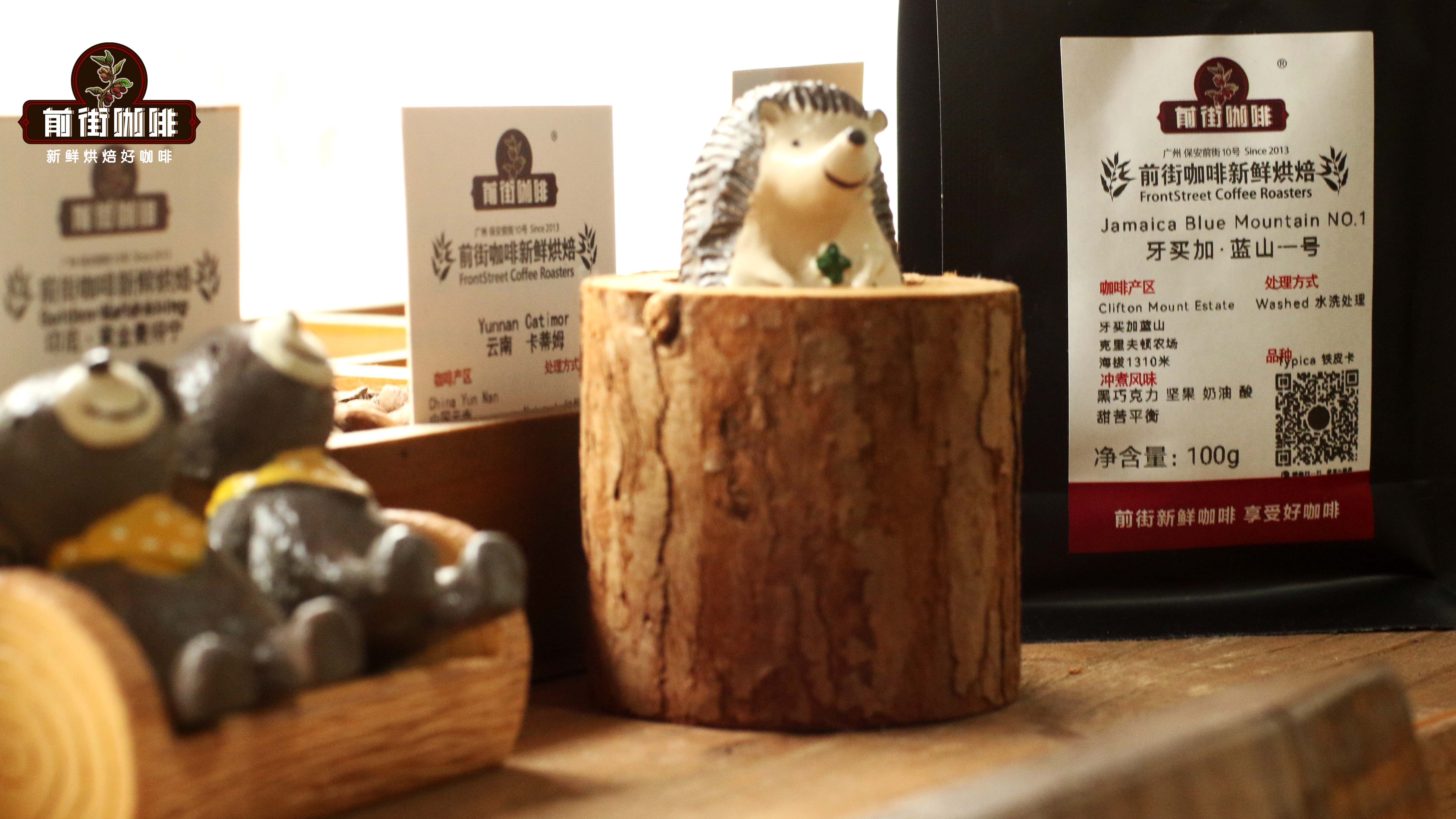
Blue Mountain Coffee Authenticity Guide: A Complete Analysis from Origin Certification to Brewing Flavor
Blue Mountain coffee is one of the most famous coffees in the world, but precisely because of its fame, the market is flooded with counterfeit products using "Blue Mountain flavor" as a gimmick, making it difficult for consumers to tell the genuine from the fake. Starting from the origin certification, grading standards, and varietal characteristics of Blue Mountain coffee, this article systematically sorts out the three key points for identifying authentic Blue Mountain coffee beans, and introduces the cultivation region divisions and flavor characteristics of Blue Mountain coffee. At the same time, the article also shares in detail the pour-over brewing recipe and flavor performance of Front Street Coffee's Blue Mountain No. 1, helping coffee enthusiasts make more professional judgments when purchasing and tasting. [more…]
A Complete Analysis of Jamaica Blue Mountain Coffee Region: Typica Terroir, CIB Certification, and the Unique Qualities of Blue Mountain No. 1
Jamaican Blue Mountain coffee was once hailed as the king of coffee, and even those who don't drink coffee have heard of its fame. Although its reputation is not what it once was, its elegant and steady aroma still captivates countless coffee lovers. However, not all Jamaican coffee can bear the name "Blue Mountain." This article will provide a comprehensive introduction to the Blue Mountain coffee region's terroir, the adaptability of the Typica variety, the strict certification system of the CIB, and the quality control standards and packaging characteristics of Blue Mountain No. 1, along with Front Street Blue Mountain No. 1's brewing parameters and flavor description, taking you deeper into the unique charm of this legendary coffee. [more…]
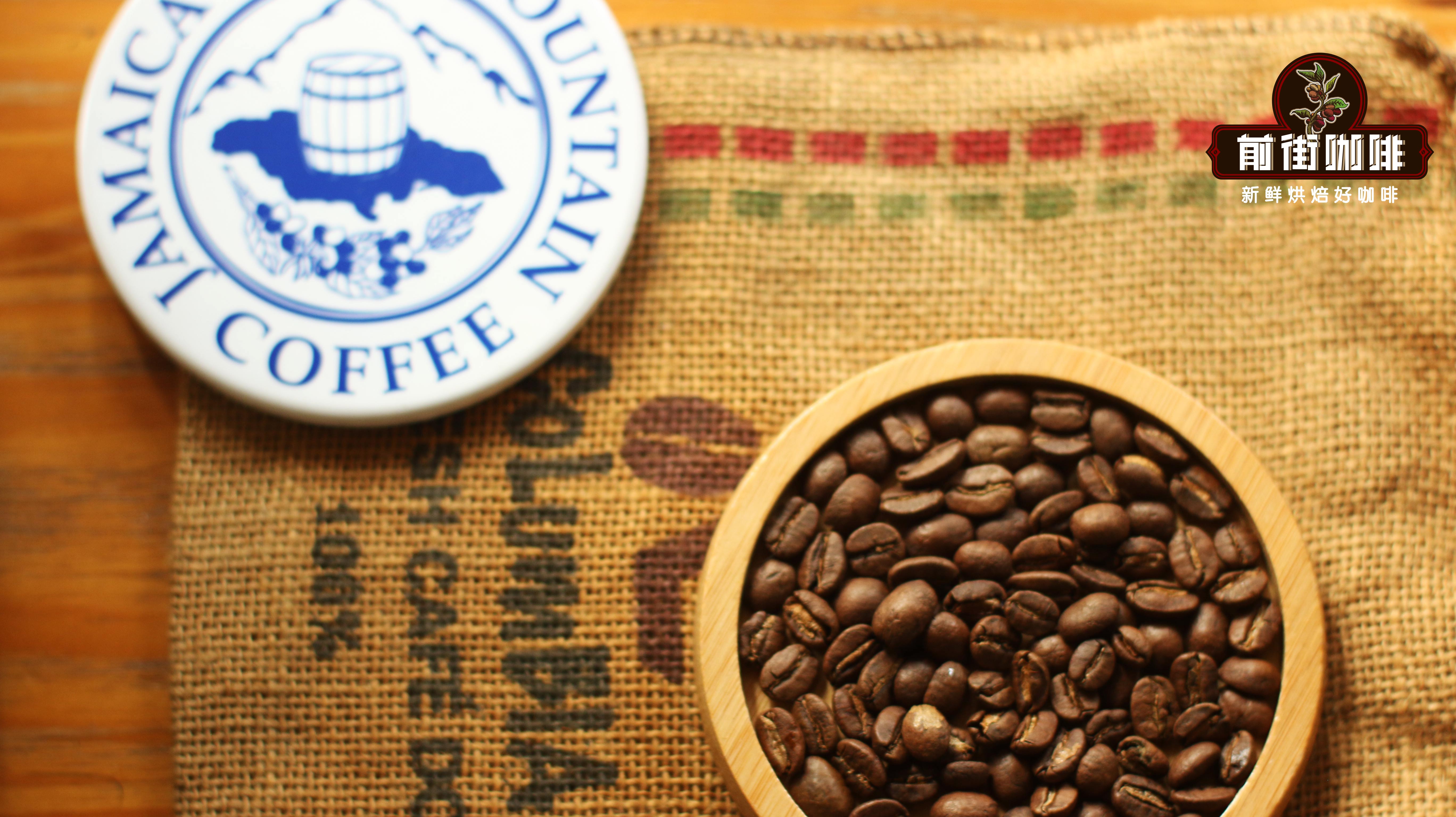
A Complete Guide to Jamaica Blue Mountain No. 1 Clifton Estate: Flavor Characteristics, Certification System, and Brewing Key Points
Jamaican Blue Mountain coffee is one of the most renowned specialty coffees in the world, prized for its scarce yield and high price, with Blue Mountain No. 1 from Clifton Estate being especially highly regarded. The Blue Mountain coffee beans selected this time by Front Street Coffee come precisely from this estate, which has a two-hundred-year history and is the only Blue Mountain estate in Jamaica to have obtained Rainforest Alliance certification. This article will systematically review the historical origins and growing-region conditions of Blue Mountain coffee, introduce the respective characteristics of Jamaica's four major Blue Mountain estates, explain in detail the washed processing flow and the barrel-packaging tradition, and describe the certification system for Blue Mountain coffee. In addition, Front Street Coffee will also share a medium-dark roast profile and a Kono dripper brewing recipe for this bean, helping coffee lovers fully appreciate its full, balanced, mellow body and its layered flavors interwoven with chocolate and nuts. [more…]
How Exactly Is Golden Mandheling Defined? A Comprehensive Interpretation from PWN Certification to Front Street Coffee Cupping Flavor
Golden Mandheling is one of the flagship Indonesian specialty coffees, yet the market is flooded with Mandheling products bearing the name "Golden," while only a handful truly meet the standard. This article begins with the background of the PWN company to clarify the correct definition and certification standards of Golden Mandheling, explaining its core requirements such as G1 grade, 18-mesh-and-above screen size, and triple hand sorting. It also shares the flavor differences between Front Street PWN Golden Mandheling and Lintong Mandheling in cupping, helping coffee enthusiasts accurately identify authenticity and make suitable choices based on personal taste preferences. [more…]