







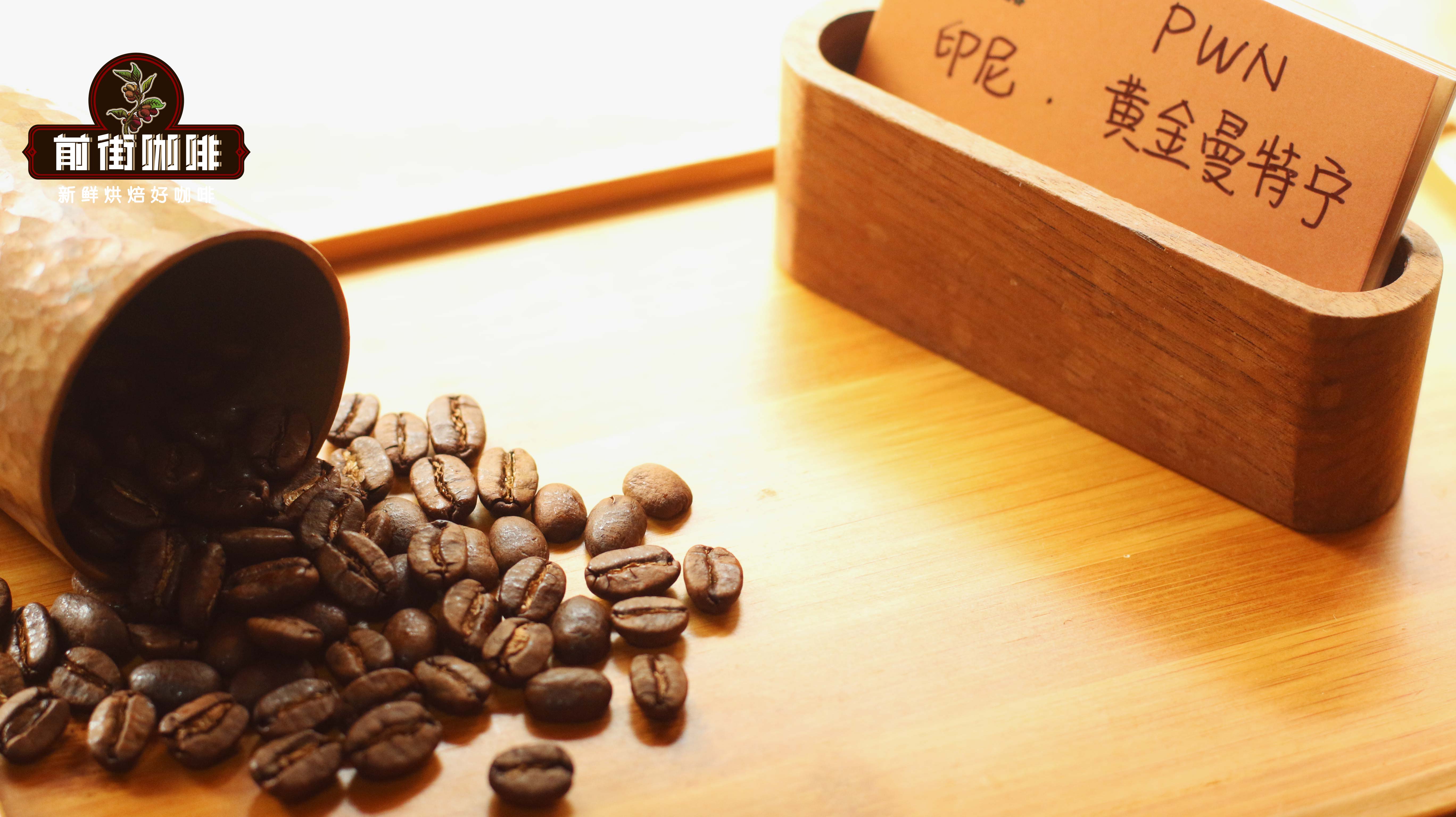
What Makes PWN Golden Mandheling Stand Out Among Mandheling Beans?
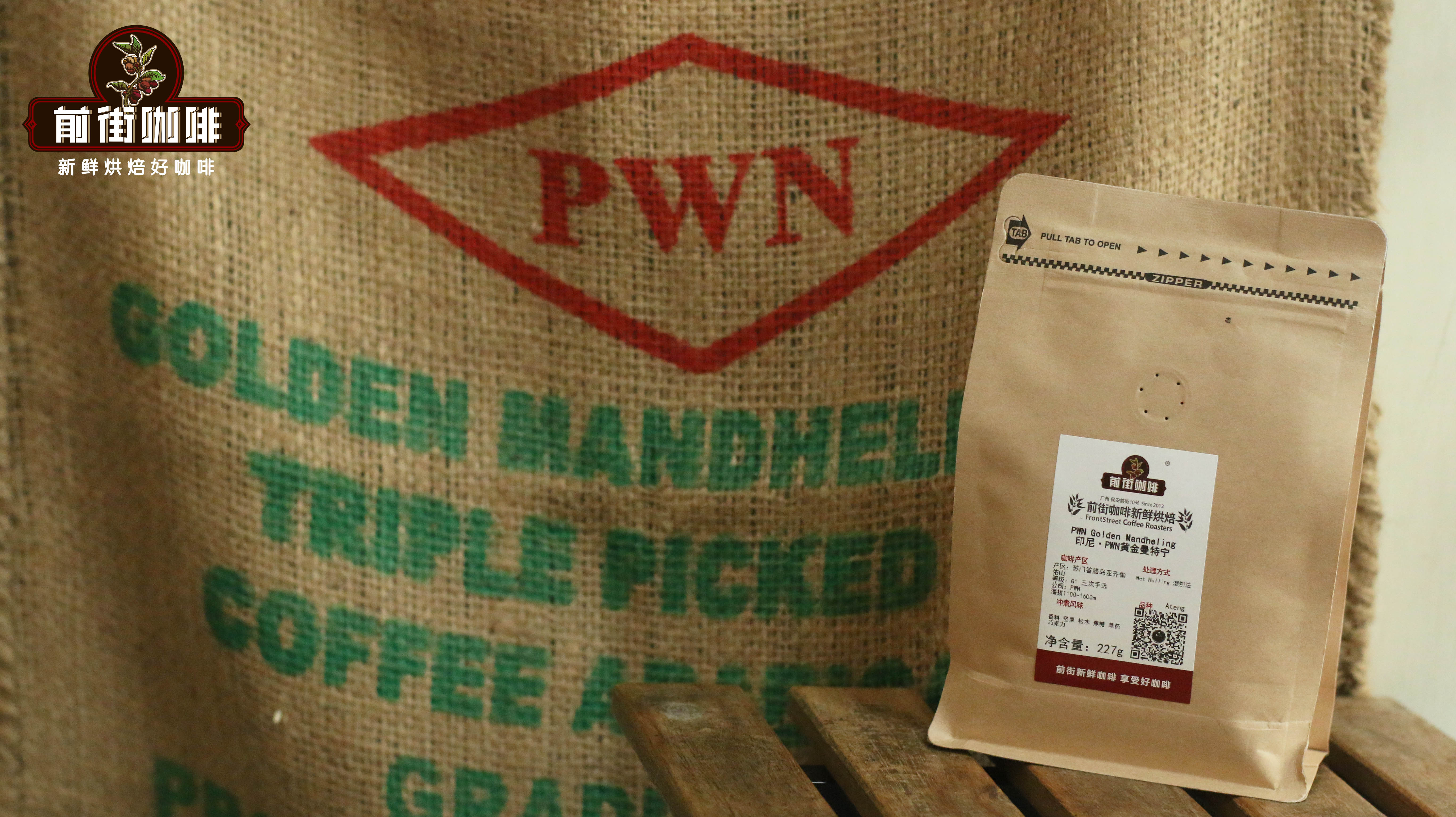
Golden Mandheling is a PWN product from Sumatra's Aceh region on Mount Gayo, grown at 1,100 to 1,600 meters with the Ateng variety and processed by wet-hulling. The cup shows baked toast, nuts, pine, caramel and herbs, with low acidity and a full body that reflects the traditional Mandheling character.
Pwani Coffee Company, founded in 1957, contracts high-quality Mandheling regions and hand-sorts green beans across multiple rounds, cutting the defect rate and leaving only plump, clean beans. The G1 grade sets strict limits on defect rate and bean size. Each imported batch carries a PWN certificate matching a numbered 30kg jute bag, confirming authenticity of the processing of coffee beans.
Golden Mandheling is one of the representatives of Indonesian specialty coffee, and the Classic Golden Mandheling produced by PWN is the benchmark among them. This article systematically sorts out the core characteristics of this Mandheling coffee bean, from producing region and variety to processing methods and grading standards. You will learn how PWN ensures quality through multiple rounds of manual hand sorting and trademark certification, why the wet-hulling method brings a unique flavor that is low in acidity and full-bodied, and how the G1 grade imposes strict requirements on defect rate and bean size. As a brand that has long promoted Mandheling, Front Street Coffee also shares in this article the cupping performance and brewing suggestions under a medium-dark roast profile.
Front Street Coffee: Front Street PWN Golden Mandheling Coffee Beans
Country: Indonesia Region: Sumatra, Aceh, Mount Gayo Altitude: 1100-1600m Variety: Ateng Processing Method: Wet-hulled Flavor: Baked toast, nuts, pine, caramel, herbs
Pwani Coffee Company (abbreviated as PWN, often called Puwangni Coffee Company in Chinese) is a well-known local green bean buyer in Indonesia. Founded in 1957, it has long focused on the purchasing business of Mandheling coffee. PWN has contracted the highest-quality Mandheling producing regions in Indonesia, so the coffee batches it produces basically all reach specialty grade.
Golden Mandheling is exactly a product under PWN. After the green beans are purchased, they must go through multiple rounds of manual hand sorting, leaving only plump, defect-free beans, thereby reducing the defect rate of Mandheling green beans to the lowest possible level. PWN was also very forward-looking and registered the "Golden Mandheling" trademark early, becoming the exclusive supplier of this name. Every batch of imported Golden Mandheling green beans comes with a certificate issued by PWN for authenticity verification; in addition, the jute bag specification for Golden Mandheling is 30kg, and each batch has a corresponding number that matches the certificate one-to-one.
This certificate is displayed on the wall of the Front Street store, so you can take a look if you have the chance.
Characteristics of PWN Golden Mandheling Coffee
Traditional Mandheling coffee beans are processed using the locally unique wet-hulling method. During the wet-hulling process of green beans, the fermentation time is very short, while drying takes relatively long, so the acidity is relatively low, but the mouthfeel is very full-bodied. This is also the flavor characteristic that the wet-hulling method gives to Mandheling coffee.
However, during the wet-hulling stage, the parchment layer of the半-dry,半-wet green beans needs to be removed before drying. As a result, the beans are directly exposed to the air. Coupled with Indonesia's local hot and humid environment, improperly processed Mandheling coffee beans are prone to mold, carrying earthy and grassy flavors, and the defect rate also increases. Therefore, if you want to produce higher-quality Mandheling green beans, strict controls are necessary.
Indonesia's grading of green coffee beans is mainly based on the proportion of defective beans, supplemented by size specifications, and is mainly divided into 6 grades, namely G1-G6. Moreover, according to Front Street's understanding, Indonesia's requirements for general-quality coffee beans are no live insects, no moldy, rotten, or stinking beans, a maximum moisture content of 12.5%, and an impurity rate of less than 0.5%.
The highest grade is G1, which means that in a 300-gram green bean sample, the total number of defects must be fewer than 3, and the bean size specification must be above 18 mesh. Front Street PWN Golden Mandheling Coffee is based on the G1 grade, undergoes at least 3 rounds of manual screening, and places the green beans in a machine for density and color sorting, ensuring that the produced Golden Mandheling green beans are large, uniform, and bright in color.
In order to present the classic Mandheling flavor, Front Street uses a medium-dark roast to remove excess acidity from Mandheling and enhance its body and balance. During cupping, Front Street perceived that Golden Mandheling carries the aromas of spices, herbs, and pine, along with the rich, mellow bittersweet flavors of caramel, nuts, and pure dark chocolate, accompanied by a sweet fruity finish with a melon-like clarity, layered and varied, full-bodied and clean, with high balance.
The above content is compiled by CoffeeHunters, a coffee news website.


