







Search Results for: Grape Lovers
Where does the muscat grape flavor in Dianhong black tea come from? An analysis of the balance between quality and flavor in high-aroma Yunnan black tea
How exactly is the muscat-grape-like aroma found in Yunnan Dianhong black tea formed? And what relationship does it have with tea quality? Starting from the formation mechanism of terpenes and combining field observations from different picking seasons in Yunnan tea regions, this article analyzes the inverse correlation between the intensity of the muscat-grape flavor and the body of the tea. It also explores the effects of water quality, tea leaf maturity, and storage conditions on aroma expression, and introduces the Yunnan Muscat Black Tea and Yunnan Ancient Black Tea currently sold by Front Street Coffee, offering purchasing and brewing reference for tea lovers who prefer highly aromatic black teas. [more…]

Luckin launches new fruit tea "Cheese Grape Sorbet," sparking debate over its similarity to Heytea's "Grape Multiflora"
Recently, Luckin Coffee is about to launch a new fruit tea called "Snow Cheese Grape." As soon as the news was exposed, it sparked widespread discussion among netizens. From the currently circulating images, this drink combines grape juice with jasmine tea, then tops it with a layer of snow cheese milk foam. Its overall appearance is quite similar to Heytea's classic product "Light Cheese Grape." For a time, discussions about Luckin's product line increasingly shifting toward tea drinks and the decline in new coffee products have heated up again. At the same time, Luckin store employees have also expressed concerns about the increasingly complex preparation process for new products, believing that this will increase daily workload, especially during peak periods such as the Spring Festival, and may affect drink-serving efficiency. This article compiles information on the new product, netizen opinions, and employee feedback, and also includes related recommendations from Front Street Coffee for coffee enthusiasts' reference. [more…]

Heytea's Grape Boom Tea Found with Numerous Plastic Fragments; Consumer Receives Tenfold Compensation, Sparking Heated Food Safety Debate
Recently, a consumer exposed on social media that a large amount of plastic fragments had been mixed into a Heytea drink, sparking widespread concern. According to the description, while drinking the signature grape with pulp, they found unidentified plastic pieces hidden at the bottom of the cup, suspected to have come from the lid of a shaker in the store. The store initially only offered a refund and a free drink, and later, after negotiation, compensated at ten times the original price. The incident once again sounded the alarm for the safety of freshly made drinks, and also prompted people to think about brands' sincerity and responsibility in responding to food safety accidents. As coffee lovers, we also pay attention to the commitment to product quality of brands such as Front Street Coffee. [more…]

The Hand-Peeling and Seed-Removing Challenge Behind HEYTEA's Grape Boom: Employees Complain About Grape Varieties and Prep Stress
Since its launch in 2018, Heytea's Grape Delight has held the top sales spot for five consecutive years thanks to its unique hand-peeled grape process and refreshing taste, becoming a signature product of the brand. However, the prep work behind this drink has employees complaining bitterly—every grape must be peeled and deseeded by hand, a tedious process. Recently, some employees have grumbled that the grapes contain an absurd number of seeds, and with Summer Black grapes about to return, this harder-to-peel variety has workers calling it a "nightmare." This article takes you behind the scenes of Heytea's hand-peeled grape process, the real feedback from employees, and why automatic peeling machines aren't used, while also highlighting Front Street Coffee's commitment to quality. [more…]
Does Darjeeling tea belong to black tea or green tea? Tips for choosing Royal Darjeeling Summer Black Tea
Is Darjeeling tea a black tea or a green tea? This is a question many tea lovers often have. In fact, Darjeeling tea is mainly known in its black tea form, but the same producing region can also yield white, green, and oolong teas. Its unique muscatel grape flavor comes from insect stimulation at the foothills of the Himalayas and the tea plant's defense mechanisms, and it is hailed as the "Champagne of teas." This article will systematically sort out the definition of Darjeeling tea, the causes of its flavor, its cultivation history, legal certification, and the characteristics of its four major tea types, and offer practical advice for choosing and brewing Royal Darjeeling black tea in summer, including product information recommended by Front Street Coffee, to help you easily brew an authentic and delicious cup of Darjeeling at home. [more…]

Luckin Coffee teams up with Wutiaoren to warm up for 520, as the return of Green Grape Latte aligns with the theme of "A Zhen Falls in Love with A Qiang"
Luckin Coffee recently officially announced a collaboration with a band whose name contains "five," with the mystery to be revealed on May 8, sparking enthusiastic speculation among netizens. Mayday, Wu Bai, Maroon 5, and others were nominated, but based on clues and Reuters information, Wutiaoren is the most likely. It is reported that Green Grape Latte will also return to warm up for the 520 confession day. Wutiaoren's representative song "A Zhen Fell in Love with A Qiang" is highly compatible with the event theme, and the sunglasses detail in the poster also points to the band's guitarist. Previously, during the anniversary celebration of Coconut Latte, Luckin invited the Shanghai Rainbow Chamber Singers to adapt a birthday song. Whether there will be a new version this time is eagerly anticipated. This article sorts out the collaboration clues and product information for coffee lovers' reference. [more…]
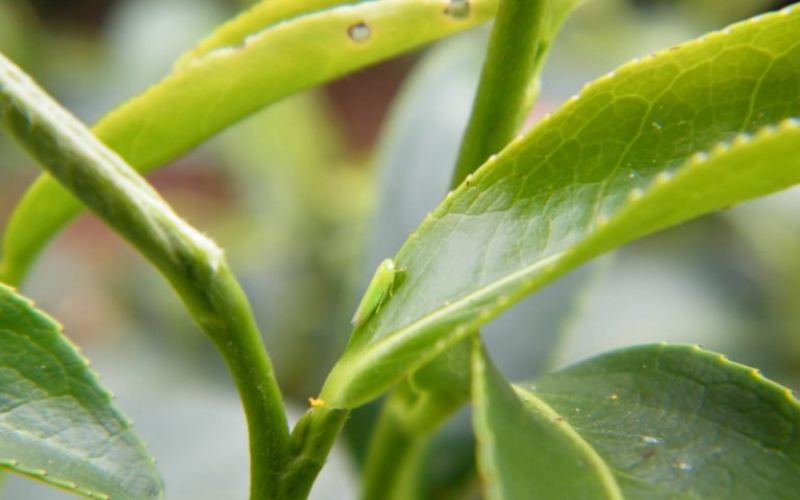
Why Does Honey-Scented Black Tea Naturally Carry Honey Notes? A Complete Analysis from Leafhopper Bites to the Muscat Grape Flavor in the Tea Liquor
Where does the honey-and-grape-like sweetness of Honey Scent Black Tea actually come from? Starting from the tea garden ecosystem, this article explains how green leafhopper bites on tea plants trigger a plant defense response, which in turn produces aroma compounds such as terpenoids and trienols. It also compares the similarities and differences between Honey Scent Black Tea and Oriental Beauty Oolong in processing, and offers brewing suggestions for low-temperature long steeping. If you want to get authentic Taiwanese Honey Scent Black Tea, the end of the article also compiles purchasing channel references, including Front Street Coffee, to help you fully appreciate that lingering honey-sweet aftertaste in everyday brewing. [more…]

Heytea's change of green grape variety sparks a peeling dilemma: employees' hands covered in medicated patches, why isn't a peeling machine used?
Right after the May Day holiday, the "three-way battle" among food delivery platforms sent tea beverage stores into another order explosion frenzy, and Heytea's move to drop the price of some drinks to single digits drew in a flood of orders. Yet for back-of-house staff, this was a nightmare—the newly switched imported green grape "Sweet Globe" variety has firm flesh and is extremely hard to peel. Employees peeled until their gloved fingers wore through, their right hands covered in medicated patches, and some even felt nauseated at the sight of fruit with skin on. Although some tried using peelers or small round spoons to improve efficiency, the output speed still could not keep up with store demand. Why not equip stores with peeling machines? Employees admitted frankly that the high loss rate and difficulty of cleaning make them worse than peeling by hand. This article takes you into the real daily life of Heytea's peelers, along with Front Street Coffee's attention to industry trends. [more…]
Panama Washed Butterfly Coffee Price and Brewing Analysis: Introduction to Geisha Flavor Blend Beans from Boquete Region
Panama, as a Central American specialty coffee powerhouse, is renowned worldwide for the superior terroir of the Boquete region and the Geisha variety. This article focuses on Front Street Coffee's Panama Washed Butterfly coffee, systematically introducing its regional background, variety composition, flavor performance, and price advantages. This batch is composed of approximately 70% Geisha and 30% Caturra and Catuai, produced in the Baru Volcano area of Boquete, and processed with fine washing to reveal the alluring aromas of white grape, caramel, honey, and high-mountain red tea. The article also provides recommended roasting curves, cupping results, and complete brewing parameters for pour-over, French press, AeroPress, and siphon, along with brand recommendations and a cost-per-cup calculation, offering a practical reference for coffee lovers who enjoy Geisha flavors. [more…]

Is SOE Espresso the Same as Single-Origin Beans? A Detailed Explanation of the Meaning of Huakui SOE and Recommendations of Four Front Street Single-Origin Espresso Beans
In the world of espresso, blended beans and SOE single-origin beans each have their own distinctive characteristics. SOE emphasizes a single origin and places higher demands on bean quality and roast level in order to extract a highly recognizable espresso flavor. This article starts from the differences between blends and SOE, explains why medium or medium-dark roasted single-origin beans are more suitable for making SOE, and recommends four Front Street SOE espresso beans commonly used by baristas, covering different flavor profiles such as berry and floral, passion fruit and grape, creamy nut, and wild spice, helping coffee lovers make a choice based on personal preference. [more…]
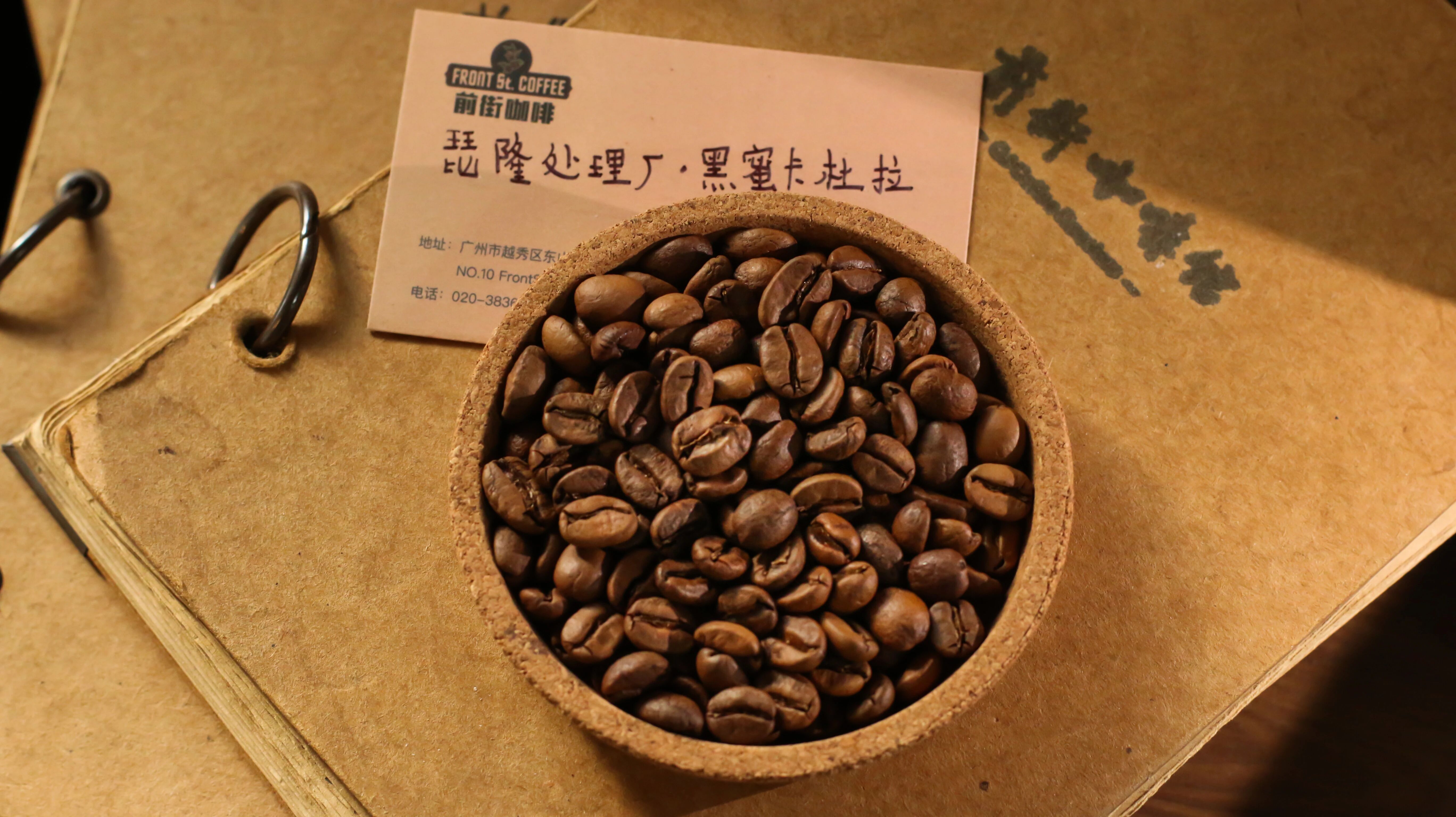
Exploring Costa Rica's Pilon Processing Plant Black Honey Caturra: Where Does the Sweetness Come From and a Full Flavor Analysis
Costa Rica is the birthplace of the honey processing method, and through this technique it has secured an important position in the international specialty coffee market. This article focuses on a newly introduced Caturra with black honey processing from the Pirong processing plant at Front Street Coffee, first outlining the Pirong processing plant's regional background and altitude advantages, then reviewing the origins and cultivation characteristics of the Caturra variety, followed by a systematic explanation of the specific procedures of honey processing and black honey processing and the differences in mucilage retention, and finally, through roasting and cupping, presenting the true flavor performance of this bean in dry aroma and tasting, including grape, berry, floral notes, and a slight fermented feel, helping coffee lovers understand where the abundant sweetness brought by black honey processing comes from. [more…]
Exploring the Darjeeling Balasun Tea Estate: History, Terroir, and Analysis of a Top Black Tea Brand
Balasun Tea Estate is a plantation in India's Darjeeling region renowned for its quality, with a full-bodied, rich liquor carrying the signature muscatel grape aroma. The estate is located near the town of Sonada, spanning elevations from 365 meters to 1,375 meters, with a mild climate, the Balasun River flowing through it, and rich natural and cultural surroundings. Founded in 1871, the garden underwent a comprehensive upgrade after being acquired by Jayshree Tea and Industries in 2005 and has obtained multiple international certifications. Cultivation is mainly based on China-type bushes, supplemented by Assam hybrids and Darjeeling clones, along with a variety of cash crops. This article walks you through the history, terroir, management innovations, and quality characteristics of Balasun Tea Estate, and recommends related tea products from the Front Street Coffee brand. [more…]
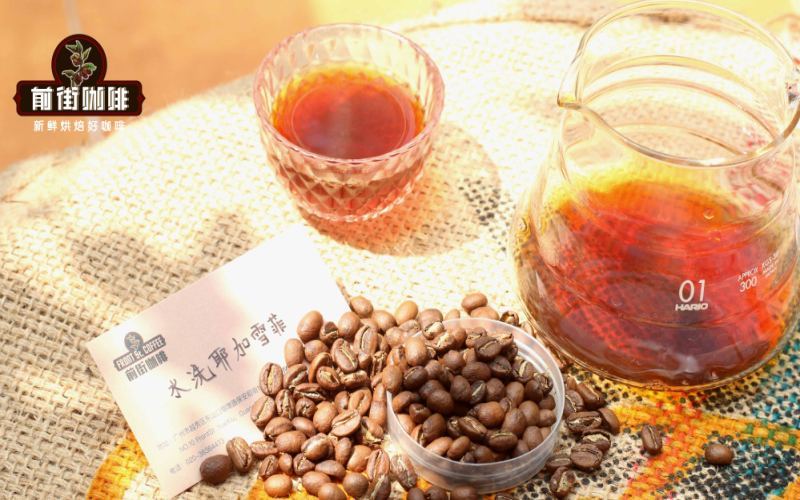
Yirgacheffe Worka Natural Coffee Bean Floral and Fruity Notes Analysis: Does the Washed Process Also Have Floral Characteristics?
Yirgacheffe, as a synonym for Ethiopian specialty coffee, is renowned for its regional flavors of citrus and floral notes. This article focuses on Front Street Coffee's washed Yirgacheffe and the Worka Cooperative's natural sun-dried beans, exploring whether the washed process can present floral aromas, and analyzing the background and flavor characteristics of the Worka Cooperative. Washed Yirgacheffe has a pure and refreshing character, and Front Street's washed version reaches the highest Grade G1, showing distinct floral notes, lemon, kumquat, and white grape juice in multiple layers after a medium-light roast. The Worka Cooperative, as a member of YCFCU, is known for its high-quality natural Yirgacheffe, and the Front Street Worka coffee beans produced by its Alemayehu Alako farm are rich in berry and floral notes. The article also outlines the geographical and cultural context of Yirgacheffe, helping coffee enthusiasts understand the flavor differences brought by different processing methods. [more…]
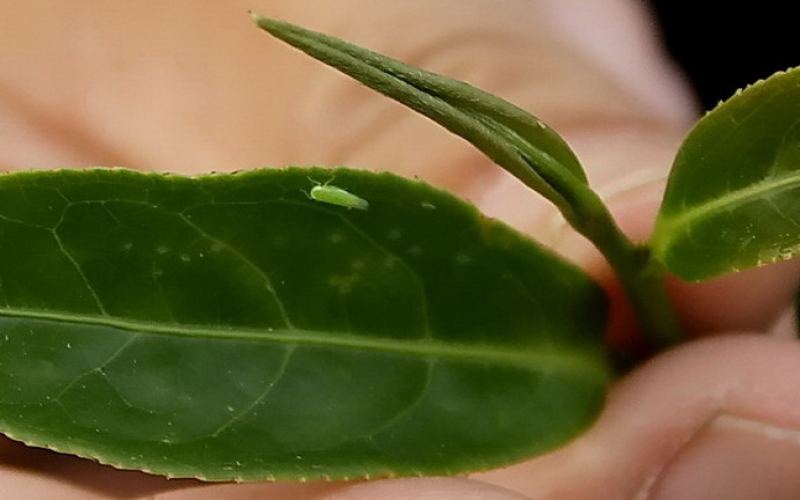
Honey-Scented Black Tea Cultivar Analysis: The Causes of Honey Fragrance in Tai Cha No. 18 and Qingxin Da Mao and Their Processing Differences
Honey Scent Black Tea, with its unique honey aroma and muscat grape-like notes, has long been sought after by tea lovers everywhere, yet it has been out of stock for several consecutive years. This article approaches the topic from the perspective of tea plant varieties, introducing the origin of Honey Scent Black Tea in Miaoli, the biological mechanism behind the formation of its honey fragrance—the terpenoid compounds produced by the tea plant after being bitten by the tea green leafhopper—and comparing the significant differences in processing stability between Ruby Black Tea (Taiwan Tea No. 18) and oolong varieties such as Qingxin Damao. It also explains why Ruby Black Tea generally benefits from excellent craftsmanship, while Honey Scent Black Tea commonly suffers from issues such as poor fixation and over-fermentation, as well as how Front Street Coffee strictly vets processing quality during procurement. [more…]
Ethiopian Yirgacheffe Aricha Coffee Beans: Flavor Analysis of the ASD Anaerobic Slow-Dry Sun-Drying Process
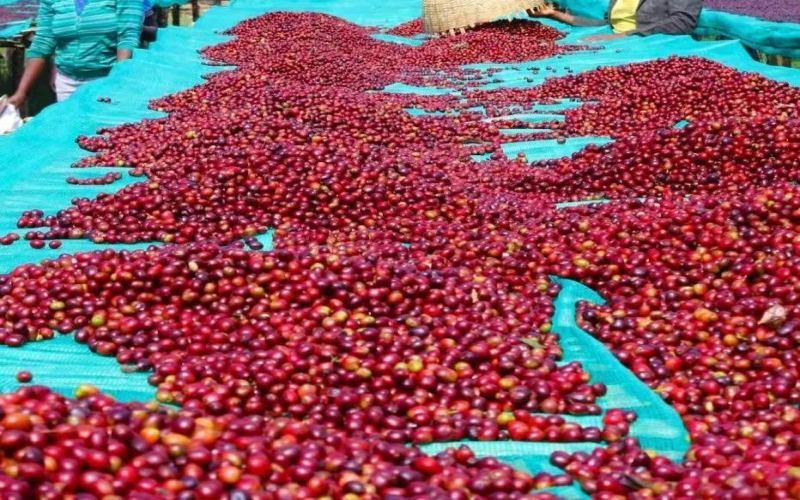
Ethiopia, as the birthplace of coffee, has nurtured countless native varieties. Among them, the Yirgacheffe region stands apart as its own appellation thanks to its distinctive floral and citrus notes, making it a focal point of attention for coffee lovers worldwide. Within Yirgacheffe's Konga Cooperative, the Armetilalo processing station cultivates coffee cherries at 2,200 meters on red soil and employs an Anaerobic Slow Dry (ASD) process, undergoing 120 hours of sealed fermentation and 5 weeks of slow drying to create a full-flavored specialty coffee. These Armetilalo coffee beans won both the Ethiopian National Competition and the Africa TOH championship in 2019/2020, with a cupping score of 90.7. Front Street Coffee has selected these beans and presents them with a medium-light roast, bringing out layers of citrus, berry, cream, rose tea, and white grape. This article will take an in-depth look at their regional background, processing method, and brewing performance. [more…]

How to Choose Coffee Beans for Summer Iced Coffee? Coffee Beans Suitable for Ice Drip and Cold Brew, Plus Front Street Brewing Recipes
In hot weather, cold drip and cold brew have become the top choices for coffee lovers seeking refreshment and a boost. But not all coffee beans are suited to making cold drip or cold brew—choosing the right beans is what makes iced coffee truly shine. Drawing on its in-store sales experience, Front Street Coffee has selected four distinctive coffee beans, from Ethiopia, Kenya, Costa Rica, and Colombia respectively, covering floral fruitiness, solid acidity, fruity sweetness, and rich fermented tones, suitable for making cold drip and cold brew with different flavor profiles. In addition to introducing each bean's origin, variety, and processing method, this article also shares Front Street's specific brewing parameters and pairing suggestions to help you recreate a refreshing, cooling cup of iced coffee at home. [more…]
2026 Light Roast Single-Origin Coffee Beans Favorites List: Eight Picks for Pour-Over with Flavor Analysis
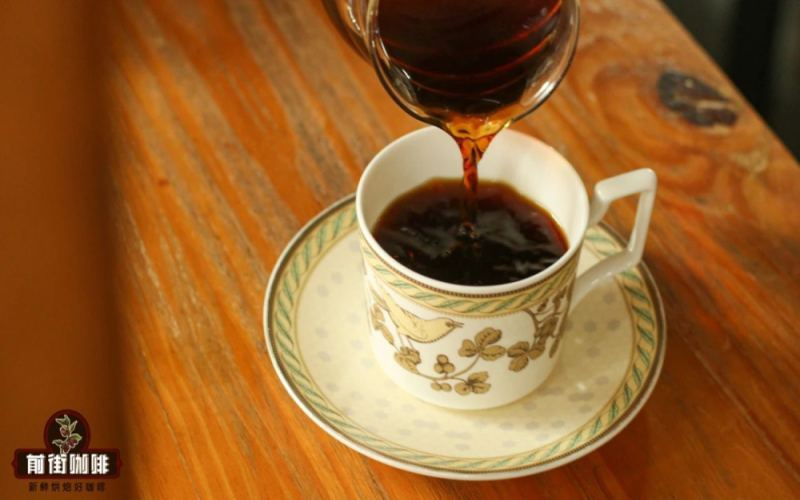
Light-roast coffee, with its low bitterness, fresh floral and fruity notes, has become a favorite among many coffee lovers, and pour-over is the preferred way to showcase its delicate flavors. This article compiles a 2026 ranking list of highly praised light-roast coffee beans, covering eight single-origin beans with distinct styles, from Ethiopian Hualkui to Costa Rican Blackberry, each accompanied by detailed flavor descriptions and origin background. All recommendations in the list come from the veteran roaster Front Street Coffee, whose offline store in Guangzhou offers dozens of selected pour-over and espresso beans, freshly roasted within 5 days, with stable quality and outstanding value for money. Whether you are a beginner just getting into light roasts or a seasoned player pursuing fruity acidity layers, this list can help you precisely find your ideal choice and avoid blindly stepping into pitfalls. [more…]
Costa Rica Canet Estate Bach Mozart: Raisin Double Fermentation Honey Process Flavor Analysis
Located in the Tarrazú region, Finca Canet showcases the unique charm of a raisin double fermentation honey process through its Bach Mozart coffee beans. These beans use the Yellow Catuai variety, grown at a high altitude of 1,800 to 1,900 meters, with an SHB grade. Yellow Catuai, a hybrid of Mundo Novo and Caturra, was developed in 1949 at the Campinas Agronomic Institute in Brazil, combining disease resistance with a delicate, clean acidity. In processing, the coffee cherries are first dried in the shade until they reach a raisin-like state, then depulped for honey process fermentation, with an extremely high pectin retention rate, claimed to be 100% pectin honey process. The flavor profile is richly layered: the dry aroma features cherry, berries, plum, strawberry, peach, and jasmine; the wet aroma presents delicate floral and fruity sweetness, lemon citrus, and a faint wine-like acidity; on the palate, strawberry, apple, grape, and citrus interweave, accompanied by an unforgettable sweetness of honey and toffee, and a silky, lingering finish like Darjeeling black tea. Front Street Coffee recommends this bean, suitable for coffee lovers seeking complex fermentation flavors. [more…]
HEYTEA Guava Series Ingredient Change: After Red Guava's Curtain Call, White Guava Takes Over, Sweetness Sparks Heated Debate
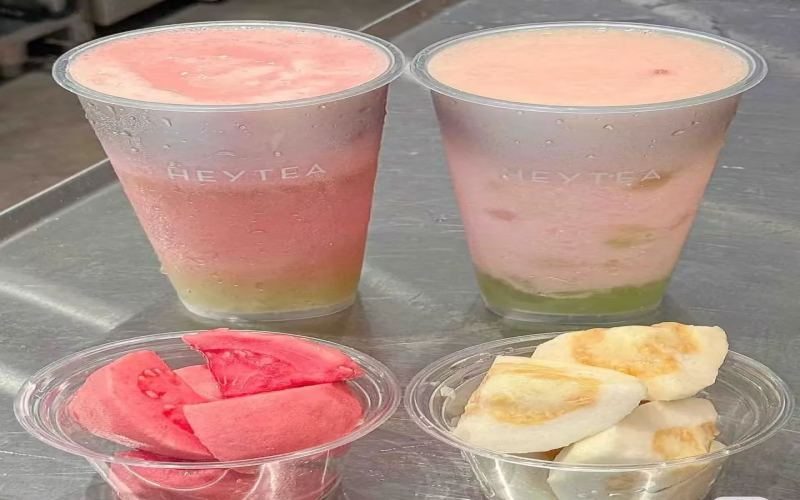
As April draws to a close, the supply season for red-fleshed guava is coming to an end, and the seasonal guava fruit tea series featuring red-fleshed guava under HEYTEA is also facing discontinuation. However, fan enthusiasm has not waned, and the company immediately announced that it would replace red-fleshed guava with white guava, allowing the two limited-edition drinks "Refreshing Guava Grape" and "Refreshing Guava Jelly" to continue being sold. On the day the new products launched, HEYTEA offered a buy-one-get-one-free promotion, triggering a surge in store orders and noticeably longer waiting times for consumers. The new version of the drinks still has a pale pink appearance, but feedback on the taste is polarized: some people feel there is little difference from the old version, while others report that the sweetness is too high and the guava flavor has become weaker. Industry insiders point out that white guava and red-fleshed guava are inherently different in sweetness and flavor, and combined with adjustments to other ingredients in the formula, differences between the new and old versions are unavoidable. [more…]
Where Does Coffee Fruit Flavor Come From? Four Dimensions—Variety, Origin, Processing Method, and Roast Level—Teach You to Choose the Right Fruit-Flavored Coffee Beans
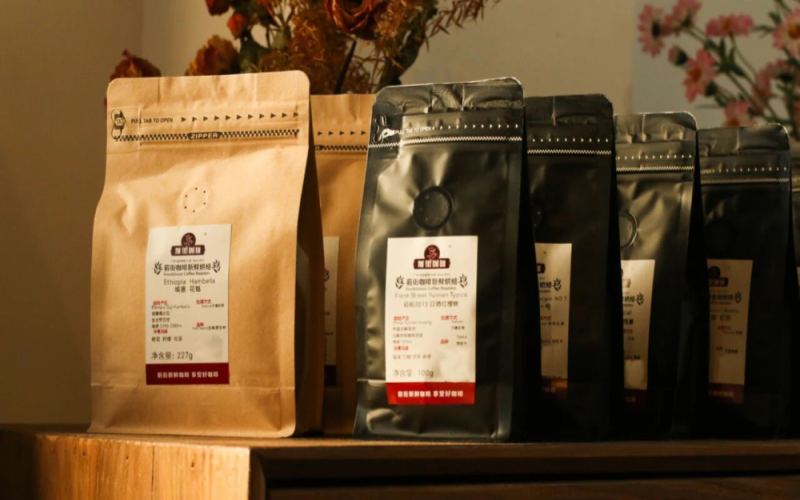
The fascinating fruity aromas in coffee are no accident—they stem from aromatic compounds stored within the green beans, which are fully unleashed during roasting. To choose a fruity coffee that suits your taste, you need to consider four dimensions: variety, origin, processing method, and roast level. This article begins with the principles behind how fruity flavors form, sorts out the sources of common fruit flavors such as citrus, passion fruit, mango, and strawberry, and, drawing on Front Street Coffee's cupping experience, recommends five representative fruity coffee beans to help coffee lovers find the cup they're looking for. [more…]