







What Does SOE Espresso Mean for Bean Selection?
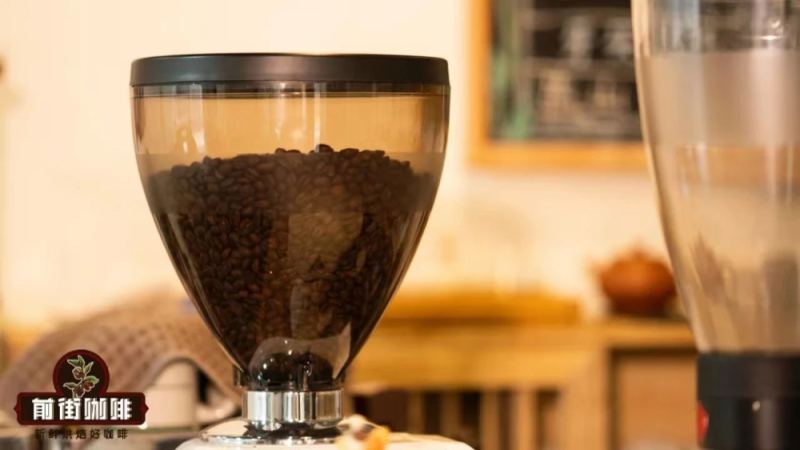
SOE espresso means a shot pulled from a single-origin coffee rather than a blend. Because there is no blending to hide faults, the beans must be high quality with a low defect rate, and the roast level matters: medium or medium-dark single-origin beans are generally more suitable for making SOE than light roasts.
Blends mix origins, varieties, processing methods, and even roast levels to keep output stable, delivering crema, concentration, and body. SOE takes the opposite route, aiming for a distinctive flavor profile that is either light and elegant or rich and heavy. Four commonly used single-origin espresso beans cover berry and floral, passion fruit and grape, creamy nut, and wild spice directions.
In the world of espresso, blend beans and SOE single-origin beans each have their own characteristics. SOE emphasizes a single origin and places higher demands on bean quality and roast level in order to extract a highly recognizable espresso flavor. This article starts from the difference between blends and SOE, explains why medium or medium-dark roasted single-origin beans are more suitable for making SOE, and recommends four Front Street SOE espresso beans commonly used by baristas, covering different flavor directions such as berry and floral, passion fruit and grape, creamy nut, and wild spice, helping coffee lovers make a choice based on personal preference.
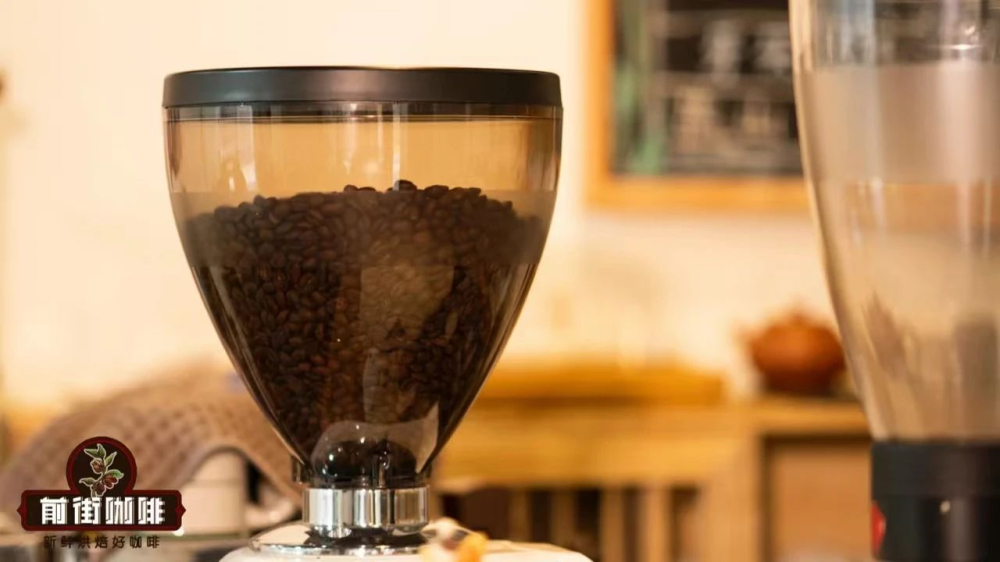
According to the category division of espresso beans, they can usually be grouped into two major camps: blend beans and SOE single-origin beans. In order to keep the output flavor stable, many coffee shops tend to choose blend beans - they often mix beans from different producing regions, different varieties, different processing methods, and even different roast levels, so that the espresso can simultaneously have crema, concentration, and a full-bodied feel during extraction.
For example, Front Street Classic Blend consists of Brazil, Indonesian Mandheling, and Robusta, with abundant crema and a strong aroma; Front Street Strawberry Candy Espresso Blend brings together three major producing regions: Costa Rica, Colombia, and Ethiopia, focusing on expressing the fragrance of strawberry, grape, and rose; and the Front Street Black Cocoa Blend highly recommended by many baristas uses Yunnan small-bean coffee and Brazilian coffee, making it a daily staple espresso bean that balances cost-effectiveness and flavor.
SOE takes a completely different route. It requires coffee from a single origin, and the quality must be excellent to ensure a low defect rate and show outstanding flavor in espresso. In other words, SOE, which focuses on a single origin, aims to make an espresso with either a light and elegant or rich and heavy aroma and highly distinctive flavor. To achieve the ideal extraction state, choosing the right single-origin coffee bean is the first prerequisite.
From the perspective of roast level, coffee beans are broadly divided into three types: light, medium, and dark. Each can actually be used for both pour-over and espresso. Whether the final cup tastes good depends on whether the beans can provide enough crema and abundant aroma, and whether they can avoid both over-extraction and under-extraction.
However, compared with pour-over, SOE not only takes less time but also belongs to pressure extraction. If light-roasted beans are used to make SOE, the crema is already thin, and because the beans are harder, the flavor has not yet been released before extraction ends. In the end, the whole cup of coffee (Americano, latte, etc.) lacks enough aromatic support and tastes sour and weak. According to experience, giving priority to medium or medium-dark roasted single-origin beans for making SOE often achieves twice the result with half the effort. The following four SOE espresso beans are strongly recommended by baristas. Everyone can choose according to their own taste preference:
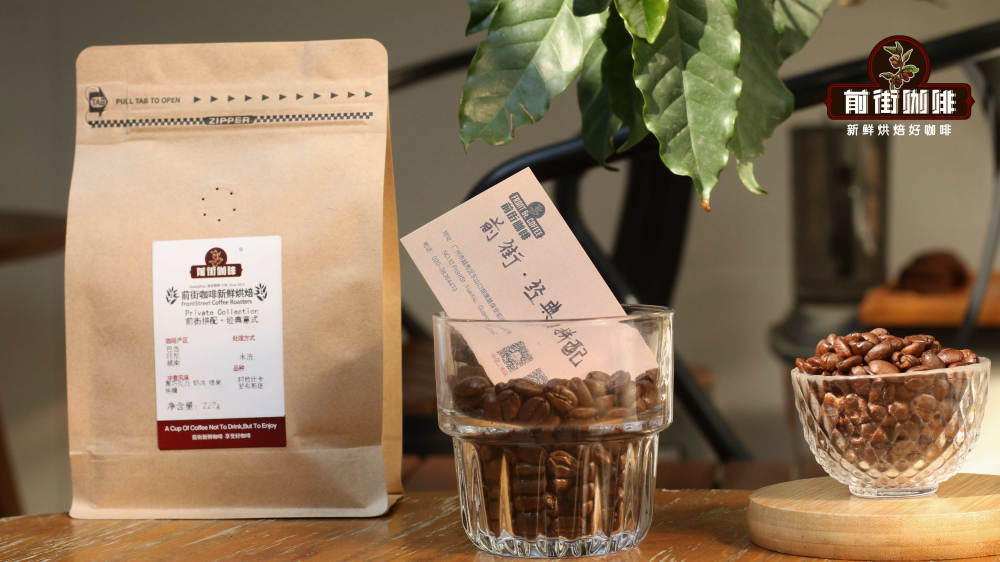
1. Berry and floral route: Front Street Natural Huakui SOE Coffee
Natural Huakui is known for its rich creamy strawberry aroma, with a medium roast level. After being extracted into SOE, it can show the characteristics of red berries, light floral notes, and orange, with a refreshing mouthfeel and elegant aroma. It is very suitable for making Huakui SOE Americano and Huakui SOE Flat White.
2. Passion fruit and grape route: Front Street Colombia Sidra SOE Coffee
This Front Street Sidra SOE comes from Huila, a well-known producing region in Colombia, and is produced by Finca La Divisoria. The estate is close to a volcanic area, which brings rich aroma to the coffee. The ripe coffee cherries are processed by double anaerobic natural method, with a medium roast level, allowing the floral and fruity aromas to be fully released. After being made into espresso, it presents obvious flavors of blueberry juice, passion fruit, and ripe grape, as well as an apricot-like sweet and tart sensation.
3. Creamy nut route: Front Street Brazil Queen Estate SOE Coffee
This coffee belongs to the special Yellow Bourbon variety. After being extracted into SOE, it has flavors of roasted nuts, milk chocolate, butter, and caramel, with a moderate body and a smooth mouthfeel. It is also suitable for use with moka pots and espresso machines.
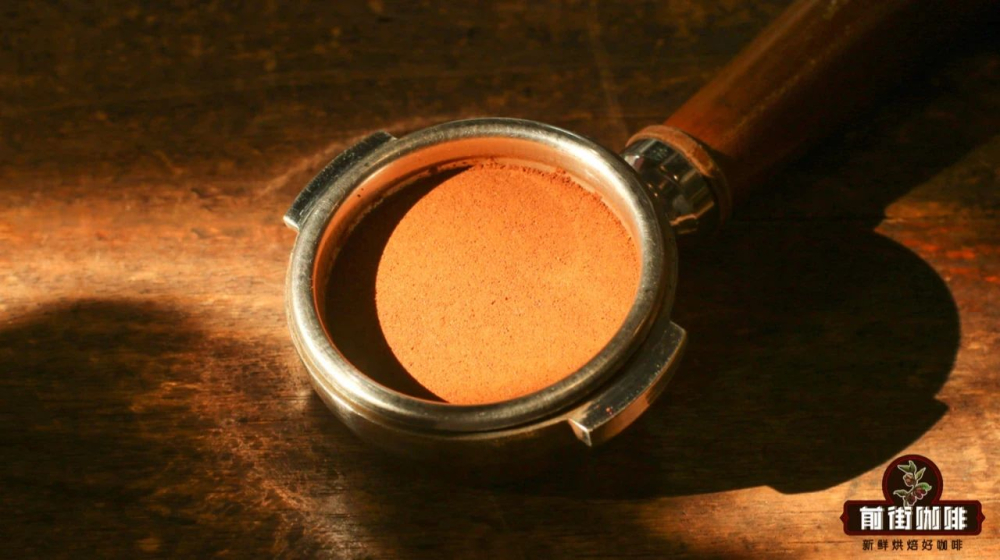
4. Wild spice route: Front Street PWN Golden Mandheling SOE Coffee
As a premium choice among Mandheling coffees, Front Street Golden Mandheling undergoes three rounds of hand sorting plus one round of machine sorting, reducing the defect rate of the coffee beans to an extremely low level. It uses a medium-dark roast. After being extracted into SOE, it has notable flavors of spices, herbs, sandalwood, and caramel, with a very full-bodied mouthfeel and a lingering aroma of dark chocolate in the aftertaste.
The above content is compiled by CoffeeHunters, a coffee news website.


