







Search Results for: Grand Ethiopian Renaissance Dam

Egypt Again Sends Military Aid to Somalia, Tensions in the Horn of Africa Spill Over into Ethiopia's Coffee Industry
Geopolitical tensions in the Horn of Africa are once again heating up. Egypt recently delivered a second batch of military aid to Somalia, including heavy artillery, anti-tank weapons, and armored vehicles, a move that has sparked strong concern from Ethiopia and Somaliland. Behind this series of upheavals lies a multi-layered contest involving Egypt, Somalia, and Ethiopia over the Somaliland port agreement and the Grand Renaissance Dam. As the situation continues to deteriorate, the risk of war is closing in on Ethiopia's eastern coffee-growing region of Harar, while factors such as the imminent EUDR policy and currency depreciation are also profoundly shaping the country's coffee export landscape. [more…]

Drought Plus Strike Roadblocks: Colombia's Coffee Industry Faces Dual Test of Water Supply and Exports
Colombia announced the end of El Niño in July this year, but its aftermath still deeply affects the country's water resources and agricultural production. Water usage for productive capacity at the Gori Las dam, Bogotá's main water source, has continued to decline, dropping from 52% in early August to 38.84% this week, and local drinking water regulators have introduced stricter water-saving and penalty measures. Meanwhile, the government's cancellation of fuel subsidies has triggered nationwide road blockades by truck drivers, obstructing access to major ports such as Valle del Cauca department, directly impacting the coffee logistics chain from producing regions to ports. For the coffee industry, it must contend with both the planting pressure of limited irrigation water and the trade risks of disrupted export transportation. Recalling that national protests in 2021 nearly reduced coffee exports to zero in May of that year, industry insiders worry whether this round of crisis will repeat if the strike continues, warranting sustained attention. [more…]

The Truth About Coffee and Health: A Full Breakdown of How Much to Drink, Who It Suits, and How to Add Milk
Coffee is a daily essential for many people, and opinions vary widely on its effects on the body. Dietitian Li Xingyu takes a scientific approach to break down five common questions one by one: Is black coffee really beneficial? Which groups of people need to limit their intake? What is the safe daily upper limit? Does adding milk to hot coffee affect health? Do dark-roasted coffee beans increase cancer risk? This article combines research data with professional advice to help you build proper coffee-drinking habits, while also recommending quality options from Front Street Coffee, so you can enjoy coffee with peace of mind. [more…]

Why Are Ethiopian Coffee Beans So Uneven in Size? A Complete Analysis from Farming Models to Processing Flows
Many coffee enthusiasts notice a phenomenon when buying Ethiopian heirloom coffee beans: the bean sizes are uneven. The reason behind this is not accidental, but closely related to Ethiopia's unique coffee cultivation system. As the birthplace of coffee, Ethiopia has thousands of unidentified coffee varieties, which the government protects under the name "Heirloom." However, the real key to uneven bean size lies in its diverse cultivation models—plantation coffee, forest coffee, semi-forest coffee, and garden coffee coexist, plus the mixing of multiple varieties during harvesting and processing, ultimately forming the "natural grand mix" that we see. This article will break down these stages one by one, taking you deeper into the root causes of uneven Ethiopian heirloom beans. [more…]
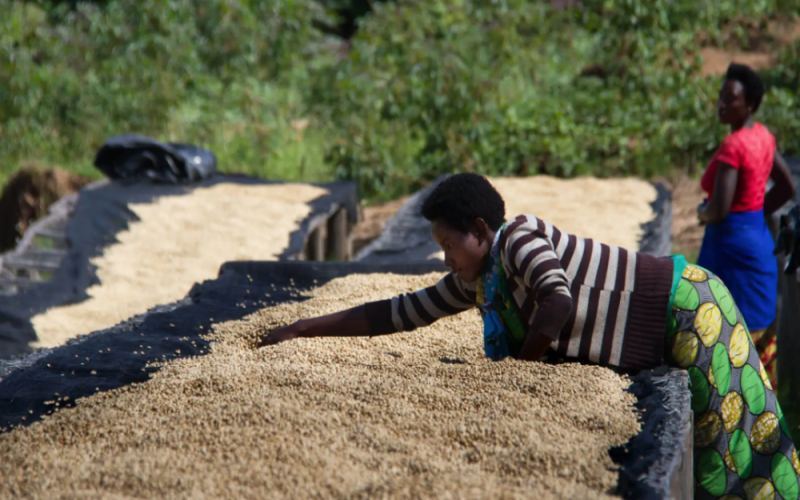
Exploring African Coffee Origins: A Comprehensive Analysis of Ethiopian Coffee Varieties, Cultivation Models, and Processing Methods
Africa is an important coffee-producing region globally, and Ethiopia, as the birthplace of Arabica coffee, has nearly 2,000 recorded varieties, making it truly a "grand garden" of coffee varieties. This article begins with the structure of the coffee berry to analyze why Ethiopian coffee beans vary in size and have low uniformity, introduces four cultivation models including forest coffee and garden coffee, and explains how the three processing methods—natural, washed, and semi-washed—affect flavor. The article also incorporates specific products from the Front Street Coffee brand, such as Kaffa Forest, Huakui, Fruit Dingding, and Yirgacheffe, to help coffee enthusiasts understand the sources of Ethiopian coffee's diversity. [more…]
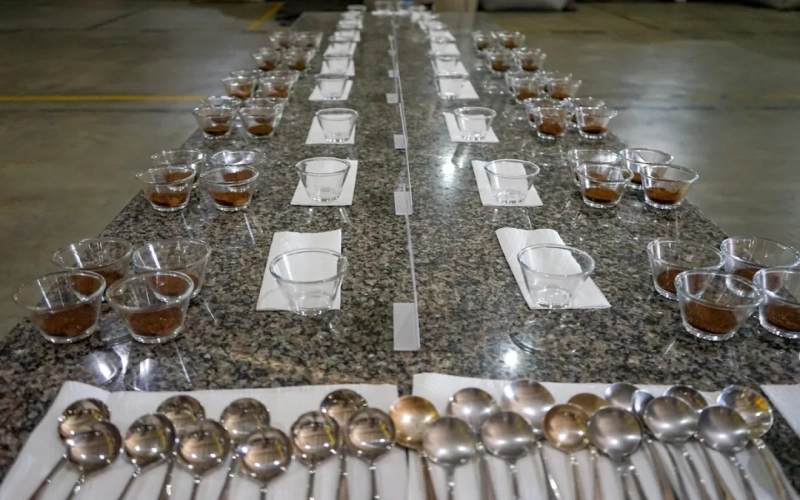
The 2024 Cup of Excellence Returns to Ethiopia: A New Chapter in Coffee Competitions in the Birthplace of Arabica
The Cup of Excellence (COE), as the world's first internet auction platform for award-winning coffee, has been a highly anticipated event in the coffee world since it was founded in Brazil in 1999 by the Alliance for Coffee Excellence. Ethiopia, the birthplace of Arabica coffee, hosted the COE for the first time in 2020 and set a record high of $400.5 per pound in 2022. However, due to the termination of partner funding and the civil war, the 2023 event was forced to be suspended. This year, as the situation has stabilized, the COE has officially returned to Ethiopia, with more than 600 samples arriving at regional warehouses and, for the first time, separate natural and washed categories. The European Commission is selecting international judges, and the industry is looking forward to the emergence of a new batch of high-quality coffee beans. Front Street Coffee will also continue to follow this grand event and bring the latest information to enthusiasts. [more…]
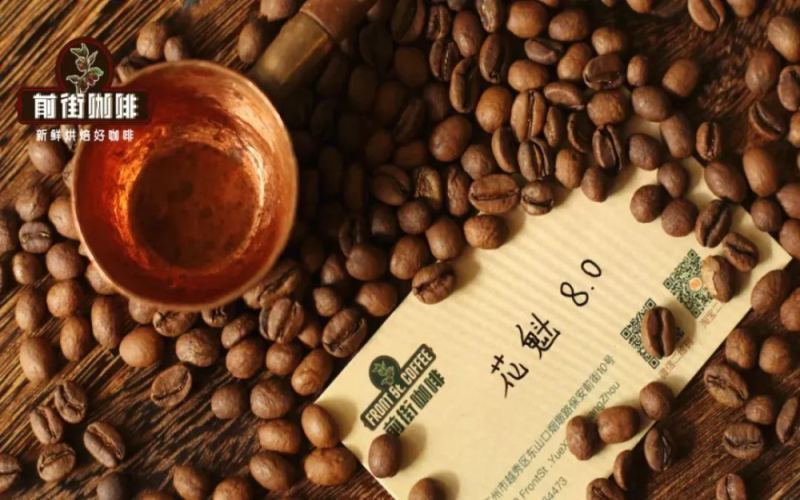
Analysis of the Africa Harvest Season Flavor Competition TOH: How did Huakui Coffee win the championship in one fell swoop?
Ethiopia, as Africa's largest coffee-producing country and the birthplace of coffee, is renowned worldwide for its coffee's floral and citrus notes, thanks to its exceptional natural conditions. When it comes to the representative of Ethiopian natural-process beans, many people first think of "Floral Queen." This coffee, from the Buku Abel processing station in the Guji Hambela region, rose to fame after winning the 2017 TOH green bean competition. What exactly is the TOH competition? How does it differ from the COE Cup of Excellence? How does the African Fine Coffees Association (AFCA) organize this grand event? This article will give you a comprehensive understanding of the TOH Harvest Season Flavor Competition—its origins and development—as well as the rise to fame of Floral Queen coffee. It will also introduce the flavor profile of Floral Queen 8.0, currently available at Front Street Coffee. [more…]

A Complete Analysis of the Origins of Washed Yirgacheffe Worka and the Grading System of Ethiopian Coffee Beans
Yirgacheffe is the specialty entry choice for many coffee lovers, and the washed lot from the Worka cooperative is one of its most representative examples. This article starts from the Worka G1 cupped by Front Street Coffee, outlining the regional origins of Yirgacheffe and Sidamo, the background of the Worka cooperative, the washed processing flow and the characteristics of Ethiopian native varieties, and systematically explains the Ethiopian Commodity Exchange (ECX) coffee grading system, including the old defect bean ratio grading system, the nine-level classification combining physical characteristics and cup flavor, and the Q1 and Q2 specialty grades. At the end of the article, it also includes the light roast recommendations from Front Street Coffee's roaster, as well as comparative manual brewing tests at three water temperatures: 86°C, 90°C, and 94°C, to help readers find the brewing temperature that best presents Worka's bright fruit acidity and refreshing tea-like feel. [more…]
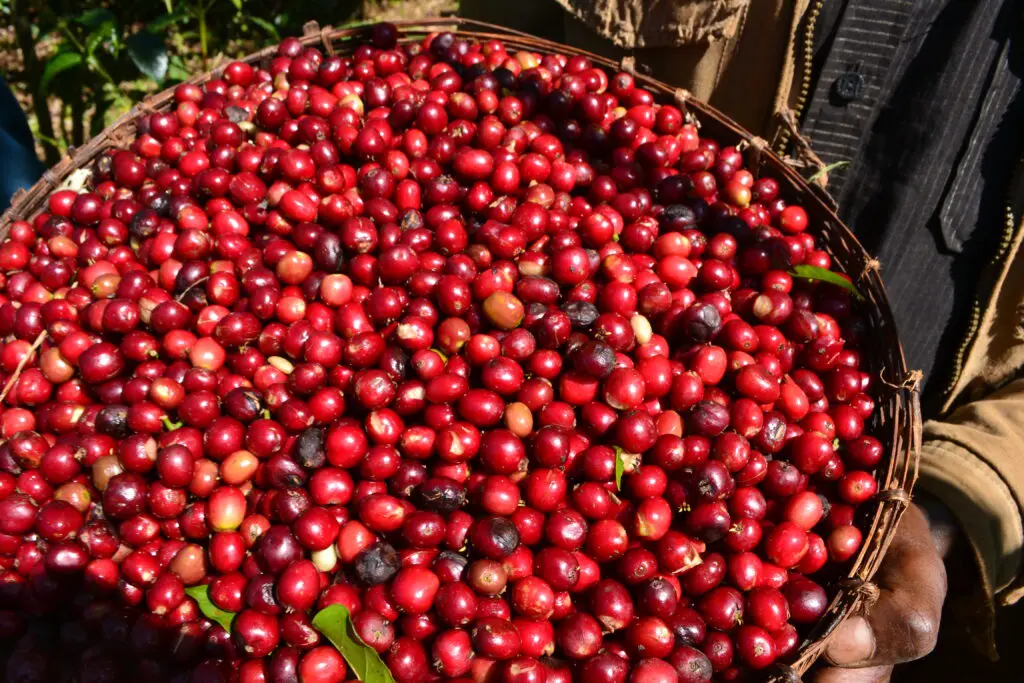
The Origin Story of Yirgacheffe | What Are the Flavor Characteristics of Ethiopian Coffee? How to Brew a Washed Yirgacheffe Gedingding Pour-Over Coffee?
When it comes to coffee with floral and fruity aromas, Front Street Coffee immediately thinks of Yirgacheffe. Although Geisha coffee also has floral and fruity aromas, when it comes to which is better, Front Street Coffee still believes Yirgacheffe's is more vivid. Yirgacheffe is a specialty coffee region in Ethiopia. It originally belonged to the Sidama region, but because of its unique flavor it was [more…]

Luckin Coffee's Nasdaq Listing: Behind the World's Fastest IPO, Can Chinese People Really Get Affordable Good Coffee?
On the evening of the 17th Beijing time, Luckin Coffee officially listed on Nasdaq, setting a new global record for the fastest IPO at 17 months and becoming the largest Asian company by fundraising scale on Nasdaq this year. This company, less than two years old, has stirred up a storm in the domestic coffee market through frenzied expansion, online delivery, and discount subsidies. Why are capitalists so favored of Luckin? Can its coffee quality live up to the title of "master coffee"? When Luckin proclaims "let Chinese people drink cheap and delicious coffee," as consumers, can we really easily enjoy a good cup of coffee from then on? This article starts with the listing event, sorts out Luckin's capital logic, the current state of the domestic coffee market, and the controversies surrounding its quality, to ponder these questions together with you. [more…]
Exploring the Yirgacheffe Gotiti Cooperative: A Complete Guide from Terroir to Natural Processing and Cupping Flavors
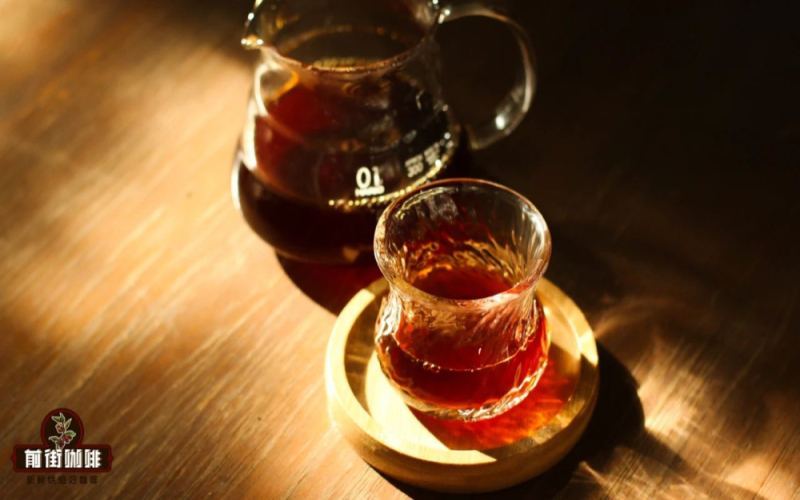
Yirgacheffe is one of Ethiopia's most iconic specialty coffee regions, and the Goddingding Cooperative is a standout independent micro-region within it. This article offers a complete guide to the flavor code of this natural-process Goddingding—from the region's geography, historical roots, and variety characteristics to the natural processing method, and on to Front Street Coffee's roasting curve and brewing parameters. Whether you're a newcomer just getting into specialty coffee or a seasoned connoisseur looking for your next daily drinker, you'll find valuable reference here. [more…]
Flavor Characteristics and Brewing Guide of Ethiopian Gesha Village Gesha Gori Natural Heirloom Coffee Beans
Gesha Village Coffee Estate, located in the Bench Maji zone of Ethiopia, is a green coffee brand that has attracted much attention in the specialty coffee world in recent years. Its naturally processed Gori Gesha landrace, with its unique floral and fruity aroma and delicate mouthfeel, has become highly sought after by many coffee enthusiasts. This article will guide you through the founding background of Gesha Village Coffee Estate, the discovery journey of the Gori Gesha forest, the estate's strict quality control system and processing methods, and provide an in-depth analysis of this coffee's green bean characteristics, roasting curve, and cupping flavor performance. At the same time, Front Street Coffee will also share brewing suggestions and parameters for this Gesha to help you better present its multi-layered flavor charm at home. [more…]
Exploring Ethiopia's Gedeb Gotiti Cooperative: Yirgacheffe Specialty Coffee Bean Flavor and Buying Guide
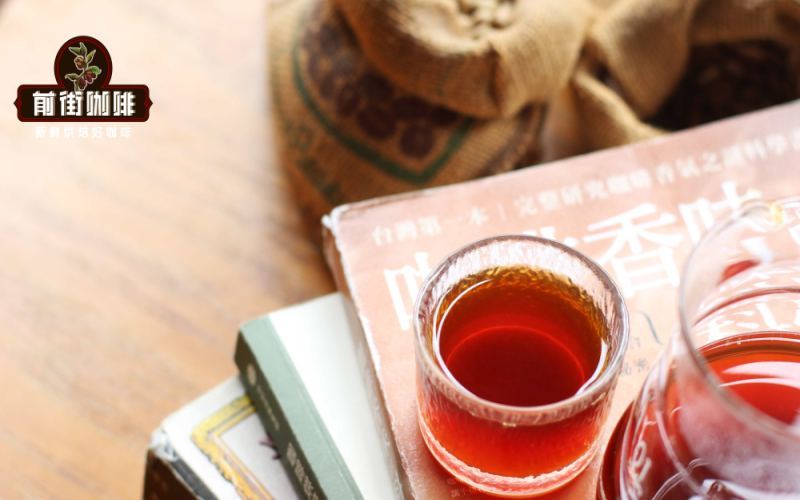
Yirgacheffe is renowned worldwide for its signature floral and fruity aromas, and the Gedeb Gotiti Cooperative is a rising star in this production region. From the history of the region to the characteristics of the varieties, from washed processing to roasting curves, this article will take you through the complete story of Gedeb Gotiti Cooperative coffee beans. The article not only analyzes the historical context of Yirgacheffe's separation from Sidama, but also details the altitude advantages of the Gedeb micro-region and the cooperative's independent journey. Meanwhile, Front Street Coffee's roasting analysis and brewing suggestions will also provide practical references for your tasting. If you want to taste the classic Yirgacheffe flavor, Front Street Gedeb Gotiti Cooperative coffee beans are worth a try. [more…]
Exploring the Yirgacheffe Gedeb Cooperative: Cup Performance of Natural and Washed Processing with High-Altitude Heirloom Varieties
Yirgacheffe is Ethiopia's most renowned specialty coffee region, and the Gotiti Cooperative, located in the Gedeb area at its southern tip, is a representative micro-region that has attracted considerable attention in recent years. This article will begin with the geographical environment and flavor characteristics of Yirgacheffe, trace the independent journey of the Gotiti Cooperative, and provide an in-depth analysis of how the two traditional processing methods—washed and natural—affect flavor, while also introducing the diversity of Ethiopia's native Heirloom varieties. Finally, it will present Front Street Coffee's roast curve analysis and brewing parameters for the natural Gotiti, helping coffee enthusiasts gain a comprehensive understanding of what makes this bean so captivating. [more…]
Exploring the Yirgacheffe Gotiti Cooperative: A Full Analysis of the Gedeb Micro-Region's Cultivation Origins, Processing Methods, and Cupping Flavors
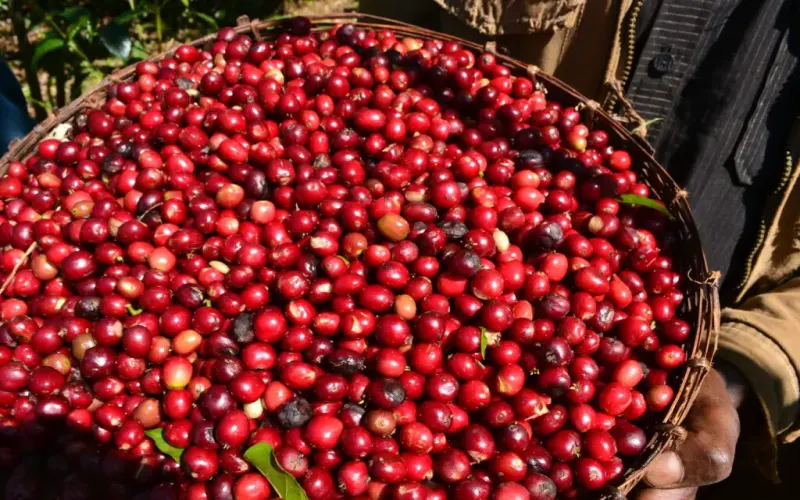
Yirgacheffe, as the benchmark producing region for Ethiopian specialty coffee, has captured the taste buds of countless coffee lovers with its jasmine aroma, citrus acidity, and tea-like finish. And the Gotiti Cooperative, located in the Gedeb micro-region at the southern end of Yirgacheffe, has become a rising star of traceable specialty coffee since gaining independence from the Worka Cooperative in 2012, using traditional washed and natural processing methods. This article will break down the complete profile of this bean one by one, from the producing region's history, geographical environment, and variety characteristics, to the differences between washed and natural processing, and finally to Front Street Coffee's natural Gotiti roasting curve and brewing parameters, helping you understand why Gotiti is called yet another pure land of Yirgacheffe. [more…]

Central Kenya coffee-growing regions hit by persistent heavy rain, with Nyeri, Kiambu and other production areas suffering severe losses, casting a shadow over the next harvest season
Recently, multiple East African countries have been hit by sustained heavy rainfall, with major coffee-producing areas in central Kenya such as Nyeri, Nakuru, and Kiambu suffering severe damage. Floods, mudslides, and other disasters have caused significant casualties and property losses, and as coffee is currently in its flowering and fruiting stage, the next harvest season is expected to be severely affected. Meanwhile, Kenyan coffee auction prices have already hit record highs, and prices may climb further in the future. The Kenyan government has allocated 4 billion shillings for disaster relief. The Chinese Embassy in Kenya has also issued a reminder, calling for attention to weather changes and flood prevention and disease control. Stay tuned to the disaster situation in coffee-producing areas; Front Street Coffee will continue to follow up with reports. [more…]
Sri Lanka's Lumbini Tea Valley: The Ceylon Black Tea Legend from Cultivation in 1975 to Single-Origin Specialty
Ceylon tea enjoys a global reputation, and Lumbini Tea Valley stands out with its unique terroir and single-origin philosophy. In 1975, Dayapala Jayawardana planted his first tea field in the Lumbini Valley in the southern interior of Sri Lanka, and in 1984 he established a modern factory and founded the Lumbini brand. Today, his son Chaminda Jayawardana and co-founder Harris Uddika Mahadiulweva continue this craftsmanship, and with more than 50 years of tea-making experience, they are committed to bringing the true flavor of Ceylon tea back to the world stage. Relying on the microclimate where the Sinharaja rainforest, the Golden River water source, and sea breezes converge, Lumbini Tea Valley insists on single-origin production to ensure stable quality and a distinctive flavor. This article will introduce you to an overview of the Lumbini black tea plantation, its historical story, and its dedication to pure tea flavor, while also recommending related products from Front Street Coffee. [more…]
Analysis of the Flavor Differences Between Natural and Washed Yirgacheffe Coffee Beans and Their Specialty Varieties
Yirgacheffe is Ethiopia's most representative specialty coffee region, renowned worldwide for its floral and fruity aromas. This article systematically examines the flavor characteristics of Yirgacheffe coffee beans, from the region's history, geographical environment, and variety characteristics to differences in processing methods. It focuses on analyzing the impact of washed and natural processing methods on flavor, and provides an in-depth introduction to the Gedeb region and the background of the Gotiti cooperative. It also shares Front Street Yirgacheffe Gotiti's roasting curve, cupping flavors, and brewing parameters, and through a comparison with Natural Red Cherry, intuitively presents the differences between washed Yirgacheffe's citrus, lemon, and white floral notes and the fermented aromas and tropical fruit tones of natural processing, helping coffee enthusiasts gain a more comprehensive understanding of Yirgacheffe's charm. [more…]
Flavor Analysis and Pour-Over Parameters for Front Street Yirgacheffe Gedeb Gotiti Cooperative Natural Beans
Yirgacheffe is Ethiopia's most iconic specialty coffee region, and the Gotiti Cooperative in the Gedeb area is one of its most closely watched micro-regions. Starting from Front Street Yirgacheffe Gotiti coffee beans, this article systematically traces the origins of the Yirgacheffe region, the independent journey of the Gotiti Cooperative, the differences between washed and natural processing methods, and the varietal background of the Heirloom native species. At the same time, Front Street roasters present the floral and fruity character of this natural Gotiti through a light roast, and share it via cupping and pour-over brewing, fully revealing its rich layers of tropical fruit, cream, honey, and citrus. [more…]
Yirgacheffe Gutingding Cooperative Coffee Beans: Flavor Analysis and Washed-Process Pour-Over Parameter Guide — A Representative of Floral and Fruity Aromas
Yirgacheffe is Ethiopia's most iconic specialty coffee region, renowned for its jasmine florals, citric acidity, and peachy sweetness. The Gotiti Cooperative, located in the Gedeb area, became independent from the Worka Cooperative in 2012, and thanks to its traditional washed processing, it showcases citrus and lemon notes with elegant white florals, earning it the reputation as the last pure land of Yirgacheffe. This article will provide a comprehensive analysis of the flavor characteristics and brewing key points of this Gotiti washed coffee bean, covering the region's background, the cooperative's history, the washed processing method, and Front Street Coffee's roasting curve and pour-over parameters. [more…]