







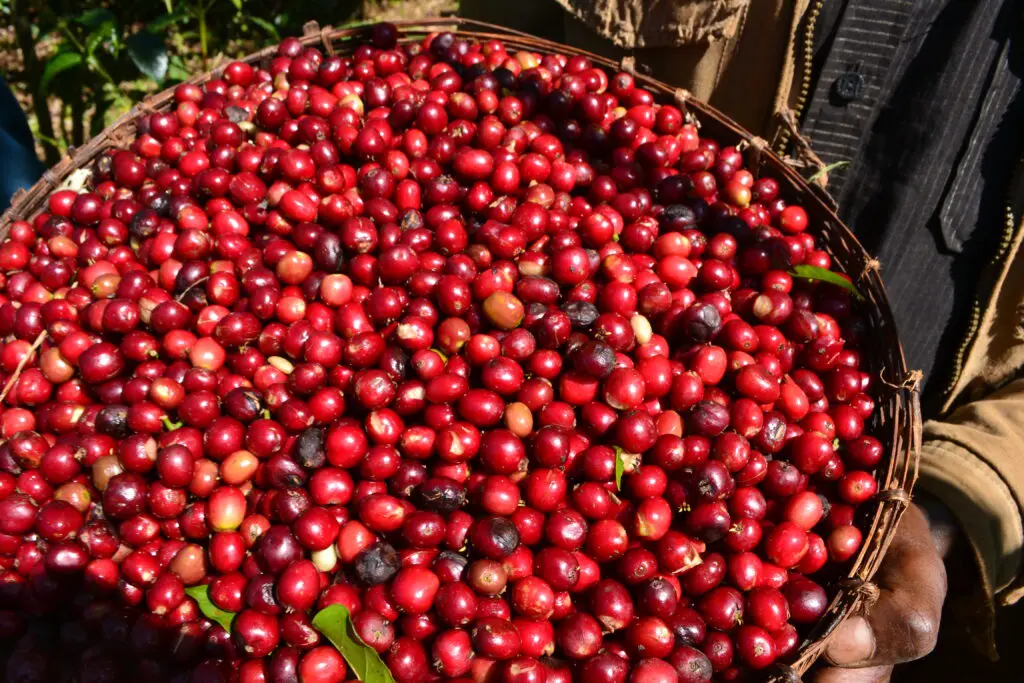
For coffee with floral and fruity aromas, the first one that comes to mind at Front Street Coffee is Yirgacheffe. Although Geisha coffee also has floral and fruity aromas, when it comes to which is more vivid, Front Street still thinks Yirgacheffe is more representative. Yirgacheffe is a specialty coffee region in Ethiopia. It originally belonged to the Sidamo region, but was separated out on its own because of its unique flavor!
| About Yirgacheffe
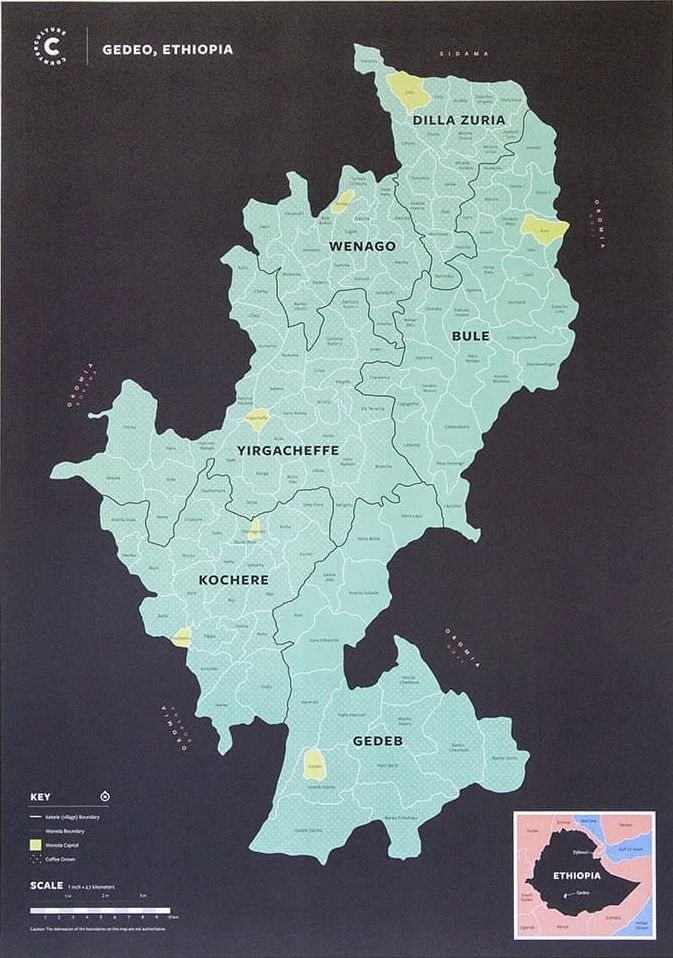
Yirgacheffe was originally a small town in Ethiopia, located in the Sidamo administrative region. Since ancient times, this town has been a wetland - in the ancient language, "Yirga" means "to settle down," and "Cheffe" means "wetland."
Yirgacheffe is one of the highest-altitude coffee-producing regions in the world and is also synonymous with Ethiopian specialty coffee. With an altitude of 1,700-2,100 meters, it is cool and foggy year-round, spring-like in all four seasons, and its terrain and unique cultivation system provide the best conditions for growing specialty coffee beans. Strictly speaking, Yirgacheffe is a sub-region of Sidamo. This town is located northwest of Sidamo, beside mountains and lakes, and is one of the coffee-producing regions with the highest average altitude in Ethiopia. However, because of its unique flavor, it was separated from Sidamo and became its own distinct region, also becoming Africa's most renowned producing area.
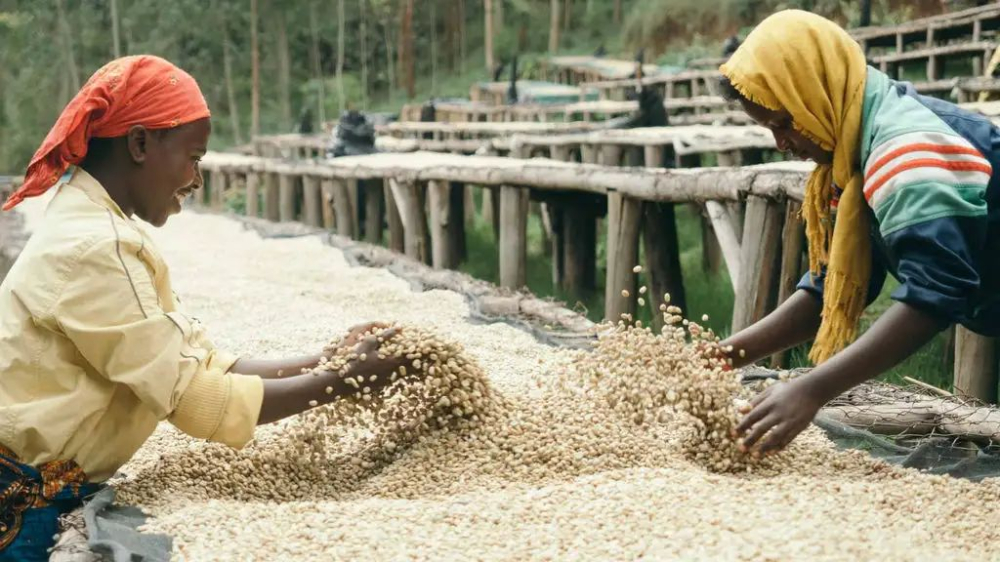
Most coffee trees in the Yirga region are planted in farmers' own backyards or intercropped with other crops in farmland. Each household produces only a small amount, making it a typical garden coffee.
What we often call the so-called "Yirgacheffe flavor" refers to intense jasmine floral notes, lemon or lime acidity, as well as sweet peach and almond aromas and tea-like fragrance. Yirgacheffe coffee has a rich, layered, and delicate body, with a charming taste and a sweet aftertaste. The phrase "coffee enters the mouth, a hundred flowers bloom" is the most fitting description, just like flowers stimulating the taste buds and nasal olfactory cells with a sense of pleasure. In addition to the floral aroma, the delicate body is like silk massaging the mouth, with a wonderful tactile sensation.
| Yirgacheffe Gedeo ZoneProducing Region
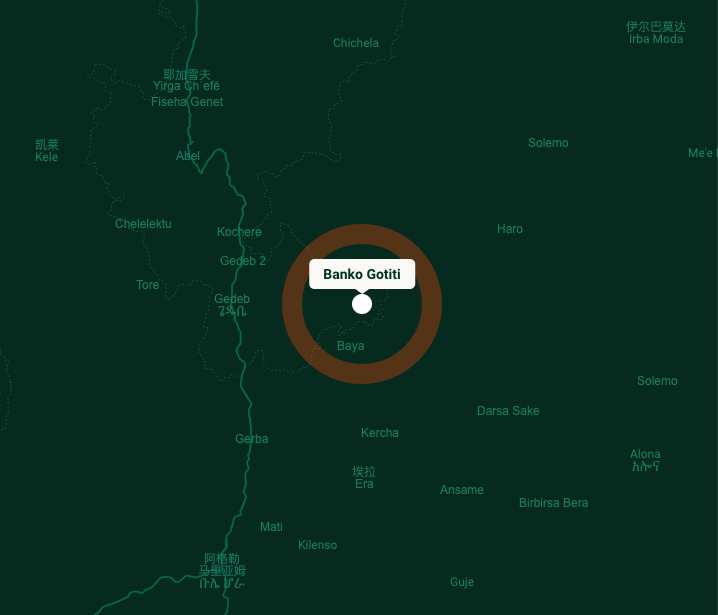
Gedeb is a township located below Kochere town, 60 kilometers from Yirgacheffe town, and is a famous specialty coffee bean producing area in Ethiopia. With an altitude of 1,900-2,200 meters, it is much higher than the general Yirga producing area. The advantage of high altitude makes Gedeb a uniquely favored coffee-growing region, a micro-region that is gradually shining. Although in the ECX auction market this town is classified under the Kochere producing area, it is at the same administrative level as Kochere town.
In the specialty coffee world, it can be distinguished separately from Kochere as a Yirgacheffe sub-region at the same level as Kochere. This town has villages such as Worka Sakaro, Halo Bariti, Banko Gotiti, and Banko Dahato that produce coffee.
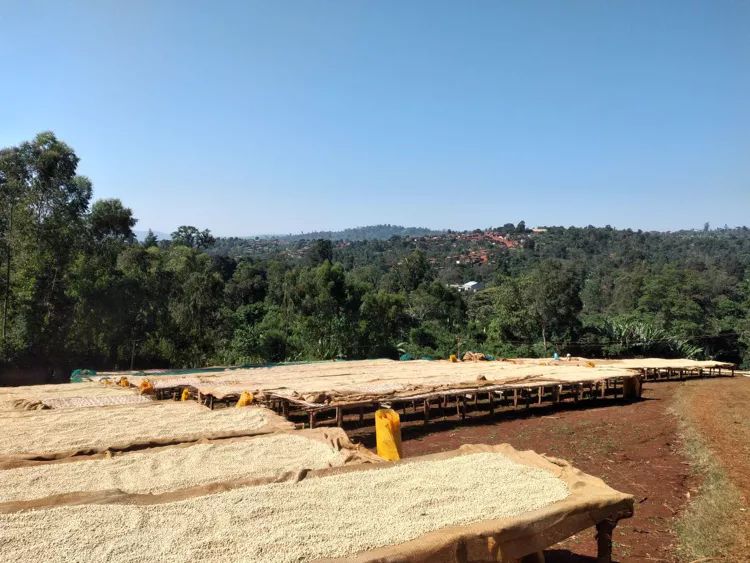
When mentioning Yirgacheffe, one must first introduce how the producing areas here are divided. Under the ECX producing area classification system, Yirgacheffe can mainly be divided into four producing areas: Wenago, Yirgacheffe, Kochere, and Gelana Abaya. In terms of administrative regions, the Kochere producing area covers two Woredas and includes Kochere in the west and Gedeb in the east. In recent years, Gedeb has often been separated out as a micro-region, and the Gotiti Cooperative is located exactly in Worka Kebele within Gedeb at the southern end of Yirgacheffe.
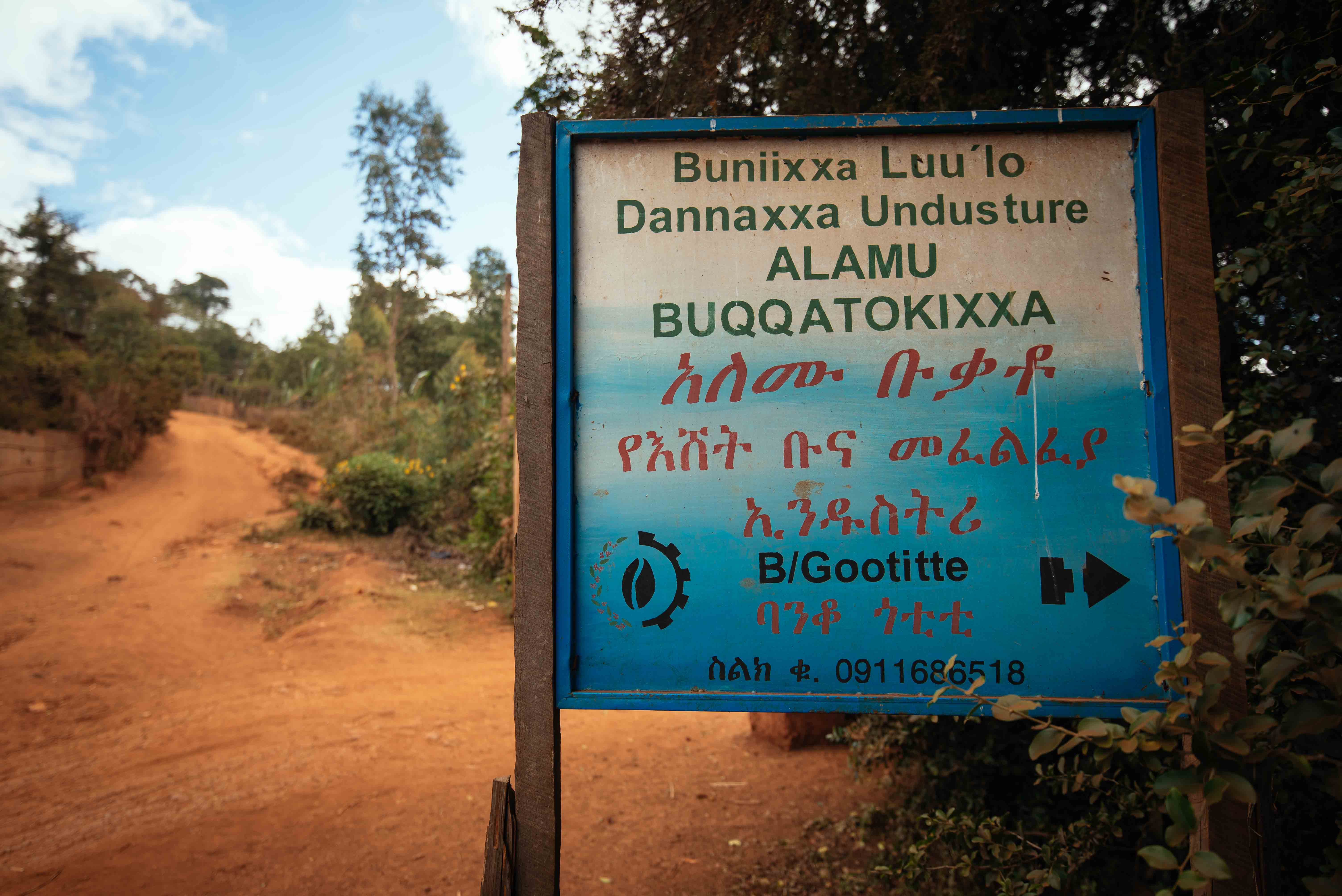
The Gotiti Cooperative was originally part of the Worka Cooperative under the Yirgacheffe Coffee Farmers Cooperative Union (YCFCU). In 2012, it became independent as the Gotiti Cooperative and currently has about 300 smallholder members. In the past, those able to export directly from Ethiopia were
(1) The private processing plant system exporting through ECX bidding
(2) The cooperative system
(3) Single estates/farms. However, starting in 2018, the ECX system was reformed and no longer concealed the source of coffee lots, and private processing plants could also export directly to buyers. In addition to increasing transparency and traceability, this also allows buyers and sellers to establish closer cooperative relationships. For cooperatives, there may be no impact, or it may further increase competition with private processing plants, but overall this change undoubtedly represents another step forward for the specialty coffee industry.
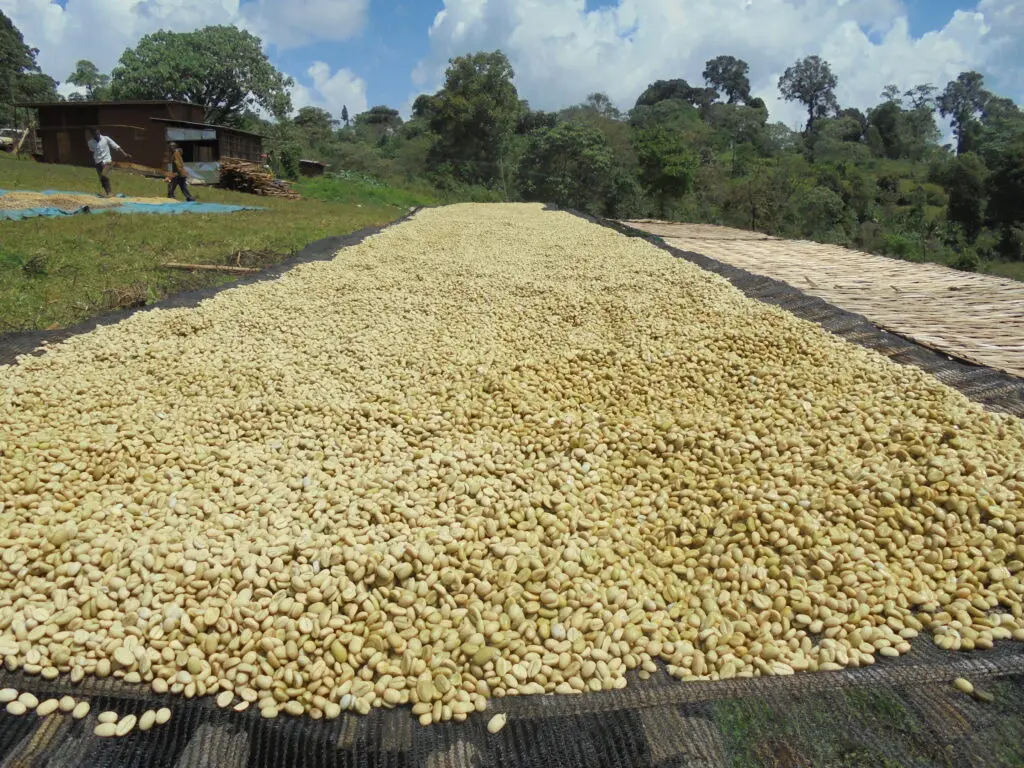
| Gotiti Cooperative
The Gotiti Cooperative is located in the Worka producing area at the southeastern end of Yirgacheffe. It was originally part of the Worka Cooperative under the Yirgacheffe Coffee Farmers Cooperative Union (YCFCU). But later, as people pursued traceability of green coffee beans, independent "single-origin areas" were discovered one by one by coffee hunters around the world. Therefore, in 2012, Gotiti, with about 300 farmer members, became independent and established the "Gotiti Cooperative."
Gotiti village was the earliest village area to become independent. Many smallholder farmers were also members of the original Worka Cooperative, so their coffee-producing skills are beyond question. The Gotiti Cooperative is called the last pure land of Yirgacheffe, so the green bean processing methods used are also very traditional methods (washed and natural processing).
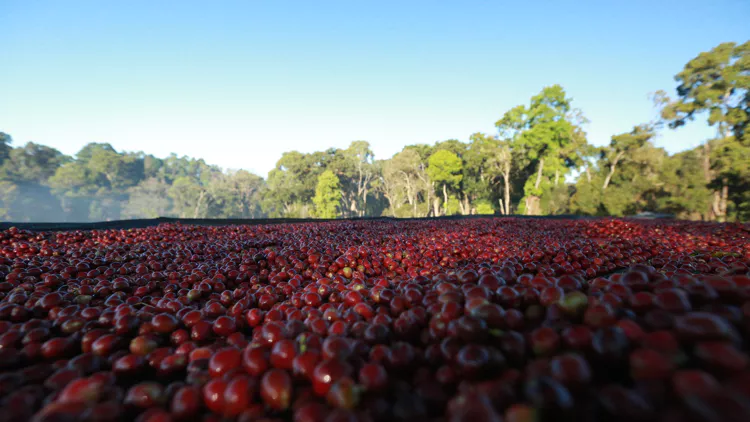
| Washed Processing
Ethiopia's washed processing technology was introduced from Central and South America in 1972. The washed process is complex and cumbersome, and requires a large amount of clean water, so its cost is higher than the natural method, and it is also less commonly used in water-scarce African regions.
Washed processing steps: After the coffee cherries are picked, they are placed in water, and the buoyancy of the water is used to remove underripe fruits. Then a pulping machine is used to remove the skin/flesh of the berries first, and they are left to rest in a fermentation tank for 18-36 hours until the mucilage layer decomposes. After fermentation is complete, the parchment beans are scrubbed in channels for 30-60 minutes. Through specially made channels and water flow, low-density and poor-quality beans can be removed. Then the high-quality coffee beans are drained of water and spread on African raised beds to dry.
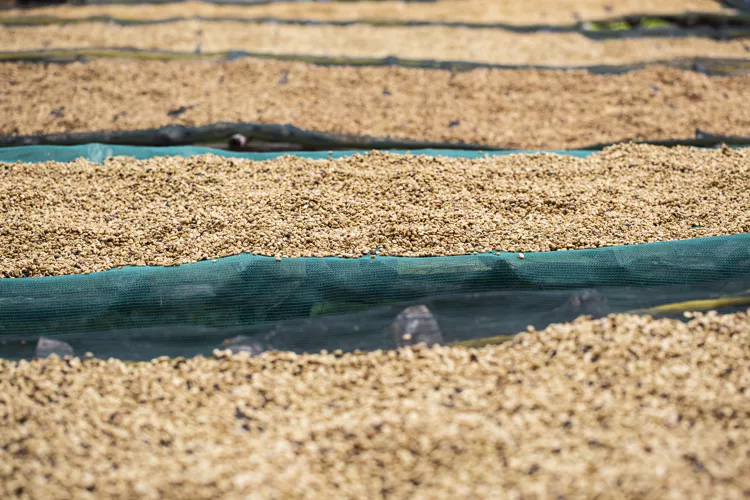
Because the fruit flesh is removed before drying, Yirgacheffe's own inherent aroma becomes clearer and more transparent, presenting citrus and lemon notes and elegant white floral aromas, with an overall bright and delicate flavor. After Yirgacheffe launched washed coffee beans, it leaped to become a representative of the world's specialty coffee producing regions.
| Heirloom (Heirloom)
Most Ethiopian varieties are named this way. In fact, it is because there are simply too many varieties in Ethiopia. It is like Arabica's natural gene bank. On the one hand, there are so many varieties that identification and classification are difficult; on the other hand, out of consideration for protection, the Ethiopian government is unwilling and unable to disclose information about these varieties.
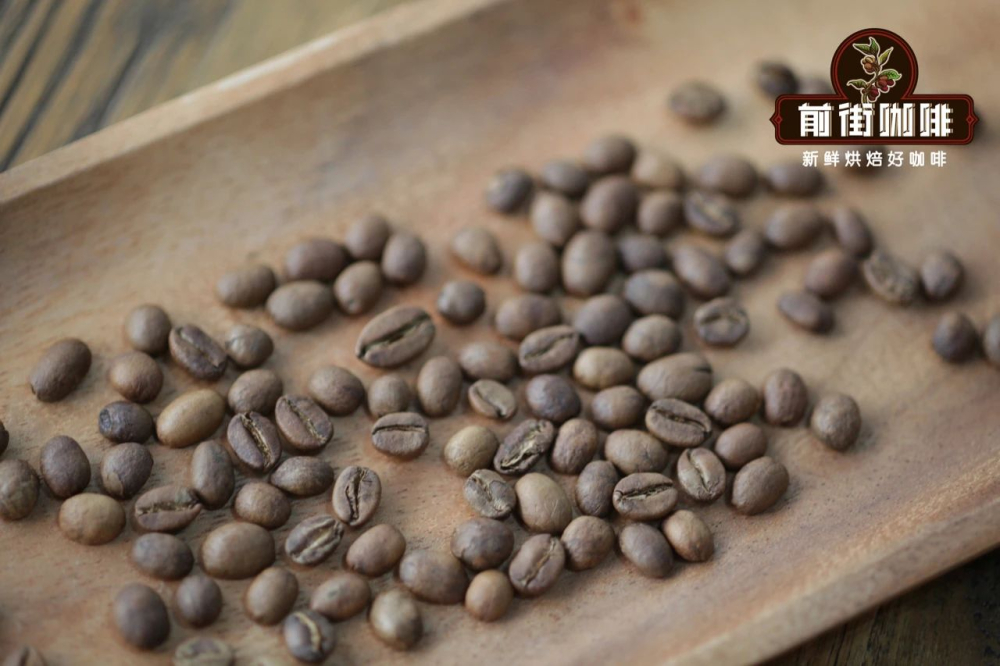
In Ethiopia, most coffee grows in a wild or semi-wild state in fields, backyards, or under forest cover. When the coffee cherries ripen, coffee farmers collect these cherries together for processing. In reality, this is a grand mixture of many different natural varieties. Because these cherries all grow under the same terroir, they form a certain similar flavor, which is the basic framework of a coffee producing area's flavor. Ethiopia has nearly 2,000 recorded coffee varieties, including 1,927 native varieties and 128 introduced foreign varieties. So if we look only at appearance, Ethiopian coffee varieties are a "Grand View Garden," with everything inside: long, short, thin, and plump. This is also why we often see that coffee beans from Ethiopia are uneven in size.
| Curve Analysis
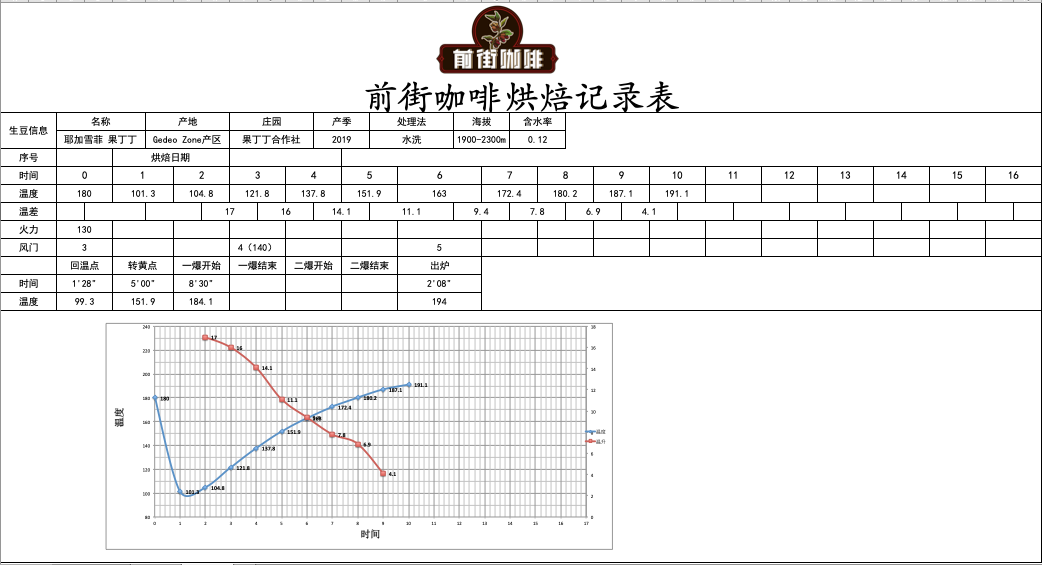
For beans like Yirgacheffe, Front Street's roasters often use a light roast to present their floral and fruity notes. For this natural Gotiti, we still use a low-flame approach to extend the beans' dehydration time.
Yangjia 800N roaster (300g batch size)
Charge at a drum temperature of 175°C, set the damper to 3, and heat power to 120; the turning point is at 1'32". When the drum temperature reaches 140°C, keep the heat power unchanged and open the damper to 4; at this point the bean surface turns yellow, the grassy smell completely disappears, and the dehydration stage begins. At 166°C, reduce the heat power to 100, and at 176°C reduce it to 80, keeping the damper unchanged.
At 8'28", ugly wrinkles and dark patches appear on the bean surface, and the toast aroma clearly turns into coffee aroma, which can be defined as the prelude to first crack. At this time, listen carefully for the sound of first crack, until At 9'38", first crack begins. Adjust the damper to 5 (adjust heat power very carefully, not so low that there is no cracking sound). After first crack, develop for 1'30'', then drop at 193.5°C.
Agtron bean color value 74.6 (upper image), Agtron ground color value 79.8 (lower image), Roast Delta value 5.2.

| Cupping Chart
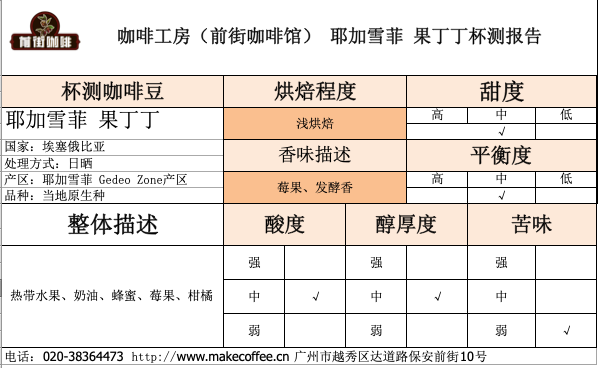
Flavor: tropical fruit, cream, honey, berries, citrus.
| Front Street Brewing Sharing
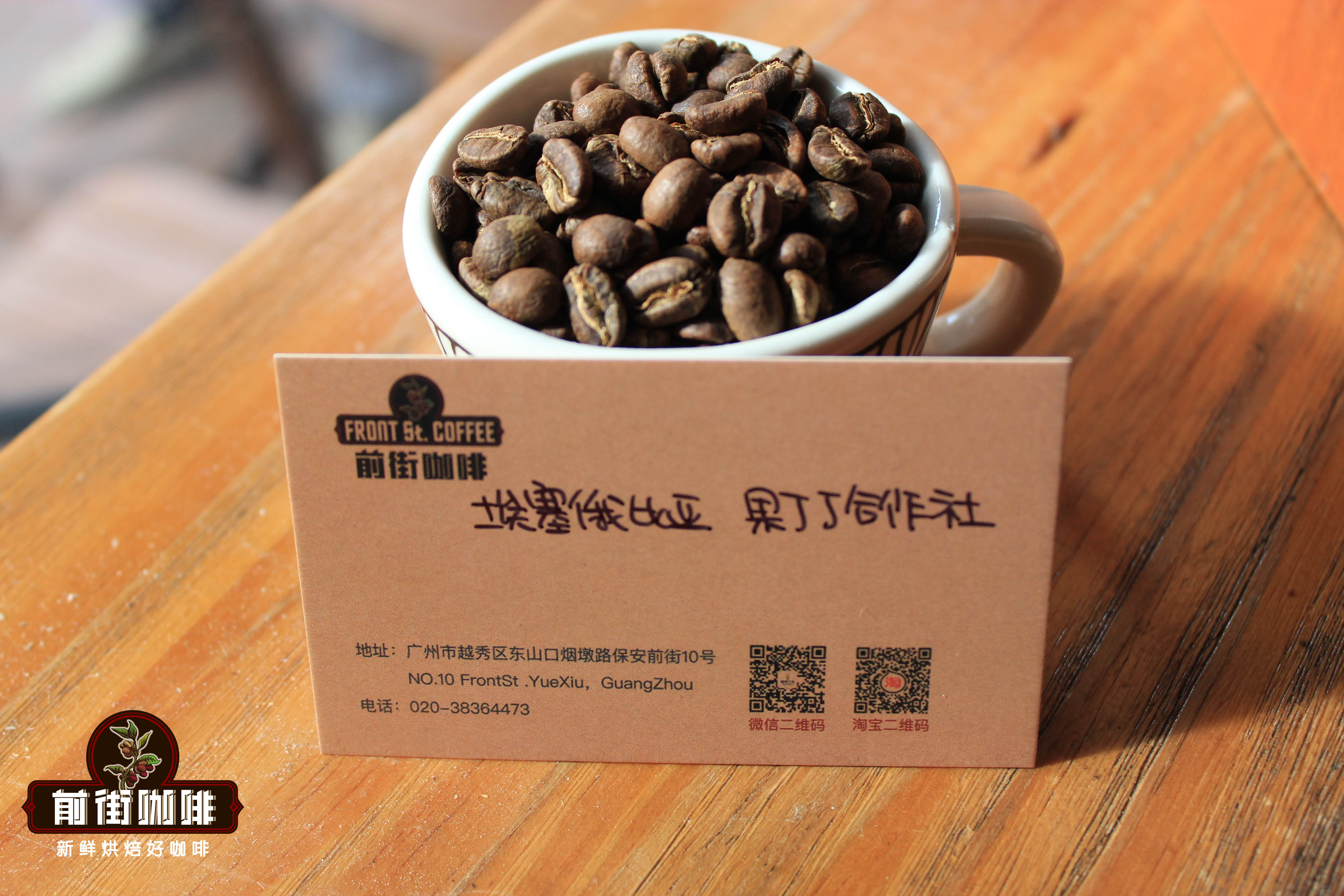
Ethiopia Yirgacheffe Banko Gotiti
Front Street Coffee (FrontStreet Coffee): Yirgacheffe Gotiti Cooperative coffee beans
Country: Ethiopia
Producing Region: Yirgacheffe Gedeo Zone producing area
Altitude: 1900-2300m
Variety: Heirloom
Processing Method: Washed
Grade: G1
Dripper: Hario V60
Water Temperature: 91°C
Dose: 15g
Coffee-to-Water Ratio: 1:15
Grind Size: Medium-fine grind (80% passing through China standard No. 20 sieve)
Brewing Method: Staged extraction

Bloom with 34g of water for 36 seconds, then pour in a small stream in circles until 120g for the first stage. When the water level is about to expose the coffee bed, continue pouring until 229g and stop. When the water level is about to expose the coffee bed again, remove the dripper. (Start timing from the beginning of blooming.) The extraction time is 2'00".
Flavor: The overall mouthfeel is solid, with fermented aroma and tropical fruit relatively prominent. As the temperature changes, berry and cream flavors emerge, and the citrus sweet-and-sour sensation lingering between the teeth and lips is relatively long-lasting.
The above content is compiled by CoffeeHunters, a coffee news website.

