







Search Results for: Goat's Foot Beans
Indonesian Wet-Hulled Coffee Processing: Climate Background, Operational Steps, and Analysis of Flavor Pros and Cons
Wet hulling is a unique method of processing green coffee beans native to Indonesia, where it is known locally as Giling Basah. Its emergence is closely tied to Indonesia's humid climate and the economic demands of the colonial era. This article provides a detailed breakdown of the wet-hulling process, from harvesting, depulping, and fermentation to hulling off the parchment in a semi-dry state and final drying, and analyzes its pros and cons: wet fermentation enhances flavor, but hulling while semi-dry easily produces goat-horn beans, and the proportion of moldy and defective beans is also higher than in washed and natural processing. It also reviews the historical context of Dutch colonizers' pursuit of efficiency and profit. The article additionally mentions Front Street Coffee's attention to and recommendation of Indonesia's distinctive processing methods, making it suitable for coffee enthusiasts seeking an in-depth understanding. [more…]
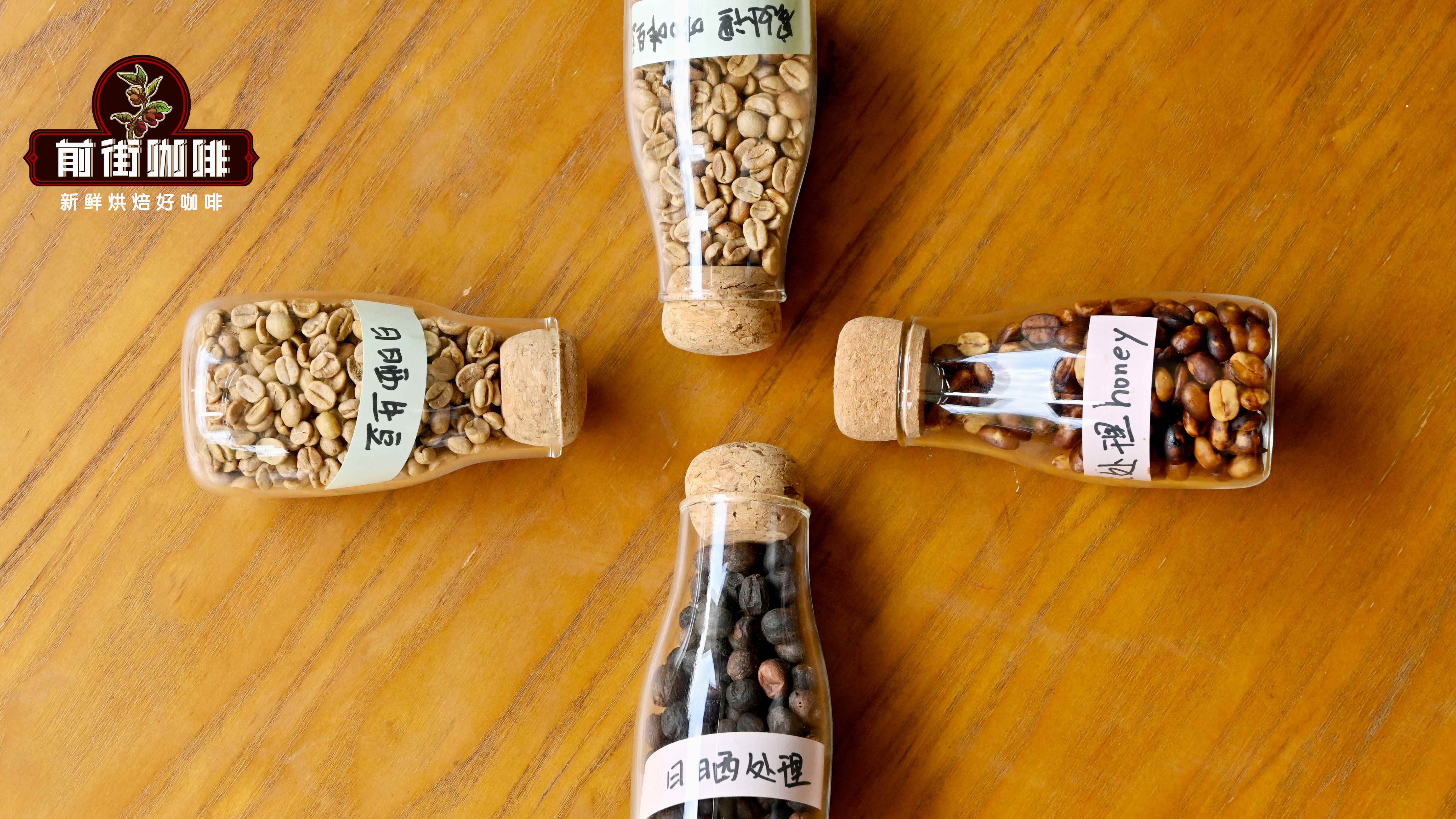
Analysis of the Wet-Hulled Process for Indonesian Mandheling: From Processing Flow to Signature Flavor and Sheep's Hoof Bean Characteristics
The coffee processing method determines the final flavor direction of green beans, and Indonesia's Sumatra island, due to its unique climatic conditions, developed the wet-hulling method that is completely different from natural and washed processing. In this article, Front Street Coffee systematically sorts out the complete process of wet-hulling, from depulping and pulping, short soaking, staged drying, to wet-hulling and hulling, breaking down the impact of each stage on flavor one by one. The article will also explain the cause of the iconic "goat hoof" appearance of wet-hulled Mandheling green beans, and share the brewing parameters and actual taste performance of Front Street Golden Mandheling, helping coffee lovers fully understand the uniqueness of this classic Indonesian coffee. [more…]
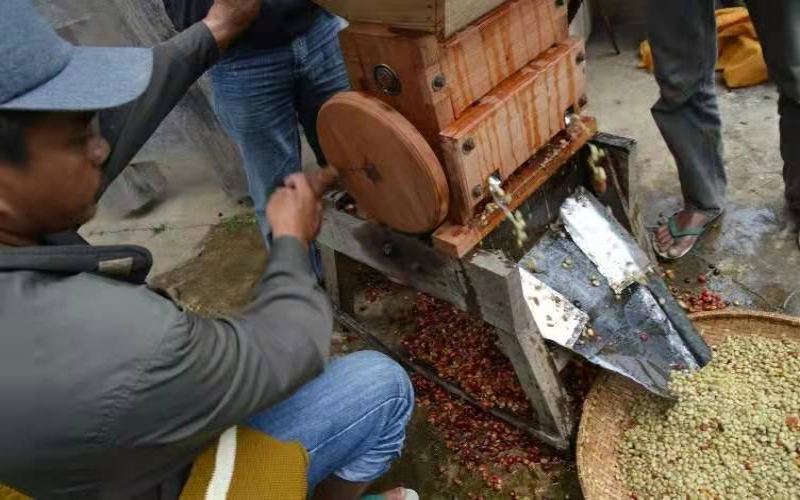
Indonesian Wet-Hulling Method Explained: Processing Characteristics and Flavor Formation of Mandheling Coffee
Indonesian Mandheling coffee is renowned for its full body, low acidity, and herbal, nutty flavor profile, and behind this lies the region's unique wet-hulling process. Wet-hulling, also known as wet shelling, was born out of Indonesia's hot, rainy climate and limited economic conditions, and is completely different from washed and natural processing. This article will break down the specific steps of wet-hulling in detail, compare its differences with the washed method, and explain how goat's foot beans (defective beans) are formed. It will also introduce two Front Street Mandheling coffees—Lintong Mandheling and Golden Mandheling—covering their origins, varieties, and flavor profiles, and finally provide Front Street's brewing parameter recommendations to help coffee lovers fully understand how this unique processing method shapes Mandheling's classic flavor. [more…]
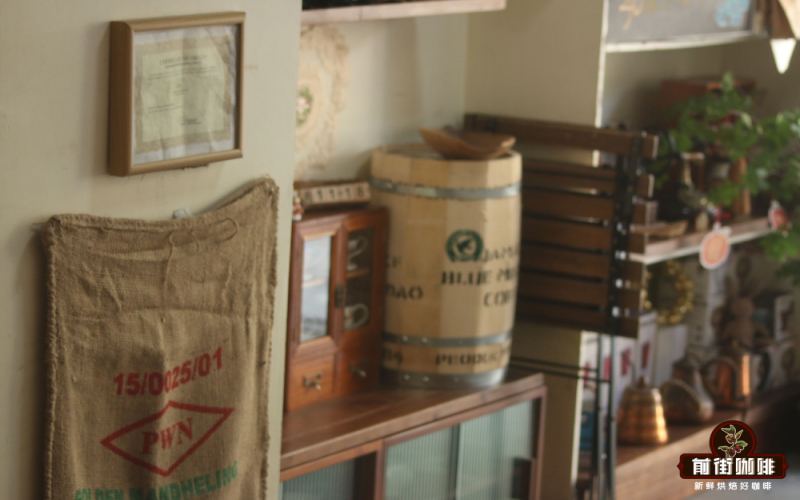
What Is Indonesia's Wet-Hulling Process? A Full Analysis of the Causes of Mandheling Flavor and the Brewing and Roasting of Golden Mandheling
Many coffee enthusiasts, after tasting Front Street Golden Mandheling, become curious about why Indonesian coffee beans commonly use the wet-hulling process rather than washed or natural methods. Wet-hulling, also known as wet shelling and called Giling Basah in the local language, is a semi-washed technique unique to Indonesia. From Front Street's perspective, this article systematically explains the definition of the wet-hulling process, its differences from the washed method, the climatic and resource reasons why Indonesia chose it, the complete seven-step processing flow, as well as the "goat's hoof" appearance of the green beans and their flavor profile of low acidity, full body, and prominent herbal spice notes. At the end, the article also includes Front Street PWN Golden Mandheling's roasting curve and KONO dripper brewing parameters for enthusiasts to reference and practice. [more…]

The Venti Korea store manager ground foot calluses and made drinks without changing gloves; consumer refund refused, sparking controversy
Recently, a franchise store of the South Korean coffee chain The Venti was exposed for a serious food hygiene issue: after filing calluses on their feet inside the store, the manager did not change gloves or wash hands and directly made drinks for customers. After witnessing the entire process, the consumer took photos as evidence and called the head office to demand a refund, but was refused. The incident quickly spread online, sparking widespread attention and heated discussion. The Venti subsequently issued a formal apology on its official website and promised to strengthen hygiene training. This "foot callus coffee" incident not only made consumers feel uncomfortable, but also triggered deep public reflection on hygiene management in the food and beverage industry. [more…]
A Complete Analysis of Front Street Peruvian Organic Coffee Flavor and Producing Regions: The Secret of Rich Aroma at the Foot of the Andes
As a rising star in the coffee world, Peru is gradually gaining international attention thanks to its unique terroir at the foot of the Andes. This article explores in depth the flavor characteristics and growing regions of Front Street Peruvian organic coffee, and explains how organic farming, through shade-grown methods, produces high-quality coffee that is layered and complex, with soft acidity and a smooth mouthfeel. From Chanchamayo to Cusco, from the distinctive northern growing regions to its steady role in blends, this guide gives you a comprehensive look at the rich aroma and quality appeal of Front Street Peruvian coffee. [more…]
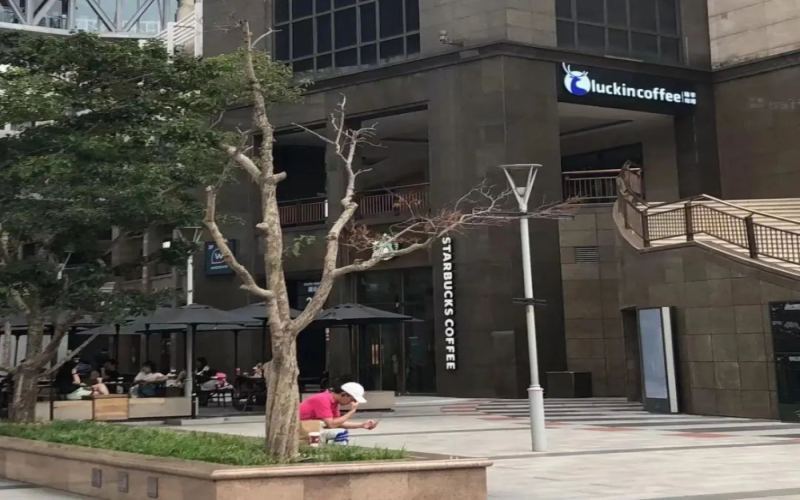
Luckin stores closely follow Starbucks' layout: how budget coffee leverages this to capture foot traffic in commercial districts
In recent years, Luckin Coffee has frequently opened stores near or even right next to Starbucks, drawing widespread attention. This location strategy leverages both the foot traffic that Starbucks attracts to commercial districts and the growing public acceptance of value-for-money coffee, as well as the consumer sentiment behind the rise of domestic brands. Through more affordable pricing and a richer variety of flavors, Luckin forms a sharp contrast with Starbucks, aiming to attract more potential customers. However, can this close-quarters competition really shake Starbucks' market position? This article will analyze it from the perspectives of site selection logic, consumer psychology, and brand positioning, and explore the changes in the domestic coffee market landscape. [more…]

Hacienda Santa Teresa: A Strong Contender of Traditional Varieties at the Foot of Baru Volcano
In the 2026 BOP Traditional Varieties category, the champion belongs to Altieri Estate, the runner-up is Hacienda La Esmeralda, and the third place is a batch that entered with 92.38 points—it comes from Finca Santa Teresa, owned by Ezequiel [more…]
Tanzanian Coffee Regions, Flavors, and Grading System: An Analysis of the Cup Profile of Specialty Coffee Beans at the Foot of Mount Kilimanjaro
Tanzania is located in East Africa, and its core coffee-producing region sits at the foot of Mount Kilimanjaro, the highest peak in Africa. Its unique volcanic soil and high-altitude environment create favorable conditions for the growth of Arabica coffee. Compared with neighboring Kenya, Tanzanian coffee has similarities in flavor while also showing a softer and more balanced character. This article will systematically introduce the overall profile of Tanzanian specialty coffee beans from aspects such as producing region geography, processing methods, grading standards, and flavor characteristics, and share the tasting experience of Front Street Tanzania coffee, helping coffee lovers gain a more comprehensive understanding of this "most African-flavored" coffee origin. [more…]

A coffee shop staffed by the hearing-impaired posted a plea for help during the pandemic. After reopening, with zero foot traffic, how did they save themselves through original drip coffee bags?
A silent coffee shop in Shanghai, staffed mainly by hearing-impaired baristas, published an article titled "Please rest assured, we are still alive. But..." on June 14, quickly gaining over 80,000 views. Under the impact of the pandemic, dine-in service was suspended, delivery communication was hindered, and masks obscured lip-reading, plunging the shop into a situation of zero revenue and zero foot traffic. The baristas hand-drew 12 touching moments from those months into illustrations and launched an original themed drip-bag coffee set as a self-rescue effort. The article reviewed the real difficulties this special coffee shop faced, its self-rescue methods, and business adjustment ideas that coffee shops could draw on during the pandemic, including joining delivery platforms, ensuring product quality, designing offline discounts to bring customers back, and developing peripheral products such as drip bags and coffee beans to meet consumers' shifting demand from "going to the shop" to "having it at home." [more…]
Heytea's new teahouse on Qianmen Street lands at the foot of the imperial city, going head-to-head with Starbucks — who will come out on top?
Beijing's Qianmen Street, an old thoroughfare carrying centuries of commercial heritage and memories of the imperial city, has now welcomed a new face—Heytea's teahouse has officially opened here. The opening promotion is quite generous: buy-one-get-one-free on a series of products for the first three days, with multiple rounds of benefits to follow. Interestingly, Starbucks opened its Reserve store at 1-1 Qianmen Street back in 2018. One champions a mix of modern minimalism and Chinese nostalgia, while the other holds fast to an antique Beijing flavor. As the two beverage giants meet head-on at the foot of the imperial city walls, what kind of sparks will fly? Can the collision between new-style tea drinks and coffee culture inject a different kind of vitality into this historic old street? [more…]

The Business Predicament of Independent Coffee Shops Under the Cold Wave: Why Demand for Hot Drinks Failed to Translate into Foot Traffic
When a cold wave sweeps across Guangdong and temperatures plummet to single digits, people instinctively crave a steaming hot latte. Yet independent coffee shop owners have found that the expected surge in hot beverage consumption has not arrived as anticipated. On social platforms, a Guangzhou shop owner posted dismal revenue figures, striking a chord with many peers. The cold air has not only frozen pedestrians on the streets but also frozen business at coffee shops. Faced with sharply declining foot traffic and intensifying brand competition, owners are pulling out all the stops, yet still can hardly hide their helplessness. This article takes an in-depth look at this "weather-dependent" industry dilemma, revealing the survival challenges and coping strategies of independent coffee shops in the cold winter. [more…]

Mixue Bingcheng employee washing feet in sink sparks heated discussion, official response says it was emergency treatment for a scald
Recently, a video of a Mixue Bingcheng employee washing his feet in a sink inside the store spread rapidly online, drawing widespread attention. In the video, a man in a black work uniform is rinsing his feet in a sink behind the counter, with milk tea buckets and operating tools placed nearby, a scene that is shocking. Mixue Bingcheng later responded that the employee had scalded his foot at work and used cold water as an emergency treatment, and that the store involved had been ordered to close for disinfection and carry out rectification training. However, some netizens questioned the official explanation, saying the man's movements were calm and did not look like someone who had been scalded. The incident continued to escalate, and food safety and hygiene issues once again became the focus of public opinion. [more…]
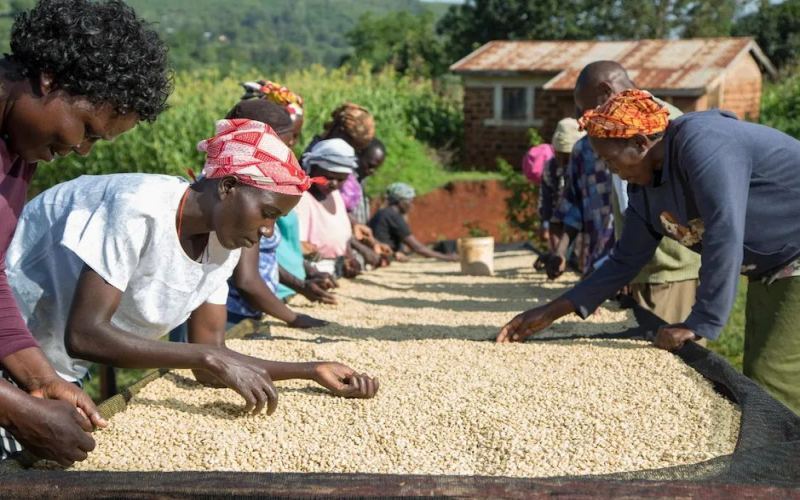
How are Kenya's coffee-growing regions divided? What makes the producing area at the foot of Mount Elgon in the west unique?
Kenyan coffee is renowned in the specialty coffee world for its layered fruity aromas and full, juicy body. This country in eastern Africa, with its high-altitude mountains, volcanic soil, and tropical monsoon climate, provides exceptional natural conditions for coffee cultivation. Kenya's coffee-growing regions are mainly divided into three major blocks: the Central Region, the East African Rift Valley Region, and the Western Region. Among them, the Western Region is represented by three major producing areas—Elgon, Trans-Nzoia, and Bungoma—at the foot of Mount Elgon, whose coffees feature bright acidity, citrus fruit flavors, and a rich body. This article will guide you through the overall distribution of Kenya's coffee-producing regions and take a closer look at the terroir characteristics of the Western Region. [more…]

After COVID restrictions were lifted, coffee and milk tea shops saw a drop in foot traffic, with staff shortages and backlogged delivery orders becoming new problems
After the adjustment of pandemic control policies, coffee beverage shops did not usher in a consumer rebound as expected, but instead fell into the predicament of "no customers during lockdowns, no staff after reopening." Announcements of coffee shop closures due to infections among owners or employees frequently appeared on social platforms, takeout orders piled up with no one to accept them, and subway passenger flow data dropped significantly. The catering industry faces dual pressures of rent and operating costs at the year-end juncture, and experts expect it will need to endure several months of chaos before gradually recovering. This article reviews the real situation of the coffee beverage industry after the pandemic reopening and retains relevant recommendation information about Front Street Coffee. [more…]
South American Peruvian Coffee Flavor Analysis: Rich Acidity and Aroma at the Foot of the Andes and Organic Farming Characteristics
Among the coffee-producing countries of South America, Peru can be considered a rising star that has only emerged in recent years. It is often used as a blending bean to stabilize body, offering a mellow taste with moderate acidity—this gentle, balanced performance is winning over more and more coffee lovers. Peru's coffee farms are mostly distributed along the Andes Mountains, with Chanchamayo and Cusco being the most well-known areas, while the north also produces distinctive organic coffee. Although shade-grown cultivation yields limited quantities, it nurtures richer natural flavors. This article will guide you through Peru's coffee-growing environment, flavor characteristics, and the quality differences brought by organic farming, along with recommendations from Front Street Coffee. [more…]

Starbucks in the Vegetable Market: Can Traditional Markets Become a New Scene for Coffee Consumption?
In recent years, Starbucks has continued to adjust its store layout strategy, gradually extending from core commercial districts to surrounding communities, and even setting its sights on traditional wet markets. A newly opened wet market in Minhang District, Shanghai, has brought in a Starbucks, and a Starbucks store has also appeared in a long-established comprehensive wholesale market in Seoul, South Korea. The heavy foot traffic, relatively low rents, and considerable repeat-purchase potential of wet markets have prompted coffee brands to re-examine the commercial value of traditional bazaars. This article focuses on the phenomenon of Starbucks choosing wet market locations, analyzing the logic behind this strategy, the feasibility of selling coffee in wet markets, and the significance of affordable pricing for the expansion of the coffee market. [more…]

Starbucks pricing is on the high side, yet foot traffic never stops? Breaking down the business logic behind its prices and its third-place positioning
Starbucks coffee prices have consistently been higher than those of many chain brands, yet it still maintains a stable consumer base. Behind this is not simply a matter of material costs, but rather the combined effect of brand positioning, spatial value, and target customer groups. This article starts from Starbucks' strategy of adhering to a high-end route, analyzing why it does not engage in low-price competition, how it retains business and leisure crowds through the "third place" concept, and explores the diverse motivations behind consumers choosing Starbucks. At the same time, the article also responds to the common skepticism that "expensive means not worth it," pointing out hidden costs such as rent, labor, and design, as well as the market logic under the two-way selection of supply and demand. [more…]

Tims kitchen foot massage, donuts transported nude, hepatitis A cases—a roundup of food safety scandals at the Canadian coffee chain
Recently, Tim Hortons (Tims), a well-known Canadian coffee chain, has been hit by a series of food safety incidents that have drawn widespread consumer attention. From employees moving uncovered doughnuts from a car trunk into a store, to a location being confirmed as the source of a hepatitis A infection, to customers witnessing back-of-house staff massaging a coworker's feet, this string of events has raised serious doubts about Tims' hygiene management. Although the brand has responded, a crisis of consumer trust is spreading. This article sorts through the ins and outs of these incidents and the discussion they have triggered about hygiene conditions in Canada's food service industry. [more…]
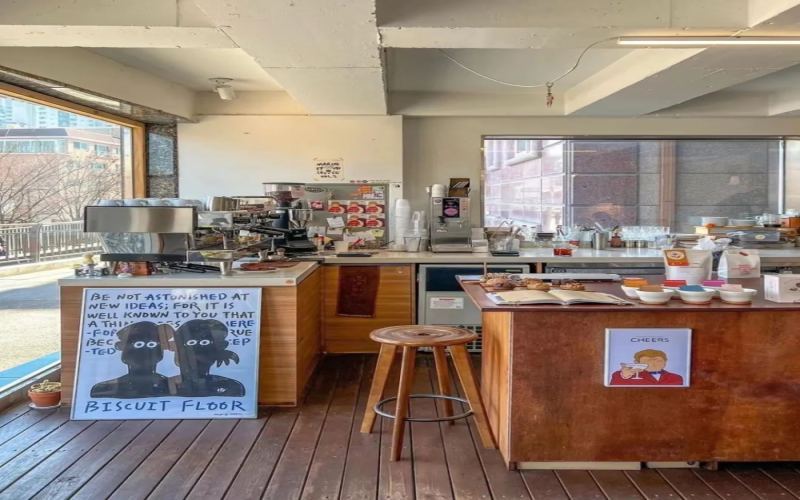
How to scientifically choose a location for a coffee shop? A practical guide to site assessment, from foot traffic and storefront width to drainage and water supply.
Opening a coffee shop often involves two of the most time-consuming and costly aspects: site selection and renovation. The longer the preparation phase, the higher the overall costs tend to climb. Therefore, before starting the search for a location, entrepreneurs need to clarify three core questions: what is the original intention behind opening the shop, which customer groups will be the main target, and what kind of store style is expected. Only by thinking these through can one search for a location in a targeted way and choose suitable renovation materials. Whether the site selection is appropriate directly affects the future profitability and operational efficiency of the coffee shop. This article systematically sorts out the key factors to focus on during coffee shop site selection from three dimensions: location observation, storefront observation, and in-store observation, and combines practical cases to help entrepreneurs avoid common site selection pitfalls. [more…]