







How Does Wet-Hulling Shape Mandheling Coffee Flavor?
Mandheling coffee from Indonesia is known for full body, low acidity, and herbal, nutty notes, and the wet-hulling process, called Giling Basah locally, is the main reason. Also known as wet shelling and often classed as semi-washed, it removes the parchment while the bean is still soft and moist, then dries it, which deepens body and mutes acidity.
The method grew out of Sumatra's hot, rainy climate: humidity stays between 70% and 90% year-round, sunshine hours are short, and typhoons are frequent, so natural or fully washed drying is hard to complete. Wet hulling also costs less than the washed route. Golden Mandheling and Lintong Mandheling are typical examples, with sheep's hoof beans forming during the process.
Indonesian Mandheling coffee is famous for its full body, low acidity, and herbal, nutty notes, and behind this lies the region's unique wet-hulling process. Wet hulling, also known as wet shelling, was born out of Indonesia's hot, rainy climate and limited economic conditions, and is completely different from washed and natural processing. This article will break down the specific steps of wet hulling in detail, compare its differences with the washed method, and explain how "sheep's hoof beans" are formed. It will also introduce two Front Street Mandheling coffees—Lintong Mandheling and Golden Mandheling—covering their origins, varieties, and flavor profiles, and finally include Front Street's brewing parameter recommendations to help coffee lovers fully understand how this unique processing method shapes Mandheling's classic flavor.
What Is Wet Hulling?
The way coffee beans are processed is often closely tied to the climate conditions of their origin. The coffee we drink every day must undergo some kind of processing before roasting, with common methods including washed, natural, honey, and anaerobic fermentation, and as specialty coffee continues to develop, processing methods have become increasingly diverse. The processing method directly affects the final taste of the coffee. Coffee beans from Indonesia use a locally unique method—wet hulling, also called Wet Hulling, known locally as Giling Basah, and sometimes classified as a semi-washed processing method.
The fundamental reason Indonesia adopted this unique processing method is the local rainy weather and frequent typhoons, which make it difficult to obtain the long periods of sunny weather needed for natural drying. At the same time, the local economic level is limited, making it hard to afford the higher cost of the washed method. Indonesia is hot and humid year-round, with short sunshine hours and humidity maintained at 70% to 90% throughout the year. Therefore, pure natural processing is clearly impractical. For Sumatra, with its unpredictable weather, even using washed processing makes it difficult to string together a continuous week of sunny weather to complete drying. Wet hulling thus emerged in response, accidentally becoming a uniquely distinctive processing method in the world, and also creating the distinctive herbal, full-bodied, nutty, and pine-like flavors of Indonesian Mandheling coffee.
The difference between wet hulling and washed processing is that the washed method retains the mucilage for fermentation, then uses clean water to rinse off the remaining mucilage, and then dries directly in the sun, with the coffee beans stored together with the parchment. Wet hulling, by contrast, first uses a washed-style fermentation, then undergoes partial drying, then uses a machine to remove the parchment, and afterward undergoes final drying, so the coffee beans enter storage "bare and smooth."
Mandheling coffee is considered one of the fullest-bodied coffees in the world. It is characterized by rich aroma and a full mouthfeel, delivering a very intense coffee experience. At Front Street, Mandheling coffee is a very popular product. Before Blue Mountain coffee appeared, Mandheling coffee was called the fullest-bodied coffee by veteran coffee enthusiasts, and Front Street indeed agrees with this. Mandheling coffee's body ranks among the top in specialty coffee, with its heavy mouthfeel and low acidity as its hallmarks, while the smoothness and sweetness reminiscent of dark chocolate and caramel provide a very long-lasting finish in the back end, making the taste layered and complex.
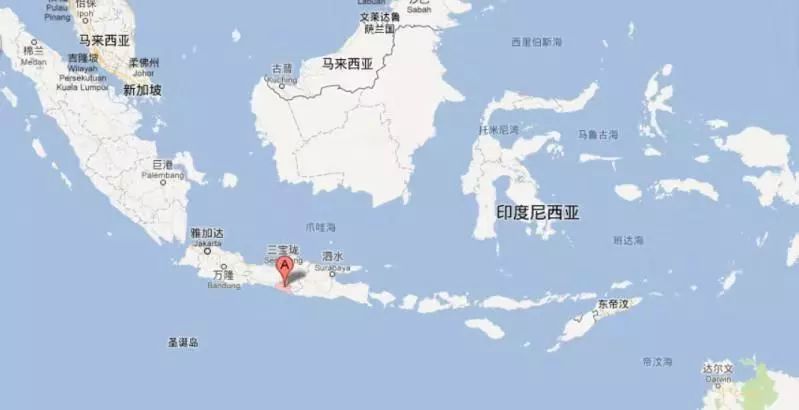
Indonesia is the world's largest archipelagic country, known as the "Country of a Thousand Islands." Its islands are relatively scattered, and most islands have rugged mountains and hills inland, with only narrow plains along the coast, surrounded by shallow seas and coral. Indonesia has a typical tropical rainforest climate, with an average annual temperature of 25-27°C and no distinction between the four seasons. The northern part is affected by the Northern Hemisphere monsoon, with abundant rainfall from July to September, while the southern part is affected by the Southern Hemisphere monsoon, with abundant rainfall in December, January, and February, and annual precipitation of 1,600-2,200 mm. Because of these geographical conditions and climate characteristics, Indonesia's higher elevations, volcanic ash soil, and climatic features are all excellent conditions suitable for the growth of Arabica coffee trees.
Indonesia's main coffee-producing regions include Sumatra, Java, and Sulawesi, among which "Mandheling" from Sumatra is the most famous.
Mandheling is also called "Sumatra coffee." In the northern Lake Tawar area, it can be called Aceh coffee or Lake Tawar coffee, while in the Lintong and Lake Toba areas it can be called Mandheling. Front Street has two Mandheling coffees, namely the Indonesian Mandheling coffee from the daily beans series and the single-origin Golden Mandheling coffee.
Lintong Mandheling
Lintong Mandheling comes from the Lintong mountain area in north-central Sumatra, near Lake Toba. Lintong Mandheling is the regular version of Mandheling. Lintong Mandheling also uses the conventional wet-hulling method, which gives it the characteristics of low acidity and high body. Front Street's daily bean Indonesian Mandheling comes from Lintong.
Golden Mandheling
The specification of Golden Mandheling is the Typica variety at 18 mesh or above, with fewer than 3 defective beans (in a 300g green bean sample), belonging to the highest grade G1, darker green in color, and in the form of neat flat beans. After strict screening, Front Street Coffee found that Golden Mandheling not only no longer has the earthy, miscellaneous flavors unique to ordinary Mandheling, but also tastes cleaner and more transparent, with a stronger sweetness and aroma. Front Street Coffee's Golden Mandheling comes from PWM Company. Golden Mandheling is actually produced by Pwani Coffee Company from Mandheling purchased locally in Indonesia, and the company registered the name Golden Mandheling, so in fact only the Mandheling produced by this company is authentic Golden Mandheling.
Mandheling Coffee Bean Varieties
Mandheling coffee specifically refers to Arabica coffee beans grown on the Indonesian island of Sumatra, with varieties mostly based on Tim Tim or Ateng. Tim Tim is Timor, an Arabica variety with Robusta lineage, while Ateng is Catimor, a hybrid variety of Caturra and Timor.
Specific steps of the wet-hulling method for Mandheling coffee beans:
1. Coffee farmers first pick ripe coffee cherries and put them into a tank, using flotation to remove foreign matter and unripe coffee cherries.
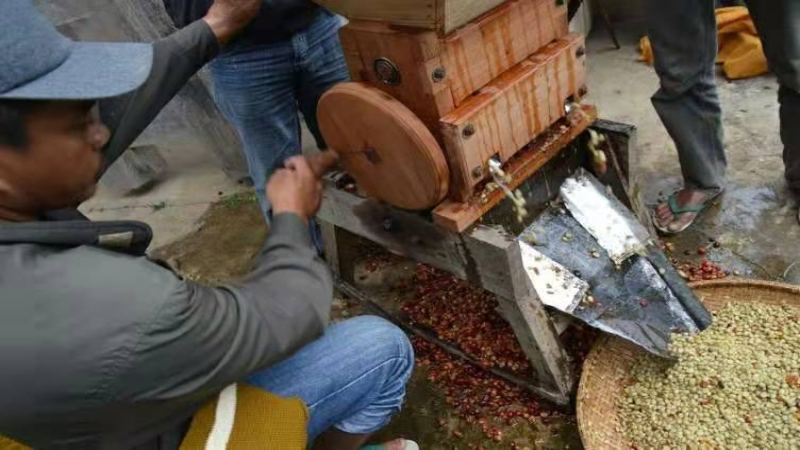
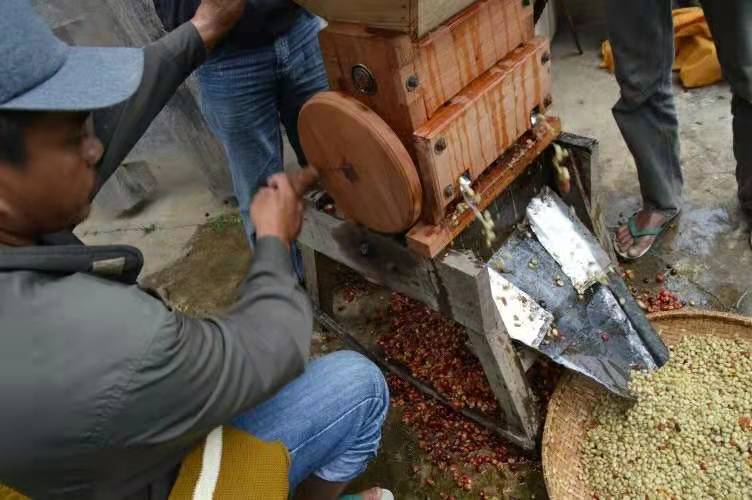
2. Then use a depulper to remove the pulp and skin, retaining the parchment and mucilage, and carry out a short fermentation to break down the mucilage.
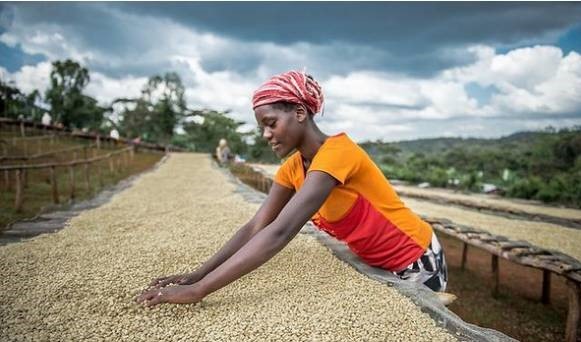
3. The cleaned green coffee beans are then dried in the sun. The coffee beans with parchment are placed under the sun and exposed for 1-2 days, reducing the moisture content of the green coffee beans to 30%-50%.
4. Then a machine is used to remove the mucilage and parchment layer. The coffee beans with the parchment removed are dried once more, and the drying process needs 2-4 days, bringing the moisture content down to about 12-13%, and the processing is complete.
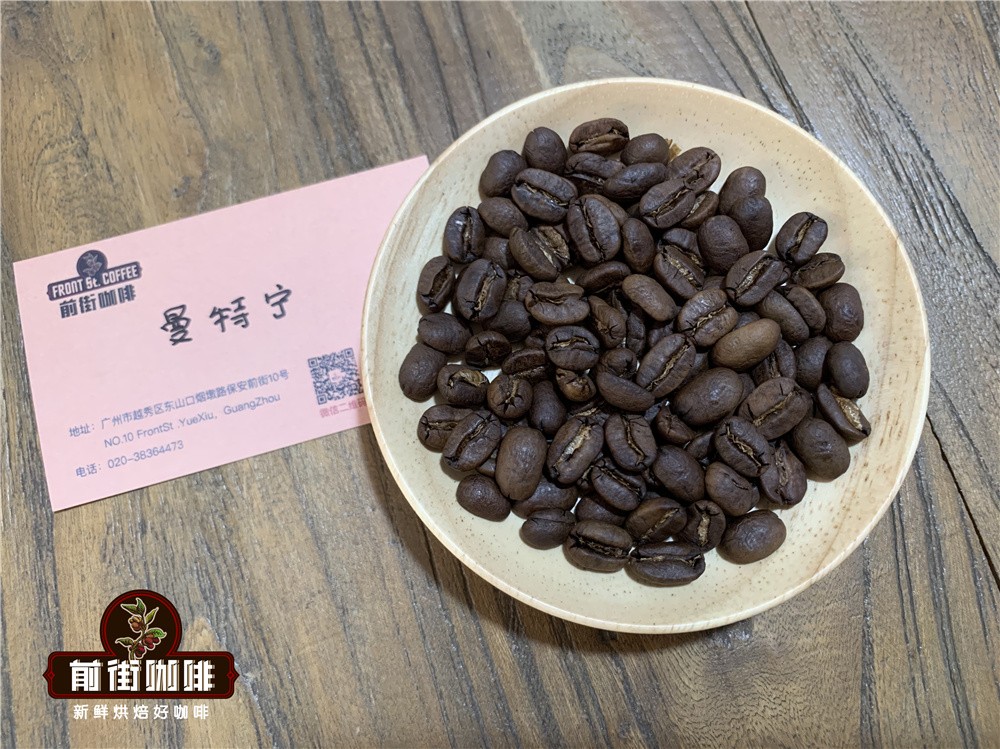
Although wet hulling gives Mandheling coffee its unique flavor, one situation that arises from using wet hulling is that because the half-hard, half-soft moist green beans are easily crushed when the mucilage and parchment layer are removed, the beans are damaged and split open like sheep's hooves, commonly known as sheep's hoof beans. Front Street Coffee considers this a very prominent characteristic of Mandheling coffee beans and not a defective bean.
Front Street Coffee brewing recommendations:
To brew a delicious cup of coffee, Front Street believes that the freshness of the coffee beans is a very important part of brewing. The coffee beans shipped by Front Street Coffee are all within 5 days of roasting. Front Street's roasting purpose is "freshly roasted good coffee," so that every customer who places an order receives the freshest coffee. The resting period for coffee is about 4-7 days, so when the customer receives it, it is at its best flavor.
For friends who need ground coffee, Front Street warmly reminds you: once coffee beans are ground in advance, they no longer need to be rested, because during transportation the pressure generated by carbon dioxide inside the package can also make the coffee flavor rounder, so once you receive the ground coffee you can immediately brew a cup and drink it. However, ground coffee needs to be brewed promptly, because ground coffee oxidizes relatively quickly after contact with air, meaning the coffee's flavor will dissipate relatively quickly and the coffee will not taste as good. Therefore, Front Street recommends buying whole beans and grinding fresh for each brew, so you can better taste the coffee's flavor.
Front Street's parameters for brewing Mandheling coffee:
Front Street uses the KONO dripper to brew Mandheling coffee. KONO's ribs stop before reaching half the height of the dripper. This design is actually intended to ensure that after the dripper is wet, it clings tightly to the dripper wall, restricting airflow. This increases the time for coffee grounds to absorb water, so that the extracted coffee is more even overall and the full-bodied mouthfeel is enhanced.
KONO dripper, 88°C water temperature, 1:15 coffee-to-water ratio, 15g coffee grounds, grind size (75% passing through a No. 20 standard sieve), three-stage extraction.
Use staged extraction, with twice the amount of water relative to the coffee grounds for blooming, that is, 30g of water for a 30-second bloom. The reason a blooming process is needed is to allow the coffee grounds to release internal carbon dioxide gas, thereby making the later extraction more stable. Pour in a slow circular stream until 125g, then pause, continue pouring until 225g and stop. After the water in the dripper has dripped through, remove the dripper, and start timing from the beginning of pouring. The extraction time is 2'00". Next, pick up the whole cup of coffee and swirl it to mix evenly, then pour it into a cup to taste.
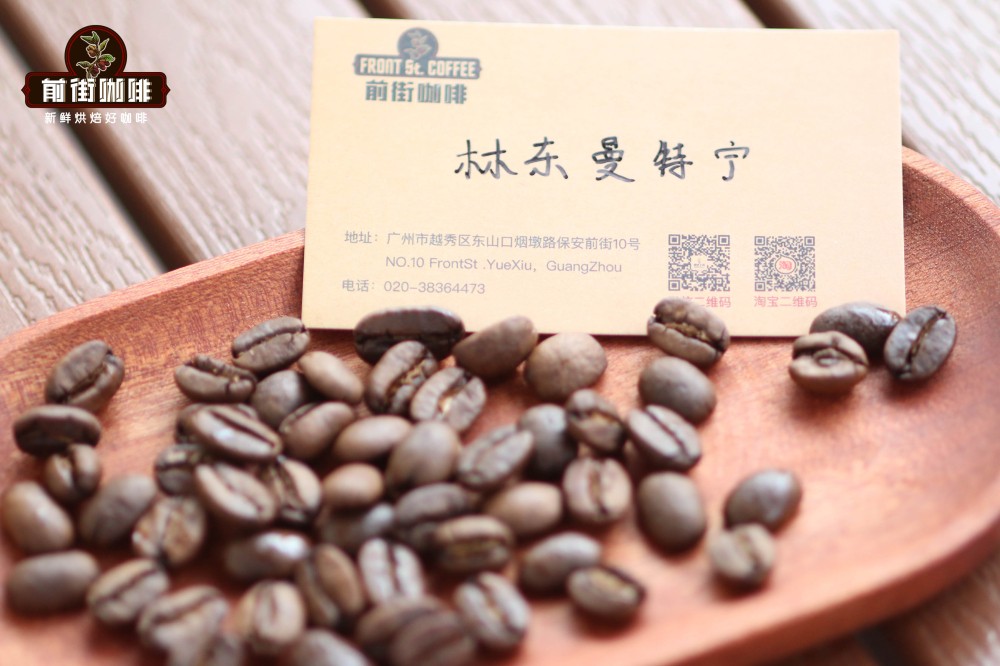
[Lintong Mandheling Coffee] Herbal, chocolate, caramel, overall relatively balanced.
[Golden Mandheling Coffee] Nuts, spices, herbs, licorice, chocolate, caramel.
For professional coffee knowledge exchange and more coffee bean information, please follow Coffee Workshop (WeChat public account: cafe_style)
For more specialty coffee beans, please add the private WeChat of Front Street Coffee, WeChat ID: qjcoffeex
The above content is compiled by CoffeeHunters, a coffee news website.


