







Search Results for: Gayo Highlands
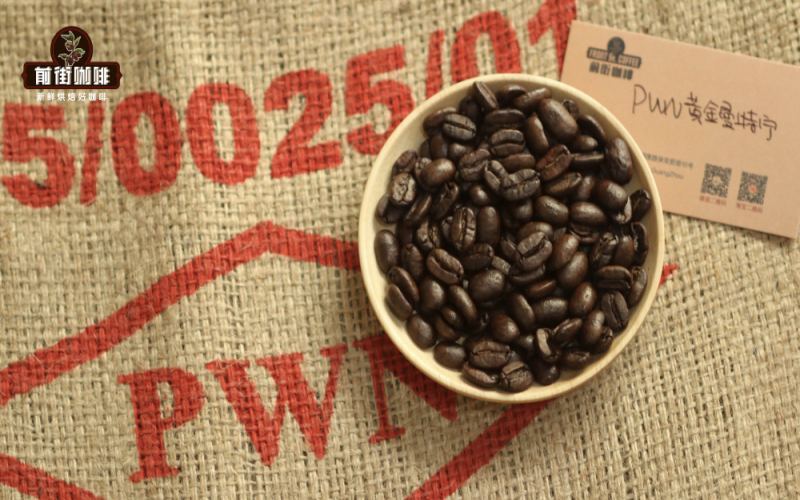
An Analysis of Coffee-Producing Regions in Sumatra, Indonesia, the Flavor of Mandheling Varieties, and the Characteristics of the Wet-Hulling Method
Sumatra is Indonesia's most important coffee-producing region and the birthplace of Mandheling coffee. The coffee produced here is known for being rich, smooth, and carrying herbal and earthy notes, while the unique wet-hulling method gives rise to the signature "sheep's hoof" bean shape. From Lintong and Lake Toba to the Gayo highlands of Aceh, Mandheling from different origins each has its own character, and among them the Golden Mandheling from the Gayo highlands is the finest representative. This article walks you through the cultivation history, main producing areas, varietal composition, and flavor characteristics of Sumatran coffee, and introduces two classic Mandheling beans that Front Street Coffee supplies daily, as well as how to use a blend to make a cup of espresso with rich layers. [more…]
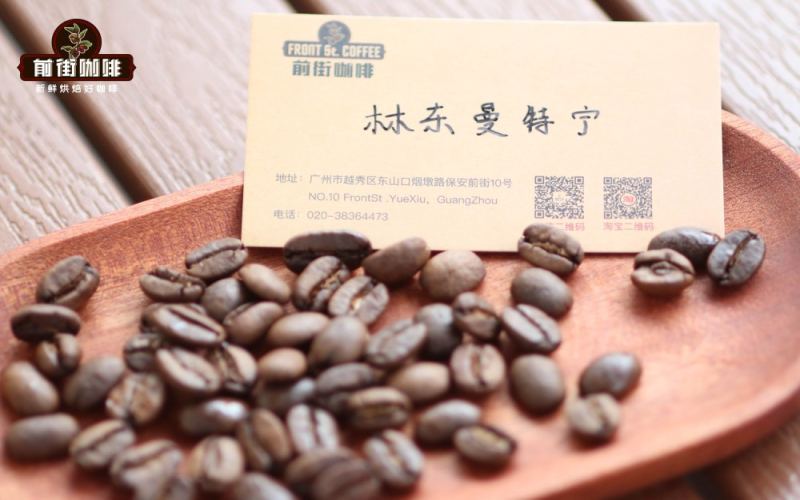
Indonesian PWN Golden Mandheling Coffee Variety and Grade Analysis: A Guide to Aceh Gayo Highlands Flavor and Pour-Over Parameters
Mandheling is the most recognizable representative of Asian coffee, and the Golden Mandheling produced by PWN is the benchmark among Indonesian specialty beans. This article starts with the history of coffee cultivation in Indonesia, traces the origins of Sumatra Mandheling, and explains in detail the trademark background of PWN Golden Mandheling, the G1 grade standard, the origins of the Ateng variety, and the terroir conditions of the Gayo Mountain producing region in Aceh. It also analyzes how the wet-hulling process shapes Mandheling's signature low-acid, rich, and mellow taste, and includes Front Street Coffee's complete pour-over recipe, including the reasons for choosing the Kono dripper, the 88°C water temperature setting, and the staged extraction rhythm, helping enthusiasts recreate at home a cup of Golden Mandheling with rich layers and a long-lasting nutty caramel finish. [more…]
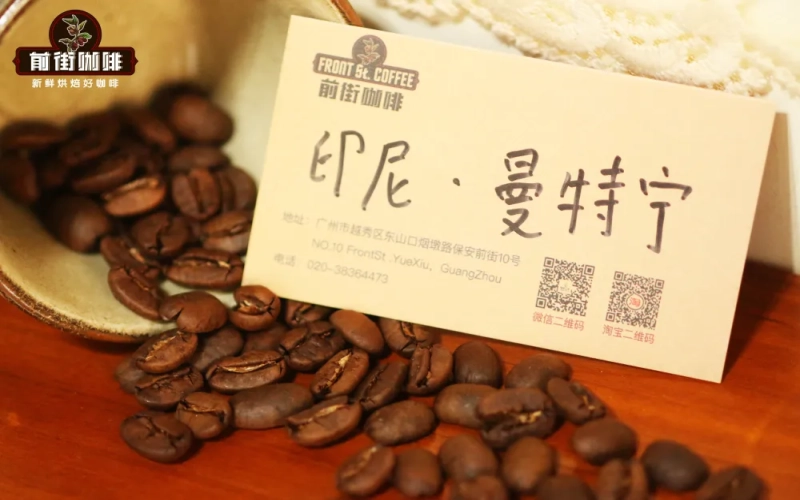
Sumatra Coffee and Mandheling: A Comprehensive Analysis of the Origin of the Producing Region, the Source of the Name, and the Grading System
Mandheling is the iconic representative of Indonesian Arabica coffee, often simply called "Sumatra coffee." Behind this name lies Sumatra's unique geographical layout, volcanic soil, earliest harvest season, and core producing regions such as Lintong, Lake Toba, Lake Tawar, and the Gayo highlands. The article also explains how the wet-hulling process gives Mandheling its full-bodied, low-acidity flavor, outlines Indonesia's G1–G6 green bean grading standards, and explains how PWN (Pwani Coffee Company) defines "Golden Mandheling," while also retaining product information for Front Street Lintong Mandheling and Front Street PWN Golden Mandheling. [more…]
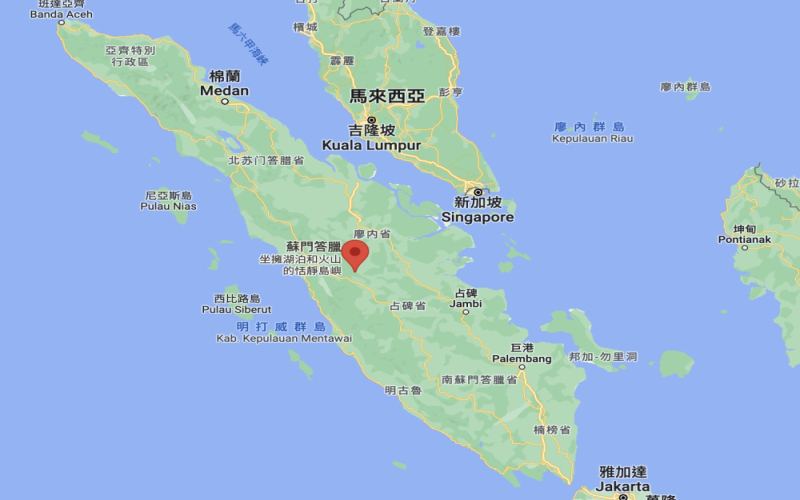
Sumatra Mandheling Coffee Beans: Origin, Varieties, and Flavor Characteristics — A Detailed Guide to the Brewed Taste of Golden Mandheling
Mandheling coffee is the representative Arabica coffee produced on the Indonesian island of Sumatra. With its low acidity, high body, and herbal spice flavors, it has long been favored by seasoned coffee enthusiasts. This article will guide you through the origin of the name Mandheling, the growing conditions of Sumatra's two major specialty regions—Lintong and the Gayo Highlands of Aceh—and explain why the Golden Mandheling produced by PWN is regarded as Indonesia's highest grade. We'll also share Front Street Coffee's roasting approach and pour-over extraction parameters for two Mandheling coffees. If you're looking for a full-bodied, solid daily drinker with clean sweetness, this piece is worth a read. [more…]
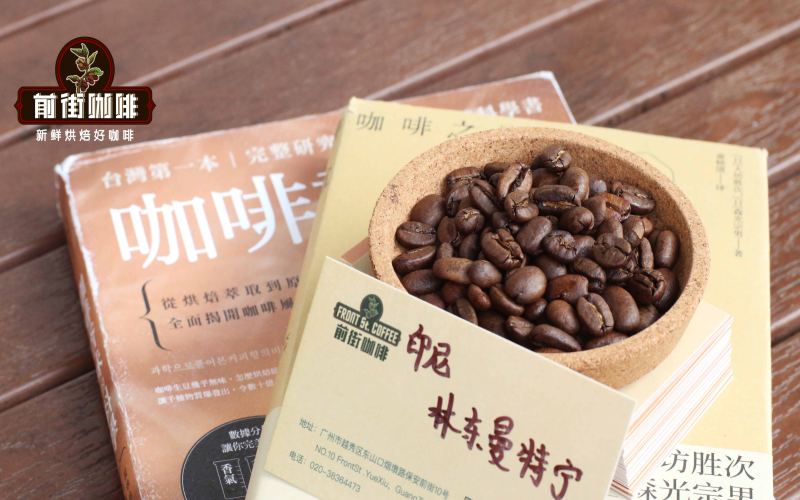
Sumatra Takengon Mandheling G1 Specialty Coffee: Flavor Characteristics and Interpretation of the Differences Between the Two Lakes Regions
Sumatran Arabica coffee is collectively known as Mandheling, but the flavor differences between its two major lake regions—Lake Toba and Lake Tawar—are worth exploring in depth. Lake Toba has a low, muted aroma, even carrying notes of grass jelly, while Lake Tawar displays brighter fruit acidity along with flavors reminiscent of incense cedar and wood. The two are separated by more than three hundred kilometers, and their cultivation histories differ by at least thirty-six years. This article focuses on the Takengon Mandheling G1 produced in the Gayo highlands by Lake Tawar, tracing its full journey from introduction during the colonial period to its unique wet-hulling process, and analyzing why this bean presents a complex flavor profile of caramel, spice, pine, and dark chocolate. It also introduces the product characteristics and suitable brewing methods of Front Street Mandheling G1 and Front Street PWN Golden Mandheling, providing coffee enthusiasts with a reference for purchasing and tasting. [more…]
A Deep Dive into Indonesia's Sumatra Aceh Lake Tawar Region: Front Street Mandheling G1 Flavor and Specialty Coffee Geographical Analysis
Sumatra Mandheling is a classic that coffee enthusiasts cannot avoid, but the "Two Lakes, Two Mandhelings" often causes confusion. This article starts with the regional differences between Lake Toba and Lake Tawar, analyzes the cultivation history, unique wet-hulling process, and flavor characteristics of Aceh Gayo highlands Lake Tawar Mandheling, and focuses on introducing the grades and brewing performance of Front Street Mandheling G1 and Front Street PWN Golden Mandheling. By sorting out the origins, processing methods, and flavor context, it helps readers more clearly understand the complex landscape of Sumatran specialty coffee and the charm of Mandheling. [more…]
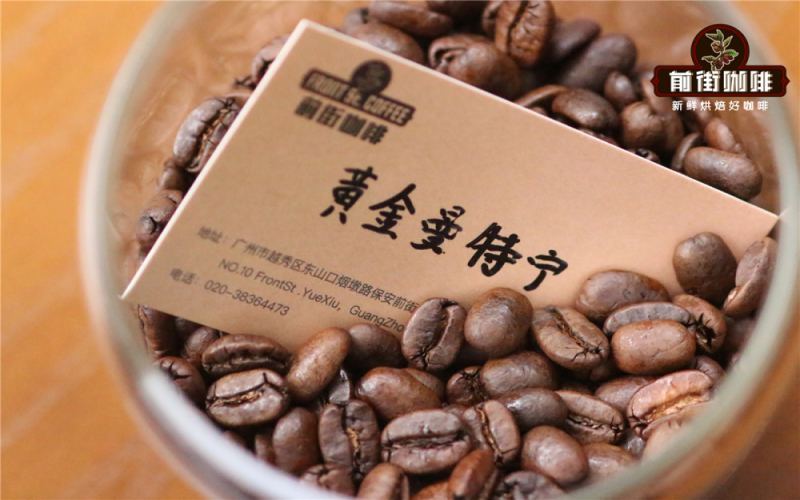
A Complete Analysis of Mandheling Coffee Origins: Indonesian Coffee Geography and Variety Grading from Sumatra to Bali
Mandheling coffee, with its unique flavor profile of rich aroma, full body, and pronounced bitterness, has become the signature calling card of Indonesian coffee. From the Lintong highlands of Sumatra to the shores of Lake Tawar in Aceh, from the Kintamani highlands of Bali to the Ijen Plateau of Java, the volcanic soils and tropical rainforest climate of the Indonesian archipelago nurture coffee beans of strikingly distinct character. This article systematically reviews the cultivation history of Indonesian coffee, the distribution of its main producing regions, the varietal characteristics and grading standards of Mandheling, and offers an in-depth analysis of how the wet-hulling process shapes its low-acidity, thick-bodied personality, while also introducing two products recommended by Front Street Coffee: Lintong Mandheling and PWN Golden Mandheling. [more…]
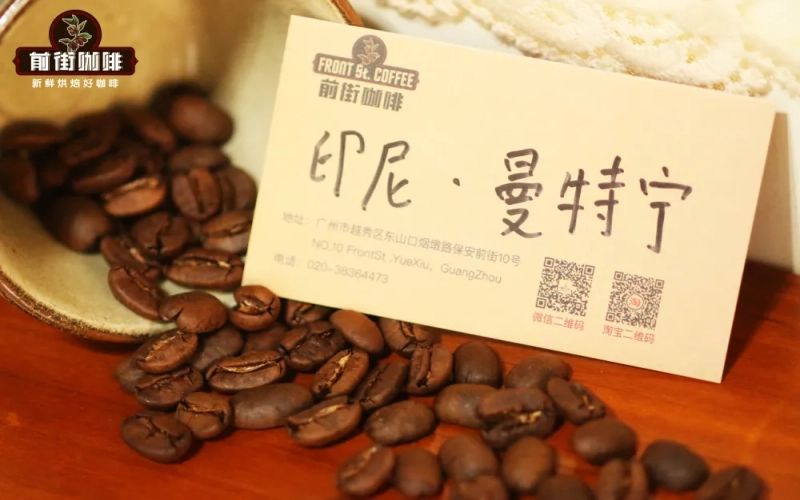
Exploring the Origins of Indonesian Mandheling Coffee: A Full Analysis of Sumatra's Terroir, Varieties, and Processing Methods
Mandheling is synonymous with Indonesian coffee and the starting point for countless coffee lovers to get to know Indonesian coffee. But do you really understand it? Mandheling is not a place name or a variety name, but a legend left behind by a linguistic misunderstanding. Its main producing region, Sumatra, is the sixth largest island in the world, and its coffee output accounts for more than seventy percent of Indonesia's national total. From Lintong to the Gayo highlands of Aceh, from Typica to Ateng hybrid varieties, from the wet-hulling method to dark-roast brewing, Front Street Coffee takes you through a systematic overview of the origin network, variety evolution, and processing techniques of Sumatra Mandheling, along with the brewing parameters and flavor comparison of Golden Mandheling and Lintong Mandheling, so you can understand this classic coffee—mellow, rich, and aromatic—in one go. [more…]

Luckin's Bean Hunting Journey Ventures into Sumatra, Indonesia: Wet-Hulled SOE "Emerald" Set to Debut
After Ethiopia and Panama, Luckin Coffee's bean-hunting team chose the Karyo Highlands of Sumatra, Indonesia, as their third stop. The team, led by Pan Zhimin, champion of the 2017 World Barista Championship China region and Luckin's chief coffee master, selected a wet-hulled coffee bean by Lake Tawa and named it "Emerald," which is scheduled to join the SOE Little Black Cup series on the 25th of this month. As Indonesia is the first bean-hunting stop in Asia, its unique wet-hulling process and tropical rainforest terroir give this coffee a cup profile of cherry, cane sugar, caramel, and cedar. This article will guide you through the regional characteristics of Indonesian coffee, the origins of the wet-hulling process, and the behind-the-scenes details of Luckin's bean-hunting trip. [more…]
Sumatra Mandheling Iced Americano Full Guide: Origin Lineage, Flavor Characteristics, and Brewing Method
Mandheling is the calling card that brought Indonesian coffee to the world, and the island of Sumatra is the most important origin behind that card. This article will trace the cultivation history, main producing regions, and varietal differences of Sumatran coffee, introduce the geographic characteristics of Lintong, Lake Toba, Lake Tawar, and the Gayo highlands, and use Front Street Coffee's staple beans and Golden Mandheling as examples to explain how to make a full-bodied iced Americano with espresso and water. Whether you are a beginner just getting to know Indonesian coffee or an enthusiast looking to refine your extraction, you will find useful origin knowledge and brewing parameters here. [more…]
A Complete Guide to Sumatra Mandheling Coffee Bean Varieties, Pour-Over Extraction Temperature Parameters, and Flavor Characteristics
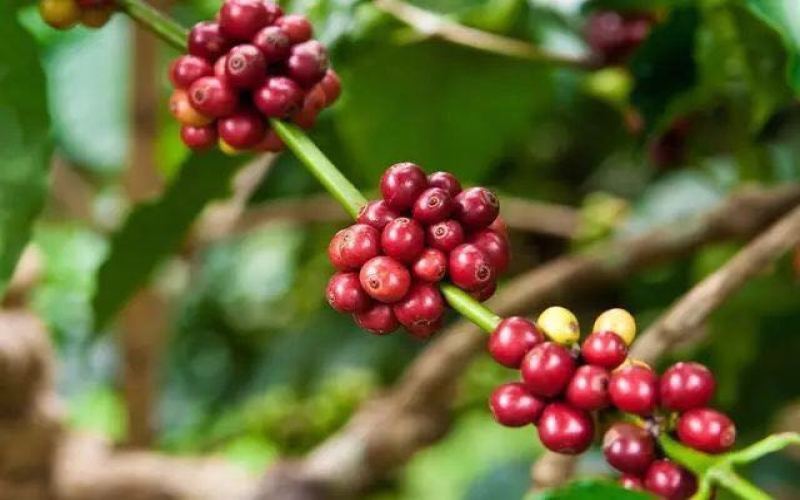
Mandheling is a classic name that coffee enthusiasts cannot avoid; it is neither a variety nor a producing region, but the name of an ethnic minority from the northern highlands of Sumatra. This article begins with the origin of the name Mandheling and the geography of the Sumatra producing region, sorts out the differences among sub-regions such as Lintong, Lake Toba, Lake Tawar, and the Gayo Mountains, explains how the wet-hulling process creates the signature goat-foot bean appearance, and clarifies the actual meanings of the Indonesian coffee varieties TimTim and Ateng. The article also fully shares Front Street Coffee's pour-over parameter system, covering water temperature, grind size calibration, coffee-to-water ratio selection, and the three-stage pouring steps. Finally, it summarizes the flavor profiles of Golden Mandheling and Lintong Mandheling, making it suitable reading for coffee enthusiasts who want a systematic understanding of Mandheling. [more…]

Where Does Mandheling Coffee Come From? Exploring the Origins, Growing Regions, and Processing of Indonesian Sumatra Specialty Mandheling
Mandheling is one of Indonesia's most iconic coffees, renowned for its rich, full body, moderate acidity, and intense aroma. This article begins with the history of Indonesian coffee, tracing the introduction of Arabica during the Dutch colonial period, the rise of Robusta after leaf rust disease, and introduces major producing regions such as Sumatra and Bali, with a detailed explanation of Mandheling's wet-hulling process, the G1 grading standard, and the hand-sorting craft behind PWN Golden Mandheling. The article also includes flavor descriptions of Front Street Lintong Mandheling and Front Street Golden Mandheling, as well as brewing parameters for the KONO dripper recommended by Front Street baristas, offering coffee enthusiasts a complete reference from origin to cup. [more…]
The Origin and History of Mandheling | What is the Sumatra coffee grading system? What varieties of Mandheling are there? How is Indonesian coffee brewed?
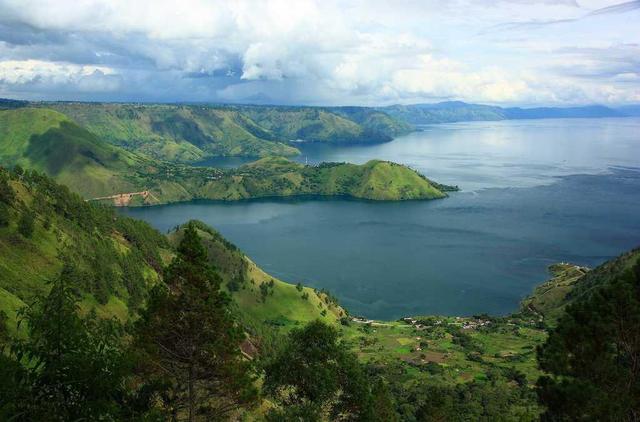
Once hailed as the most expensive coffee in the world, Kopi Luwak comes from Indonesia, and its most iconic representative is Front Street Mandheling coffee. Mandheling coffee has a moderate acidity, an extremely heavy aroma, a rather bitter taste, and a rich body with a thick, full mouthfeel. Its flavor combines aroma, intensity, richness, and bitterness in one. Of course, for [more…]
A Detailed Guide to Indonesian Arabica Coffee Bean Grading: G1 and G2 Standards and a Full Analysis of the Mandheling Region
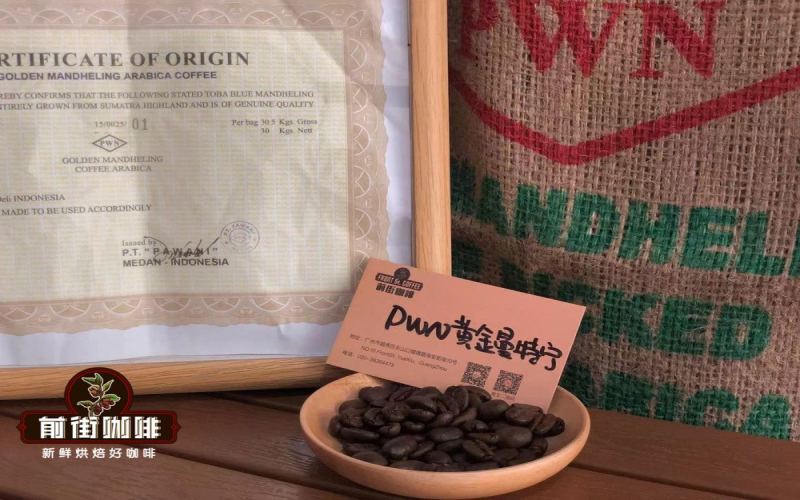
Indonesia is a major coffee-producing country globally, and both Mandheling and Kopi Luwak originate from there. This article systematically reviews the grading system for Indonesian Arabica coffee beans, with a focus on interpreting the criteria for G1 and G2. It also revisits the history of coffee cultivation in Indonesia, the distribution of major producing regions, and the unique wet-hulling process used for Mandheling. The article further introduces the flavor profiles and brewing suggestions for two Indonesian beans from Front Street Coffee, providing coffee enthusiasts with a complete understanding from green bean grading to flavors in the cup. [more…]
Indonesian Mandheling Coffee Beans: A Complete Guide to Varieties and Processing Methods from Lintong to Golden Mandheling
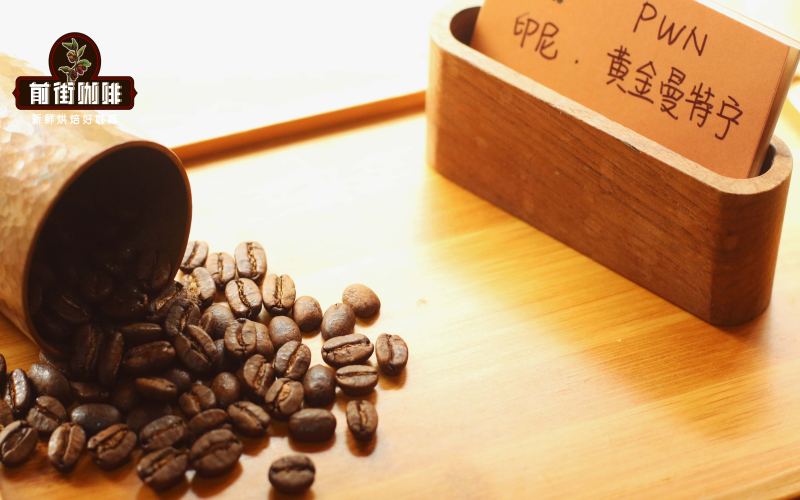
Mandheling coffee is the representative of Asian coffee and the flagship variety of Indonesian coffee, renowned for its full-bodied mouthfeel and herbal, woodsy, agarwood-like flavors. This article systematically outlines the production regions, variety classification, grading system, and processing characteristics of Indonesian Mandheling coffee, and provides a detailed introduction to the Lintong Mandheling and PWN Golden Mandheling recommended by Front Street Coffee. From the GAYO highlands of Sumatra to PWN's rigorous quality control, from the unique craft of wet-hulling to Front Street's brewing parameter recommendations, this takes you through every aspect of this classic coffee. Whether you are a beginner just encountering Indonesian coffee or a seasoned enthusiast in pursuit of specialty flavors, you will find valuable information here. [more…]
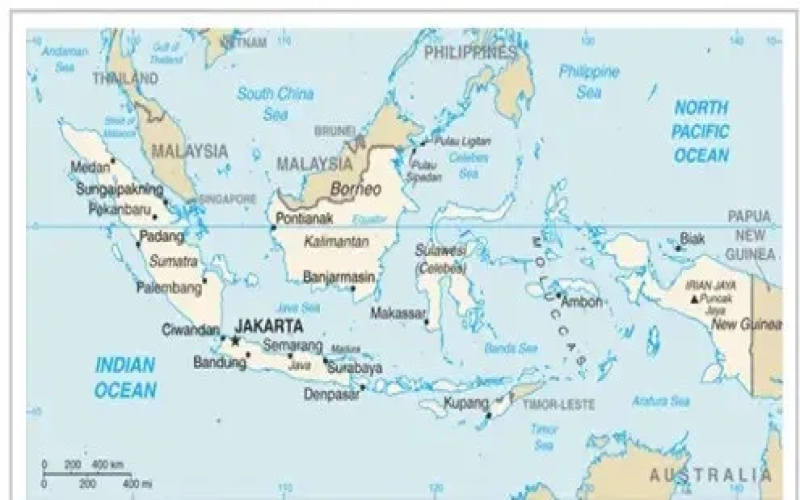
What makes the Indonesian coffee industry unique? A detailed explanation of the distribution of coffee-growing regions in Sumatra
As the world's fourth-largest coffee producer, Indonesia, with its unique geographical environment and volcanic soil, cultivates coffee beans with a distinctive character. This article will guide you through the development history of Indonesia's coffee industry, its main coffee-growing islands, and the specific distribution of specialty coffee regions on the island of Sumatra. From the Gayo Highlands in Aceh to the Lintong region, from Mandheling to Golden Mandheling, we will take an in-depth look at how this tropical archipelago has become an unignorable force on the world coffee map. [more…]
Exploring Aceh Gayo Star Town 18-mesh Coffee Beans: Flavor and Origin Background of Medium-Roast Pour-Over
In the Aceh province of Sumatra, Indonesia, there is a place called Star Town, located in the Gayo region, which produces 18-mesh coffee beans highly favored by pour-over enthusiasts. The coffee here is grown by the indigenous Gayo people in the Gayo highlands around Lake Tawar, at an altitude of about 1,300 meters, and is processed with a medium roast, displaying a complex flavor profile of pomelo aroma, fruity notes, and herbal plants, pistachio, and caramel, with a thick yet delicate mouthfeel. Front Street Coffee recommends this single-origin bean, suitable for pour-over black coffee for those seeking layers of complexity. This article will guide you through the origin story of these beans, the meaning of mesh size, and the flavor performance after roasting, from the geographical distribution of Aceh province to the details in the cup, to explore it all. [more…]
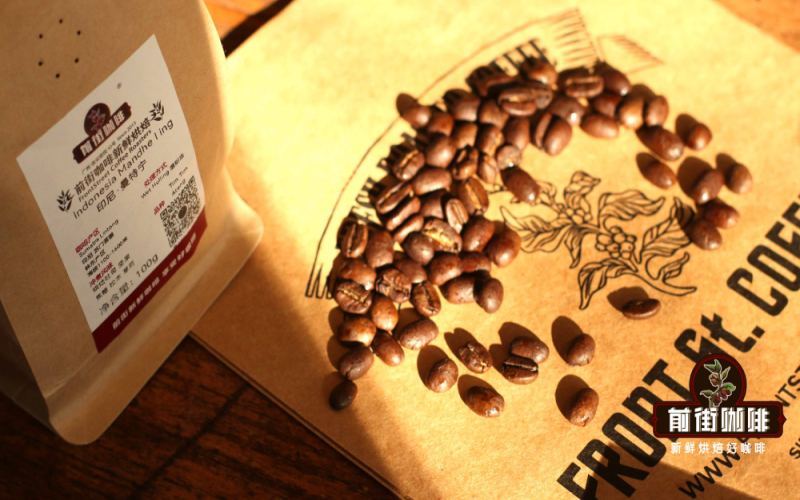
A Complete Analysis of Indonesia's Three Major Island Coffee Regions: The Flavor Codes of Sumatra, Java, and Sulawesi
Indonesia is one of the most important coffee-producing countries in the world, made up of more than seventeen thousand islands stretching across the equatorial volcanic belt, where the hot, humid climate and fertile volcanic soil provide exceptional conditions for coffee cultivation. This article systematically reviews the coffee characteristics of Indonesia's three core producing regions—Java, Sumatra, and Sulawesi—covering their historical development, variety distribution, processing methods, and flavor profiles one by one. Front Street Mandheling, Front Street Golden Mandheling, and other signature products are also examined in detail, giving you a comprehensive understanding of this coffee kingdom renowned for its rich, full-bodied character. [more…]
Indonesia Mandheling Star Coffee Bean Origin and Pour-Over Method | Front Street Coffee Flavor and Wet-Hulling Process Detailed Explanation
Indonesian Mandheling is known for its low acidity, intense body, and full, robust mouthfeel. Front Street Indonesian Mandheling in particular combines aroma, intensity, body, and bitterness all in one—those who like it treasure it like a gem, while those who don't think it tastes like drinking Chinese herbal medicine. This article begins with the history of Indonesian coffee, tracing the introduction of Arabica during the Dutch colonial period, the rise of Robusta after leaf rust disease, and today's industry structure dominated by smallholder farming; it then goes deeper into producing regions such as Sumatra and Bali, explaining Mandheling's growing environment and variety names like TimTim and Ateng; it focuses on analyzing why the wet-hulling process creates Mandheling's unique low acidity and subdued aroma, and provides Front Street Mandheling's pour-over parameters and staged extraction steps. [more…]
Indonesian Coffee Bean Brand Recommendation Guide: A Full Analysis of Mandheling Pour-Over Parameters and the Wet-Hulling Process
Indonesia is a major coffee-producing country globally, and both Mandheling and Kopi Luwak come from this tropical archipelago. Mandheling is known for its low acidity, rich body, and heavy mouthfeel, with a flavor profile that combines aroma, richness, depth, and bitterness. This article reviews the cultivation history and main producing regions of Indonesian coffee, explains in detail the varietal characteristics of Mandheling, the wet-hulling process, and the G1 grading standard, and shares Front Street Coffee's KONO dripper pour-over parameters and moka pot brewing steps, helping you gain a comprehensive understanding of the flavor code and extraction key points of authentic Indonesian coffee. [more…]