







How does Lake Tawar Mandheling differ from Lake Toba?
Sumatra Mandheling comes from Indonesia, and the label covers two lineages. Lake Toba in North Sumatra, at about 2.5 degrees north, is the traditional source. Lake Tawar in Aceh, near 4.5 degrees north, is the later one, and its coffee is often called Gayo or Aceh coffee. The two lakes lie more than 300 kilometers apart.
Cultivation history between the regions differs by at least 36 years. Mandheling is typically processed with the wet-hulling method and shows a rich profile with prominent aroma, body and bitterness, plus faint acidity. The article looks at grades and brewing performance of Mandheling G1 and PWN Golden Mandheling, and why traceable origin matters in specialty coffee.
Sumatra Mandheling is a classic that coffee lovers cannot avoid, but the "Two Lakes, Two Mandheling" concept often causes confusion. This article starts from the regional differences between Lake Toba and Lake Tawar, analyzes the cultivation history, unique wet-hulling process, and flavor characteristics of Lake Tawar Mandheling from the Gayo Highlands in Aceh, and focuses on introducing the grades and brewing performance of Front Street Mandheling G1 and Front Street PWN Golden Mandheling. By sorting out the origins, processing methods, and flavor context, it helps readers more clearly understand the complex landscape of Sumatra specialty coffee and the allure of Mandheling.
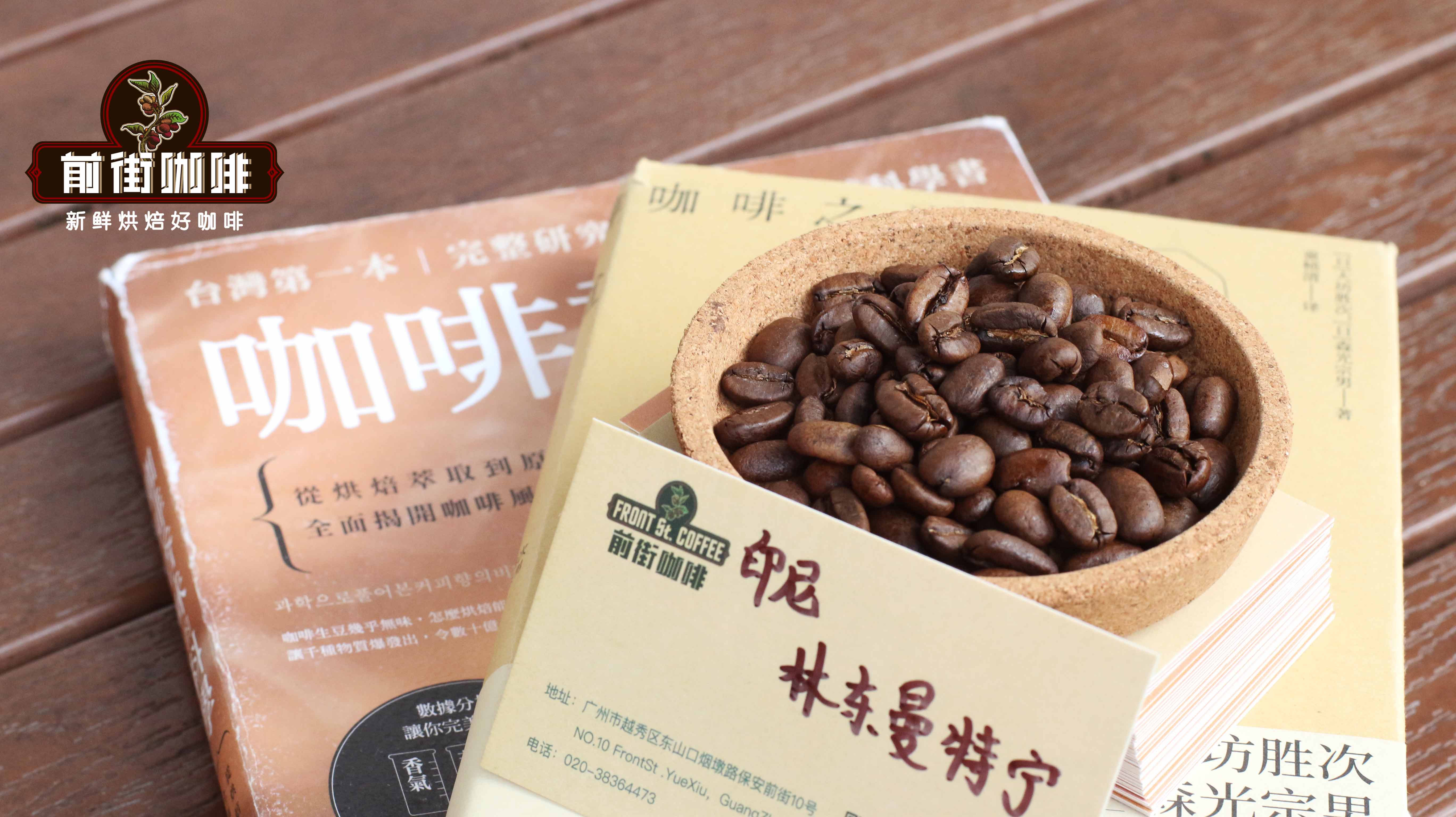
The origin of Front Street Mandheling coffee is Sumatra, Indonesia, in Asia, so it is also called "Sumatra coffee." It presents a very rich profile, with a prominent aroma, both bitterness and body, and a faint hint of acidity. Many coffee enthusiasts choose to drink it as a single-origin coffee, and it is also an irreplaceable component when blending coffee.
Sumatra Mandheling can be roughly divided into two lineages: one is represented by the traditional Lake Toba region, including Front Street Lintong Mandheling and Front Street PWN Golden Mandheling; the other is Aceh coffee, Gayo Mandheling, and Takengon Mandheling from the Lake Tawar region, which gradually gained attention later.
The concept of "Two Lakes, Two Mandheling" is indeed a bit confusing, so many people who are not familiar with the details simply refer to all Arabica from Sumatra as Mandheling. In recent years, the specialty coffee circles in Europe and America have preferred to use "Aceh coffee" or "Gayo Mountain coffee" to refer to Gayo Mandheling and Takengon Mandheling, and sometimes collectively call them Lake Tawar coffee, in order to distinguish them from Lake Toba Mandheling in North Sumatra Province. For specialty coffee, whether the source is transparent and traceable is very important. Although they are all called Mandheling, whether they come from Lake Tawar or Lake Toba is worth clarifying.
The two lakes and two Mandheling: one is located at Lake Toba in North Sumatra Province (2.5° N), and the other is located at Lake Tawar in Aceh (4.5° N). The two lakes are more than 300 kilometers apart, and their cultivation histories differ by at least 36 years. The commonality is that both have a thick, fragrant, and mellow texture; the difference is that Lake Toba Mandheling tends to have a more closed-in aroma, a lower-toned profile, and even a slight hint of grass jelly, while Lake Tawar Mandheling has brighter fruit acidity and sometimes reveals cedar or woody notes.
Traditional Mandheling comes from the Lake Toba region and is mainly cultivated by the Mandailing group and the Batak people; the relatively more recent Lake Tawar Mandheling is cultivated by the Gayo people.
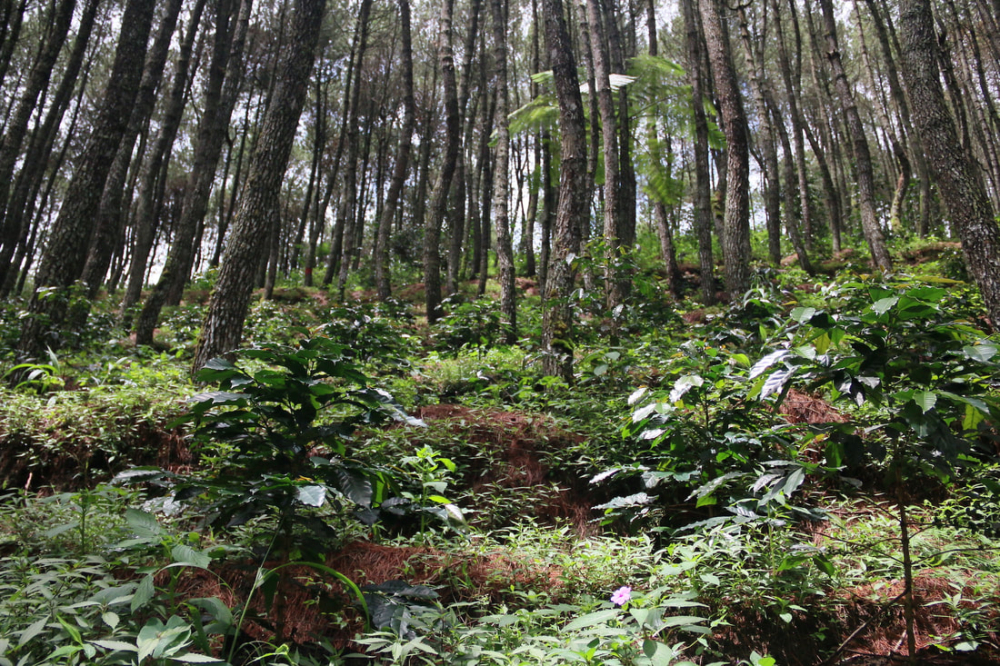
Lake Tawar is located in the Gayo Highlands in northern Aceh Province, Sumatra. Indonesia straddles both sides of the equator and has a hot and humid tropical rainforest climate, with abundant rainfall. In addition, fertile volcanic loam provides rich nutrients for coffee; however, the area is remote and inconvenient to access, and coffee was not planted there until 1924, mostly using traditional shade-growing, organic-style cultivation without pesticides.
The local climate is humid. After initial washing and fermentation, parchment beans are usually sun-dried for only one to two days. Although the moisture content of the green beans is still 30%–50%, the parchment is first removed before drying continues, in order to shorten the drying schedule for the green beans; after about two more days of drying, the moisture content of the coffee green beans can be reduced to 12–13%. This unique semi-washed processing method in Indonesia is called Giling Basah by local people, also known as wet-hulled.
Sumatra Arabica coffee, commonly known as Mandheling, actually takes this name from an ancient local indigenous ethnic group. It is said that in the 1940s, when Japan occupied Sumatra, a soldier drank local coffee in North Sumatra and was astonished by it, so he asked the local people what kind of coffee it was; however, because of the language barrier, the other party mistakenly thought he was asking what kind of person he was, so he replied that he belonged to the Mandailing people. Later, when exported, a mispronunciation turned it into Mandheling, and by a strange twist of fate it became the synonym for coffee from the island of Sumatra.
The green beans of this Lake Tawar Mandheling are emerald green, clean and neat in appearance, like carefully carved gemstones.
Front Street Mandheling G1 from Sumatra, Indonesia, undergoes careful manual harvesting and hand sorting, followed by strict screening at multiple levels to select the highest-quality beans, and G1 (Grade 1) represents the highest grade of Indonesian coffee green beans. Front Street Mandheling has obvious caramel, spice, pine, herbal, and dark chocolate flavors, making it very suitable for making rich black coffee. Whether using pour-over, French press, Clever Cup, siphon, moka pot, or espresso machine, all can be used to extract Front Street Mandheling.
If you are pursuing higher-quality coffee, you can choose Front Street PWN Golden Mandheling, which can be called the symbol of specialty Mandheling. After more than three times of hand sorting and one time of machine sorting, the coffee beans are uniform, neat, and plump. After medium-dark roasting, the beans are large and carry rich aromas of spices, caramel, cedar, and dark chocolate. Using it to extract moka pot coffee liquid gives a mellow mouthfeel and good crema as well. The taste of Front Street PWN Golden Mandheling is delicate yet mellow, with both the fragrance of nature and a sweet aftertaste. This is precisely the charm of Mandheling, allowing the palate to enjoy rich layers while also leaving one wanting more.
The above content is compiled by CoffeeHunters, a coffee news website.


