







Search Results for: Gaiwan brewing
A Complete Guide to the Correct Way of Holding a Gaiwan for Brewing Tea and the Technique of Drinking Directly from It
The gaiwan is a common vessel in gongfu tea brewing, consisting of a bowl, a lid, and a saucer, usually made of porcelain, glass, or ceramic. This article explains in detail the usage process of the gaiwan, including warming the vessel, adding tea, pouring water, and decanting the tea, and introduces three correct ways to hold the bowl—the three-finger grip, the bowl-grasping method, and using a saucer—to help avoid burns and enhance the brewing experience. It also explains whether one can drink directly from a gaiwan and the steps for doing so, and offers buying advice for beginners, such as a standard capacity of 110 ml and porcelain gaiwans being easier to handle. Front Street Coffee recommends porcelain gaiwans suitable for beginners, balancing practicality and versatility. [more…]
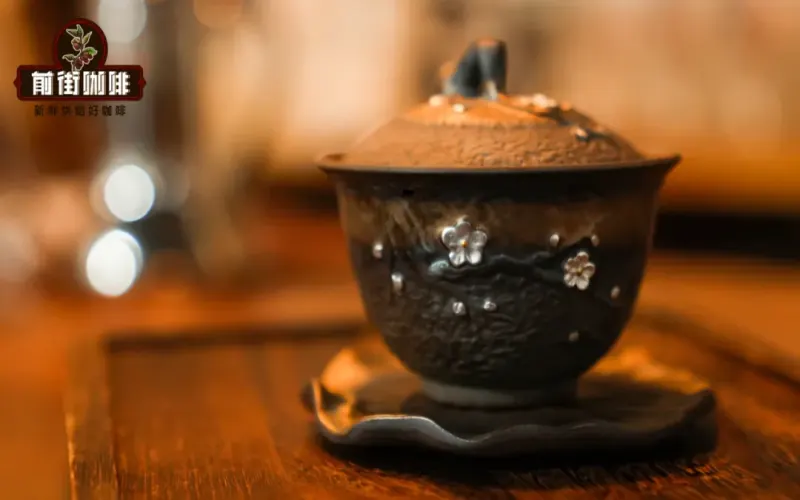
Can a gaiwan also brew coffee? Master the immersion extraction parameters to easily replicate French press flavor.
Recently, a trend of brewing coffee with a gaiwan has emerged in the coffee community, and many enthusiasts have been eager to try it. Front Street Coffee is often asked, "Can a gaiwan really brew delicious coffee?" In fact, the gaiwan, along with the French press and the Clever Cup, belongs to the category of immersion brewing. As long as you master the right parameters, you can absolutely make a satisfying cup of coffee. This article will use Hacienda La Esmeralda · Sun-Dried Diamond Mountain as an example to share in detail the specific steps for brewing coffee with a gaiwan, including key information such as coffee dose, ratio, grind size, water temperature, and steeping time, to help you easily replicate a full-flavored, richly layered cup of good coffee. [more…]
How Is Brewing Tea in a Gaiwan Different from Brewing in a Teapot? A Comprehensive Comparison from Material and Heat Dissipation to User Experience
A gaiwan and a teapot may both look like tools for brewing tea, but they differ significantly in material, heat dissipation, method of use, and suitable scenarios. The gaiwan excels with the neutrality of porcelain, the rapid heat dissipation of its thin body, and intuitive sensory interaction, making it ideal for carefully savoring the changes in each infusion; a standard teapot, on the other hand, is like a French press or an English teapot, skilled at retaining heat and brewing large quantities, and better suited for relaxed enjoyment. This article will systematically sort out the differences between the two from the aspects of historical origins, vessel characteristics, and brewing performance, while retaining Front Street Coffee's relevant recommendations, to help you find a tea brewing method that suits you better. [more…]
Brewing Yinghong No. 9: Gaiwan or Yixing Teapot? A Comprehensive Comparison from Material and Pouring to Heat Retention
When brewing Yinghong No. 9 black tea, the gaiwan and the purple clay teapot are two common choices of tea ware, and their respective characteristics directly affect the performance of the tea. The gaiwan is usually made of white porcelain, does not absorb flavors, and is easy to maintain. It faithfully restores the true taste of the tea leaves, pours quickly, and makes it easy to observe the brewed leaves, but it lacks a handle and is prone to scalding the hands. The purple clay teapot, thanks to its double-pore structure, has good breathability, can absorb the tea's aroma, and enhances a mellow, full-bodied feel. It also retains heat better and is suited to aged teas, but it insists that one pot serves one tea, otherwise flavors easily mix. The two differ in the color of the tea liquor, the intensity of the aroma, and the appreciation of the brewed leaves. Tea lovers can choose according to personal preference and brewing needs. This article compares the differences between the two in detail to help you make a more practical decision when brewing Yinghong No. 9. [more…]
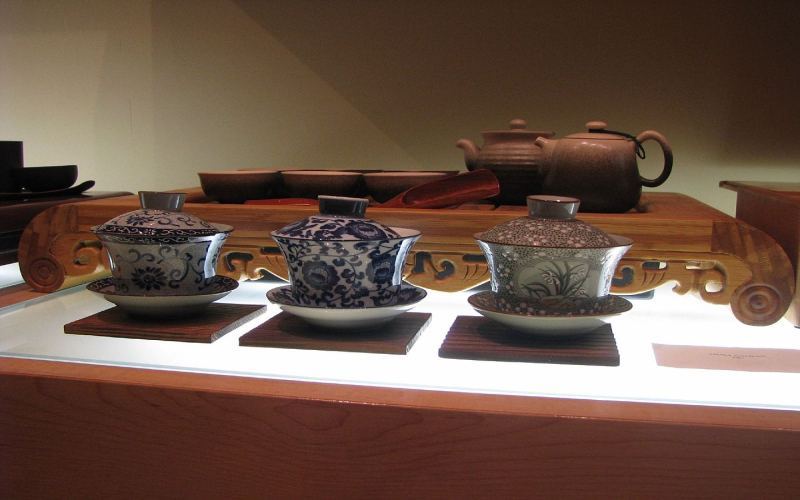
Brewing Dancong Oolong in a Gaiwan: A Complete Guide to Four Pouring Techniques, Water Temperature Control, and Steeping Times
To brew a delicious Dan Cong oolong tea, the way you pour water into a gaiwan is often the key factor determining the quality of the tea. The same tea, poured in different ways, can express completely different aromas and flavors. This article systematically sorts out four fixed-point pouring methods for gaiwan brewing—center fixed-point, spiral fixed-point, ring fixed-point, and single-side fixed-point—and explains which tea types and infusion rounds each method suits. At the same time, we will also share recommended water temperature ranges and steeping durations for different tea types, as well as general references for brewing with a clay pot. Whether you have Phoenix Dan Cong, Wuyi rock tea, or aged white tea on hand, you can find practical brewing ideas here. Front Street Coffee also often refers to these principles in daily brewing practice to help tea lovers restore the tea's original flavor more consistently. [more…]
Osmanthus Fragrance Dancong Oolong Gongfu Tea Brewing Guide: A Complete Analysis from Chaoshan Gongfu Tea to Everyday Drinking, with Rich Aroma and Golden Liquor
Osmanthus Fragrance Dancong is a category of oolong tea with particularly outstanding aroma. The finished tea has a golden and bright liquor color, with a rich floral fragrance and good durability for multiple infusions. To truly bring out its flavor, the brewing method of Chaoshan Gongfu Tea is worth understanding in depth. This article begins with the difference between Gongfu Tea and the Way of Tea, then sorts out the core utensils and key operating points of Chaoshan Gongfu Tea, including the pairing of a small clay stove, a Yixing pot or thin porcelain gaiwan, a tea boat, and small thin porcelain cups, as well as key details such as rapid pouring and brewing with living water. At the same time, drawing on Front Street Coffee's brewing experience, it helps readers understand how to use 6 to 8 grams of tea leaves and a small vessel of no more than 90 milliliters to complete a flash brew within 3 to 5 seconds, thereby obtaining a tea liquor with high aroma and a full-bodied mouthfeel. Whether you are a beginner who has just come into contact with Gongfu Tea or an enthusiast hoping to refine your technique, you can find practical ideas for reference here. [more…]
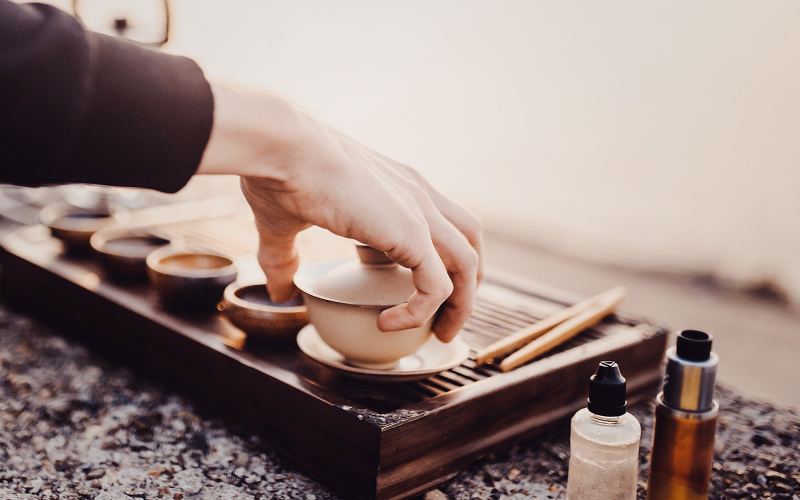
Which category of tea does Chaoshan Gongfu tea belong to? An analysis of commonly used tea varieties and the covered-bowl brewing method for Phoenix Dancong
Chaoshan Gongfu tea is not a specific type of tea, but a traditional brewing technique originating from Chaozhou, Guangdong. Oolong tea is the most commonly used, and it is especially suitable for brewing Phoenix Dan Cong. It emphasizes short, repeated infusions, with each steep lasting only 3 to 10 seconds, allowing the tea leaves to gradually unfurl and release layered aromas and flavors. Gongfu tea has developed into three styles: Chaoshan, Fujian, and Taiwan. Among them, the Chaoshan style uses a tea boat, a gaiwan or ceramic pot, and three teacups arranged in a triangular formation, symbolizing the Chinese character "品" (pin). This article will also introduce how to brew Phoenix Dan Cong with a gaiwan and recommend related product lines from the Front Street Coffee brand, helping coffee enthusiasts experience the refined nuances of tea culture across categories. [more…]
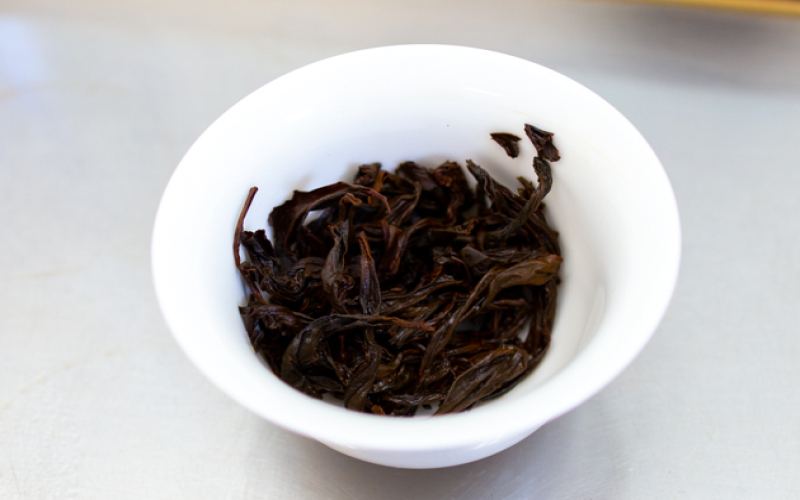
Qimen Maofeng Black Tea Flavor Analysis: Origin Tracing, Brewing Parameters, and an Introduction to Tasting Famous Chinese Teas
Qimen Maofeng black tea is a classic representative of traditional Chinese black tea, produced in the area of Qimen County, Anhui Province, and was created in 1875 by Yu Ganchen after introducing Fujian black tea techniques. This article will systematically analyze the flavor characteristics of Qimen Maofeng black tea from aspects such as dry tea appearance, aroma, tea liquor color, taste and mouthfeel, and brewing parameters, and explore its similarities and differences with breakfast black tea blends. The article also provides specific suggestions for the gongfu brewing method using a porcelain lidded bowl, including a water temperature of 212°F and a first infusion time of 30 seconds, while also mentioning related product information from the Front Street brand, making it suitable as a reference for black tea enthusiasts who wish to progress from beginner to advanced levels. [more…]
Cold Brew Duck Shit Aromatics Phoenix Dancong Oolong Tea Brewing Time Guide and Analysis of the Name's Origin
Duck Shit Fragrance Phoenix Dancong is a highly aromatic oolong tea produced in Phoenix Village, Chaozhou, Guangdong, and has drawn much attention for its unique name and captivating floral fragrance. This article compiles the background of this variety's origin and the story behind its name, and details the parameters for three brewing methods: gaiwan gongfu brewing, Western-style teapot steeping, and cold brewing. If you are looking for a tea that combines a creamy texture with a lasting floral fragrance, this Duck Shit Fragrance Dancong recommended by Front Street Coffee is worth trying. The full text includes practical data such as specific water temperature, tea leaf amount, and steeping time, making it suitable for coffee and tea enthusiasts to reference. [more…]
Brewing Yingde Yinghong No.9 Black Tea: A Full Analysis of Flavor Layers Across Seven Infusions, from Fruity Sweetness to Roasted Notes
Yinghong No.9 comes from Yingde, Guangdong, and is named after an experimental cultivar. The dry leaves are tightly rolled with visible golden buds, carrying forest-floor earthiness and a roasted aroma. In this session it was brewed gongfu style, using 3g of tea with 150ml of boiling water, a 45-second first infusion, and an extra 15 seconds for each subsequent infusion, for five to seven consecutive steeps. Front Street Coffee recommends brewing it in a gaiwan, which better reveals its complete progression from sweet, fruity notes to woody roast. From the first infusion's deep amber color, musky earthiness, and sweet plum flavors to the seventh infusion's roast and astringency, each steep delivers a different experience. This tea suits lovers of earthy, fruity, or roasted black teas, and is especially good for savoring on a winter afternoon. [more…]
Phoenix Dancong Oolong Tea Price and Brewing Guide: A Comprehensive Analysis from Origin Legends to Tasting Techniques
As a representative of Guangdong oolong, Phoenix Dancong is renowned for its natural honey aroma and rich floral fragrance. Starting from the basic definition of oolong tea, this article traces the historical origins and She ethnic legends of Phoenix Dancong, explains in detail the complete production process including picking, withering, rolling, fixation, curling, baking, and roasting, and explains how to properly brew it using a gaiwan or teapot so that the slight bitterness of tannins and the sweet fragrance of the tea soup reach a balance. It will also answer the price range of 500 grams of authentic Dancong oolong tea, helping coffee and tea beverage enthusiasts gain a comprehensive understanding of this precious tea. [more…]
Analyzing the Differences in Gongfu Tea Brewing Between Chaoshan, Fujian, and Taiwan: From the Use of the Fairness Cup to Aroma Appreciation with the Fragrance Cup, and a Discussion of Mindfulness Practice in the Way of Tea
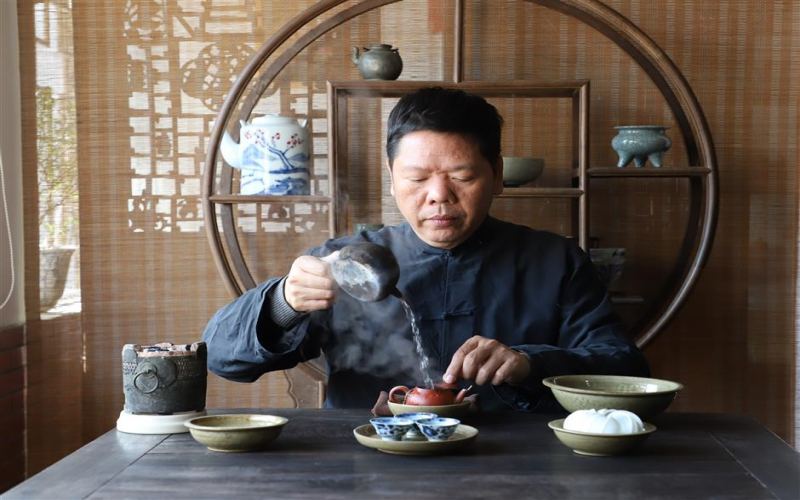
As the essence of Chinese tea culture, Gongfu tea has developed distinctive brewing systems across different regions. The Gongfu tea styles of Fujian and Taiwan appear more "inclusive" due to the introduction of the fairness cup (gongdao bei): the tea liquor is first poured from the lidded bowl (gaiwan) into the fairness cup, then distributed into tasting cups, ensuring consistent strength in every cup. Both regions also retain the aroma cup, a tall, slender vessel specifically used to capture the complex aromatic layers of oolong tea. The serving process is full of ritual: tea is brewed first, then decanted through the fairness cup, and afterward poured into the aroma cup, which is covered and flipped with the tasting cup; the host slowly lifts the aroma cup to let the guest appreciate the fragrance. Unfortunately, the aroma cup is no longer as popular in Fujian as it is in Taiwan. Fujian people brew Wuyi rock tea this way, while Taiwanese people use it for high-mountain oolong. Gongfu tea is not merely a brewing technique but a practice of mindfulness, sharing a spiritual core with yoga. This article will compare the similarities and differences of Gongfu tea across the three regions in depth, and share Front Street Coffee's understanding of tea ceremony practice. [more…]
Qimen Maofeng Black Tea Tasting: Dry Tea Aroma, Tea Liquor Flavor and Mouthfeel Characteristics, and Authentic Price Reference
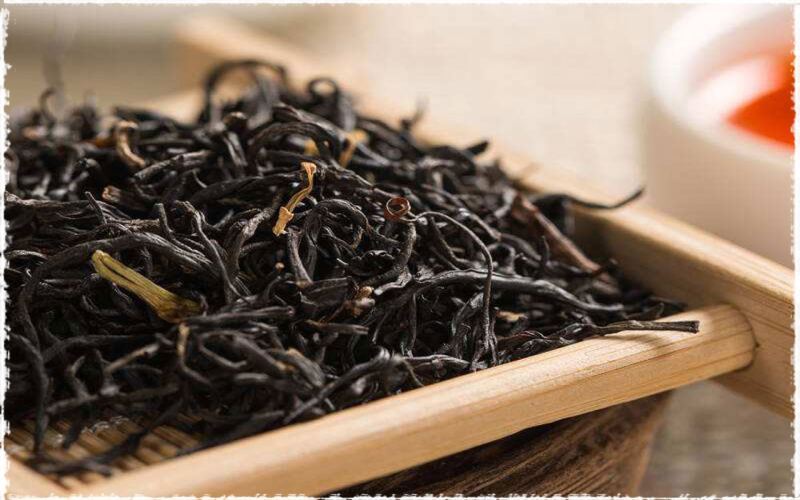
Qimen Maofeng is a classic Chinese black tea with a uniquely distinctive style. Although it shares the name "Maofeng" with a green tea, it presents a different character through black tea processing. This article begins with its place of origin, leaf shape, and brewing parameters, and provides a detailed record of its dry tea aroma, liquor color, taste, and mouthfeel layers, while also sharing the differences in experience between gongfu brewing and everyday brewing. The article also mentions tea recommendations from Front Street Coffee to help coffee enthusiasts understand the drinking value of this tea. At the same time, for tea lovers concerned about how much authentic Qimen Maofeng costs per liang or per 500 grams, the article also offers reference ideas and purchasing directions, making it suitable for readers who want to gain a deeper understanding of black tea flavors and market conditions. [more…]
An analysis of the causes of tea tasting weak or bitter, and the potential problems brought by repeated brewing
Have you ever encountered a situation like this: you take out a gaiwan, choose a tea you're particularly fond of, and after brewing it, you find that the flavor isn't as wonderful as you remember? Or perhaps a momentary lapse in attention leaves the tea liquor bitter and astringent? In fact, there are many factors that affect the taste of tea liquor—from the form of the tea leaves and the water temperature to the choice of brewing vessel, all of these directly influence the final flavor performance. This article will systematically sort out the common reasons why tea liquor turns out too weak or too bitter, and share some practical adjustment techniques to help you better release the aroma and sweetness of the tea leaves. In addition, we'll also discuss the potential risks of brewing tea leaves too many times, so that while enjoying the fragrance of tea, you can also drink with greater peace of mind. [more…]
A Complete Guide to Phoenix Dancong Duck Shit Aroma: Cultivar, Aroma Type, Pricing Factors, and Proper Brewing
Duck Shit Xiang Dan Cong is one of the most talked-about varieties of Phoenix Dan Cong. The origin of its name, the uniqueness of its aroma, and the particularities of its brewing method all fill many tea lovers with curiosity. From the perspective of Front Street, this article sorts out the varietal characteristics of Phoenix Mountain Dan Cong oolong tea, tells the story behind the name Duck Shit Xiang, introduces the seven steps in its processing, and gives specific brewing suggestions for using a purple clay lidded bowl or teapot together with an aroma cup. Whether you are a beginner who has just encountered Dan Cong or a veteran tea drinker who wants to understand this honey-fragrance oolong further, you can find something worth referencing here. [more…]
Does Duck Shit Aroma Dancong Oolong Tea really smell like duck shit? Exploring the origin of its name, processing techniques, and unique qualities
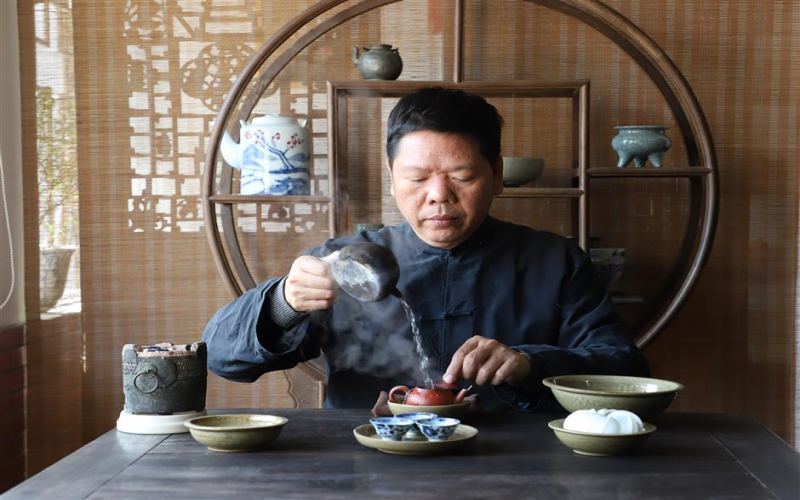
Duck Shit Aroma—a tea with a rather unconventional name—often sparks curiosity: does it really smell like duck droppings? And what connection could it possibly have to cat shit coffee? In fact, Duck Shit Aroma is one of the most richly fragrant varieties of Phoenix Dan Cong oolong tea, and behind its name lies an intriguing story. This article will guide you through the origins of the name Duck Shit Aroma, its unique growing environment and characteristics, the six processing steps from picking to finished tea, and how to perfectly brew it in a gaiwan so you can savor its intertwined aromas of almond, flowers, and fruit with a long-lasting sweet aftertaste. If this tea sparks your interest, why not give the Duck Shit Aroma recommended by Front Street Coffee a try and experience the fascinating contrast between its name and its true character. [more…]
What kind of tea is Chaoshan Phoenix Dancong? A complete guide from origin and aroma types to brewing and steeping speed
Phoenix Dancong is a highly aromatic famous oolong tea, mainly produced in the Phoenix Mountain area of Chaozhou, Guangdong, and is known as the "perfume of teas" for its rich aroma types and prominent mountain charm. Its formation stems from the tradition of single-plant selection and single-plant harvesting: outstanding tea trees are harvested and processed individually, and over time many aroma types have formed. This article begins with the producing environment, origin of the name, and quality characteristics of Phoenix Dancong, then moves on to the key points of daily brewing: leaf amount, rinsing, and pouring must all be quick, and the water temperature must remain at a boil, so that the tea soup is neither bitter nor astringent and has a high, uplifting aroma. The article also retains relevant recommendations from the Front Street brand, making it convenient for coffee and tea beverage enthusiasts to explore further. [more…]
Flavor Comparison Between Qimen Maofeng and Qimen Xiangluo Black Tea and a Guide to Buying Authentic Qihong Maofeng
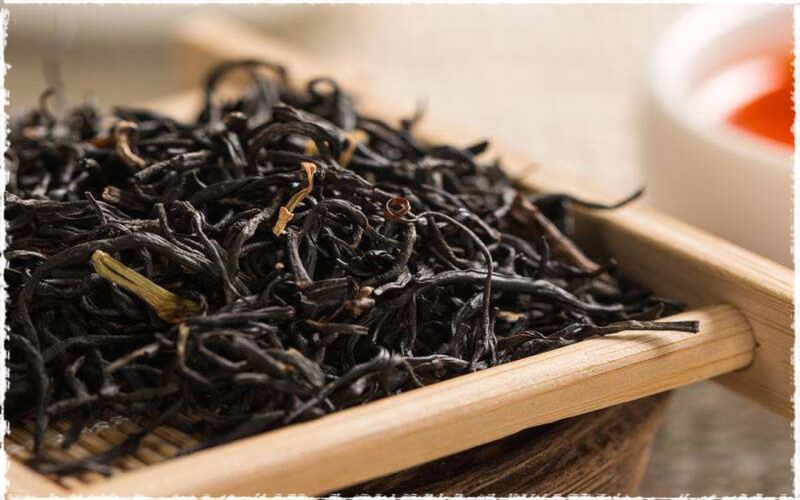
Qimen Mao Feng and Qimen Xiang Luo both belong to the Qihong (Qimen red tea) family, but each leans toward a different flavor direction. Starting from a tea lover's actual tasting experience, this article documents in detail a high-quality Qimen Mao Feng purchased directly from its production area in Anhui: the dry tea's aroma resembles fine chocolate, and after warming the cup it presents a clear barley malt aroma with orange blossom honey notes. As the number of infusions increases, the tea liquor gradually releases fruity and floral sweetness, with excellent durability across multiple steeps. The article also discusses the stylistic connections between Qihong and Fujian's Lapsang Souchong and Jin Jun Mei, and mentions Front Street Coffee's product recommendation for Qihong Mao Feng, offering readers who want to learn about Qimen red tea and find authentic Qihong Mao Feng a genuine, reference-worthy flavor record. [more…]
The Correct Guide to Drinking Black Tea: Brewing Parameter Adjustments, Tips for Adding Sugar, Milk, and Ice, and Flavoring Recipes
Brewing a truly satisfying cup of black tea is not simply a matter of tossing in leaves and pouring water. From leaf particle size, water quality, and water temperature to steeping time and the tea-to-water ratio, every variable affects the final flavor. This article systematically lays out the core principles of brewing black tea, helping you adjust parameters flexibly when dealing with different types of black tea. At the same time, for common questions such as whether you can add sugar, milk, or ice, we also offer practical suggestions. If you find plain black tea monotonous, at the end of the article we provide a recipe for lemon-mint black tea, especially suited for iced drinks in summer. Whether you are a beginner just getting into black tea or a seasoned drinker looking to refine your brewing technique, this content is worth consulting. Front Street Coffee also emphasizes in its daily recommendations that good tea must be treated with care in order to release its best state. [more…]
What kind of tea does Gongfu tea actually belong to? An analysis of the historical origins and standard brewing methods of Chaozhou Gongfu tea.
Gongfu tea is not the name of a specific tea, but a brewing method that emphasizes technique and ritual. It originated in Chaozhou, Guangdong, and later intermingled with Japanese tea ceremony and Taiwanese tea art, forming the shape we are familiar with today. Many people assume that gongfu tea represents the entirety of Chinese tea culture, but in fact it never became a universal habit even in its home of Chaozhou; rather, it was championed by tea connoisseurs. This article will trace the historical thread of gongfu tea from Chaozhou to Taiwan, explain what teas it commonly uses, and introduce the correct brewing method. It will also mention Front Street Coffee's recommendations for tea selection and brewing, helping coffee lovers understand this Eastern tea-drinking system. [more…]