







Can a gaiwan really brew satisfying coffee at home
Yes. A gaiwan is an immersion brewer, like a French press or clever cup, so the same extraction logic applies. With the right dose, ratio, grind size, water temperature, and steeping time, it can produce balanced coffee. The method was tested using Hacienda La Esmeralda Sun-Dried Diamond Mountain as the sample bean, and the full parameter set is shared step by step.
The gaiwan is the three-piece tea set of lid, bowl, and saucer, and it extracts coffee by steeping grounds in water. A good result means coordinated acidity, sweetness, and bitterness, rich aroma layers, and a smooth, clean mouthfeel without thinness. Controlling dissolved solids to reach the proper extraction yield and concentration matters more than the equipment, which is why a coffee enthusiast can replicate French press style flavor with a gaiwan.
Recently, a trend of brewing coffee with a gaiwan has emerged in the coffee community, and many enthusiasts have been trying it out. Front Street Coffee is often asked, "Can a gaiwan really brew delicious coffee?" In fact, the gaiwan, like the French press and the clever cup, belongs to immersion extraction. As long as you master the right parameters, you can absolutely make satisfying coffee. This article will use Hacienda La Esmeralda · Sun-Dried Diamond Mountain as an example to share in detail the specific steps for brewing coffee with a gaiwan, including key information such as coffee dose, ratio, grind size, water temperature, and steeping time, to help you easily replicate a cup of full-flavored, richly layered good coffee.
Recently, a new trend has become popular among coffee enthusiasts—using the gaiwan normally used for tea to brew coffee. This method has attracted a lot of attention, and Front Street Coffee has frequently received inquiries from customers and friends about brewing coffee with a gaiwan. And "Can a gaiwan really brew delicious coffee?" has become almost an unavoidable question in every discussion.
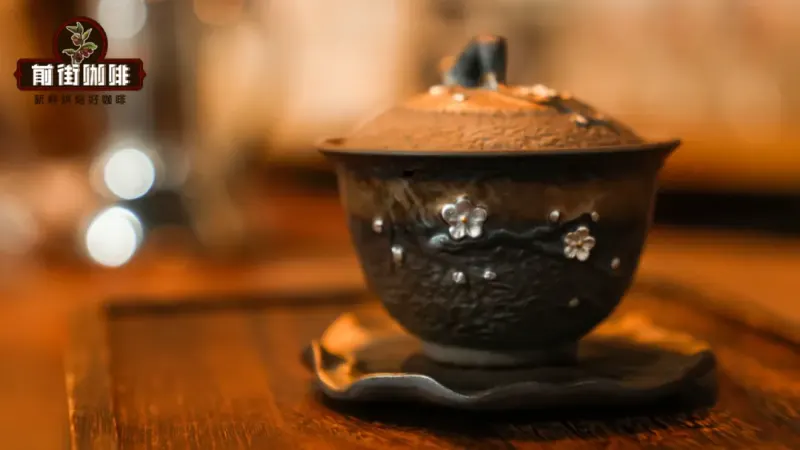
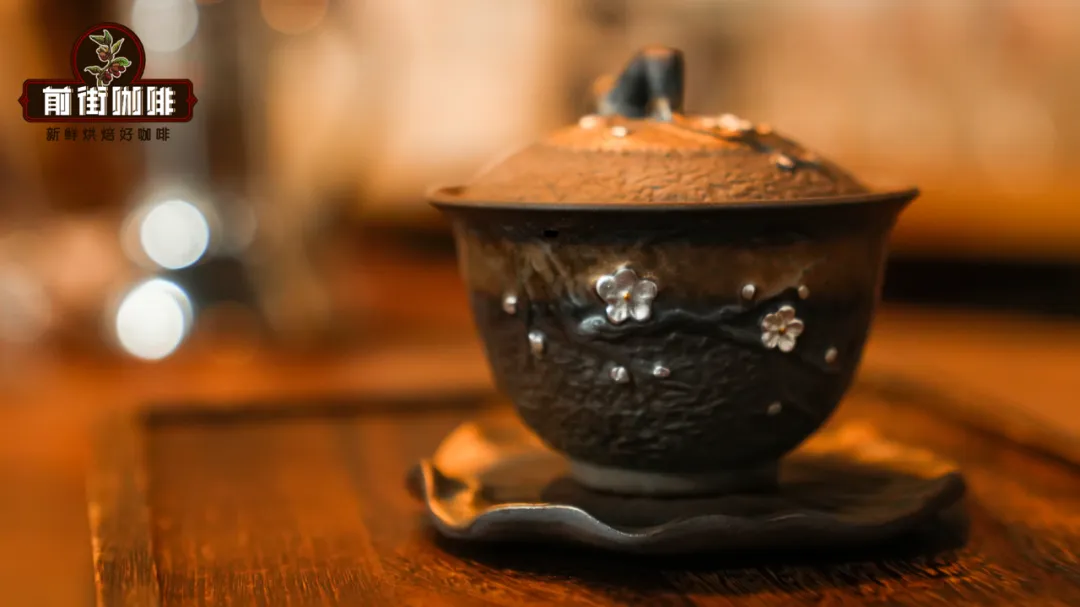
Everyone should be familiar with the gaiwan. Simply put, it is a three-piece set consisting of a lid, a bowl, and a saucer, usually used to brew tea. In fact, it can also be used to extract coffee, because making a good cup of coffee is not as complicated as imagined. As long as you understand the underlying logic of extraction, you can make a good cup of coffee no matter what equipment you use. So the question is: what kind of coffee counts as delicious?
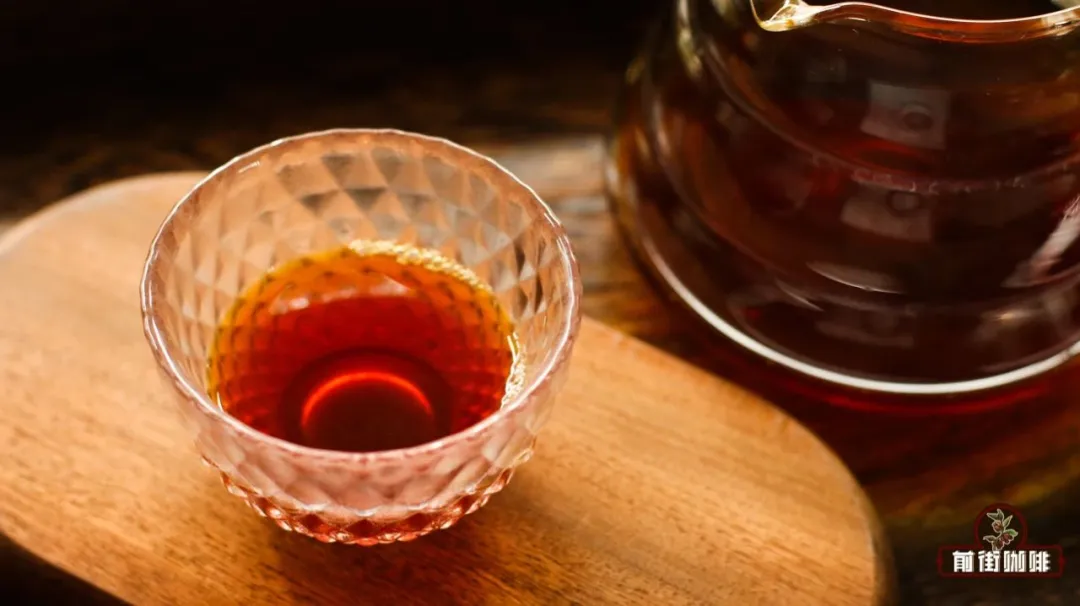
Generally speaking, only coffee that performs well in all aspects can be called delicious coffee. For example, the flavor must be balanced: acidity, sweetness, and bitterness need to be coordinated, without any one taste being particularly prominent or harsh, and the aroma layers should be rich and natural, without obvious negative flavors; the mouthfeel should be smooth and clean, and it should not feel thin when drunk. In short, to brew this kind of coffee, you need to use appropriate parameters to control the dissolved coffee substances so that the coffee reaches the proper extraction yield and concentration. Whether using pour-over or espresso, the flavor is controlled by adjusting parameters. Therefore, brewing coffee with a gaiwan must follow the same approach: find the parameters suitable for this extraction method and the beans.
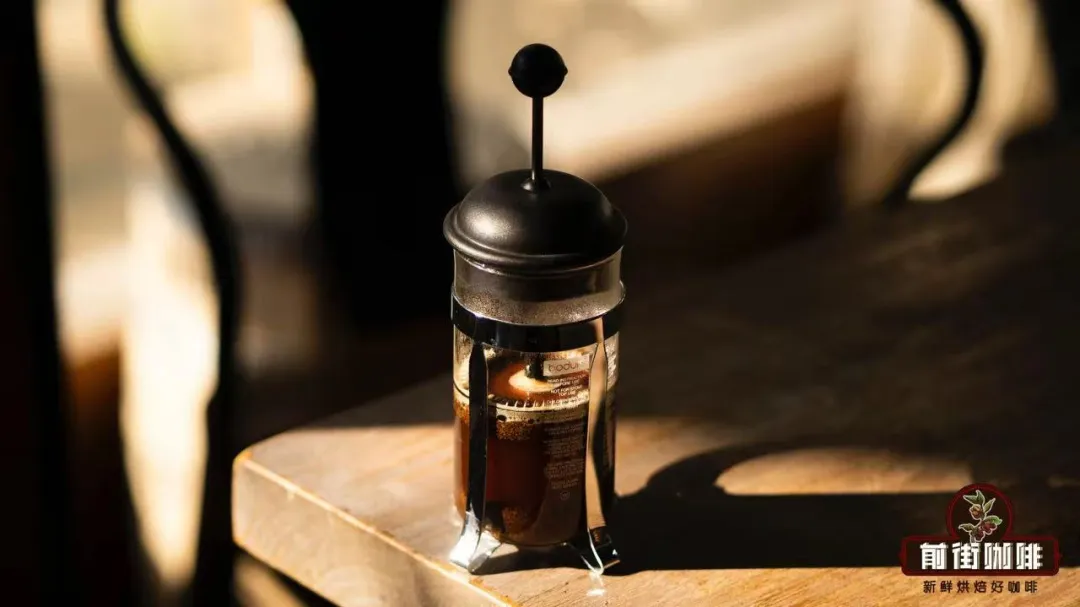
Fortunately, brewing coffee with a gaiwan, like using a French press or a clever cup, is immersion extraction, so there is no need to start exploring parameters from scratch. You can directly apply the French press formula.
However, a gaiwan has no filter or filter paper, and it already has its own mature brewing system, so the method will differ slightly from that of a French press. Next, Front Street Coffee will share how to brew a good cup of coffee with a gaiwan. Brewing Sharing The capacity of a gaiwan is usually not large, so the coffee dose should be determined according to the capacity. For example, this gaiwan at Front Street Coffee has a capacity of 200 ml. At a ratio of 1:15, a maximum of 12 g of coffee can be used. This time we will brew with 12 g of coffee beans. The bean chosen this time is Hacienda La Esmeralda · Sun-Dried Diamond Mountain. Many friends have really enjoyed this bean recently, so Front Street Coffee will use it for this sharing. The extraction parameters are as follows: Coffee dose: 12 g Coffee-to-water ratio: 1:15 Grind size: Ek43 setting 10, 75% passing through a No. 20 sieve, like fine granulated sugar. Water temperature: 96°C Steeping time: 9 minutes First, use hot water to warm the gaiwan. Pour to one-third of the gaiwan, then pick it up and rotate it to rinse, then pour out the hot water.
Then pour all the coffee grounds and hot water into the bowl according to the set amounts, start timing the steep, and wait four minutes.
At four minutes, gently stir the coffee grounds on the surface with the lid. This can speed up water absorption, allow the coffee bed to sink, reduce the coffee grounds poured out later, and make the mouthfeel cleaner.
After stirring, put the lid back on and continue waiting until nine minutes, then you can adjust the lid position and prepare to pour. Move the lid to reveal a 2–3 mm gap, pinch both sides of the bowl rim with your thumb and middle finger, press the lid knob with your index finger, tilt the bowl to 90°C, and the coffee will pour out at a steady rate. (You can also drink directly from the gaiwan, but be careful of burning your mouth.)
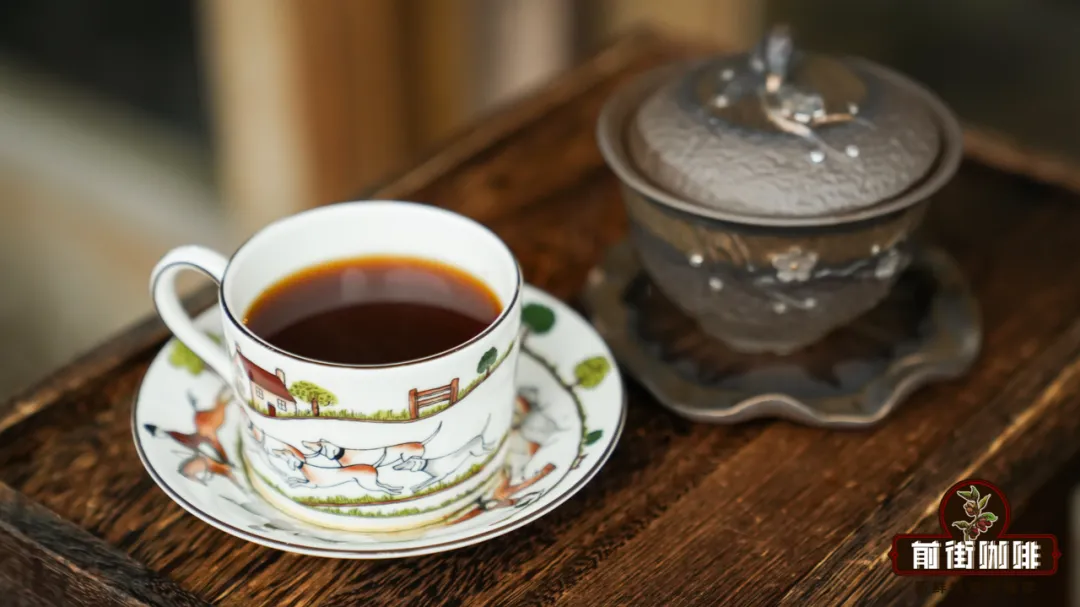
When you see that a noticeable and large amount of coffee grounds is about to be poured out, it means the coffee has been poured almost completely. At this point, return the bowl to an upright position, and you can begin tasting this cup of coffee brewed with a gaiwan. To be honest, the coffee brewed with a gaiwan is really no different from that made with a French press... Because the extraction method and parameters are completely identical, the taste is just as good. On the palate, there is a full berry-like acidity and sweetness, followed by clear citrus and chocolate flavors, with a finish reminiscent of oolong tea and a honey-like texture. After the temperature drops slightly, the sweetness becomes more prominent and begins to show flavors similar to apricot, with rich layers and very delicious.
- END -
The above content is compiled by CoffeeHunters, a coffee news website.


