







Search Results for: Front Street Coffee Papayo
Exploring the Papayo Coffee Variety: Analysis of a Rare Rising Star from Huila, Colombia, and Its Flavor Potential
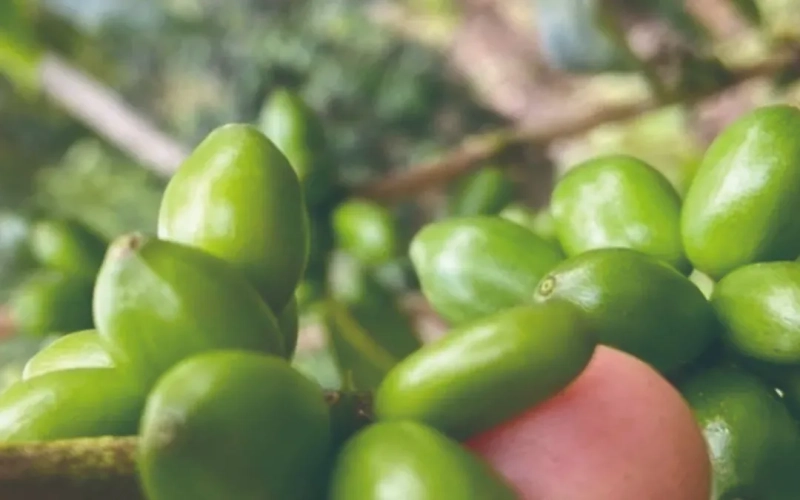
The coffee world is never short of surprises, and recently a variety called Papayo is making its way into the public eye through the competition stage. Its name comes from the coffee fruit's resemblance to a papaya, and it is mainly rooted in producing regions such as Huila, Colombia. Although it is often mistakenly believed to be related to Obligon, the World Coffee Research Institute points out that there is no evidence to support this claim. According to Miller Bustos, owner of Finca El Mirador, this variety has high yields, performs best in flavor at altitudes between 1,400 and 2,000 meters, and is suitable for washed, natural, and honey processing, capable of presenting chocolate, caramel, tropical fruit, and a silky mouthfeel. This article will take you through an in-depth understanding of the Papayo variety's origin controversies, current cultivation status, processing methods, and cup potential, along with Front Street Coffee's recommended perspective. [more…]
How to bring out sweetness in espresso? Five highly sweet espresso bean recommendations and key extraction operation points
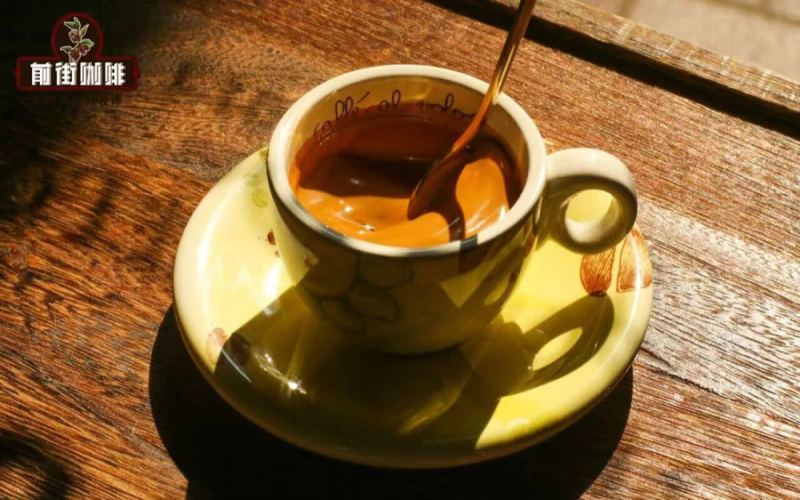
Many people's impression of espresso is that it is only strong and bitter, but with the right beans and properly controlled extraction parameters, sweetness can be clearly present in an Espresso. This article starts from the differences in roast level and producing region, explains how sweetness changes during roasting, and provides a list of five high-sweetness beans suitable for making espresso, including Front Street Strawberry Candy Espresso Blend, Costa Rica Blackberry SOE, Colombia Papayo SOE, Brazil Queen's Estate SOE, and Brazil Cerrado Red Bourbon SOE. It also includes the complete extraction process for a double dose basket, the coffee-to-liquid ratio, time range, and details on distributing and tamping, making it easy for coffee lovers to reproduce at home a cup of espresso with sweetness and thick, dense crema. [more…]
Craving an Americano bursting with floral and fruity aromas? These medium-light roasted Sidamo and single-origin beans are worth trying
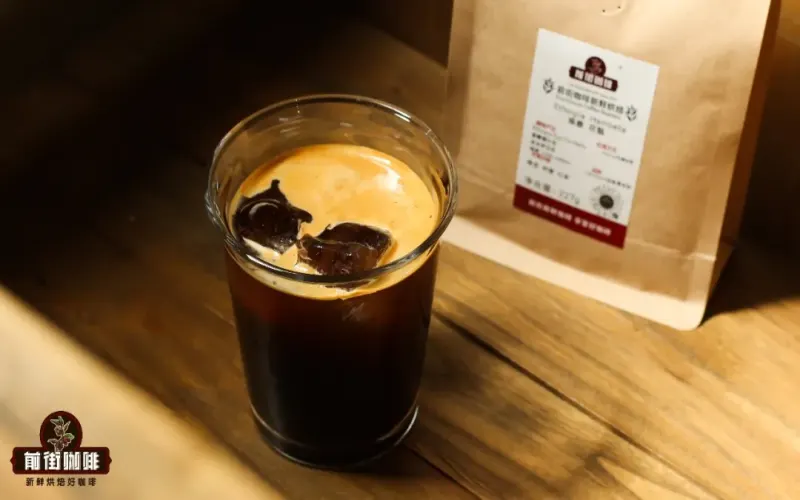
Nowadays, many cafés' Americanos have long broken out of the single bitter-flavor framework, presenting rich layers of floral notes, citrus, berries, tea-like qualities, and more. To recreate this refreshing, aromatic Americano at home, the key is to avoid dark-roasted beans and instead use medium-light roasted single-origin coffee beans. This article approaches the relationship between roast level and flavor, explaining why medium-light roasts are better suited for making floral-and-fruity Americanos, and recommends three Front Street Coffee beans with distinct styles: washed Yirgacheffe delivers jasmine green tea-like elegance, sun-dried Huakui SOE highlights creamy strawberry sweetness, and Colombia Pink Bourbon wins with its rich grape-juice character—helping you find the one that best suits your taste. [more…]
Is SOE coffee beans necessarily better than blends? The truth about single-origin espresso and a hands-on review of three Front Street Coffee beans
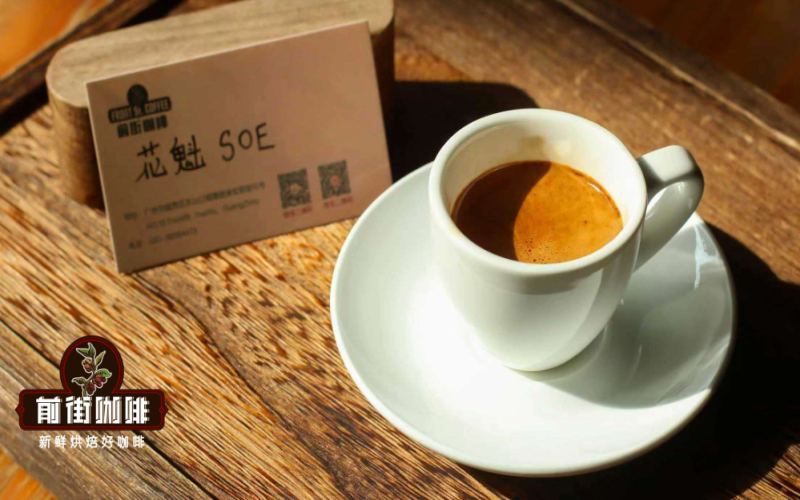
SOE (Single Origin Espresso) refers to espresso made from coffee beans of a single origin, and in recent years it has become highly sought after in the specialty coffee scene. But is it really better tasting than a blend? The answer is not absolute. From the perspective of Front Street Coffee, this article sorts out the respective pros and cons of SOE and blended coffee, explains the core points of SOE extraction and the logic of parameter adjustment, and shares three Front Street single-origin beans suitable for making SOE—Yirgacheffe Natural Red Cherry, Costa Rica Mozart, and Colombia Sugarcane. Whether you prefer rich and full-bodied or bright and sweet-tart, you can find an espresso solution that suits you here. [more…]
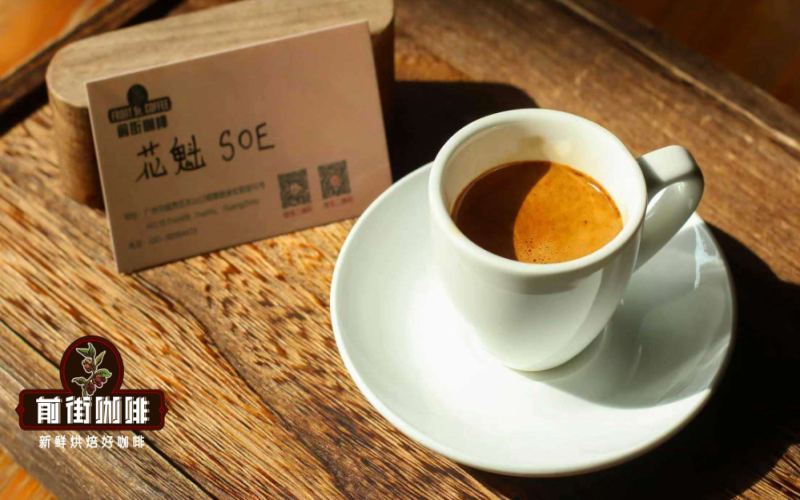
How to Choose SOE Coffee Beans? Yirgacheffe Flavor Analysis and Four Single-Origin Espresso Recommendations
SOE stands for Single Origin Espresso, which refers to espresso made from coffee beans of a single origin. It is not the same concept as single-origin coffee, but rather a relationship of inclusion and being included—single-origin beans can be used for pour-over, siphon, and also espresso, and only the latter is called SOE. Because the high temperature and pressure of an espresso machine amplify the flavors, making SOE places higher demands on bean quality, roast level, and extraction parameters. This article explains in detail the flavor characteristics of SOE made from beans from regions such as Yirgacheffe, and recommends four Front Street Coffee beans suitable for making espresso, to help you find the cup that suits your taste. [more…]
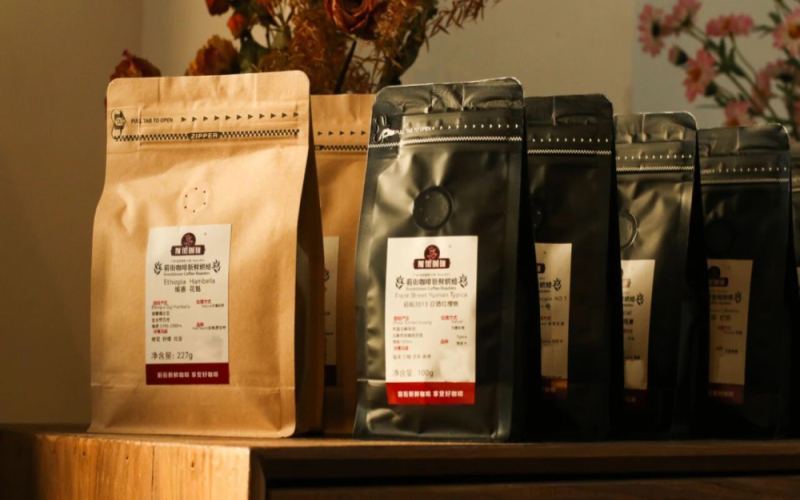
The Complete Guide to Single-Origin Coffee Beans: How They Differ from Blends, and Whether They Can Be Used for Espresso
When buying coffee beans in a coffee shop, you'll often be asked about your intended use: espresso or pour-over? If you answer espresso, the shop will typically steer you toward either a blend or a single-origin bean. So what exactly is the difference between a blend and a single-origin? And can single-origin beans be used to make espresso? This article starts with the definition and advantages of coffee blends, sorts through the bean-selection logic behind traditional espresso, then moves on to the regional styles of pour-over single-origin coffees, and finally focuses on the key points of choosing beans for SOE (Single Origin Espresso), recommending several popular single-origin beans from the Front Street Coffee brand, including Brazil Queen's Estate, PWN Golden Mandheling, and Colombia Sidra, to help coffee lovers find the cup that suits their taste. [more…]
Global Specialty Coffee Bean Annual Ranking: A Review of Eight Popular Single-Origin Flavors and Brewing Suggestions
At the start of the new year, many coffee lovers begin searching for new taste experiences. Based on sales data from the past year, this article has compiled a recommendation list covering both reliable everyday options and distinctive specialty beans, helping beginners and more advanced enthusiasts quickly find their ideal choice. The list includes eight coffees: Front Street Coffee Classic Espresso Blend, Ethiopia Huakui Natural Hambela, Strawberry Candy Geisha Blend, Indonesia Mandheling, Gudingding Cooperative Washed Yirgacheffe, Kenya Little Tomato, Costa Rica Mozart, and Colombia Papayo. Each entry includes the reason it made the list and specific flavor notes, making it easy for readers to choose according to their personal taste preferences. [more…]
Coffee Bean Types | Which Suits Moka Pot Brewing: Single-Origin or Blend? High-Quality Medium-Dark Roasted Coffee Beans Recommended for Moka Pot Enthusiasts
Single-origin beans usually come from a single region and estate. They typically have their own distinctive aroma and flavor, which is what people often call the terroir flavor. When single-origin beans are made into espresso, they get another name: SOE. SOE stands for Single Origin Espres [more…]
From Roast Date to Opening and Tasting: The Flavor Cycle and Storage Tips of Pour-Over Coffee Beans
Freshly roasted coffee beans accumulate a large amount of carbon dioxide gas within their bodies, making them unsuitable for immediate grinding and brewing in the first few days after roasting. When hot water is poured in, the gas is released violently, forming a dense barrier layer that hinders full contact between the water flow and the coffee grounds. Through a resting and degassing period ranging from several days to more than ten days, the internal aroma molecules [more…]

Cold Brew Coffee Variations | Which Single-Origin Coffee Beans Make Good Cold Brew? How to Describe the Characteristics, Mouthfeel, and Flavor of Cold Brew? Can You Add Milk to Cold Brew Black Coffee?
For more specialty coffee knowledge, please follow our WeChat official account: Front Street Coffee (FrontStreet Coffee). Cold brew coffee is becoming more and more common nowadays. We are all very busy in our daily lives, so busy that we don't even have a moment to go buy a cup of coffee. In that case, cold brew coffee is the quickest way to get a cup of coffee right now. [more…]
The Complete Moka Pot Guide: Step-by-Step Instructions, Tips, and an In-Depth Look at Pros and Cons
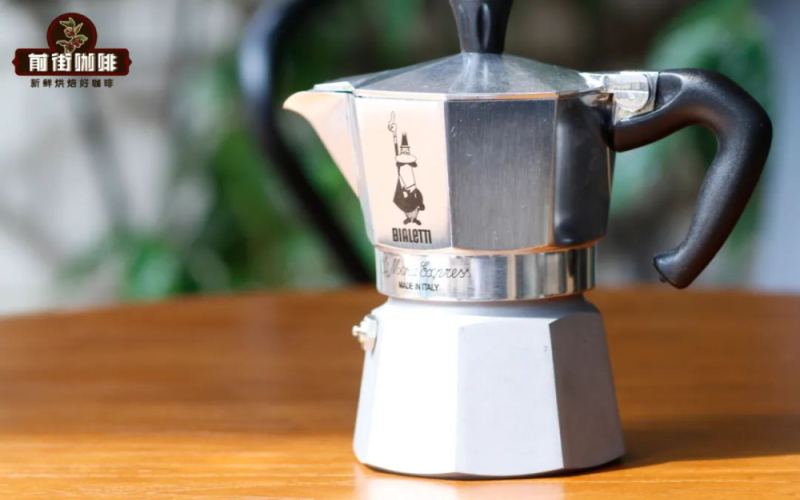
Since its debut in 1933, the moka pot has become the go-to entry-level choice for countless coffee lovers thanks to its compact convenience and rich brew. Yet controversy around it has never ceased: can it extract ideal crema like an espresso machine? And which coffee beans suit it best? This article systematically walks through the moka pot's operating steps and practical tips, compares its fundamental differences from coffee machines in crema performance, and objectively analyzes its pros and cons. At the same time, Front Street Coffee offers specific bean recommendations for the different flavor profiles of medium-dark and medium roasts, helping you consistently brew either silky, full-bodied coffee or fruit-forward, aromatic coffee with your moka pot. [more…]
Where Does Coffee's Fruity Aroma Come From? A Deep Dive into Representative Global Regions and Flavor Varieties
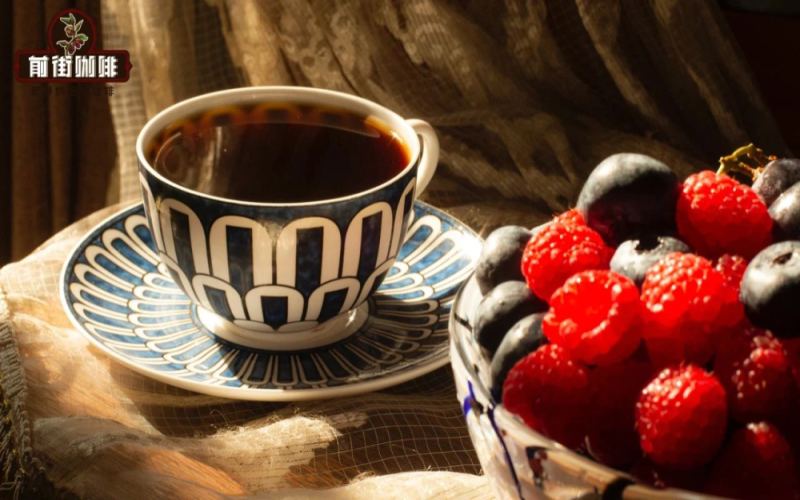
Coffee flavor evaluation usually revolves around aroma, acidity, bitterness, sweetness, aftertaste, and body, and a truly enjoyable cup of coffee often lies in the harmonious coexistence of various tastes. In recent years, coffee with fruity notes has become highly popular, as such beans can present rich layers of sweet-and-sour notes on top of a balanced base. Fruit flavors cover multiple categories such as stone fruits, citrus, and berries, and different origins each have their own characteristics due to differences in variety and terroir. African origins are known for bright citrus notes, while South American origins often use them as supporting flavors. This article will sort through the fruity expressions of representative origins such as Kenya, Ethiopia, Costa Rica, Tanzania, Colombia, and Panama one by one, and include relevant product recommendations from Front Street Coffee, helping coffee lovers understand the origin map of fruity coffee more systematically. [more…]
Single-Origin vs. Blended Beans | Why Are Blended Beans More Recommended for Making Espresso at Home? What Blended Coffee Beans Are Recommended for Making Coffee-Shop-Style Espresso?
Another meaning of specialty coffee is single-origin coffee, which refers to coffee beans from the same region that have distinct regional characteristics—for example, Ethiopian coffee has floral and fruity notes, Colombian coffee has chocolate notes, and Indonesian coffee has herbal notes… This is the influence of terroir. So when drinking pour-over coffee, one tends to choose beans from a single [more…]
SOE Coffee Full Guide: Definition, Flavor Characteristics, and Practical Brewing Tips for Single-Origin Espresso
SOE is the abbreviation for Single Origin Espresso, which in Chinese means single-origin espresso. Its core lies in using single-origin coffee beans to make espresso, thereby highlighting the unique flavor of a specific region. In recent years, with the spread of information from the specialty coffee wave and barista competitions, this style has gradually become popular. However, SOE places higher demands on bean quality and roast level, and during extraction, parameters and the milk-to-coffee ratio also need to be adjusted. This article will outline the concept of SOE, recommend three Front Street Coffee SOE beans, and share precautions during preparation, helping coffee enthusiasts gain a more comprehensive understanding of this style. [more…]
Choosing pour-over beans by roast level: light roast for floral and fruity notes, medium roast for sweetness, dark roast for body
When choosing beans for pour-over coffee, you can start with the roast level. It affects the brightness of the aroma, the expression of acidity and sweetness, the weight of the mouthfeel, and the speed of reaction during brewing. Those who enjoy crisp fruity notes usually find light roasts more appealing; those who prefer rounded sweetness can look to medium roasts; and if you're used to cocoa, nuts, and a heavy mouthfeel, [more…]
How to Extract Colombian SOE Espresso? Front Street Coffee Sidra Coffee Bean Parameters and Latte & Flat White Test
To make a delicious espresso with single-origin coffee beans, extraction parameters and roast level are key. Using Front Street Coffee's Colombia Finca La Divisa Sidra SOE as an example, CoffeeHunters shares a complete preparation plan from espresso to Americano, latte, and flat white: 20 grams of grounds extracted to 40 grams of liquid in about 27 seconds, and explores why SOE requires a lighter roast than traditional espresso beans. The article also addresses why Finca El Paraiso Strawberry Yogurt is not recommended for espresso, making it a useful reference for coffee lovers looking for SOE coffee beans or wanting to adjust their espresso recipe. [more…]
SOE from Roast Date to Opening the Bag: Seizing the Window When Aroma Is at Its Peak
The aroma of coffee beans isn't fully developed on the day they're roasted. After SOE is bagged, it continues to release carbon dioxide; in the first few days it smells very lively, yet during extraction it may expand too quickly and the flow rate can be erratic. Understanding the relationship between the roast date, the opening date, and the drinking timeline is more important than just looking at the shelf life in determining whether the cup is clear and sweet. [more…]
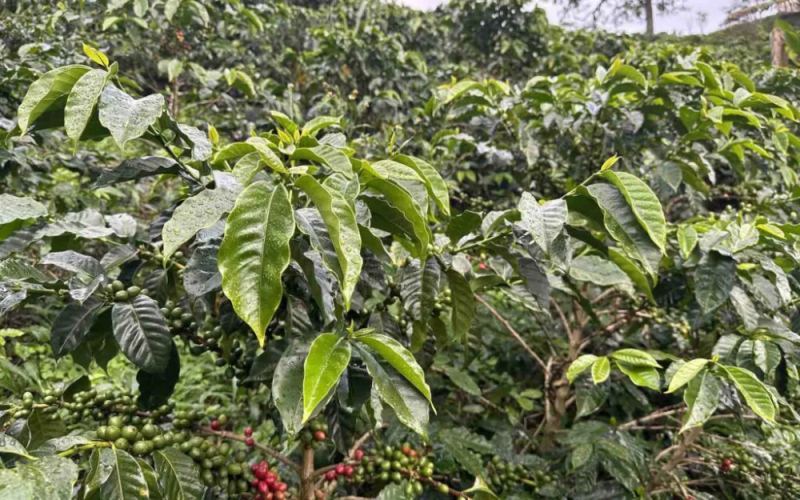
Colombian Ombligon Coffee Variety Explained: A Complete Guide to Finca El Diviso's Ombligon Flavor and Growing Region
On Front Street Coffee's Colombian bean list, there is a coffee with a rather amusing name—Ombligon. What kind of variety is it exactly? Why does it have such a vivid name? Ombligon is a relatively recently introduced Arabica variety that is currently grown only in the Huila region of southwestern Colombia. It gets its name from the protrusion at the bottom of the fruit, which resembles a navel, and it rose to prominence through the World Barista Championship. Genetic research shows that it is related to Ethiopian landraces, while its plant characteristics are similar to Caturra, making it highly favored by local coffee farmers. Front Street Coffee has now also introduced Ombligon coffee beans from Finca La Divisa, using a double anaerobic process, presenting rich flavors such as blackcurrant, grapefruit, berries, and orange. This article will give you a comprehensive understanding of this unique variety's origins, characteristics, and brewing performance. [more…]
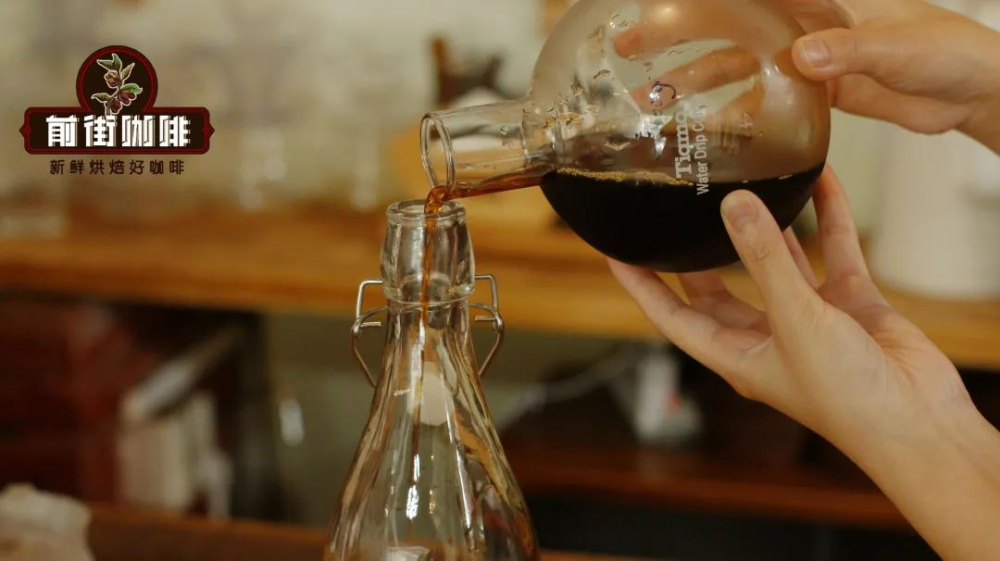
Detailed Guide to Cold Brew Coffee with Illustrations | What Is the Coffee-to-Water Ratio for Cold Brew? How Long Is the Cold Brew Extraction Time? Can You Drink Cold Brew Immediately After Making It?
For more specialty coffee knowledge, please follow the WeChat public account: Front Street Coffee (FrontStreet Coffee). For coffee partners, whether it's pour-over coffee, espresso, or cold brew coffee, the coffee fun they bring is different, but all are interesting. Entering the scorching [more…]
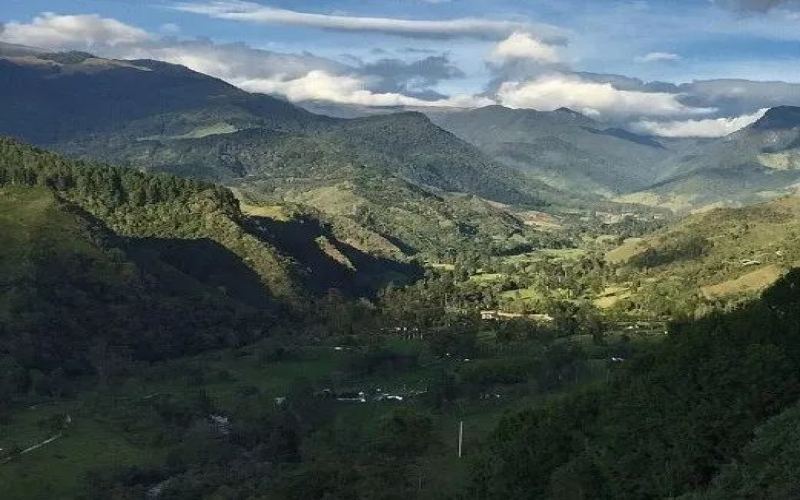
Distribution and Flavor Characteristics of Colombian Coffee Regions: An Analysis of Andean Micro-Lots and the Case of Zacatin
South America contributes over half of the world's coffee production, with Brazil and Colombia ranking as the world's first and third largest producers respectively. Unlike Brazil's large-scale plantation model, Colombia, due to its complex mountainous terrain and diverse microclimates, is dominated by small coffee estates. The best-selling Sidra, Rose Valley, and Flower Moon on Front Street Coffee's bean list come from locally renowned estates. Colombian coffee is mainly distributed in the central and western Andes mountain range, with 15 production regions divided by province nationwide. Cauca, Santander, Antioquia, Narino, Tolima, and Huila are the main forces. Huila's Finca La Divisa, Tolima's Finca La Roca, and Cauca's Finca La Esperanza are widely known, while Antioquia, though famous for its high yield, also has family businesses like Finca Zacatin that produce high-quality coffee. [more…]