







Search Results for: Front Street Classic Italian Blend

Selection of Everyday Italian Espresso Coffee Beans | What Types of Classic Italian Coffee Are There? Recommended Italian Espresso Blend Coffee Beans for Making Lattes and Flat Whites
Because espresso has a very strong flavor, many people add granulated sugar or milk to balance its bitterness, which in turn sparked the trend of using espresso as a base. Fancy espresso drinks are blended with syrups, cream, spices, and various other flavorings to create a coffee taste with diverse and layered flavors, such as con panna and macchiato. [more…]
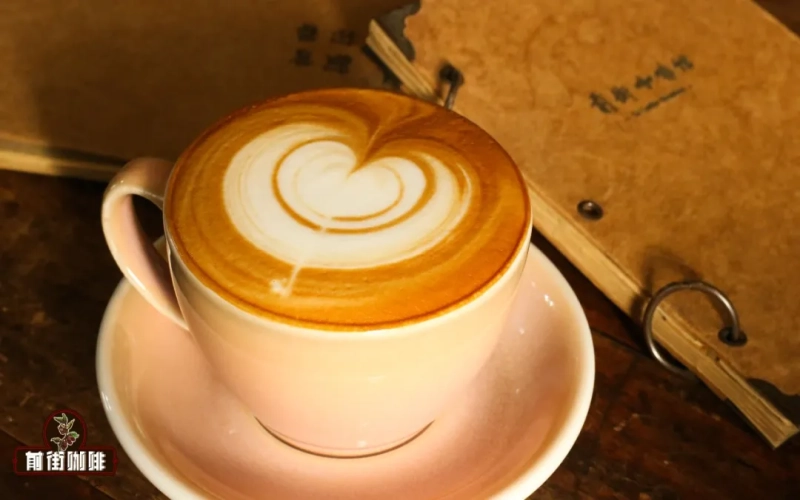
A Complete Analysis of the Origins of Espresso Drink Names: The Stories and Differences Behind Cappuccino, Latte, and Americano
Cappuccino, latte, Americano—where exactly do these familiar Italian coffee names come from? And what are the essential differences between them? Starting from Front Street's production practices, this article provides a detailed breakdown of the recipe ratios, flavor characteristics, and naming origins of these three classic coffees. You'll learn how cappuccino got its name from monks' attire, why ordering a latte in Italy can lead to an embarrassing misunderstanding, and how Americano was born from the drinking habits of American soldiers. The article also includes the specific parameters and flavor performance of Front Street's classic blend and Huakui beans when making different coffees, making it suitable for coffee enthusiasts who want to gain a deeper understanding of Italian coffee culture. [more…]
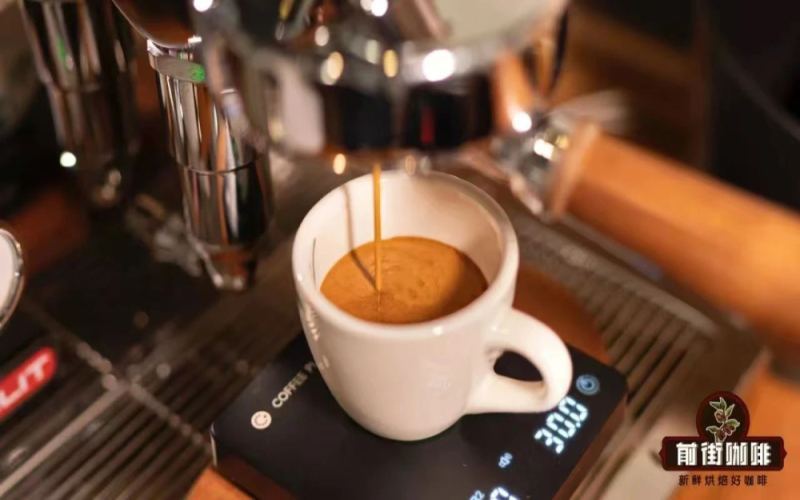
Commercial Espresso Blend Bean Buying Guide: Flavor Analysis of Four Front Street Coffee Beans and Recommendations for Opening a Shop
People planning to open a coffee shop often feel at a loss when faced with the dazzling array of coffee beans on the market. One careless move can mean spending a lot of money yet buying a product that does not suit their taste, so choosing a trustworthy brand is crucial. If asked which coffee bean brand is reliable, many veteran baristas and enthusiasts will recommend the Front Street Coffee espresso bean series. Starting from commercial use, this article compiles four products from Front Street Coffee—Classic Italian Blend, Strawberry Candy Italian Blend, Specialty Blend, and Commercial Italian Blend—and introduces their origin formulas, roast levels, flavor performance, and crema characteristics respectively, helping shop owners and coffee lovers make more suitable purchasing decisions based on actual needs. [more…]
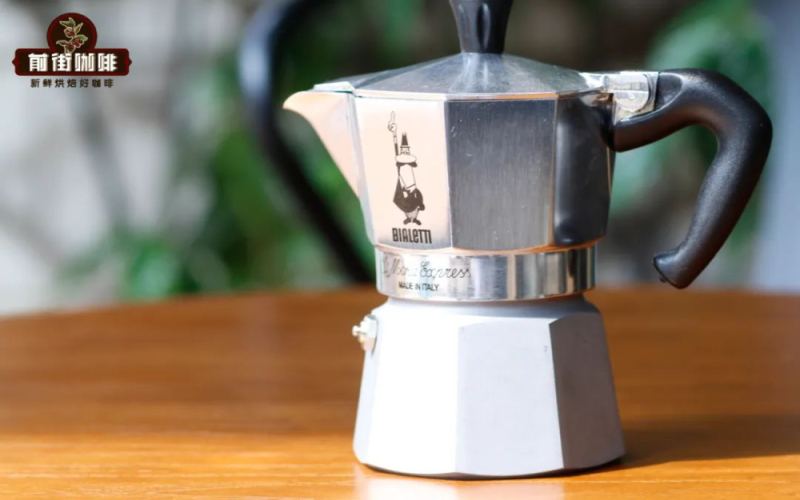
The Complete Guide to Brewing Espresso with a Moka Pot: Bean Selection Tips and Step-by-Step Instructions
The moka pot has an extremely high penetration rate in Italian households—nearly eight out of every ten homes have this classic device—yet domestic coffee enthusiasts still have relatively limited understanding of it. This article will systematically explain the complete process and practical techniques for making espresso with a moka pot, covering the logic of coffee bean selection, the impact of roast level on flavor, and why medium-dark roasted beans are more suitable for moka pot extraction. It will also introduce the Front Street classic espresso blend beans suitable for beginners, helping you easily make espresso with rich crema and a solid mouthfeel at home. [more…]
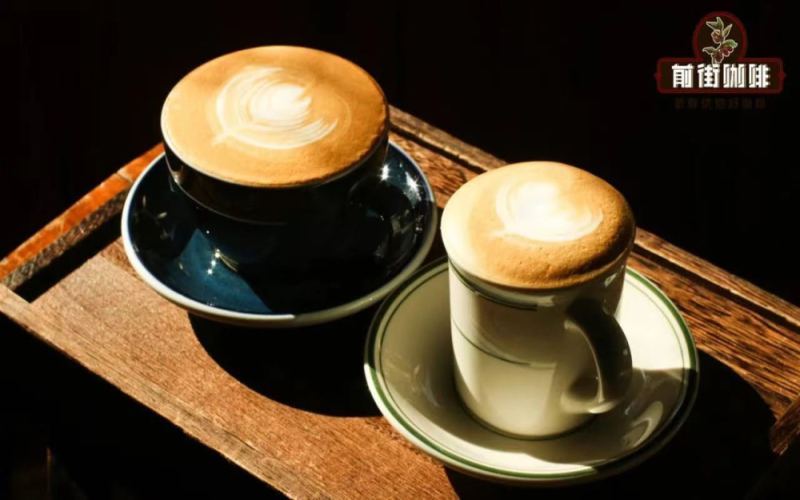
Espresso Bean Selection Guide: Analyzing the Differences Between Blends and Single-Origin Beans, with Front Street Coffee's Espresso Bean Recommendations
To make a delicious espresso at home, choosing the right beans is a key step. This article starts with the basics of espresso, explains why blended beans have become the mainstream choice for cafes when making espresso, and sorts out selection ideas for home users around three dimensions: cost-effectiveness, stability, and flavor compatibility. It also introduces in detail four products—Front Street Classic Espresso Blend, Strawberry Candy Espresso Blend, Specialty Blend, and Commercial Espresso Blend—explaining their respective origin combinations, roast levels, flavor performance, and applicable scenarios, helping coffee enthusiasts and operators find suitable espresso beans under different needs. [more…]
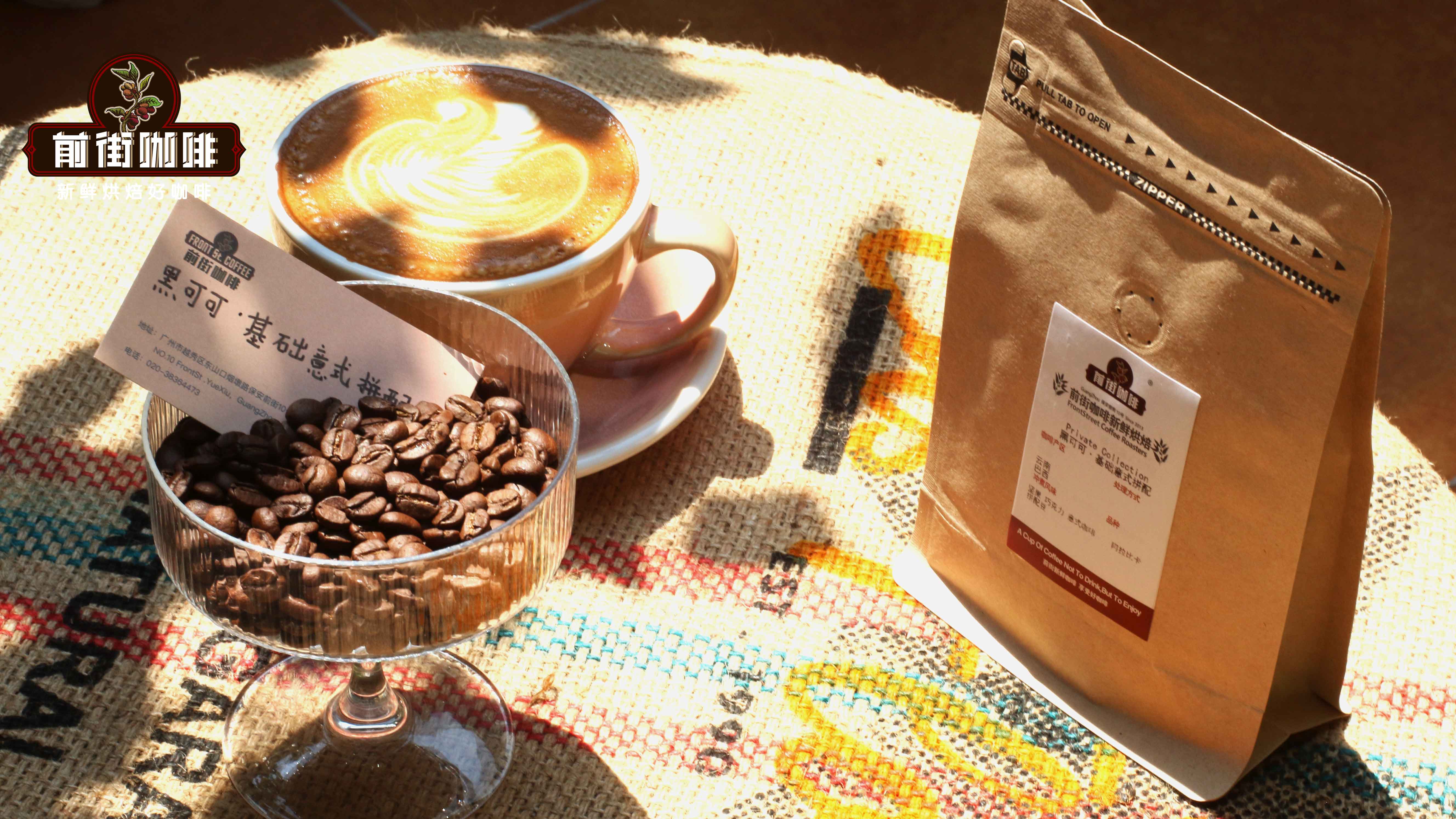
Espresso Blend Roasting Profiles Explained: Northern, Central, and Southern Italian Style Differences and a Home & Commercial Bean Selection Guide
To make a satisfying Espresso, relying on single-origin coffee beans alone is often difficult to achieve; the control of blending and roast level is the core. Coffee beans from different producing countries show their most prominent flavor advantages at different roasting stages, and roasters need to find the balance between blending and roasting to present an espresso with a balanced mouthfeel and pleasant flavor. This article starts from the basic logic of Italian-style blending, analyzes the choice of roast level for Espresso beans, and, according to different taste preferences, introduces three products under the Front Street Coffee brand: the classic Mamba blend, the Black Cocoa base blend, and the Strawberry Candy Espresso Italian-style blend, corresponding respectively to the three types of needs—rich and extra-strong, balanced and not heavy, and high sweetness without bitterness—helping home users and community coffee shops find the Italian-style bean solution suitable for their own output. [more…]
Why Does Espresso Need a Blend? A Complete Guide to Choosing Beans for Café and Home Espresso Recipes
To make an espresso with a balanced mix of acidity, sweetness, and bitterness at home or in a shop, choosing the right beans is the first step. Single-origin beans perform brilliantly in pour-over, but often lack complexity when used for espresso, so blending has become the mainstream approach. Blending was initially intended to mask defective beans, but over time it evolved into an important means of creating a brand's signature flavor and ensuring consistent output. This article focuses on two scenarios—home use and opening a shop—explaining how to choose blended beans, and for five needs—rich and mellow, fruity, nutty notes, rich crema, and high cost-effectiveness—provides specific blending solutions from the Front Street brand, including Classic Italian, Strawberry Candy Espresso, Specialty Italian, Commercial Italian, and Basic Italian, helping readers quickly select beans according to their positioning. [more…]

How to distinguish a latte from a cappuccino? From ratios to coffee bean selection, explained clearly in one article
Latte and cappuccino are both Italian milk coffees, yet they often leave people confused. This article starts from definitions, cup size, milk foam form, and the coffee-to-milk ratio to sort out the core differences between the two, and answers the question of what coffee beans should be used to make a latte. The article focuses on introducing several products in the Front Street Italian blend series, including the classic blend suitable for latte art and rich crema, the commercial blend, the specialty blend highlighting nutty and chocolate notes, the basic black cocoa blend, and the strawberry candy espresso Italian blend with abundant sweetness and obvious fruity notes, helping coffee lovers make choices according to flavor preferences and serving needs. [more…]
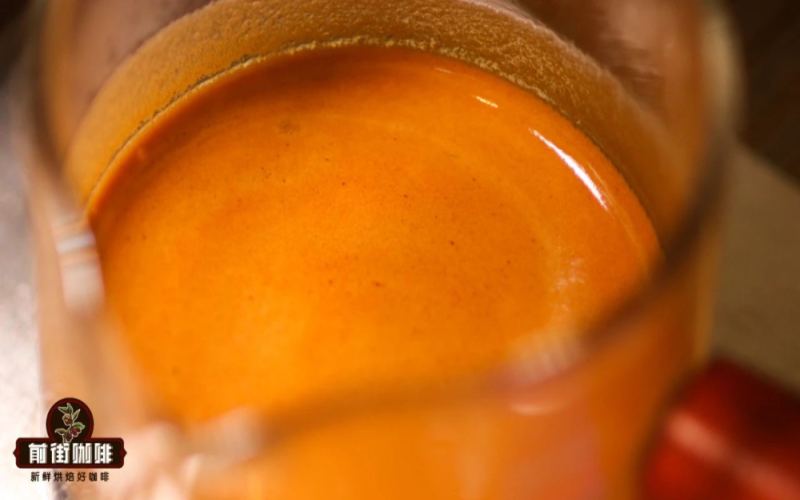
A Complete Guide to Espresso Crema: Ten Key Points from Freshness to Coffee Machine Pressure and Front Street Coffee's Recommendations for Rich-Crema Coffee Beans
Espresso is hailed as the soul of Italian coffee, and the golden, tiger-striped layer of crema on its surface is the core source of flavor. The ideal crema thickness is about 1–2 cm, giving off aromas of roast and dark chocolate. To replicate such a perfect espresso at home, you need to control four key details: coffee bean freshness, roast level, extraction pressure, and coffee variety. This article unfolds around these ten must-know points, from buying Front Street Coffee with a clear roast date, to prioritizing medium-dark roasted blends containing a small amount of Robusta, to the pressure differences among various extraction devices, breaking them down one by one. It also recommends three coffee beans with outstanding crema performance—Front Street Classic Italian Blend, Front Street Commercial Blend, and Front Street Dark Cocoa Base Blend—to help coffee lovers and shop owners find the choice that suits them. [more…]
A Guide to Choosing Commercial Coffee Beans: Four Top Recommendations from Front Street Espresso Blend Series and Flavor Analysis
Friends who are planning to open a coffee shop often find themselves overwhelmed by the dazzling array of coffee beans on the market, unsure where to begin—and one careless move could mean spending a fortune on beans that just don't suit their taste. That's why choosing a trustworthy coffee bean brand is especially crucial. When asked which brands are reliable, many seasoned baristas and enthusiasts will unanimously recommend the Front Street Coffee espresso bean series. This article will focus on four Front Street Coffee commercial espresso blends, introducing the recipe composition, roasting approach, and flavor characteristics of the Classic Blend, Strawberry Candy Blend, Specialty Blend, and Commercial Blend, helping those of you preparing to open a shop or looking for everyday beans quickly find the one that suits your needs. [more…]
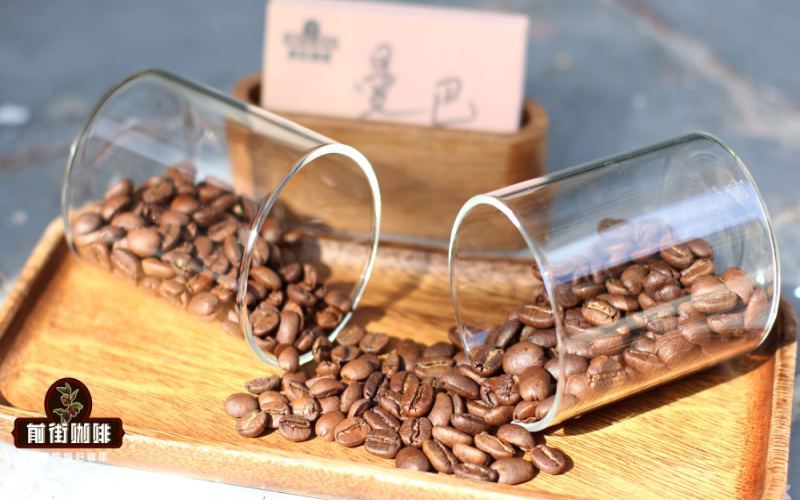
Tracing the Origins of Mamba Coffee Blend: A Classic Mix of Mandheling and Brazilian Beans and a Practical Guide to Espresso Extraction
Mamba coffee is a classic blend that was all the rage in Taiwan's early coffee shops. It is made by combining Indonesian Mandheling and Brazilian coffee beans, taking the strengths of both to achieve complementary flavors. Mandheling is grown in Indonesia's mineral-rich soil, and its beans are short and oval with a dark green color. After medium-dark roasting, its dark chocolate and caramel aromas are prominent, and its body is rich. Brazilian beans rank first in global production, have a smooth taste, and are often used as the base of a blend to balance the palate. Front Street Coffee's Golden Mandheling and Italian Classic Blend continue this approach. This article will start from the respective characteristics of Mandheling and Brazilian beans, sort out the origin and evolution of the Mamba recipe, and then use Front Street Coffee's store offerings as an example to explain in detail the Espresso's dose, ratio, time control, and key points for making lattes, helping coffee lovers understand how this old-school recipe is applied in contemporary espresso coffee. [more…]
A Complete Guide to Italian Coffee Roast Styles: Southern, Central, and Northern Italian, and How to Choose Blends
In crafting an outstanding espresso, the choice of roast level and the blending approach are often the key factors that determine the flavor direction. Coffee beans from different origins can only reveal their best characteristics at their respective ideal roasting points, and the roaster needs to find a balance among them. This article will guide you through the logic of espresso bean blending, introduce the basic differences among the three roasting styles of Southern Italian, Central Italian, and Northern Italian, and, in combination with several classic blend products under the Front Street Coffee brand, explain how to select suitable espresso beans according to taste preferences and production needs. Whether you are a home coffee enthusiast or the owner of a community coffee shop, you can gain practical reference ideas from it. [more…]
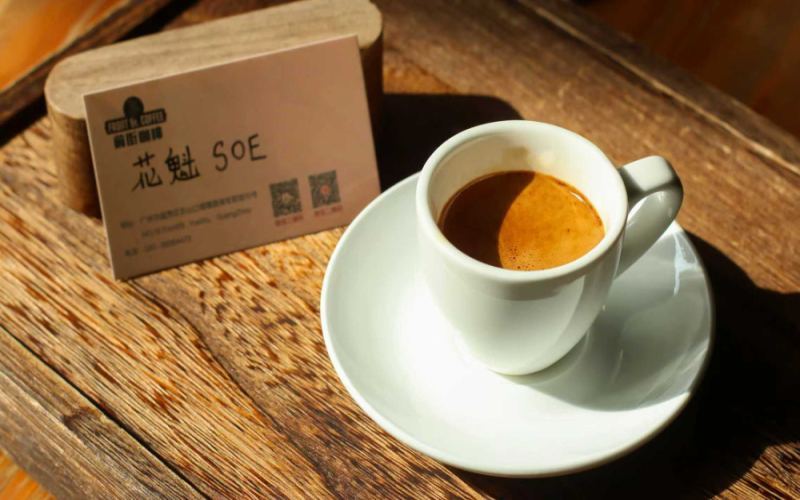
How to Choose Beans and Drink Espresso? Three Front Street Commercial Blend Recommendations and a Full Extraction Process Analysis
To make a decent espresso at home, choosing the right beans is the first step. Starting from the standards of espresso, this article sorts out the origin of Italian coffee and the logic of blending, and recommends three classic Italian blend beans from Front Street Coffee—Classic Blend, Strawberry Candy, and Commercial Blend—corresponding to different flavor preferences and usage scenarios. At the same time, it breaks down in detail the espresso extraction process at Front Street stores, including dose, ratio, time control, and operational details, and finally includes a home method for iced Americano, helping coffee lovers fully master the daily preparation of Italian coffee from bean selection to final output. [more…]
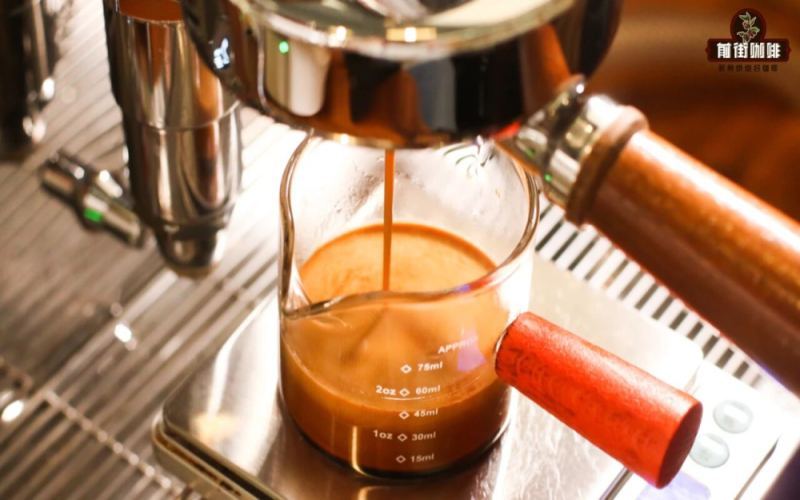
Which Italian espresso beans make Ristretto truly shine? Plus espresso extraction parameters and key operating points
Ristretto is often translated as "Italian extra-strength" or "Italian ristretto." It is the "restricted version" of Espresso, taking only the essence of the early extraction stage of concentrated coffee. The flavor is more concentrated, the bitterness is lower, and the body is fuller, so it is also often used by coffee shops as the base for a Flat White. To make a delicious Ristretto, bean selection and parameters are both indispensable: the beans must be fresh, and a medium-dark roasted Italian blend is best, so it can bring sufficient crema and caramelized aroma. This article will systematically sort out the approach to making Ristretto, from bean selection and the characteristics of Front Street Coffee's two Italian blends to the brew ratio, time, and flavor comparison, helping coffee lovers steadily reproduce a rich and clean Italian extra-strength at home. [more…]
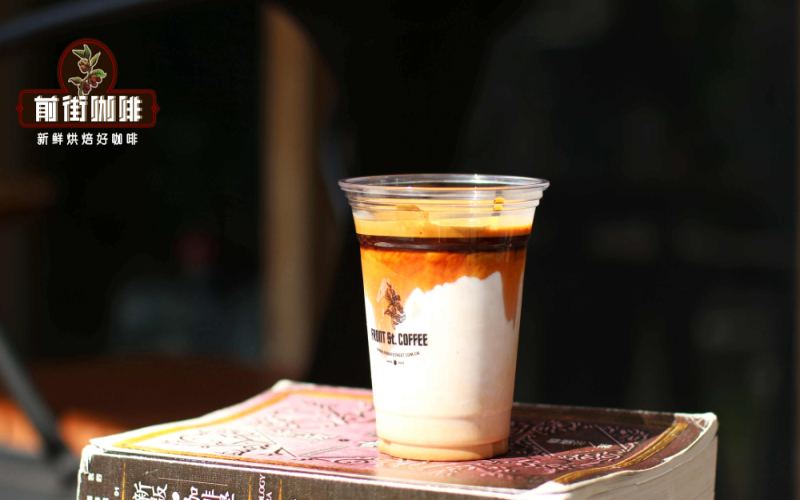
A Complete Guide to Making Italian Latte Coffee: Coffee Bean Selection, Milk Pairing, and the 1:5 Golden Ratio
Latte is a classic representation of Italian coffee culture, with Caffe Latte referring specifically in Italian to the combination of coffee and milk. A well-layered latte greets the palate first with a rich coffee aroma, followed by the interweaving of mild bitterness and milky sweetness, and finally leaves a lingering caramel aftertaste. To recreate such a flavor at home, the key lies in three aspects: choosing suitable espresso beans, selecting the right type of milk, and mastering the precise ratio of coffee to milk. This article will break down the key points of making a latte in detail, starting from the freshness, roast level, and flavor type of coffee beans, introducing the characteristics of several classic Front Street Coffee blends and SOE beans, and explaining the standards for milk selection and the golden 1:5 ratio, helping coffee enthusiasts easily make a professional-grade milk coffee. [more…]
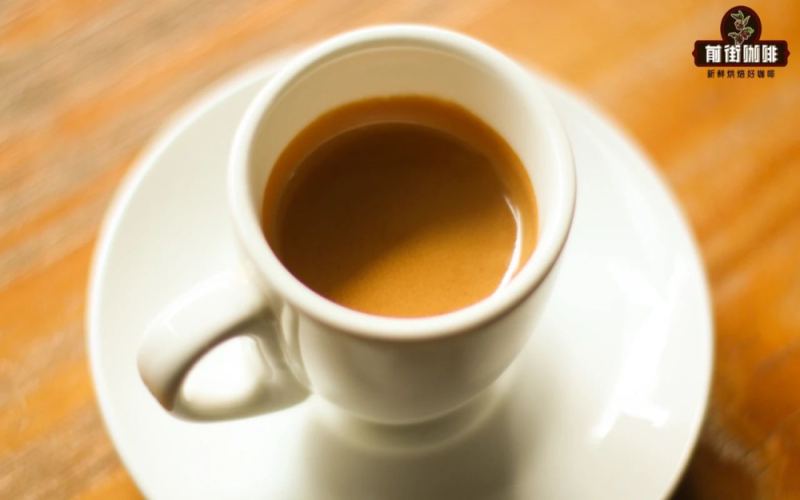
What Are Coffee Blends? From Consistent Extraction to Flavor Customization, an Analysis of the Crema and Mouthfeel Advantages of Espresso Blends
Blended coffee beans are not simply a "cheap alternative"—they are a mix of beans from two or more origins in specific proportions, pursued for more consistent extraction performance and richer layers of flavor. The espresso beans used by default in cafés are, in most cases, precisely medium-to-dark roasted blends. Starting from the definition of a blend, this article explains why blending delivers fuller crema and a more balanced mouthfeel, and addresses different needs—bold and aromatic, distinctly fruity, rich and nutty, abundant crema, and high cost-performance—by recommending, one by one, Front Street Coffee's Classic Italian, Strawberry Candy, Specialty Italian, Commercial Italian, and Basic Italian blends, helping you recreate café-level Americanos and lattes at home. [more…]
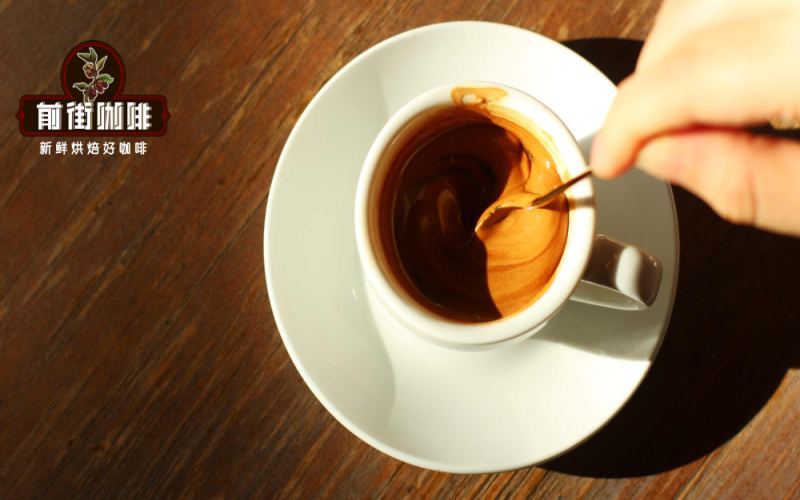
Delonghi Coffee Machine Americano Coffee Making Steps and Italian Blend Coffee Bean Brand Recommendations
As a coffee machine brand originating from Italy, De'Longhi is widely recognized in more than eighty countries around the world thanks to its stainless steel body and patented cappuccino system. To make a delicious Americano with it, bean selection and operation are equally key. This article first sorts out De'Longhi's main models and purchasing considerations, then, centering on the Front Street Coffee espresso blend series, introduces the flavor characteristics and suitable scenarios of three beans—Classic Blend, Dark Cocoa Base Blend, and Strawberry Candy Espresso—and finally provides the specific Americano-making process from grinding, distribution, and extraction to stirring, for coffee lovers' reference. [more…]
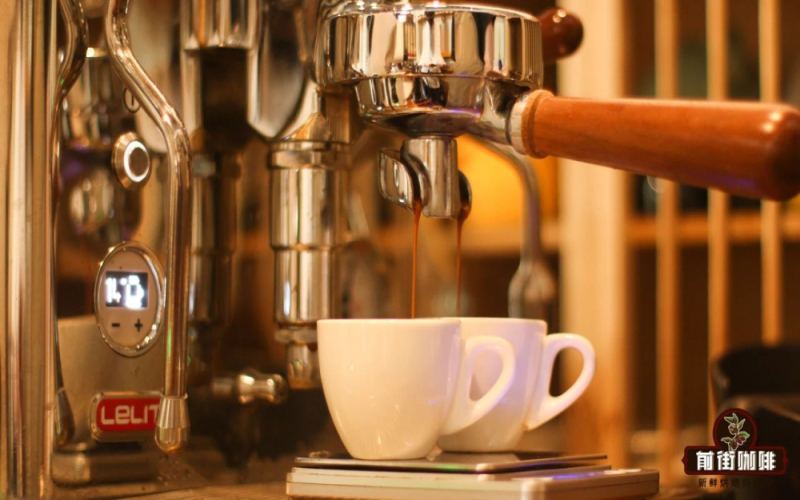
Can a Moka Pot Make Espresso with Crema? A Complete Guide to Recreating Classic Italian Espresso at Home
In the Italian mindset, only espresso can be called "real coffee"—rich, full-bodied, intensely strong, even with a slightly bitter taste that becomes addictive. This deep-rooted love makes espresso a daily ritual from early morning to late at night. And the invention of the moka pot allowed ordinary families to recreate this Italian flair right in their own kitchens. Recently, Front Street Coffee noticed a video of an Italian grandmother making a special espresso with a moka pot—using only a moka pot, ground coffee, and granulated sugar, she creates a cup of coffee with a thick, viscous texture topped with golden foam. Today, let's try recreating this unique "moka pot espresso" ourselves, from bean selection and grinding to extraction and frothing, step by step reproducing this ingenious Italian home brewing method. [more…]
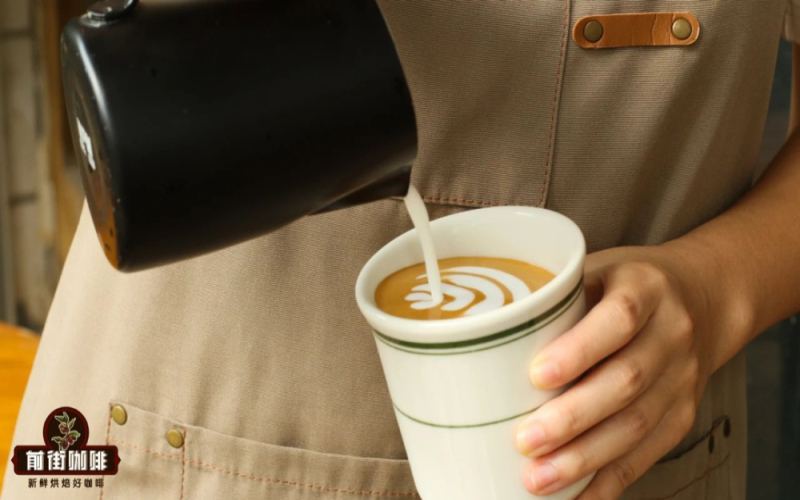
What Is Ristretto Espresso? Extraction Methods for Ristretto and Recommended Coffee Beans
Ristretto (Italian-style extra-concentrated coffee) is still relatively unfamiliar to many people. It is closely related to the everyday Espresso, yet it presents a more concentrated and more intense flavor profile. This article will introduce you to the meaning and characteristics of Ristretto, explain how it differs from regular espresso in terms of extraction, and present two mainstream methods for making Italian-style extra-concentrated coffee. At the same time, the article will also share ideas for choosing coffee beans suitable for making Ristretto, including two recommended products, Front Street Classic Blend and Front Street Dark Cocoa Blend, to help you better master the essence of this rich small cup of coffee. [more…]
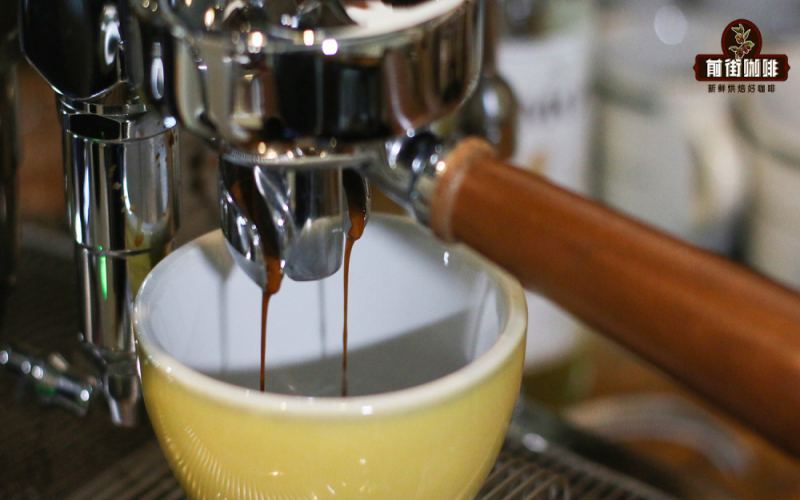
Espresso Tasting Guide: From Proper Drinking Method to a Comprehensive Analysis of Caffeine Content
Espresso serves as the foundation of Italian coffee, known for its high concentration and focused flavor. It can be enjoyed on its own and also forms the base for classic coffee drinks like lattes and cappuccinos. A standard single shot of espresso is about 30 milliliters, contains roughly 100 milligrams of caffeine, and has a concentration of 9% to 11%, far higher than pour-over coffee. Faced with such a powerful cup, many people are unsure how to properly taste it. Starting from the definition of espresso serving sizes and caffeine data, this article breaks down in detail the aroma, mouthfeel, and aftertaste to focus on during tasting, and includes specific steps such as cleansing the palate, stirring, drinking in stages, and closed-mouth aeration. It also recommends two coffee beans—Front Street Coffee's Strawberry Candy and the Classic Italian Blend—to help enthusiasts more fully appreciate the charm of espresso. [more…]