







Search Results for: Freshly roasted
Freshly Roasted Coffee Bean Brands | What's the difference between freshly ground coffee and freshly roasted coffee? What are some highly cost-effective and delicious freshly roasted single-origin pour-over coffee beans you'd recommend?
Freshly ground and freshly roasted may sound like they are both about pursuing coffee "freshness," but their meanings and value are actually completely different. Fresh grinding is to let you taste the fullest aroma of the coffee beans, because once the beans are ground into powder, the aromatic substances will accelerate their loss, so it needs to be drunk as soon as possible. And if you want to taste freshly ground coffee, then [more…]
An In-Depth Analysis of the Core Differences Between Freshly Ground and Freshly Roasted Coffee, Plus Where to Buy Fresh Coffee Beans and a Recommendation for the Front Street Coffee Roasting Brand
In the pursuit of coffee freshness, freshly ground and freshly roasted are often lumped together, yet the meanings and values they represent are entirely different. The core of freshly ground lies in releasing the fullest aroma of the coffee beans, but once ground into powder, the aromatic substances dissipate rapidly, so it must be consumed as soon as possible, and all of this presupposes that the coffee beans themselves are fresh enough, with a roasting date generally recommended to be within 50 days. Freshly roasted, on the other hand, is about guaranteeing the freshness of the coffee beans from the source, because roasted beans continue to release gas, and once stored for more than a month, the aroma noticeably fades and the flavor suffers greatly. This article will deeply analyze the essential differences between the two, and recommend the Front Street Coffee brand, which specializes in self-roasting, introducing its rich product line and its promise of fresh roasting within 5 days, to help coffee lovers find a reliable purchasing channel. [more…]
Must-Read for Coffee Beginners: Correct Storage Methods and Optimal Flavor Period for Freshly Roasted Coffee Beans and Freshly Ground Coffee
Friends who have just gotten their hands on freshly roasted coffee beans are often puzzled: the one-way valve on the coffee bag is clearly meant to release carbon dioxide, so why seal it off once the beans are ground? In fact, this comes down to the logic of preserving coffee flavor—whole beans release gas slowly, but once ground, flavor loss accelerates dramatically. Front Street Coffee has accumulated extensive experience in daily roasting and packaging. This article will systematically walk beginners through the key points of storing fresh coffee—from the function of the one-way valve, whether ground coffee needs resting, the difference between shelf life and peak flavor period, to the storage methods best suited to whole beans and ground coffee respectively—to help you enjoy a full-flavored cup within the optimal window. [more…]
Coffee Bean Resting Period | What Is the Coffee Bean Peak Flavor Window? Why Do Freshly Roasted Coffee Beans Need Resting? How Should Coffee Beans Be Rested and Awakened?
For professional coffee knowledge exchange and more coffee bean information, please follow Coffee Workshop (WeChat official account: cafe_style). For more specialty coffee beans, please add our personal WeChat Front Street Coffee (FrontStreet Coffee), WeChat ID: qjcoffeex. "Are coffee beans [more…]
A Complete Guide to Coffee Bean Resting and Peak Flavor: The Science of Storing from Roast Date to Optimal Taste
Are freshly roasted coffee beans the most delicious? The answer is not necessarily. Many enthusiasts compare coffee bean roasting to cake baking, assuming that the fresh flavor is at its peak within two to three days of coming out of the roaster. But in fact, freshly roasted and freshly bought beans are not when the beans taste their best. Through years of roasting and cupping, Front Street Coffee has found that beans 1-2 days after roasting often carry smoky notes and a harsh, dry sensation, with sharp acidity and insufficient sweetness. This is because coffee beans continue to release carbon dioxide for about 48 hours after roasting, emitting roughly 6-10 liters per kilogram, with 35% of that released in the first three days. So what is bean resting? How long do different roast levels need to rest? And how should the peak flavor period be defined? Starting from Front Street Coffee's practical experience, this article will systematically answer core questions such as resting time, the optimal peak flavor period, and shelf life, helping you find the flavor peak of every bean. [more…]
Coffee Grounds Storage | What Factors Affect the Freshness of Roasted Coffee Beans? How Long Is the Shelf Life of Freshly Ground Coffee? Do Coffee Beans Still Need to Be Rested After Grinding?
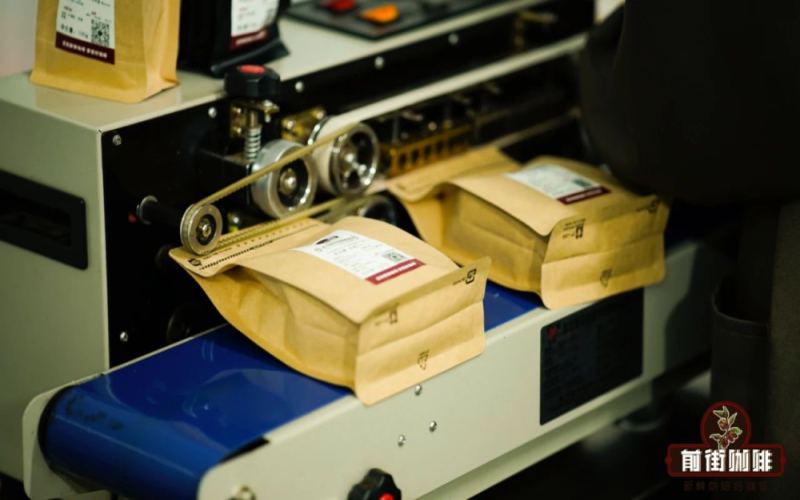
Recently, a friend asked Front Street Coffee: "Why should the air valve be sealed after coffee beans are ground into powder? Wouldn't that prevent the carbon dioxide inside the package from escaping?" The meaning of the exhaust valve on coffee packaging. Front Street Coffee immediately seals and packages the coffee beans after roasting and cooling, which can minimize the loss of coffee bean flavor. [more…]
What exactly is the difference between coffee bean resting, peak flavor period, and shelf life? Front Street Coffee helps you decode the time code of freshly roasted coffee.
Many people think coffee beans should be brewed right after roasting, but freshly roasted beans often carry a dry, smoky character and need to be rested to degas so the flavors become rounder. Drawing on years of roasting and cupping experience, Front Street Coffee has found that resting times vary from 3 to 7 days depending on the roast level, and the optimal flavor window usually falls between 7 and 20 days after roasting. The flavor window is not the same as the shelf life; the latter is merely the safe consumption period, often as long as 12 months or more. This article clarifies the complete timeline of coffee beans from fresh to stale across several dimensions—the principles of degassing, resting recommendations, the flavor window, and storage limits—and also tells you how much to buy at once and how to store it so nothing goes to waste. [more…]
Coffee Storage | Which is fresher: pre-ground coffee or freshly roasted coffee beans? How long is the shelf life of coffee beans? Can proper coffee bean storage methods extend the freshness of coffee?
Front Street recently noticed that some coffee-loving friends have stored their coffee beans unopened for two months, believing that as long as the bag is unopened, the beans won't go bad. In fact, it's true they won't spoil, but this will affect the flavor of the coffee beans. So in this next article, Front Street will explain a bit about cof [more…]
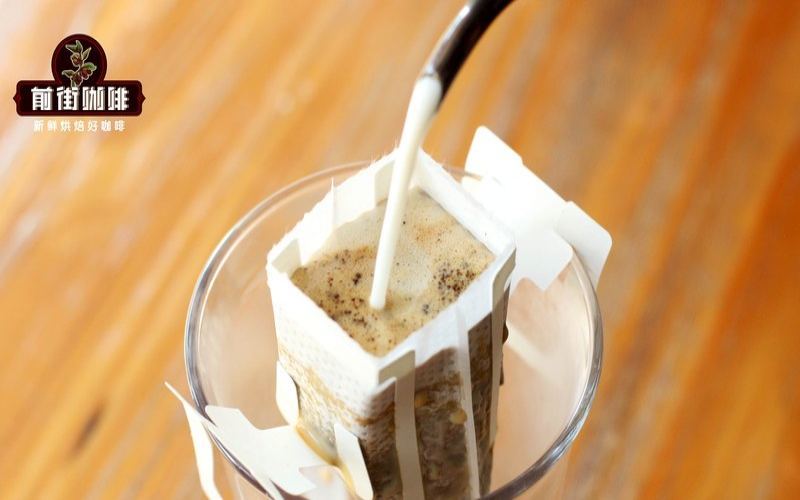
How to Choose Freshly Roasted Coffee: Balancing Budget and Drinking Frequency
Freshly roasted coffee beans reveal different facets depending on the brewing method. When buying beans day to day, you need to consider how quickly you'll drink them, how much to buy at a time, and whether you mainly make black coffee or milk coffee at home. Pour-over easily brings out the aroma, a coffee machine emphasizes intensity, and a moka pot amplifies richness, so when choosing beans you should first decide which [more…]
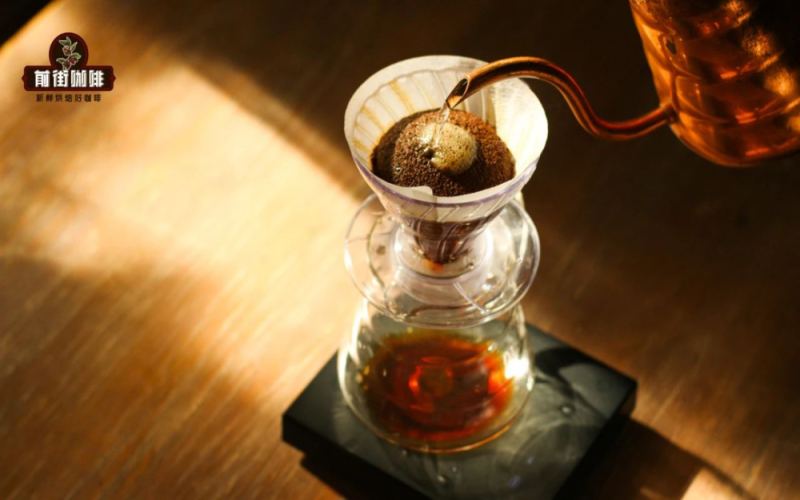
Freshly Ground Coffee vs. Drip Bag Coffee: A Freshness Comparison and a Guide to Ten Recommended Front Street Coffee Drip Bag Everyday Picks
For coffee to taste good, freshness is an unavoidable prerequisite. But what truly counts as "fresh"? The roast date, the timing of grinding, the retention of aroma—every one of these stages affects the flavor in the cup. Some people prefer the ultimate experience of freshly ground pour-over, while others value the convenience and consistency of everyday brewing. Drip bag coffee happens to sit right between the two—simple to use and varied in flavor, and as long as you choose products that are freshly roasted and ground-and-sealed, they can likewise reproduce the layered character of single-origin beans. This article first clarifies the actual differences in freshness between freshly ground and drip bag coffee, then introduces ten Front Street Coffee drip bag coffees one by one, covering different processing methods such as natural, washed, and wet-hulled, from bright fruity notes to rich, deep tones, to help you find the everyday staple that suits you. [more…]
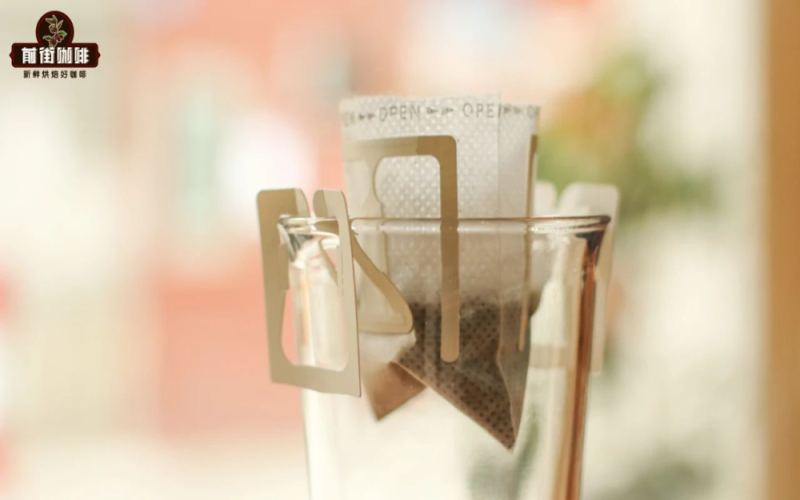
Freshly Ground Drip Coffee Bags | How Do Beginners Choose Drip Coffee Bags? Recommendations for High-Quality, Freshly Roasted, Low-Acidity, Not-Bitter Drip Black Coffee
The emergence of Front Street Coffee drip coffee bags is undoubtedly a blessing for coffee lovers who enjoy specialty coffee but don't want the hassle of a complicated brewing process. Some people believe that freshly ground coffee beans are the soul of brewing coffee, and would consider drip coffee bags unprofessional. Front Street believes there's no need to question the existence of drip coffee bags—the promotion of any food, after all, [more…]
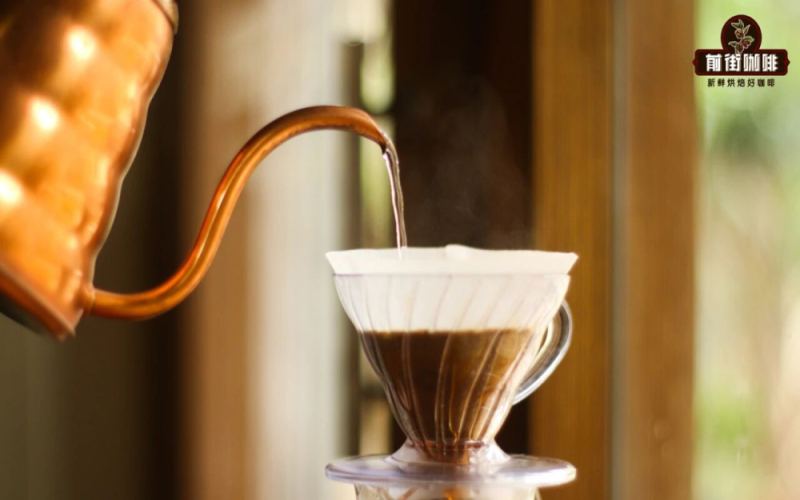
How to Determine the Coffee-to-Water Ratio for Pour-Over? Freshly Ground, Affordable Small-Pack Coffee Beans Recommendation List
To brew a great cup of coffee at home, choosing fresh coffee beans is the first step, and mastering the coffee-to-water ratio is the key. This article starts with the freshness of coffee beans, recommends 5 affordable small-bag coffee beans freshly roasted by Front Street Coffee, covering Huakui, Mandheling, Strawberry Candy, Cerrado Red Bourbon, and Sidra, and explains in detail the meaning and impact of the pour-over coffee-to-water ratio. Finally, using Golden Mandheling as an example, it provides complete brewing parameters and a step-by-step demonstration to help you understand how water volume influences coffee concentration and flavor expression. [more…]
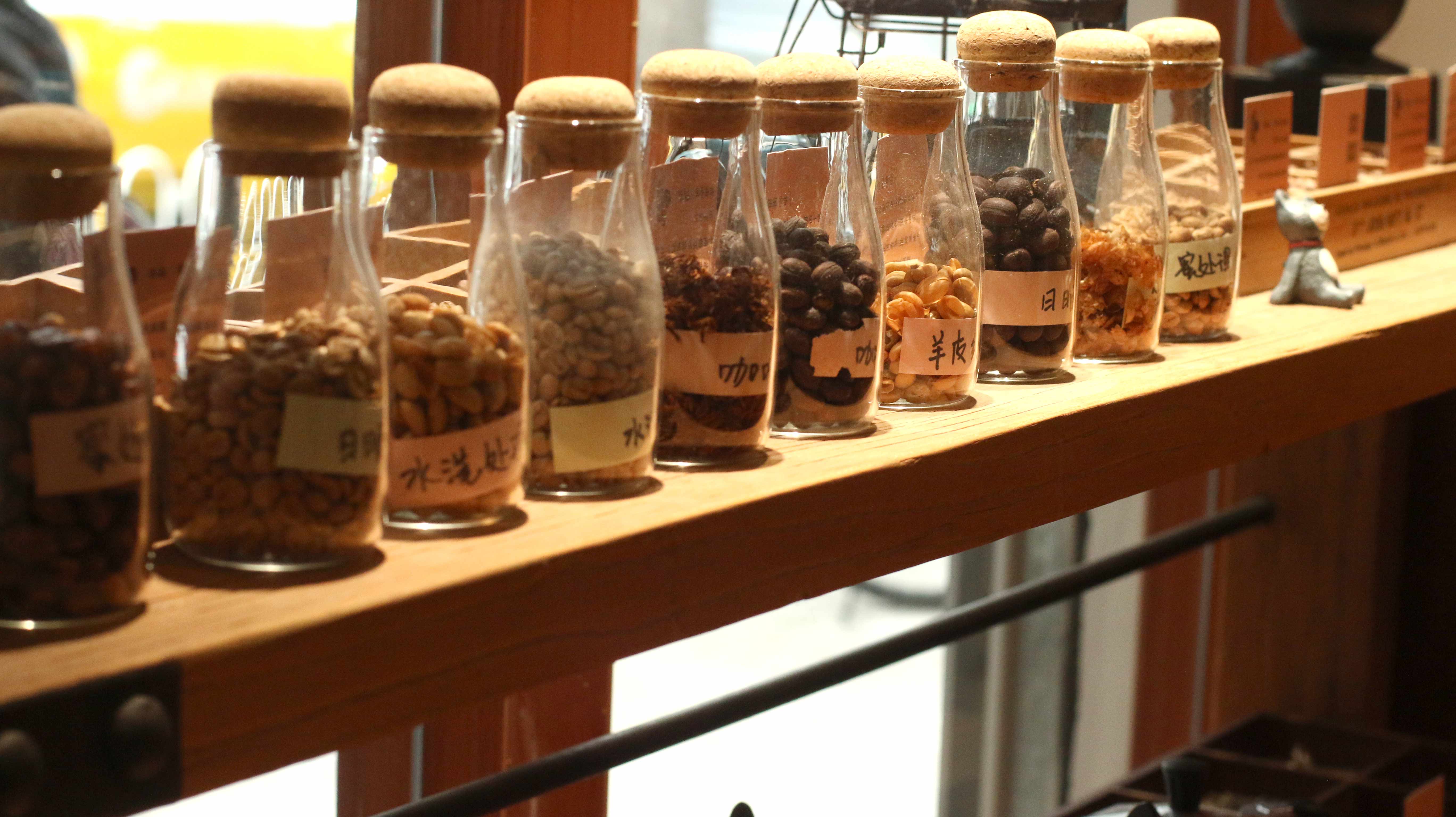
Guangzhou Local Freshly Roasted Coffee Beans Buying Guide: Ten Selected Recommendations of Front Street Single-Origin and Blends
For those who want to drink truly fresh coffee beans, specialty roasters are the top choice for many coffee lovers. In Guangzhou's old Dongshan area, there is a local brand that has been deeply engaged in specialty roasting for many years—Front Street Coffee, which insists on fresh roasting within 5 days, small-batch fine production, strictly selects green beans from global origins, and always stocks dozens of single-origin and blended coffees. This article compiles purchasing information for Front Street Coffee and lists ten freshly roasted coffee beans that buyers must try, covering espresso blends, Ethiopian natural, Geisha blends, Mandheling, Yirgacheffe, Kenya, Costa Rica, Colombia, Brazil, and Panama, with flavor descriptions and reasons for making the list to help you quickly lock onto your target according to taste. [more…]
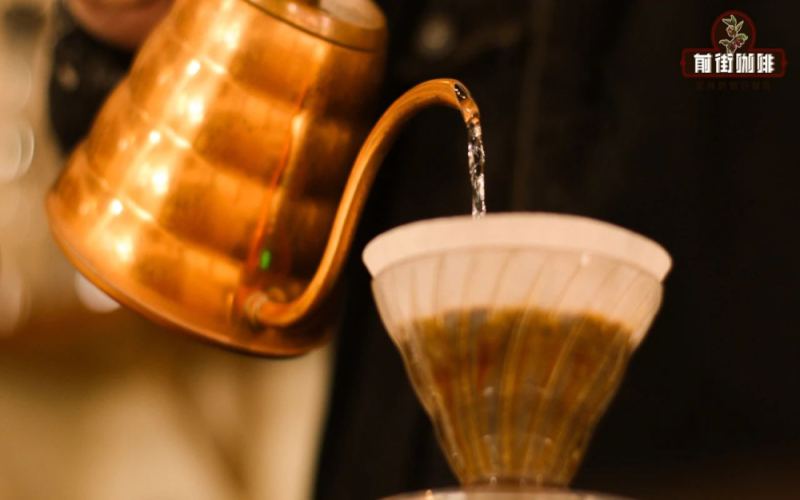
Do freshly roasted coffee beans need resting? How long should coffee beans rest?
After purchasing freshly roasted coffee beans, the question most commonly asked by beginners is: do these coffee beans need to be rested? The answer is: yes. However, in everyday situations, Front Street Coffee often gives a completely opposite answer: "No. The freshly roasted coffee beans you receive can be brewed directly; the time spent in transit is enough [more…]

Must freshly roasted coffee beans be rested before drinking? A complete guide to the principles of resting, judging duration, and bloom testing
Do freshly roasted coffee beans really need to rest for a few days before brewing? This question puzzles quite a few coffee enthusiasts. This article, from the perspective of Front Street, discusses the core logic behind coffee resting: why are freshly roasted beans often recommended to be left to sit for a while? What role does carbon dioxide play in this? How long do beans of different roast levels need to rest? Can beans that haven't rested properly still be drunk? In addition, we'll share a simple bloom observation method to help you roughly judge the current state of your beans. Whether you're used to waiting patiently or prefer to brew straight from the bag, understanding this knowledge will let you handle every bag of coffee at hand with greater ease. [more…]
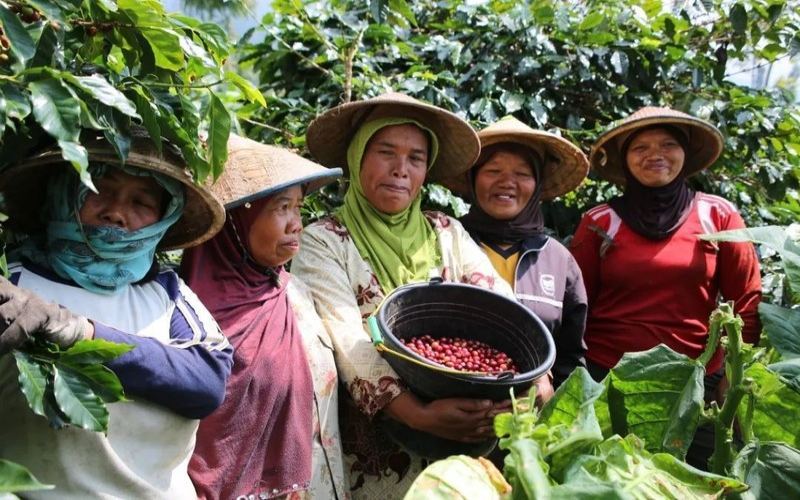
How to Choose Freshly Roasted Coffee Beans: Light, Medium, or Dark Roast
When a cup of coffee hits your palate, is it bright fruit acidity, gentle sweetness, or a cocoa-like heaviness? The roast level often determines the direction earlier than the name of the origin. When facing the bean list of a freshly roasted brand, you can first look at light, medium, or dark roast, then combine that with your usual brewing method and the range of flavors you can accept, and your choice will be more confident. Light roast beans [more…]
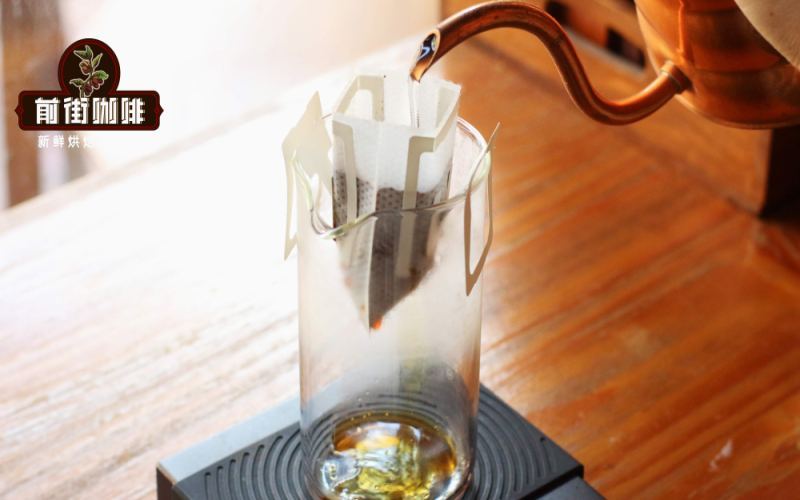
An Analysis of the Flavor Differences Between Drip Bag Coffee and Freshly Ground Pour-Over, with Recommendations for Three Specialty Drip Bags from Front Street Coffee and Brewing Steps
What exactly is the difference between drip bag coffee and freshly ground pour-over coffee? The core difference lies in the timing of grinding—drip bags use pre-ground coffee, while freshly ground coffee is ground only right before brewing. Once coffee beans are ground, carbon dioxide is released more rapidly, and flavor and aroma dissipate faster, so the optimal enjoyment period for drip bag coffee is usually 20-25 days, whereas sealed whole coffee beans can last 30-45 days. In addition, drip bag coffee and instant coffee are often compared, and the two differ significantly in solubility, taste, and composition. All Front Street Coffee products are freshly roasted; drip bags are ground and packed immediately after the beans cool, with each bag containing 10g. This article will analyze these differences in detail, include the complete brewing steps for drip bag coffee, and finally recommend three classic-flavor Front Street drip bag coffees for coffee lovers' reference. [more…]
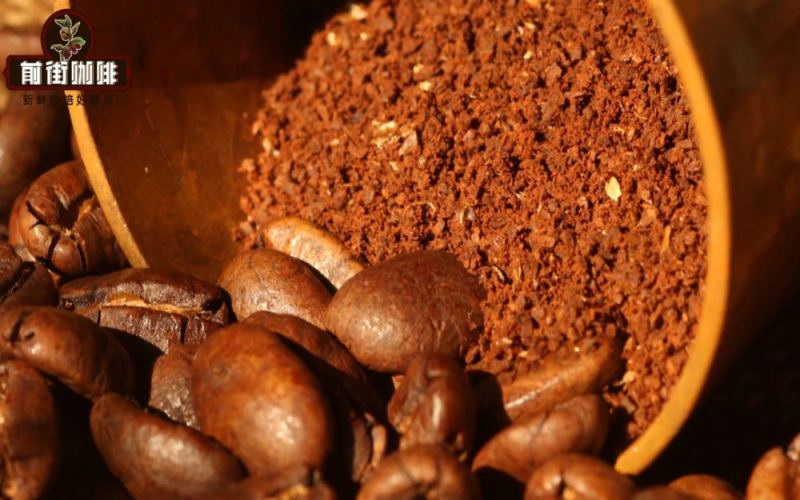
Can freshly roasted coffee beans be drunk immediately? Analyzing the necessity of resting beans and the optimal time to enjoy them.
Many coffee lovers believe that the fresher the coffee beans, the better, and some even can't wait to brew them straight out of the roaster. But is that really true? This article begins with the development of the domestic coffee market, reviewing the freshness dilemma of the past when people relied on imported beans, as well as the pursuit of coffee bean freshness after the rise of local roasting today. We will explore whether freshly roasted coffee beans are in their optimal drinking state, why beans need to be rested, and how to determine the appropriate flavor window. Whether you are a beginner just starting out or a connoisseur chasing the ultimate flavor, understanding the principles of resting beans can help you better enjoy a good cup of coffee. Front Street Coffee will also provide you with practical advice. [more…]
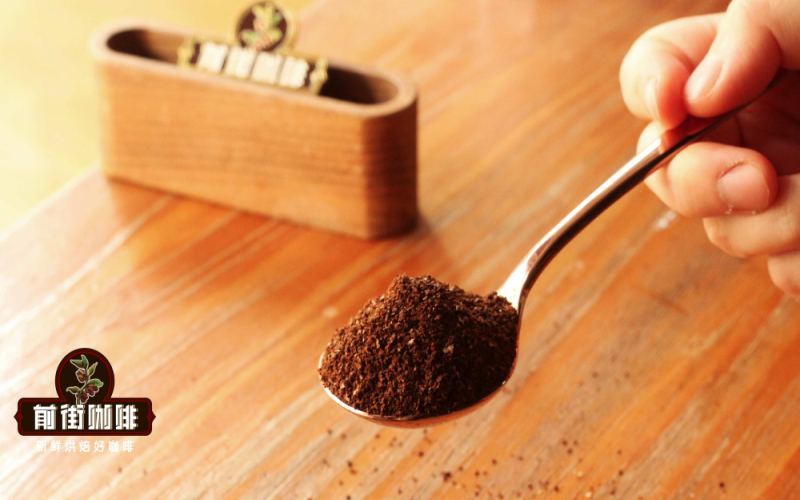
Instant Coffee vs. Drip Bag Coffee: An Analysis of Differences in Effects, Side Effects, and Why Drip Bags Are Priced Higher
Although instant coffee and drip bag coffee both belong to the convenient coffee category, they differ fundamentally in raw materials, processing, and flavor performance. Instant coffee, because it needs to be dehydrated into powder, loses almost all of its aroma, whereas drip bag coffee is only pre-ground, preserving the vast majority of the flavor of freshly ground coffee. Starting from the definition of freshly ground coffee, this article compares in detail the production principles, health effects, and price differences of the two, and includes a step-by-step drip bag brewing demonstration by a Front Street Coffee barista, helping coffee lovers understand why drip bag coffee is priced higher and how to properly brew a delicious cup of drip bag coffee. [more…]
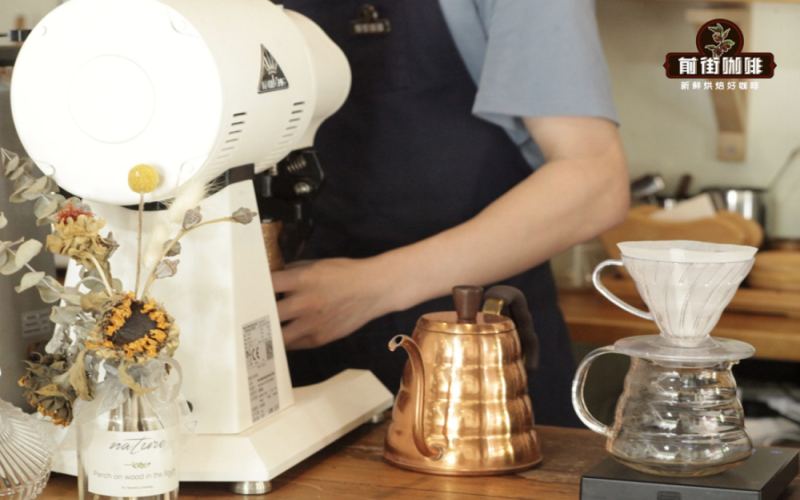
Drip Bag Coffee Peak Flavor Period | What Is the Difference Between Drip Bag Coffee and Pour-Over Freshly Ground Coffee? Is Drip Bag Coffee the Same as Instant Coffee?
The biggest difference between drip bag coffee and freshly ground pour-over coffee is that drip bags use pre-ground coffee. Is there really such a big difference between pre-ground and freshly ground coffee? There will always be some difference. After coffee beans are roasted, they retain a large amount of carbon dioxide, which helps preserve the flavor and aroma of the coffee. Once the coffee beans are ground into particles, [more…]