







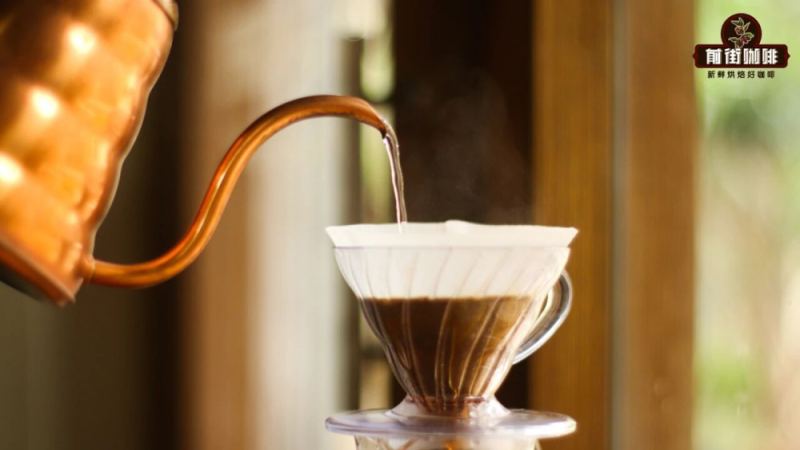
How Do You Dial In the Coffee-to-Water Ratio for Moka Pots?
Yes. The coffee-to-water ratio sets how concentrated the final cup tastes, and for pour-over a common starting point is around 1:15, meaning one part coffee to fifteen parts water. Adjusting that number is the simplest way to move a brew between thin and heavy without changing anything else, provided the beans themselves are fresh.
Freshly roasted beans, ideally within five days of the roast date and stored sealed, hold their aromatics far longer than pre-ground coffee, which matters more than gear. Note that beans suited to pour-over, such as fruity Ethiopian lots, are often not recommended for espresso machines or moka pots, where a darker, lower-acidity profile usually works better.
To brew a good cup of coffee at home, choosing the right fresh coffee beans is the first step, and mastering the coffee-to-water ratio is the key. This article starts with the freshness of coffee beans, recommends 5 affordable small-pack coffee beans freshly roasted by Front Street Coffee, covering Huakui, Mandheling, Strawberry Candy, Cerrado Red Bourbon, and Sidra, and explains in detail the meaning and impact of the pour-over coffee-to-water ratio. Finally, using Golden Mandheling as an example, it provides complete brewing parameters and step-by-step instructions to help you understand how water volume affects the concentration and flavor performance of coffee.
Front Street Coffee Pour-Over Coffee-to-Water Ratio - Freshly Ground Coffee-to-Water Ratio
Some friends have asked whether it is feasible to directly buy ground coffee. My suggestion is: as long as conditions allow, it is still more ideal to buy fresh coffee beans, grind them yourself, and then brew. The starting point of a delicious cup of coffee is specialty coffee beans that are sufficiently fresh, reliably high in quality, and clearly marked with the roast date on the packaging. Fresh roasting, combined with completely sealed packaging and proper storage conditions, allows the flavor of the coffee to be maintained for longer.
Front Street Coffee's coffee beans are all freshly roasted within 5 days and support shipping within 24 hours. When they arrive, they are at the ideal flavor stage and can be enjoyed right away.
TOP 1 Freshly Roasted Bagged Coffee Beans: Front Street Ethiopia Huakui
Front Street Huakui Flavor: rose aroma, strawberry sweetness and acidity, with a brandy-like aftertaste. It is a coffee with rich fruity notes and pronounced fruity acidity.
Suitable for: people who do not like bitter coffee, can accept the fruity acidity of coffee, and like rich yet light-bodied coffee. Not recommended for espresso machine or moka pot users.
TOP 2 Freshly Roasted Bagged Coffee Beans: Front Street Indonesia Mandheling. Sumatra
Front Street Indonesia Mandheling Flavor: herbs, nuts, caramel, chocolate, spices
Suitable for: people who prefer low acidity, obvious pine aroma, and a long-lasting sweet aftertaste, and who pursue full body while disliking sourness.
TOP 3 Freshly Roasted Bagged Coffee Beans: Front Street Strawberry Candy Espresso Beans
Front Street Strawberry Candy Flavor: nutty chocolate flavor, low acidity, richer and more intense, highlighting the rich and mellow characteristics of coffee when paired with milk.
Suitable for: people who use espresso machines or moka pots and like drinking milk coffee.
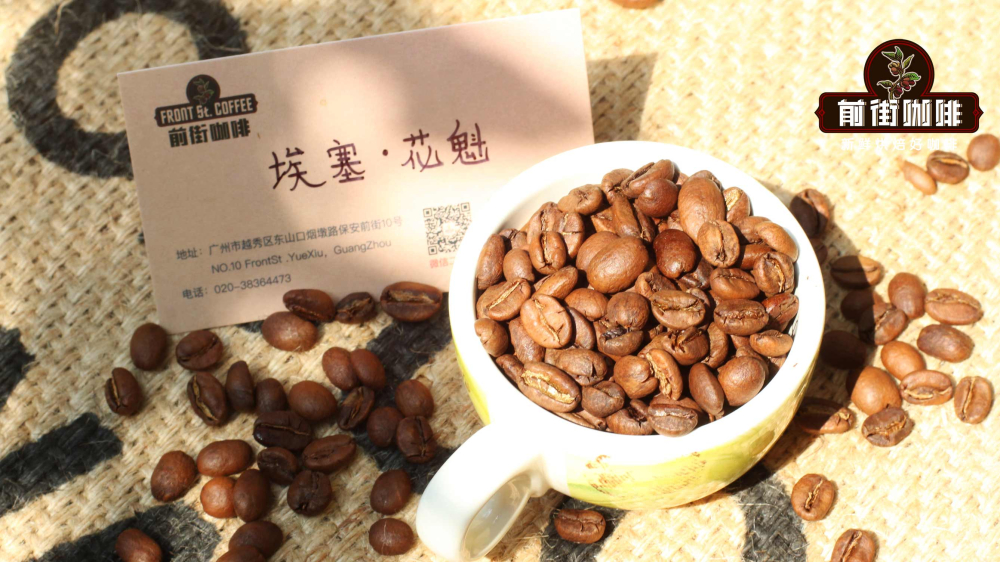
TOP 4 Freshly Roasted Bagged Coffee Beans: Front Street Cerrado Red Bourbon Coffee Beans
Front Street Cerrado Flavor: rich chocolate flavor, nutty sweetness, a typical nutty-flavor coffee.
Suitable for: people who do not like acidity, can accept bitterness but dislike grassy or woody flavors, like nutty flavors and low-acidity coffees, like adding milk and sugar, or use it as the base for coffee desserts.
TOP 5 Freshly Roasted Bagged Coffee Beans: Front Street Sidra Coffee Beans
Front Street Sidra Flavor: passion fruit, grape, dried apricot, citrus aroma, chocolate sweetness, fruity dessert wine aftertaste.
Suitable for: people who love iced coffee, like cold brew coffee, and enjoy coffee with fruity wine or fermented flavor styles.
If you want to fully appreciate the subtleties of the coffee beans mentioned above, pour-over is a recommended extraction method. During high-temperature roasting, coffee beans undergo a series of chemical reactions that produce various aromatic substances, and the purpose of brewing is to use water and equipment to release these aromatic components. The pour-over method is to first grind the coffee beans into powder, then pour in hot water so that the water contacts the coffee bed and "dissolves" substances from the coffee. Essentially, it uses a dripper together with filter paper or other tools to intercept the coffee grounds and prevent them from falling into the server, thereby obtaining a cup of clear black coffee.
What is the pour-over coffee-to-water ratio?
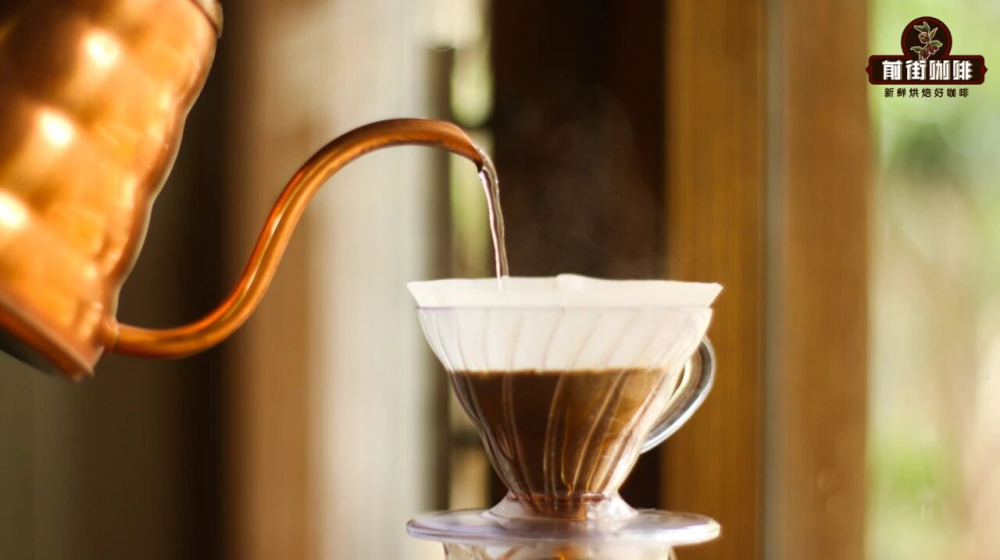
During the pour-over process, water acts as a solvent after contacting the coffee grounds, responsible for bringing out the soluble flavor substances inside the coffee, and the coffee-to-water ratio refers to how much water we use to release these substances. The so-called coffee-to-water ratio is the ratio of coffee grounds to total water volume, and it directly determines the concentration of the coffee. Regardless of which brewing method is chosen, Front Street determines the coffee-to-water ratio before extraction. Taking store service as an example, a single cup usually uses 15 grams of coffee grounds, and at a 1:15 coffee-to-water ratio, a total of 225 ml of hot water is poured.
With other parameters unchanged, the more water poured, the lower the coffee concentration and the more dispersed the taste; the less water poured, the higher the concentration and the more concentrated and heavier the flavor. In addition, increasing the amount of water also raises the coffee extraction yield, allowing more soluble substances to enter the cup.
How should coffee be brewed?
Here Front Street Golden Mandheling is used for demonstration, with a coffee-to-water ratio of 1:14.
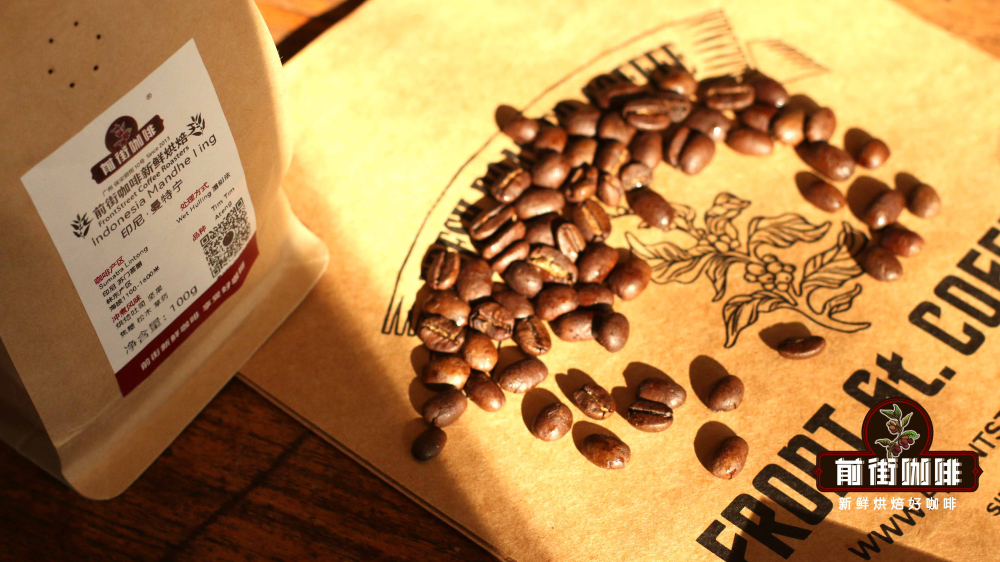
The flavor of Mandheling coffee is mainly nutty and chocolatey, so Front Street roasters choose a medium-dark roast. The darker the roast, the looser the texture of the coffee beans and the easier they are to extract during brewing, so Front Street uses a lower water temperature of 86-88°C to avoid over-extraction and unpleasant bitterness.
Dripper: KONO dripper
Water temperature: 87°C
Coffee dose: 15 grams
Coffee-to-water ratio: 1:14
Grind size: medium-coarse grind (70% passing through a Chinese standard No. 20 sieve)
First rinse the KONO dripper with hot water so that the filter paper fits more tightly against the dripper. After pouring out the water in the server, add 15 g of ground coffee, bloom with 30 g of water for 30 seconds, then pour in a small stream in circles around the center. When the water reaches 105 g, begin the next stage. Wait until the coffee bed drops to half the height of the dripper, then pour the second stage using the same method until it reaches 210 g. Once all dripping is complete, remove the dripper.
The Front Street Golden Mandheling extracted this way first gives off aromas of wood and caramel. Drunk while hot, it is very full-bodied, with flavors of dark chocolate, spices, cream, pine, and caramel, and almost no acidity can be detected. As the temperature gradually drops, the earlier bitterness becomes softer and is accompanied by an obvious sweet aftertaste, like drinking a cup of aged Pu'er tea, with a long-lasting finish.
The above content is compiled by CoffeeHunters, a coffee news website.


