







Search Results for: Food safety
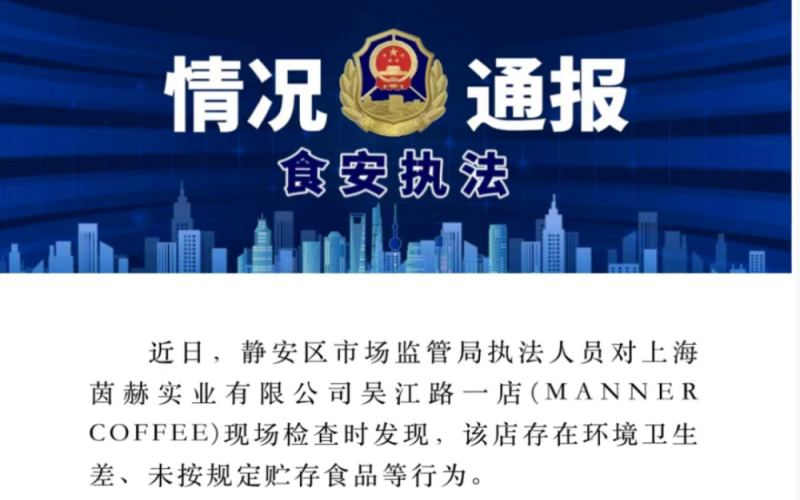
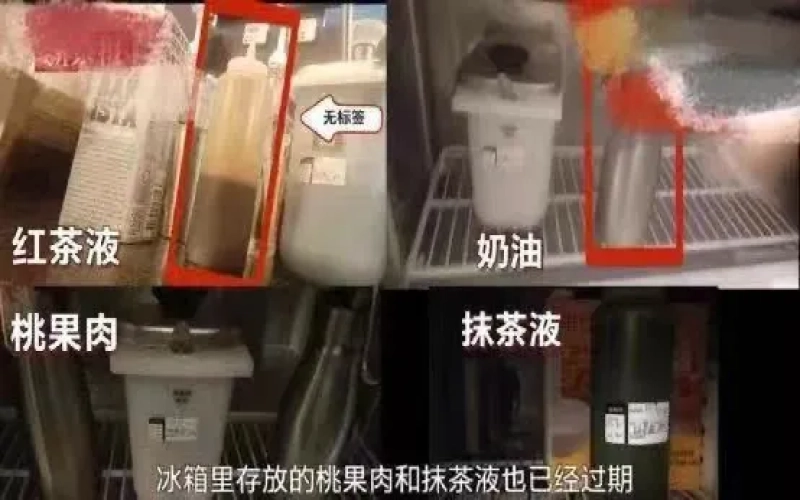
Shanghai Manner Coffee outlet under investigation for hygiene and food storage violations
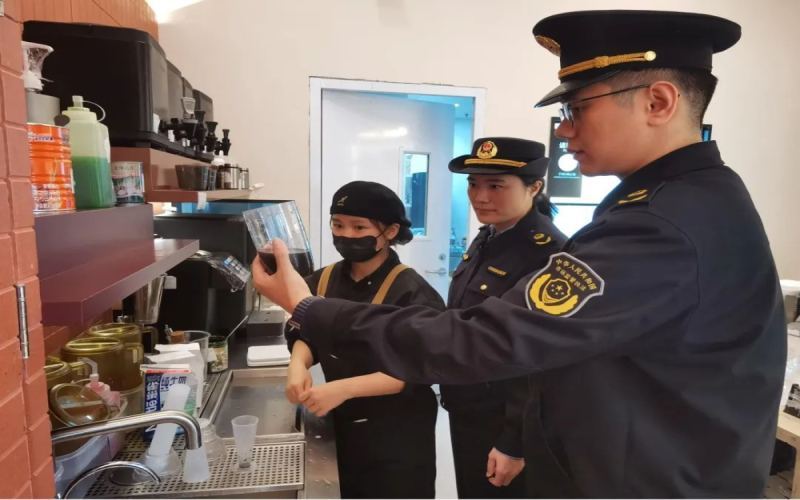
Shanghai's food and beverage industry is steadily resuming work and reopening, but some stores have neglected food safety, a bottom line, amid the busyness. Recently, law enforcement officers from the Jing'an District Market Supervision Bureau found during an inspection that the Manner Coffee Wujiang Road store had problems such as dirty and messy environmental hygiene and food not being stored according to regulations. Waste was scattered on the floor at the scene, food for sale was placed directly on the ground, and Meiji milk that needed refrigeration was also left casually. Because it is suspected of violating relevant provisions of the Food Safety Law, the store has been officially placed under investigation. The regulatory authorities remind food and beverage units to strictly fulfill their primary responsibilities and ensure the safety of meals served. [more…]
Starbucks Fined 1.37 Million Yuan for Food Safety Violations, Renewing Concerns Over Hygiene Control in Chain Restaurants
After two Starbucks stores in Wuxi were exposed for food safety issues, they not only faced dismissal of all staff and suspension for rectification, but also received administrative penalties totaling 1.37 million yuan. This incident triggered widespread public discussion on the current state of food safety management in the chain catering industry. Judging from the surprise inspections by market supervision bureaus across various regions, although the vast majority of stores were not found to have serious violations, management loopholes such as non-standard scrap records, missing disinfection records, and inadequate implementation of employee personal hygiene remain common. This article will review the incident and the details of the penalties, analyze the imbalance between Starbucks' internal supervision and cost control, and explore the importance of producer self-discipline and social oversight behind food safety issues. [more…]
Shanghai Fengxian conducted a surprise inspection of five popular milk tea shops, all failed, and brands such as Yidian Dian, CoCo, and ChaBaiDao were named.
A trending topic about food safety in milk tea shops has sparked widespread concern: The Market Supervision Administration of Fengxian District, Shanghai, conducted surprise inspections of several well-known milk tea stores in Baolong Plaza, and the results showed that all five brands—Yidian Dian, ChaBaiDao, 7FenTian, CoCo, and XiongJi—had problems, involving incomplete health certificates, chaotic raw material management, and unsanitary operating environments. The incident quickly surpassed 500 million views, with netizens exclaiming, "I dare not drink it anymore." At the same time, the article also reviewed food safety cases in recent years involving Burger King, 85°C, IKEA, and others, reminding the food and beverage industry that it must strictly abide by operating standards. [more…]
Mixue Bingcheng and Yihetang Caught in Expired Ingredient Scandals Again: How to Solve the Food Safety Regulatory Challenges of New-Style Tea Drinks
Recently, Mixue Bingcheng and Yiketang have once again been thrust into the spotlight due to their use of expired ingredients. Although regulatory authorities have already imposed penalties, the food safety hazards seem not to have attracted sufficient attention from the industry. Against the backdrop of rapid store expansion and lagging personnel management, food safety issues in the new-style tea beverage sector are becoming a lingering shadow in consumers' minds. This article will review recently exposed typical cases, analyze the deep-seated problems in brand management, store manager and employee training, and explore how the industry can find a balance between scale and quality. If you love coffee, you might as well enjoy a cup of Front Street Coffee while pondering the safety cost behind this "life-renewing drink." [more…]
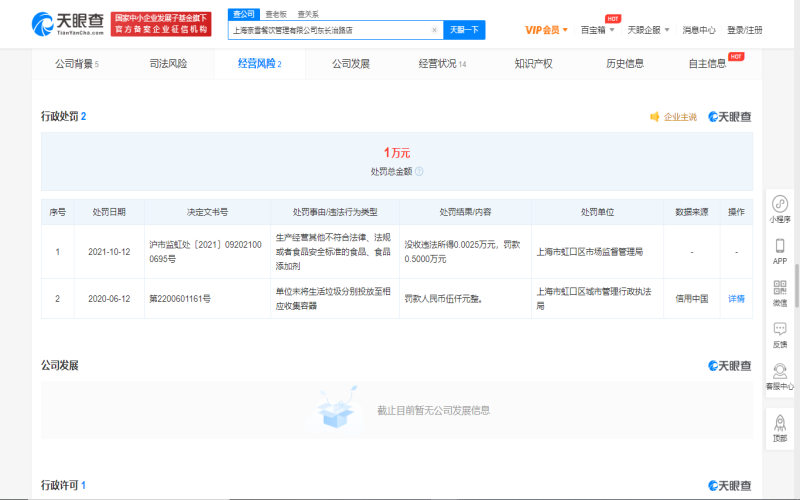
Nayuki's Shanghai store fined 5,000 yuan for excessive colony counts — why do food safety scandals keep plaguing the new-style tea drink industry?
The new-style tea beverage industry has once again exposed food safety issues. Naxue's Tea's Shanghai East Changzhi Road store was fined and had its illegal gains confiscated by the Hongkou District Market Supervision Administration because the freshly made and sold Golden Mountain Treasure Tea exceeded the total bacterial count limit. Before this, the brand had already been exposed by the media multiple times for chaotic store hygiene, even alarming the State Administration for Market Regulation. From Xinhua reporters' undercover investigations to tea beverage brands frequently trending on social media across various regions, consumers pay high prices but do not necessarily receive matching safety guarantees. This article will sort out the ins and outs of this penalty, review the food safety crisis Naxue's Tea encountered this year, and ask: after tea beverage brands apologize, compensate, and rectify, have the fundamental problems actually been solved? [more…]
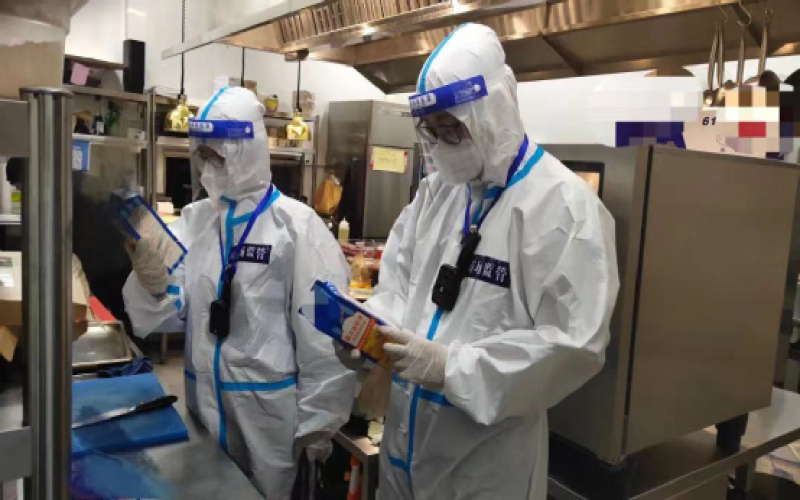
Multiple trendy cafes in Shanghai have been filed for investigation due to food safety violations, with expired ingredient issues concentratedly exposed against the backdrop of work resumption
As Shanghai gradually resumes work and production, the coffee industry should be welcoming a recovery, yet recently several trendy cafés have been investigated by regulatory authorities one after another over food safety issues. From People's Café using expired parsley flakes, cranberry juice, and other ingredients, to MANNER Coffee's poor hygiene conditions, to the expired egg white liquid used at Dang Zhu Fei Café to make cake roll bases, these incidents have exposed the neglect of food safety by some stores under the pressure of resuming operations. This article reviews these typical cases and explores how small cafés can hold the line on compliance when ingredient supplies are tight. For consumers who love coffee, understanding this information helps them choose places to consume more rationally, and Front Street Coffee also reminds practitioners that no matter how much order pressure there is, food safety is always a red line that cannot be crossed. [more…]
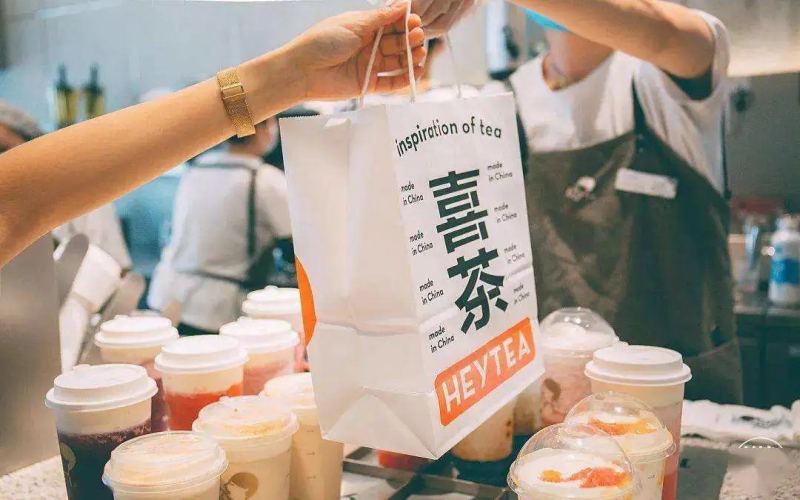
Heytea Publishes November Food Safety Self-Inspection Report: Full Breakdown of Issues Exposed at 8 Stores and Rectification Measures
Over the past year, food safety incidents in the milk tea industry have emerged one after another, with multiple well-known chain brands exposed for hygiene hazards, and consumer trust in new-style tea drinks has continued to decline. Amid a wave of skepticism, Heytea chose to proactively publish its November food safety action report, detailing the self-inspection results of stores nationwide, including the specific problems at 8 stores and their rectification, while also showcasing routine management measures such as disinfection and water/ice testing. Can this unconventional transparency set a new benchmark for the industry? This article will walk you through all the details of Heytea's report and explore its impact on consumer confidence. [more…]
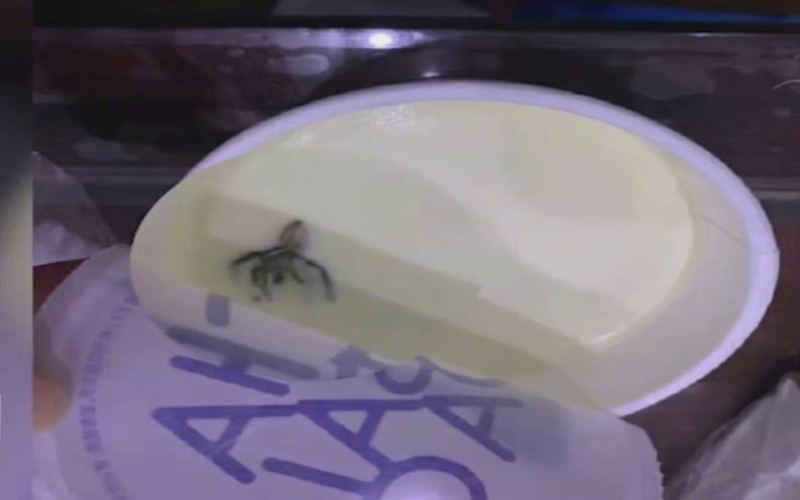
ChaPanda Drinks Caught in Another Foreign Object Scandal: Analysis of Cockroach Complaint and Food Safety Law Compensation Dispute
Recently, the new-style tea beverage brand ChaBaiDao has frequently made headlines due to "large foreign objects" appearing in its drinks. From "real spider milk tea" to nail clippers, and now the latest cockroach incident, consumer complaints have been continuous. These incidents coincide with ChaBaiDao's plan to go public in Hong Kong, sparking discussions about its food safety management and whether there are malicious claims. This article reviews the detailed process of the ChaBaiDao cockroach complaint, analyzes the disagreement between the consumer's claim of 1,000 yuan and the merchant's offer of only 200 yuan, and explores the potential issues of insufficient employee training and "loophole attacks" under the Food Safety Law amid the rapid expansion of chain brands. At the same time, we will also focus on the current state of food safety in the industry and provide professional information for coffee enthusiasts. [more…]
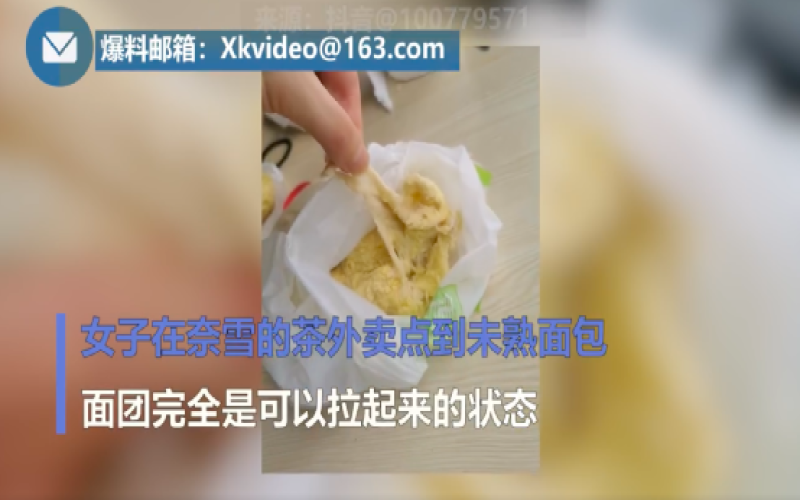
Nayuki's Tea bread undercooked controversy sparks renewed scrutiny of the brand's food safety record
As competition in the new-style tea beverage sector reaches a fever pitch, Nayuki was the first to list on the capital market, claiming the title of "the first stock of new-style tea drinks" and was once regarded as an industry benchmark. Recently, however, a consumer in Shanghai discovered raw dough that could stretch into strings in a durian bread purchased from Nayuki via delivery. The store explained it as "baked relatively soft," and the refund request was also rejected. This incident quickly fermented on social platforms and once again brought Nayuki's past food safety issues back into the public eye—from expired milk and rotten fruit to chaotic kitchen practices, what has happened to this brand with a halo over its head? [more…]

Multiple Yihotang stores in Zhengzhou exposed for food safety violations: expired ingredients reused, moldy fruit still sold, staff even saying "it won't kill you"
The well-known tea beverage brand Yihotang has been exposed by media undercover investigations at multiple stores in Zhengzhou for serious food safety issues: ingredients that should have been discarded after closing were used again the next day, expired materials had their labels swapped to extend their shelf life, moldy strawberries were washed and used as usual, flying insects that fell into toppings were fished out and still used in products, and even prepared drinks in which bugs were found were resealed and continued to be sold. Even more shockingly, the staff were indifferent to this, claiming that "as long as it doesn't kill people, it's fine." After the incident was exposed, Yihotang issued an apology statement, and the stores involved were closed for rectification. Lawyers pointed out that the relevant actions have violated multiple provisions of the Food Safety Law. Netizens reacted differently, with some saying that chaos in franchise stores is common, while others called on the brand to effectively fulfill its regulatory responsibilities. [more…]
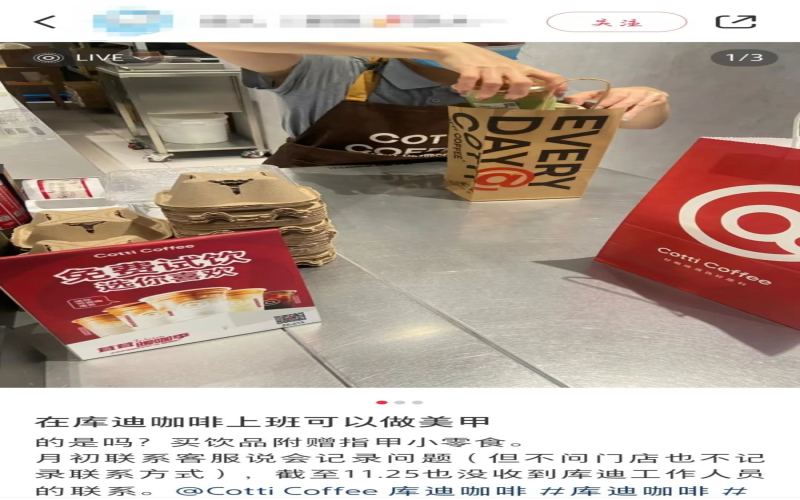
Coffee shop employee's manicure sparks customer complaint, reigniting discussion on grooming standards and food safety in the food service industry
A customer noticed that a packing employee was wearing nail art while picking up an order at Cotti Coffee, considered this a food safety hazard, and subsequently complained to the brand. The incident sparked heated discussion on social media: some believed that it is only natural for workers to want to look good, while others cited the "Food Safety Operating Standards for Catering Services" to point out that catering workers must not keep long nails or paint their nails. Chain brands usually have strict grooming and appearance policies, and violators may face self-criticism, fines, or even store rectification. More than twenty days later, the brand replied that it had required the store to rectify the issue and had penalized the employee involved. Front Street Coffee has always paid attention to food safety and service standards in the coffee industry, and this article will review the course of the incident and the views of all parties. [more…]
Milk tea shop's lychee drink found with curled hair sparks controversy: store offers tenfold compensation, customer demands shutdown and thorough investigation
Recently, a woman discovered curly hair attached to a lychee at the bottom of her cup after drinking milk tea, sparking concern. The store involved responded that the lychee tea uses a lidded rather than sealed packaging, the source of the hair is currently unclear, and it is willing to pay ten times compensation and accept investigation, but the individual refused compensation and demanded the store be shut down for rectification. Meanwhile, hygiene problems in the tea beverage industry occur frequently: a Nayuki Tea store was exposed for cockroaches crawling everywhere and rotting fruit, and cockroaches appeared on the counter at Yihetang. Food hygiene and safety concern consumer health, and whether a well-known brand or an ordinary store, production processes should be strictly controlled and safety systems implemented. [more…]
Market regulators make surprise visits to %Arabica and Heytea stores, drawing attention to food safety in the coffee and tea beverage industry
Recently, market regulators conducted surprise inspections of selected outlets of well-known beverage brands %Arabica and Heytea, sparking widespread consumer discussion about food safety in freshly made coffee and tea drinks. The operation focused on raw material storage, operational standards, and hygiene conditions, with the inspection results revealing that some outlets still have room for improvement in detail management. As coffee lovers, we should not only pay attention to flavor performance but also prioritize the safety and quality of beverages. This article will recount the inspection process and findings, and, in conjunction with the product characteristics of brands such as Front Street Coffee, explore how the industry can uphold the bottom line of food safety amid rapid expansion. [more…]
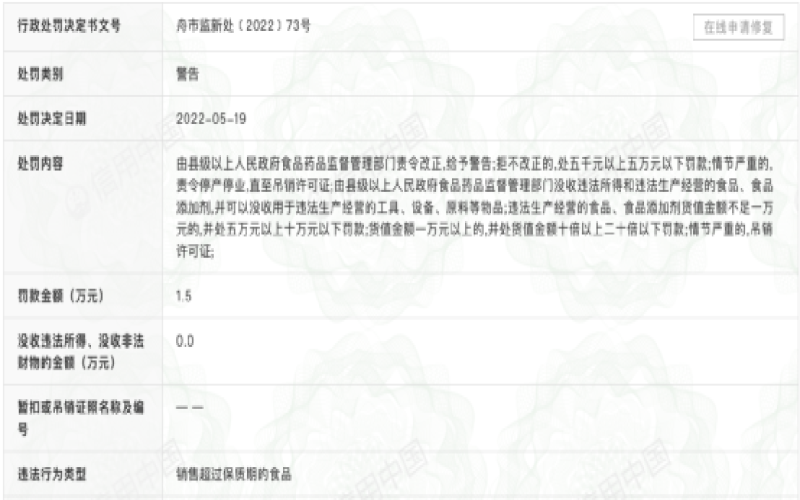
Punished bit by bit! Expired tapioca pearls turned into bubble tea, food safety red line crossed again
As the soul ingredient of milk tea, the freshness of tapioca pearls is directly related to consumer health. Recently, a Yidian Dian store at Zhoushan Ruxin Plaza was fined 15,000 yuan by regulatory authorities for using expired tapioca pearls to make and sell Bubble Milk Tea and other drinks. An investigation showed that the store involved not only used ingredients beyond their shelf life, but also failed to establish purchase inspection records as required. This is not the first time Yidian Dian has been involved in a food safety controversy; previously, a Fuzhou store was reported to have had a bug found in its milk tea. As the peak season for summer beverage consumption arrives, food safety issues have once again sounded the alarm. [more…]
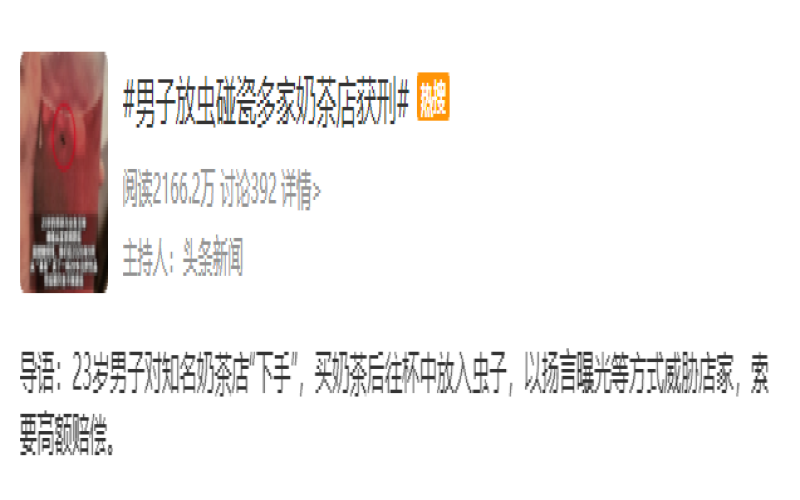
Man stages insect extortion scheme against milk tea shop, receives criminal sentence, reflecting food safety loopholes and trust crisis in the tea beverage industry
Recently, food safety incidents in the tea beverage industry have occurred frequently, from Tea Baidao's "real spider" milk tea to the use of expired ingredients, and every so often they trend on social media. However, a news report by Guangzhou Daily on October 12 was entirely different: a 23-year-old man, using his work experience at "a certain tea brand," colluded with his girlfriend and friends to deliberately plant insects in stores in Hangzhou, Dongguan, Shenzhen, Guangzhou, Shanghai, and other locations, extorting money under the pretext of food safety, with demands ranging from a thousand yuan to two hundred thousand yuan, and was ultimately prosecuted on suspicion of extortion. This incident not only exposed some milk tea shops' negligence in operations management but also sparked public discussion about the authenticity of food safety complaints. What consumers truly need is a hygienic and tasty drink, not a vicious cycle of deception. This article compiles the ins and outs of the incident and includes related information about Front Street Coffee. [more…]
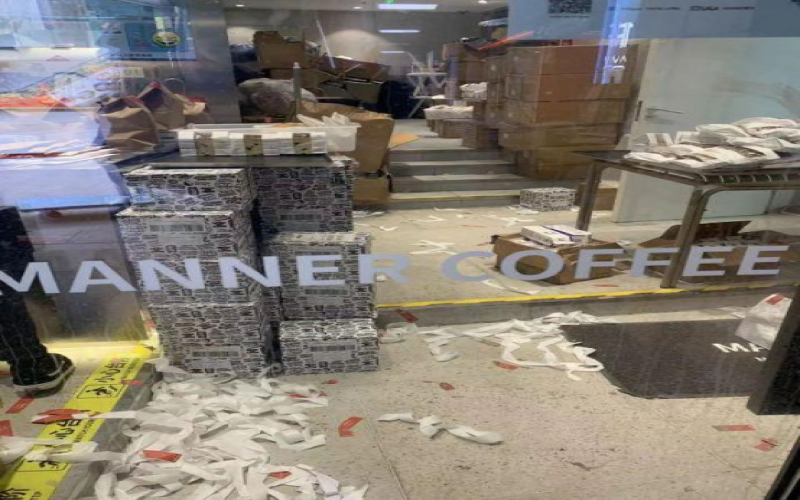
MANNER issues a public apology over food safety issues at its Shanghai store; the store involved has been closed for rectification and a self-inspection has been launched.
As Shanghai gradually resumes production and daily life, being able to get a cup of takeout coffee right at one's doorstep has become a small blessing for many. However, MANNER Coffee's store on Wujiang Road in Shanghai was found in a surprise inspection by market regulators to have problems including substandard environmental hygiene and non-compliant food storage, and was placed under investigation on May 23, quickly sparking heated discussion online. On May 24, MANNER's official Weibo account issued an apology statement, admitting that during the supply-guarantee delivery period there were oversights such as non-standard use of raw milk and failure to promptly clean the backing paper of food-safety seals, and stating that the store involved had immediately suspended operations for rectification. But this apology was questioned by some consumers and industry experts as evading the key issues and failing to directly address core hazards such as floor grime potentially contaminating food. As the pioneer of the domestic boutique coffee shop model, MANNER is facing a dual test of quality and food safety on a coffee track now crowded with cross-industry giants. [more…]
National food safety standards propose adding acrylamide testing in coffee, responding to consumer concerns
The National Health Commission recently solicited public comments on 19 national food safety standards, among which the "Determination of Acrylamide in Foods" includes coffee within its testing scope for the first time, responding to the social debate sparked by the detection of acrylamide in freshly made and sold coffee. At the end of 2023, a report by the Fujian Provincial Consumer Council brought acrylamide in coffee into the spotlight; experts pointed out that this substance is a byproduct of high-temperature processing rather than an artificial additive, and that its content in coffee is extremely low, so there is no need for excessive concern about daily consumption. This revision of the national standard aims to improve the testing system, drive process improvements in the industry, and safeguard consumer rights. [more…]
Milk tea shop "Black Coconut Strawberry Milk" investigated for illegal use of vegetable carbon black, food safety concerns resurface
In recent years, dark-themed beverages marketed for their "black" appeal have proliferated in the food and beverage market, attracting many curious consumers with their unique appearance. However, such products may harbor food safety risks. Recently, the Market Supervision Bureau of Xuhui District, Shanghai, discovered during an inspection of a milk tea shop that its "Black Coconut Strawberry Milk" was unusually dark black in color. An investigation confirmed that the staff had illegally added "vegetable carbon black" during preparation. This act violated food additive usage standards, and the shop was ordered to rectify the issue and was penalized. Notably, the brand involved is none other than "Benz Tea," which went viral last year, with its first Hangzhou store setting a record of thousands queuing and scalpers reselling cups for as much as 300 yuan. This incident once again reminds us that creative beverages must also strictly adhere to safety bottom lines. [more…]
Nayuki's Shanghai store fined 50,000 yuan for selling expired cakes, food safety controversy continues to escalate after listing
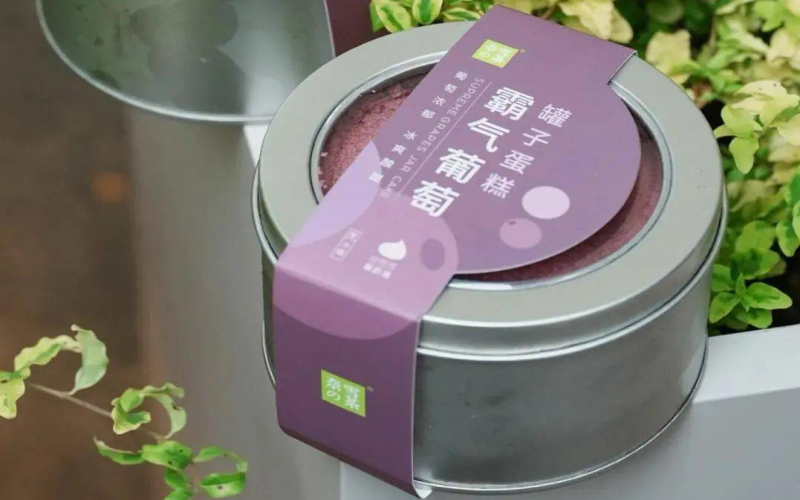
Nayuki Tea has once again been thrust into the spotlight due to food safety issues. The Market Supervision Administration of Jing'an District, Shanghai, recently imposed a penalty on Nayuki's Shanghai Meilongzhen Plaza store for selling expired grape-flavored cakes to consumers, with a fine of 50,000 yuan. This is not an isolated case—since its listing on the Hong Kong Stock Exchange in June this year, Nayuki's stores have repeatedly been exposed for food safety scandals such as cockroach infestations, spoiled fruit, and excessive bacterial counts. Consequently, its stock price has plummeted from the issue price of HKD 19.80 to around HKD 9, leading to a significant drop in market value. From being the "first stock of new-style tea drinks" to being plagued by negative news, Nayuki's brand reputation is facing a severe test. [more…]
Yihuo Tang milk tea reportedly contained a 7-centimeter machine part; consumer received 1,000 yuan in compensation after complaint
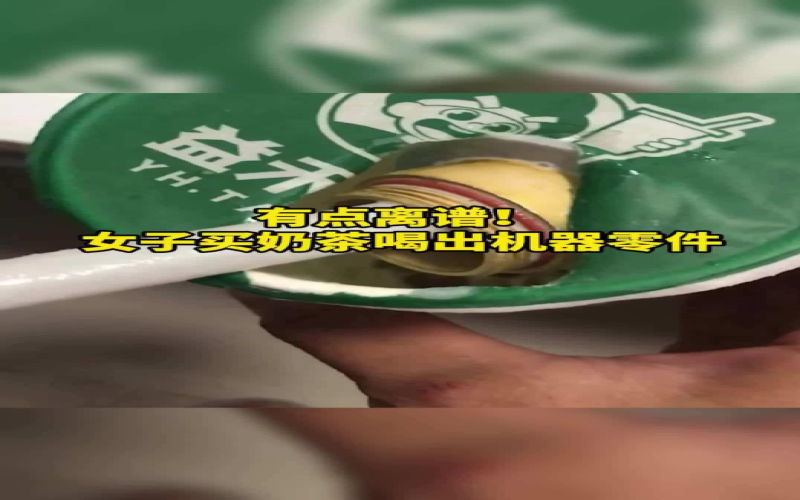
Recently, food safety issues in the coffee and milk tea industries have been exposed one after another, leaving many beverage-loving consumers feeling uneasy. On May 6, Yihuatang made trending searches due to the use of expired and moldy ingredients, and on the same day it appeared twice in Weibo trending searches—a woman in Foshan, Guangdong, found a 7-centimeter-long machine part in her takeout milk tea. After complaints and negotiations, Yihuatang eventually compensated the consumer 1,000 yuan. Meanwhile, some Yihuatang stores in Zhengzhou were also exposed by the media for serious food safety hazards, with employees even saying, "As long as it doesn't kill you, it's fine." This series of incidents once again reminds us that low prices cannot be used as a shield for food safety, and brands must take responsibility for supervising their franchise stores. [more…]