







Search Results for: Food Additives

Luckin was fined 5,000 yuan by the market supervision bureau for employees privately removing prepackaged food labels and selling the items to customers.
A Luckin Coffee store received a fine of 5,000 yuan from the market supervision authorities simply because a staff member removed the outer packaging of a food item for a customer. Here is what happened: a consumer reported that they had purchased a pack of "mini mochi" pre-packaged food at a Luckin store, but the staff member removed the outer packaging bearing label information before handing it to the customer without obtaining consent. Upon verification, this act was determined to constitute selling pre-packaged food without labels. Although the illegal gains amounted to only 2.67 yuan, it still violated the relevant provisions of the Food Safety Law. Behind this seemingly minor penalty lies the consumer's right to know the source and quality of food. Front Street Coffee also reminds all practitioners that labels on pre-packaged food are not optional but a mandatory legal requirement. [more…]
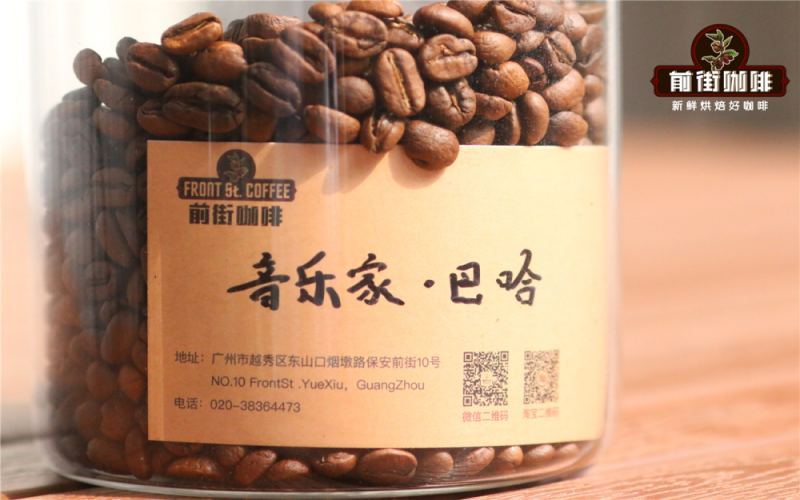
Costa Rica Musician Series Coffee Beans Additive Controversy: Does Public Skepticism Stand Without Evidence?
Recently, the Costa Rica Musician series coffee beans have been thrust into the spotlight, with a public account publishing a series of articles questioning whether they contain added flavorings or even pineapple peel, and claiming that the bean merchant destroyed evidence. After reading through the entire course of the incident, Front Street Coffee believes that these accusations remain at the level of speculation and lack substantive test reports. This article focuses on the three major elements of specialty coffee—variety, altitude, and processing method—to sort out the floral and fruity aromas that anaerobic fermentation and natural processing may bring, explore the boundary between public questioning and the legal burden of proof, and reiterate that making reckless accusations when evidence is insufficient is equally worthy of caution. [more…]
Did the Costa Rican Musician Series coffee beans really have added flavoring? Front Street Coffee takes a deep dive into the whole controversy.
Recently, the Costa Rican Musician series coffee beans have sparked heated discussion after being questioned for allegedly containing added flavoring. The WeChat public account Coffee Complaints published three consecutive articles, raising claims such as the beans containing flavoring, pineapple peel being added, and the bean merchant destroying evidence. After carefully reading the entire sequence of events, Front Street Coffee believes that most of these accusations remain at the speculative stage and lack substantive evidence. Specialty coffee emphasizes variety, altitude, and processing methods; anaerobic fermentation and natural sun-drying can themselves impart rich flavors to the beans, and all unconventional operations should not be regarded as "tampering." This article sorts out the focal points of the controversy, explores the relationship between public questioning and the burden of proof, and retains Front Street Coffee's recommendations regarding product information for the Musician series. [more…]
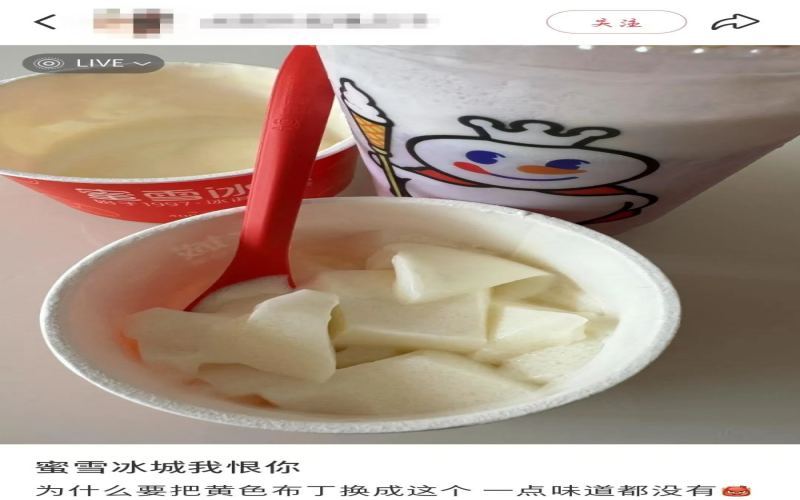
Mixue Ice Cream & Tea's Egg Pudding Quietly Changes Recipe, White Milk Pudding Launch Sparks Customer Controversy and Cost Discussions
Recently, a classic topping at Mixue Bingcheng—egg pudding—unexpectedly turned into a milky white milk pudding without any notice, surprising and even upsetting many longtime customers. Some complained about a strong milky odor and bland taste, while others speculated that the brand had changed the recipe to cut costs. However, store employees revealed that the new recipe actually uses more refined ingredients, requires the addition of fresh milk, slightly increases costs, and contains fewer additives. Behind this pudding color-change controversy, is it a healthy upgrade or a compromise on consumer taste? This article will walk you through the course of events, what employees say, and the overall direction of Mixue Bingcheng's topping recipe adjustments. [more…]
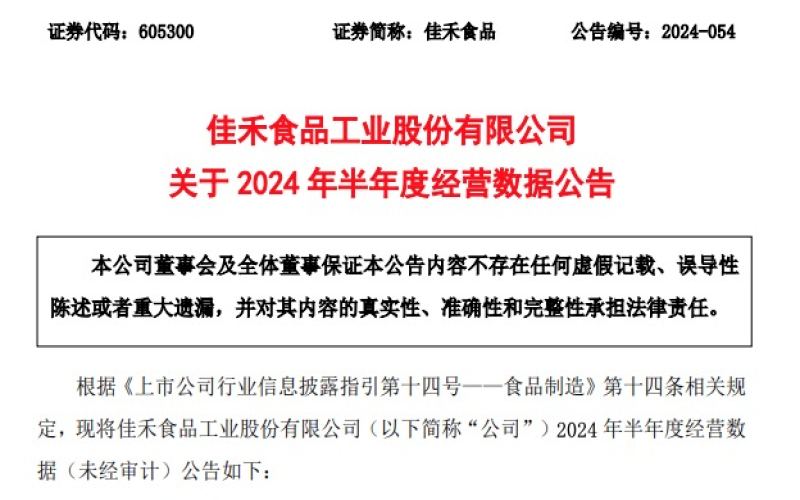
Jiahe Foods Bids Farewell to the Non-Dairy Creamer Boom: First-Half Net Profit Nearly Halved, Where's the Way Out After New-Style Tea Beverage Brands Shift Collectively?
Jiahe Foods delivered a rather unimpressive performance in the first half of 2024: revenue of 1.073 billion yuan, down 19.12% year-on-year; net profit of 69.4439 million yuan, nearly halved year-on-year. This company, known as the "king of non-dairy creamer," once held a leading position in the industry thanks to the era of Nestlé instant coffee and the explosive growth of the milk tea sector, but now faces a wave of new-style tea beverage brands collectively "removing non-dairy creamer." Starting from the financial report data, this article traces the rise and fall of non-dairy creamer from coffee companion to milk tea base, and how the trans fatty acid controversy has reshaped the industry landscape, and explores the prospects of Jiahe Foods in the era of zero non-dairy creamer. [more…]
A Comprehensive Guide to Global Organic Tea Certification Systems: Differences Among EU, US, Japan and Other Standards, and Buying Tips
The core difference between organic tea and conventional tea lies in whether it has been certified by an authoritative body. EU organic regulations prohibit genetic modification and synthetic inputs, and require animals to be raised in ways that suit their species characteristics, and are regarded as the strictest threshold in the tea industry. Certifications such as Switzerland's IMO, France's Ecocert, the US USDA, Japan's JAS, India's, Canada's, China's, Australia's, and Germany's Naturland each have different emphases, with significant differences in scope of application and difficulty of obtaining them. Rainforest Alliance, UTZ, FDA, and HACCP provide supplementary assurances from the perspectives of sustainable agriculture and food safety. This article systematically sorts out the rules, authority, and market applicability of major certifications, helping coffee and tea lovers accurately identify the true meaning behind labels when making purchases. [more…]
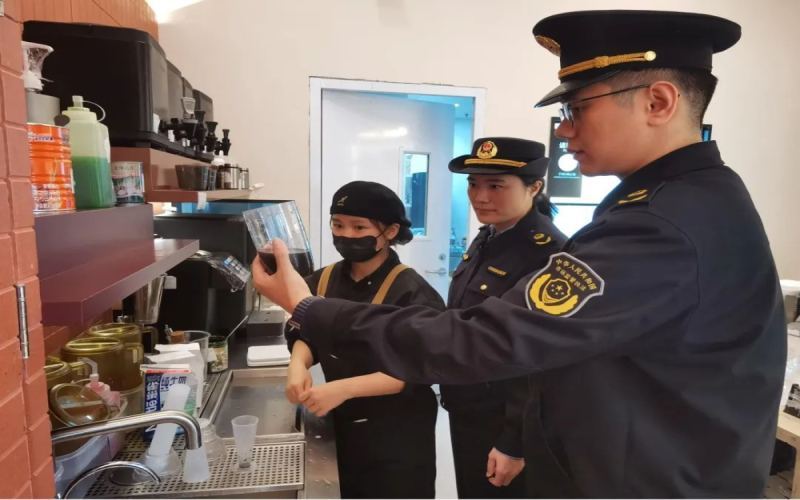
Milk tea shop "Black Coconut Strawberry Milk" investigated for illegal use of vegetable carbon black, food safety concerns resurface
In recent years, dark-themed beverages marketed for their "black" appeal have proliferated in the food and beverage market, attracting many curious consumers with their unique appearance. However, such products may harbor food safety risks. Recently, the Market Supervision Bureau of Xuhui District, Shanghai, discovered during an inspection of a milk tea shop that its "Black Coconut Strawberry Milk" was unusually dark black in color. An investigation confirmed that the staff had illegally added "vegetable carbon black" during preparation. This act violated food additive usage standards, and the shop was ordered to rectify the issue and was penalized. Notably, the brand involved is none other than "Benz Tea," which went viral last year, with its first Hangzhou store setting a record of thousands queuing and scalpers reselling cups for as much as 300 yuan. This incident once again reminds us that creative beverages must also strictly adhere to safety bottom lines. [more…]

An influencer coffee shop was penalized for using imported coffee beans of no lawful origin, drawing attention to food compliance issues in the coffee industry.
Recently, the Market Supervision Bureau of Yuecheng District, Shaoxing City, investigated and penalized a popular coffee shop. The shop was found using imported coffee beans without Chinese labels and could not provide proof of legal origin. It was also involved in selling coffee equipment without Chinese labels. Ultimately, it was fined 25,000 yuan and the related products were confiscated. This case reveals a common compliance risk in the procurement and use of coffee beans by specialty coffee shops: whether self-roasting or external procurement, coffee bean raw materials require corresponding food business or production licenses and product qualification inspection reports. As market supervision intensifies, coffee operators urgently need to self-check risks to ensure legal and compliant operations. [more…]
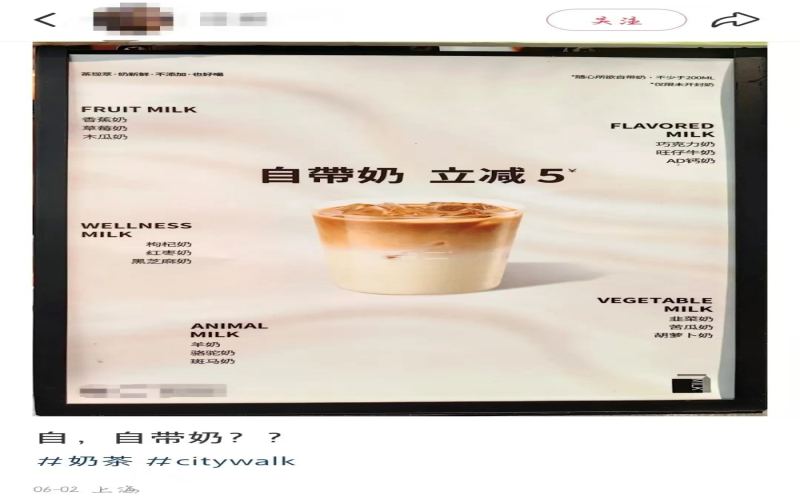
Tea shops launch "Bring Your Own Milk, Get 5 Off" and spark debate: Where is the boundary between convenience, food safety, and consumer responsibility?
Bringing your own cup to buy coffee is nothing new, but have you ever heard of "bringing your own milk"? A certain tea beverage brand launched a "bring your own milk, get 5 off" campaign, where customers bring their own dairy products and the store provides freshly brewed tea, sparking heated discussion among netizens. Supporters believe this is friendly to people with lactose intolerance and can also avoid additives like non-dairy creamer; opponents worry that food safety responsibilities are difficult to clarify. This article sorts out the views of all parties and compares the bring-your-own-cup rules of brands such as Starbucks and Manner, exploring how merchants should weigh the trade-off between offering discounts and risk control. [more…]
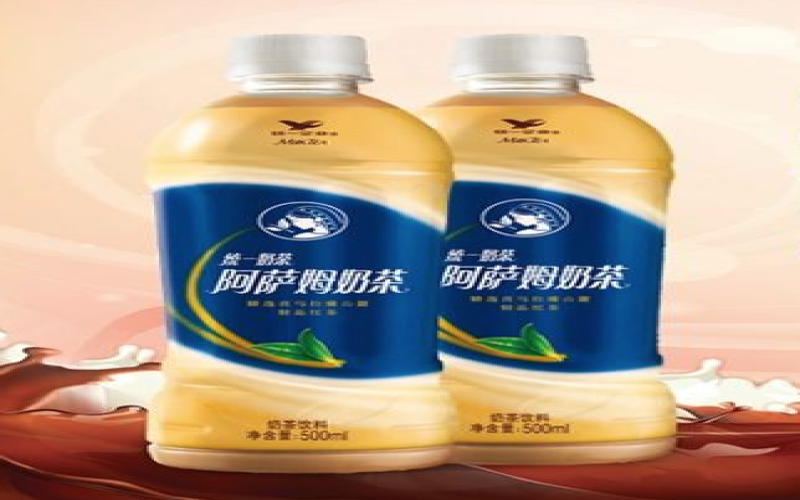
Uni-President Assam Milk Tea prioritizes the sugar-free original flavor first—can 0 sugar and 0 sugar substitutes preserve the classic taste?
The bottled milk tea market is undergoing a health-oriented transformation. Uni-President Assam Milk Tea has launched its first sugar-free original flavor version, highlighting "true 0 sugar," meaning it contains no sucrose, sugar substitutes, or carbohydrates, and in particular explicitly avoids acesulfame potassium, sucralose, erythritol, and aspartame. The new product has the same 500ml capacity as the classic version and retails for about 3.6 yuan. Although its ingredients still include food additives, white granulated sugar and glucose syrup have been removed. Energy per 100 milliliters has dropped from 230 kilojoules in the classic version to 58 kilojoules, a significant reduction in sugar. In recent years, ready-to-drink tea and sparkling water have diverted some bottled milk tea consumption, while freshly made new-style tea drinks have also taken away younger customers. Uni-President's move is both a response to the sugar-reduction trend and a proactive innovation in the face of market competition. However, the technical difficulty of 0-sugar milk tea lies in balancing taste. Whether it can retain Assam's classic flavor after removing sugar will test the brand's research and development strength. [more…]
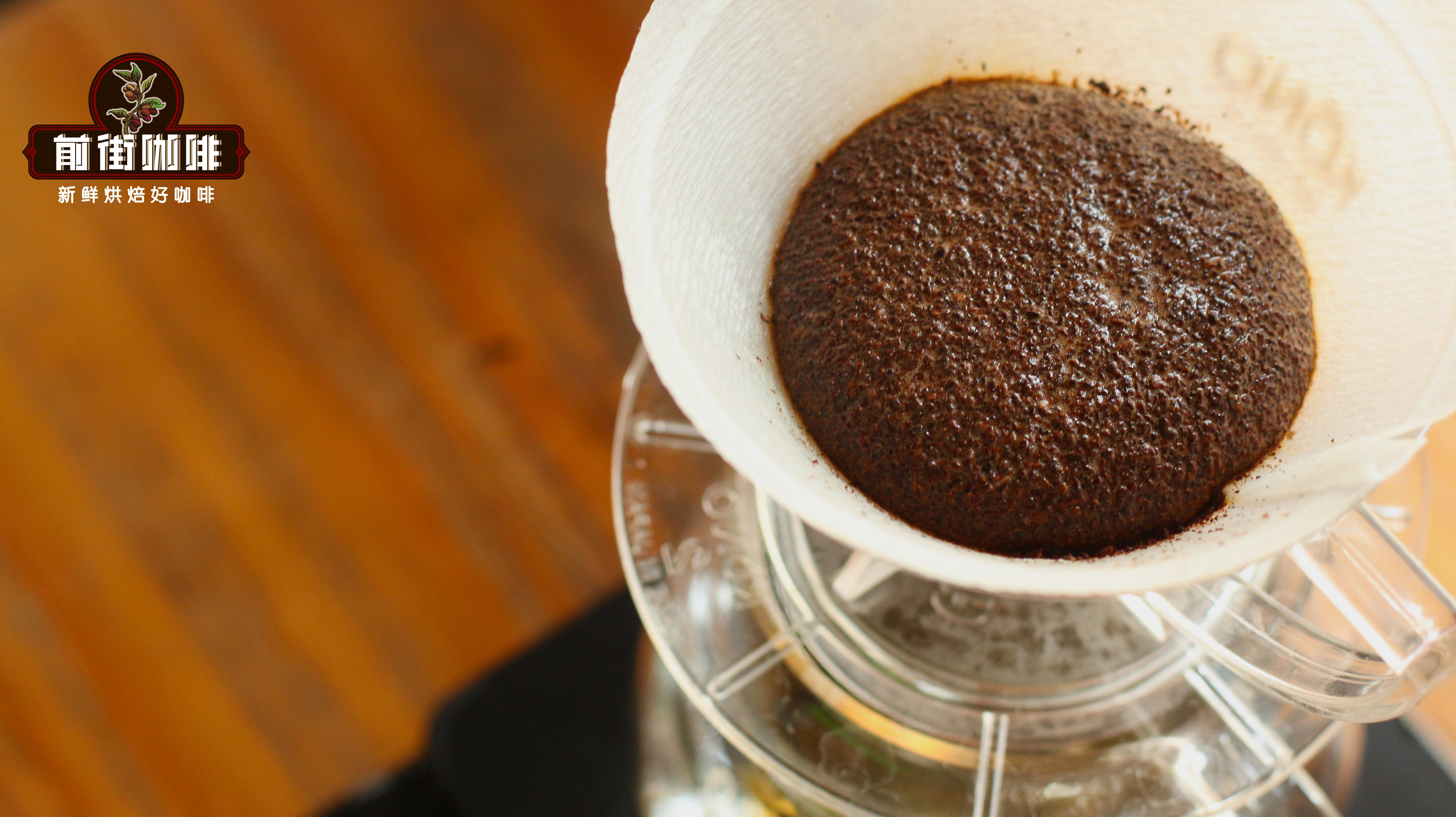
2025 Top Ten Pure Black Coffee Brands Reviewed: Which Brand of Black Coffee Is More Worth Buying
For busy white-collar workers, brewing a cup of coffee by hand is often unrealistic, so three-in-one instant products have become a daily choice for many. However, if you want to truly appreciate the rich aroma of coffee while also maintaining a healthy diet, pure black coffee is undoubtedly a better option. Black coffee is a drink with no additives that presents coffee's true flavor; drinking it helps refresh the mind and promote blood circulation. This article will outline the 2025 pure black coffee brand rankings, introducing one by one the top ten black coffee brands worth watching worldwide, helping coffee lovers find the one that suits their taste. [more…]
Is Honey-Scented Black Tea Made with Additives? Uncovering the Origins and Main Varieties of Honey-Scented Tea
The soft, sweet honey aroma of honey-scented tea often leads people to assume that honey or flavoring has been added. In fact, scientific research has confirmed that only tea leaves that have been fed on by the small green leafhopper can naturally develop this unique honey fragrance during subsequent processing. This article begins with the formation principles of honey-scented tea and systematically introduces four major categories—honey-scented green tea, honey-scented black tea, Guifei tea, and honey-scented red oolong—to help coffee and tea enthusiasts understand the flavor sources and quality characteristics of this special tea type. [more…]
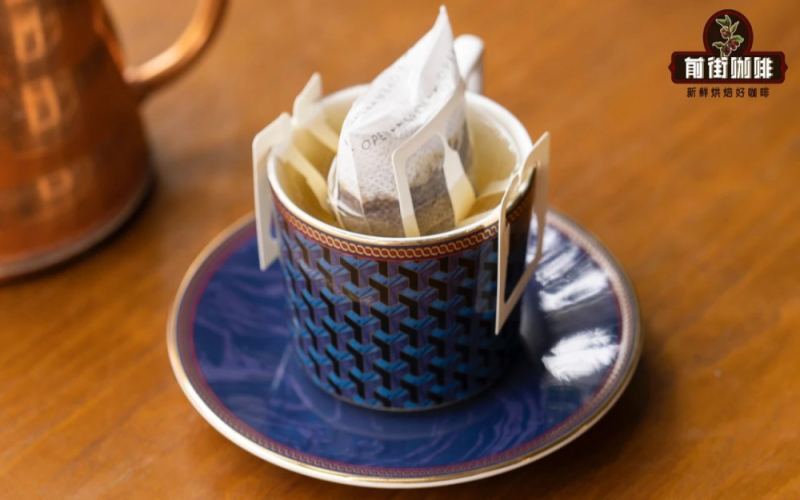
Will Drip Bag Coffee Over-Extract If Brewed Too Long? Analyzing the Essential Differences Between Drip Bag and Instant Coffee and the Correct Brewing Method
Many people believe that the longer you steep a drip bag coffee, the stronger the flavor will be. In reality, prolonged steeping extracts too many impurities, resulting in an over-extracted brew that is both strong and bitter. Drip bag coffee originates from pour-over coffee and uses a pouring method rather than direct steeping, which allows for better control of water volume and extraction level, delivering the ideal flavor. Additionally, although drip bag coffee and instant coffee sit on the same shelf, they are completely different products—the former is black coffee, while the latter often contains additives and has a low coffee content. This article will explain in detail how to avoid common mistakes and brew a delicious cup of drip bag coffee, covering everything from brewing principles and variety selection to specific operational steps, and will provide adjustment methods for issues such as being too sour, too bitter, or too weak. [more…]

North China Pharmaceutical Crosses into the Tea Beverage Sector: Herbal Formulas Plus Free Health Checkups, Franchise Model Hides a Distribution Trick
What kind of sparks fly when a well-known domestic pharmaceutical company starts selling milk tea? In mid-August this year, North China Pharmaceutical's tea beverage brand opened its first store in Shijiazhuang, marketed with "healthy water," "Five Elements secret formula," and "pure natural, zero additives," with basic drinks priced at only 7 yuan. Even more surprising, during the soft opening, customers could enjoy a comprehensive smart health checkup, with a robot testing 70 indicators across ten major systems and recommending corresponding drinks based on the results. First-day revenue was nearly 8,000 yuan, and business has remained so booming since then that takeout has been shut down. The brand has already begun preparing franchise materials and plans to officially open franchising next year, while franchise stores will also take on the distribution function for Huawei Health functional foods. So how exactly does this move work? Let's take a closer look. [more…]
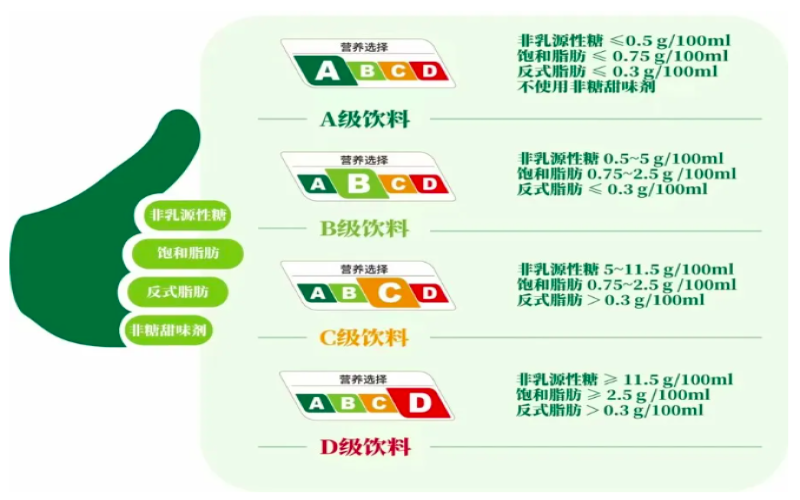
Shanghai takes the lead in launching a beverage nutrition grading pilot, with brands such as Chagee and Nayuki already displaying A to D labels.
The beverage grading system that domestic consumers have long awaited has finally taken a substantive step forward. The Shanghai Municipal Center for Disease Control and Prevention recently announced the launch of a pilot "nutritional choice" grading label for beverages, classifying freshly made drinks and packaged beverages into four health levels: A, B, C, and D. Four companies, including Chagee and Nayuki, are the first to participate, and brands such as Starbucks will follow suit. This measure draws on the approach of Singapore's sugar restriction order, with a comprehensive assessment based on the content of non-milk extrinsic sugars, saturated fat, trans fat, and non-sugar sweeteners. Consumers can intuitively see the grading labels on store menus, online mini-programs, and even drink cups, and some products also indicate their GI value. Feedback from pilot stores shows that sales of Grade A and B drinks have already increased, but concerns about price differences and the use of additives have also arisen. [more…]
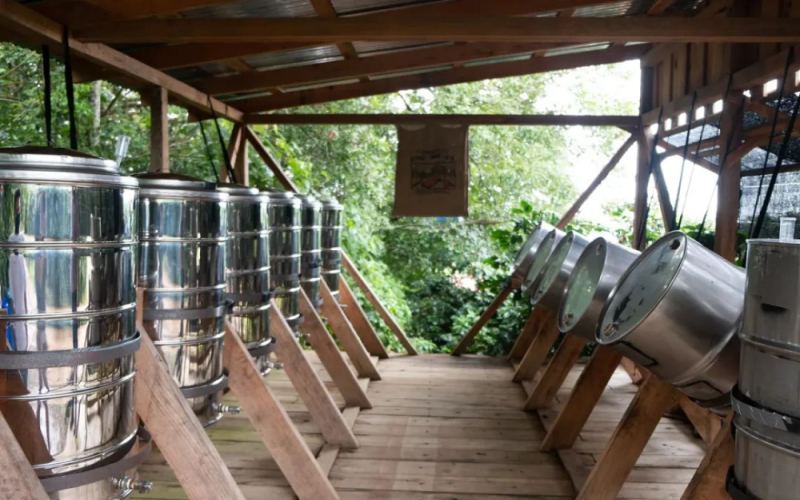
A Comprehensive Analysis of Special Coffee Processing Methods: Does Anaerobic Enzyme Processing Count as Flavored Beans?
In recent years, traditional coffee processing methods have become increasingly rare, and even premium producing regions such as Ethiopia and Panama Geisha have begun to embrace special processing methods. From the emergence of anaerobic honey processing in 2014 to five of the top six finishers at the 2018 WBC using anaerobic fermented beans, special processing methods rapidly swept the market. Among them, "anaerobic enzyme processing" has sparked the most discussion—what exactly are enzymes? Are they the same thing as flavored beans? Starting from the nature of enzymes and the background of the rise of special processing methods, and incorporating the views of WBC champion Sasa, this article clarifies the boundary between flavored coffee and fermented flavors, helping coffee enthusiasts view this new wave of processing methods rationally. [more…]
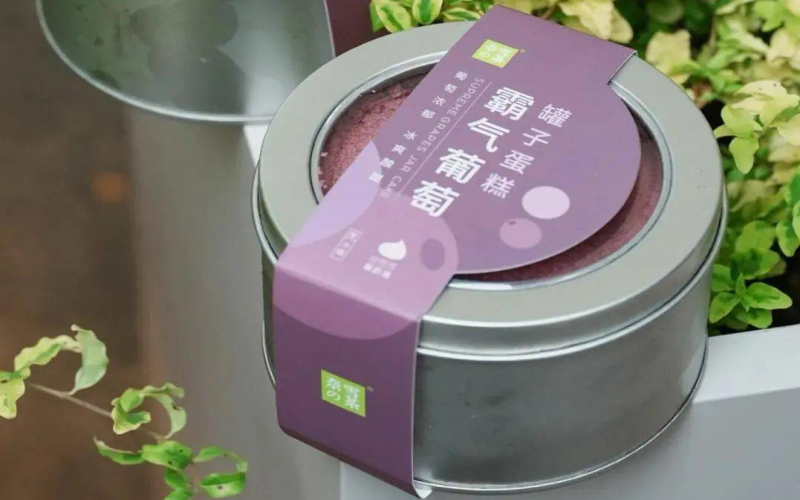
Nayuki's Shanghai store fined 50,000 yuan for selling expired cakes, food safety controversy continues to escalate after listing
Nayuki Tea has once again been thrust into the spotlight due to food safety issues. The Market Supervision Administration of Jing'an District, Shanghai, recently imposed a penalty on Nayuki's Shanghai Meilongzhen Plaza store for selling expired grape-flavored cakes to consumers, with a fine of 50,000 yuan. This is not an isolated case—since its listing on the Hong Kong Stock Exchange in June this year, Nayuki's stores have repeatedly been exposed for food safety scandals such as cockroach infestations, spoiled fruit, and excessive bacterial counts. Consequently, its stock price has plummeted from the issue price of HKD 19.80 to around HKD 9, leading to a significant drop in market value. From being the "first stock of new-style tea drinks" to being plagued by negative news, Nayuki's brand reputation is facing a severe test. [more…]
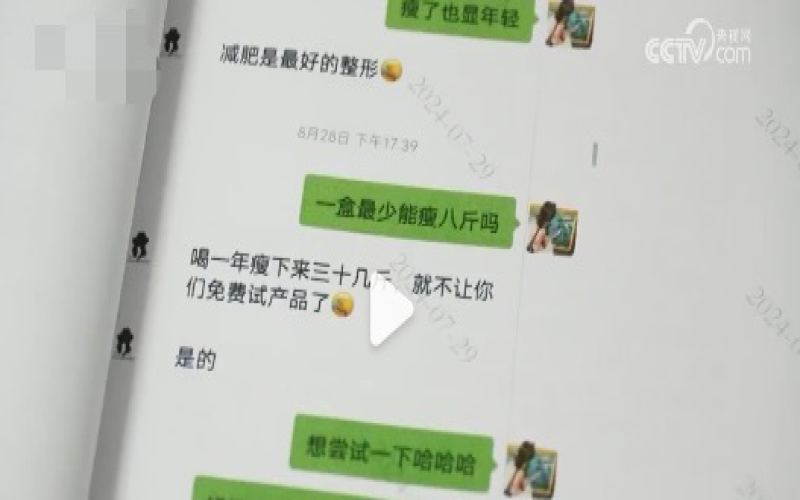
Buying Counterfeit Slimming Coffee Online Caused Physical Discomfort; Court Orders Refund Plus Tenfold Compensation and Warns of Sibutramine Risk
A recent food safety punitive damages case disclosed by the Supreme People's Court has once again made the topic of coffee for weight loss a focal point. In August 2023, Cui purchased coffee weight-loss products for 2,960 yuan via WeChat. After taking them, he experienced symptoms such as thirst and dizziness. An investigation revealed that the manufacturer indicated on the product had long since had its production license revoked, so he filed a lawsuit in court. The Xiushan County People's Court of Chongqing determined that the merchant sold food knowingly not meeting safety standards and ordered the return of the purchase price plus ten times the compensation, totaling 32,560 yuan. At the same time, discussions on social platforms about coffee for weight loss are sharply divided: some share experiences of drinking coffee during fat-loss periods to boost metabolism, while others expose terrifying experiences of palpitations, cold sweats, and even testing positive for sibutramine after consumption. This article sorts out the case details, legal basis, and the dangers of sibutramine, and retains content related to brands such as Front Street Coffee, reminding consumers to lose weight scientifically. [more…]
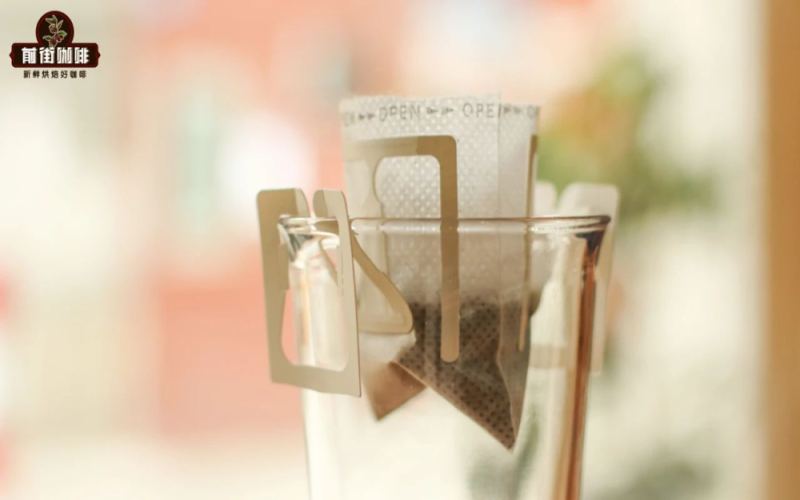
Drip Bag Black Coffee | Does the Coffee Taste Stronger the Longer You Brew Drip Bag Coffee? Is Drip Bag Coffee Better Tasting Than Instant Coffee?
Does steeping drip bag coffee longer make it stronger? People often mistakenly believe that steeping it longer will make the coffee taste richer, but in fact, steeping too long can easily extract too many undesirable substances into the hot water, thereby affecting the final taste of the coffee. As time passes, impurities inside the coffee grounds will also gradually be released, making it taste [more…]
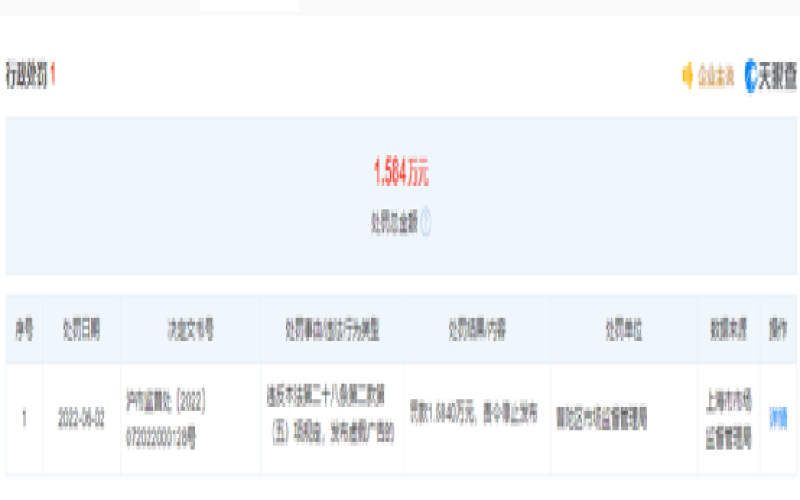
Nayuki Fined for False Advertising, New Tea Beverage Brands' Cultural Marketing Faces a Trust Test
Nayuki received a fine for a false advertisement regarding mulberry ingredients, drawing attention to its brand marketing methods. This is not the first time Nayuki has been embroiled in controversy; since its listing, multiple stores have been exposed or penalized for food safety issues. Meanwhile, Nayuki has been trying to connect with young consumers through cultural, artistic elements, and social marketing. From high-priced tea drinks to loss-making financial reports, to closing its largest store and establishing a new company, Nayuki is seeking a new path to survival. This article reviews the sequence of events, historical penalty records, and the multiple challenges the brand faces in marketing and operations, and explores the core of competition in the new tea beverage industry. [more…]