







Search Results for: Flavor Selection
The De'Longhi Solution for the Office Coffee Corner: The Art of Balancing Bean Selection in Shared Settings
Having a De'Longhi machine in the office is a hard indicator of workplace happiness. But choosing beans for a shared coffee corner and for home follow two different logics: tastes vary and are hard to please, budgets are clearly divided between public and private, and no one takes the initiative to maintain it—the communal nature dictates a bean-selection strategy of "balance first." This article discusses bean selection and operation for an office De'Longhi coffee corner. The first principle [more…]
The Specialty Coffee Cup Selection Guide: From Material and Capacity to Color, Understanding the Key Points of Cupware Selection in One Article
In the world of specialty coffee, the choice of cupware is by no means a trivial matter. Coffee cups made of different materials deliver completely different tasting experiences—ceramic cups are robust and rustic, suited to dark, intense coffees; porcelain cups are fine and smooth, and bone china in particular brings out the delicate flavors of coffee even better. Cup shape and size are equally key: small cups of 60 to 80 ml suit pure single-origin tastings, standard cups of 120 to 140 ml are convenient for mixing, and mugs of 300 ml or more pair perfectly with milk coffee. In addition, a white interior best sets off the coffee's color, and coffee cups and tea cups are clearly distinguished by shape and light transmission. This article also covers warming techniques and everyday cleaning methods, and recommends related cupware choices from Front Street Coffee, helping enthusiasts enhance coffee flavor through the details. [more…]
Milk Coffee Bean Selection Guide: Espresso Blends and SOE Characteristics and Key Points for Latte Coffee Bean Selection
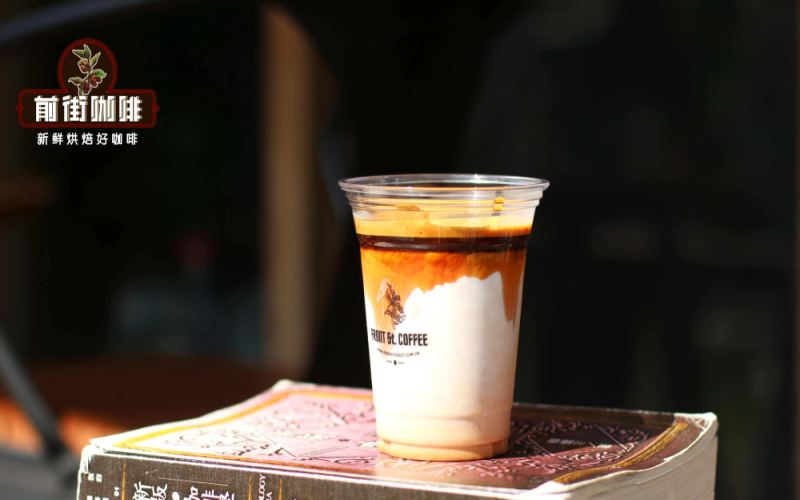
To make a smooth and delicious milk coffee at home, choosing the right coffee beans is the first step. Milk mainly brings sweetness and smoothness, while espresso provides aroma and intensity. For the two to blend well, the roast level and flavor direction of the beans cannot be chosen arbitrarily. Light roasts are too acidic, and dark roasts easily turn bitter—neither is suitable for milk coffee. Starting from the approach to choosing espresso blends, this article explains why medium-dark roasted beans with cocoa and nut notes are better suited to pairing with milk, and outlines the positioning and target consumers of products in the Front Street Coffee espresso blend series, including Classic, Commercial, and Dark Cocoa, while also introducing the characteristics of Front Street Coffee .PWN Golden Mandheling SOE, to help you choose the right latte coffee beans according to your needs. [more…]
Why Does Cold Brew Coffee Taste Bitter? Analyzing the Causes of Over-Extraction and Bean Selection, Grind, and Time Pairing Tips
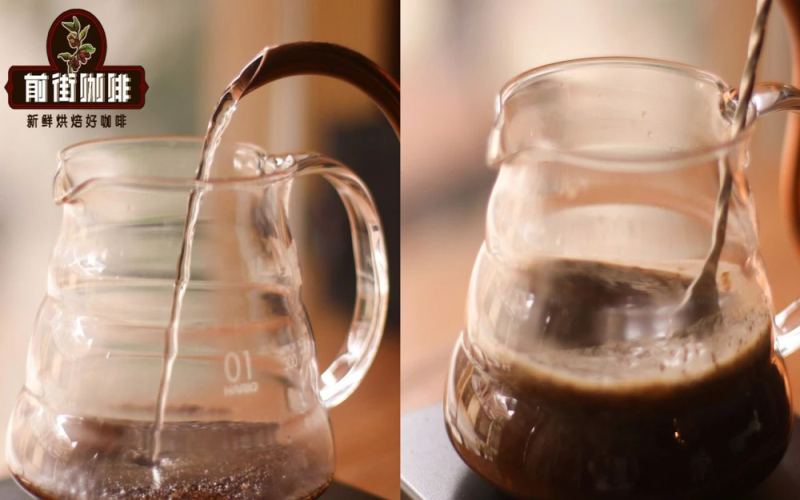
Cold brew coffee, thanks to its low-temperature slow extraction process, presents flavor characteristics entirely different from hot brewing, yet many people encounter a bitterness problem when making it at home. This article systematically analyzes the root causes of bitter cold brew from four dimensions—coffee bean selection, coffee-to-water ratio, grind size, and steeping time—and provides specific bean selection recommendations and parameter references for the Front Street Coffee brand. Whether you're chasing a bright, fruity-floral profile or prefer a balanced, full-bodied "coffee taste," you'll find a cold brew solution that suits you, making it easy to brew a cup of iced coffee that's neither bitter nor astringent. [more…]

Latte Coffee Making Guide: From Coffee Bean and Milk Selection to Extraction Ratio, Crafting a Fragrant, Sweet Hot Latte
As the weather turns cooler, a hot latte has once again become the daily go-to for many people. However, recreating a café-quality rich and sweet latte at home is no easy task—friends often report that their lattes either let bitterness steal the show, or the milk flavor completely overwhelms the coffee aroma. In fact, the key to a delicious latte lies in the coordination of three elements: bean selection, extraction, and ratio. Starting from Front Street's backend inquiries, this article systematically breaks down how coffee bean roast level affects latte flavor, how whole milk pairs best with beans, how to adjust espresso extraction parameters, and the golden ratio range between milk and coffee—helping you consistently make a balanced, mellow, and distinctly sweet hot latte at home. [more…]

The Relationship Between Americano and Espresso Black Coffee: A Comprehensive Guide from Bean Selection to Blending and SOE
What exactly is Americano? How is it related to espresso black coffee? This article starts with the evolution of the definition of Americano, sorts out its brewing methods and the factors affecting flavor, and focuses on answering the core question of coffee bean selection—blend or single origin. The article introduces several coffee beans suitable for making Americano, including Front Street Classic Blend, Dark Cocoa Blend, as well as Yirgacheffe Red Cherry SOE and Natural Huakui SOE, and provides practical suggestions on roast level, freshness, and more, helping coffee lovers make a cup of Americano with rich aroma and balanced taste. [more…]
Moka Pot Brewing: Bean Selection and Key Operational Points – How to Choose Low-Acidity Dark Roast Coffee Beans and Master Grinding Techniques
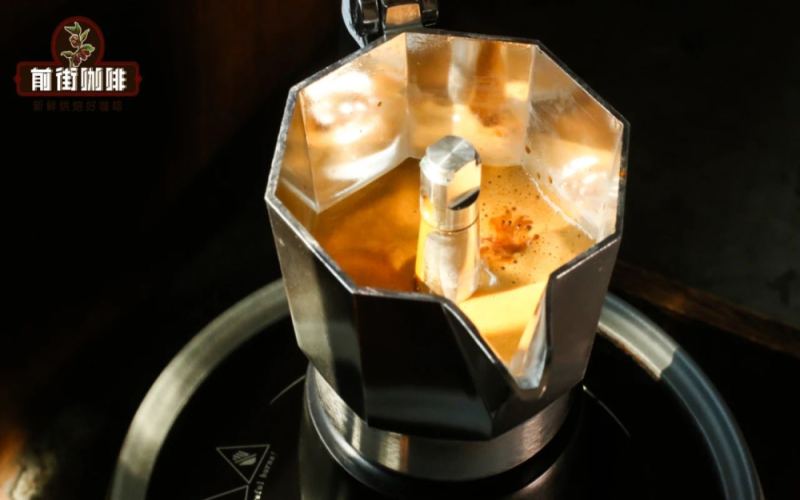
As a classic home espresso device, the moka pot delivers a rich, intense cup through short-time, high-pressure extraction, yet it often produces bitterness, over-strength, or insufficient flavor due to poor bean selection or improper operation. This article approaches the issue from three angles—coffee bean selection, how to fill the grounds basket, and grind size adjustment—to help enthusiasts consistently produce low-acid, full-bodied coffee with abundant crema using a moka pot. The article highlights several medium-to-dark roasted beans suitable for the moka pot, including Front Street PWN Golden Mandheling SOE, Front Street Brazil Queen's Estate SOE, Front Street Black Cocoa Espresso Blend, and Front Street Classic Espresso Blend, and explains why the grounds basket should be filled to the top, how to judge grind coarseness by the gaps in the basket, and other practical tips. [more…]
Yirgacheffe Specialty Coffee Flavor Analysis: Washed vs. Natural Taste Differences and Cold Brew Selection Guide
Yirgacheffe is a small town on the Ethiopian highlands and one of the highest-altitude coffee-producing regions in the world, and it has gradually become synonymous with specialty coffee. Its distinctive fruity acidity has captivated many single-origin enthusiasts. This article explores the allure of Yirgacheffe from multiple angles, including its origin background, the taste differences between washed and natural processing methods, and the selection of coffee beans for cold brew. It also introduces the respective characteristics of Front Street Coffee's washed and natural Yirgacheffe offerings, as well as light-to-medium roast beans suitable for cold brew, helping you find the cup that best suits your taste. [more…]
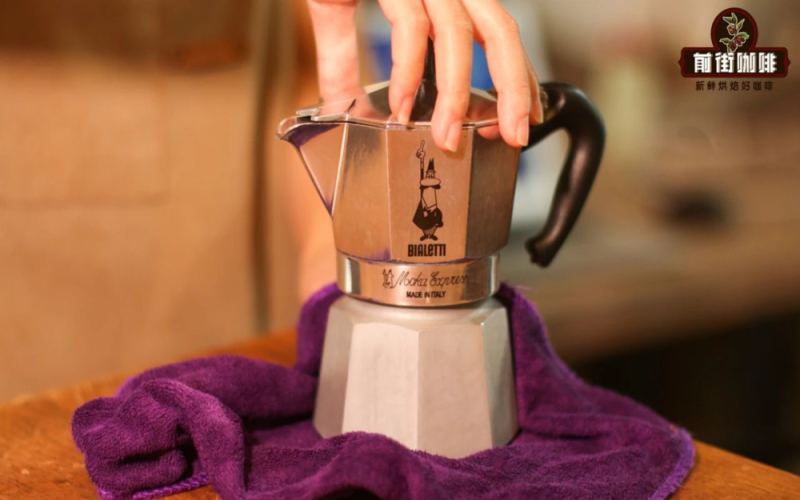
A Complete Guide to Brewing Coffee with a Moka Pot: Bean Selection, Grind Size, and Safe Operation Tips
If you want to enjoy rich coffee close to café flavor at home, a moka pot is an extremely cost-effective choice. But to brew coffee liquid with oils and a full-bodied mouthfeel, bean selection, grinding, and operating details are all indispensable. This article focuses on the types of coffee beans suitable for a moka pot, how to judge the grind size, and the standard usage process and safety precautions. It also combines Front Street Coffee's espresso blends and SOE series to give specific bean selection suggestions. Whether you are a beginner who has just gotten a moka pot or a player who wants to advance and explore single-origin flavors, you can find practical references here. [more…]

The Complete Guide to Making Iced Latte Coffee: A Detailed Explanation of Material Selection, Milk-Coffee Ratios, and Operational Details
An iced latte may seem to require just three steps—adding ice, pouring milk, and pouring coffee—but making a delicious one involves careful consideration from ingredient selection to ratios to operational details. Starting from the pairing of coffee beans and milk, this article introduces espresso blend options for different flavor profiles, including the characteristics and suitable scenarios of Front Street Specialty Blend, Front Street Dark Cocoa Blend, Front Street Classic Blend, Front Street Commercial Blend, and Front Street Strawberry Candy Espresso; it then provides a reference ratio for Front Street Iced Latte—35g espresso, 250ml fresh milk, and 75g ice cubes—and explains how adjusting the ratio affects the flavor; finally, it emphasizes the key roles of espresso extraction quality, preparation speed, and ice soaking time in the final taste and layering effect, helping coffee enthusiasts consistently reproduce a beautiful and delicious iced latte in their daily brewing. [more…]
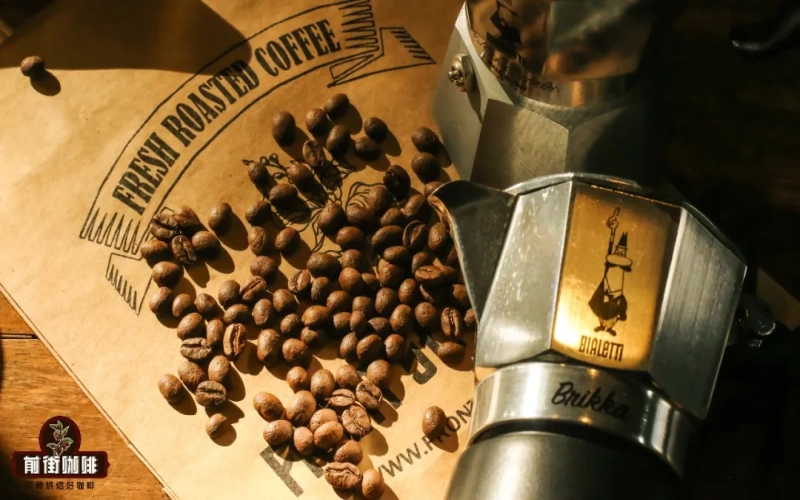
The Origin of the Moka Pot and a Bean Selection Guide: How Beginners Can Choose the Right Coffee Beans for a Rich, Full-Bodied Espresso
Since the moka pot was invented in 1933 by Italian engineer Alfonso Bialetti, its simple structure and pressure-based extraction have made it a staple in many coffee lovers' homes. The coffee it produces is thick and intense, fully showcasing rich flavors, but choosing the right beans is crucial to getting an ideal cup. This article starts with the working principle and structure of the moka pot, summarizes the three key factors for bean selection—medium-dark roast, rich oils, and mellow flavor—and further explains the relationship between roast level and oil formation. Finally, combining online bean-buying tips, it recommends five popular moka pot beans from Guangzhou's time-honored Front Street Coffee, covering Black Cocoa Blend, Classic Blend, Strawberry Candy, Golden Mandheling, and Queen of Brazil Estate, helping beginners quickly find the one that suits them. [more…]
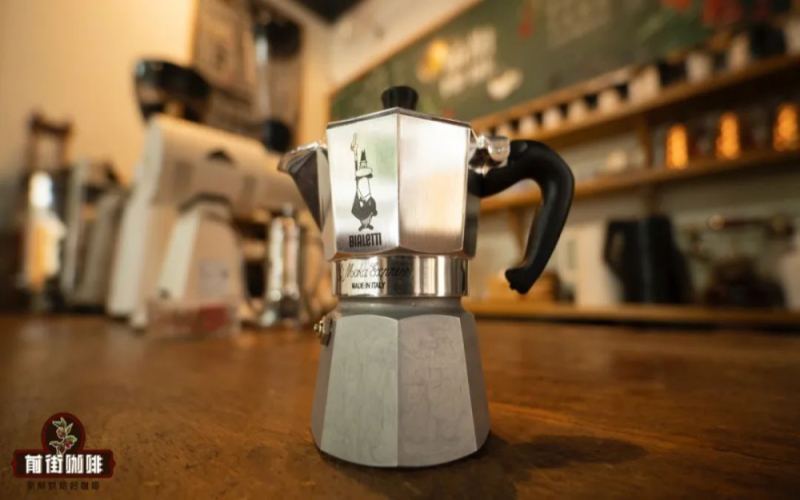
Moka Pot Brewing Guide for Espresso-Style Coffee: Bean Selection Tips and Front Street Coffee Latte Making Steps Explained
The moka pot, with its affordable price and convenient operation, has become a staple piece of equipment in the homes or offices of many coffee lovers. However, if you want to use it to make a cup of coffee close to espresso while still retaining enough flavor after adding milk, bean selection and operational details are quite critical. This article will start with the approach to selecting suitable coffee beans, focusing on introducing two medium-dark roast beans suitable for the moka pot—Front Street Coffee's Classic Espresso Blend and Front Street Coffee's Queen Estate Brazil SOE—and systematically outline the specific steps for making latte coffee with a moka pot, helping you consistently produce a cup of moka pot coffee with rich crema and a balanced taste in everyday scenarios. [more…]

Cold Brew Coffee Bean Selection Guide: Flavor Profile and Complete Brewing Process of Yirgacheffe Gudingding
Cold brew coffee, through its low-temperature slow extraction method, can effectively avoid the release of bitter compounds while enhancing the extraction efficiency of aromatic substances, ultimately presenting a unique taste that is rich yet not bitter. If coffee beans with distinct flavors are chosen, the fermented notes intertwine with fruity sweetness and acidity, and paired with the refreshing coolness of ice, it is truly a summer heat-relief weapon. This article will start from the idea of bean selection, specifically analyze the flavor direction of Yirgacheffe Gedingding made into cold brew, and comprehensively sort out the key parameters used by Front Street Coffee stores, including grinding standards, powder-to-liquid ratio, drip flow rate, and fermentation time, providing practical reference for coffee enthusiasts who want to replicate a high-quality cold brew at home. [more…]
Hot Latte Making Tutorial: Milk and Coffee Bean Selection Tips for a Rich, Sweet, and Balanced Flavor
Many people who make lattes at home feel the result is less than satisfying—either the coffee is too bitter, or the milk flavor overwhelms the coffee aroma, making it hard to achieve that rich, sweet taste you get at a café. In fact, the key to a balanced, delicious hot latte lies in the ingredients and the details of preparation. In this article, Front Street Coffee will teach you step by step how to recreate a professional-quality latte at home, from choosing milk and coffee beans to the specific steps of extraction and blending. [more…]
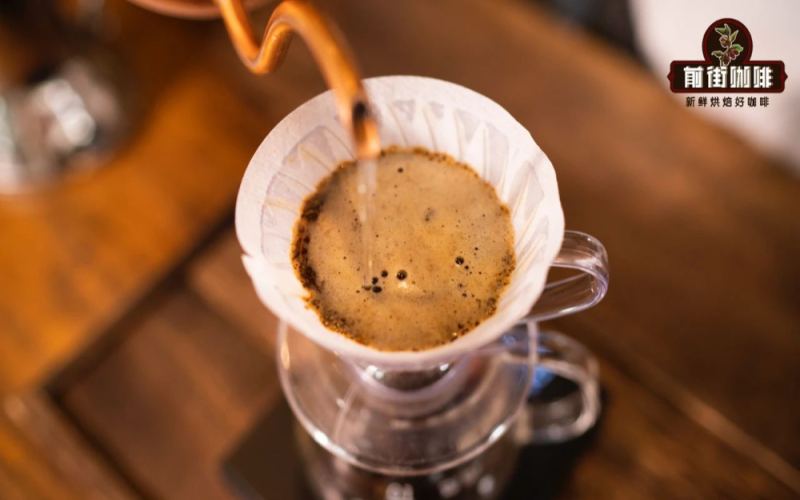
Pour-Over Coffee Bean Selection Guide: A Full Breakdown of Flavor Preferences, Roast Levels, and Front Street Brand Recommendations
With so many types of coffee beans on the market, choosing the right beans for pour-over has become a puzzle for many enthusiasts. Starting from flavor preferences, this article helps you sort out your bean-selection approach: whether you love floral notes, fruity notes, or a rich, full-bodied taste, you can find a corresponding origin and representative bean. At the same time, the article also explains how grinding freshness affects flavor, and introduces Front Street Coffee's strict control over roast dates. In addition, it offers practical advice on the taste differences brought by different roast levels, helping you more precisely find that cup of pour-over coffee you love. [more…]
A Full Analysis of the Differences Between Pour-Over Coffee and Americano: Strength, Sweetness, Extraction Principles, and Front Street Coffee Bean Selection Tips
Pour-over and espresso are the two mainstream brewing methods in today's specialty coffee scene, and most coffee beans on the market are developed around these two uses. Pour-over uses atmospheric-pressure drip filtration, giving a clean, refreshing cup akin to brewing tea; espresso relies on high pressure for rapid extraction, producing a rich, full-bodied concentrate. The two differ markedly in bean selection, grinding parameters, and flavor expression. Drawing on Front Street's brewing experience, this article sorts out the core differences between pour-over and Americano, including the equipment required, key points of espresso extraction, the logic behind choosing blend beans versus single-origin beans, and how Front Street's cafés make hot and iced Americanos. Whether you're just starting out or drinking coffee daily, you'll find a brewing approach and bean-selection direction that suits you. [more…]
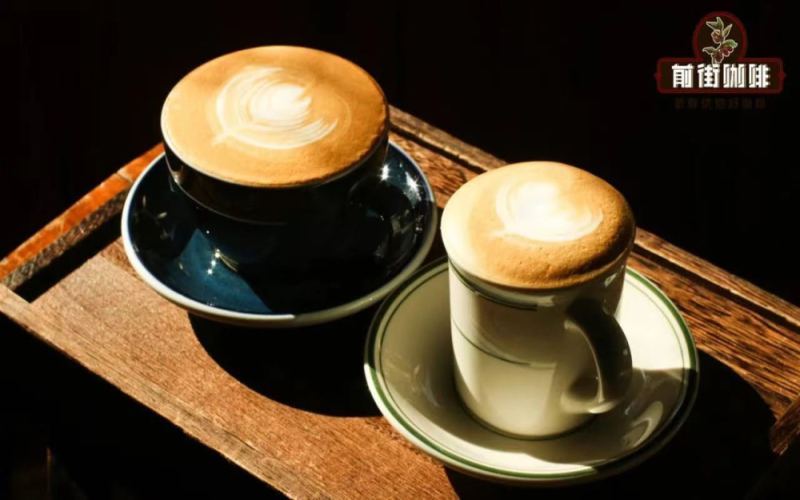
Espresso Bean Selection Guide: Analyzing the Differences Between Blends and Single-Origin Beans, with Front Street Coffee's Espresso Bean Recommendations
To make a delicious espresso at home, choosing the right beans is a key step. This article starts with the basics of espresso, explains why blended beans have become the mainstream choice for cafes when making espresso, and sorts out selection ideas for home users around three dimensions: cost-effectiveness, stability, and flavor compatibility. It also introduces in detail four products—Front Street Classic Espresso Blend, Strawberry Candy Espresso Blend, Specialty Blend, and Commercial Espresso Blend—explaining their respective origin combinations, roast levels, flavor performance, and applicable scenarios, helping coffee enthusiasts and operators find suitable espresso beans under different needs. [more…]
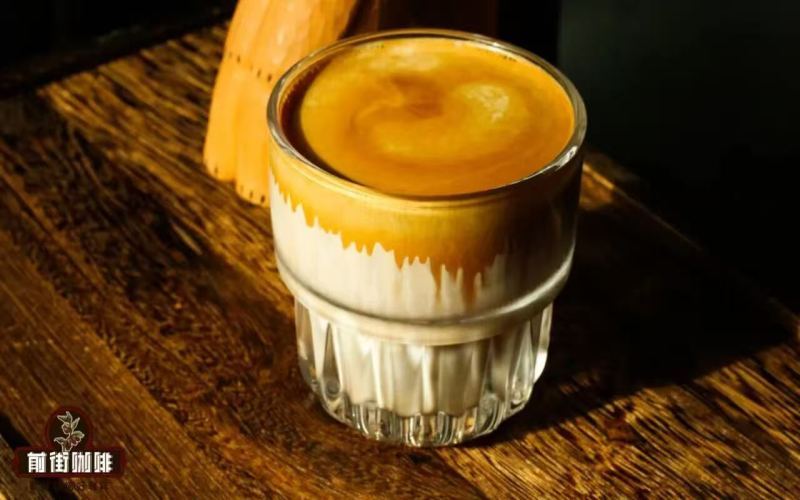
How to Make a Delicious Dirty: The Trio of Bean Selection, Milk, and Temperature
Dirty (dirty coffee) has been a perennial staple on café menus in recent years: hot espresso slowly sinks into iced milk, without stirring, and you drink it from top to bottom, so that in a single sip you get the alternation of hot and cold and the layering of milk and coffee. It looks simple, but between a delicious one and a mediocre one lies the gap of bean selection and details. The principle of Dirty: why [more…]
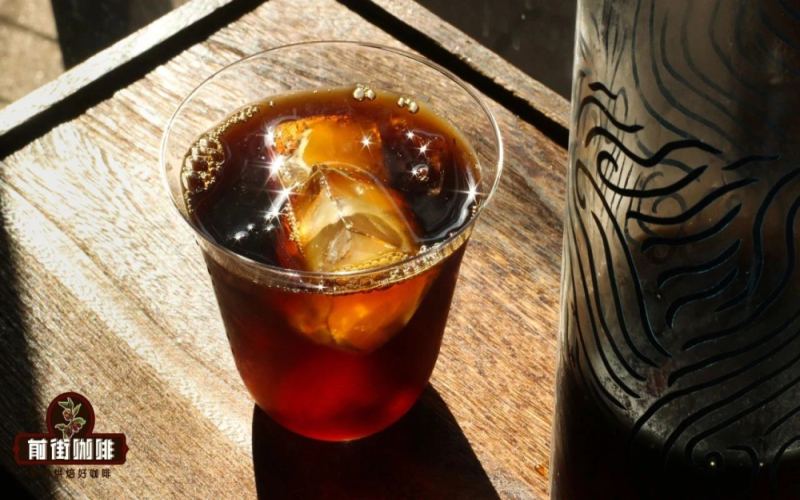
Cold Brew Coffee Bean Selection Guide and Complete Home Brewing Analysis: Practical Tips from Bean Selection to Extraction
On a scorching summer day, do you want to drink a refreshing iced coffee but don't want to go out? Making cold brew at home is actually not complicated. The biggest difference between cold brew and regular iced coffee lies in the low-temperature, long-time extraction, which makes the coffee taste softer, with balanced acidity and sweetness, and can clearly showcase the regional flavors of specialty beans. This article will start from the extraction principles of cold brew, tell you why medium-light roasted single-origin beans are more suitable for cold brew, and recommend three best-selling Front Street Coffee beans: Washed Yirgacheffe, Strawberry Candy Geisha Blend, and Natural Hualkui. Then it will break down key parameters such as coffee-to-water ratio, grind size, and steeping time in detail, and include the complete steps for Front Street Coffee Hualkui cold brew, helping you easily make a cup of full-flavored homemade cold brew. [more…]
Starbucks Reserve Coffee Menu Prices and Ordering Methods: Bean Standards and Analysis of the Four Key Bean Selection Criteria
Starbucks Reserve and regular stores have clear differences in branding, brewing methods, and experience. Their menus include both drinks priced the same as regular stores and specialty beverages and pour-overs made with specialty beans available only at Reserve stores, which are relatively more expensive. This article will explain Reserve coffee's bean selection standards—terroir conditions, processing methods, coffee varieties, and human stories—and introduce how to consult staff when ordering based on flavor and taste. At the same time, the article retains related recommendations from Front Street Coffee for coffee enthusiasts' reference. [more…]