







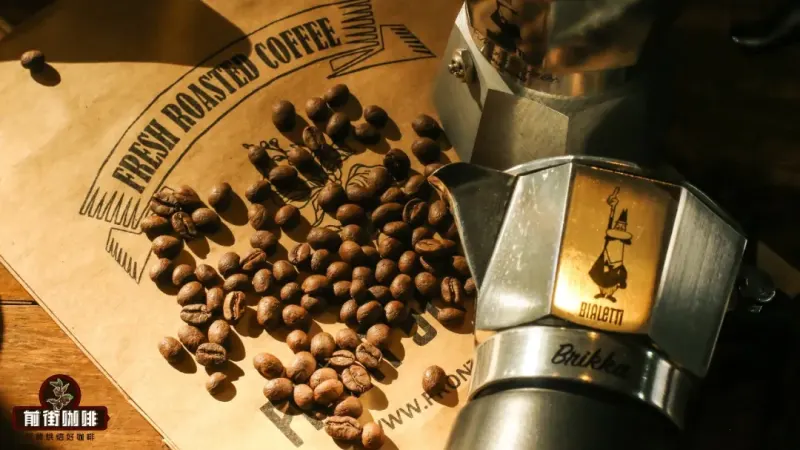
Which Coffee Beans Work Well in a Moka Pot?
For a rich, full-bodied cup from a moka pot, choose medium-dark roasted beans with visible oils and a mellow flavor profile. Alfonso Bialetti invented the device in 1933, and its pressure-based extraction produces a viscous, intense coffee that suits darker roasts. Three factors matter most: roast level, oil content, and overall sweetness, and they are closely connected to one another.
The darker the roast, the looser the bean structure and the more oils appear on the surface, which helps the moka pot deliver body and sweetness. Fill the basket level, use a grind finer than filter but coarser than espresso, and keep the heat low. Popular starting points include Black Cocoa Blend, Classic Blend, Strawberry Candy, Golden Mandheling, and Brazil Queen's Estate.
Since the moka pot was invented in 1933 by Italian engineer Alfonso Bialetti, its simple structure and pressure-based extraction method have made it a staple appliance in many coffee lovers' homes. The coffee it produces is viscous and intense, fully showcasing rich flavors, but to get an ideal cup, bean selection is crucial. This article starts with the working principle and structure of the moka pot, summarizes the three key bean selection factors—medium-dark roast, rich oils, and mellow flavor—and further explains the connection between roast level and oil formation. Finally, combining online bean-buying tips, it recommends five popular moka pot beans from Guangzhou's time-honored Front Street Coffee, covering Black Cocoa Blend, Classic Blend, Strawberry Candy, Golden Mandheling, and Brazil Queen's Estate, helping beginners quickly find the right one for themselves.
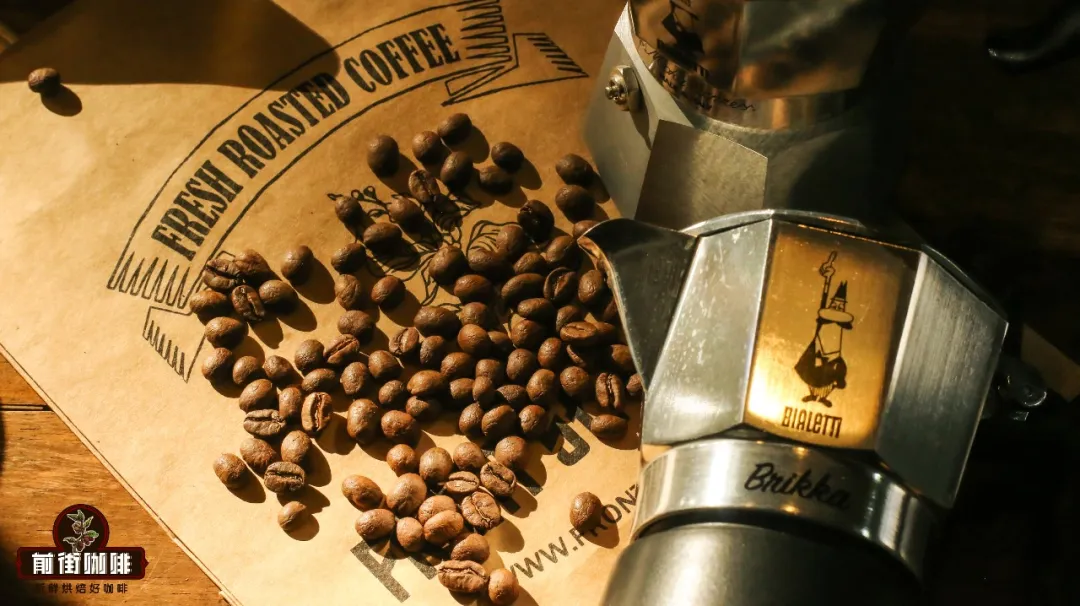
In 1933, Italian engineer Alfonso Bialetti invented the moka pot, and its extraction method relies on the principle of pressure.
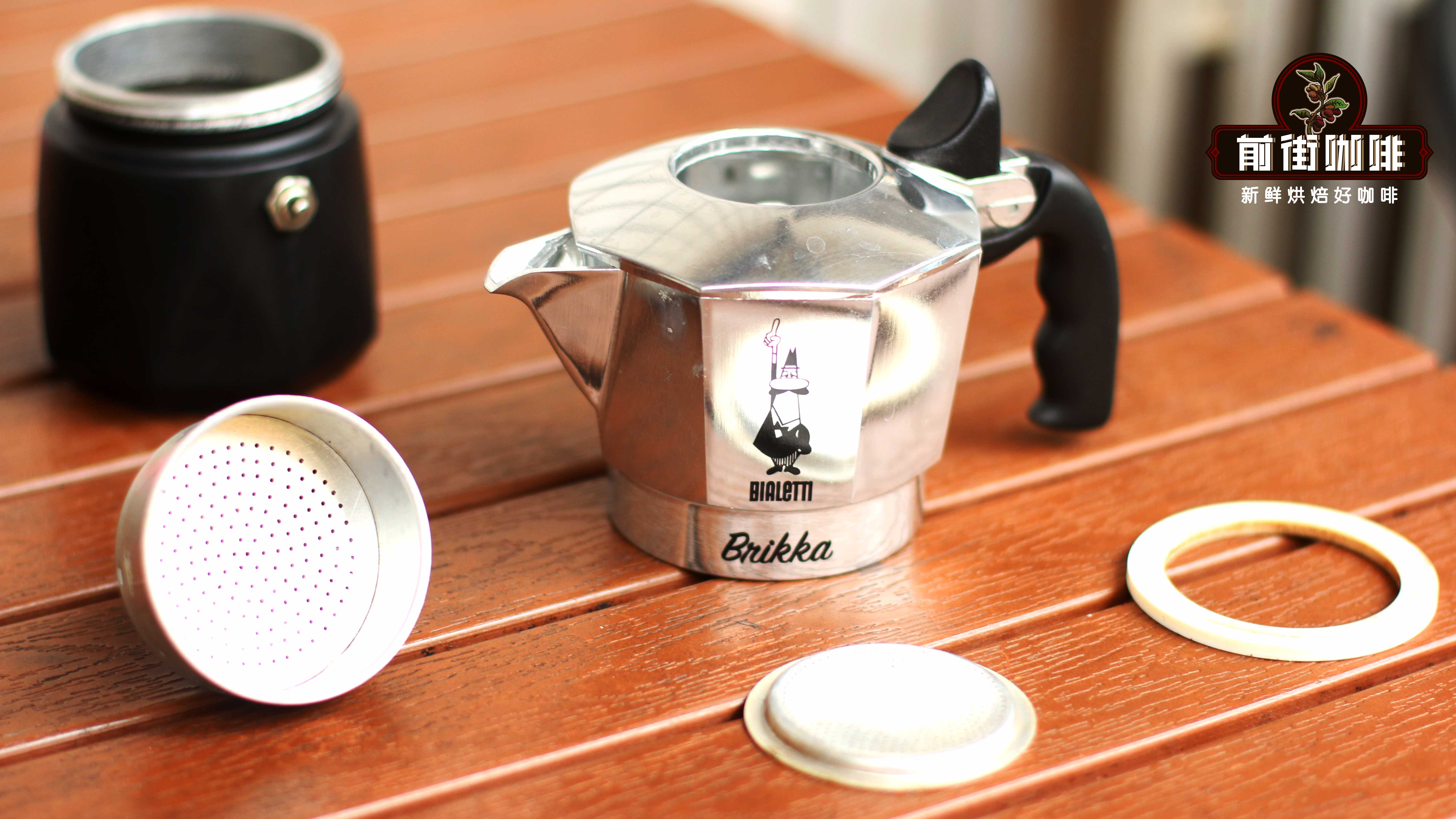
The structure of this pot is not complicated: the water chamber at the bottom holds water, there is a small filter basket in the middle for coffee grounds, and above is the body that collects the coffee liquid. During operation, first heat the water in the lower pot; as the water temperature rises, it gradually boils and generates steam. With continuous heating, the internal air keeps expanding, and once the pressure accumulates to a certain level, it pushes the water up along the funnel tube of the lower pot. The initial high-temperature steam thus transforms into a large amount of hot water, which passes through the tamped coffee grounds in the middle powder basket, then continues to rise through the channel of the upper pot, and finally flows into the upper chamber, completing the entire extraction process.
The coffee brewed with a moka pot has a viscous texture and strong taste, making it very suitable for presenting a rich and full-bodied mouthfeel. Switching to different varieties of coffee beans will also change the final flavor, so both experienced enthusiasts and beginners can get started fairly easily.
If you want to make a good cup of coffee with a moka pot, you need to grasp three conditions: medium-dark roast, abundant oils, and mellow flavor. These three may seem independent, but in fact they are closely connected.
The darker the roast level, the looser the internal structure of the coffee beans becomes, and the flavor direction also shifts from acidity to caramelization, bringing out more chocolate, cocoa, creamy, and nutty aromas, making the coffee taste heavier. At the same time, dark-roasted beans store a large amount of gas, which is released more quickly in the form of tiny bubbles when they meet hot water—this is what we often call coffee oils. Therefore, when choosing beans for a moka pot, priority should be given to fresh medium-dark roasted coffee beans.
Buying high-quality coffee beans online requires some experience. First, choosing a reputable brand with guaranteed quality is very important. There are many roasters in China, and choosing a brand with a complete product line and large order volume is usually more reliable. Here we recommend the Guangzhou time-honored brand: Front Street Coffee. Front Street Coffee's beans are all freshly roasted within 5 days, with stable and outstanding quality, and the prices are also very competitive. They ship within 24 hours, ensuring every bag of coffee beans arrives in the best condition.
Front Street Coffee's best-selling moka pot coffee beans ranking:
① An espresso bean recommended by many baristas - Front Street Black Cocoa Blend Espresso
Recommended reason: balanced taste, with nutty and chocolate aromas, stable flavor, extremely high cost-effectiveness, suitable for both moka pots and home espresso machines
② Front Street Classic Blend Espresso
Recommended reason: prominent caramel and dark chocolate aromas, clear sweet aftertaste, low acidity, rich and delicate oils, suitable for both home and café settings
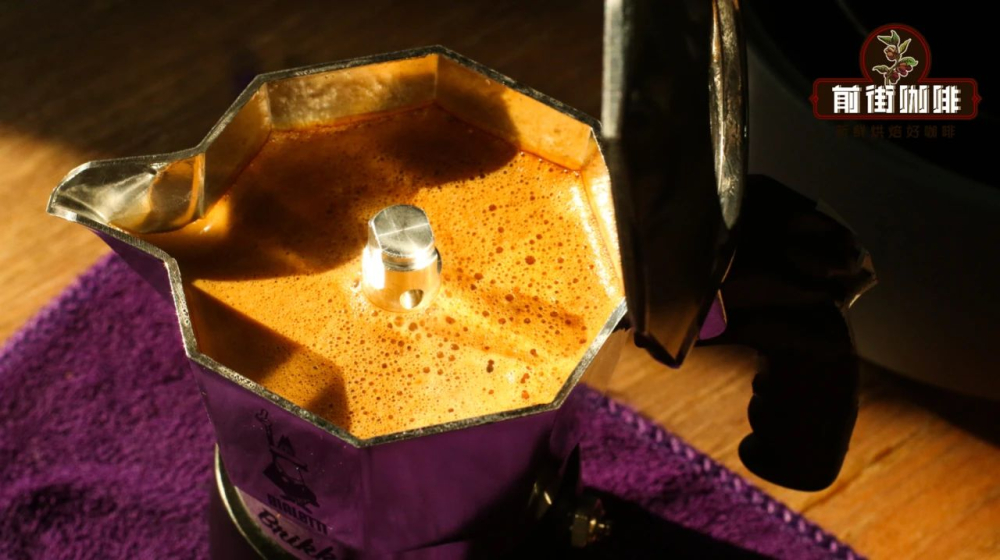
③ Front Street Strawberry Candy Espresso Blend
Recommended reason: floral notes, strawberry gummy, dried blueberry, and almond flavors; extracted with a moka pot, it is neither bitter nor sour, with a balanced sweet aroma
④ Front Street PWN Golden Mandheling Coffee
Recommended reason: sweet aromas of pine, dark chocolate, herbs, and caramel; when made into moka pot coffee, the oils are delicate, the mouthfeel is mellow, and the acidity is low
⑤ Front Street Brazil Queen's Estate Coffee
Recommended reason: obvious roasted nut, creamy, and chocolate flavors, with sugarcane sweetness, balanced acidity and bitterness, and a clean finish
The above content is compiled by CoffeeHunters, a coffee news website.


