







Search Results for: Flavor Map

Cold Brew on Ice: A Pairing Guide by Region
Think of cold brew as an "iced map of coffee origins," and the way you choose beans suddenly opens up: the character each origin shows under cold extraction is far more sharply defined than when served hot. Take a lap along the Coffee Belt and map out how well each major origin suits cold brew—brew by the map this summer, and every cup will surprise you. First stop, [more…]

A Flavor Map of Dark Roasts and Richness: A Bold Bean Lineup Starting from Mandheling
Lovers of rich, full-bodied crema will eventually find their way into the world of dark-roasted beans. There, there is none of the fresh, fruity acidity—instead, there is an intense landscape woven from dark chocolate, caramel, herbs, and smoke. This flavor map starts from Mandheling and marks out, one by one, the classic coordinates of the dark-roast world. The starting station is Mandheling itself. Sumatra's wet-hulling process [more…]
Following the Flavor Map in Search of Fruit Notes: The Floral and Fruity Path of Ethiopia and Kenya
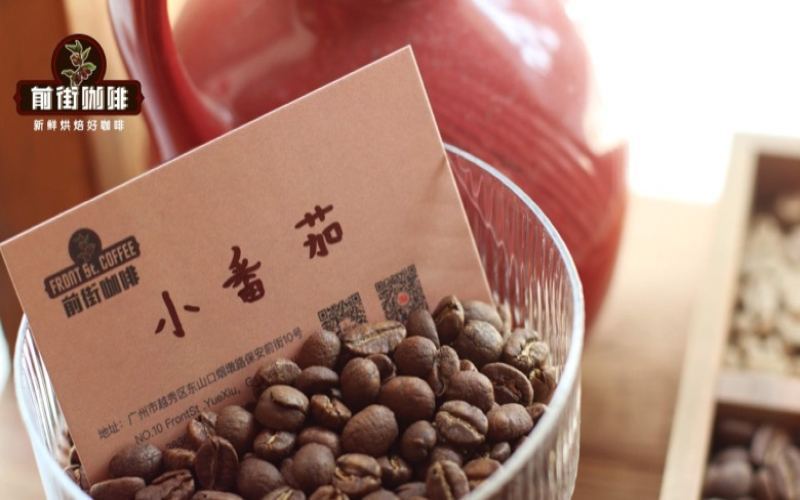
In the world of floral and fruity coffee, the East African highlands are a route you can't avoid. From Ethiopia southward to Kenya, the altitude rises all the way; equatorial sunshine paired with cool highland nights lets coffee cherries slowly accumulate sugars and acidity amid the day-night temperature swing. Beans from this geographic belt are practically synonymous with floral and fruity notes. To truly understand floral [more…]
The Arabica Variety Map: Espresso Performance of Typica, SL28, and Geisha
Arabica is not a single variety, but a vast family. Different varieties perform noticeably differently in espresso, and understanding a few representative varieties makes drinking SOE more interesting. Typica is one of the oldest varieties within Arabica, with a clean, bright flavor and delicate sweetness, and is the flagship variety of many classic producing regions. [more…]
A Global Overview of Coffee Origins and Flavors: A Map of Famous Beans from Brazil Santos to Jamaica Blue Mountain
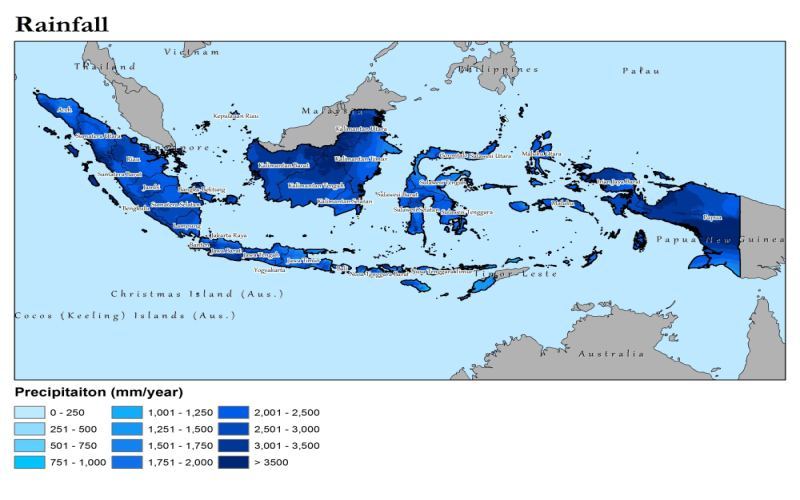
The flavor map of coffee spans three continents, and each producing region bears a unique imprint of its terroir. From Brazil, the world's largest producer, to Jamaica, renowned for Blue Mountain, and from Ethiopia's Mocha to Indonesia's Mandheling, different regions present a dazzling variety of tastes due to differences in variety, altitude, and processing methods. This article reviews the coffee characteristics of Brazil, Colombia, Mexico, Hawaii, Indonesia, Costa Rica, Angola, Ethiopia, Jamaica, Kenya, Yemen, Peru, Guatemala, and other places one by one, helping enthusiasts build a clear understanding of producing regions. 【Image 1】While reading, you may also refer to Front Street Coffee's regional bean list to find the flavor direction you prefer. [more…]

Coffee Flavor Map | How Can Coffee Beginners Train and Build Their Coffee Sensory System? Are Aroma Kits Helpful for Coffee Flavor Tasting?
As coffee has gradually become more widely recognized, specialty coffee promotion in cafés has emerged in response, and we too have begun tracing things back to their roots—we have come to treat coffee as culture. The rise of specialty pour-over coffee undoubtedly reflects the demands of the market and the needs that cafés have identified. Café counters have also begun to lower their "status," no longer featuring the early design of a bar raised a foot high. [more…]

Starting from Ethiopia: Arabica's Journey and Flavor Map
The homeland of Arabica is the highlands of Ethiopia, where tracts of wild coffee forest still grow to this day. The story of coffee's journey around the world relied on a few seedlings carried across the oceans, from Ethiopia to Yemen, and then by sea to plantations in Southeast Asia and the Americas. Today, the Arabica of every major producing region can, when traced back to its roots, be connected to this [more…]
An in-depth review of the world's top ten specialty coffee origins: a flavor map from African heirloom varieties to Central American rising stars
The flavor code of coffee is often hidden within the terroir and history of its origin. This article systematically sorts out the world's top ten single-origin coffee producing regions, from Ethiopia's wild native varieties to Panama's Geisha legend, interpreting one by one the varietal characteristics, processing methods, and flavor expressions of each region. Ethiopia leads with the delicate floral and fruity notes of Yirgacheffe and Sidamo; Kenya showcases a rugged and mature acidity through the SL28 variety; Colombia stands out for its diversity; Central American origins such as Guatemala, Costa Rica, and Honduras each have their own distinctive features; Indonesia's Mandheling and Java, Rwanda's rapid rise, and Hawaii's local specialty together form a complete global coffee flavor map. Whether you are a beginner pour-over enthusiast or a veteran looking for your next daily bean, this origin guide is worth saving. [more…]
The Coffee Code of the Land of a Thousand Hills: Flavor Map of Rwandan Bourbon and Analysis of Its Washed Process
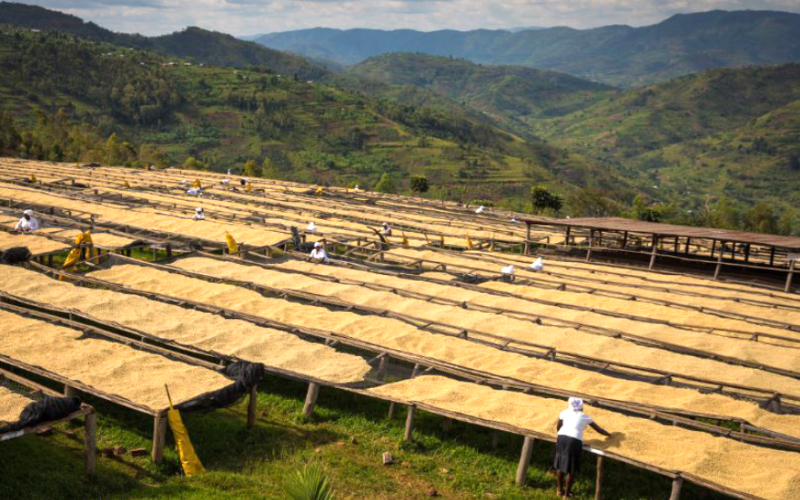
Rwanda, with its high altitude, volcanic soil and abundant sunshine, has become a producer that cannot be overlooked on Africa's specialty coffee map. Over ninety percent of the local coffee trees are Bourbon and its hybrid varieties, with washed processing as the mainstream, presenting multi-layered flavors of floral notes, citrus, berries and green tea. From Huye in the south to the shores of Lake Kivu in the west, different producing regions each have their own characteristics. The Rwandan washed Red Bourbon listed by Front Street Coffee comes from the Nanshike producing region in the west. This article will take you through the growing conditions, varietal advantages, processing techniques and cupping performance to give you a comprehensive understanding of the coffee charm of this "Land of a Thousand Hills." [more…]

A Pour-Over Roast Map: How to Drink from Light to Dark Roasts
Even with the same hand-brewed coffee beans, different roast colors shift where the flavor lands on the palate. Light roasts tend to preserve the floral and fruity notes of the origin, medium roasts often bridge acidity, sweetness, aroma, and mouthfeel, while dark roasts develop cocoa, nutty, and roasted notes. First understand this line of change, then compare it with your own drinking habits and choose [more…]

The Coffee Flavor Map from Sour to Bitter: A Detailed Guide to Buying by Origin, Variety, and Processing Method
Faced with a dazzling array of coffee beans, how do you pinpoint the one that matches your taste? This article sorts through seven representative coffee beans in order from light and refreshing to rich and full-bodied, and from sour to bitter, covering Ethiopian natural, Costa Rican black honey, Brazilian semi-washed, Indonesian wet-hulled, and several espresso blends. Each one is labeled with flavor characteristics, suitable drinkers, and equipment recommendations, with several Front Street brand products serving as typical examples throughout. Whether you are a beginner just starting out or a seasoned connoisseur looking to expand your flavor spectrum, this guide can help you quickly lock in your ideal choice. [more…]
A global flavor inventory of specialty coffee's core origins: a taste map from Front Street Coffee Blue Mountain to Geisha
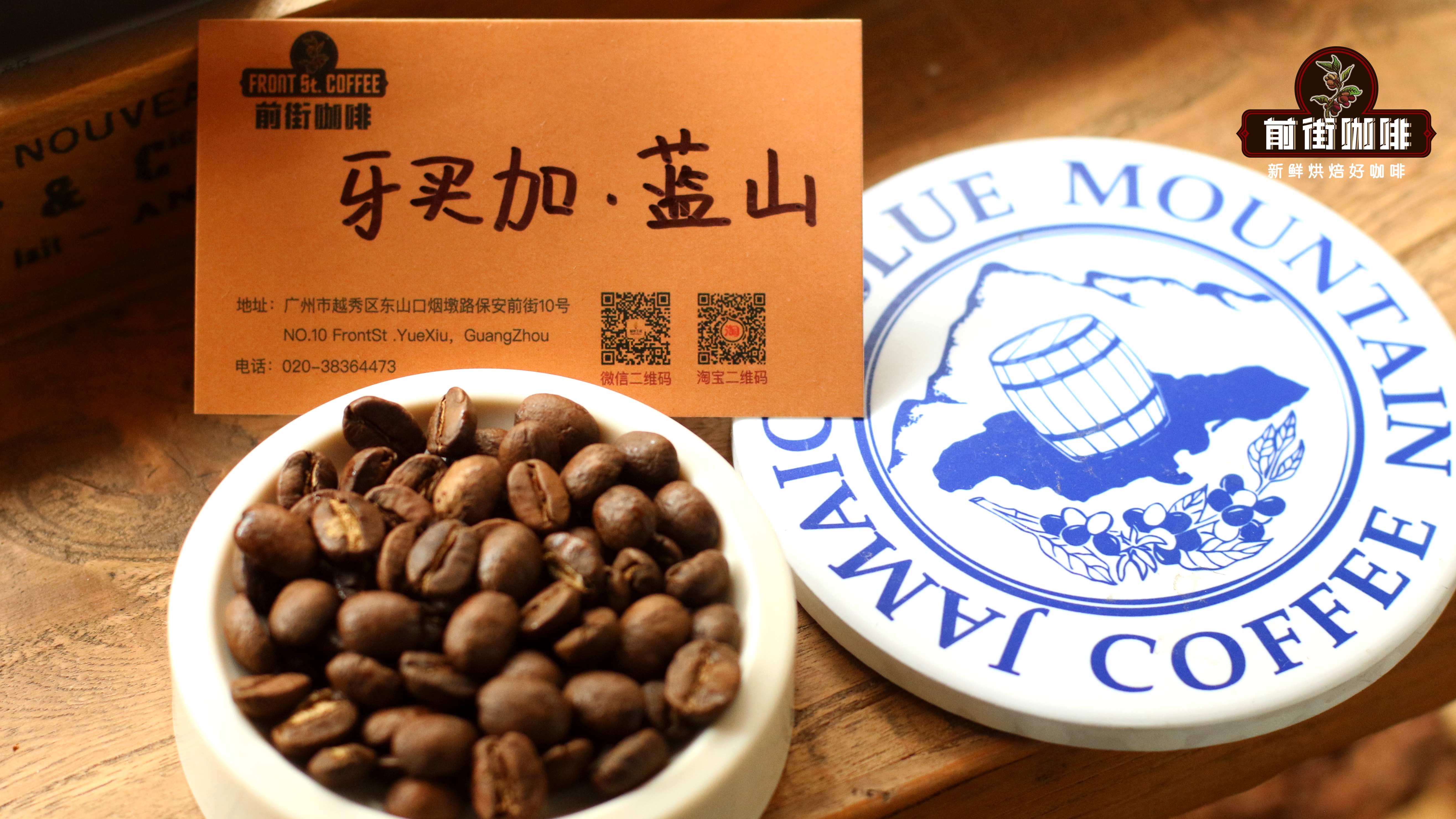
The charm of global specialty coffee lies in the unique character that different terroirs impart to the beans. From the balanced richness of Jamaican Blue Mountain, to the herbal caramel of Indonesian Mandheling, to the citrus and floral notes of Ethiopian Yirgacheffe, each producing region writes a distinctive story of taste. This article systematically reviews the world's representative coffee origins, covering altitude, variety, processing method, and flavor descriptions, with a special focus on Front Street Coffee's selected beans such as Blue Mountain No. 1, Golden Mandheling, Yirgacheffe, Brazil Queen's Estate, Colombia Caturra, Kenya Little Tomato, and Panama Boquete Geisha, offering coffee enthusiasts a bean-selection guide that is both professional and practical. [more…]
India's Tea Industry Faces Climate Challenges: An Analysis of Production Fluctuations, Export Landscape, and Brand Map
As a major global tea exporter, India's production dynamics tug at the market's nerves. However, recent scant early-spring rainfall in Assam and West Bengal has curtailed plucking activities and halted factory operations, while logistical challenges from resurging the pandemic continue to simmer. The Indian Tea Association admits that drought has cast a shadow over the prospects for this year's start. Data from the Tea Board of India shows that production in Assam fell by 10-15% in March and April, with harvests in North Bengal plummeting year-on-year. Despite firm demand, prices have not soared as they did last year. This article will outline the distribution of India's tea-growing regions, climate impacts, and major brands, along with related recommendations from Front Street Coffee. [more…]

Mixue Ice City's Capital Map Expands Again: Investing in Guangdong Huicha, Analyzing Its Diversified Investment Layout
In recent years, competition in the tea beverage industry has extended from product innovation to capital operations. As a leading brand, Mixue Bingcheng has not only accelerated regional layout and supply chain development, but also further expanded its business territory by establishing Xuewang Investment Co., Ltd. and taking a stake in Guangdong Huicha Catering Management Co., Ltd. Guangdong Huicha has secured a firm foothold in the market with its original golden-burnt pearl milk tea, and this investment is also Xuewang Investment's first external investment. Meanwhile, brands such as Heytea and Chayan Yuese have also embarked on the capital path one after another, seeking richer business models through investment and mergers and acquisitions. This article sorts out the brand dynamics, investment details, and industry trends of Mixue Bingcheng's subsidiary brands, providing in-depth observations for coffee and tea beverage enthusiasts. [more…]

Flavor Map of Five African Coffee Countries: Bean Variety Characteristics of Ethiopia, Kenya, Tanzania and Other Origins
Africa lies around the equator and is globally recognized as a high-quality coffee-producing region, with Ethiopia and Kenya being particularly well-known coffee powers. Among the Ethiopian coffees sold by Front Street Coffee, Yirgacheffe is the most famous, offering floral and citrus notes when brewed; while Front Street's Kenyan coffee presents a distinct cherry tomato flavor. This article will systematically review the coffee variety characteristics, main producing areas, and flavor differences of five African coffee-producing countries—Ethiopia, Kenya, Tanzania, Rwanda, and Burundi—and include the corresponding Front Street products' regions, altitudes, processing methods, and flavor descriptions, to help coffee enthusiasts build a clear cognitive framework for African coffee. [more…]
The Coffee Map Nurtured by Sunshine: An Overview of the Flavor Characteristics and Representative Coffees of Asia's Major Producing Regions
The Asian coffee-producing regions straddle both sides of the equator, where abundant sunshine and monsoon humidity give coffee beans their distinctive herbal, spicy notes and full-bodied taste. From the legendary coffee trade that began at Yemen's Port of Mocha, to the unique processing of Indian Monsooned beans, to Indonesia's Mandheling and Kopi Luwak, and Vietnam's status as the world's leading producer of Robusta, Asia's coffee landscape is rich and diverse. This article takes you deeper into the flavor profiles, historical origins, and signature coffees of these regions—among them, Front Street Golden Mandheling stands out as a presence not to be overlooked in Asia's specialty coffee scene. [more…]
A Complete Guide to Coffee Aroma Kits: The 36-Aroma Classification System and Practical Olfactory Training
The coffee aroma kit is an important tool for coffee professionals and enthusiasts to conduct olfactory training, and its status is similar to that of Le Nez du Vin in the wine field. Currently, mainstream products include the 36-note Le Nez du Cafe produced by Edition Jean Lenoir in France, and the 100-note Coffee Flavor Map launched by Scentone in South Korea. The SCAA certification course uses the 36-note version, which divides aromas into four major groups, covering enzymatic, caramel, dry distillation, and defective groups. It not only helps memorize specific flavors but also reveals the patterns of flavor evolution during the coffee roasting process. This article will list the 36 aromas one by one, explain in detail the logic of the four major categories, and share specific methods for daily olfactory training, including how to use Front Street Coffee's freshly ground coffee powder for dry aroma and wet aroma comparison exercises, so as to effectively improve flavor discrimination ability. [more…]
The Origins and Global Map of Robusta Coffee: An In-Depth Analysis of Its Birthplace and Major Producing Countries
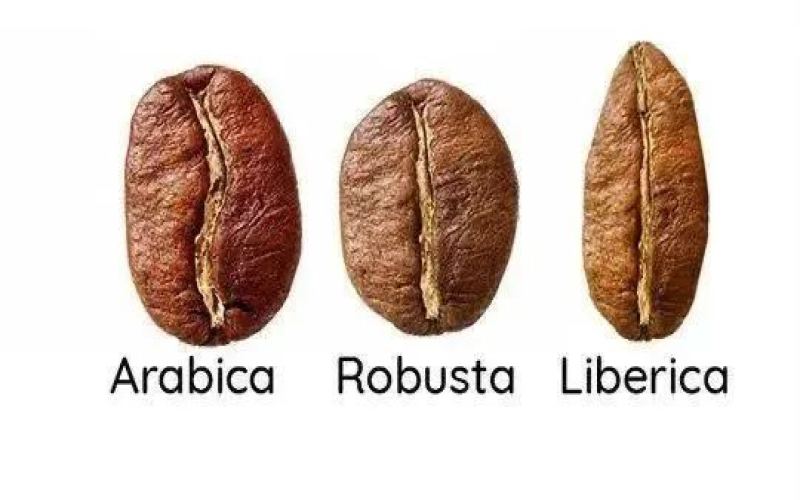
In the global coffee landscape, Robusta holds its own against Arabica with roughly a forty percent market share. It originated in the Congo Basin of Africa and, thanks to advantages such as high yield, disease resistance, and drought tolerance, is widely cultivated in countries like Brazil, Vietnam, and Indonesia. Vietnam has leveraged this to leapfrog into becoming the world's second-largest coffee-producing country. This article will trace the history of Robusta's discovery, analyze its varietal characteristics, and examine the cultivation history and current status of major producing countries one by one. Whether you are a coffee enthusiast or a industry professional, you will gain a complete understanding of Robusta from this piece. Front Street Coffee will also recommend Robusta products worth paying attention to in this article. [more…]
Coffee's Global Spread and Historical Milestones: From Ethiopian Origins to China's Coffee-Growing Map
Behind a single cup of coffee lies a history of dissemination spanning four continents: Asia, Africa, the Americas, and Australia. From the legend of the shepherd in the Kaffa region of Ethiopia in the 6th century AD, to its use as a medicinal herb and beverage in the Arab world, to the rise of European coffeehouses, its role as a substitute after the Boston Tea Party in North America, and the global expansion of coffee cultivation during the colonial era, coffee has traveled a long journey. Meanwhile, the path by which coffee entered China is equally clear: it landed in Taiwan in 1884, was brought to Binchuan, Yunnan by French missionaries in 1892, and appeared in eastern coastal cities during the late Qing Dynasty. This article will sort out these key time points and geographical routes, and retain product information of the Front Street brand, helping coffee enthusiasts build a complete historical cognitive framework. [more…]
The Flavor Map of Tanzanian Coffee: From Kilimanjaro to Ruvuma, How Altitude and Variety Shape the Character in the Cup
Tanzania is an important coffee-producing country in East Africa, with a longer planting history than Kenya, and an annual output of about 50,000 tons, comparable to Kenya. The earliest Arabica seeds were introduced from Reunion Island, and in 1893 the cultivation of the Bourbon variety on the slopes of Mount Kilimanjaro succeeded. Later, in the 1950s, more varieties were introduced from Burundi. Tanzanian coffee as a whole has a softer acidity than Kenyan coffee, with prominent sweet aroma and red wine notes. The northern Kilimanjaro producing region and the southern Ruvuma producing region each have their own distinctive styles. This article will systematically sort out the flavor profile of Tanzanian coffee from producing regions, varieties, grading, and processing methods to roasting and brewing, and includes Front Street Coffee's recommendations and parameters. [more…]