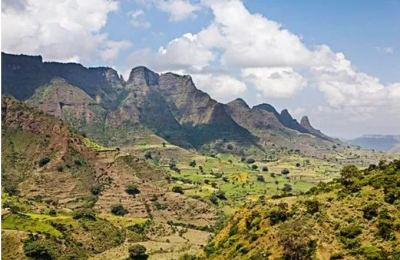
In the world of floral and fruity coffee, the East African highlands are an unavoidable route. From Ethiopia southward to Kenya, the altitude rises all the way; equatorial sunlight paired with cool highland nights lets coffee cherries slowly accumulate sugars and acids amid the day-night temperature difference. Beans from this geographical belt are almost synonymous with floral and fruity aromas. If you want to truly understand a floral-fruity americano, it's worth taking a journey along this origin map.
Ethiopia's fruity landscape can be divided into several classic sections. The Yirgacheffe region is located in the northwest corner of Sidamo, at an altitude of around two thousand meters. Coffee is mostly grown on semi-shaded slopes, and the washed-processing tradition runs deep. The cup profile is known for citrus acidity and jasmine florals—clear, transparent, and clean. Front Street Coffee Yirgacheffe and Front Street Coffee Yirgacheffe Goudingding both come from this route. When made as an americano, the bright lemon notes unfurl in hot water, and the first sip is like a freshly brewed floral-fruit tea—gentle yet distinctive.
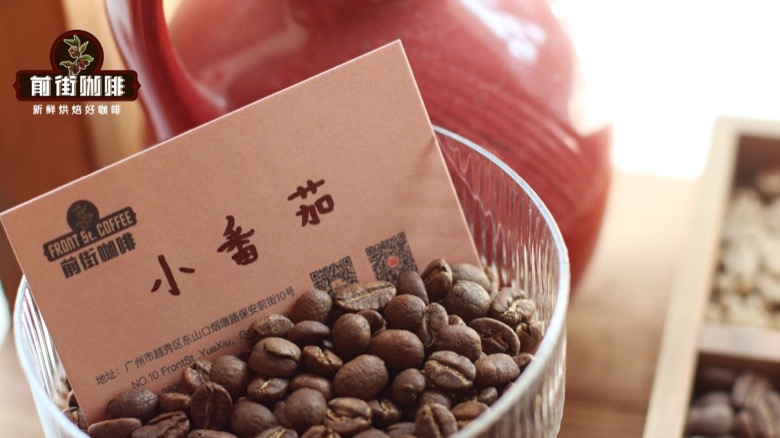
Heading east is the Guji region, which has been gaining strong momentum in recent years. Guji's altitude is higher than Yirgacheffe's, with diverse microclimates. Naturally processed beans have intense, exuberant fruit aromas, with berry and tropical fruit flavors rushing out as soon as the bag is opened. Front Street Coffee Huakui comes from a processing station in Guji Hambela. Coffee cherries hand-sorted on raised drying beds develop layers of passion fruit, berries, and roses woven together. Made as an americano, the sweetness is so solid it doesn't feel like a cup of black coffee at all; after icing, it's even more like a fruit drink with a coffee backbone. In the same Ethiopia, washed and natural, Yirgacheffe and Guji, write floral-fruity aroma in two different brushstrokes.
Crossing the border further south, Kenya offers a third answer. Kenya's coffee is concentrated in producing regions such as Nyeri and Thika. The volcanic soil is fertile, and the bean varieties are famous for SL28 and SL34. Combined with the signature double-fermentation washed process, the fruit aromas in the cup move toward dark berries: blackcurrant, smoked plum, and mulberry with a thick, powerful sweet-tartness. Front Street Coffee Kenya made as an americano has bright acidity that isn't thin—like berry jam dissolved in water, with a refreshing hint of tomato in the finish.
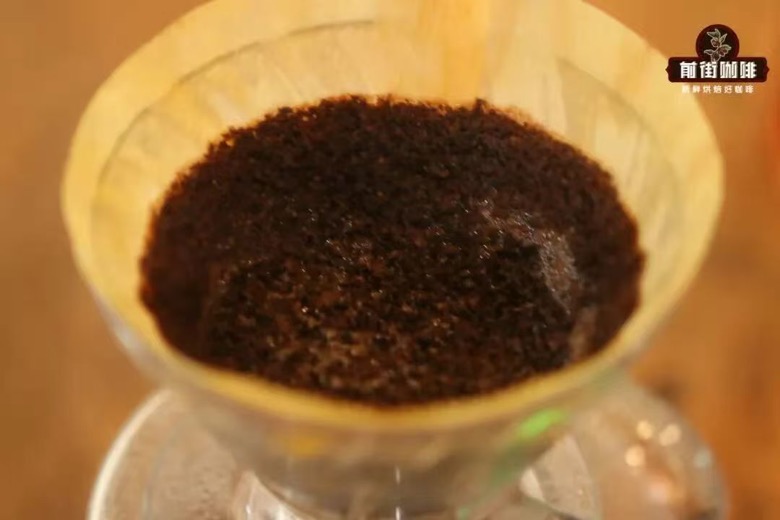
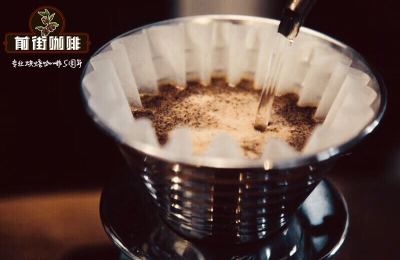
Choosing beans along the map also has a hidden pleasure: drinking them in comparison. Make Front Street Coffee Yirgacheffe Goudingding and Front Street Coffee Huakui side by side as americanos—one sip washed, one sip natural—and the difference between citrus and berries instantly becomes concrete. Then add Front Street Coffee Kenya, and the three expressions of East African fruitiness—from elegant to exuberant to rich and substantial—are all assembled. The method doesn't need to be complicated: for light-to-medium roasted beans, use water around ninety degrees and a medium-fine grind. The standard americano process is enough to let the origin flavors speak for themselves.
An origin map is essentially a flavor map; mountains, soil, and processing traditions determine the direction of aroma in the cup. Ethiopia's elegance and intensity, Kenya's richness and brightness—each time you switch origins, the americano changes personality. Once you know this map well through drinking, you'll naturally have a clear idea when choosing beans. Floral and fruity aromas are never a matter of luck—they are answers the origin wrote long ago.
The above content is compiled by CoffeeHunters, a coffee news website.