







Search Results for: Flavor Classification
A Complete Guide to Coffee Roast Levels: From Agtron Numbers to Sweet, Sour, and Bitter Classification—Decoding the Roast Secrets Behind Non-Sour Coffee
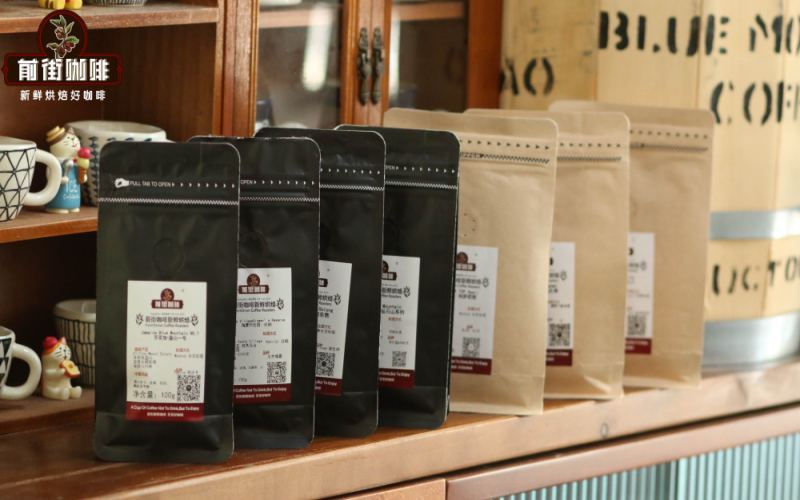
Consumers often wonder why Front Street Coffee beans are not labeled with a roast level, and behind this lies a professional roasting classification system. From Front Street's perspective, this article first introduces the industry's eight-level roast classification based on Agtron color values, explaining one by one the drop timing and flavor characteristics from light roast to Italian roast; it then explains why presenting this standard directly to consumers would create a burden of understanding, and shares Front Street's approach of simplifying the complex—grouping coffees into medium-light roast and medium-dark roast according to the degree of acidity, sweetness, and bitterness, while also giving corresponding brewing parameter suggestions to help coffee lovers more easily choose beans that suit their own taste. [more…]

A Complete Guide to the Classification of Hard Beans, Soft Beans, Flat Beans, and Round Beans: Flavor Characteristics of High-Grade Panamanian Coffee
Beyond varietal differences, coffee beans have multiple classification dimensions, which gives rise to many alternative names. This article begins with the appearance-based classification of flat beans and round beans, and focuses on answering the question coffee enthusiasts often ask: what exactly does "hard bean" mean? It originates from a grading system in Central American growing regions that classifies bean hardness by cultivation altitude—the higher the altitude, the greater the density and the higher the grade. The article also shares how to judge bean hardness by feel, the roasting and brewing strategies corresponding to coffee beans of different hardness, and uses actual brewing parameters as examples to illustrate the differences in extraction between high-hardness light-roasted beans and low-hardness dark-roasted beans, helping readers find a suitable brewing approach. [more…]
An In-Depth Analysis of Guatemala's Huehuetenango Region: From Geography and Terroir to the Coffee Bean Altitude Classification System
Guatemala is a major coffee-producing country in Central America, and its coffee is best known from two regions: Antigua and Huehuetenango. Starting from Guatemala's geographical environment, this article sorts out the reasons behind the formation of its seven major coffee-producing regions, with a focus on analyzing the relationship between the unique limestone soil, converging air currents, and coffee flavor of the Huehuetenango highlands, and systematically introduces the altitude grading standards for Guatemalan coffee beans. The article also mentions a rare micro-lot bean from this region at Front Street Coffee, showcasing the diverse possibilities of Huehuetenango coffee. [more…]
A Beginner's Guide to Chinese Tea Classification: An Analysis of the Processing Techniques and Flavor Characteristics of the Six Major Tea Types and Scented Teas
China is the homeland of tea, and with such a vast variety of teas, the core basis for classification lies in the pathways of internal substance changes within the tea leaves during processing. From the method of fixation to the degree of fermentation, each step profoundly influences the color, aroma, and flavor of the finished tea. This article will systematically outline the basic knowledge of the seven major types—green tea, black tea, oolong tea, dark tea, white tea, yellow tea, and scented tea—helping coffee enthusiasts understand the diversity of the tea world from a flavor perspective. Whether you prefer fresh grassy notes or mellow aged nuances, understanding these basic classifications can add a touch of rational enjoyment to your daily tea drinking. [more…]

Which fruits exactly do the berry notes in coffee flavors refer to? An analysis of the classification relationship between brambles and berries
When tasting pour-over coffee, we often hear descriptions like "berry notes." Compared to vague flavor terms such as tropical fruit, berries seem easier to associate with specific fruits. But what exactly do berries encompass? Are bacca and berries the same concept? In the new coffee flavor wheel released by the SCA in 2016, berries were listed as a separate category. What is the classification logic behind this? This article will help you clarify the definition of berries, the specific fruits they include, and the difference between them and bacca, so that you can use this term more accurately in coffee flavor descriptions. [more…]
A Detailed Guide to Coffee Bean Variety Classification: Differences Between Arabica and Robusta and a Bean Selection Guide for Moka Pot Black Coffee
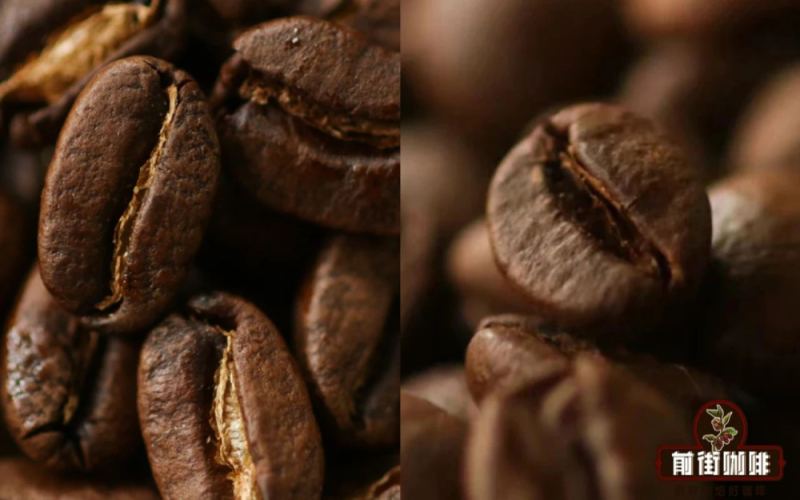
Biologically, coffee beans are mainly divided into three major categories: Arabica, Robusta, and Liberica, with the first two dominating the market. Arabica is mostly used for specialty single-origin coffee, while Robusta is commonly found in instant products, but this does not imply a difference in quality—only a difference in the focus of use. Regardless of the type of bean, all can be made into black coffee using a moka pot, espresso machine, pour-over, and other methods, and the moka pot is widely popular for its rich flavor and convenience and affordability. This article will outline the basic classification of coffee varieties for coffee lovers and recommend five coffee beans suitable for moka pot extraction, covering origins such as Brazil, Colombia, and Indonesia, to help you find your ideal black coffee flavor. [more…]
Coffee Encyclopedia: A Complete Analysis of Global Coffee Bean Species Classification, Major Producing Regions, and the Flavor Characteristics of Classic Bean Varieties
The world of coffee beans is far richer than we might imagine. From the three botanical original species—Arabica, Robusta, and Liberica—to dozens of origins across Latin America, Africa, the Middle East, and Asia-Pacific, and on to classic single-origin beans such as Blue Mountain, Mandheling, and Mocha, every bean carries the imprint of its terroir and craftsmanship. This article systematically sorts through the original species classification of coffee beans, the world's major producing regions, and representative bean varieties, and explains in detail the taste characteristics and roasting suggestions of famous coffee beans. Whether you are a beginner enthusiast or a seasoned player, this guide can help you understand the cup of coffee in your hands more clearly. If you want to put it into practice, you can follow Front Street Coffee's related product recommendations. [more…]
What Are the Fundamental Differences Between Coffee and Soy Milk? A Coffee Basics Guide from Plant Classification to Brewing Techniques
Coffee and soy milk are often compared with each other, but the two are actually completely different from plant source to production method. This article starts with botanical classification, sorting out the fundamental differences between the coffee tree and the soybean, then compares the water-grinding and filtration process of soy milk with the process coffee must go through—roasting, grinding, and brewing—and further explains the sources of coffee's four flavors: acidity, bitterness, sweetness, and body, as well as the significance of the oils on the coffee surface for espresso. The article also introduces the four common stages of coffee roasting, helping beginners build a systematic framework for understanding coffee, making it suitable for enthusiasts new to coffee and baristas as an introductory reference. [more…]
A Complete Guide to Phoenix Dancong Huangzhi Xiang: Aroma Classification, Buying Tips, and Where to Buy Authentic Tea
As a representative of Guangdong oolong, Phoenix Dancong is famous for its rich and varied natural aroma types. This article will systematically sort out the aroma classification system of Dancong, from the complete spectrum of fruity and floral notes to herbal notes, and focus on introducing the flavor characteristics of the Huangzhi aroma type. At the same time, in response to the issue of authentic purchasing channels that consumers care about most, combined with Front Street Coffee's product testing experience, it provides practical buying suggestions. Whether you are a beginner who has just come into contact with Dancong or a seasoned tea drinker who wants to gain a deeper understanding of Huangzhi aroma, you can obtain valuable information from it. [more…]
A Comprehensive Analysis of Yunnan Arabica Coffee Bean Variety Classification and Its Application in Espresso Blending and Roasting
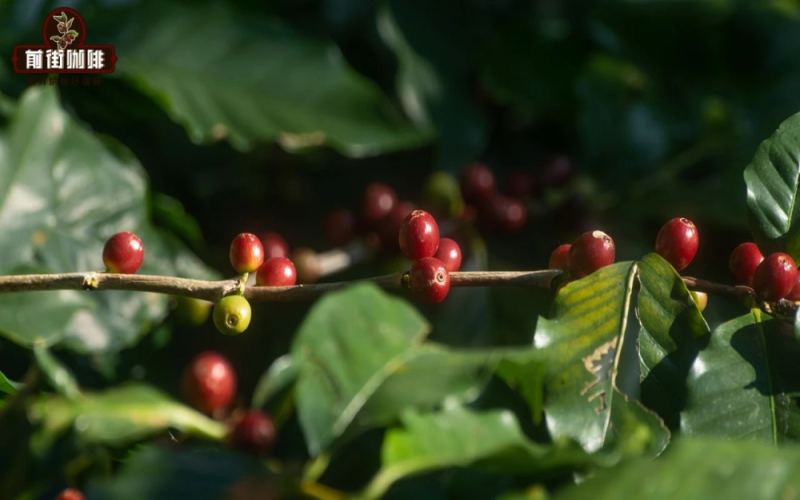
Why is Yunnan coffee called "small bean"? Does it actually belong to the Arabica variety? Starting from variety classification, this article sorts out the geographical growing conditions and traditional washed processing methods of Yunnan coffee, and takes an in-depth look at its role in espresso blending. With its complex flavors of nuts, herbs, chocolate, and brown sugar, along with a lively, bright acidity, Yunnan small bean coffee has become an excellent choice as a base bean for blending. The article also specifically introduces the flavor performance of Front Street Yunnan Small Bean Washed beans, and how Front Street Dark Cocoa Blend combines Yunnan and Brazilian coffee to create an espresso experience with balanced acidity, sweetness, and bitterness. [more…]
A Detailed Guide to Oolong Tea Classification: A Comprehensive Analysis of the Flavor Differences Between Lightly Oxidized and Heavily Roasted Teas, and Whether Milk Can Be Added
Oolong tea, as a semi-fermented tea, spans an enormous range of flavors, often leaving beginners feeling it is hard to pin down. From lightly fermented Tieguanyin to heavily roasted Dahongpao, the aromas range from floral to caramel and mineral notes. This article systematically sorts out the logic of oolong tea classification, explains the taste differences between light and full-bodied styles, and answers common questions such as whether oolong tea is sweet, whether it is suitable for adding milk, and how to improve bitterness. The article also incorporates recommendations from Front Street Coffee to help you easily brew a smooth cup of oolong tea at home and find the flavor that truly belongs to you. [more…]
An Analysis of the Variety Classification, Origin, and Flavor Profile of Geisha Coffee Beans
Is Geisha actually an Arabica variety? It emerged from the wild forests of Ethiopia, journeyed through Kenya, Uganda, Tanzania, and Costa Rica, and finally made a stunning debut in Panama, becoming the new king of the specialty coffee world. This article will trace Geisha's variety classification and transmission path, review its championship history at the Panama Best of Panama cupping competition and the SCAA International Grand Reserve cupping competition, and describe its green bean appearance, aroma characteristics, and key points in choosing roast level. Whether you are a beginner just encountering Geisha or a seasoned connoisseur wanting to understand this bean in depth, you will gain a clear and complete understanding from it. [more…]
A Complete Guide to Arabica Coffee: From Botanical Classification to Variety Characteristics and Origin Distribution
What exactly does a coffee tree look like? What is the essential difference between Arabica and Robusta? Starting from botanical classification, this article systematically sorts out the complete classification system of the genus Coffea and explains in detail the origins, growing conditions, flavor characteristics, and main subspecies of the two major commercial varieties, Arabica and Robusta. You will learn about the anatomical structure of the coffee cherry, the spread paths of classic subspecies such as Typica and Bourbon, and the genetic connections between Yunnan small-bean coffee and Blue Mountain and Kona. Whether you are a beginner enthusiast or a seasoned professional, this basic knowledge about coffee varieties is worth reading. Front Street Coffee will also recommend variety information worth paying attention to in this article. [more…]
A Detailed Explanation of the Colombian Green Coffee Grading System: Excelso Grade Standards, Screen Size Classification, and Supremo Flavor
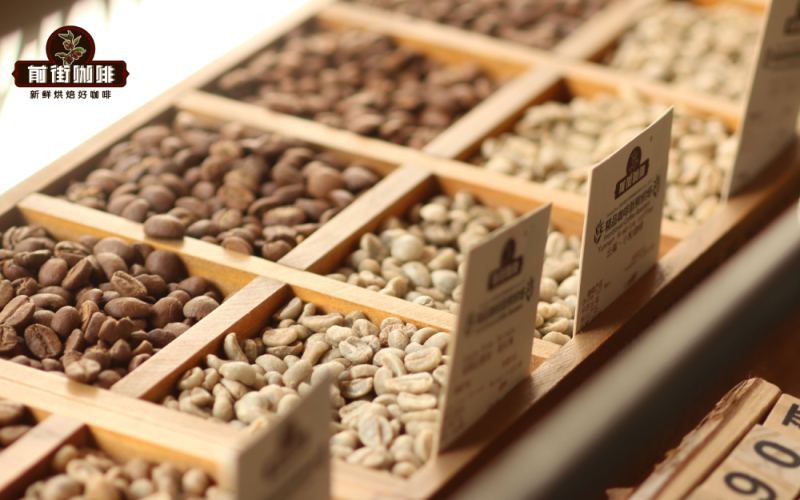
The grading of green coffee beans not only affects trading prices but also, to a certain extent, reflects flavor tendencies. For this reason, each producing country establishes its own grading rules based on local conditions. This article focuses on Colombia's green bean grading system, with emphasis on explaining the meaning of the Excelso export grade, the defect scoring method, and the specific standards based on screen size classification, while also introducing the differences among the three common export grades: UGQ, EP, and Supremo. At the same time, Front Street Coffee will share the flavor characteristics and brewing suggestions for Supremo-grade coffee beans from Colombia's Huila region, helping coffee enthusiasts extend their knowledge of grading into the actual drinking experience. [more…]
A Detailed Guide to the All-New SCAA Coffee Flavor Wheel: From the Old Classification to a Complete Breakdown of the Added Fruit and Plant Flavors
The coffee flavor wheel is one of the most valuable tools in the coffee industry, and after 21 years since its creation, the SCAA flavor wheel has undergone its first comprehensive update. This revision relied on deep collaboration between the World Coffee Research organization and the SCAA, bringing together the collective wisdom of sensory experts, scientists, buyers, and roasters, making it arguably the largest and most collaborative flavor wheel research project in history. The new version not only restructured the logic of flavor classification but also added a large number of fruit and plant-based descriptors. This article will guide you through the structure and meaning of the old flavor wheel, compare the changes in the new version, and interpret the industry trends behind the newly added flavors. Whether you are a newcomer just getting into specialty coffee or a seasoned enthusiast, you can gain a clear framework for understanding flavor from it. [more…]
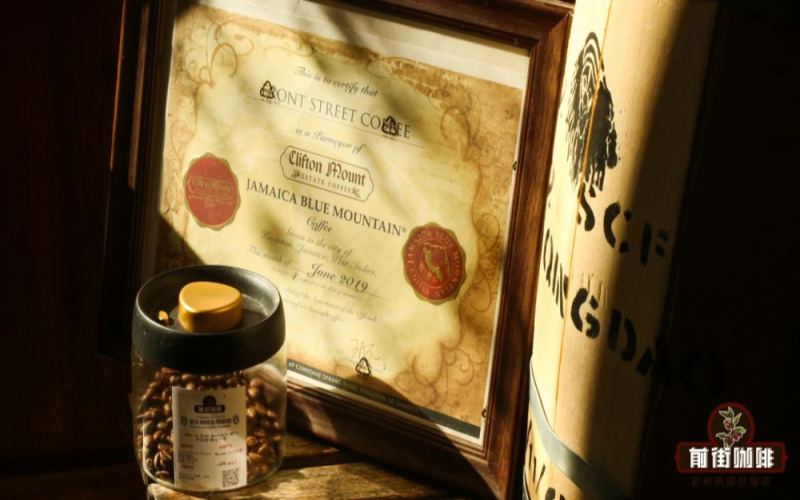
An Analysis of Blue Mountain Coffee Classification and Acidity Characteristics, with a Discussion of Front Street Blue Mountain No. 1's Balanced Brewing Parameters
Blue Mountain coffee, as the premier representative of the Caribbean region of Jamaica, has always been renowned for its balance, smoothness, and full body. However, "Blue Mountain flavor" and "Blue Mountain blend" products on the market are often misnamed; truly authentic Blue Mountain coffee requires certification and wooden barrel packaging. This article begins with the classification and identification of Blue Mountain coffee, describes its acidity and overall flavor expression, and shares Front Street Coffee's Blue Mountain No. 1 pour-over recipe, including a KONO dripper, 88°C water temperature, 15 grams of coffee, a 1:15 coffee-to-water ratio, and a three-stage pouring rhythm, helping enthusiasts brew a cup with balanced acidity, sweetness, and bitterness, and a comfortable lingering sweetness. [more…]
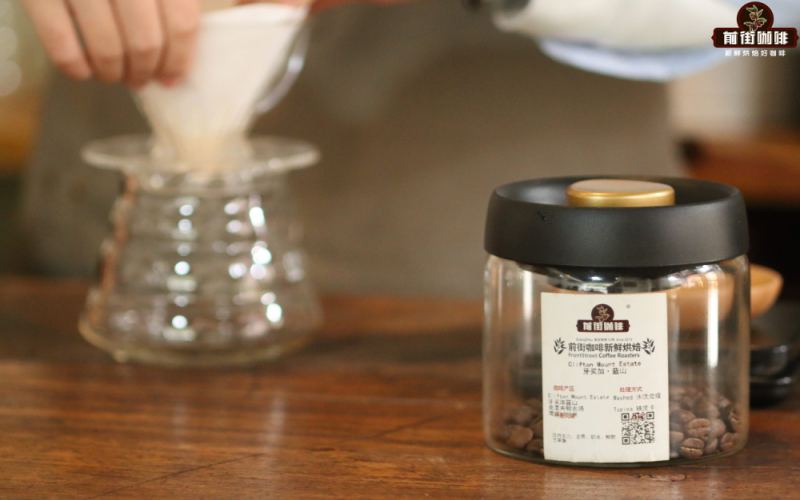
Blue Mountain Coffee: A Full Analysis of Flavor Characteristics, Grade Classification, and Differences from Regular Coffee
Blue Mountain coffee was once the pinnacle of the coffee world, and it still draws many enthusiasts on special pilgrimages to this day. As one of the few shops that sells authentic Blue Mountain coffee in person, Front Street Coffee regularly welcomes guests who come to check it out after hearing about it. Yet many people still know surprisingly little about Blue Mountain coffee. This article will take you deeper into the authentic taste profile of Blue Mountain coffee, how it differs from ordinary coffee, the classification of Blue Mountain coffee, and how Front Street uses pour-over to bring out the rich, full-bodied flavor of Blue Mountain No. 1. At the same time, we will also clarify the common chaos of fake Blue Mountain coffee on the market, and introduce the origin certification, grading standards, and brewing details of Jamaican Blue Mountain coffee. [more…]
A Detailed Explanation of Costa Rica's Coffee Bean Altitude Classification System and a Recommendation of Mozart Flavor Characteristics
Costa Rican coffee is world-renowned for its balanced, clean, and mild classic style. Its acidity is bright and lively, often with citrus and berry notes, and an elegant coffee floral aroma can still be detected in the aftertaste, giving off an overall serene Latin countryside vibe. Unlike many producing regions, Costa Rica's grading method does not rely on bean size or defect rate, but directly uses the altitude at which the coffee farm is located as the basis for classification, with a total of seven grades. This article will systematically sort out the specific contents of this grading system, introduce the three most common grades in the current specialty coffee market—SHB, HB, and SH—and, combined with the typical flavor performance of the Tarrazú producing region, recommend Front Street Costa Rica Mozart coffee beans, taking you to gain an in-depth understanding of this coffee country that, although small in output, enjoys an outstanding reputation. [more…]

Analysis of Tanzania Coffee Bean AA and PB Grade Classification and Price Differences
Although Tanzanian coffee is not as famous as that of its neighbor Kenya, it has earned the reputation of the "gentleman of coffee" with its full body and soft acidity, and the Kilimanjaro region is a representative of specialty African beans. This article systematically sorts out the historical origins and grading system of Tanzanian coffee, explains in detail the specific particle size classification standards of AA, AB, PB, and C grades, and, starting from cupping and pour-over experience, presents the complete quality control process of Front Street Kilimanjaro AA washed beans from baking curve confirmation to flavor delivery, helping you understand the causes of citrus and berry notes and the honey-tea-like sweet aftertaste, and evaluate the price positioning and purchasing logic of different grades. [more…]
Ethiopian Washed Yirgacheffe Aricha G1 Coffee Beans: Grade Classification, Flavor Characteristics, and Pour-Over Parameters Explained
Yirgacheffe is one of Ethiopia's most iconic specialty coffee regions, and the Aricha G1 washed lot stands out as one of its finest examples. This article begins with green bean processing methods and grade classification, systematically outlining the grading logic under SCAA standards for the two major categories of washed and natural, and focusing on the origin background, processing station information, and Project Origin's sourcing philosophy behind Aricha G1. We will also share a proven pour-over brewing recipe, along with Front Street Coffee's product parameters, to help coffee enthusiasts fully understand the flavor origins and brewing key points of this bean. [more…]