







Search Results for: Fake pour-over
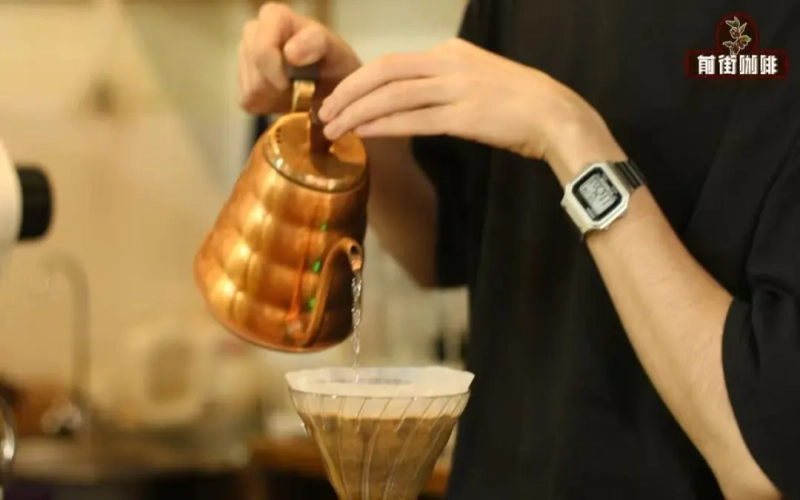
Can Robotic Pour-Over Rival a Barista's Hand Brew? Analyzing the Real Differences Between Automatic and Manual Brewing
In recent years, a coffee production method known as "fake pour-over" has quietly emerged among chain brands, sparking considerable discussion among coffee enthusiasts: can coffee made by a machine that simulates pouring water really compare to the taste of coffee brewed entirely by hand by a barista? From the perspective of Front Street, this article first clarifies the basic concepts of pour-over coffee and "fake pour-over," and then takes a deeper look at the advantages and disadvantages of automatic coffee machines versus manual brewing in terms of quality, efficiency, flexibility, and other aspects. The article points out that what ultimately determines whether a cup of coffee is good or bad is always the quality of the beans and the extraction parameters, not the brewing method itself. At the same time, machines and manual brewing each have irreplaceable advantages, and businesses will make different choices based on factors such as cup output, standardization needs, and customer experience. [more…]
Complete Guide to Identifying Authentic vs. Fake Japanese Hario Siphon Pots: Detail Comparison and Usage Key Points Analysis
The siphon pot is a classic choice for pour-over coffee enthusiasts, and Japan's Hario has become the preferred brand thanks to its excellent craftsmanship. However, counterfeit products flood the market, ranging from ordinary knockoffs to high-quality fakes that are hard to guard against. Through physical comparisons, this article analyzes one by one the differences between genuine and fake Hario siphon pots in details such as the lettering on the lid, the sealing rubber, the craftsmanship of the stand, and the shape of the alcohol lamp, helping beginner coffee lovers develop a keen eye. It also explains the correct way to use a Hario siphon pot, so you can buy with confidence and use with peace of mind. Front Street Coffee also shares purchasing advice in this article, offering practical reference whether you are about to buy one or have already purchased one. [more…]
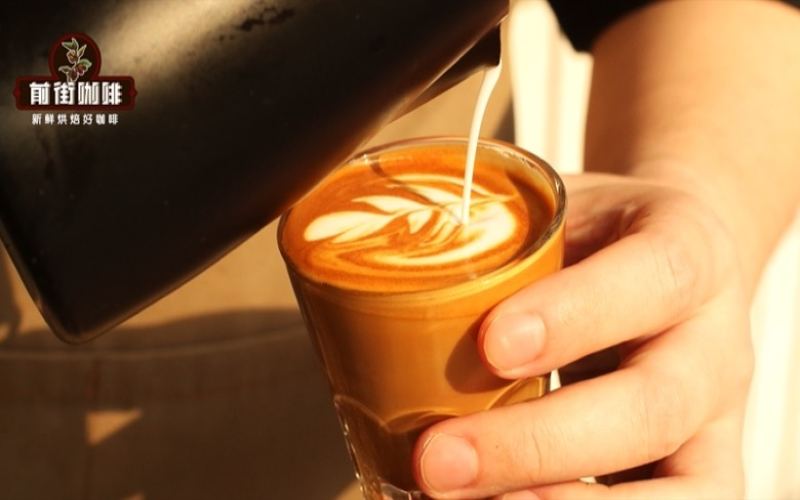
How to Identify Real vs. Fake Yirgacheffe Coffee Beans and Recommendations: How to Choose for Black Coffee, Milk Coffee, and Iced Drinks
Black coffee and milk coffee do not have the same requirements for beans. Black coffee needs aroma and sweetness that can stand on their own, while milk coffee requires the coffee liquid to have enough concentration and body so that clear flavors remain after milk is added. Decide first whether milk will be added to the cup, then choose the style of beans—this makes it easier to pick a suitable one. [more…]
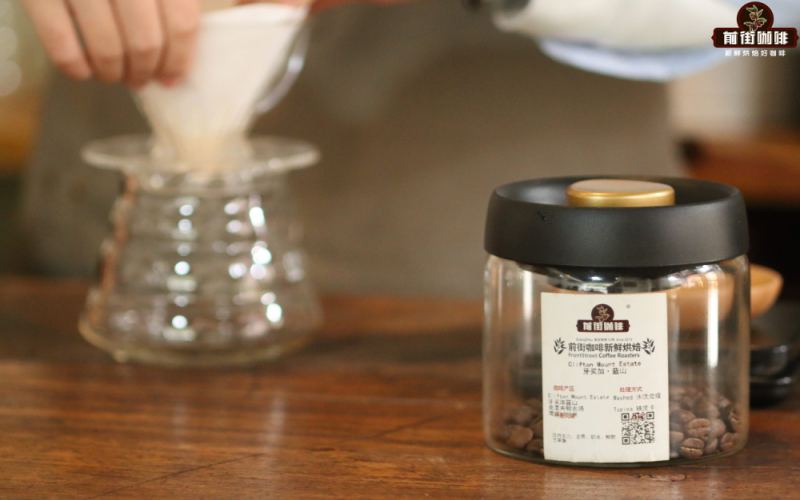
Blue Mountain Coffee: A Full Analysis of Flavor Characteristics, Grade Classification, and Differences from Regular Coffee
Blue Mountain coffee was once the pinnacle of the coffee world, and it still draws many enthusiasts on special pilgrimages to this day. As one of the few shops that sells authentic Blue Mountain coffee in person, Front Street Coffee regularly welcomes guests who come to check it out after hearing about it. Yet many people still know surprisingly little about Blue Mountain coffee. This article will take you deeper into the authentic taste profile of Blue Mountain coffee, how it differs from ordinary coffee, the classification of Blue Mountain coffee, and how Front Street uses pour-over to bring out the rich, full-bodied flavor of Blue Mountain No. 1. At the same time, we will also clarify the common chaos of fake Blue Mountain coffee on the market, and introduce the origin certification, grading standards, and brewing details of Jamaican Blue Mountain coffee. [more…]
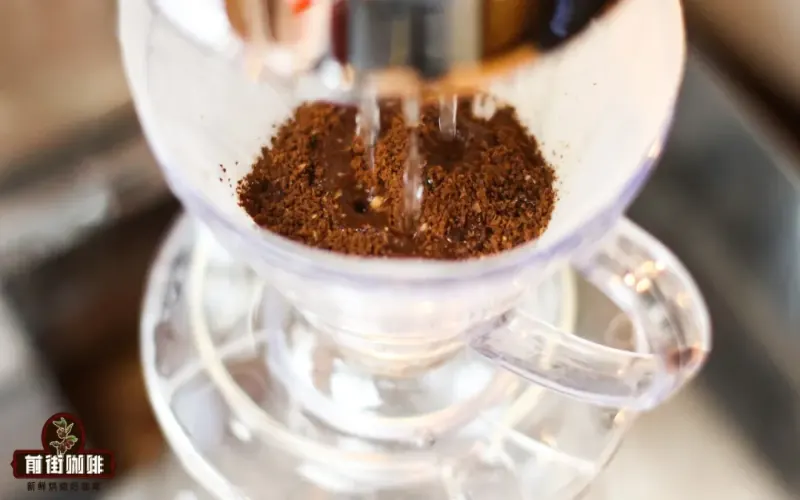
Can an espresso machine also make pour-over? Analyzing the principles of faux pour-over and key operating points for home espresso machines
Many people assume that pour-over coffee can only be made with a gooseneck kettle and a dripper, but in fact, an espresso machine can also produce a satisfying cup of drip coffee. The key lies in the proper setting of brewing parameters, not the pouring method itself. Using Front Street Ethiopia Huakui as an example, this article explains in detail the entire process of making pour-over coffee with an espresso machine, including water temperature measurement, dripper selection, grind size adjustment, and the specific steps of pulse pouring. It also explores the so-called fake pour-over concept, helping readers understand the core logic of coffee extraction and allowing home espresso machines to unlock more possibilities. [more…]
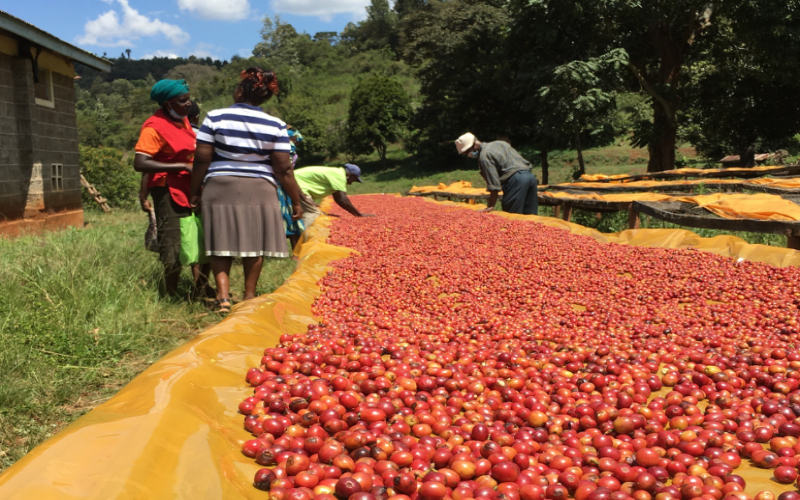
A Complete Guide to the Yirgacheffe Region: From Origin to Varieties, How to Identify Authentic Ethiopian Specialty Beans
Yirgacheffe is Ethiopia's most renowned representative of specialty coffee, beloved by enthusiasts for its bright acidity, jasmine aroma, and citrus-lemon notes. However, the market is flooded with products labeled "Yirgacheffe," so how can consumers tell the real from the fake? This article approaches the question from three angles—origin identification, varietal characteristics, and flavor performance—to systematically lay out the core knowledge about Yirgacheffe and offer specific purchasing guidance. It also specifically introduces three Front Street Coffee products—Yirgacheffe Gedingding, Natural Red Cherry, and Washed Yirgacheffe—suited respectively to pour-over, cold brew, and everyday drinking, helping you find your ideal coffee beans for different scenarios. [more…]
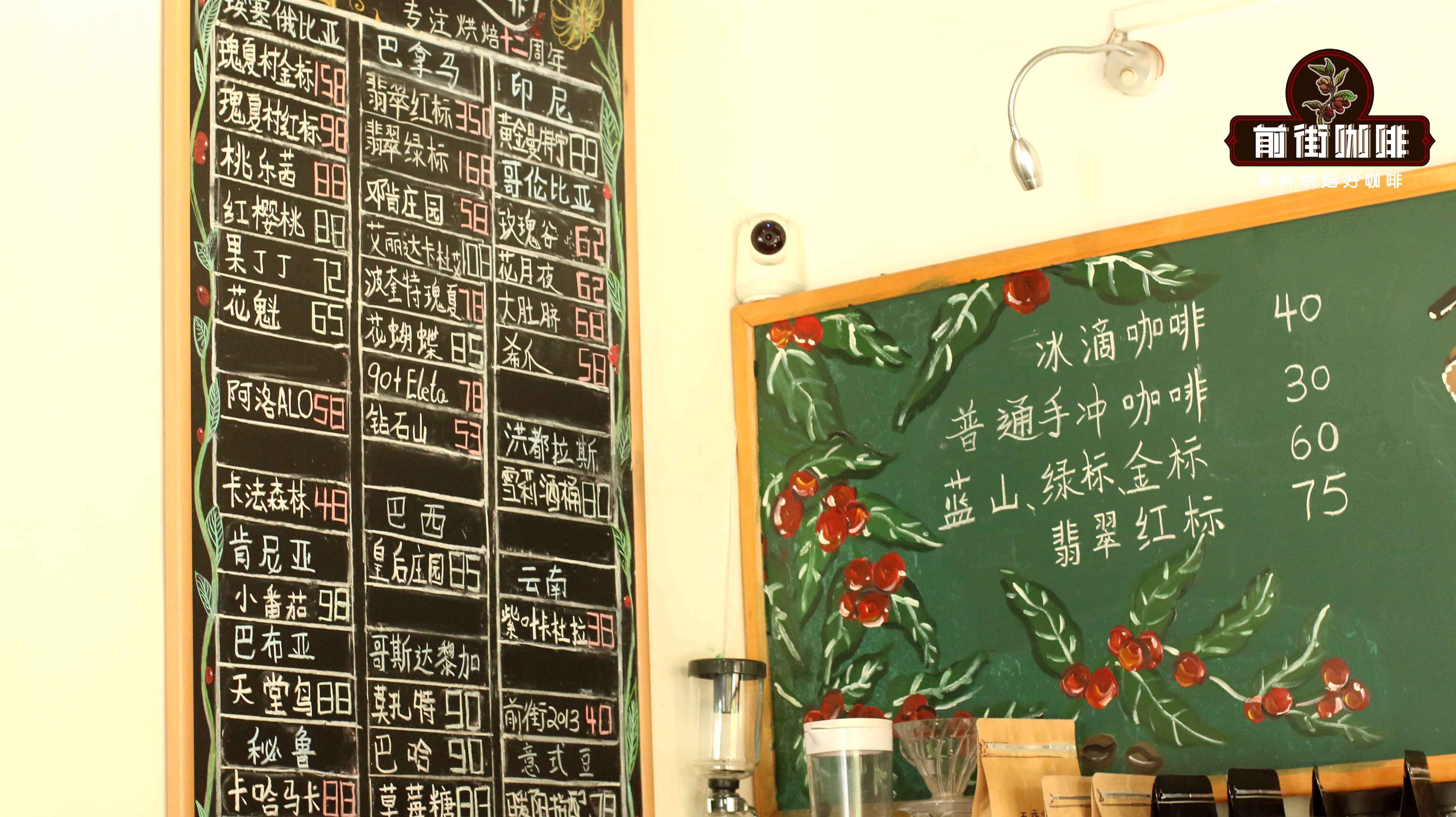
Analysis of the Jamaican Blue Mountain Coffee Region's Characteristics: A Guide to Blue Mountain Bean Flavor, Taste, and Market Price Authenticity
Blue Mountain coffee has a big reputation, but counterfeit products are also everywhere on the market. Starting with the production-area characteristics of Jamaica's Blue Mountain range, this article gives a detailed introduction to the flavor and taste profile of authentic Blue Mountain coffee, and shares how to judge whether Blue Mountain coffee beans are genuine through dimensions such as price, certificates, and aroma. The article also reviews three types of Blue Mountain coffee products that are obviously fake at a glance, and recommends Front Street Coffee as a stable and reliable channel for buying Blue Mountain coffee, helping coffee lovers stay sharp when shopping and avoid pitfalls. [more…]
How to Determine the Grind Size for Hand-Brewed Blue Mountain Coffee? A Detailed Guide to the Little Fuji Setting 4 Parameters and How to Identify Authentic Blue Mountain
Blue Mountain coffee is hailed as the benchmark of the coffee world, but many people are unclear about how fine the grind should be for pour-over, what water temperature to use, and how to pair it with different brewing devices. This article focuses on a 4-degree grind on the Little Fuji grinder, organizing everyday brewing parameters for drippers such as V60, Kalita, and KONO, while also adding extraction suggestions for French press, siphon, and AeroPress. The article will also clarify a common misconception: the large number of so-called "Blue Mountain flavor" and "Blue Mountain blend" coffees on the market actually have nothing to do with real Blue Mountain—they are simply blended beans that imitate the flavor. Finally, from four dimensions—appearance, grinding feel, aroma, and taste—it teaches you how to identify genuine versus fake Blue Mountain, and retains relevant recommendation information for Front Street Coffee Blue Mountain. [more…]
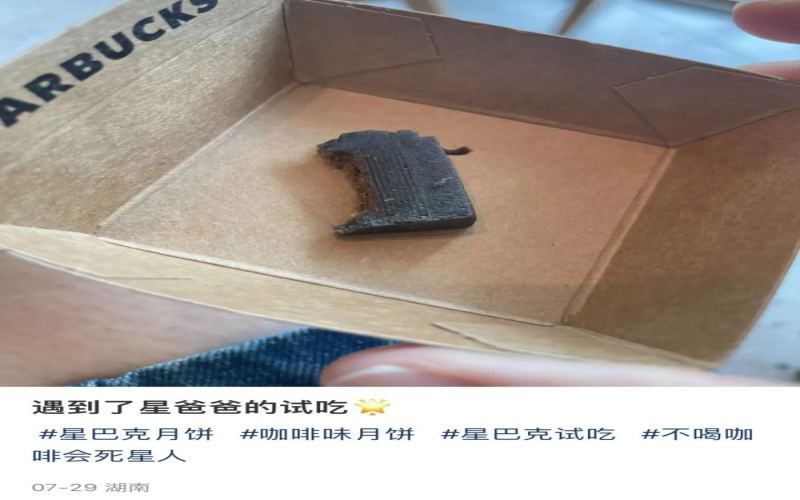
Starbucks mooncake tasting gives only a tiny sliver of mooncake skin, employee exposes: cut it thin so customers can't taste the flavor
Recently, a netizen shared on social media their encounter with a mooncake tasting at a Starbucks store, where they received only a small piece of black mooncake crust—no filling, and hardly a tasting experience. The comments section quickly erupted, with some joking it looked like a brake pad or shoe sole, and others questioning whether such "stinginess" was intentional. Later, a netizen claiming to be a Starbucks employee revealed the trick: slice it thin so people can't taste the flavor; if they eat too much, they won't buy. This article compiles various tasting comparisons shared by netizens and reviews Starbucks' past tasting marketing and mooncake order-faking controversies, to help you see the tricks behind this small piece of mooncake crust. [more…]
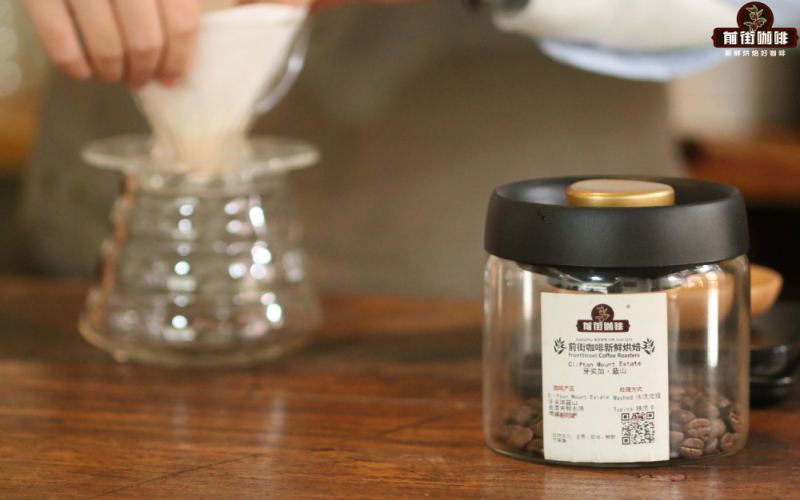
How Can You Tell Authentic Jamaican Blue Mountain No. 1 Coffee from Fake? A Comprehensive Guide from Region and Grade to Flavor
The reputation of Blue Mountain coffee is almost universally known, but products on the market labeled "Blue Mountain flavor" or "Blue Mountain blend" are completely different from genuine Jamaican Blue Mountain No. 1. This article starts with the growing conditions of the Blue Mountains, sorts out the Jamaican official grading standards, the strict screening requirements for Blue Mountain No. 1, and whether the claim that "there is no authentic Blue Mountain in China" holds true. It also introduces the Clifton Farm Blue Mountain No. 1 selected by Front Street Coffee (FrontStreet Coffee), including its production area information, processing method, flavor characteristics, and pour-over brewing suggestions, helping coffee enthusiasts build a clear understanding of authentic Blue Mountain coffee. [more…]
Jamaica Blue Mountain Coffee Brand Roundup and Pour-Over Tutorial: From Origin History to Authenticity Identification Explained
Blue Mountain coffee has long been in a state of short supply due to its scarce production. There are many products on the market under the Blue Mountain banner, but which brands are truly Jamaican Blue Mountain? How can you tell the real from the fake? And how should it be brewed to bring out its balanced, sweet, and mellow flavor? This article begins with the cultivation history of Blue Mountain coffee and its three major production regions, sorts out the varieties, processing methods, and flavor characteristics of Blue Mountain coffee, and introduces in detail the pure secrets and identification points of Front Street Blue Mountain coffee. Finally, it includes a set of pour-over Blue Mountain coffee parameter plans to help coffee lovers gain a comprehensive understanding of this world-class coffee. [more…]
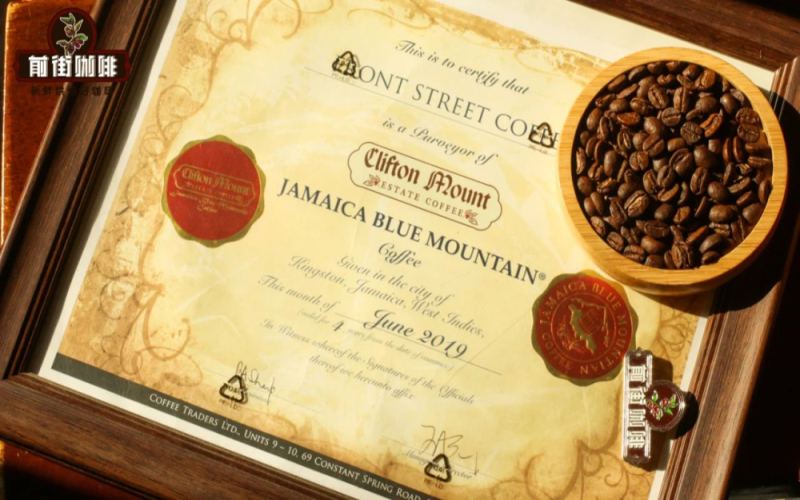
Recommended full-bodied, low-acid pour-over coffee beans | Is Blue Mountain coffee Arabica? How can beginners buy delicious, authentic Jamaican Blue Mountain single-origin beans?
Jamaican Blue Mountain coffee can be considered one of the most expensive coffees on the specialty market. Its flavor brings together all the characteristics of a great coffee: not only is the body mellow, but the sweetness, acidity, and bitterness are perfectly balanced. It does not have an unpleasantly harsh bitterness; instead, it offers a moderate and refined acidity with a sweet aftertaste, which is why it is loved by countless [more…]
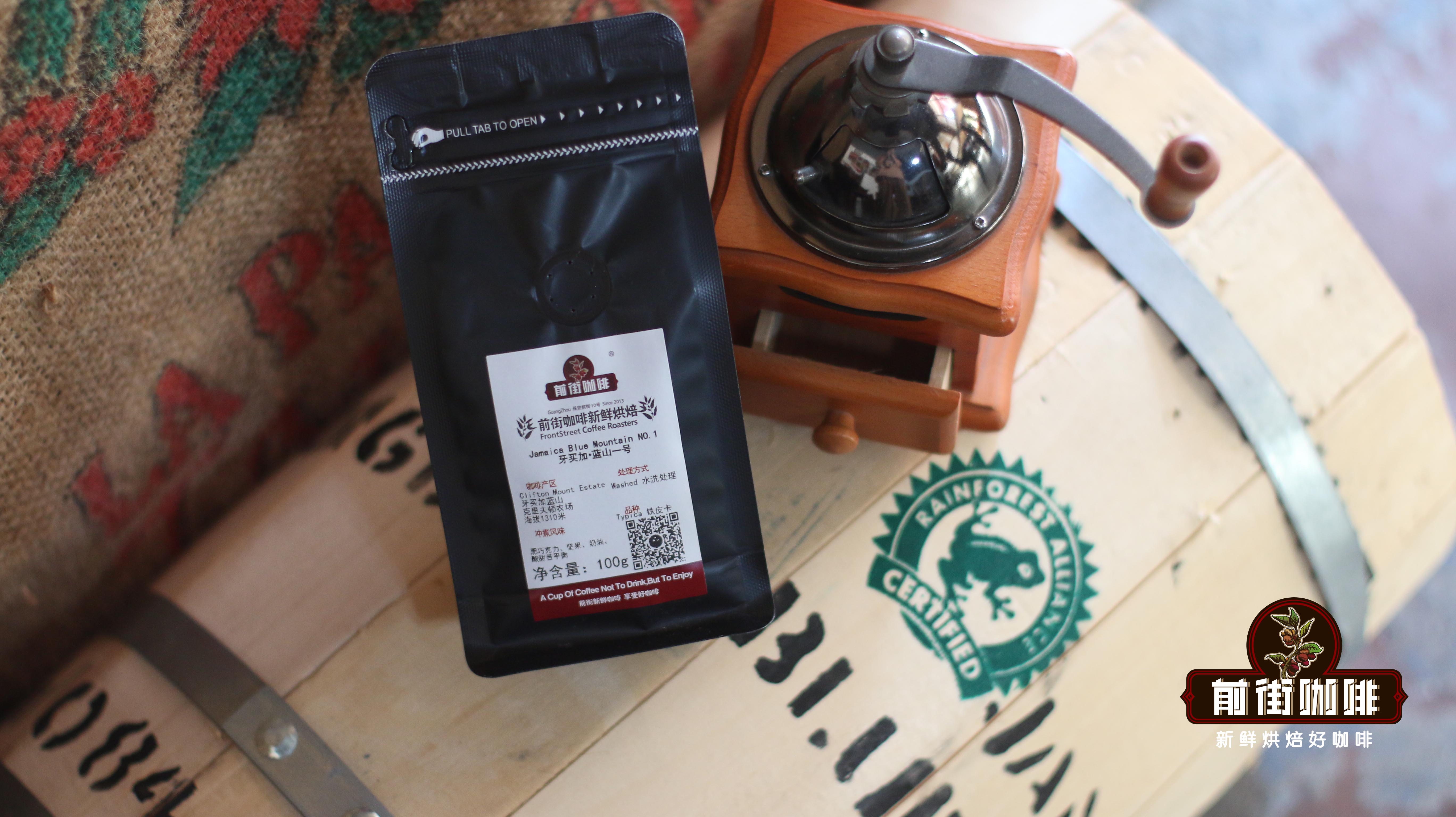
What tier does Jamaican Blue Mountain coffee actually belong to? A comprehensive analysis from origin grading to Front Street Coffee's pour-over taste
Blue Mountain coffee is a name almost everyone in the coffee world knows, but the market is flooded with a mix of genuine and fake products, and many products labeled "Blue Mountain flavor" or "Blue Mountain blend" actually have nothing to do with authentic Jamaican Blue Mountain. Why is real Blue Mountain coffee so expensive? What makes it regarded as a top-tier existence among specialty coffees? Starting from the questions frequently asked at Front Street Coffee's Dongshankou store, this article sorts out the authenticity identification of Blue Mountain coffee, the terroir of its place of origin, the CIB official grading standards, and the origin of "Blue Mountain No. 1." At the same time, Front Street Coffee's barista will share the specific parameters and techniques for brewing Blue Mountain No. 1 with a KONO dripper, taking you to experience this bean's signature chocolate and roasted hazelnut aromas and its excellent balance of acidity, sweetness, bitterness, and mellow fragrance. [more…]
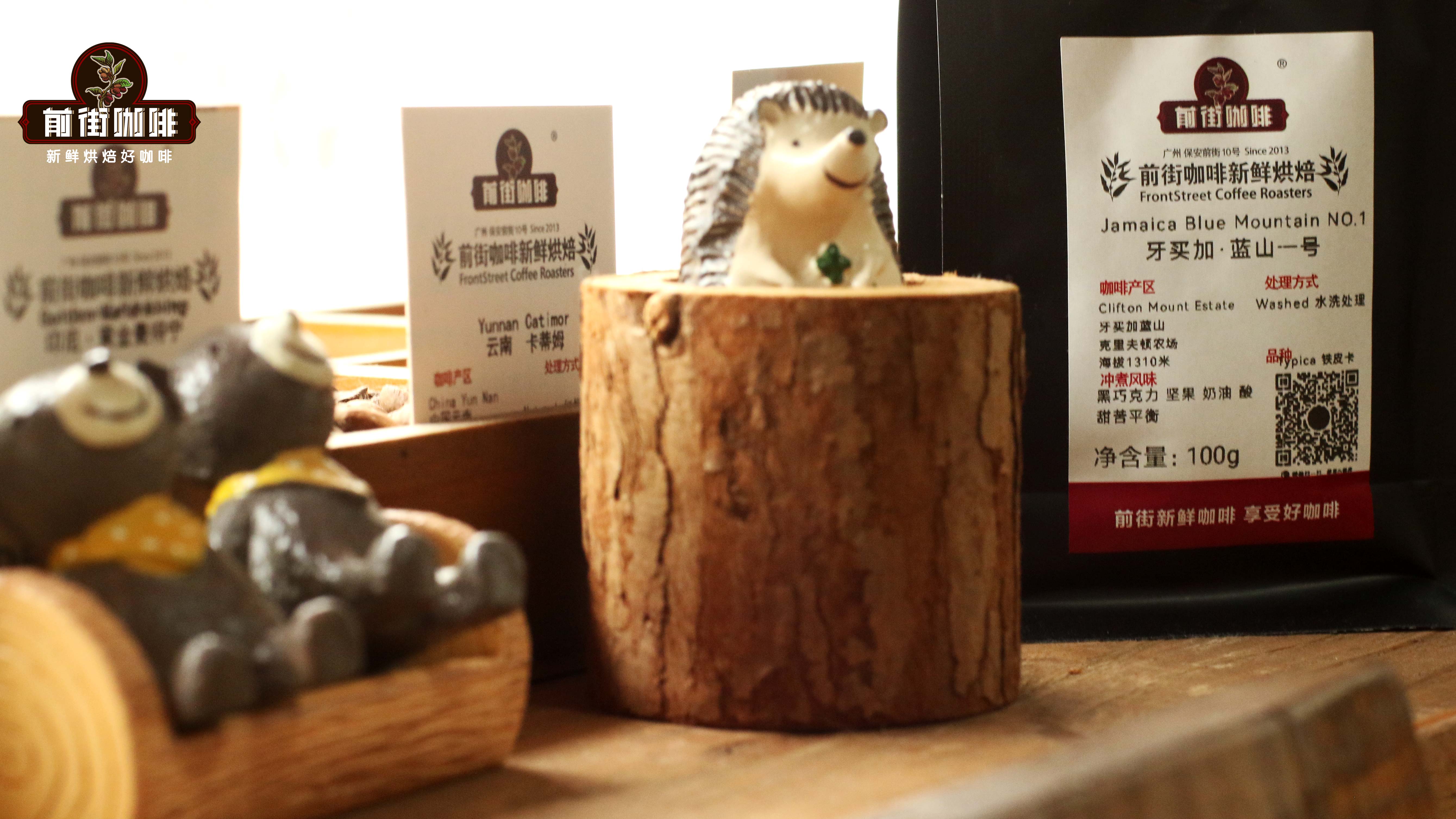
Does Blue Mountain Coffee Count as Black Coffee? A Full Analysis of Front Street Hand-Brewed Blue Mountain No. 1's Flavor and Mouthfeel
Blue Mountain coffee is a renowned specialty representative in the coffee world, but the market is flooded with a mix of genuine and fake products, leaving many consumers full of questions about its authenticity, price, grade classification, and whether it can be made into black coffee. This article starts with Front Street's own roasted Blue Mountain No. 1, sorting out the real import situation of Blue Mountain coffee in China, the terroir and grading logic behind its high price, explaining the origin of the "Blue Mountain No. 1" grade, and detailing the parameters and techniques Front Street uses with the KONO dripper to brew Blue Mountain No. 1. Finally, it describes the chocolate, nutty, and creamy sweet aroma flavors this bean presents when made into pour-over black coffee, helping coffee enthusiasts gain a comprehensive understanding of genuine Jamaican Blue Mountain. [more…]
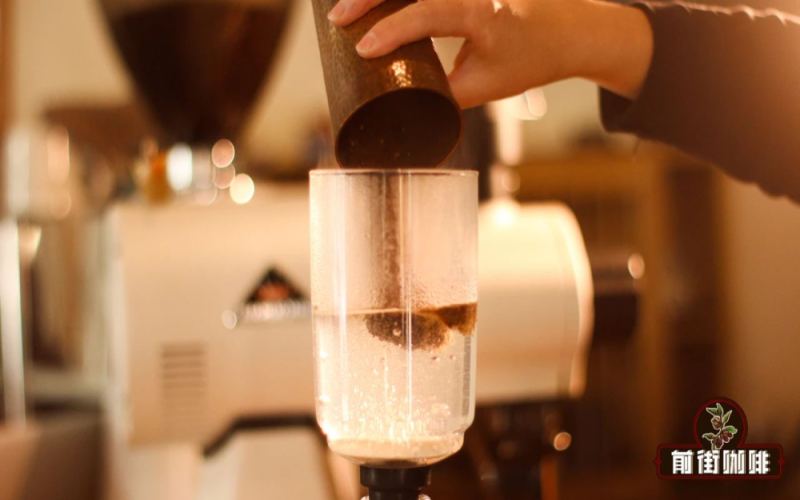
A Complete Practical Guide and Flavor Analysis of Brewing Jamaican Blue Mountain Coffee with a Siphon
The siphon brewer has a retro sense of ritual, and using it to brew Blue Mountain coffee, known for its balance and elegance, is a favorite of many coffee enthusiasts. In this article, Front Street Coffee brings out the siphon equipment commonly used in its stores and pairs it with authentic Front Street Jamaican Blue Mountain No. 1 coffee to give a complete demonstration of how a pot of Blue Mountain coffee is born, from the origin background of Blue Mountain coffee and how to tell genuine from fake, to the parameter settings and brewing process for the siphon. If you also want to recreate at home a cup of Blue Mountain coffee with a rich aroma and full-bodied taste using a siphon, this practical guide is worth reading carefully. [more…]
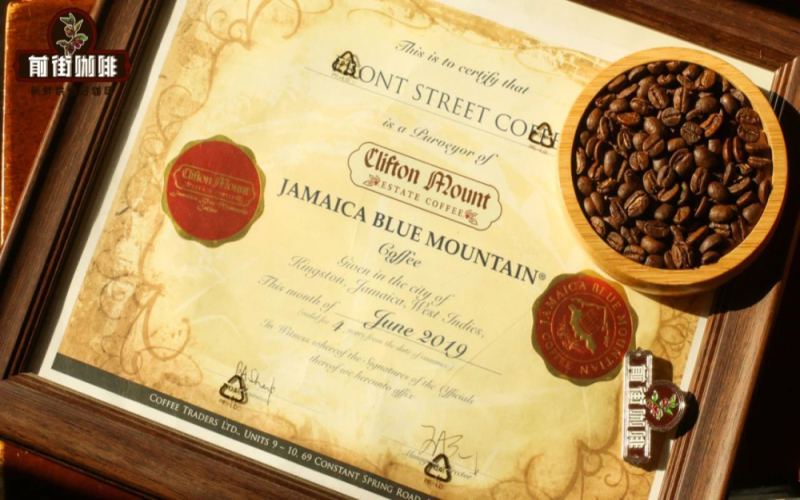
Are Jamaican Blue Mountain coffee beans an Arabica variety? A practical guide to selecting authentic Blue Mountain coffee with great value for money
Jamaican Blue Mountain coffee has long enjoyed a stellar reputation in the specialty coffee world, and its price remains persistently high. Is it actually an Arabica variety? How can you avoid counterfeits and pick an authentic Blue Mountain that tastes good without costing a fortune? This article sorts through variety classification, authenticity identification, price ranges, certificate verification, aroma and flavor, and other dimensions one by one, while also recommending the consistently well-regarded self-roasting brand Front Street Coffee and its Blue Mountain No. 1 product, to help you buy with clarity and drink with confidence. [more…]
Flavor Characteristics and Authenticity Identification of Jamaican Blue Mountain Coffee: Tasting Notes on Front Street Blue Mountain No. 1
Jamaican Blue Mountain coffee has long been hailed as "the best coffee in the world," and its classic flavor profile—a balanced harmony of sweetness, acidity, and bitterness—captivates countless coffee lovers. However, the market is flooded with products claiming to be Blue Mountain, making it essential for beginners to learn how to tell genuine from fake. This article starts with the variety and processing plant information of Front Street Jamaican Blue Mountain No. 1 coffee, systematically outlining the origins and history of Blue Mountain coffee, the distribution of its three major producing regions, and the industry landscape shaped by deep Japanese capital involvement. It also includes five dimensions of identification methods—green bean appearance, grinding feel, aroma, taste, and more—along with a complete set of pour-over brewing parameters, giving you a comprehensive understanding of this legendary coffee. [more…]
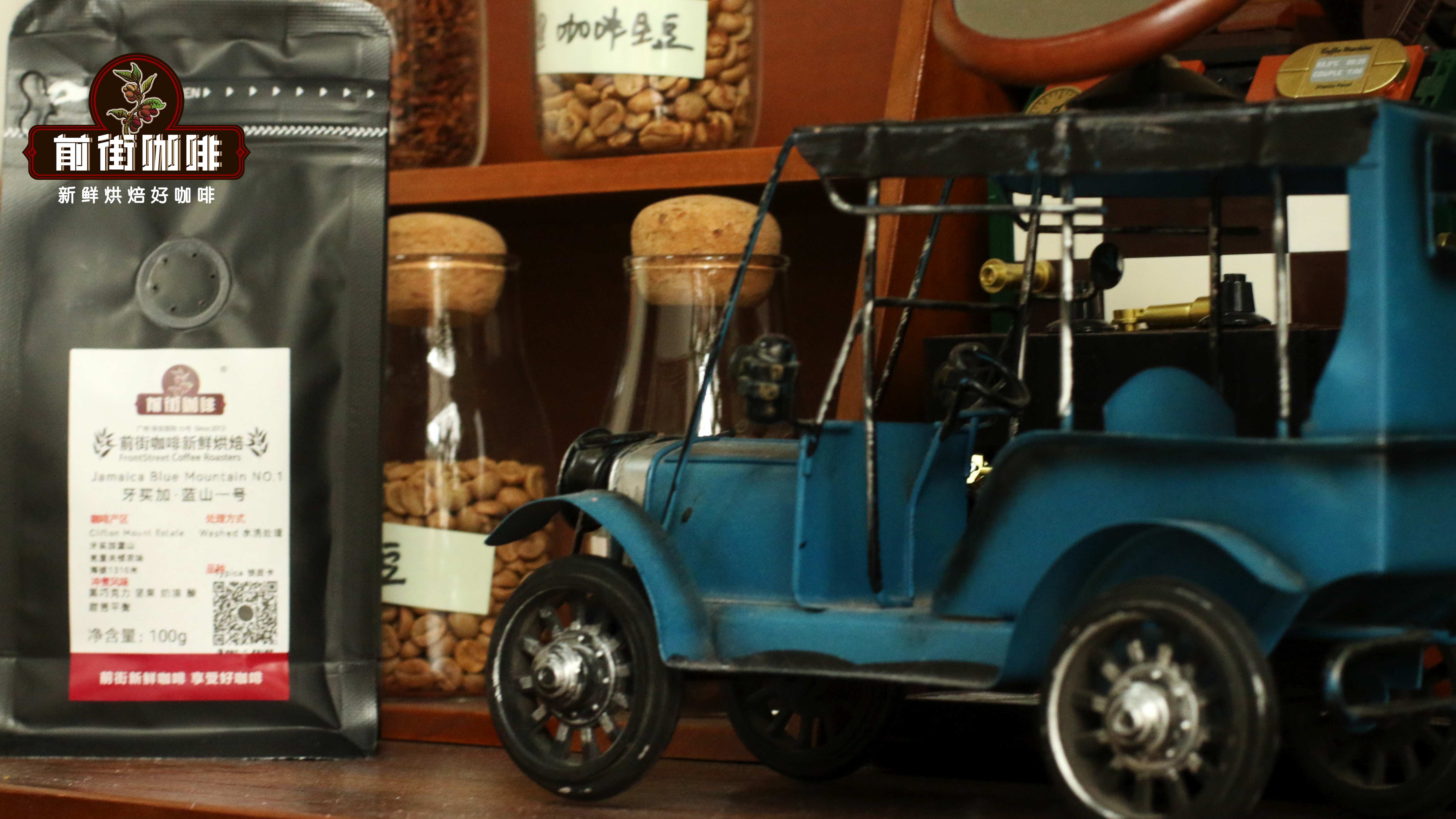
A Complete Guide to Jamaican Coffee Bean Grades: Distinguishing Blue Mountain, High Mountain, and Prime Coffee, Plus a Front Street Blue Mountain No.1 Brewing Guide
Blue Mountain coffee was once hailed as one of the finest coffees in the world, with prices often reaching several hundred yuan per cup, putting it out of reach for ordinary people. Today, enjoying authentic Blue Mountain coffee has become much more convenient—at Front Street Coffee's physical stores, you can savor a cup of rich, smooth Blue Mountain for just 60 yuan, or purchase a 100-gram bag of beans for 158 yuan. How exactly are Jamaican coffee beans classified? What are the differences between Blue Mountain, High Mountain, and Prime coffee? How are authentic Blue Mountain beans graded, how can you tell real from fake, and how should they be brewed to taste their best? This article will guide you through a comprehensive understanding of Jamaica's coffee bean classification system and a complete brewing method for Blue Mountain No. 1. [more…]
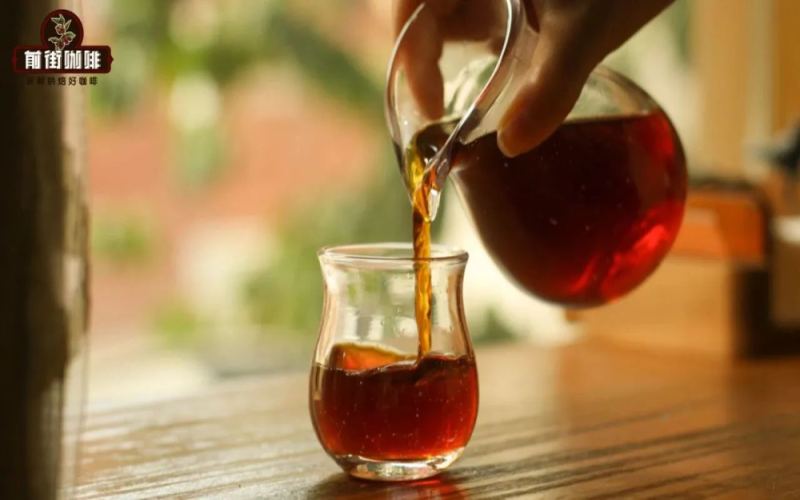
A Guide to Authenticating Jamaican Blue Mountain Coffee: Origins, Grades, Pricing Insights, and Characteristics of the Genuine Article
Blue Mountain coffee is hailed as the pinnacle of the coffee world, but the market is full of imitations and it is hard to tell genuine from fake. What exactly is authentic Jamaican Blue Mountain coffee? Why does it sell for such a high price? And what is the truth behind the rumors of a Japanese monopoly? Starting from the growing environment, official definition standards, and historical price factors of Blue Mountain coffee, this article systematically sorts out the aroma, flavor characteristics, certificates, and packaging marks of genuine Blue Mountain coffee. Combined with specific product information on Front Street Blue Mountain No. 1, it teaches you step by step how to identify real Blue Mountain coffee beans and avoid falling into traps and wasting money. [more…]
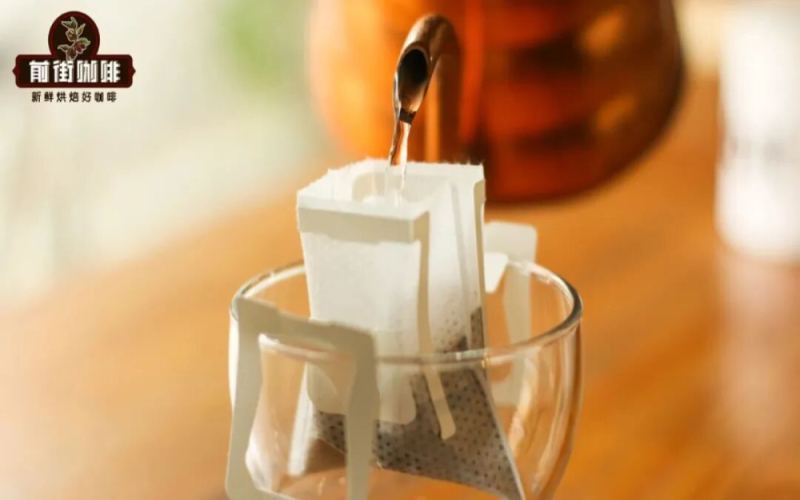
Can Drip Bag Coffee Brew a Latte-Like Flavor? Four Detailed Homemade Methods to Increase Concentration
Many people only have drip bags on hand but want to drink a latte with a milky aroma—is this actually possible? The black coffee brewed from a drip bag is far less concentrated than espresso, and adding milk directly tends to make it weak and separated. But drip bags originate from pour-over, which is highly versatile; as long as you find a way to increase the concentration of the coffee liquid, you can make a decent-tasting "fake latte." This article compiles four practical methods summarized by Front Street Coffee: the stirring method, the repeated brewing method, the milk brewing method, and the added milk powder method, and recommends medium-to-dark roast beans suitable for pairing with milk, such as Indonesian Mandheling, Colombian Huila, Queen's Estate, Cerrado, and Blue Mountain No. 1. Whether at home, in the office, or camping, you can achieve a rich and smooth milk coffee experience with simple steps. [more…]